
Commercial Hail Damage Roof Repair in Topeka, KS
Home / Roof Damage Repair / Commercial Hail Damage Roof Repair
A dent in edge metal can be cosmetic, while a strike through a membrane changes the water path. We document the impact pattern, inspect the roof material, and test before deciding what needs repair. Topeka’s weather archive includes severe hail and wind events in northeast Kansas. After a report, a retail property near Wanamaker Corridor and an industrial building at Heartland Synergy Park still need separate roof findings. The event context sets the inspection timing, not the quantity.
Impact pattern: Which marks affect the roof?
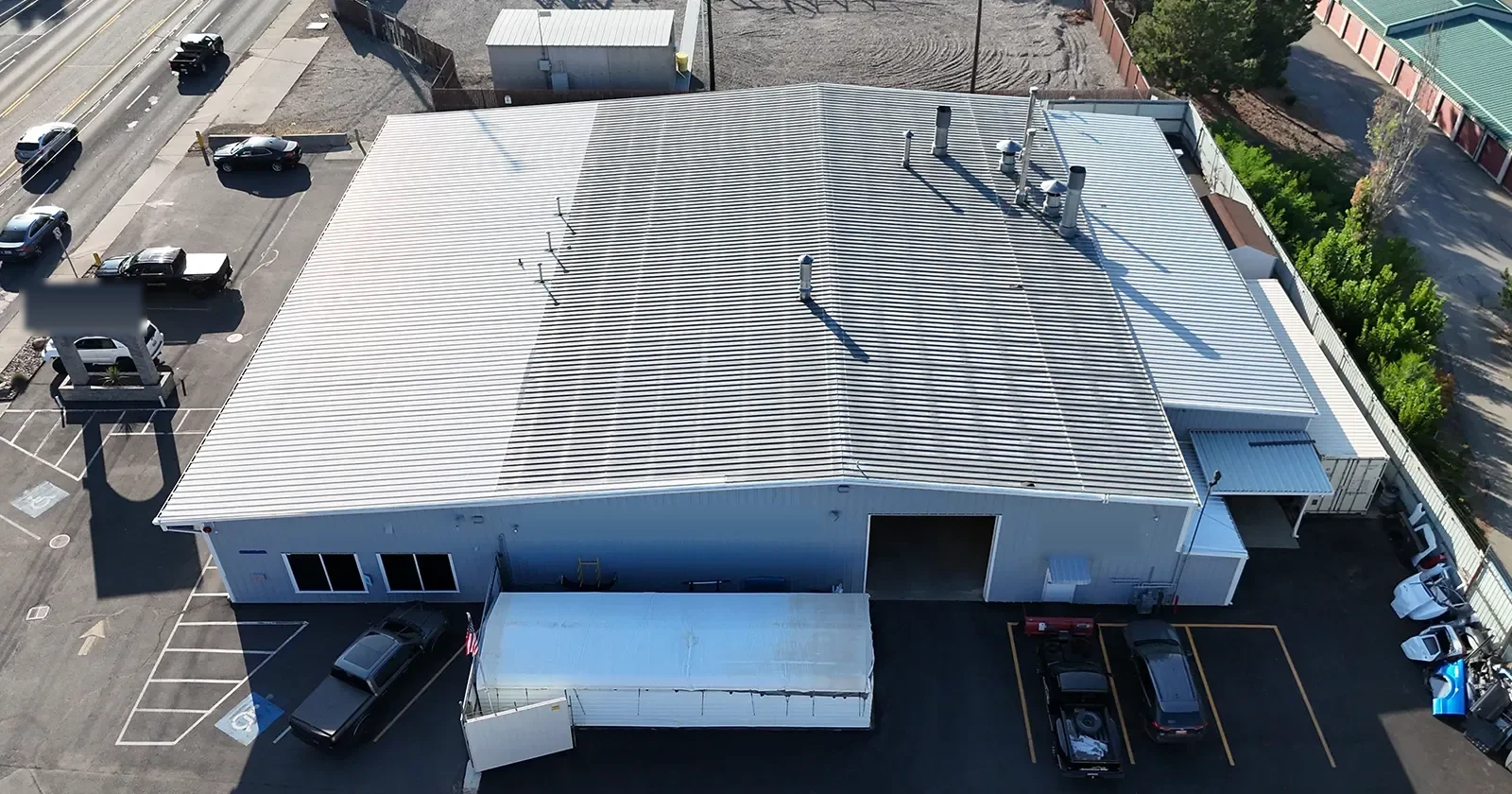
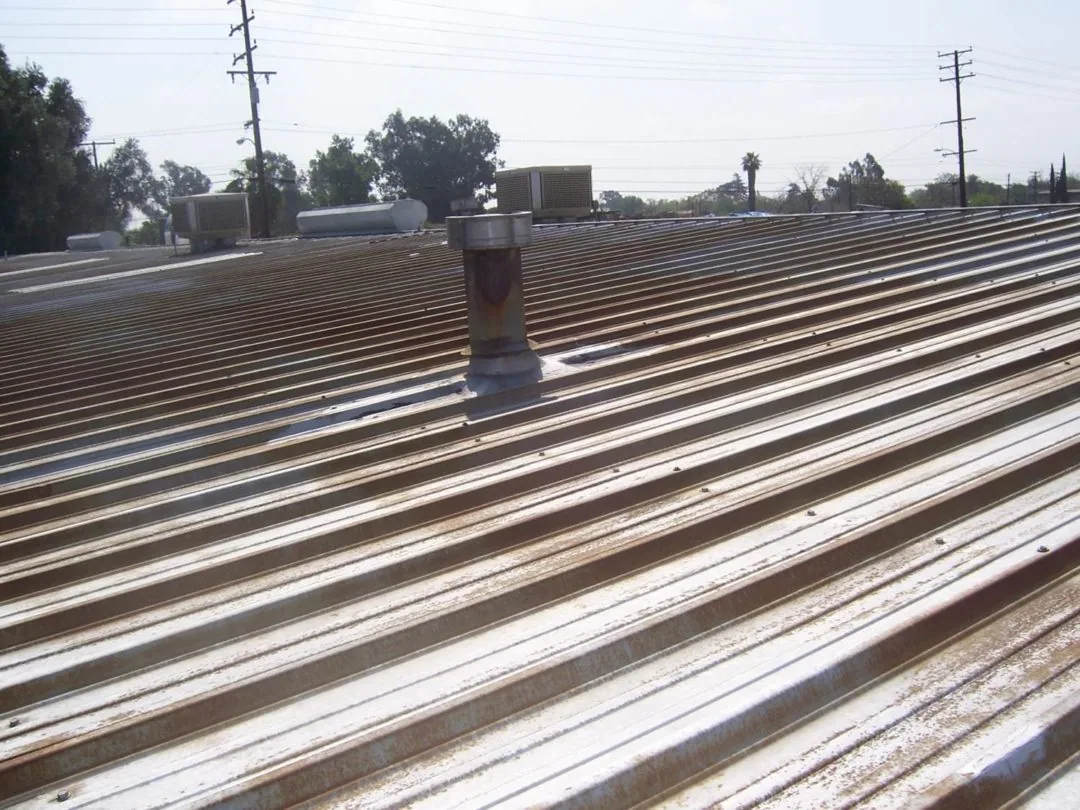
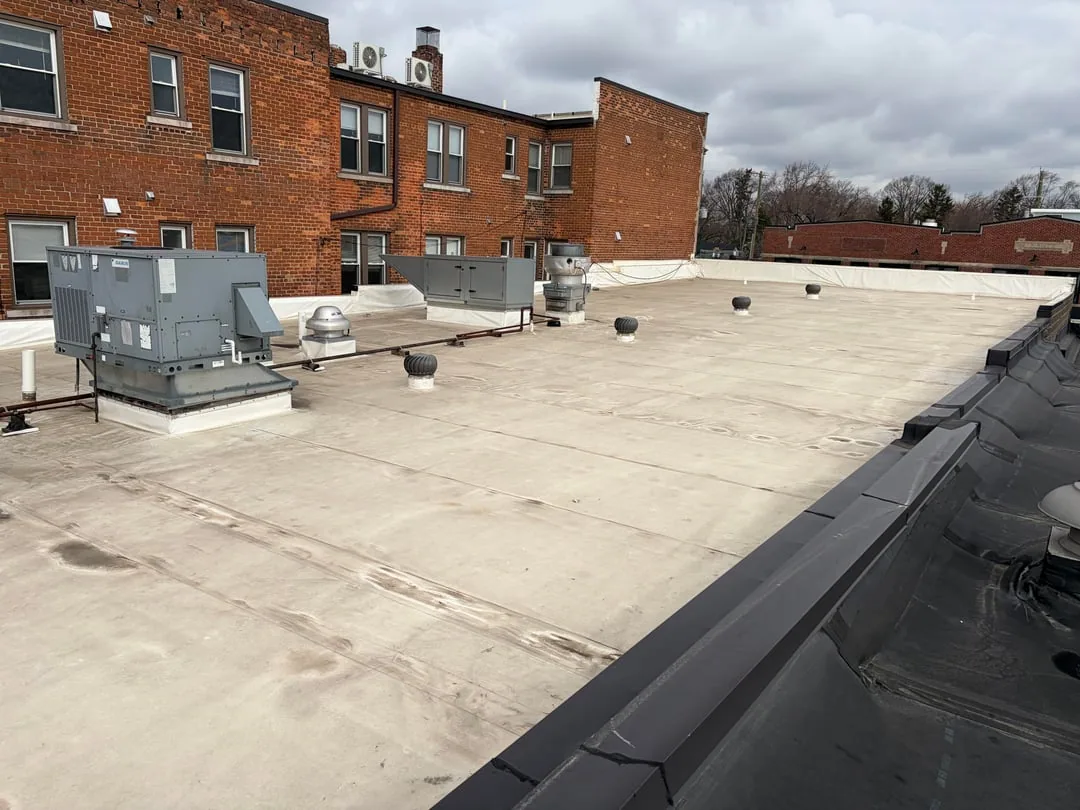
We map dents, fractured surfacing, punctures, loose edge metal, and damage around skylights or rooftop equipment. The inspection record identifies the building, roof zone, and material at each observation. On a metal roof, we check exposed fasteners, panel seams, ribs, and coating condition. On a membrane roof, we look for cuts, punctures, displaced flashing, or damage at a seam. Photographs include nearby features for location reference.
Not every mark changes water tightness. A shallow depression in metal may not require the same work as a torn panel or a punctured membrane. We inspect the surface and test where the finding could affect a repair boundary. If coatings or granules are missing, the assessment records the extent and substrate condition without treating color variation alone as proof of a leak.
A roof plan also helps compare marks around drains, rooftop equipment, and high points. We photograph representative areas and note whether the same pattern continues across the tested section. For a property with several roof levels, the report names each level so a mark on a lower canopy is not merged with a main roof finding. If the surface is coated, we distinguish impact marks from coating wear and describe the substrate visible at the test point. The owner receives a location map that can be used to direct an adjuster or maintenance crew to the same detail.
Interior reports help prioritize roof zones but may not line up directly below an impact. We trace possible paths across slope, seams, curbs, and drains. If moisture readings point to a concealed area, an approved opening can confirm the insulation condition. The report labels observed impact, tested areas, and untested portions separately so a claim file or maintenance plan does not overstate the inspection.
Impact marks need context before they become a repair quantity. We photograph the surface, seams, edges, curbs, rooftop equipment, and drainage components in each affected zone, then compare their condition with available pre-event records. A dent or coating mark may not open the membrane, while a puncture or displaced edge can create a direct water path. We label each observation as functional damage, surface change, or an item requiring closer testing. The owner can then compare the storm report with site evidence without treating every visible mark as a failed roof detail. Each location remains tied to its own observed roof and documented access.
Water entry: Is temporary protection needed?
A membrane opening or displaced flashing can admit water before a permanent repair is ready. We protect exposed areas, note what material was used, and identify how long the temporary measure can remain under expected conditions. A rapid roof response can address active exposure after safe access is confirmed. The record states which interior space remains affected and what return work is needed.
Topeka receives both summer thunderstorms and winter precipitation. A wet roof or unsafe surface can delay permanent material work, and ice can restrict access to the affected zone. We set an end-of-shift tie-in before removing material. If the roof is dry and the puncture is limited, the permanent patch can proceed within the approved boundary. A broader wet area stays separate until tested.
Hail can occur with wind, which may also move coping, fasteners, or panels. We document those details independently rather than assuming a single repair explains every mark. A wind damage assessment can address uplift or movement at the perimeter, while this review focuses on impact evidence. The owner can compare each measured item and approve the connected scope.
Materials: What repair matches the roof system?
Repair materials depend on the existing membrane, metal, coating, and substrate. We identify the system before selecting a patch, replacement panel, fastener, or coating repair. The repair proposal names preparation, compatibility, dimensions, access, and closeout checks. A surface covering that cannot bond to the roof may hide the mark without restoring the assembly.
If a puncture is confirmed, we remove material only to a sound edge and tie in the patch using the approved detail. The puncture repair scope records the opening and adjoining insulation separately. A dented panel may need a different correction if its seam or fastening was affected. We measure the actual panel area and check adjacent laps before ordering material.
Test openings can reveal wet insulation, damaged cover board, or deck conditions that were not visible from the surface. We secure each opening and submit photographs and dimensions for owner direction. The price distinguishes the initial patch from any additional removal. If the owner elects broader work, we document the revised boundary and materials before proceeding.
Access: How are tenants and operations protected?
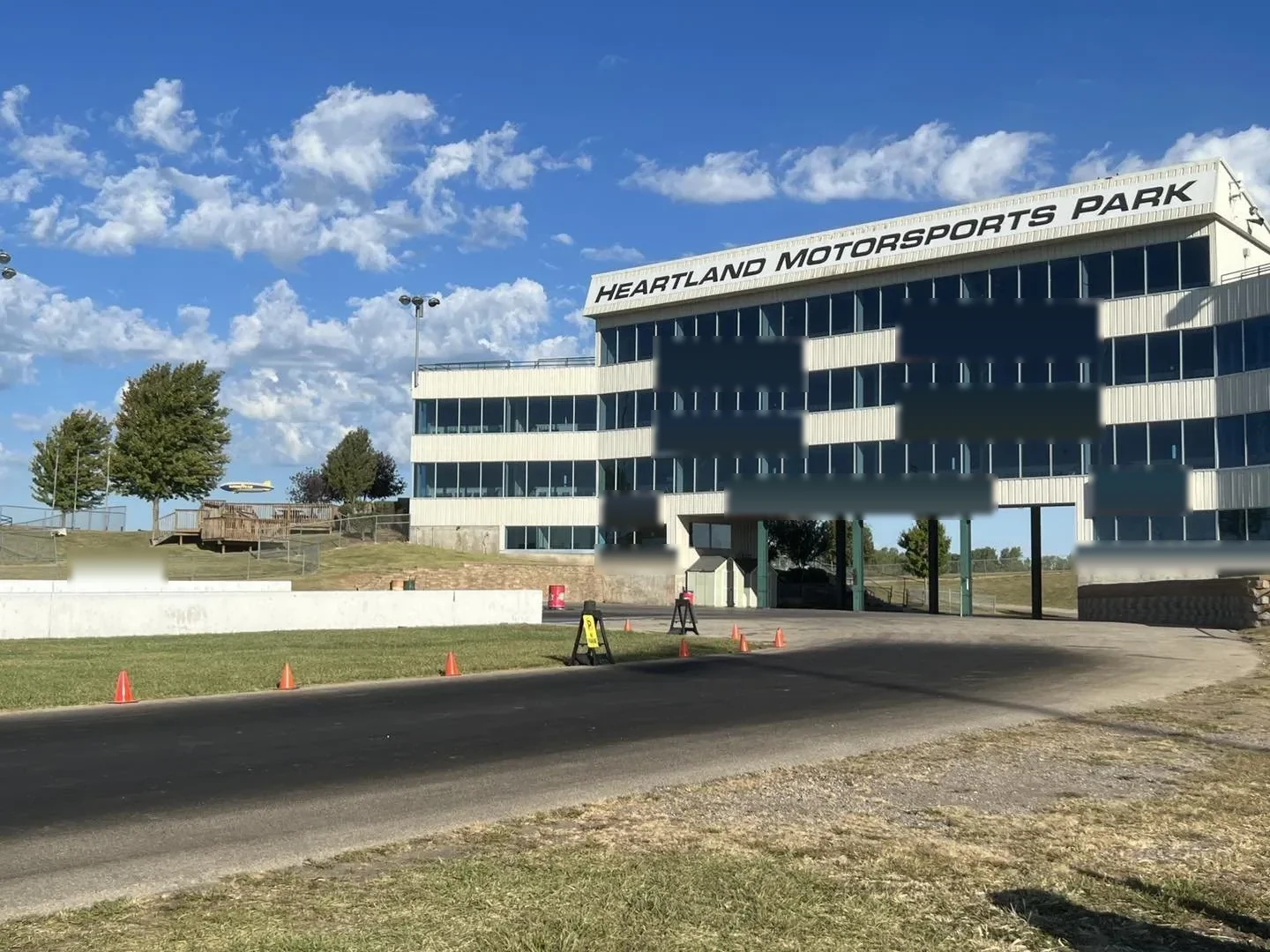
Roof access, customer routes, production schedules, lift placement, and interior protection affect the work window. At West Ridge Mall, retail operations can require coordination around entrances and deliveries; the property representative confirms the actual site plan. Heartland Synergy Park has a different business-park context. We still confirm the specific gate, staging space, and areas beneath the repair with the building contact instead of assuming conditions from the address alone.
Hail inspection may involve several buildings after one regional storm report. We assign each property its own roof map and photograph set. A single event date does not make every location’s damage identical. The facility contact can rank active leaks, critical equipment, and occupied spaces so the inspection sequence addresses the most urgent conditions first.
After repair, we inspect the finished patch, panel, or metal detail and take completion photographs. The closeout lists materials, dimensions, roof zones, and areas that were not reached. If the report found no opening at a dented panel, that observation remains in the file. A later water report can then be compared with the documented area instead of assumed to come from the original storm.
Commercial Roofing Questions
Does a hail report mean the whole roof should be replaced?
No. We map impact conditions and test selected areas before comparing a local repair with a broader scope. The roof assembly, moisture findings, and extent of confirmed damage guide that choice.
Can a dented metal panel still be watertight?
It may be, but we inspect seams, fasteners, coating, and panel shape. The report distinguishes visible dents from details that have opened or lost attachment.
How do you confirm hail damage on a membrane roof?
We inspect for punctures, cuts, displaced flashings, and seam changes, then test where the finding could affect the repair. Moisture below the surface is confirmed before it is included in quantities.
Should active leaks be repaired before the claim inspection?
Temporary protection can limit further water entry. We document the location and materials used, then keep permanent repair quantities separate for owner and adjuster review.
What if wind damage appears with hail marks?
We record impact and movement as separate conditions, then connect them only where the field evidence supports a shared repair. Perimeter details and interior reports help define each scope.
Related Roofing Work

Wanamaker Corridor
Heartland Synergy Park
Commercial Roof Inspection
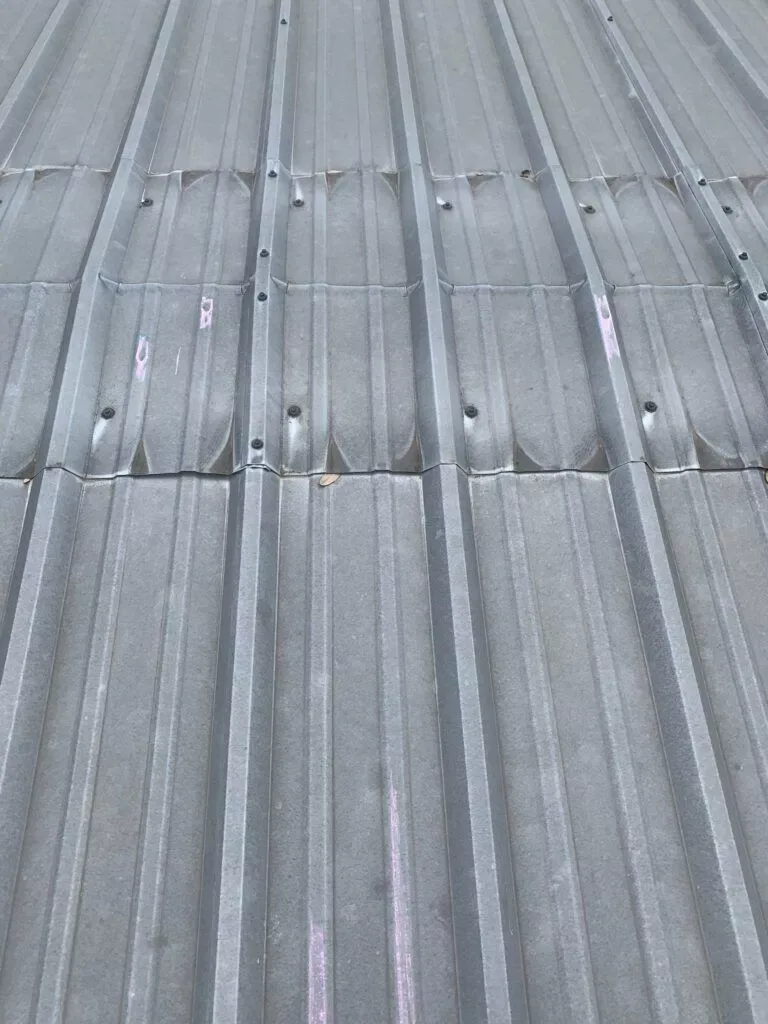
Emergency Commercial Roof Repair
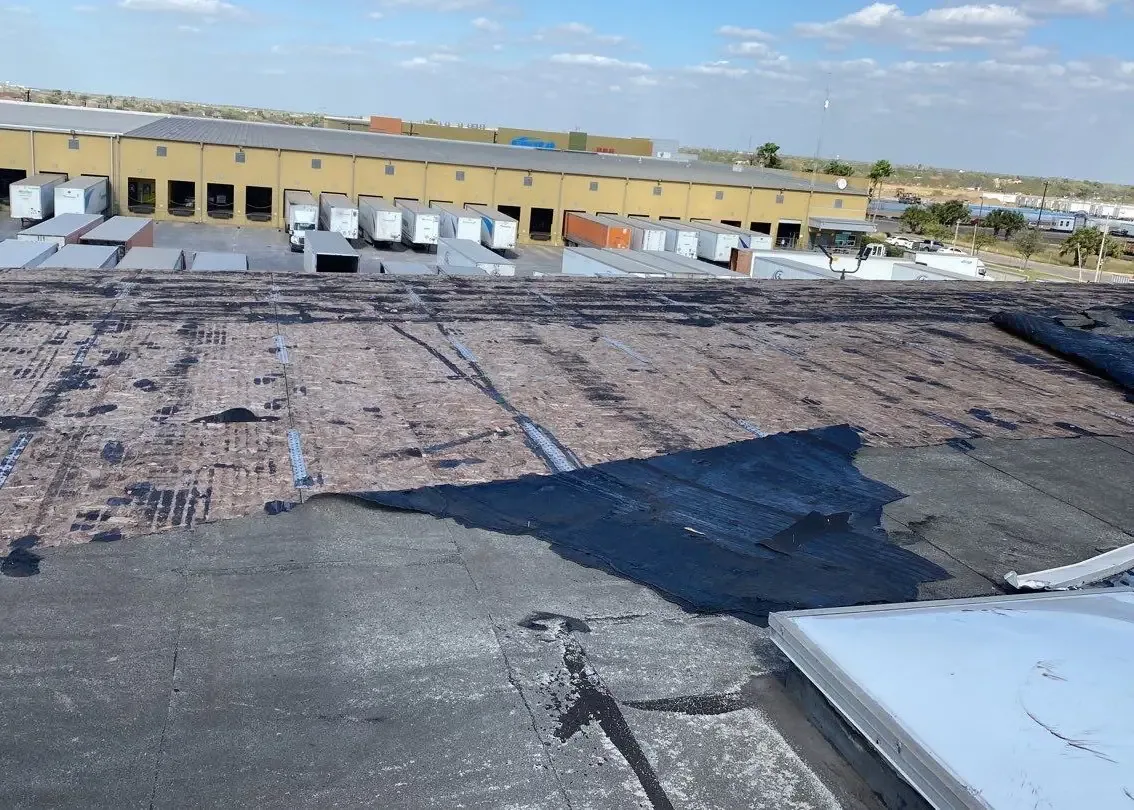
Commercial Wind Damage Roof Repair
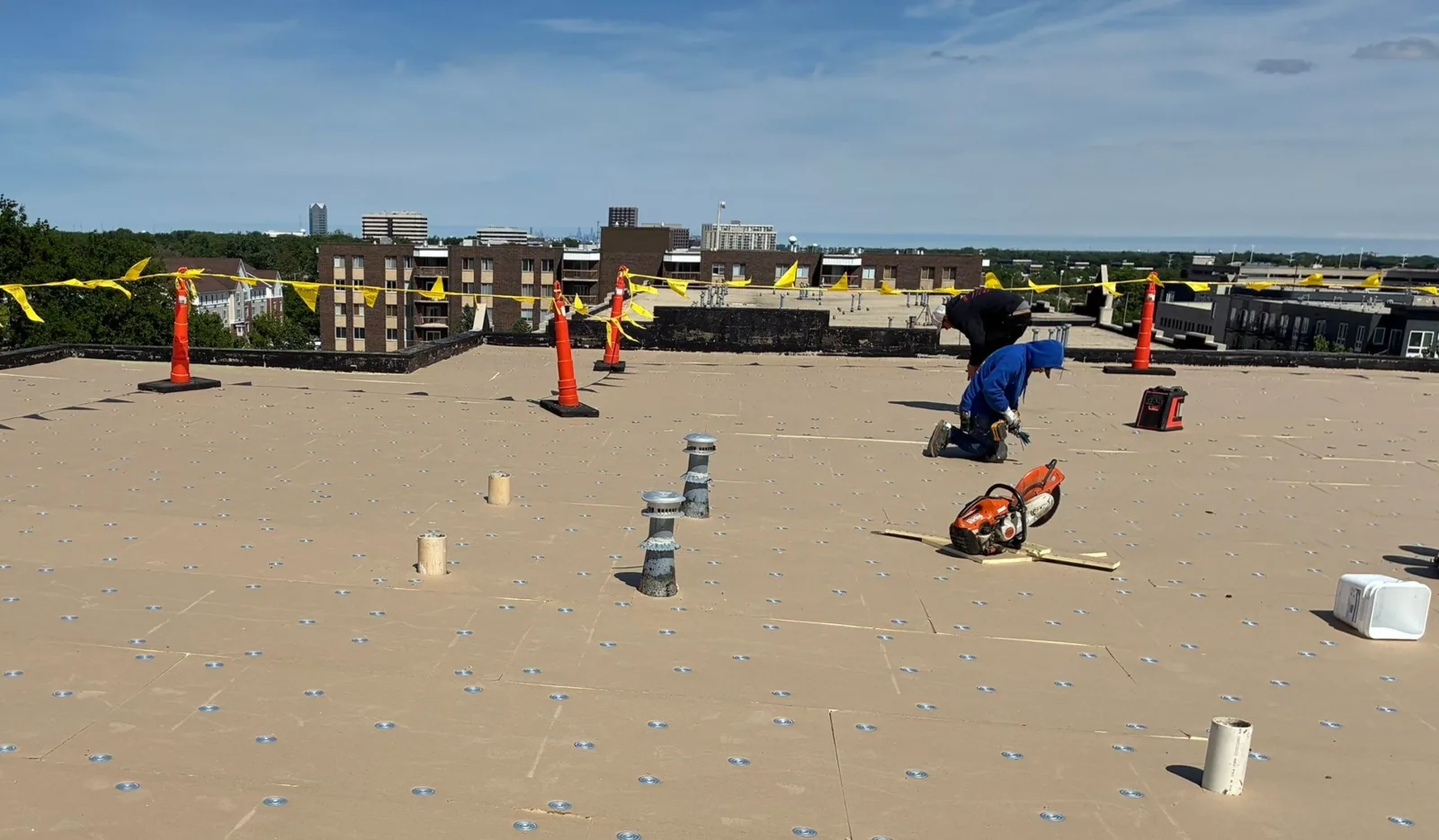
Commercial Roof Repair
Schedule a Topeka hail roof inspection
Service Area
Topeka, Auburn, Silver Lake, Carbondale, Rossville and Shawnee County, KS
Quick Contact
Email: [email protected]
Phone: 555-555-5555
Request a Roof Assessment
Provide the address, reported storm date, known interior leaks, and roof access contact. We will photograph impact conditions and define any repair by roof zone.