
Commercial Roof Replacement in Topeka, KS
Home / Commercial Roofing Services / Commercial Roof Replacement
A replacement decision starts with the roof section that has failed and the layers below it. In Topeka, about 36.5 inches of annual precipitation and measurable winter snowfall make drainage and dry-in planning part of the scope, not a closeout detail. We inspect the assembly, map wet or damaged areas, and mark what could change after removal. A roof at Central Crossing Commerce Park has a different access and operating context from a property in the West Topeka Retail Area. The owner receives a replacement boundary tied to evidence and a work window.
Survey: What has to be confirmed before replacement?
We start with records, roof plans, leak locations, previous repairs, and any available system or warranty documents. On the roof, we identify the membrane or metal assembly where possible, inspect seams, flashings, curbs, drains, edges, and penetrations, and note areas hidden by equipment. Interior reports help direct the walk, but the repair line follows roof evidence. A hands-on commercial roof inspection records the section reached, photographs the detail, and separates a visible defect from a condition that still needs testing.
If moisture could change the replacement quantity, we mark a test location and agree on the method before opening the roof. A core cut can show the layers at one point; it does not establish conditions across every section. We document the test result, deck condition, and limits of the sample. That record helps the owner compare removal, selective repair, or a recover without carrying an unverified assumption into the bid.
Removal: Which layers and details set the scope?
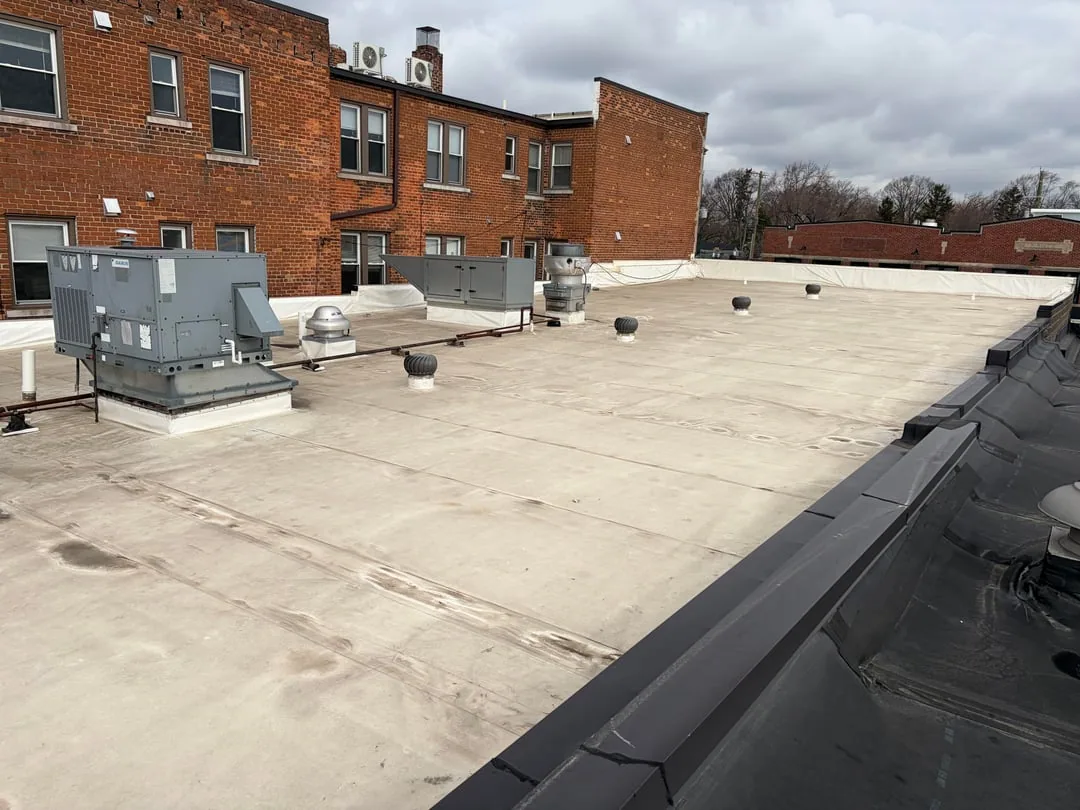
A replacement proposal should identify the existing assembly, tear-off limits, deck review, insulation, cover board, attachment, membrane, flashing, and perimeter transitions. Drain bowls and overflow paths need detail because added or changed insulation can affect finished height. We record curbs, penetrations, expansion joints, and roof-to-wall transitions so each trade knows where its work meets the new roof. The scope for a food-distribution building near Harlan Industrial Park may need loading and rail coordination; the actual roof and operator determine the sequence.
Removal exposes concealed conditions, so the proposal should state how we measure deck deterioration, wet insulation, or unanticipated layers and who approves a change. We set a repair boundary for confirmed damage, then keep an allowance or alternate separate when opening the assembly could change quantities. A drain and scupper review can clarify outlet condition before the new assembly closes over that area. Each change gets a location, photograph, and written owner decision. Before bids are compared, separate base tear-off from deck-repair pricing and identify the unit used for any concealed work. A per-sheet rate is useful only when the assumed deck thickness, fastening, and removal are specified. Mark each exposed area on the roof plan before the replacement assembly covers it. The owner can then compare an approved quantity with the photographs and inspection note, instead of treating every hidden condition as a change to the entire roof.
Options: When is a recover worth comparing?
A recover can reduce tear-off only when the existing layers, moisture condition, attachment, deck, drainage, and applicable code allow another assembly. We do not use a surface that looks intact as proof that the layers below are dry or secure. Testing should answer the specific question that affects the scope. The recover evaluation records layer count, test locations, perimeter height, and details that need adjustment. If results leave a structural or code question open, we state it before the owner commits to the overlay.
Full removal makes concealed areas accessible for inspection, but it also changes labor, disposal, staging, and the time the building has an open roof. A limited repair may remain reasonable when defects are confined and the adjacent assembly is serviceable. Repeated leaks, wet insulation across several zones, failed attachment, or deteriorated deck can support a broader replacement. A leak investigation can establish whether one reported interior mark ties to a defined roof defect or a larger water path.
Timing: How do weather and operations change the sequence?
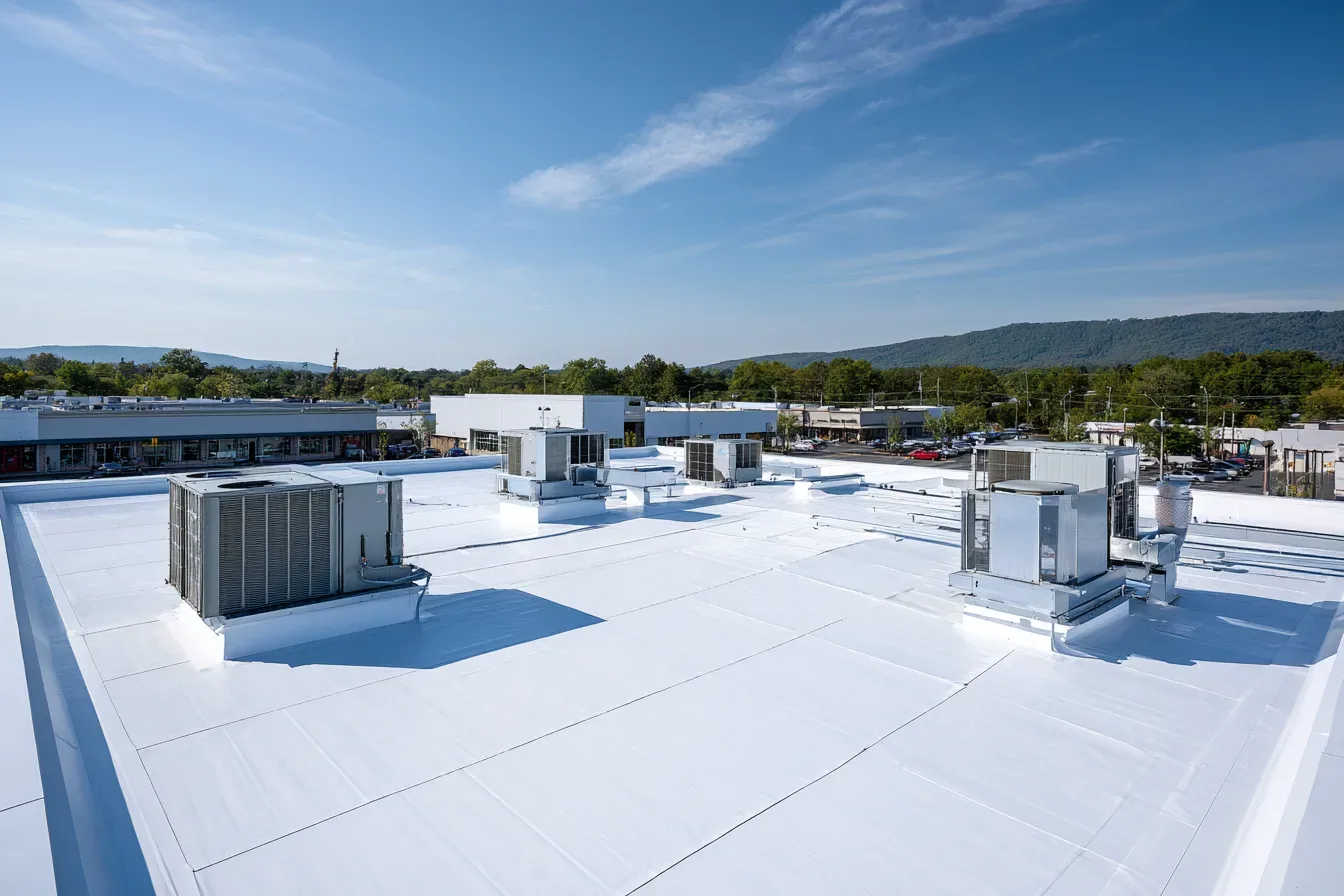
Topeka summers bring thunderstorms, while winter precipitation and freeze-thaw conditions affect access, surface preparation, and drainage checks. We plan daily roof sections that can be made weather-tight before a stop point. The forecast does not replace the crew’s field check of the surface and material instructions. A weather hold should name who secures the opening, who confirms temporary protection, and when the next section can start. If a building must remain in use, we coordinate deliveries, lifts, entrances, and areas below the work before mobilization.
Retail activity in the Wanamaker corridor and freight or production schedules near Central Crossing can put different limits on staging and work hours. We confirm the address, loading path, service contacts, noise limits, and equipment shutdowns with the facility lead. The plan identifies what stays open, which roof zone is active, and what happens if weather delays that phase. A warehouse roof plan can address distribution operations, while capital planning can compare project timing by section and budget year.
Closeout: What evidence should remain with the roof?
Before work is concealed, we photograph deck repairs, insulation transitions, drain details, attachment, seams, flashing, and perimeter terminations. The closeout records materials installed, sections completed, testing performed, open exceptions, and any area that could not be reached. We match labels to the roof plan and preserve the owner’s approved changes. That gives maintenance staff a usable baseline for later inspections instead of a generic statement that the roof was replaced.
For a roof with prior leak history, keep the old reports beside the new condition record and note which symptoms stopped after work. Schedule an initial review after the first substantial rain and a later seasonal check where winter drainage or snow removal matters. The owner can then compare actual performance with the scope assumptions and decide whether any remaining section needs additional testing. We leave a clear contact and next action for each open item.
Commercial Roofing Questions
Which findings make a full tear-off more defensible than a recover?
Confirmed wet insulation across multiple sections, failed attachment, deteriorated deck, or incompatible existing layers can support removal. We identify the tested areas and state whether more sampling could change that conclusion. A recover remains a separate option only when the assembly, drainage, edge height, and code conditions support it.
How does Topeka weather affect the replacement schedule?
Summer thunderstorms and winter precipitation narrow the safe window for opening and closing roof sections. We plan each work area around the forecast, surface condition, and the time needed to secure it. If conditions shift, the field lead protects the opening and records the next release point.
What should I compare across replacement bids?
Compare tear-off limits, deck and insulation assumptions, drain work, flashing details, staging, protection below, and closeout records. A base scope should separate known quantities from concealed conditions. We can identify which test result or owner decision would change the price or sequence.
Can the building stay open during replacement?
We can phase work around occupied areas when access, safety, and weather-tight boundaries support it. The facility lead identifies entrances, deliveries, equipment that must remain active, and the person who approves a shutdown. Each phase should close securely before crews move to another roof section.
What documents help define the replacement boundary?
Send roof plans, prior inspections, leak reports, repair invoices, system records, and access requirements. We use them to map known conditions, then verify the roof in the field. Test results and marked photographs show which findings support removal and which remain assumptions.
Related Roofing Work
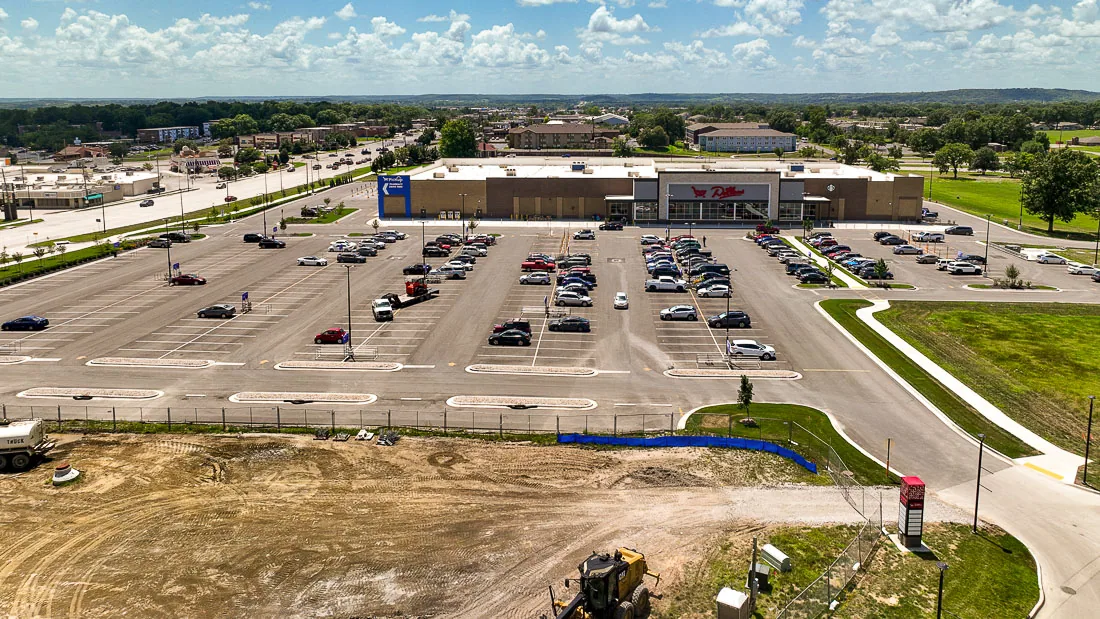
Central Crossing Commerce Park
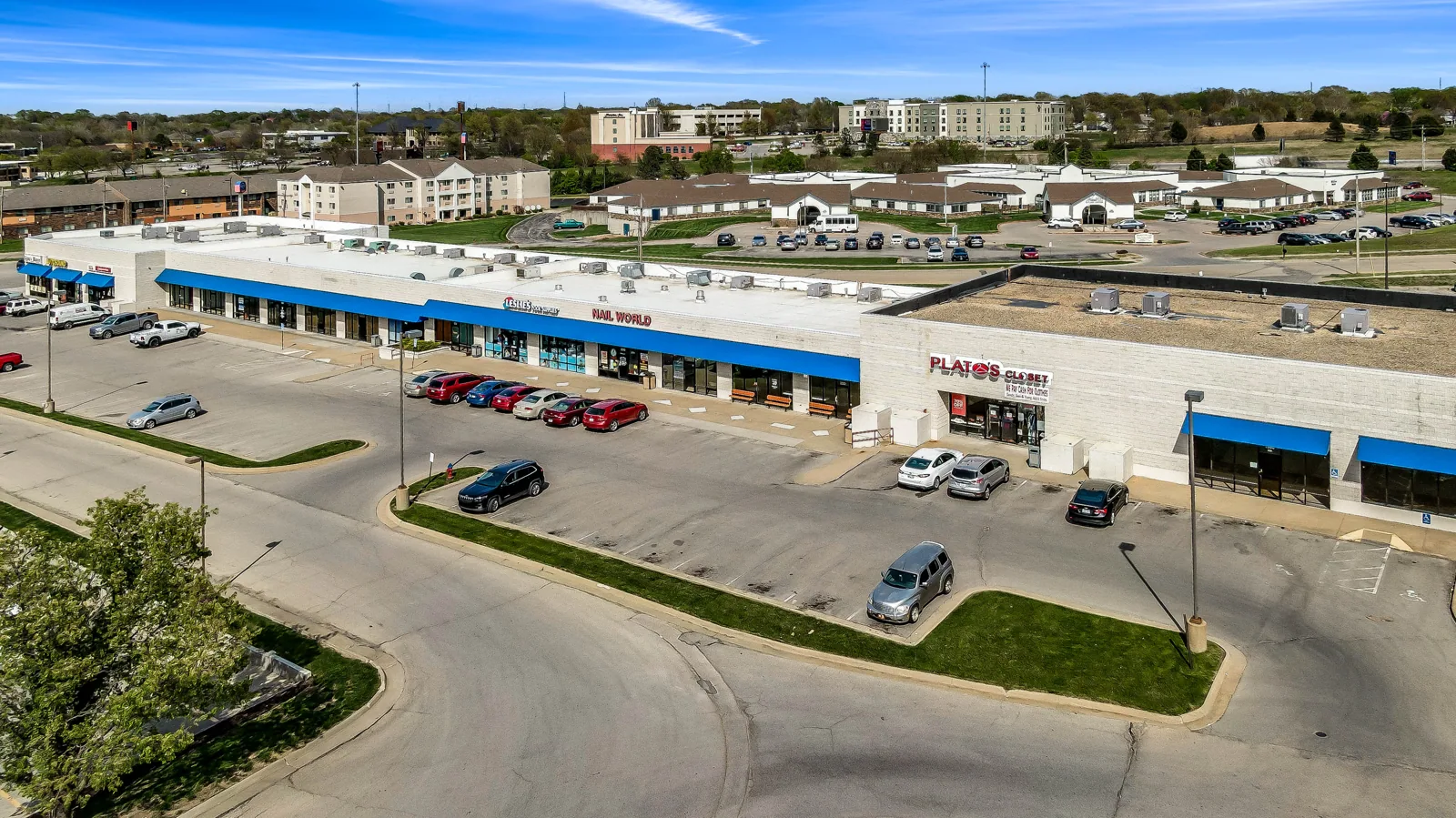
West Topeka Retail Area
Commercial Roof Inspection
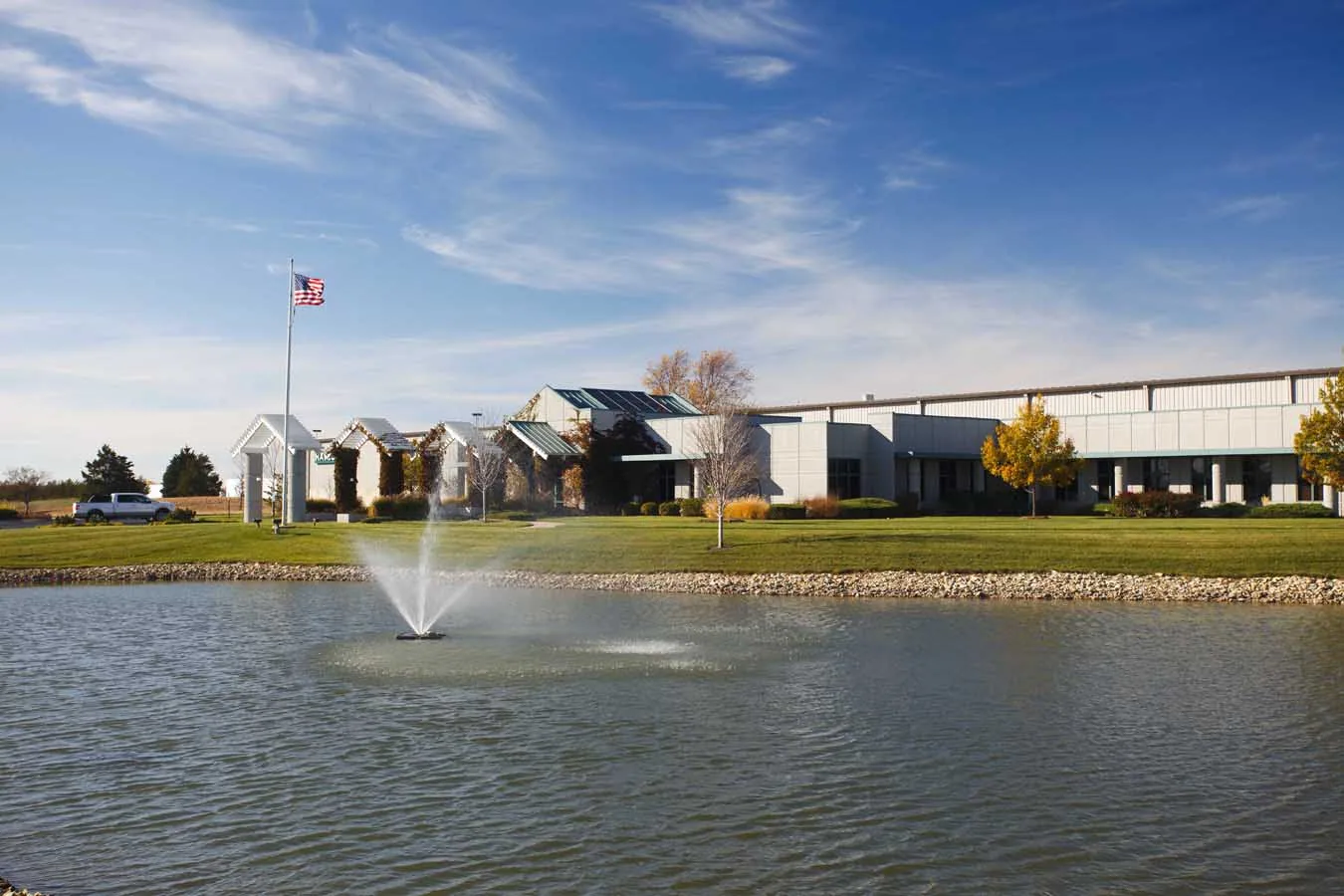
Harlan Industrial Park
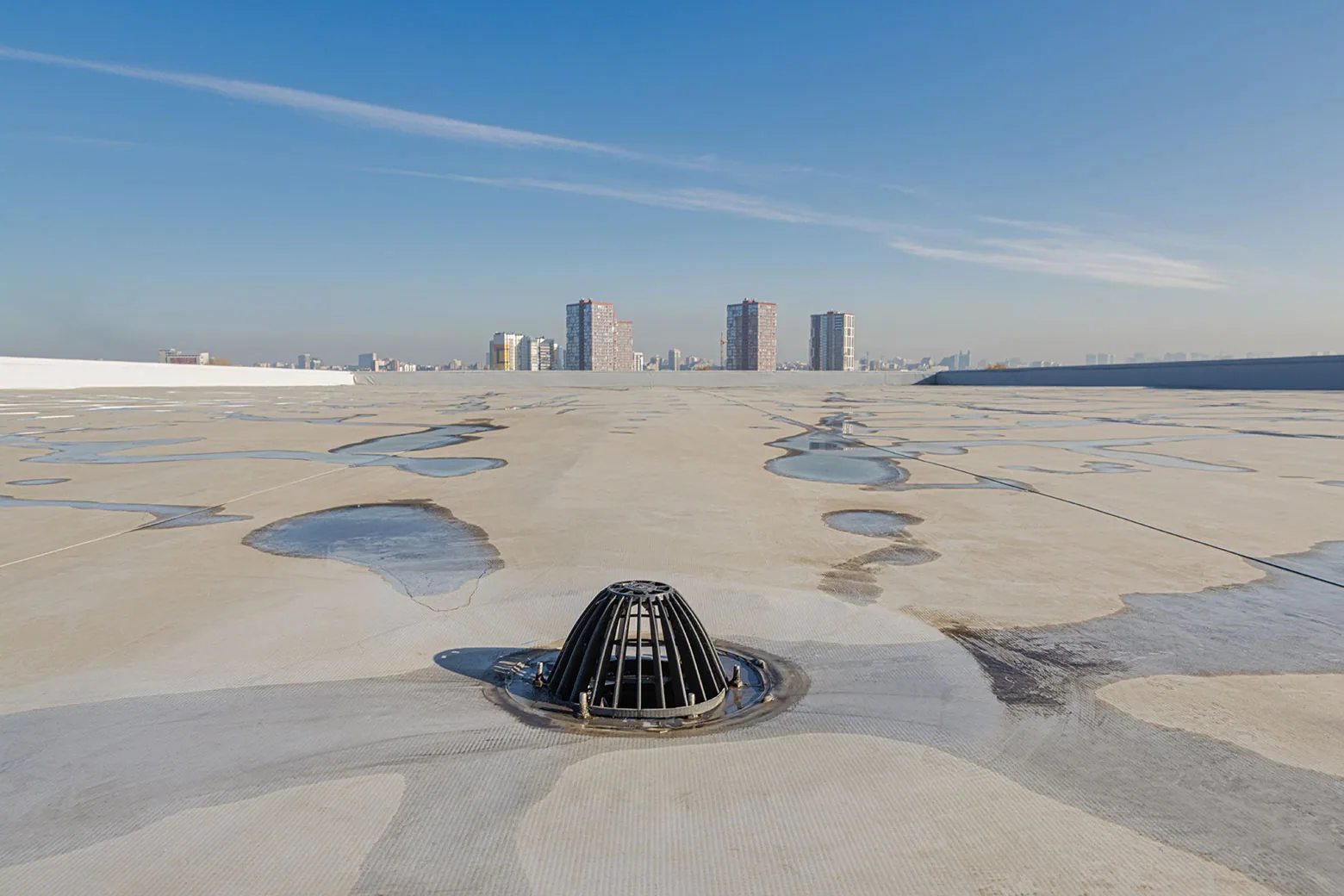
Commercial Roof Drains and Scuppers
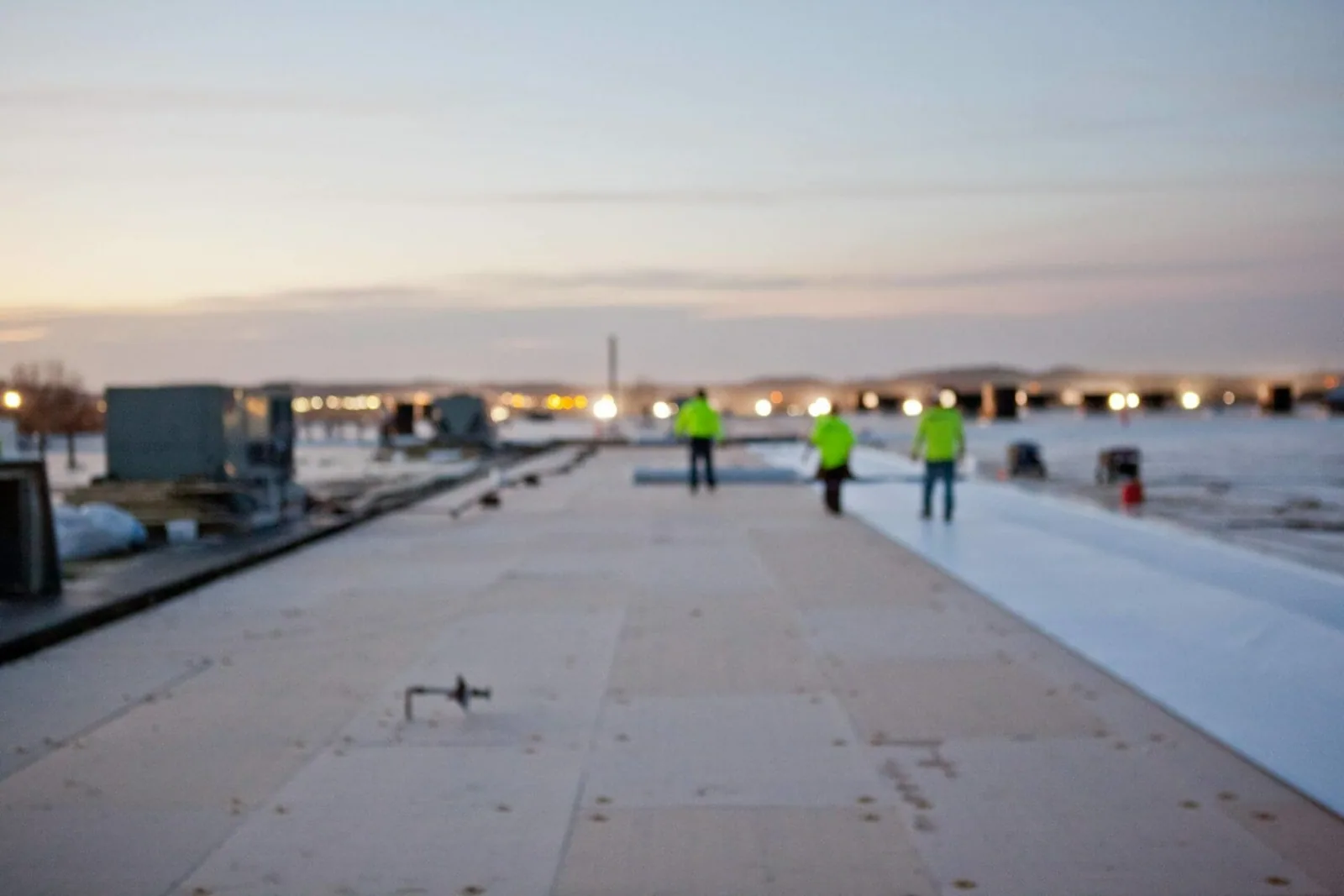
Commercial Roof Recover Overlay
Set the replacement boundary
Service Area
Topeka, Auburn, Silver Lake, Carbondale, Rossville and Shawnee County, KS
Quick Contact
Email: [email protected]
Phone: 555-555-5555
Request a Roof Assessment
Send the Topeka property address, current roof concern, access contact, plans, and available inspection or repair records. We will inspect the assembly and return a section-based scope with testing needs, assumptions, and the owner decisions that affect timing.