
Modified Bitumen Commercial Roofing in Topeka, KS
Home / Roof Systems / Modified Bitumen Commercial Roofing
A blister beside a lap can signal trapped air, water, or a bond issue, and the opening method matters. We inspect surfacing, plies, seams, flashings, and substrate before deciding what to remove. Topeka’s rail and industrial stock includes BNSF Topeka Shops and a seven-building food-manufacturing campus. Rossville businesses present a different access setting, while the roof assembly still sets the repair boundary. We document the tested section and identify any condition that could change quantity. A useful first visit records roof height, safe access, occupied areas, equipment clearances, and the route from the service entrance to the test location. That record keeps a small exploratory opening from becoming an unplanned production interruption.
Layers: What makes up the modified bitumen system?
Modified bitumen uses bitumen sheets reinforced with a fabric and modified for flexibility. Roofs may have multiple plies, surfacing, insulation, cover board, and different attachment methods. We identify the installed layers from records or an approved test opening. A roof inspection can map blisters, splits, laps, and prior repairs before a new scope is priced.
Surface granules, coatings, or mineral surfacing protect the membrane but do not show the condition of every ply below. We look for displaced surfacing, exposed reinforcement, open laps, alligatoring, and edges that have lost bond. Where an opening is justified, we record each layer and the boundary of material that must be removed. The owner can then compare a localized repair with a broader section replacement. Photographs should show both context and scale: one view locates the defect on the roof, and a closer view records the seam, edge, or blister. we record whether loose surfacing was swept away, how far sound material extends, and whether the underlying layer separates cleanly. Those observations help another reviewer distinguish an isolated surface defect from a condition that continues beyond the visible mark.
Application: Which repair method fits the sheet?
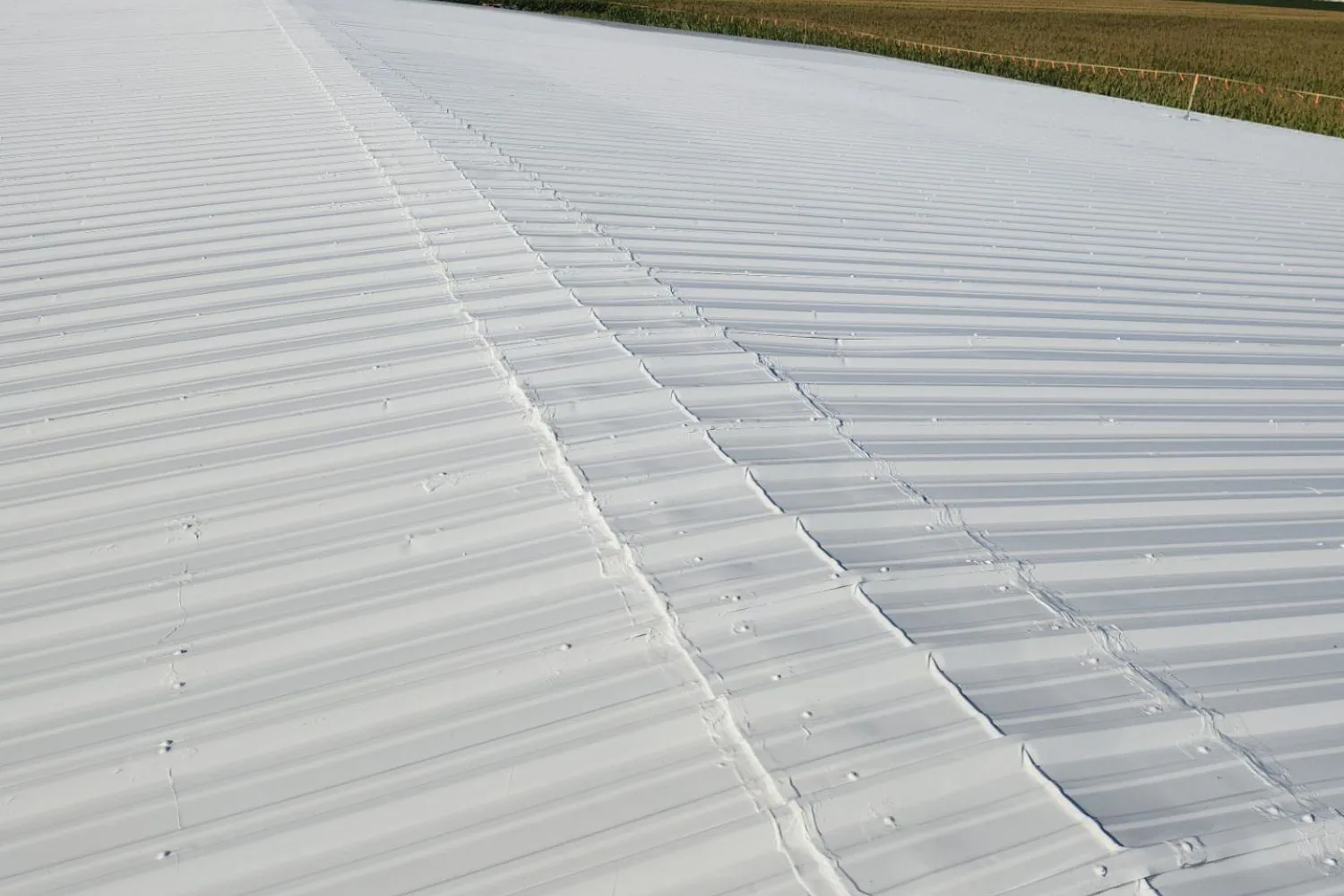
SBS and APP modified bitumen products have different material behavior and installation requirements. We confirm the roof product and repair method before using heat, cold adhesive, or another compatible system. Torch work requires strict fire controls, trained personnel, and protection of combustible assemblies; a method that suits one roof should not be assumed for another. A repair proposal identifies preparation, plies, surfacing, and the closeout test.
At penetrations and walls, the field sheet ties into vertical flashing, counterflashing, and termination bars or metal details. We inspect those transitions along with drains and edge conditions. A patch should extend onto sound material and preserve water flow. If a repair crosses several plies or reaches an uncertain substrate, we state how much can be confirmed and what requires approval before opening further. Before installation, the crew confirms the surface is clean, dry enough for the selected product, and free of loose granules or incompatible coating. The repair detail should account for lap direction, sheet width, reinforcement exposure, and the finished surface. Closeout photos should capture each completed edge and transition before debris or temporary protection hides the work.
Moisture: Where can water travel below the plies?
Water may move between plies, through insulation, or along a deck before it appears inside. We compare the room report with slopes, drains, seams, and penetrations, then use a scan or opening when the result could change repair quantity. A moisture survey can map suspect areas for confirmation. We label readings and samples so tested material is not confused with an unexamined roof zone.
Topeka climate normals include measurable snowfall, and NWS records document daily snowfall extremes. On a modified-bitumen roof, meltwater and freeze-thaw make lap edges, drain bowls, and low-area transitions worth checking after winter weather. We confirm water has cleared before recording ponding and record access limits caused by ice or unsafe surfaces. A drainage review can separate an outlet problem from a defect in the modified bitumen field. Interior records should identify the room, ceiling location, date, and whether the area was active or dry during inspection. On the roof, we compare that point with the nearest drain bowl, seam intersections, wall base, and equipment curb. A moisture reading alone does not determine the full removal boundary; the proposal should say where readings were taken and where confirmation remains necessary. If the weather changes during the visit, we record that limit rather than treating a dry surface as proof that the assembly is dry.
Options: When should a repair become replacement?
A localized lap or flashing repair can fit when surrounding plies, insulation, and deck remain sound. Broad blistering, recurring water entry, wet insulation, or brittle surfacing may call for a wider evaluation. We separate the measured repair from any allowance for concealed material. A replacement assessment compares the roof-zone findings with removal, new insulation, and edge transition work.
Modified bitumen can be compared with a built-up roof assembly or an EPDM system only after the building and project criteria are reviewed. Each has different seams and repair details. At a downtown building in the River to Rail District, staging and access may differ from an industrial site, but the proposed roof remains tied to deck, height, drainage, and expected maintenance.
Record: What does a modified bitumen closeout show?
The report lists plies or materials identified, repair dimensions, surfacing removed and replaced, flashing limits, photos, and any test opening. we record where the substrate was not reached and which conditions remain unknown. The record keeps that building mix with roof plans and repair history.
For repeat calls, compare each blister, lap split, and interior report with prior dates and roof zones. Do not expand an earlier repair without confirming the new water path. At a Topeka manufacturing property, the site representative confirms access and the work window for each building. We record the contact who authorizes entry and the return check required after repair. Add a marked plan with repair limits, drain locations, penetrations, and the path used to reach each tested area. If the repair depends on a dry-weather window or a shutdown, list that dependency beside the work sequence. The closeout should identify materials installed, preparation completed, site protection, and any exception that the owner accepted. A precise file supports maintenance planning without implying that untested sections received the same inspection. The handoff also names open questions, including hidden conditions, limits on access, and the next inspection date when one is agreed. This gives the facility team a clear basis for comparing later findings with the repaired zone.
Commercial Roofing Questions
Can a blister in modified bitumen be cut and patched?
We first determine what is beneath it, whether it is dry, and whether the surrounding plies are bonded. The scope names the opening, preparation, and compatible patch method.
How do SBS and APP roofing differ?
They use different modifiers and installation properties. We confirm the existing product and its application requirements before selecting material or heat methods for a repair.
Is torch-applied repair safe on any commercial roof?
No. Fire risk, deck construction, insulation, nearby equipment, and project controls determine whether torch work is allowed. We select a compatible method and document required protection.
Why does water show up far from a roof split?
Moisture can travel between plies or through insulation before reaching the ceiling. We map the interior location to drainage and roof details, then test where the path remains uncertain.
What should be in the modified bitumen repair file?
Keep photos, ply and surfacing details, repair dimensions, preparation, test results, and any concealed condition. We identify the roof zone and the follow-up needed after work.
Related Roofing Work
Rossville
Commercial Roof Inspection
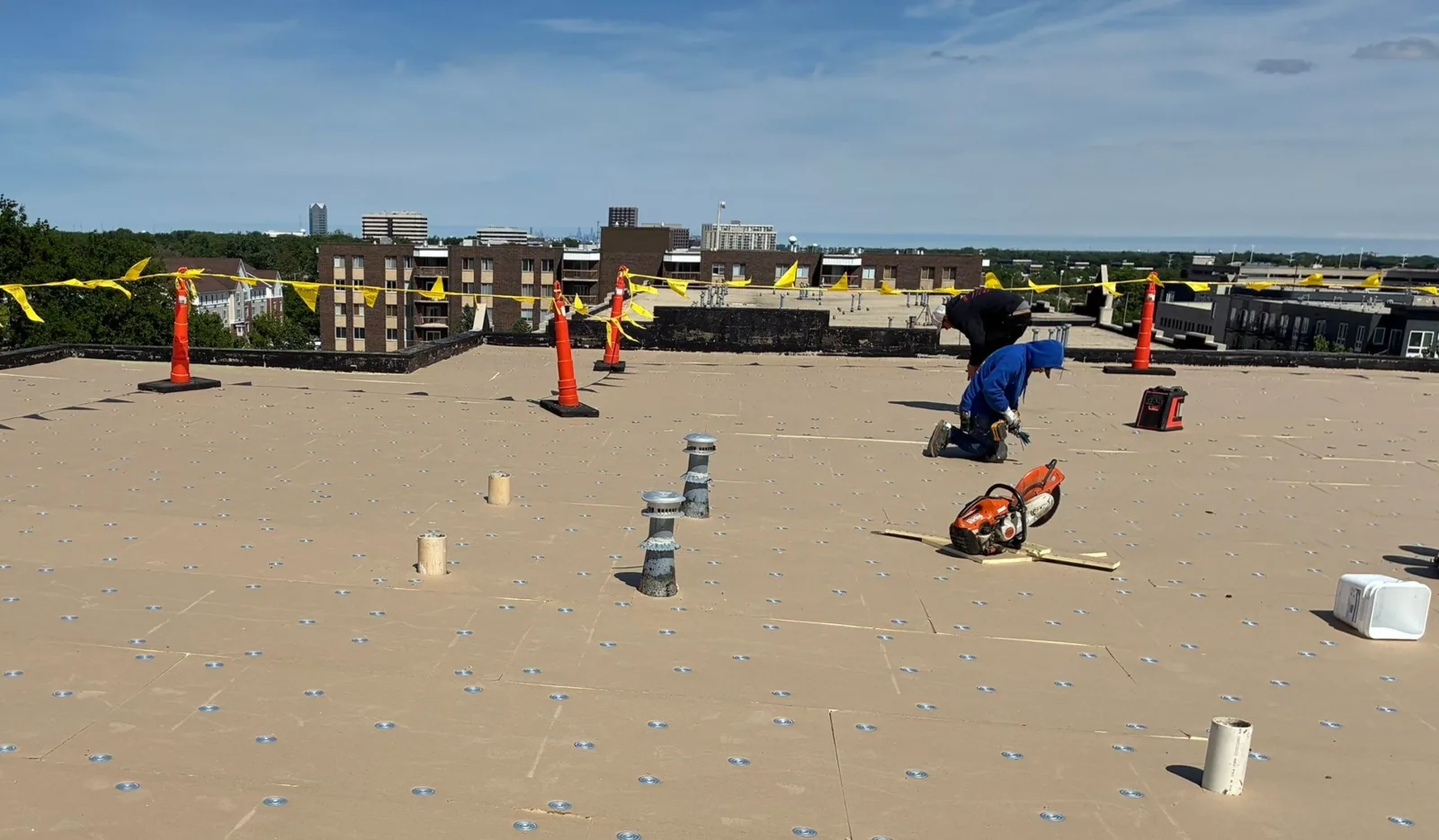
Commercial Roof Repair
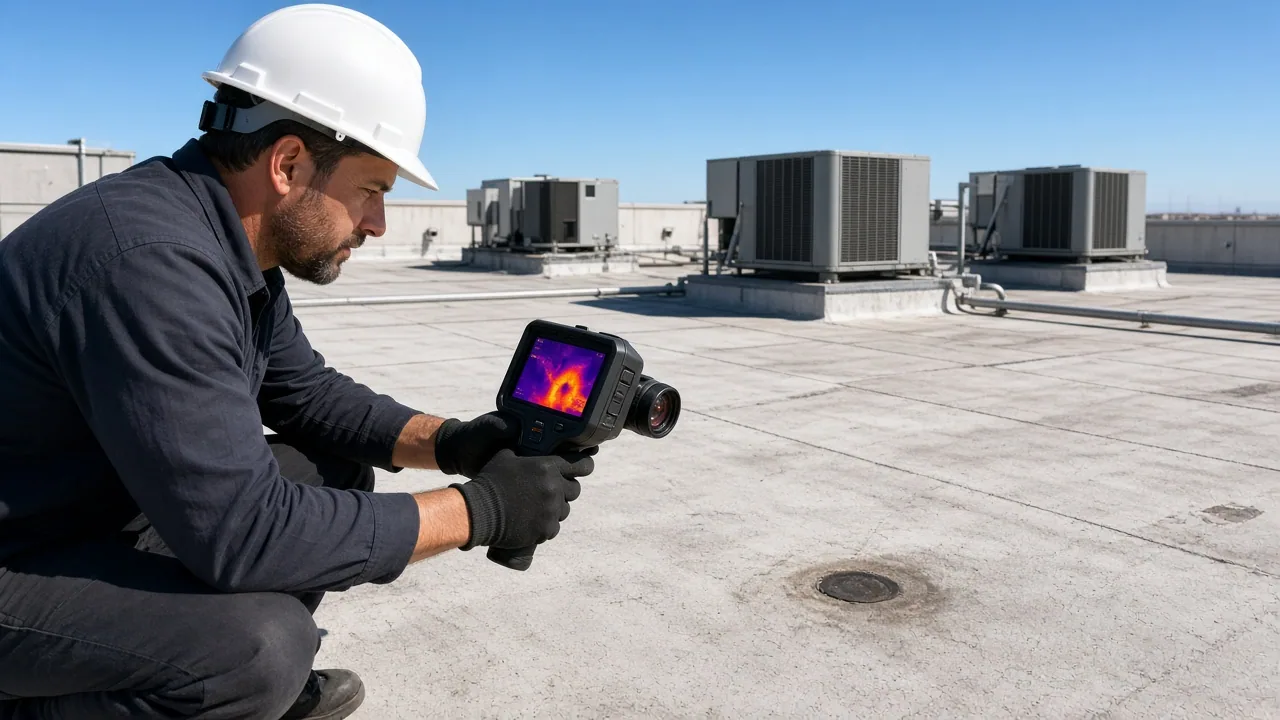
Commercial Roof Infrared Moisture Survey
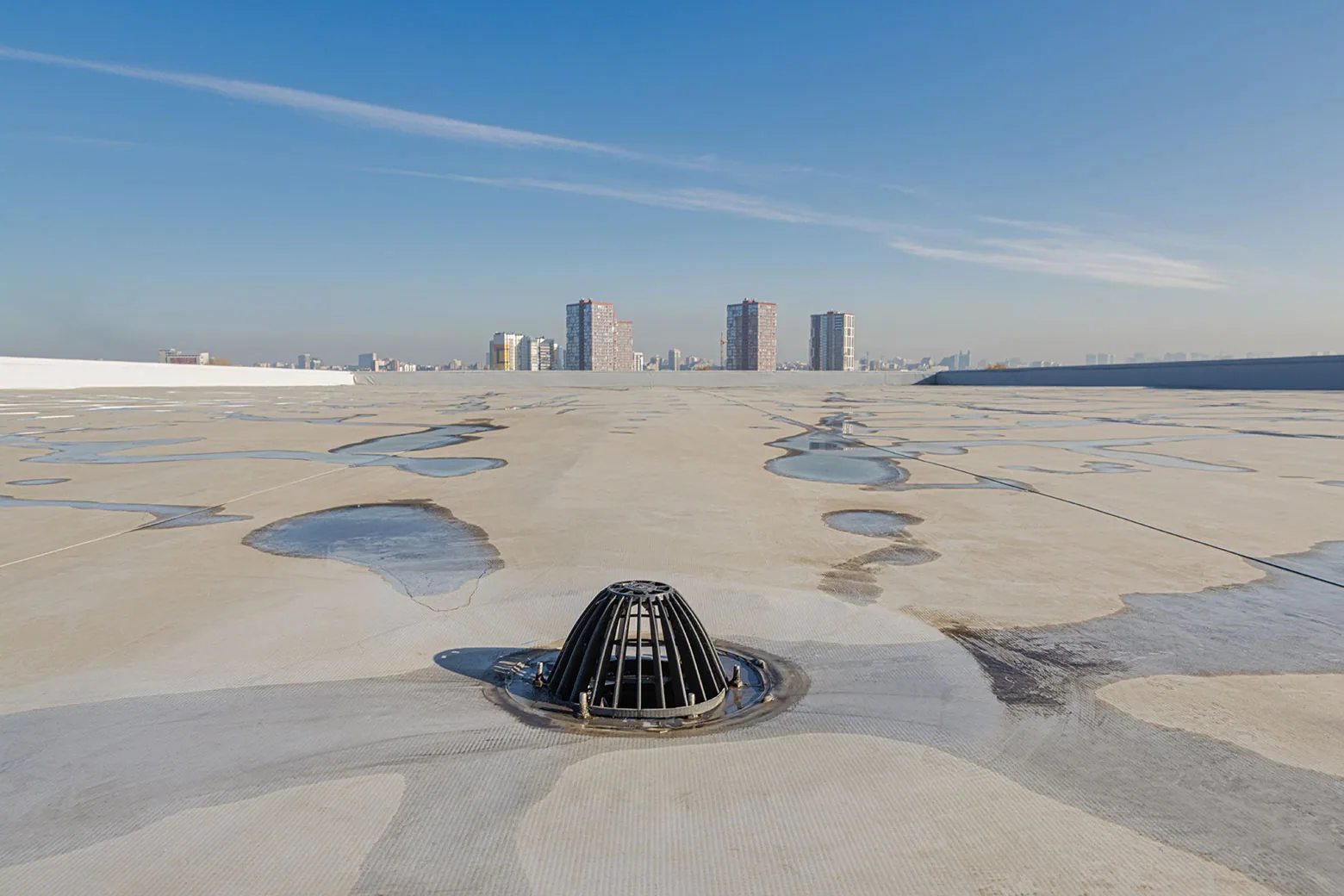
Commercial Roof Drains and Scuppers
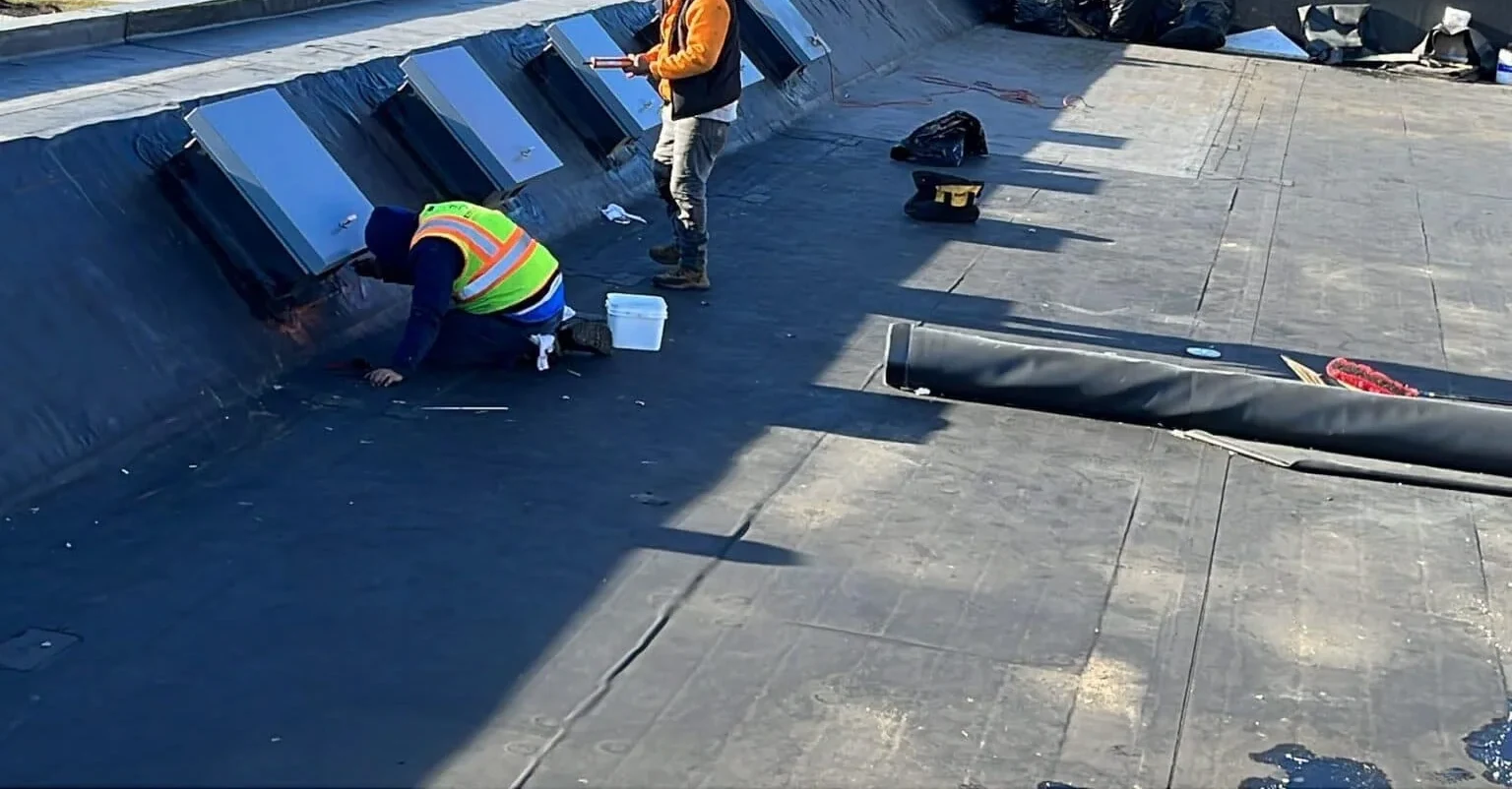
Commercial Roof Replacement
Inspect the plies before choosing a repair
Service Area
Topeka, Auburn, Silver Lake, Carbondale, Rossville and Shawnee County, KS
Quick Contact
Email: [email protected]
Phone: 555-555-5555
Request a Roof Assessment
Send the Topeka address, roof plan, modified bitumen records, leak dates, prior repairs, and access contact. We will identify the layers and test the areas that could change the scope.