
PVC Commercial Roofing in Topeka, KS
Home / Roof Systems / PVC Commercial Roofing
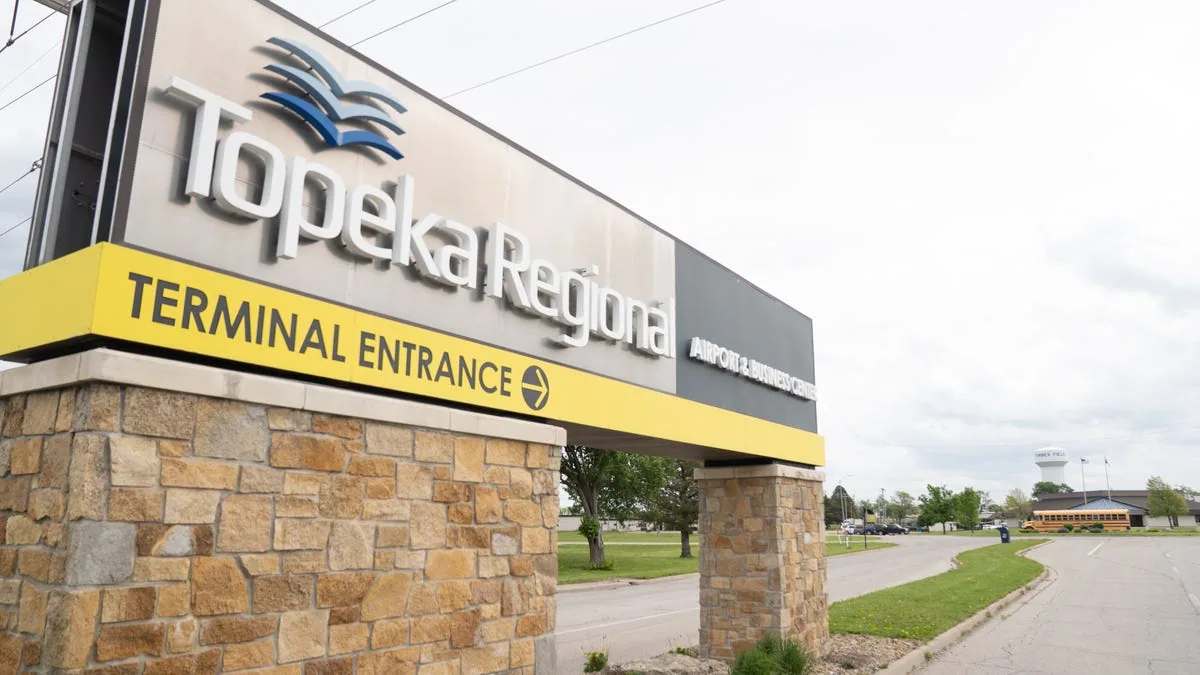
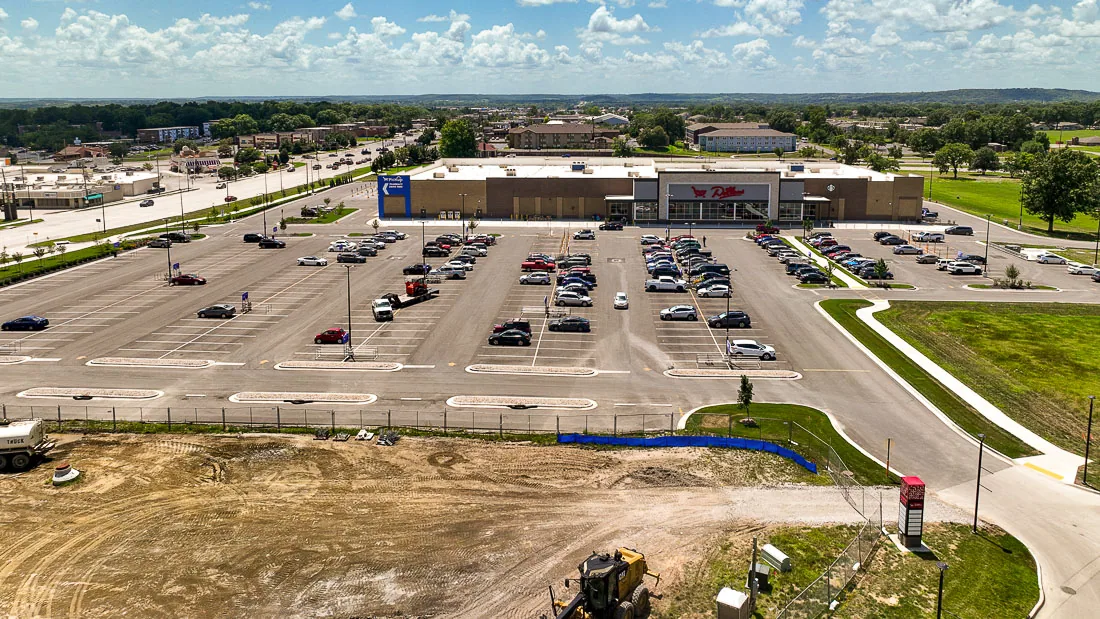
A membrane near a kitchen exhaust or process discharge needs a closer look before the patch material is chosen. PVC can suit some commercial roofs where exposure and maintenance matter, but the installed sheet, seams, and substrate determine repair. Topeka’s airport business center includes food, freight, fuel, and warehouse operations; Central Crossing Commerce Park has distribution and manufacturing tenants. The light-industrial designation at Harlan Industrial Park provides another local building context. We locate exhausts and service routes, while the actual membrane condition sets the repair boundary.
Exposure: What reaches the membrane?
We inspect areas near grease exhaust, service lines, equipment, and chemical storage for discoloration, swelling, surface change, or a compromised seam. PVC formulations vary, so we confirm the installed system and consult available product information before selecting a repair material. A roof inspection can record the sheet, nearby use, drainage, and prior patches. Exposure history helps explain where to focus, but visible condition still controls the scope. The report locates discharge relative to laps and drains, since residue may wash across the field and affect more than the point below an exhaust.
At food production, restaurant, or industrial buildings, rooftop discharge may affect a limited zone rather than the whole field membrane. We map that area separately and check whether the material is soft, cracked, or attached to sound substrate. If the affected membrane cannot accept compatible hot-air welding, removal to sound material may be required. We identify each layer and any test opening before estimating the repair. Where a cleaning step is proposed, we confirm that its method is appropriate for the installed material and keep the work separate from replacing damaged sheet.
Weld: How is a PVC seam checked?
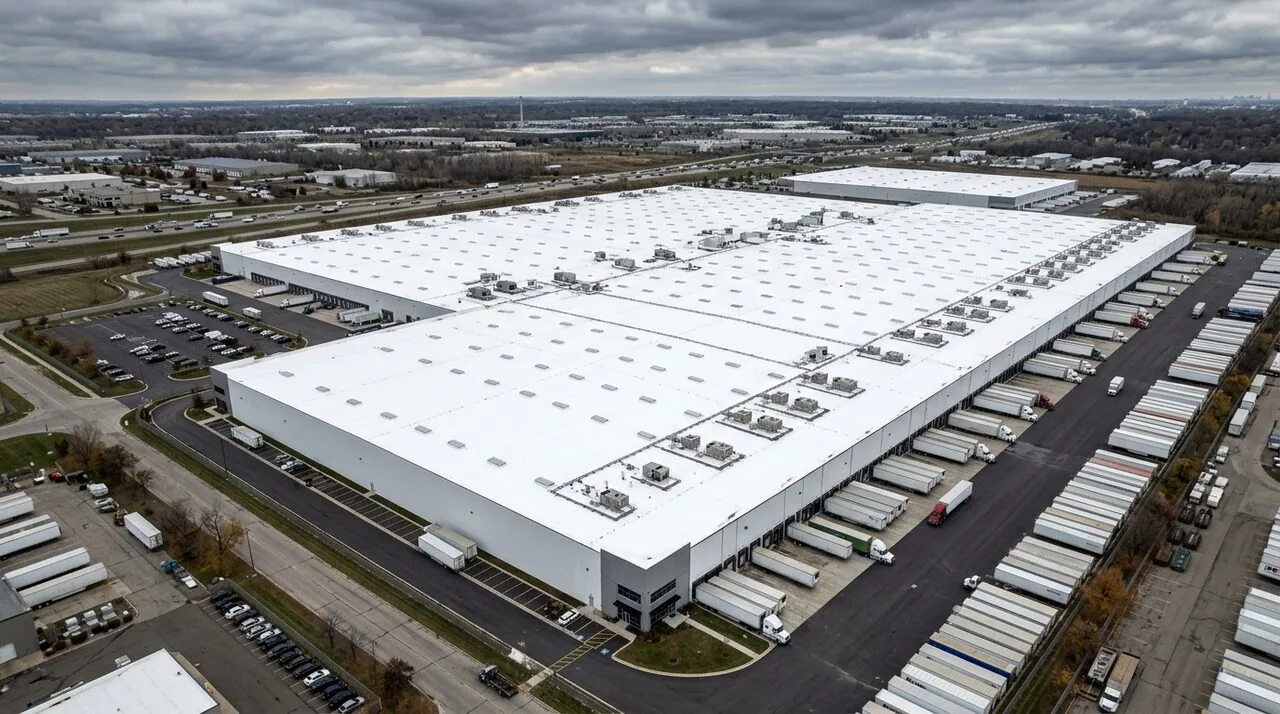
We examine lap edges, corners, patches, end joints, and flashing terminations for open welds, contamination, wrinkles, and mechanical damage. A probe can identify a separated edge that is not obvious from standing height. At a repair, we prepare the existing surface and make a compatible welded transition, then inspect the finished seam. A repair scope names the preparation, material, boundary, and closeout test.
Temperature and surface condition affect hot-air work. Wet, dirty, or chemically altered material needs preparation before a weld can be relied upon. We note conditions that require cleaning, replacement, or a test patch, and avoid covering an uncertain interface with sealant alone. On a long lap, we mark the section examined and any point where access was blocked by equipment. The report shows where a weld was checked and where roof access or material condition prevented a conclusion.
PVC welding has system-specific surface preparation and equipment settings, so a repair should follow the instructions for the installed membrane rather than reuse TPO assumptions. Before starting, we check that the sheet can accept a weld and that the prepared surface is dry and free of residue. Detail pieces at corners, drains, and curbs must transition without pulling the field sheet into a wrinkle. We document repair material, seam length, and tie-in condition so later work begins with the assembly actually installed. If a test weld will not form a sound join, stop and compare removal to sound material with a broader repair boundary. These observations distinguish a localized open seam from failure extending across the sheet.
Assembly: Which layers affect PVC performance?
The exposed membrane covers insulation, cover board, attachment, and deck. Wet insulation or loose substrate can undermine a repair even when the surface sheet looks intact. We compare the leak location with roof slope, drains, curbs, and interior reports, then identify where testing could change quantity. A drainage review can separate water held at an outlet from a membrane defect nearby. At a drain, we check the bowl, clamping ring, flashing, slope, and surrounding sheet rather than replacing a strainer without tracing flow.
PVC, TPO, and KEE are not interchangeable repair labels. Their installed compositions and weld compatibility should be confirmed before materials are selected. A TPO system and KEE membrane have their own assembly considerations. We identify the roof’s actual material from records or field evidence and keep the repair method aligned with that system. If original submittals are unavailable, a test opening or material review can establish the layer sequence before a larger replacement estimate is prepared. That prevents assumptions about attachment and insulation from becoming an unpriced field change.
Weather: What sets the Topeka work window?
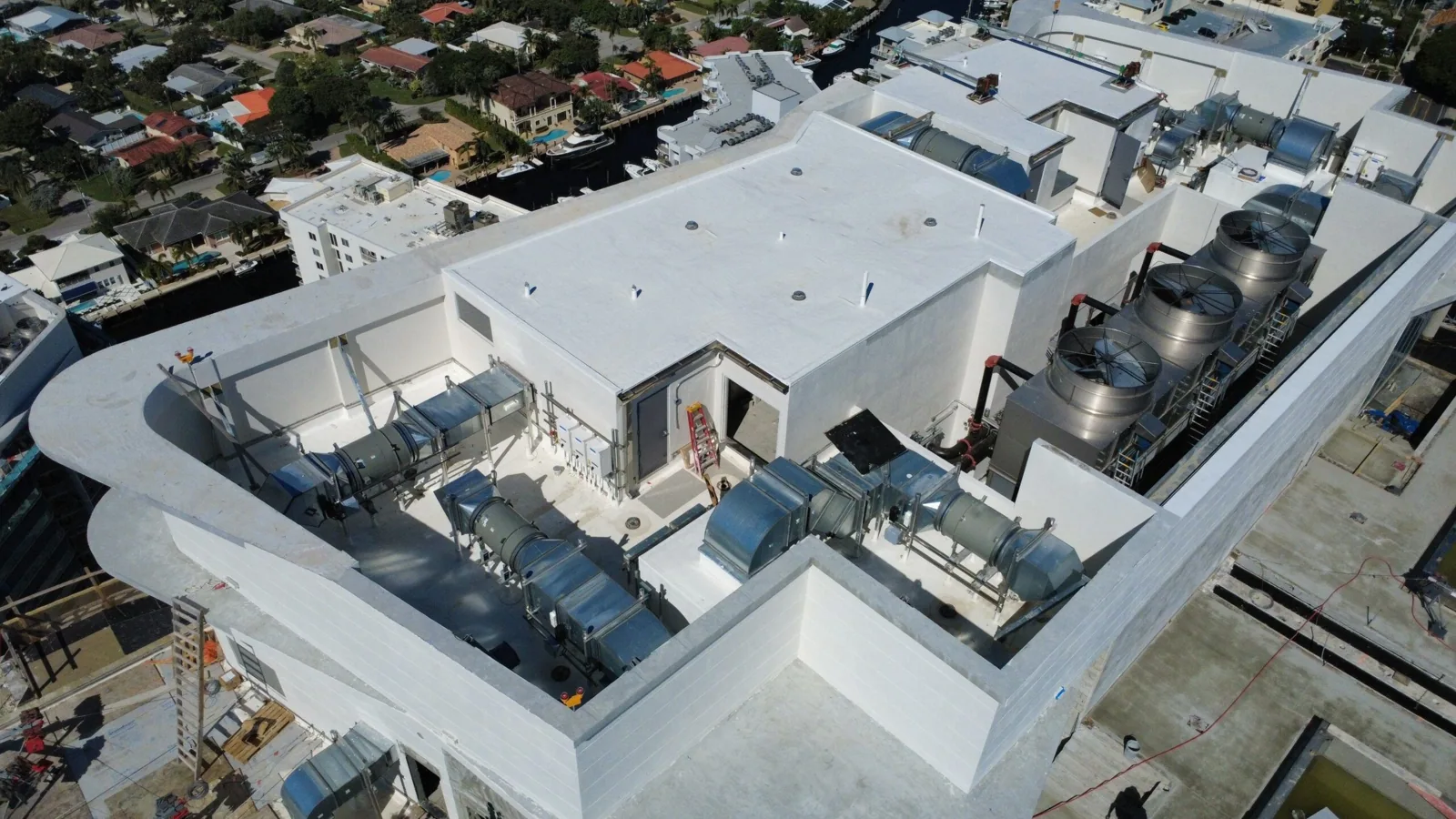
Topeka climate records include measurable snowfall, with local daily snowfall extremes also documented. Winter access can be unsafe or limit hot-air welding, while summer storms can interrupt a roof opening. We check the surface and forecast, set a stopping point, and secure exposed edges before weather changes. The owner receives the return condition and the section that still needs inspection.
Hail and wind events also justify a condition review after a specific report. We look for punctures, seam lift, displaced flashings, and existing wear at the address. A hail inspection can document impact and separate it from earlier repair history. At an airport business property, we coordinate staging with the tenant’s access contact before bringing a lift or hot-air equipment onto the site.
Care: How should PVC be maintained?
Maintenance includes clearing drainage paths, checking seams and terminations, recording mechanical work, and following up on repairs. We compare each visit with the prior roof-zone map rather than treating a recurring leak as a new unrelated event. A maintenance program can note cleaning, tested areas, and follow-up intervals for each building. Any work near exhaust or process discharge receives a separate review if material exposure changes. Facilities staff should also note new rooftop units, exhaust changes, and service cuts, because they can alter how water reaches an existing lap or drain. A maintenance log should identify who cleared the area and whether the seam was inspected afterward.
Closeout records photos, weld checks, test locations, materials, and any area that was not opened. If the membrane becomes brittle or widespread seams fail, we compare a broader replacement with localized correction. The owner sees the measured conditions, expected access needs, and any remaining unknown before selecting the next scope. Keep the installed assembly record with a roof plan, so a later crew can confirm PVC instead of choosing a weld method from appearance alone. The owner can match each service entry with the corresponding repair photo and roof-zone label.
Commercial Roofing Questions
Is PVC suitable near a kitchen exhaust?
The installed formulation and the actual discharge exposure matter. We inspect the affected area for surface change, seam condition, and attachment, then verify material compatibility before proposing a repair.
Can PVC seams be repaired with ordinary sealant?
A separated weld usually needs compatible surface preparation and a welded repair. We inspect the edge and surrounding sheet, then document any condition that prevents hot-air work.
How do you find a leak under PVC?
We compare the interior location with slopes, laps, curbs, and drains, then test areas that could change the repair boundary. Water may travel below the sheet before it reaches the ceiling.
Does hail damage require replacing the PVC roof?
After hail, we inspect PVC for punctures, impact marks, damaged seams, and wet insulation, then separate a local repair from any broader assembly issue.
What should the PVC repair record include?
Keep roof-zone photos, material identification, preparation and weld details, test results, and any limitation. We note the follow-up point and sections not included in the repair. Add the date of any chemical or exhaust change near the affected roof zone.
Related Roofing Work
Topeka Regional Airport Business Center
Central Crossing Commerce Park
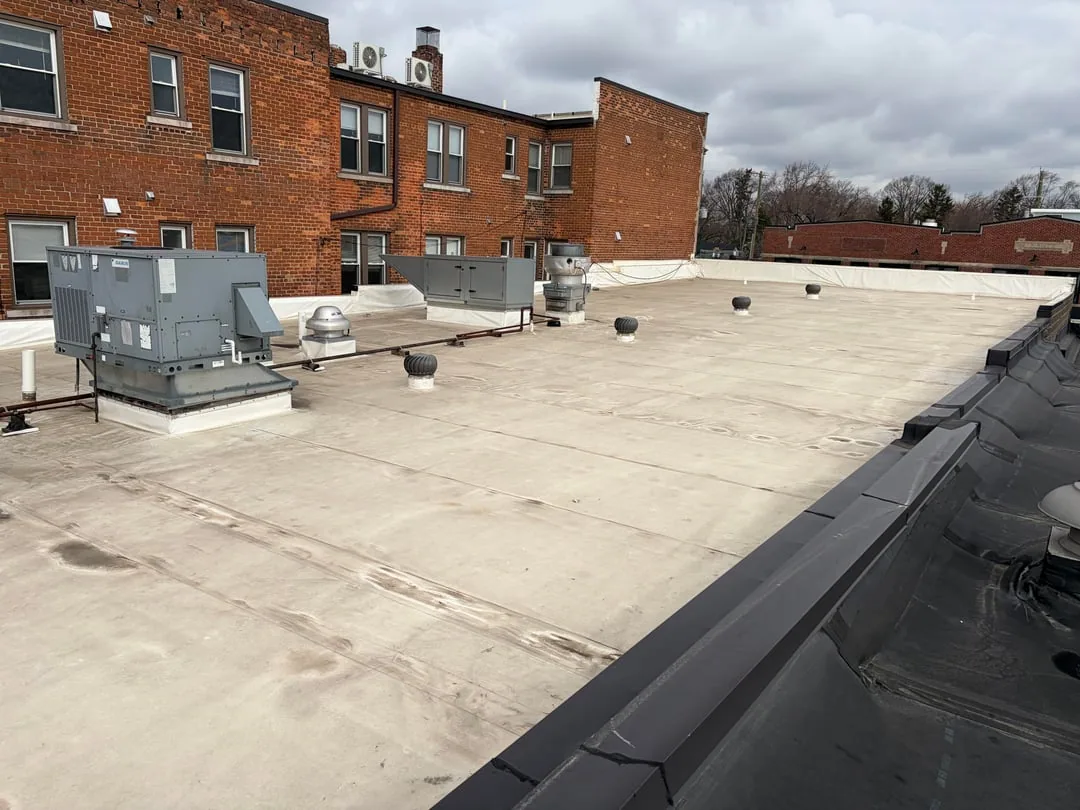
Commercial Roof Inspection
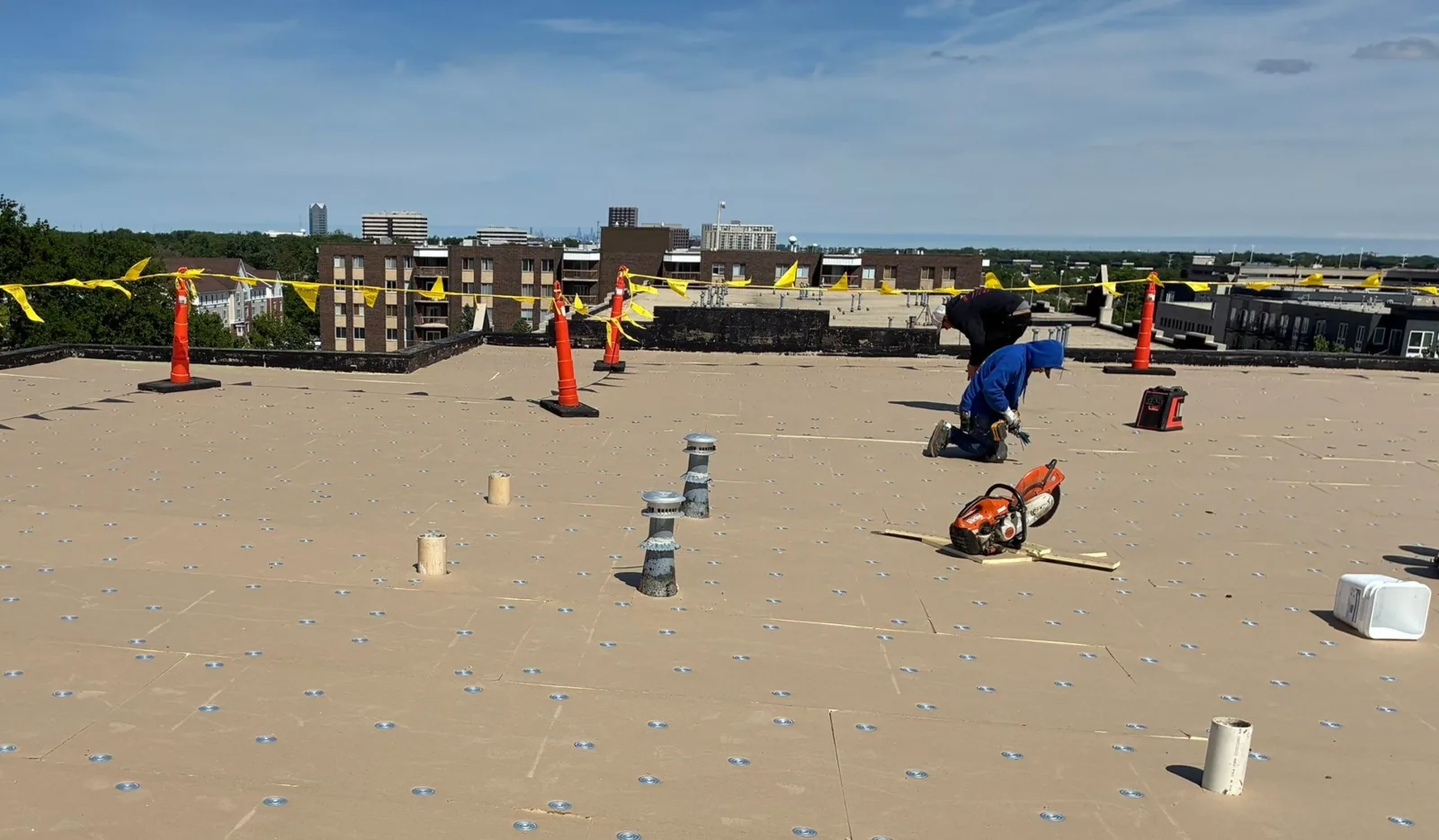
Commercial Roof Repair
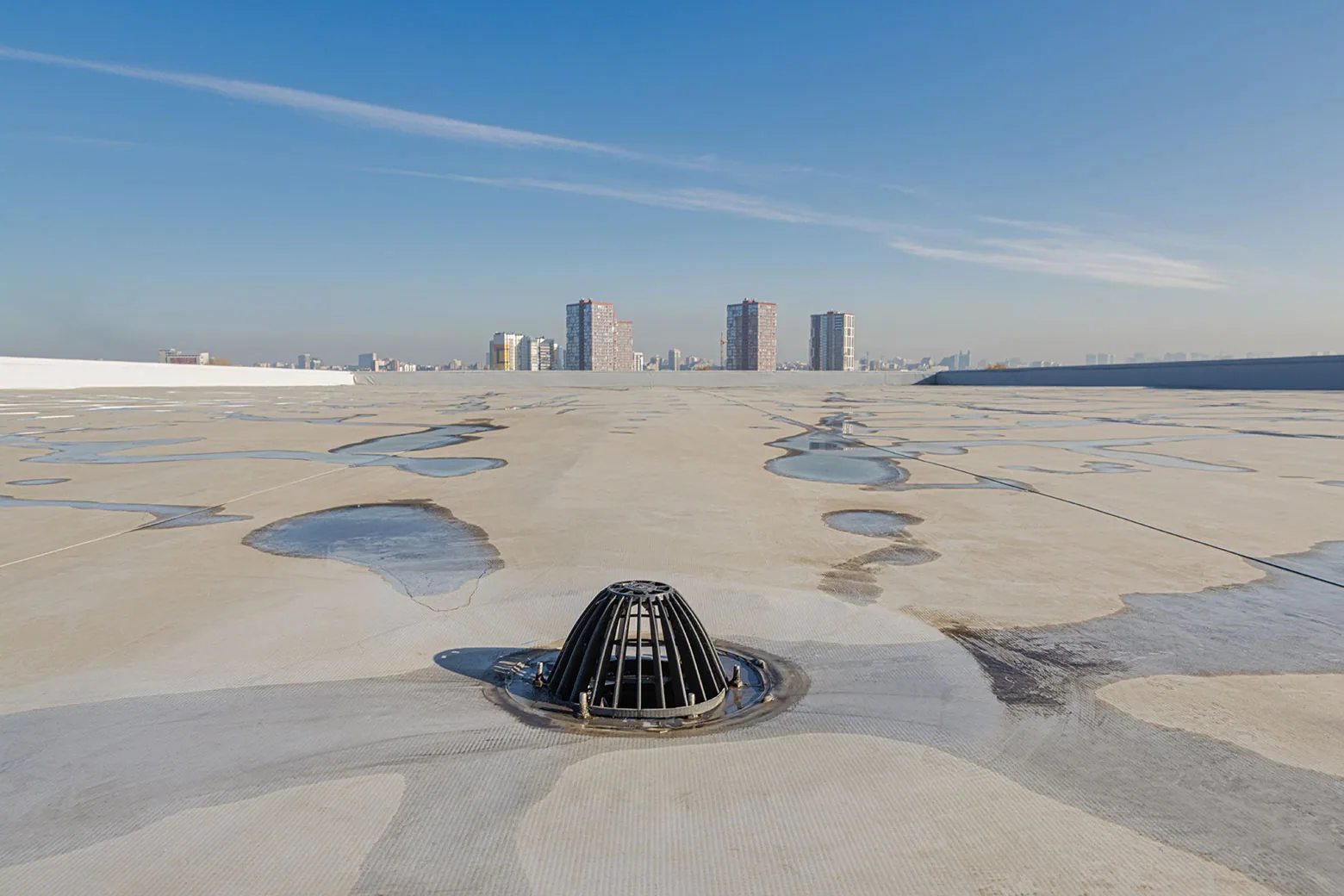
Commercial Roof Drains and Scuppers
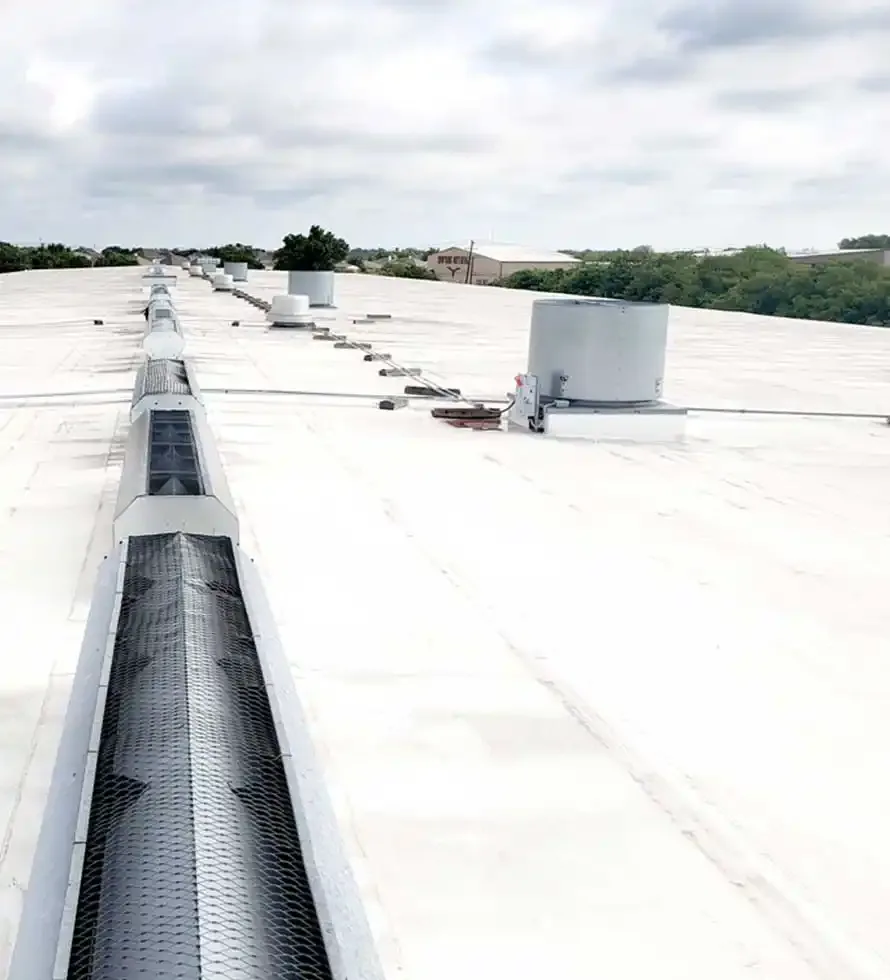
TPO Commercial Roofing
Inspect the PVC membrane and exposure zone
Service Area
Topeka, Auburn, Silver Lake, Carbondale, Rossville and Shawnee County, KS
Quick Contact
Email: [email protected]
Phone: 555-555-5555
Request a Roof Assessment
Share the Topeka address, PVC records, leak or exposure concern, access contact, and prior repair photos. We will inspect seams and the surrounding assembly and return a measured repair boundary.