
About Commercial Roofing Topeka
Home / About
A drain that holds water after the outlet clears needs a measured roof check before a repair is priced. Commercial Roofing Topeka works with building owners, property managers, facility teams, asset managers, and general contractors on commercial roof decisions. We inspect low-slope and metal assemblies, document what is visible, and test where results can change the repair boundary. Across Wanamaker retail, Central Crossing industry, and downtown civic properties, operating rules differ. The roof and its tested condition set the work scope.
Field diagnosis: What do we verify first?
We start with the address, the reported room or roof zone, access contact, and available maintenance history. On the roof, we inspect the membrane field, perimeter, drainage points, penetrations, and prior repair work. Photographs and field dimensions tie each finding to a location. If moisture testing or an opening is needed, the record identifies the method, tested section, and limit. One result does not speak for an untested bay.
Topeka's wet-season storms and winter precipitation make drainage and dry-in planning part of an inspection, but they do not diagnose a particular building. A commercial roof inspection can separate visible wear from moisture confirmed below the membrane. When screening helps select test areas, an infrared survey may guide the next step. We confirm consequential moisture before setting removal quantities.
We also identify what records can answer and what needs field access. A drawing may show a planned assembly; exposed layers and details show what is present now. If equipment, tenant restrictions, or safety limits prevent access, we state the affected area and arrange a return when the property can release it. The first report should tell the owner what is known and what remains open.
Repair and renewal: How is the scope set?
A local repair can suit a contained seam, flashing, puncture, or edge failure when adjoining material is stable. We prepare the surface, use a compatible detail, and photograph the finished boundary. If testing confirms wet insulation or deck damage, the measured removal area may extend beyond the visible symptom. The estimate lists confirmed work separately from concealed conditions that need an owner decision.
Repeated leaks, broad moisture, failed attachment, or deteriorated deck can support a larger evaluation. A repair scope defines the known defect. A replacement review compares the existing layers, drainage, deck, edges, and penetrations before a capital decision. A recover or coating can be considered when the assembly supports that approach; we do not recommend another layer without checking moisture and attachment.
Active water entry may need immediate protection, while permanent repair requires a compatible method and suitable work conditions. Emergency response is available nights, weekends, and holidays. The service note separates temporary mitigation from completed work. If an opened roof reveals more damage, we document the finding and get approval before expanding non-emergency quantities. That keeps a repair boundary tied to evidence rather than an assumption made before the roof was exposed.
Occupied work: How do operations stay in view?
Roof access, loading, lift setup, interior protection, and daily stop points are confirmed with the property contact. A phased work plan can keep the exposed area limited and the building protected between shifts. Retail tenants, warehouse aisles, medical spaces, classrooms, and manufacturing operations have different restrictions. The site contact identifies the route, hours, and person authorized to release each area.
Topeka's building mix supports that kind of planning. Central Crossing has rail service and distribution and manufacturing tenants. Harlan Industrial Park has light-industrial uses and regional road connections. Wanamaker includes retail, service uses, and an office campus. These facts help frame access questions, but they do not establish a roof assembly or a contractor route at a specific property. We confirm those details at the address before moving material or opening the roof.
Cost and timing follow field dimensions, access, material compatibility, testing, protection below, removal, and the work window. We identify known quantities and conditions that could change after opening. If weather interrupts, the crew secures the section and records when it can be checked again. An owner should be able to see what is included, what requires approval, and how the building will be left at each stop.
Topeka conditions: What informs maintenance?
The local record includes severe hail and wind events in northeast Kansas. A storm report can prompt a targeted roof walk, but does not establish damage at a particular address. We inspect the reported zone, photograph impact evidence, and check edges, seams, and rooftop details. A storm damage review distinguishes observations from areas that need testing. The 1966 Topeka tornado damaged or destroyed buildings across Washburn University, a documented city event and not a finding about another property.
Winter precipitation and freeze-thaw can affect drainage and safe access. We check whether water remains at a low area, whether an outlet is clear, and whether a work surface is suitable for repair. If ice or other conditions prevent a complete inspection, the report says so and sets a return point. The owner receives the tested section and any remaining limit rather than a blanket statement about the full roof.
Owner record: What happens after the work?
Closeout includes dated photos, roof-zone references, dimensions, work performed, materials used where known, test locations, and any area left unverified. A condition report can carry observations and open items into the facilities file. For a portfolio, a roof asset record can track repairs by address without combining different roofs into one assumption.
We work from the property facts available and the conditions found in the field. The Statehouse and civic buildings downtown, Washburn University, Stormont Vail, the VA medical campus, and industrial sites are part of Topeka's built environment. No single facility establishes another one's roof type, access rule, or condition. Our role is to inspect the assigned property, explain the evidence, and give its owner a next step that can be approved and tracked.
To request a visit, send the Topeka property address, current roof concern, access contact, and available repair or inspection records. We will confirm the work window, identify the areas that can be tested, and return a measured scope. If a question remains concealed, we will state what inspection would resolve it and where the next owner decision falls.
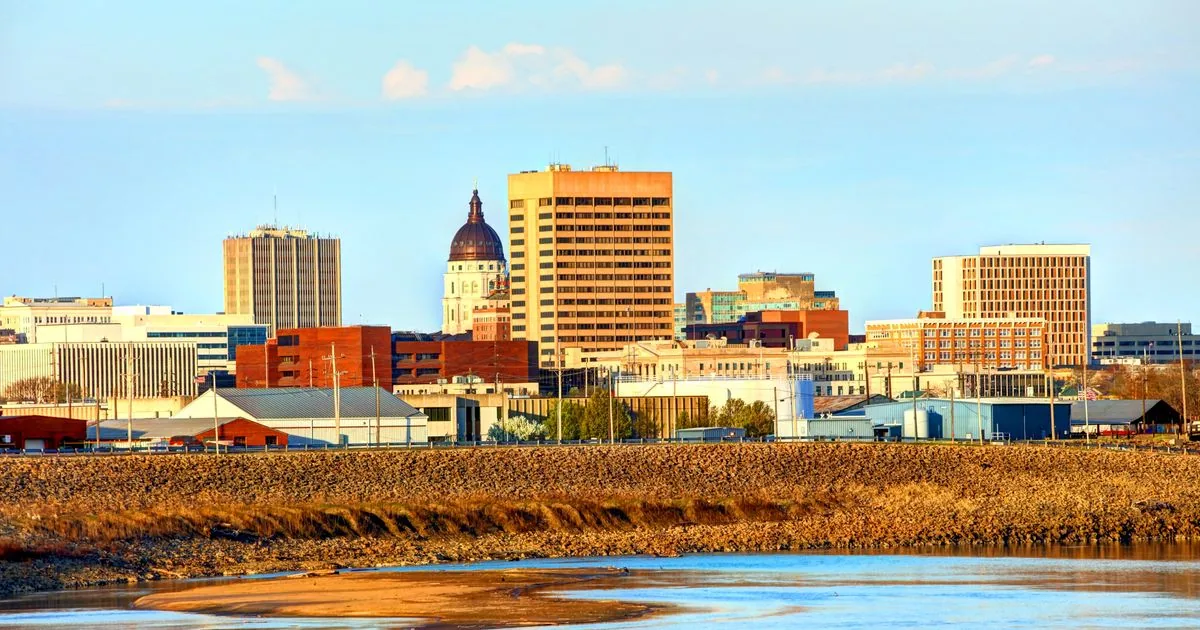
Serving Topeka and Shawnee County
Common Questions
Which commercial roofs do you inspect and repair?
We work on low-slope and metal commercial assemblies, including membrane, built-up, modified bitumen, and coating systems. We identify what is installed before selecting a repair or renewal method.
Can you help when a leak is active outside normal work hours?
Emergency response is available around the clock, including nights, weekends, and holidays. We protect the interior, document temporary measures, and then define permanent work from inspection findings.
How do you keep a repair estimate tied to the actual roof?
We use field dimensions, photographs, material identification, and marked test locations. Confirmed quantities stay separate from concealed conditions that could change after an approved opening.
What should a Topeka owner provide before scheduling?
Send the property address, roof concern, access contact, available plans or repair records, and any work-hour limits. Leak timing or prior photos can focus the inspection.
Talk through a Topeka roof concern
Share the property address, current roof concern, access contact, and available inspection or repair records. We will identify the work window and next step supported by the field evidence.