
Commercial Roofing at Topeka Regional Airport Business Center, Topeka, KS
Home / Service Areas / Topeka Regional Airport Business Center
Freight, fuel, trucking, and warehouse uses in the Topeka Regional Airport Business Center make access coordination part of a roof scope. The tenant roster also includes bottling, ice distribution, construction, and solar-warehouse operations. The airport has a runway longer than 12,800 feet, a 7,000-foot crosswind runway, and an apron exceeding two million square feet. Those facts describe an aviation-industrial campus, not a roof condition or an access rule for a particular building. We confirm the property contact, inspect the roof section, and record the repair boundary from measured and tested evidence.
Facility coordination: What needs approval first?
Before scheduling, we ask who can release the roof, whether an escort or briefing is required, what equipment can enter the site, and where materials may be staged. Airport operations and individual tenants set their own procedures. We do not infer a gate route from the tenant roster. The facility contact confirms traffic, loading, safety, and work-hour restrictions before a lift or crew arrives. If roof access is limited to a short window, we identify what can be inspected and what will need a return visit.
The tenant mix includes freight, fuel transport, trucking, construction, and solar-warehouse functions. A service call may affect interior inventory, equipment, or active operations. We identify areas below the roof that need protection and coordinate shutdowns where required by the operator. A phased work plan can separate roof zones and daily closeout steps. For an active leak, emergency response can protect the interior while a permanent detail is assessed in suitable conditions.
The airport's large apron and runway dimensions establish the scale of aviation activity, not how close a tenant building sits to a particular surface. We verify the actual building location and applicable procedures with the property representative. The estimate records confirmed staging and access assumptions. It does not transfer another tenant's plan to this address.
Roof review: What should the first walk cover?
We inspect the membrane or metal surface, seams or panel laps, curbs, equipment supports, penetrations, drains, scuppers, perimeter flashing, and previous repairs. A freight or warehouse tenant does not establish the roof material. We identify the system from records and exposed details, then map the zones reached. A commercial roof inspection records visible defects, test locations, and sections that were inaccessible. The owner can see what has been verified before choosing a repair or larger project.
Interior leak reports are checked against the roof features above and around the affected room. Water can travel beneath a membrane or along a deck before appearing indoors. We inspect the likely water path, compare adjacent seams and transitions, and determine whether a moisture survey or test opening could change the repair boundary. Infrared screening can help locate suspect areas when roof conditions support that method. We keep measured results distinct from assumptions.
NWS normals include measurable winter snowfall in Topeka. We review drains and overflow routes after safe access returns. Drain bowls, low areas, leaders, and overflow routes should be checked after water clears. We note standing water, debris, and any nearby seam or flashing condition separately. A blocked outlet may need maintenance; tested wet insulation may require opening and replacement. Those are different work items and should not be combined without evidence.
Storm record: What does the local weather context show?
Topeka's 1966 F5 tornado crossed roughly 22 miles through the city and damaged or destroyed Washburn University buildings. That regional history does not assign damage to an airport tenant; the roof inspection does. We look for displaced edge metal, open laps, punctures, impact marks, loose flashings, and damage to rooftop equipment. We compare those observations with earlier repairs and available photos. A storm-damage inspection lists what is observed at the address and what remains unconfirmed.
Winter precipitation creates a separate drainage and access concern. We inspect the drain bowl, overflow path, low areas, and details that hold water after the outlet clears. Ice or unsafe footing may defer a hands-on visit. We record the limit and schedule a return instead of describing inaccessible sections as inspected. A drain and scupper review can separate cleaning or outlet repair from membrane work.
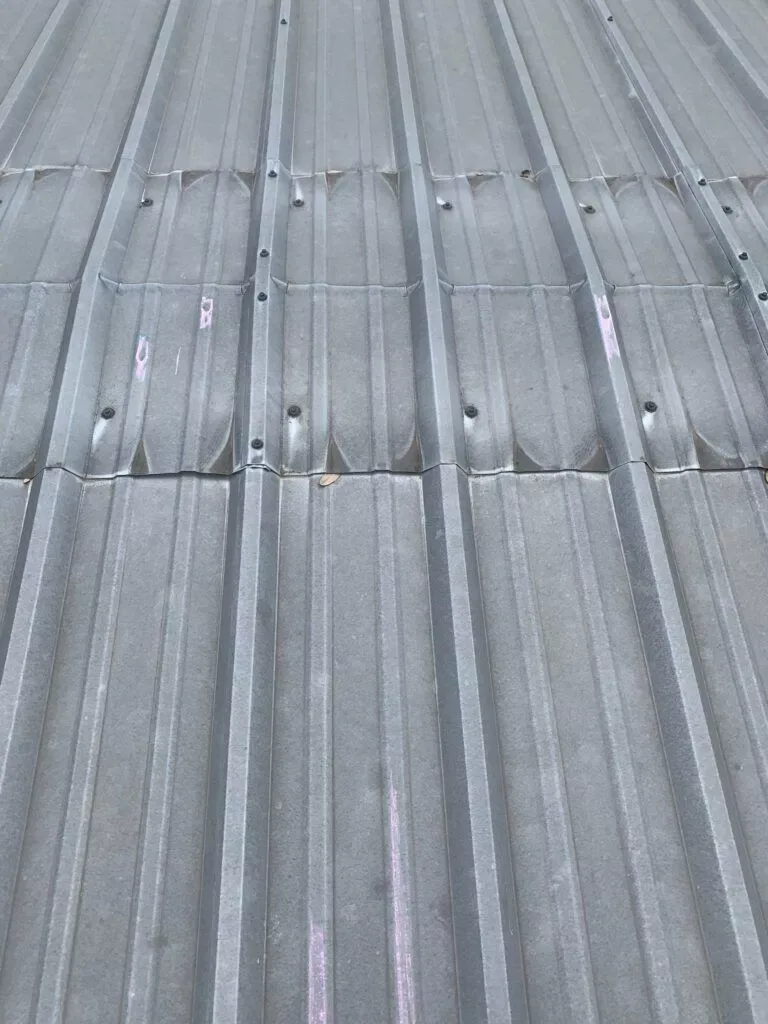
When the roof is actively leaking, we first identify interior protection needs and likely entry points. A temporary patch may limit exposure, but it is not the same as a permanent repair or tested moisture boundary. We record temporary material, location, and remaining work. That distinction helps the owner and operations staff manage the next visit without treating emergency mitigation as full closeout.
Repair scope: What sets the measured boundary?
A split across one PVC field sheet or a displaced edge can be scoped locally when adjoining membrane and substrate test sound. We prepare the existing surface, restore compatible material, inspect the finished seam, and photograph the repair. If moisture extends beyond the visible defect, the scope may need to reach dry insulation. The estimate states which areas were tested and which remain concealed. A single test does not represent the full roof.
Repeated leaks, broad attachment failure, brittle sheet, or wet insulation across multiple zones may justify comparing repair with replacement. We review deck, insulation, cover board, slope, drainage, perimeter, and equipment details. The airport's runway and apron figures do not establish any tenant building's roof dimensions or structural system. Field measurements and project documents control. A recover assessment can compare retaining the existing assembly with removal if moisture, attachment, and code review support that option.
Cost and timing depend on roof height, access, staging, material handling, drainage work, tested moisture, and protection below. If the operator limits hours, we identify whether the work fits one window or needs phased access. Any concealed deck or insulation repair remains a separate condition until verified. We ask for owner direction before expanding quantities outside the approved repair boundary.
Records: What should stay with the airport property file?
Keep the roof plan, current inspection date, system identification, test locations, leak history, photos, repair dimensions, and access contact together. Mark temporary protection separately from completed work. If fuel, equipment, or stored goods affected the work area, note the protection and access requirement confirmed by the property representative. A future inspection can then match photos and repairs to the same roof zone.
Central Crossing Commerce Park and Harlan Industrial Park are other industrial contexts in Topeka, but their property access procedures do not apply here. The owner should retain site-specific contacts and rules with each address. A dated condition report preserves measured findings. A roof asset register can keep multiple property records distinct while tracking open tests and follow-up work.
For service at the Topeka Regional Airport Business Center, send the tenant or building address, roof concern, access contact, and any roof records. We will confirm the current work window, inspect the relevant section, and define the repair or testing decision supported by the evidence.
Commercial Roofing Questions
Can airport operations continue during a roof inspection?
The property and airport contacts determine allowed access and work zones. We confirm escort, equipment, staging, and timing before arrival, then record any sections the visit could not reach.
Does a tenant's freight or fuel use tell you what roof system is there?
No. Tenant function helps identify coordination needs, not roof construction. We review available submittals and inspect exposed materials before selecting a repair method.
What happens if a leak is active during a restricted access period?
We identify safe interior protection and temporary measures, then document permanent work still required. The facility contact coordinates access for testing or repair when the roof can be reached safely.
Can local hail or wind records prove damage at our building?
They establish regional weather context only. We document property-level impact, displacement, punctures, and previous wear before defining a storm repair scope.
What information helps price an airport-area roof repair?
Provide the building address, leak location, access procedure, roof plan, previous service records, and any operating restrictions. Field measurements and testing then define the work quantity.
Related Roofing Work
Occupied Commercial Building Reroofing
Emergency Commercial Roof Repair
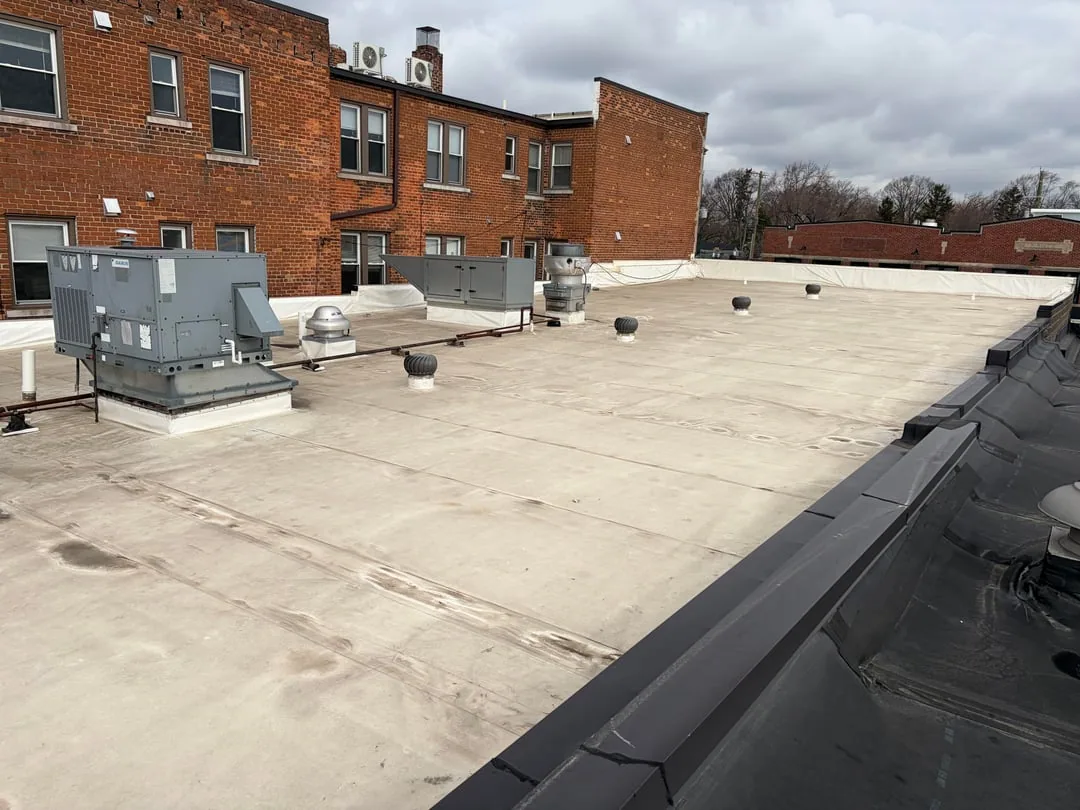
Commercial Roof Inspection
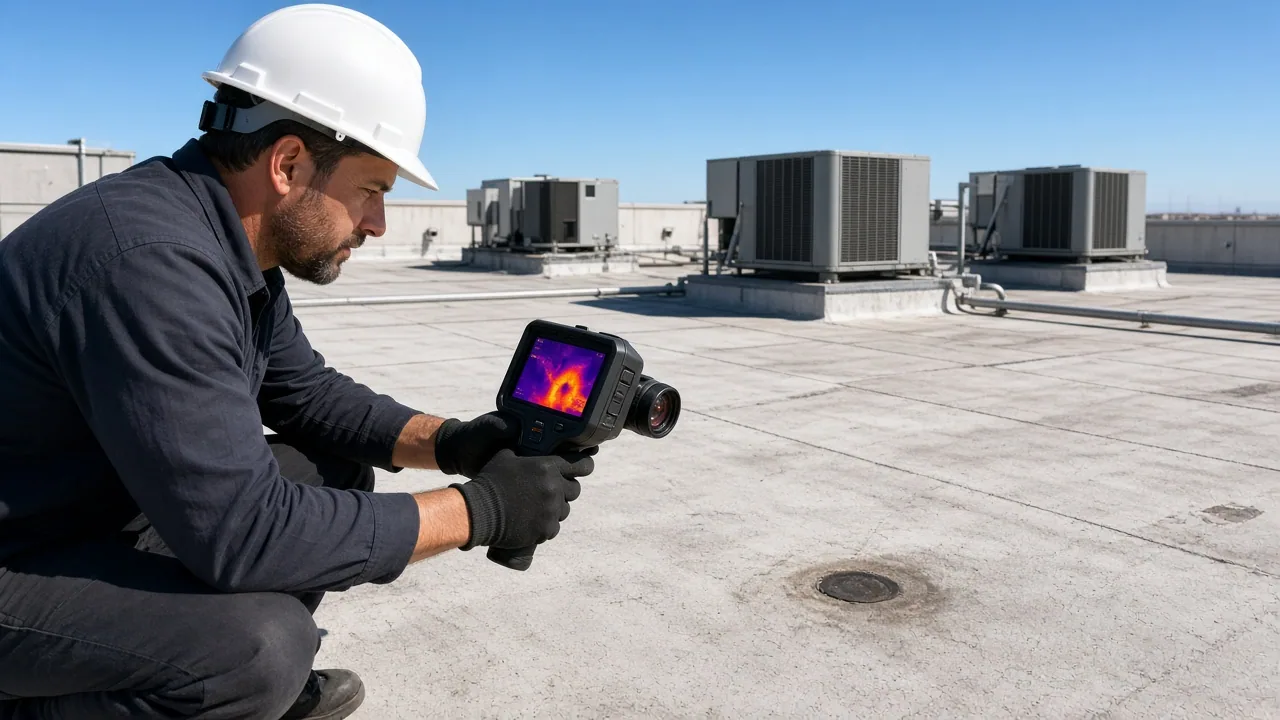
Commercial Roof Infrared Moisture Survey
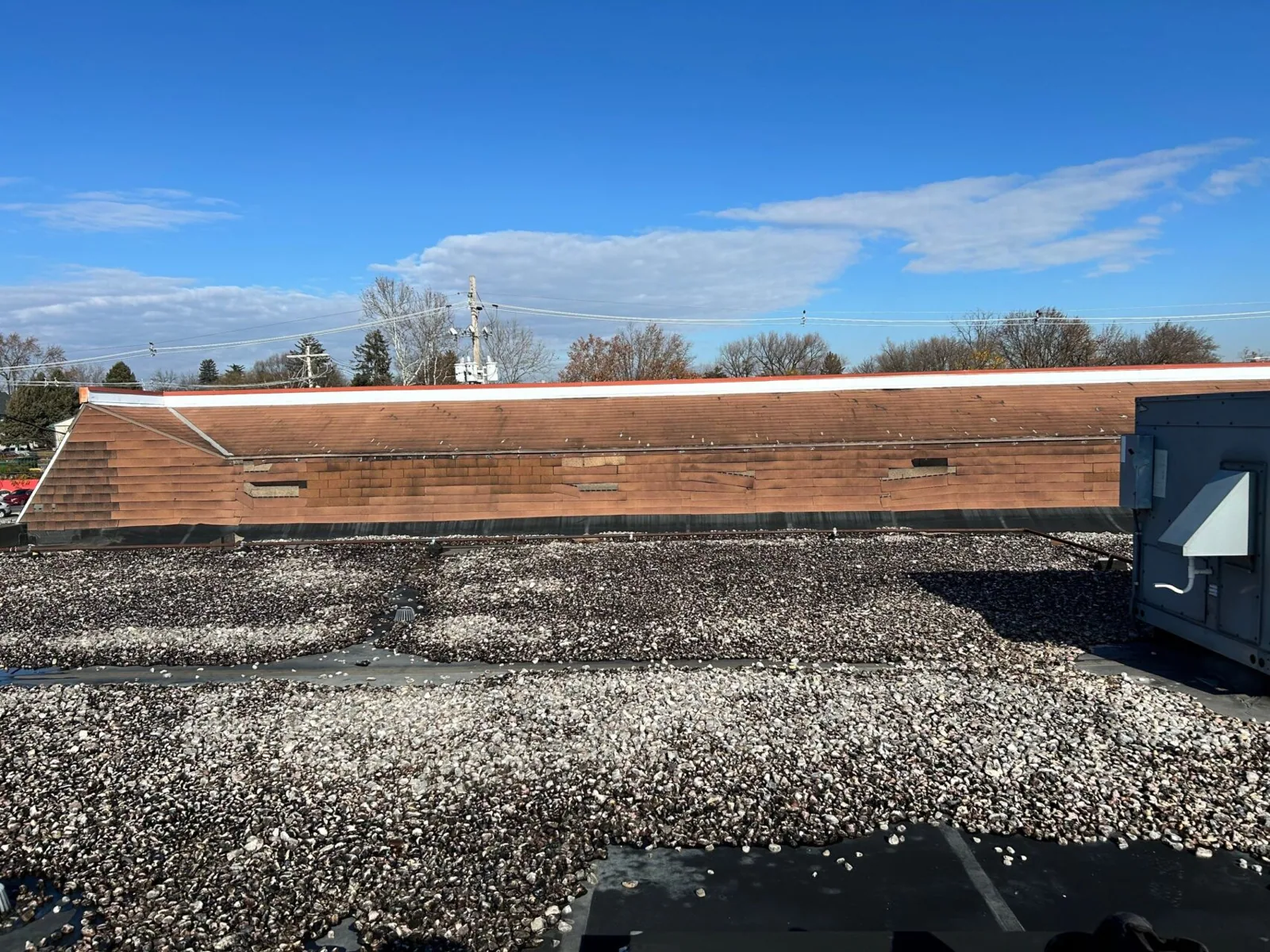
Storm Damage Roof Repair
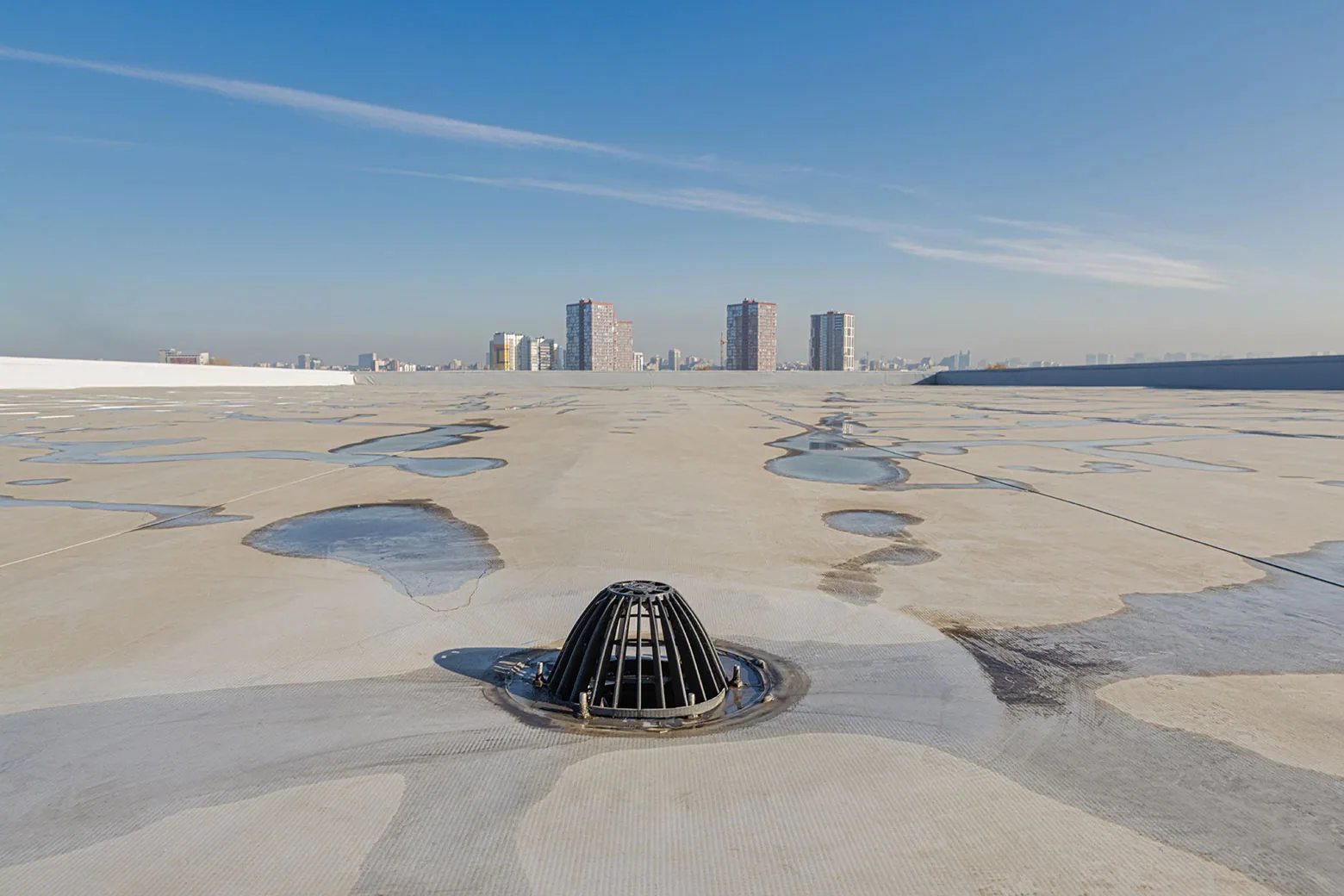
Commercial Roof Drains and Scuppers
Confirm access and roof conditions
Service Area
Topeka, Auburn, Silver Lake, Carbondale, Rossville and Shawnee County, KS
Quick Contact
Email: [email protected]
Phone: 555-555-5555
Request a Roof Assessment
Send the Topeka airport business-center address, current roof concern, access contact, and available plans or repair records. We will confirm the work window and inspect the tested section.