
Commercial Roof Inspection in Topeka, KS
Home / Commercial Roofing Services / Commercial Roof Inspection
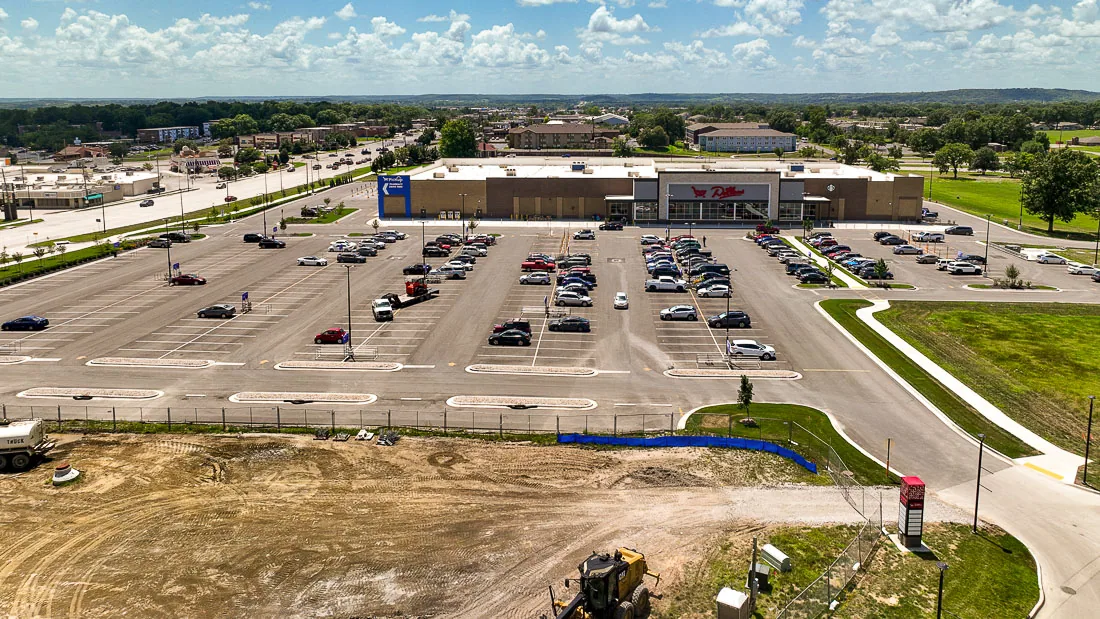
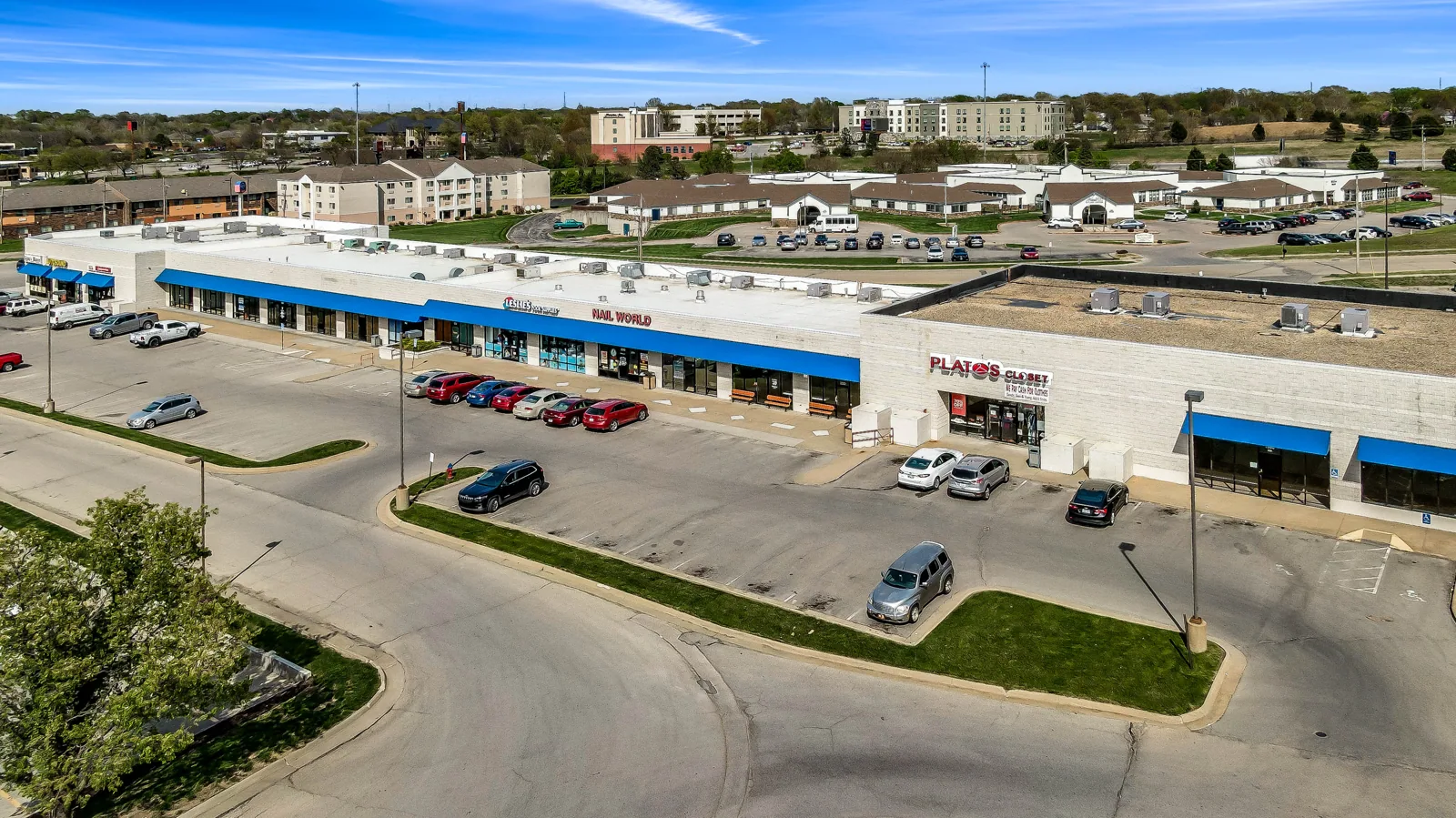
An inspection is useful when it answers a decision: repair this detail, test that section, or plan a larger project. In Topeka, summer thunderstorms, measurable winter snowfall, and about 36.5 inches of annual precipitation put different demands on drains, seams, and edges. We walk the accessible roof, identify the assembly, and mark observations by section. A distribution roof at Central Crossing Commerce Park has different access and movement patterns than a retail building in the West Topeka Retail Area. The report links each finding to a practical next step.
Scope: What does the inspection cover?
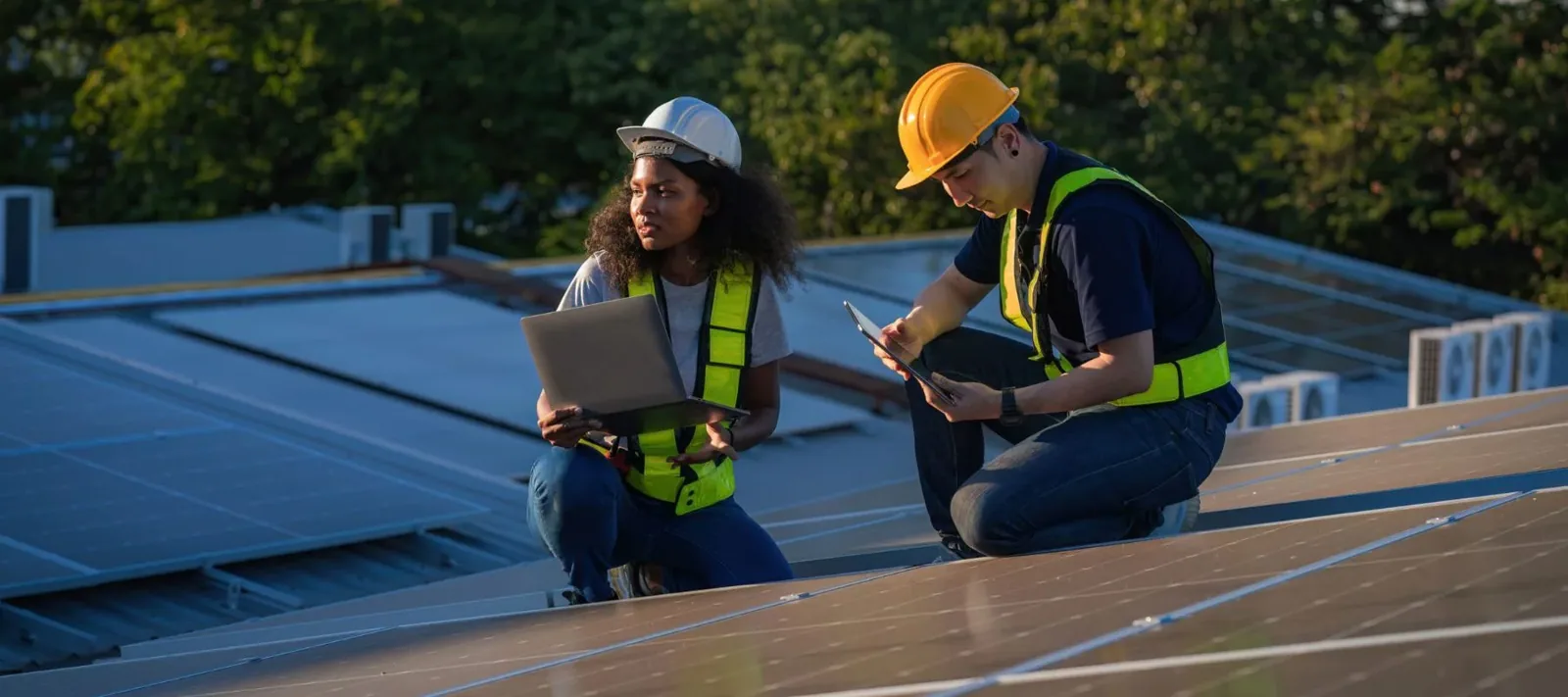
We review available roof plans, leak reports, repair history, system records, access procedures, and the areas the owner wants evaluated. On the roof, we inspect membrane seams or panel laps, flashings, penetrations, curbs, drains, scuppers, edges, equipment supports, and earlier patches. We record the section reached and any obstruction or unsafe area that limited access. A condition report uses photographs and marked locations so maintenance staff can find each item without searching across the roof.
The interior review starts with the reported room, date, weather, and equipment or contents affected. We compare the symptom with the roof details above and nearby, then record whether the likely path is confirmed or still needs testing. A visible stain alone does not set a repair line. If an opening could change the scope, the report states the test location, approval needed, and result that would answer the question.
Drainage: What should be checked before winter?
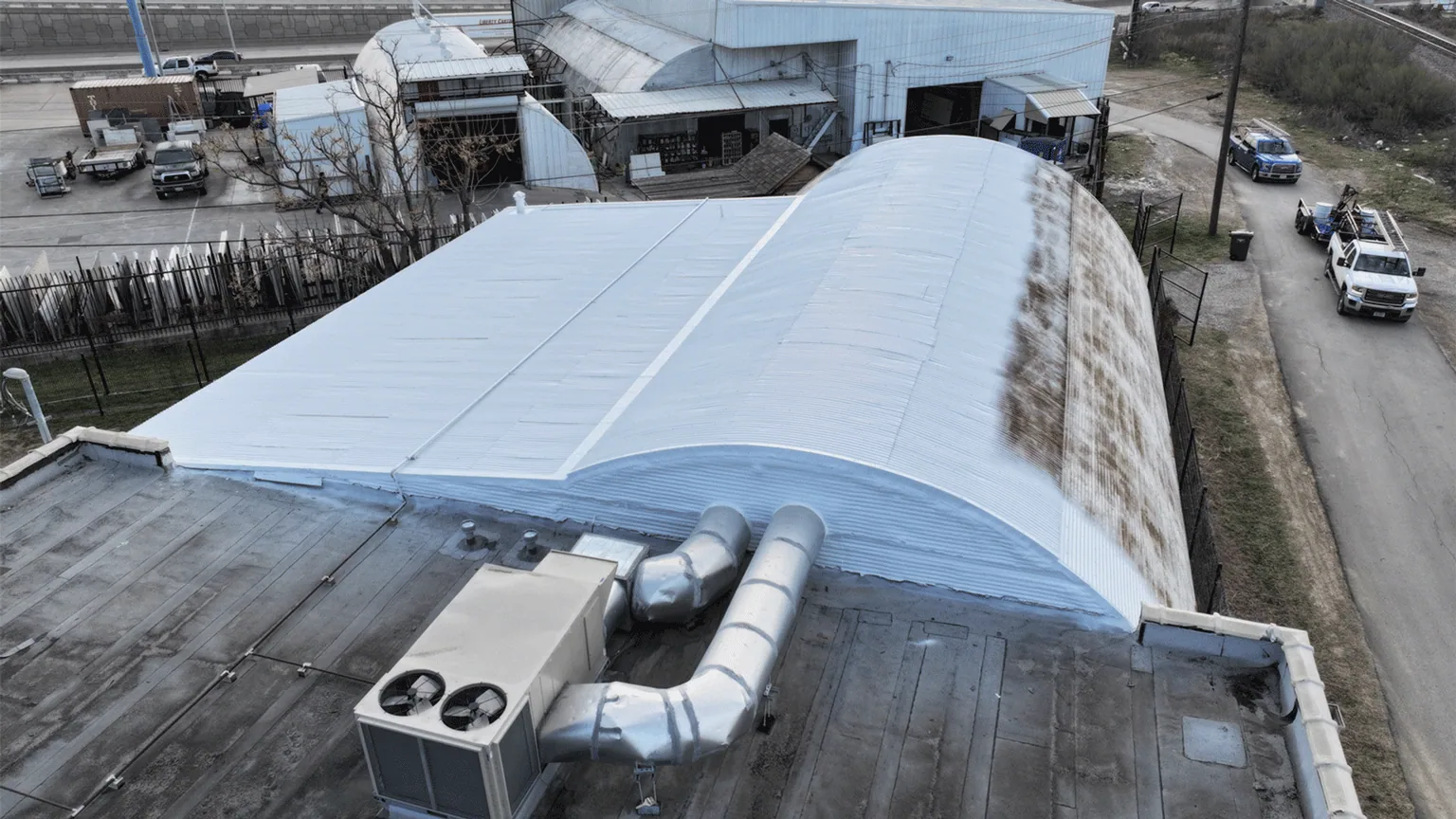
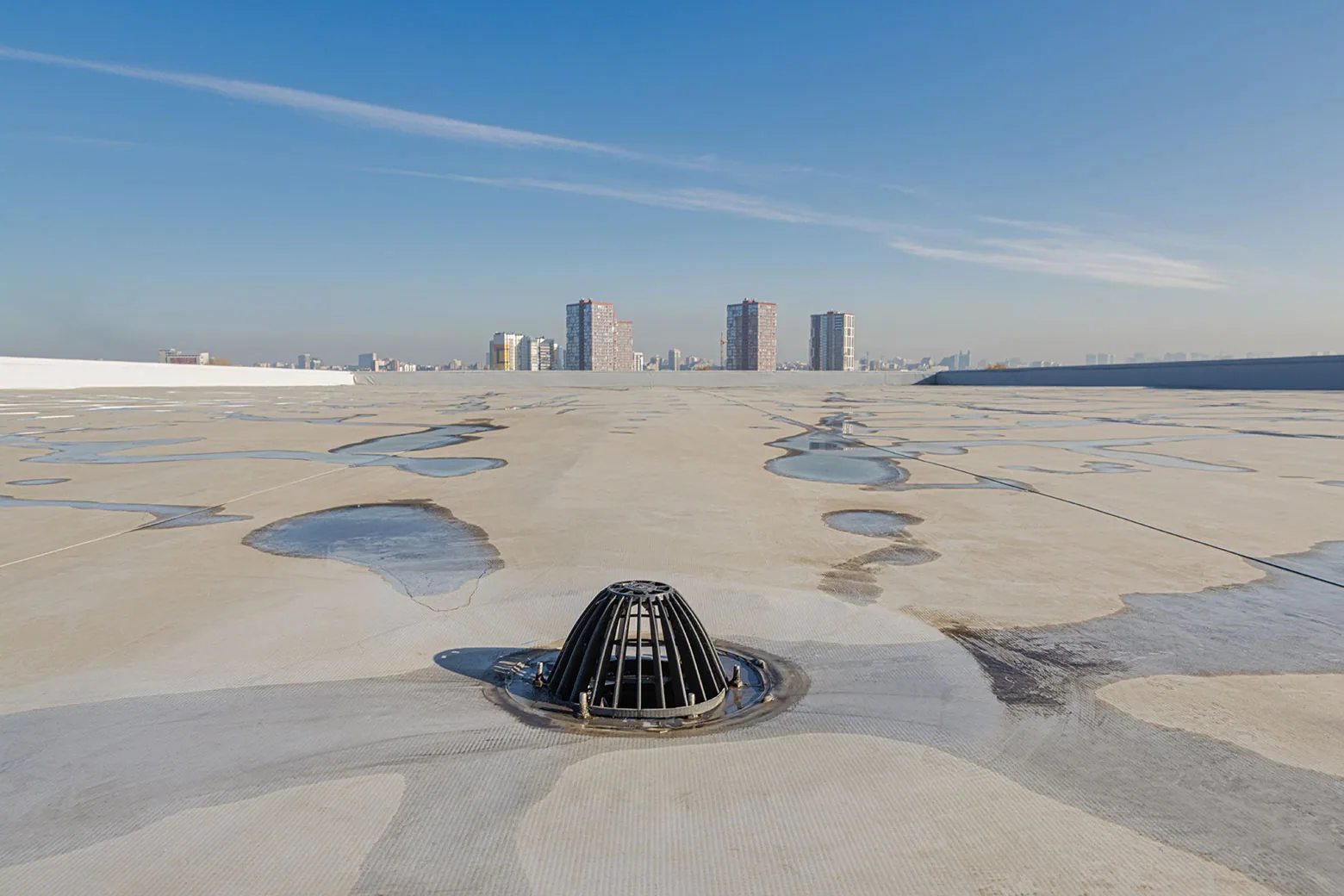
Topeka climate normals include measurable winter snowfall, while the city also receives summer rain. We trace each low area to a primary drain or scupper and check strainers, bowls, overflow routes, nearby flashing, and the path water takes across the roof. A blocked outlet, damaged connection, or low section can have different repair consequences. We note whether standing water remained, whether the outlet was tested, and what condition would need another visit. A drain inspection can define that work separately from the wider roof review.
Snow and freeze-thaw make the outlet and overflow path worth checking before cold weather, but we tie seasonal work to the building’s actual condition. We inspect accessible gutters, scuppers, drains, and downspouts, then record debris or damage instead of assuming maintenance cleared the path. The owner sees which item needs cleaning, repair, or engineering review and which area is not yet confirmed. Photos from the same roof zone make later comparisons useful.
Testing: When do instruments or openings help?
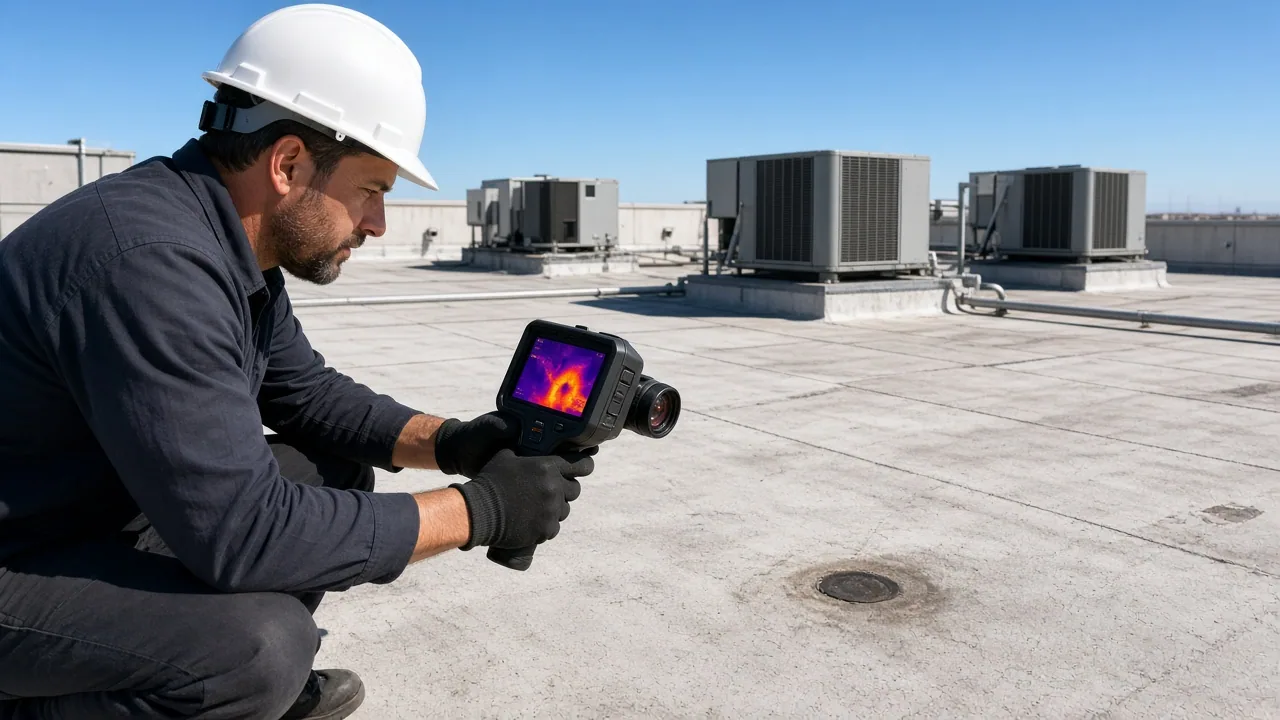
A visual walk can locate open seams, loose metal, failed flashing, and visible ponding. It cannot confirm the condition of every concealed layer. Infrared imaging or another moisture survey may help identify patterns when the roof construction, time of day, and weather conditions suit the method. A moisture survey marks areas for confirmation; a core or test opening can verify the assembly at selected locations. We state how many points were tested and what each result supports.
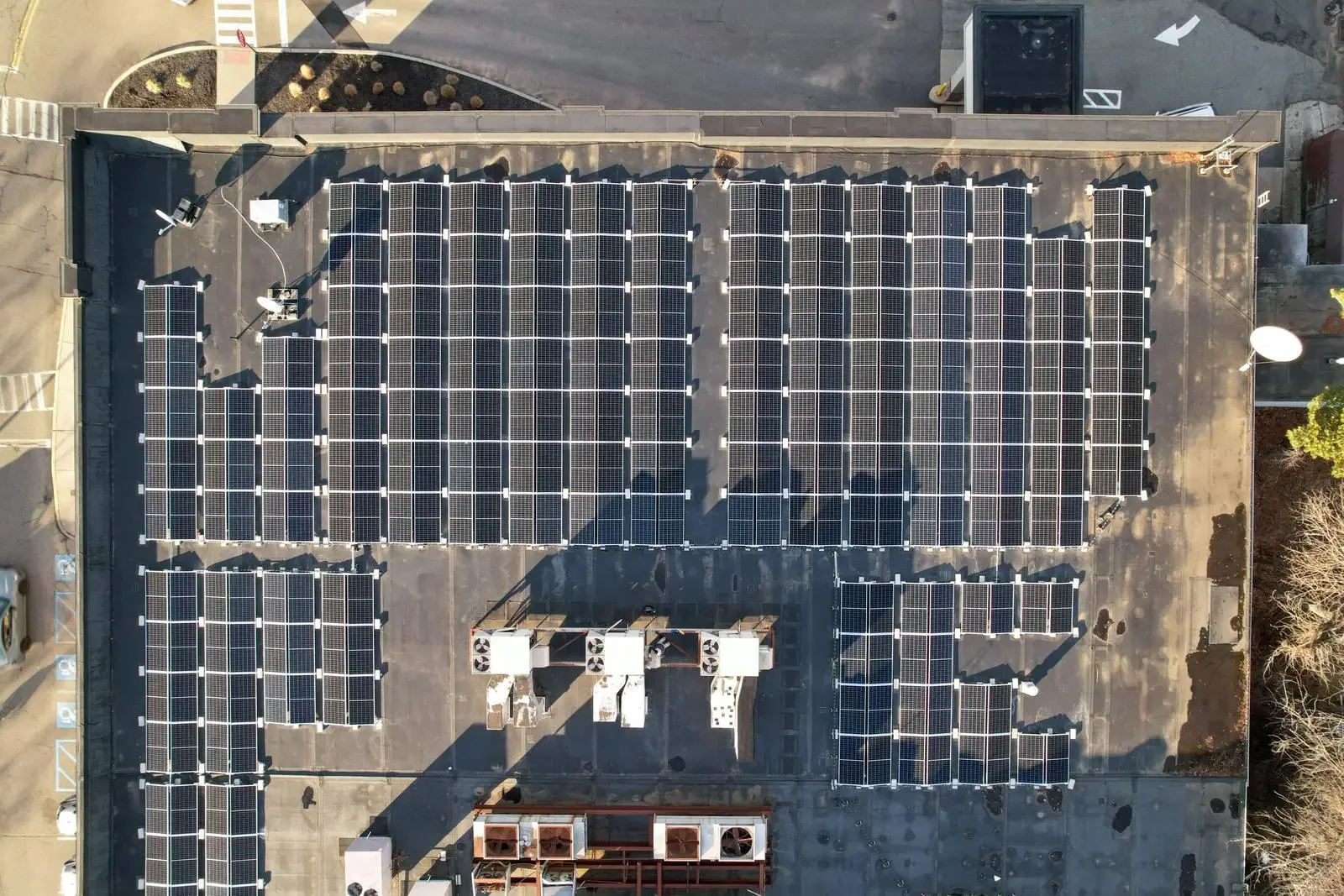
Drone imagery can document large, steep, or hard-to-reach areas without putting an inspector on every surface, but it does not replace a hands-on look at details that require touch, probing, or testing. The drone option can provide a visual overview, with access limits and unviewed areas listed. We choose a method from the question and roof, not from equipment availability alone.
Priority: How do findings become a work plan?
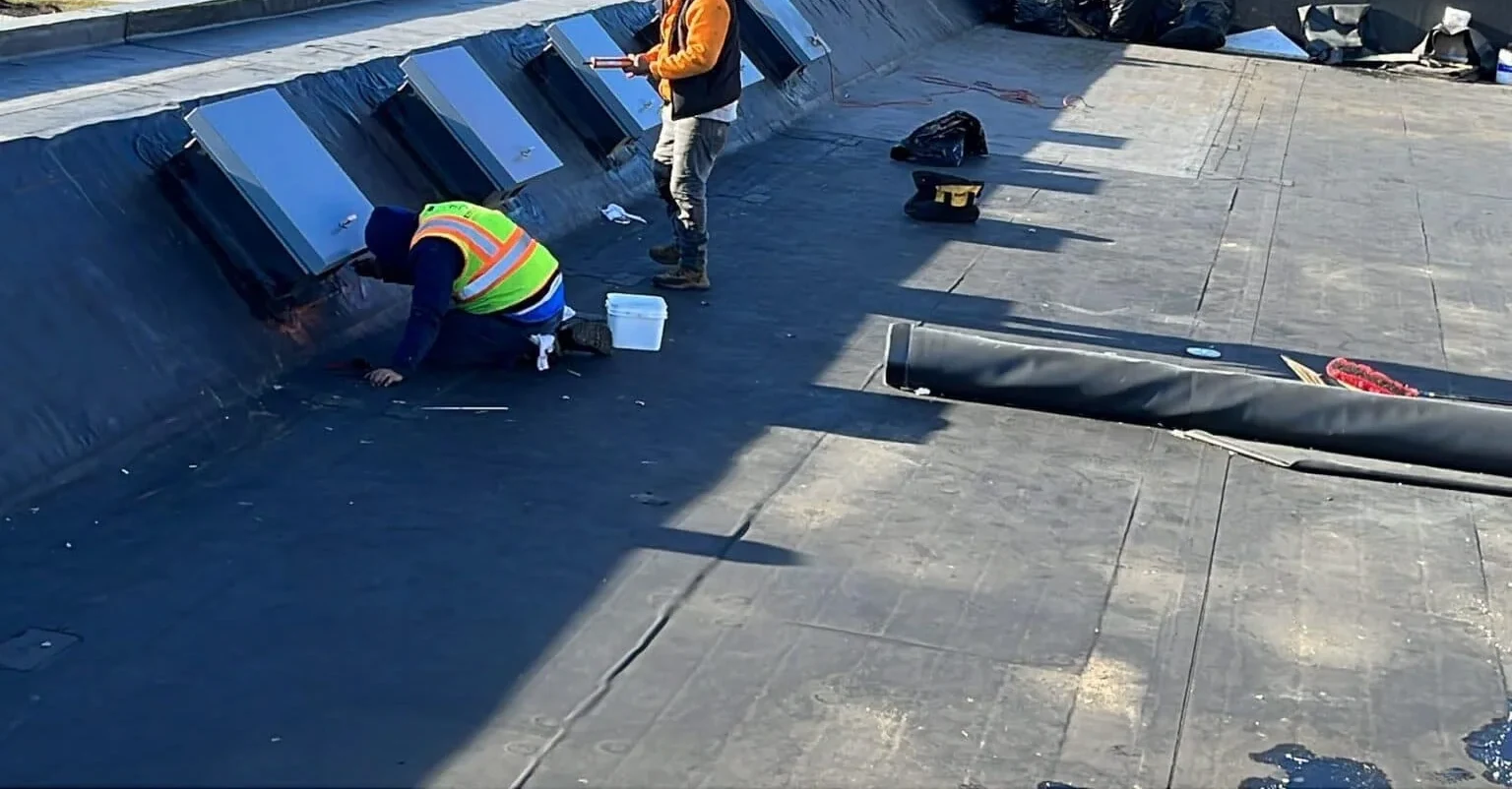
We group findings by active water entry, safety, risk of further damage, and work that can wait for a planned window. A loose edge, open lap, blocked drain, or damaged curb should include its section, photograph, and repair boundary. If an owner needs options, we separate local repair, testing, maintenance, and replacement rather than blending them into one recommendation. A maintenance plan can schedule repeat checks by exposure and repair history.
Topeka’s event archive documents severe hail and wind, and the 1966 tornado caused extensive building damage at Washburn University. Those records make post-event inspection useful but do not establish what happened to a specific roof. We note visible impact, uplift, punctures, and interior reports at the property. A storm-damage review can document those observations before the owner chooses a repair or claim step.
Handoff: What should the owner receive?
The report lists the inspection date, roof sections reached, visible condition, photographs, tests performed, access limits, and next action. We distinguish observation from suspected cause and identify any further test that may change the repair boundary. If a section was not accessible, the report says what access or equipment is needed to return. This keeps the record useful for maintenance, budgeting, warranty review, or a later bid.
If the inspection follows repeated leak calls, we line up prior repair dates, reported rooms, and current roof photos. That comparison can show whether a patch reopened or a different detail now needs attention. We note which conditions changed and which look consistent with earlier records, then identify the test or inspection that could settle an unresolved cause. The owner can assign each open item to a facility contact and set the return window before the next rain event.
For each proposed correction, we state crew access, materials, protection below, where work can stop, and the hold point for owner review. Repairs above sensitive equipment or busy retail areas may require restricted hours or temporary closure. The facility lead identifies where pedestrians or inventory need protection and who can release the next roof area. A scope that includes those logistics can move to bid or maintenance without another visit to define basic access.
For a property with several buildings, each address keeps its own assembly notes and photo labels. A corridor or tenant mix can help schedule the walk, but it does not identify a specific roof system. We confirm the operator’s route, work window, and contact before arrival. The owner leaves with enough information to decide whether to repair now, test a concealed area, or compare capital options by roof section.
The report should separate routine maintenance, corrective repair, and work that needs a test before pricing. For each item, we note its roof zone, urgency, responsible contact, and the evidence behind the recommendation. Protective action can be listed separately from a capital project so an active leak does not disappear inside a future replacement plan. We also record what would change priority, such as new water entry, exposed deck, or a blocked secondary drain. A follow-up date or condition makes the photo record usable after staff changes; an old observation should not be treated as current without another field check.
Commercial Roofing Questions
Does a roof inspection include a moisture test?
Not automatically. We first define what decision needs the test, then recommend infrared screening, a core, or another method that fits the assembly and conditions. The report distinguishes visual findings from tested results.
How are inaccessible roof areas handled?
We list the section not reached, why it was unavailable, and what equipment or permission would allow a return. The report does not imply that an obstructed zone was inspected.
What should be inspected after hail or high wind?
We document displaced metal, open seams, punctures, damaged flashings, and interior reports at the property. The event report is context; the roof condition and photographs support the repair recommendation.
Can a drone replace a hands-on inspection?
Drone images can show surface conditions and help plan access, but they cannot verify every seam, attachment, or concealed layer. We combine imagery with direct inspection or testing where the decision requires it.
What records should I send before the inspection?
Provide roof plans, prior repairs, leak reports, system information, access instructions, and any active service or tenant limits. These help us set the route and connect findings to the building’s history.
Related Roofing Work
Central Crossing Commerce Park
West Topeka Retail Area
Commercial Roof Condition Reports
Commercial Roof Drains and Scuppers
Commercial Roof Infrared Moisture Survey
Commercial Drone Roof Inspection
Schedule a section-based inspection
Service Area
Topeka, Auburn, Silver Lake, Carbondale, Rossville and Shawnee County, KS
Quick Contact
Email: [email protected]
Phone: 555-555-5555
Request a Roof Assessment
Send the Topeka address, roof concern, access contact, available plans, leak history, and preferred work window. We will define the inspection areas and return findings with photographs, limits, tests, and next actions.