
Commercial Roof Asset Management in Topeka, KS
Home / Roofing Capabilities / Commercial Roof Asset Management
A portfolio list with street addresses does not show which roof needs a visit first. We build a roof record by property, assembly, tested zone, and repair history so the next decision starts with field evidence. Topeka includes mixed commercial stock, from the Wanamaker retail corridor to distribution and manufacturing users at Central Crossing Commerce Park. Those properties may need different access and operating schedules. A usable asset file keeps their roof conditions separate while giving the owner one view of open work.
Inventory: What belongs in the roof record?
We identify each building, roof section, system type where visible, drainage points, curbs, access route, and any area not inspected. The roof inspection documents current conditions and photographs details that can be located again. We label an observation as visible, tested, repaired, or still unknown. That distinction prevents a ceiling report or an old estimate from standing in for current roof evidence.
For a site in downtown Topeka, one owner may manage civic, office, or adaptive-reuse properties within the same district. The record should identify the individual building and roof boundary, not only the district name. At Central Crossing, a manager may need to coordinate an industrial property with rail or truck operations. The access contact, staging limit, and hours available belong in the asset record because they affect when inspection and repairs can occur.
A practical register also includes the last roof access date, keys or escort requirements, active tenant restrictions, and who can authorize testing. These fields affect the cost and timing of a visit even when roof materials are unchanged. If a building changes managers, the new contact can see what records exist and which sections still need access. We can update the register after each inspection instead of carrying an outdated contact forward.
We capture system details that affect maintenance: membrane or metal type, observed seams, flashing, drains, prior patches, and rooftop equipment. If documentation is missing, we mark what was verified in the field and what needs submittal review. Any age or remaining-life entry is tied to a dated record, test result, or inspection finding. An asset register is more useful when every field has a known source or a clear inspection date.
Assign a stable asset ID to every building and map roof sections to it. Keep the site address, construction or service history, system records, photos, test locations, and current access contact attached to the same record. When a tenant or facility manager changes, the identifier preserves the roof history without relying on a former employee’s naming convention. Mark which fields were verified in the field and which came from owner documents. The inventory then supports inspections and budgeting while keeping one building’s leak, warranty, or repair quantity from migrating into another asset’s record.
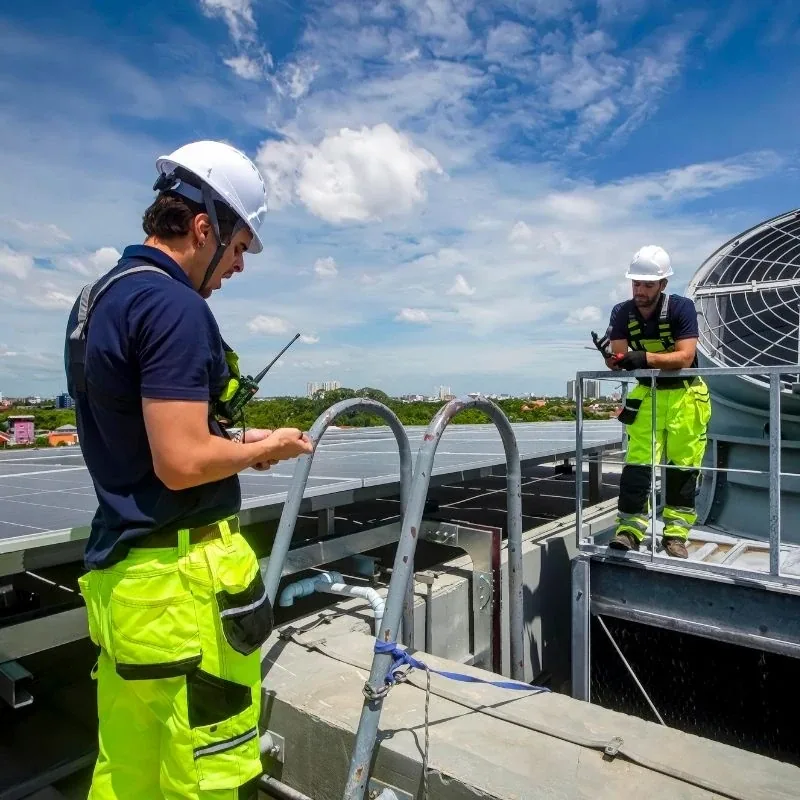
Condition history: How do repairs stay traceable?
Each service entry should reference a building, roof zone, date, finding, action, and closeout photo. We record temporary protection separately from permanent repair. A condition report can preserve measured boundaries, test results, and areas that were not opened. When a leak returns, facilities staff can compare the new location with the last repair instead of assuming the same detail failed again.
Maintenance history also identifies recurring details. Repeated drain cleaning, fastener replacement, or flashing work may point to a condition that should be checked more closely. We distinguish a completed task from a recommendation, and we include the person who authorized any change. If a test found no wet insulation, that result belongs beside the tested zone and date, not as a blanket statement about the entire roof.
Topeka's weather brings summer storms and winter precipitation. We note conditions that affect inspection timing, such as blocked outlets after a storm or sections that were unsafe during freeze conditions. A future visit can compare the same roof area after the surface clears. The history then supports a maintenance action based on observed change, rather than a routine calendar entry alone.
Priority: Which roof needs the next work window?
An active leak over equipment, open membrane, or loose edge metal may require faster action than a dry area with surface wear. We identify the condition, the interior or operational impact reported by the owner, and whether temporary protection is needed. A maintenance program can set follow-up intervals around drains, seams, curbs, and prior repairs, with each visit tied to the asset map.
Owners can compare risk using the extent of confirmed moisture, repair frequency, access constraints, and the consequence of a failure in that building. We avoid a score that hides its inputs. A simple priority note can show whether the recommendation comes from active water, a tested defect, a recurring service call, or a condition that could not yet be inspected. The owner sees why a roof moved up the work list.
A capital planning review can use those records when deciding between repair and replacement timing. The system should preserve assumptions, quantities, and open tests. If a roof has only a visual review, the plan should say so. The budget comparison can then identify where an additional moisture survey or test opening would change the decision.
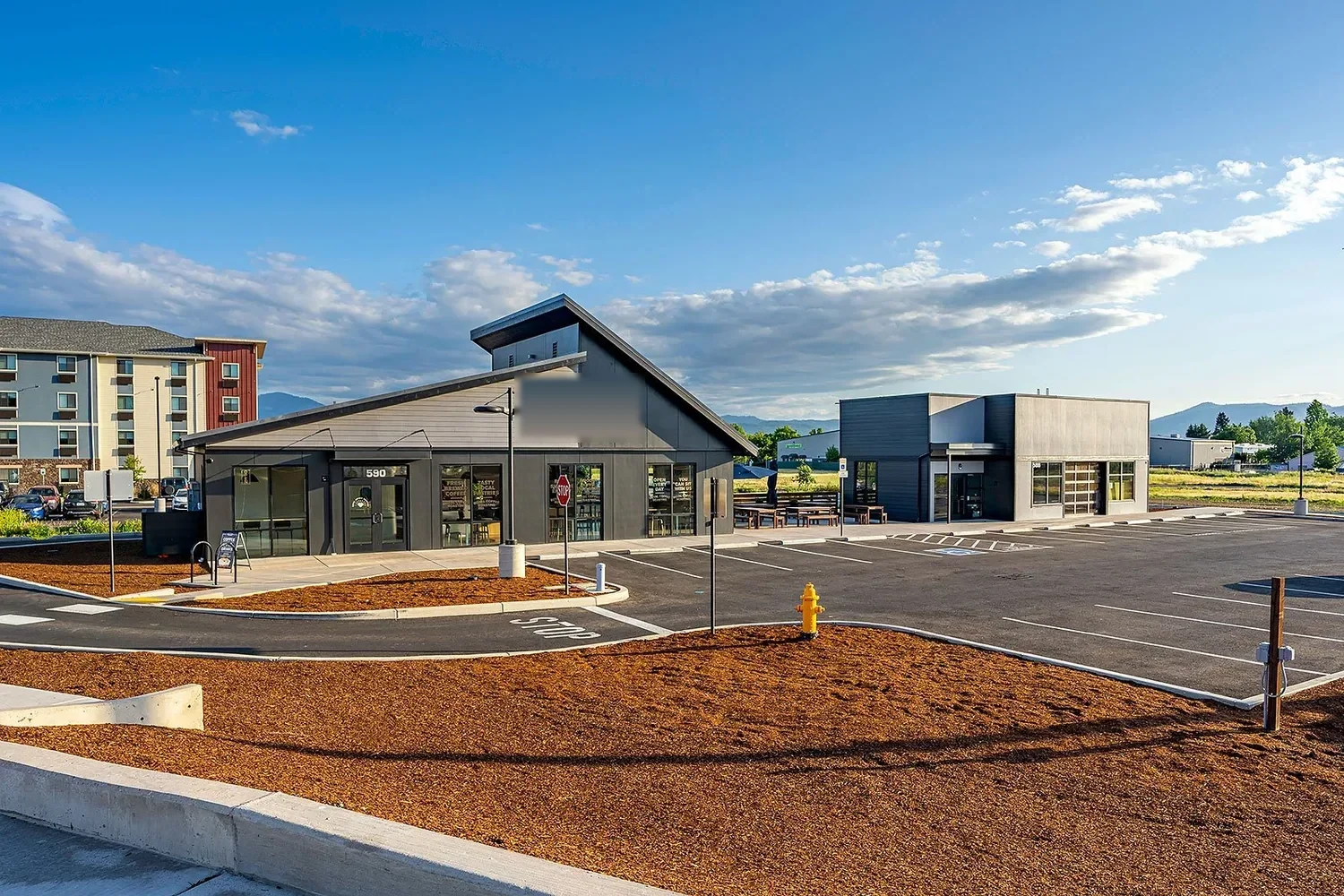
Portfolio: How are multiple buildings kept distinct?
We set a consistent naming convention for property, building, roof zone, and photo so separate teams can find the same detail. The multi-site roof program can group inspections by geography, access, or operating schedule while keeping each building’s findings independent. A regional service route should not merge roofs just because they share an owner or a maintenance vendor.
At the Wanamaker corridor, retail access may depend on delivery windows and customer entrances. At an industrial property, lift staging or production periods may control the work. We document those site rules with the roof information but confirm them with the current property representative before scheduling. If a tenant or facility manager changes, the next crew still has a contact field to update rather than relying on an old email thread.
The owner receives a property index, current open items, completed repairs, and inspection dates. We can export a concise review for a board, lender, or internal facilities meeting. The underlying photos and test records remain available for each recommendation. That makes the portfolio summary a working view of actual roofs, not a substitute for the inspections that support it.
Commercial Roofing Questions
Can one roof record cover several buildings under the same owner?
The portfolio index can group them, but each building and roof zone keeps its own condition, access rules, and repair history. That separation supports accurate follow-up.
What should be updated after a repair?
Add the work date, measured area, material, authorization, completion images, and any area left for monitoring. Temporary measures and permanent corrections should have separate entries.
Can an asset list show which roofs need replacement?
It can organize the evidence used for that choice. We compare tested moisture, repair history, system condition, and access rather than assigning replacement from an address list.
How are areas that were not inspected recorded?
The map identifies them as untested and states why access or opening was unavailable. A next step can specify the test or contact needed to close that gap.
Can a facility team use this record after staff changes?
Yes. Building identifiers, roof maps, contacts, photos, and open actions give a new manager a current handoff. We confirm site rules again before the next visit.
Related Roofing Work
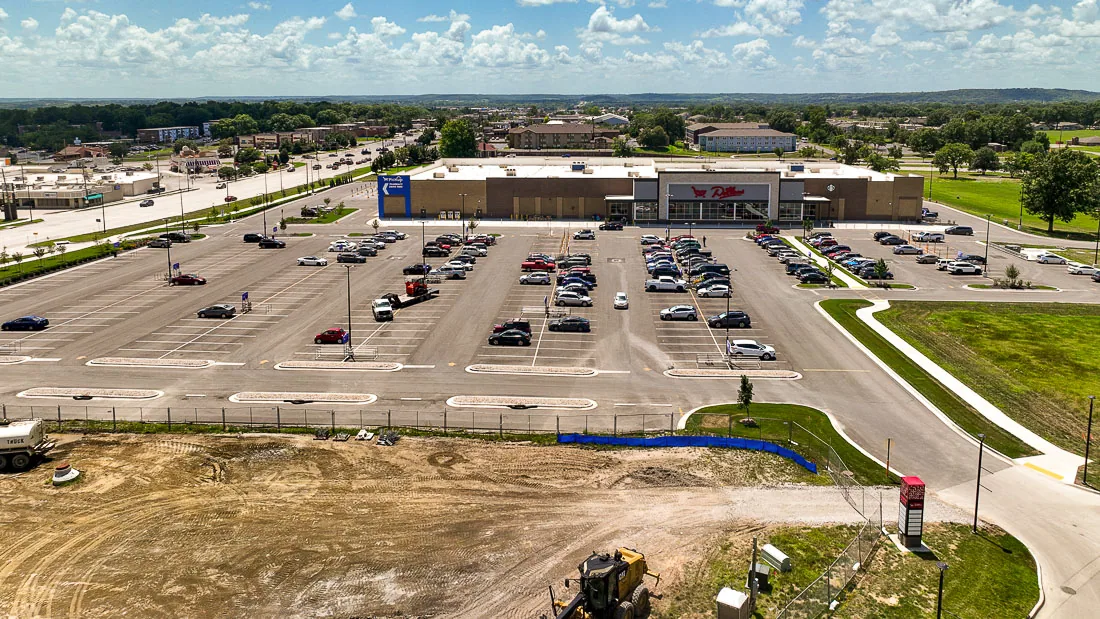
Central Crossing Commerce Park
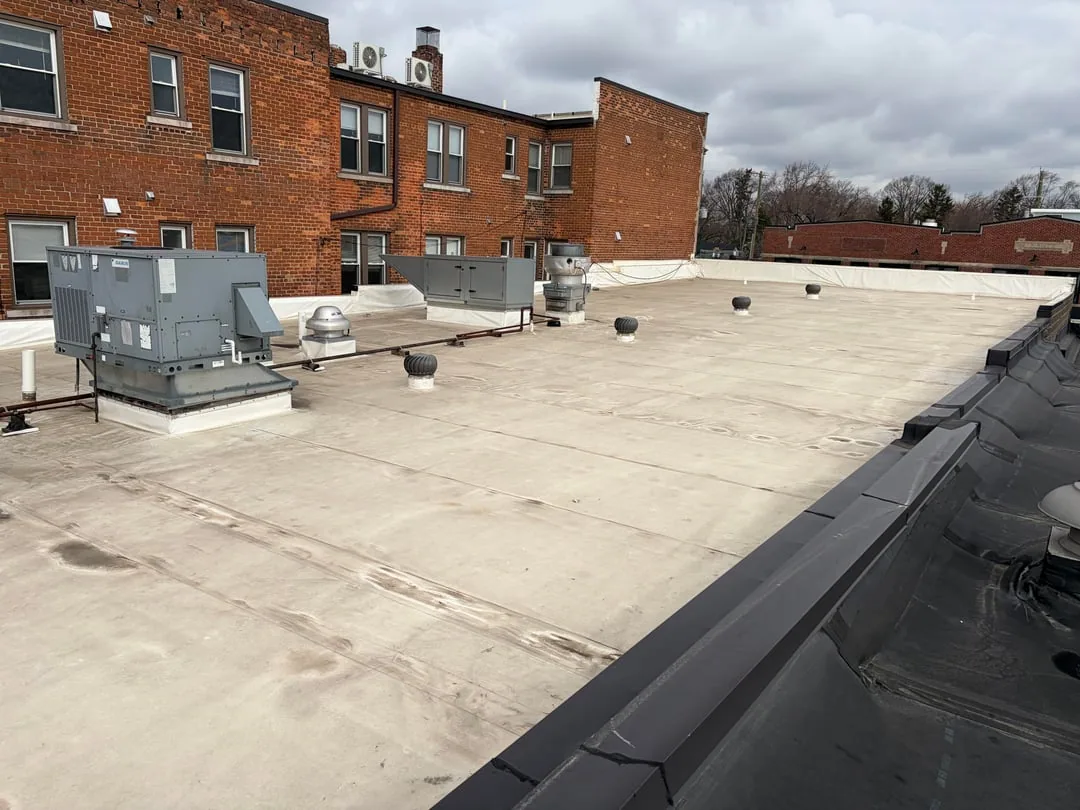
Commercial Roof Inspection

Commercial Roof Condition Reports
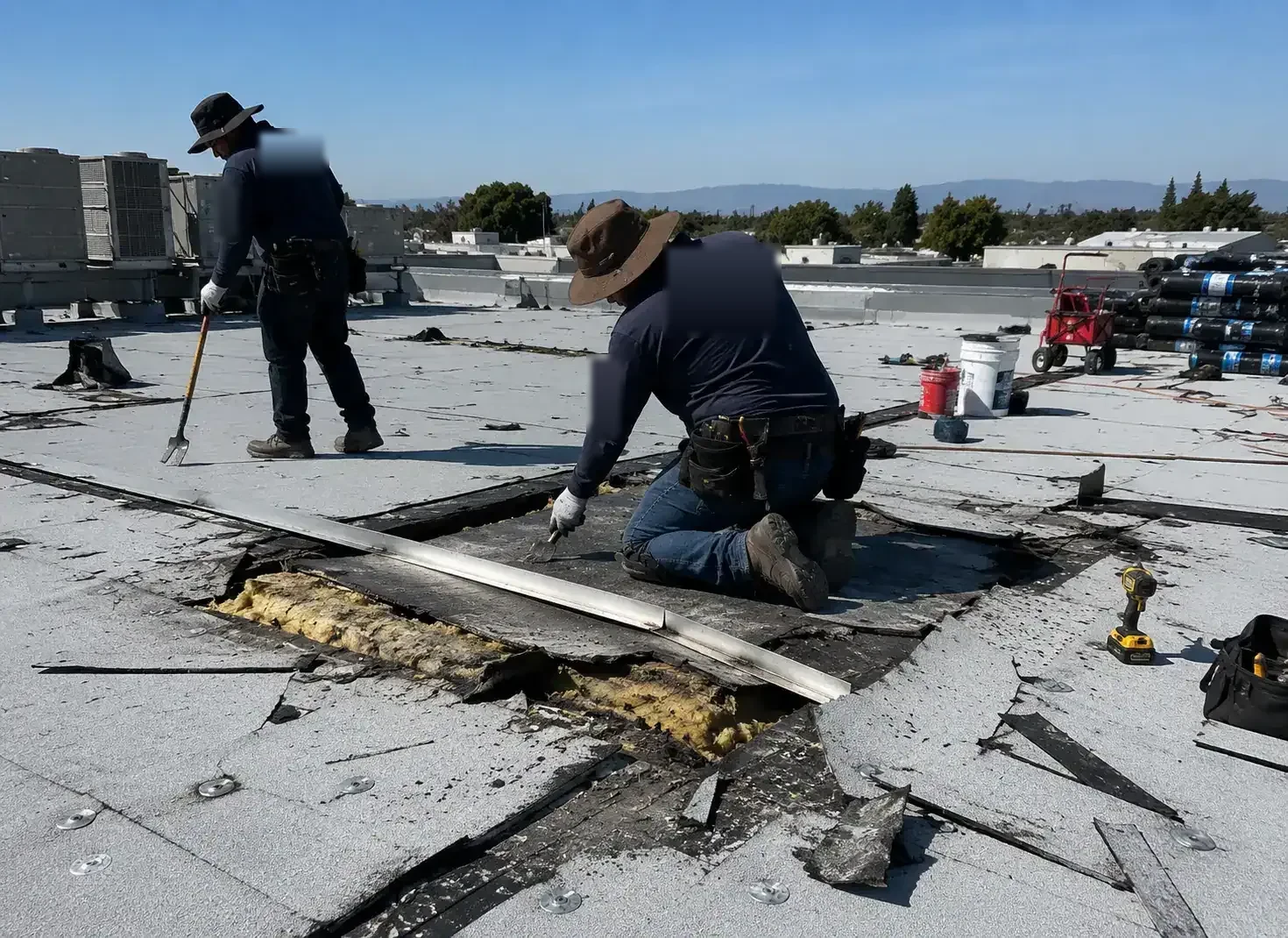
Commercial Roof Maintenance
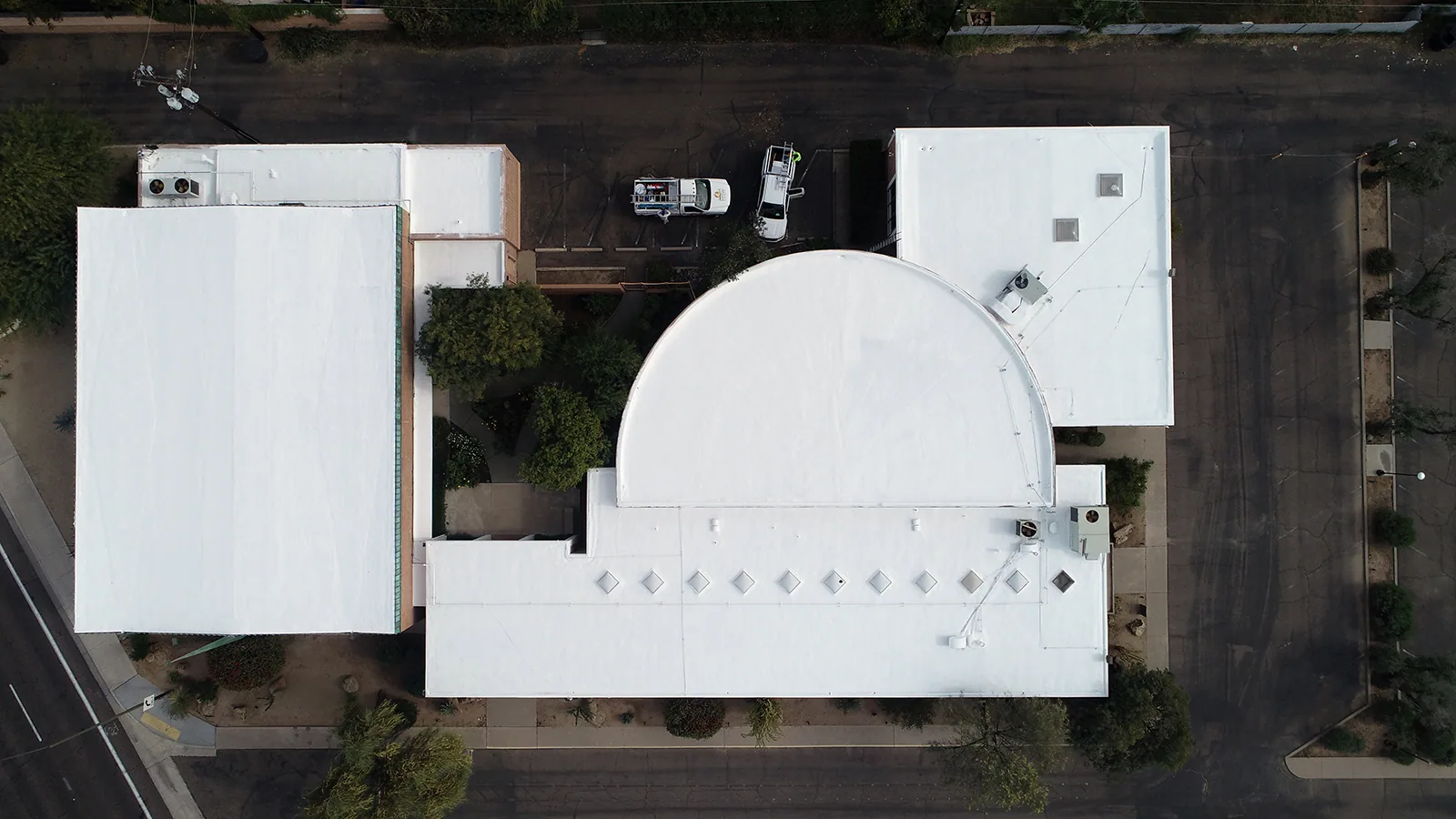
Commercial Roof Capital Planning
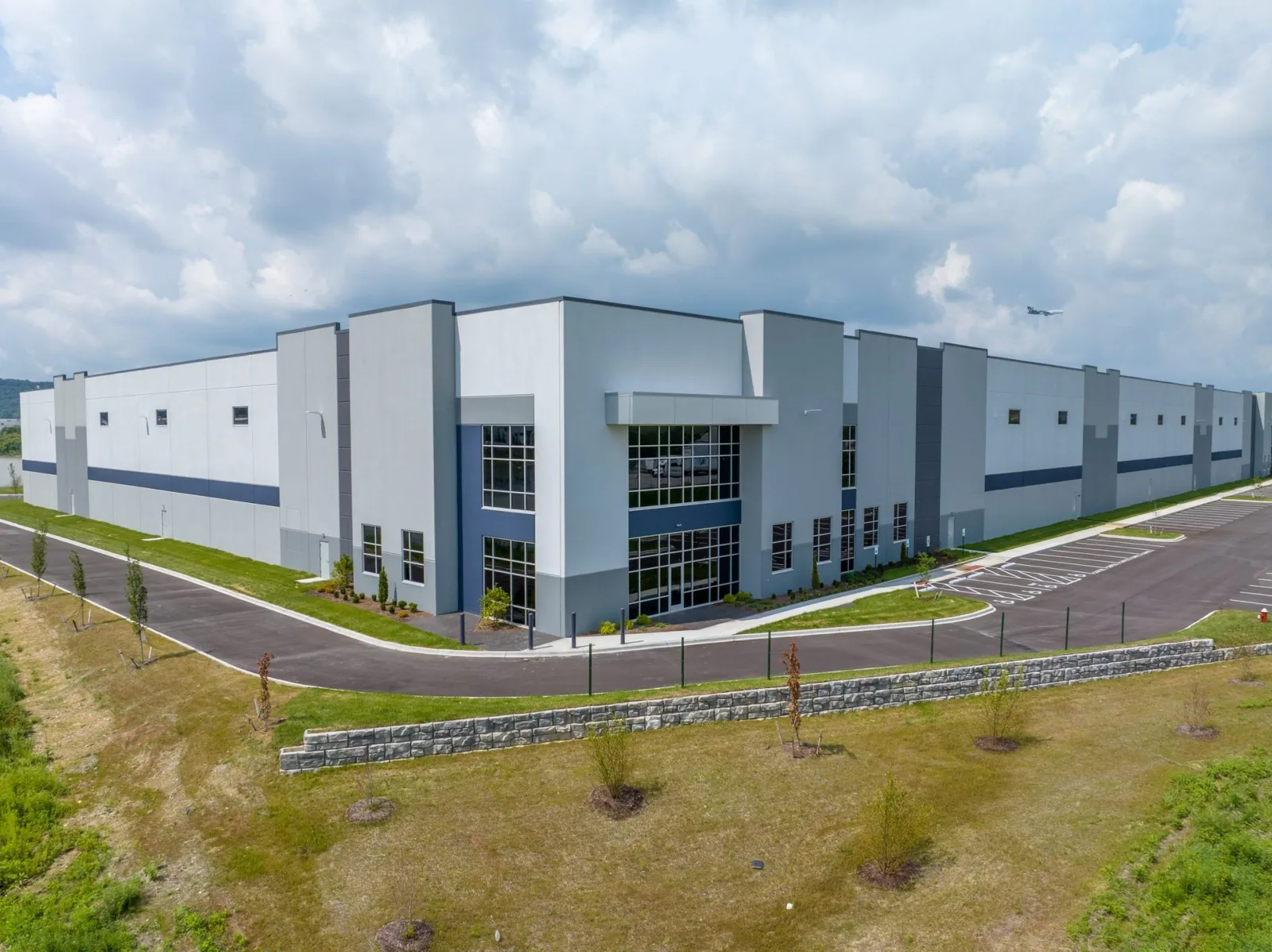
Multi-Site Commercial Roof Programs
Organize a Topeka roof portfolio
Service Area
Topeka, Auburn, Silver Lake, Carbondale, Rossville and Shawnee County, KS
Quick Contact
Email: [email protected]
Phone: 555-555-5555
Request a Roof Assessment
Send the property list, existing roof records, access contacts, and open leak reports. We will map buildings by roof zone and identify the next inspection or repair decision.