
Commercial Roof Capital Planning in Topeka, KS
Home / Roofing Capabilities / Commercial Roof Capital Planning
A budget request changes when wet insulation is confirmed, not when a roof simply looks old. We define the tested area, repair quantity, access needs, and any unresolved condition before comparing near-term work with replacement timing. Topeka’s inventory includes civic and office opportunities across the downtown districts and industrial properties near Goodyear Topeka Plant. Those settings call for distinct work windows and building records. A capital plan should carry those limits forward with each roof decision.
Evidence: What supports a capital request?
We organize each recommendation by assembly, tested section, visible defect, moisture result, and repair history. A written roof condition report preserves photographs and field dimensions for the budget file. If the inspection was visual only, that limitation remains attached to the recommendation. The owner can judge whether the estimate is ready for approval or needs a test opening first.
Active water, a split seam, a drain problem, repeated edge repair, and broad membrane wear do not carry the same scope. We distinguish safety or mitigation work from permanent correction. A replacement estimate needs assembly evidence, deck condition where tested, drainage, access, and a defined removal assumption. When those facts remain unknown, we identify the next inspection that would clarify quantity instead of hiding it inside an allowance.
Topeka weather can affect the timing of roof maintenance and work. The city averages about 36.5 inches of annual precipitation, with storms in warm months and winter precipitation. We include the work window and temporary dry-in requirements when sequencing projects. A roof with an active opening may need immediate stabilization even when a larger capital option will take another budget cycle.

Alternatives: How should repair and replacement compare?
A focused repair can extend service where the surrounding assembly remains sound. A recover may be an option only when existing layers, moisture, and structural considerations support it. Replacement removes more material and can address broader deterioration, but it also needs greater staging, disposal, and access planning. The replacement assessment lists assumptions and separates confirmed quantities from conditions that need opening.
We compare the options against repair history and future maintenance needs. If a leak has returned at the same curb after several repairs, the owner may want to test the surrounding roof before funding another patch. A roof asset record can show which building has repeated work and which sections remain untested. That history helps explain why a project is recommended now rather than relying on a roof-wide label.
For owners reviewing multiple Topeka properties, the same comparison should not force identical timing. A retail site in the West Topeka Retail Area may need work around customer access, while an industrial building can require production coordination. We list each property’s access and service restrictions alongside the roof scope. The portfolio can then sequence work without confusing the facility’s operating priority with roof condition.
A roof with one measured leak may need a narrow repair authorization; several tested zones may support a project that changes access, disposal, and tenant protection across the building. We document the decision point for each alternative. If the owner selects a phased plan, each phase has a defined boundary and closeout check, so uncompleted work remains visible in the schedule.
Budget: Which quantities change cost and timing?
Roof height, membrane or metal type, insulation depth, deck work, tear-off, material handling, and interior protection affect the estimate. Drainage or curb changes can require separate trades and approval. We show labor and material scope in terms of measured areas and details rather than a single unexplained allowance. If the roof cannot be tested safely, the estimate identifies what remains provisional and how that affects the owner’s decision.
Access can be as important as roof area. A public building may have restricted entrances or department schedules. A production property may need staging coordinated around deliveries. We confirm those requirements with the current facility contact and identify lift access, roof hatch, escort, and shutdown needs. A work window that misses the approved operating period can change sequencing and temporary protection.
A planning file should distinguish an operating reserve, approved project, and unfunded recommendation. We state which quantities came from field measurement and which rely on an assumption. If material matching, access, or structural review is outstanding, that item stays visible. The owner can advance the testing needed to refine cost without treating an early estimate as a construction authorization.
We also identify where work can be bundled. Several repairs in one mobilization may reduce repeat setup, but only if the areas can be released together and the materials suit the same sequence. Separate phases may be preferable when tenant or production limits apply. The capital schedule records those dependencies so a budget estimate does not imply that every roof section can be completed at once.
Sequence: What should happen before funds are committed?
The first step is to close any urgent exposure and capture the condition. Next, we test areas that could change repair or replacement scope. After that, we prepare options with quantities, access, and known exclusions. An owner can request those stages as separate authorizations, which keeps emergency work from being mistaken for the final capital project.
Topeka winter precipitation and summer storms can change the order of work. We note whether the roof is suitable for repair materials, whether temporary protection is needed, and which sections remain inaccessible. If weather stops work, the plan states the tie-in and return condition. Capital timing is then tied to site evidence and a feasible work window.
The final package includes roof-zone maps, photos, test results, repair history, alternatives, and open decisions. A due-diligence survey can add a defined inspection when acquisition or refinancing creates a shorter decision window. The owner receives an updateable basis for the next budget review, with any changed condition checked before funds are released for construction.
Before funds are committed, identify which test, design review, permit decision, or access release could change the quantity. Separate base work from alternates for deck repair, drainage changes, or additional removal, and set a decision date for each open item. A provisional allowance should state what condition triggers it and how it will be measured. The owner can compare a repair, recover, and replacement with the same boundary and assumptions. Once those assumptions are resolved, update the project year and cash-flow schedule; do not carry an unverified roof area forward as a firm bid quantity.
Commercial Roofing Questions
Can you separate urgent repairs from a future replacement budget?
Yes. We document stabilization, permanent repair, and larger replacement alternatives as distinct scopes. Each carries its own quantity, access assumptions, and open conditions.
What evidence belongs in a roof capital request?
Include the roof map, dated photos, inspection findings, test results, repair history, and measured alternatives. Any area not accessed or opened should remain identified as unknown.
Does repeated repair automatically mean replacement?
No. We review whether the same detail failed, whether moisture extends beyond it, and what the surrounding assembly shows. Testing may be needed before comparing options.
Can work be phased across a Topeka portfolio?
We can phase by property access, operating schedule, and approved scope. A retail site and an industrial facility may have different windows even when their roof decisions are similar.
What if the estimate depends on concealed deck damage?
We state the condition that could change quantity and price. The owner can authorize a test or hold the additional work for review after the assembly is opened.
Related Roofing Work
North Topeka US-24 Industrial Corridor
Commercial Roof Condition Reports
Commercial Roof Replacement
Commercial Roof Asset Management
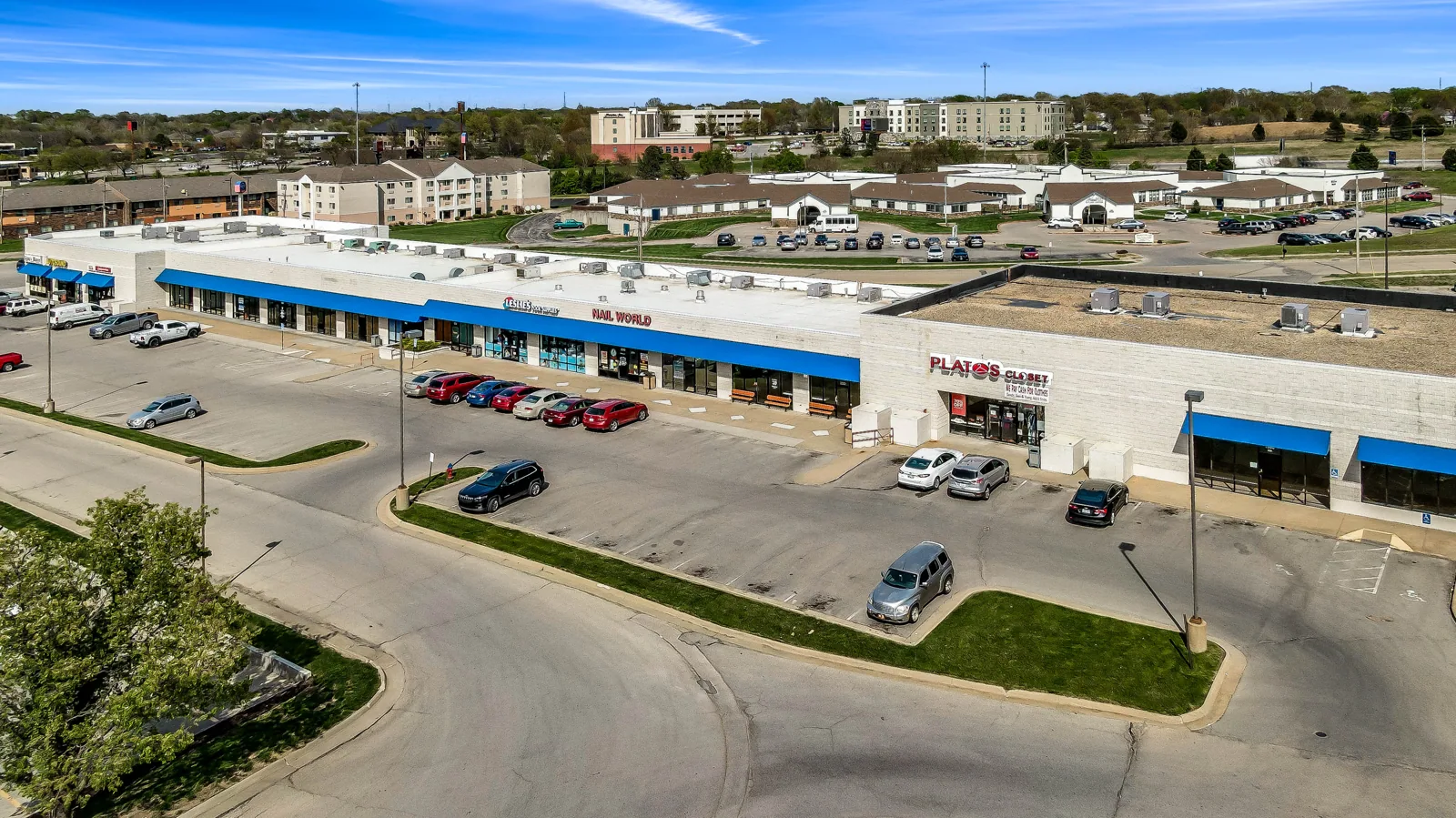
West Topeka Retail Area
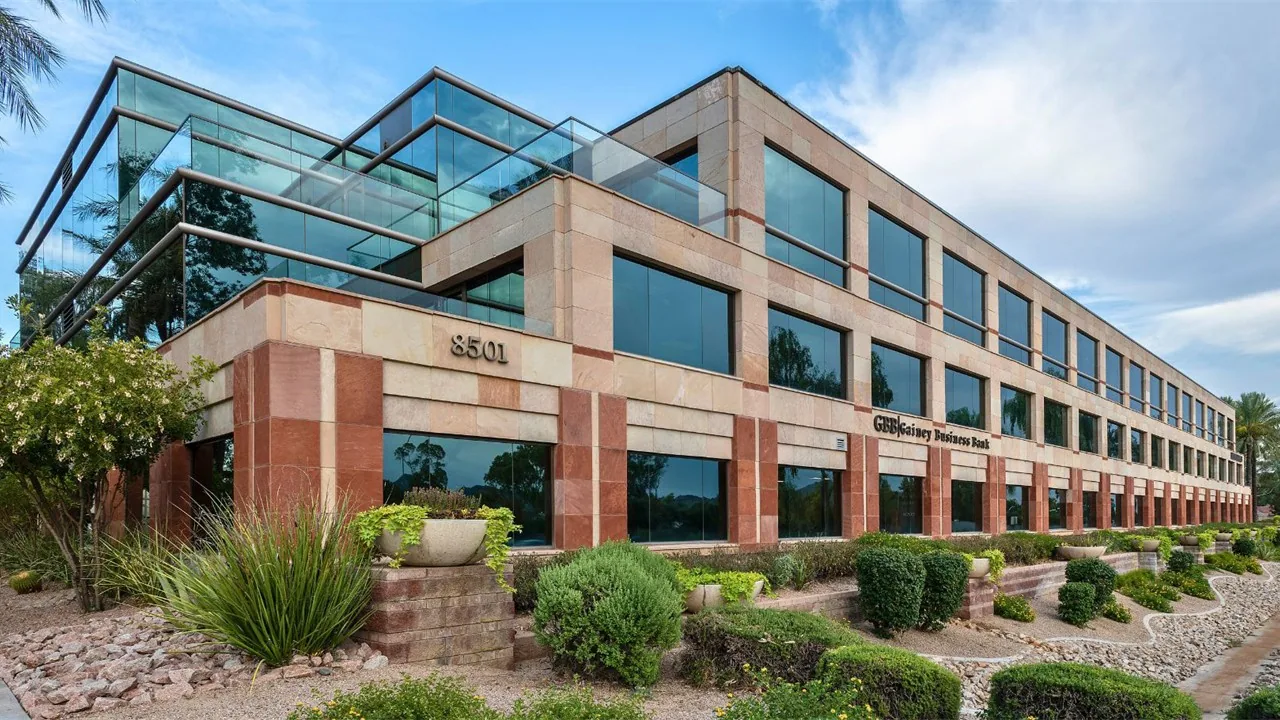
Commercial Roof Due Diligence Surveys
Build a Topeka roof capital plan
Service Area
Topeka, Auburn, Silver Lake, Carbondale, Rossville and Shawnee County, KS
Quick Contact
Email: [email protected]
Phone: 555-555-5555
Request a Roof Assessment
Provide the property list, roof records, active issues, and budget timing. We will compare tested repair boundaries with larger options and show the work window and open decisions.