
Commercial Roofing for Manufacturers in Topeka, KS
Home / Industries We Serve / Manufacturers
A roof opening above a production line can create a shutdown question before it becomes a roofing question. We identify the affected area, inspect the seam or curb, and measure the test boundary before proposing removal. Topeka’s manufacturing base includes the Goodyear Topeka plant and Mars Wrigley’s food-production campus. Each facility’s equipment, product controls, and shift schedule set the work plan.
Production: Which line or area can be released?
Manufacturing roofs may serve production, shipping, laboratories, utilities, and administrative rooms. We map the roof zones to the process area beneath them, then identify the facility contact who can release a bay. A production-area phase plan lists containment, lift access, daily tie-in, noise limits, and whether another trade must isolate equipment.
Goodyear’s Topeka plant is a tire-manufacturing facility. The plant’s process-support needs differ from a food-grade production building. We use each owner’s operating instructions to identify dust, odor, and equipment restrictions, rather than applying one shutdown plan to every factory.
Before estimating a process-area opening, we identify overhead protection, production materials, and whether a test needs to be performed in a short shutdown. The manager names who can isolate nearby equipment and who accepts the area afterward. These controls affect setup and timing, even when the roof repair itself is small.
Mars Wrigley’s Topeka project includes a 550,000-square-foot food-grade manufacturing building and seven campus structures for production, administration, utilities, and rail functions. Those facts describe the site program, not its roof area. For a project there or elsewhere, our survey records the actual roof system, equipment layout, and access allowed by the facility.
A production schedule is more than a shift calendar. The site contact identifies which line, loading route, exhaust area, or material-handling zone must stay clear, and whether any planned roof operation needs a permit or separate trade release. We list each building and roof zone so a restriction at one process area does not silently transfer to the whole campus. If the facility changes the release time, the superintendent records the new boundary and checks that the exposed section can still be secured before the crew leaves. The plant approves process controls; the roofing plan accounts for them.
Inspection: What roof details need process context?
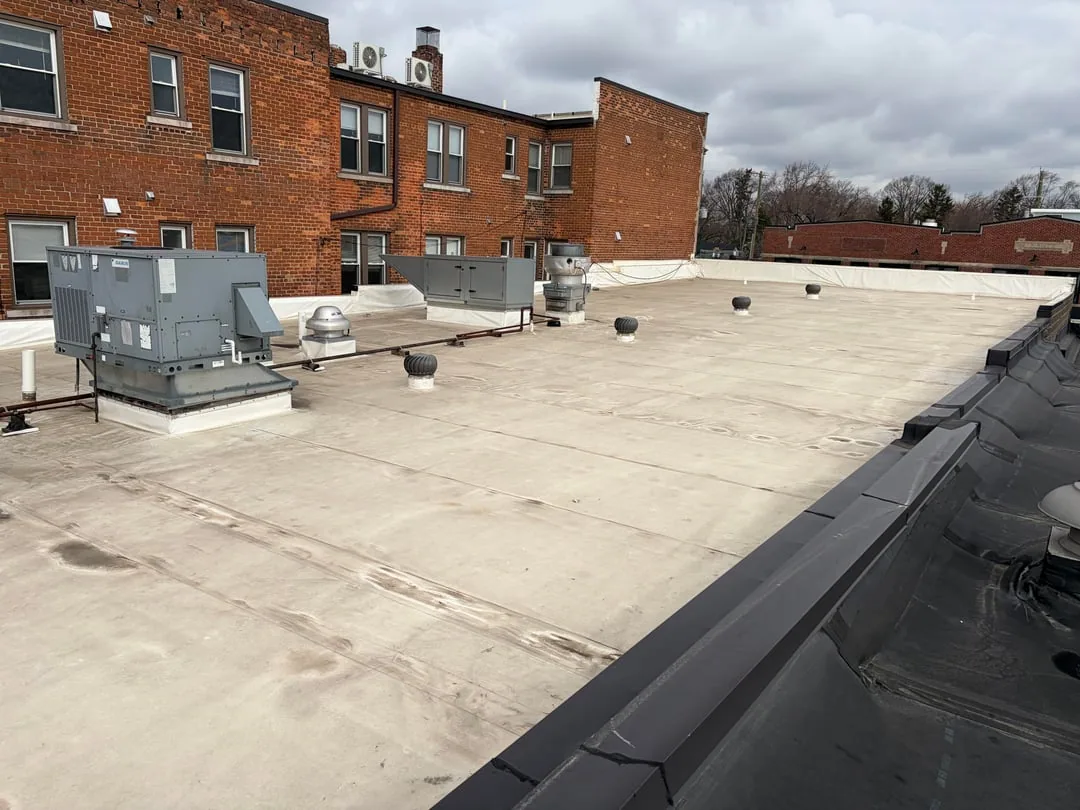
Exhaust, vents, piping, and rooftop equipment can interrupt membrane or panel runs. We inspect curb corners, supports, laps, drains, and prior patches, then compare them with the interior leak record. A commercial roof inspection labels each tested roof section and lists locations blocked by equipment or production restrictions.
Infrared readings can screen a broad area, but a test opening confirms the material beneath the membrane. We record insulation depth and deck condition at the opening and do not extend that finding beyond the measured boundary. A moisture survey can prioritize locations when the result would change removal quantities or production phasing.
At Central Crossing Commerce Park, tenants include Frito-Lay, Bimbo Bakeries, Target, and Home Depot Rapid Deployment Center. The local mix includes food production and distribution, but it does not specify roof assemblies. We document the actual roof and process constraints at each manufacturer’s address before pricing repairs.
Protection: How is product and equipment exposure controlled?
Before removal, the plant contact defines hygiene, dust, odor, vibration, and debris controls for the process below. We state which controls are included, where the roof material will travel, and whether production must stop beneath the work. A cover-board and insulation scope identifies layers that will be opened and the protection required during installation.
If roof access crosses an active shipping lane, staging needs a marked route and a delivery window. Harlan Industrial Park is near I-70 and has BNSF rail access, giving the Topeka industrial corridor distinct freight connections. A project at a specific plant still needs its own loading rules, escort, and internal traffic controls.
Emergency roof service can be requested after hours, through weekends and holidays. We coordinate entry with plant staff, protect exposed product or equipment, and document temporary mitigation. The permanent detail follows when the roof condition and process-compatible work period are confirmed.
Weather: Which conditions alter the sequence?
Production planning should account for wet-weather tie-ins and the limited safe access that snow or ice can create. We check drains, low areas, roof edges, and penetrations before wet weather. If removal is planned, the daily work area needs a secure tie-in in case a storm changes the shift. The plant record states the zone closed and the area still awaiting work.
The NWS event archive documents severe hail and wind in northeast Kansas. After a report at a manufacturing property, we inspect exposed fasteners, coping, seams, and equipment flashing at that address. Photos and measurements distinguish a moved edge or puncture from older wear. A regional weather record helps date the inspection request but does not establish plant damage.
Ice can limit safe access to high equipment or metal panels. We mark the portion that could not be reached and return after conditions allow. If water is entering a process area during the delay, temporary protection is recorded separately from the permanent roof work order.
Options: How do repair and capital work compare?
A single failed curb may need a focused repair. Moisture in separate zones, repeated line-side leaks, or widespread seam failure can justify a broader review. A replacement assessment compares repair, recover, and tear-off against deck condition, process access, equipment clearances, and production timing.
A logistics roof plan may prioritize dock access and vehicle circulation; general-contractor coordination can align roofing with plant shutdown or equipment installation. Manufacturer projects need both handoffs. We list the roof work, other-trade dependencies, and what the facility must release before mobilization.
System selection follows the installed assembly, substrate, drainage, and project criteria. We describe compatible membrane, metal, or coating options and identify the seam and penetration details that accompany each. The estimate shows measured quantities, access limits, interior protection, and any area that needs further testing before a firm scope can be set.
Record: What should facilities keep with the roof file?
Keep the roof-zone plan, process area beneath each zone, inspection photos, test readings, material records, repair dimensions, and work approvals together. Note the shift or shutdown window used and whether the production area was released after closeout.
If the same line reports water again, compare timing with equipment service, the prior roof opening, and the completed tie-in. The new symptom may follow a separate path. A dated record helps facilities choose another test point without assuming the earlier repair failed.
Send the Topeka plant address, affected production area, access contact, roof plan, and process schedule. We will map the test boundary, protection needs, and installation window.
Commercial Roofing Questions
Can roof repairs be done without stopping the whole plant?
Often, if a roof zone and the area below it can be isolated safely. The plant contact identifies process controls, and we list the phase, tie-in, and any production restriction.
What should a manufacturer provide before an inspection?
Share roof plans, process-area names, equipment service records, safety requirements, and any restricted work periods. We use those details to map safe access and test locations.
How is wet insulation documented near production equipment?
We mark the opening, measure affected material, photograph the deck and insulation, and keep any untested area separate. Added removal requires authorization before quantities change.
Can you respond to a plant leak overnight?
The on-call crew can be reached outside production hours, including weekends and holidays. We coordinate access, protect the affected process area, and record permanent work separately.
When should a manufacturer compare a full reroof?
Recurring leaks in multiple zones, moisture confirmed at separate openings, or broad seam deterioration can support that review. We tie alternatives to production access and measured roof conditions.
Related Roofing Work
Occupied Commercial Building Reroofing
Commercial Roof Inspection
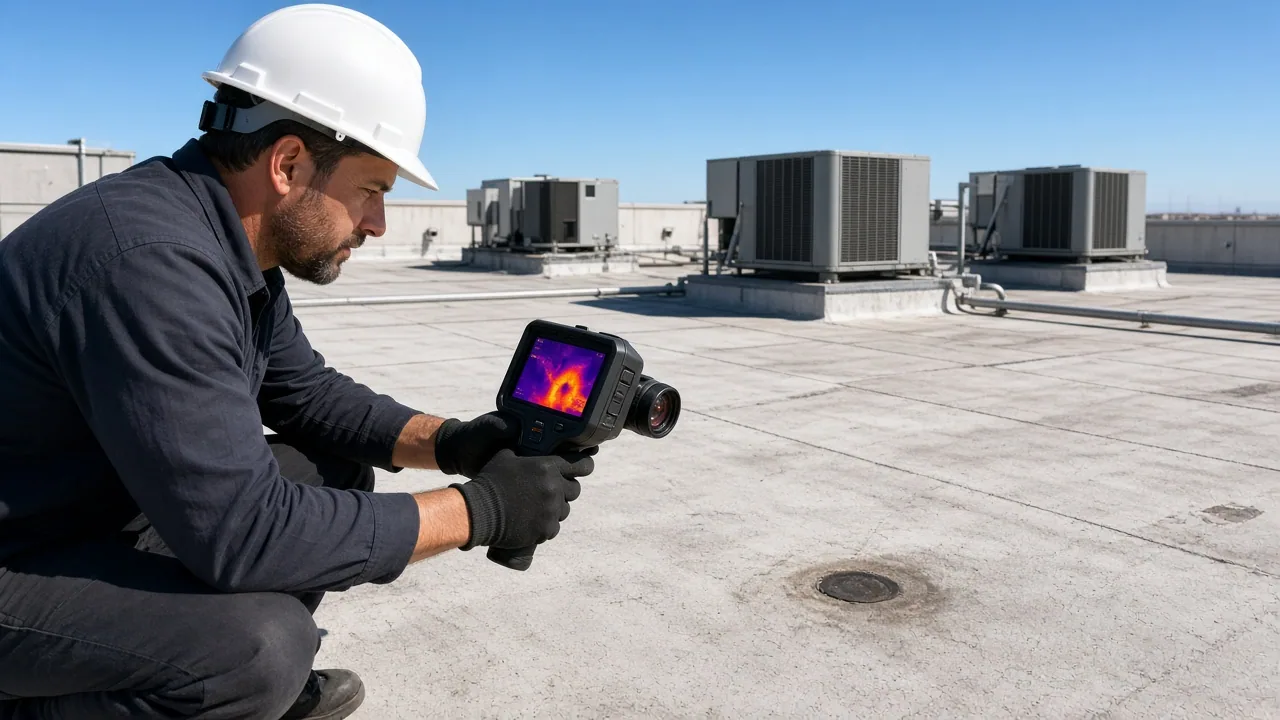
Commercial Roof Infrared Moisture Survey
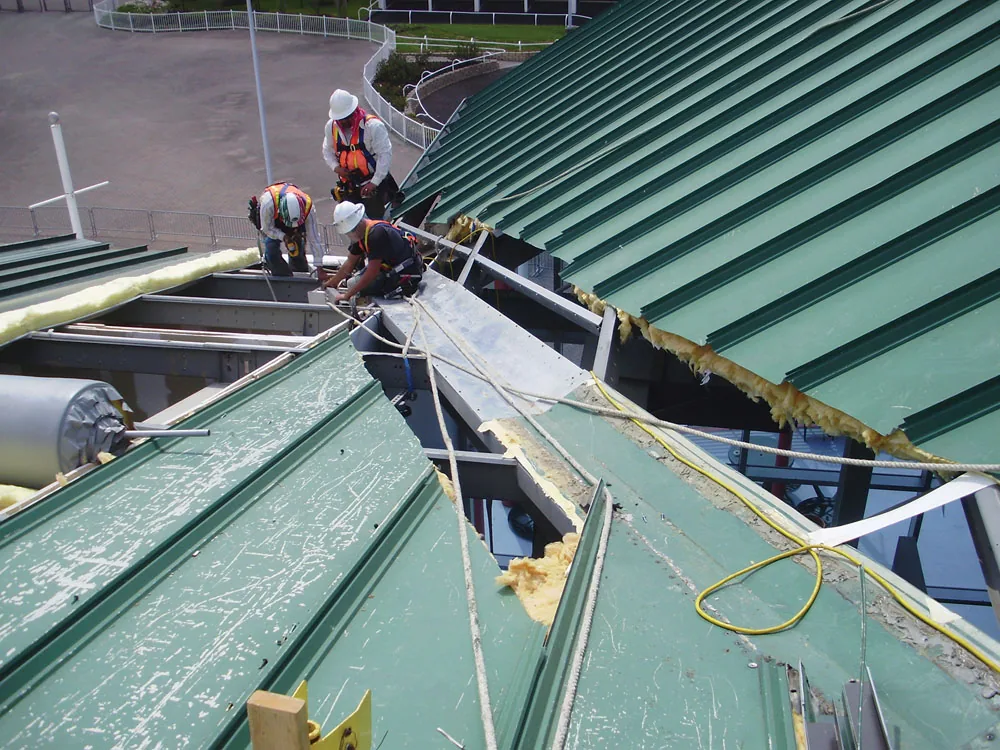
Commercial Roof Insulation and Cover Board
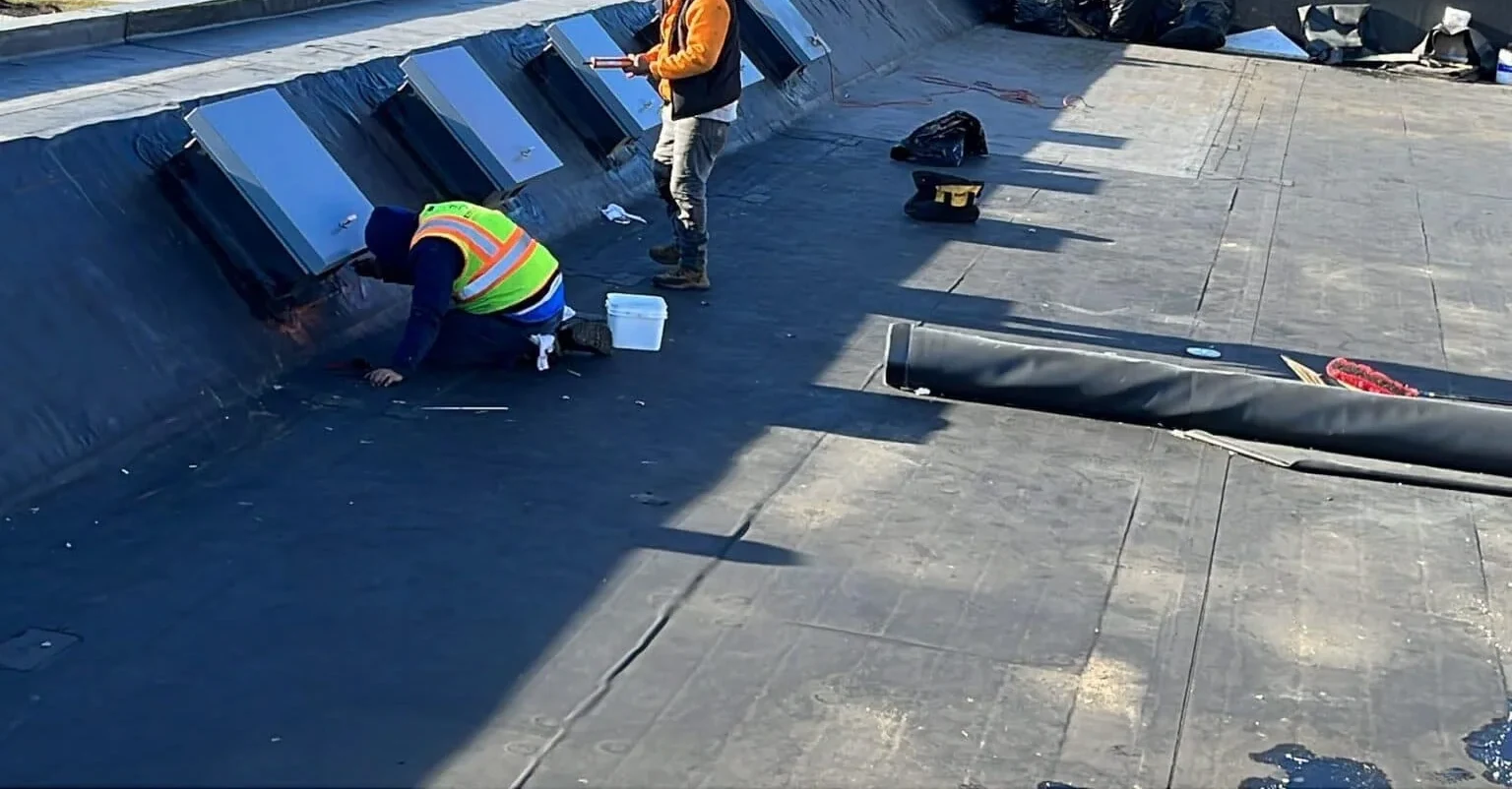
Commercial Roof Replacement
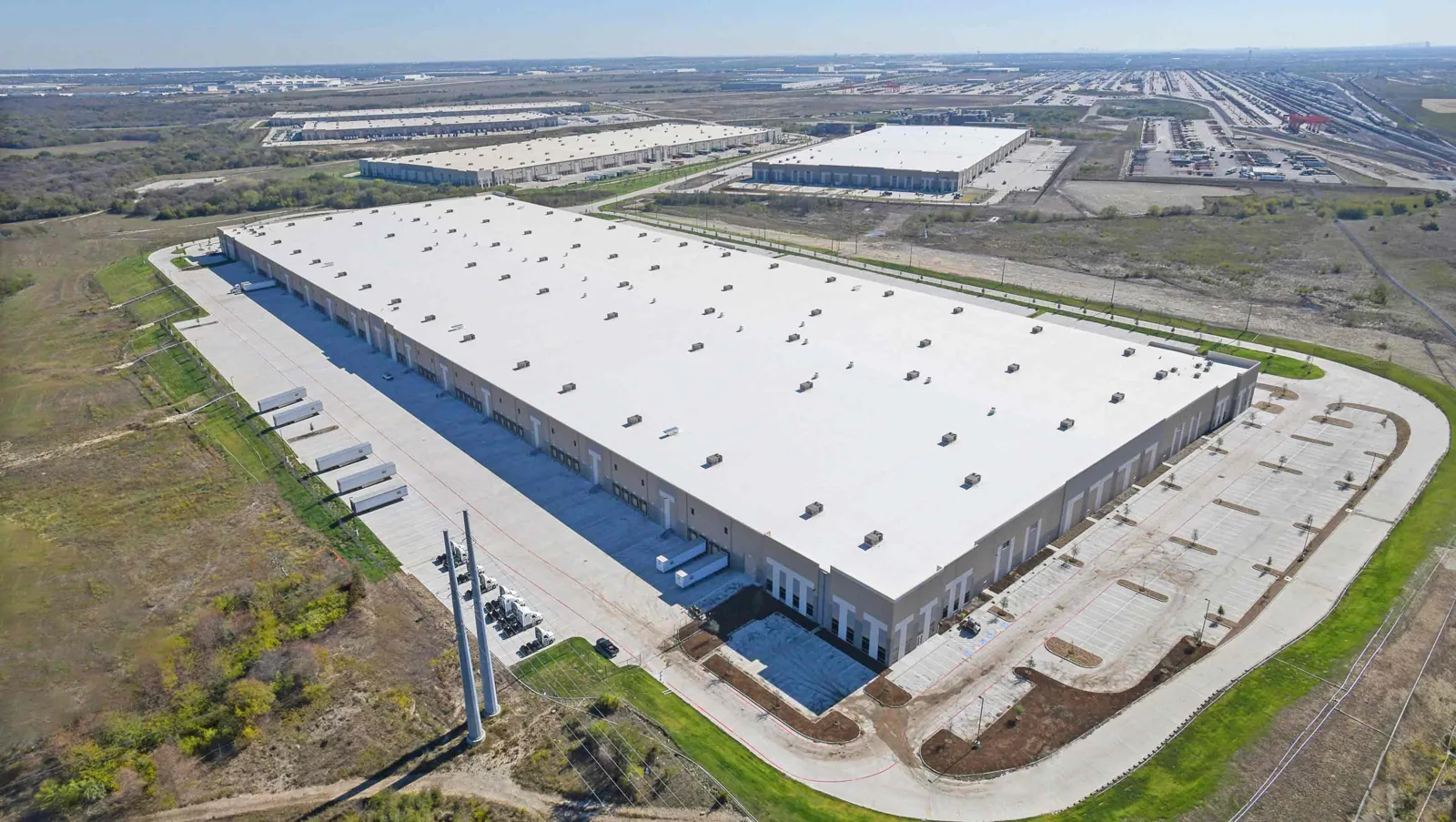
Logistics and 3PL Operators
Plan a manufacturing roof work window
Service Area
Topeka, Auburn, Silver Lake, Carbondale, Rossville and Shawnee County, KS
Quick Contact
Email: [email protected]
Phone: 555-555-5555
Request a Roof Assessment
Send the Topeka plant address, production area, process schedule, access contact, and roof plan. We will identify test locations, protection, and work phases.