
Commercial Roofing for Property Managers in Topeka, KS
Home / Industries We Serve / Property Managers
A leak call at one address should not erase what the portfolio already knows about that roof. We record the building, section, test result, and repair boundary so the manager can compare the new report with prior work. The Wanamaker corridor is a regional retail spine; Harlan Industrial Park and Central Crossing Commerce Park provide industrial settings. A portfolio spanning downtown, Wanamaker, and those parks needs distinct roof records, not a citywide assumption.
Portfolio: How are buildings compared fairly?
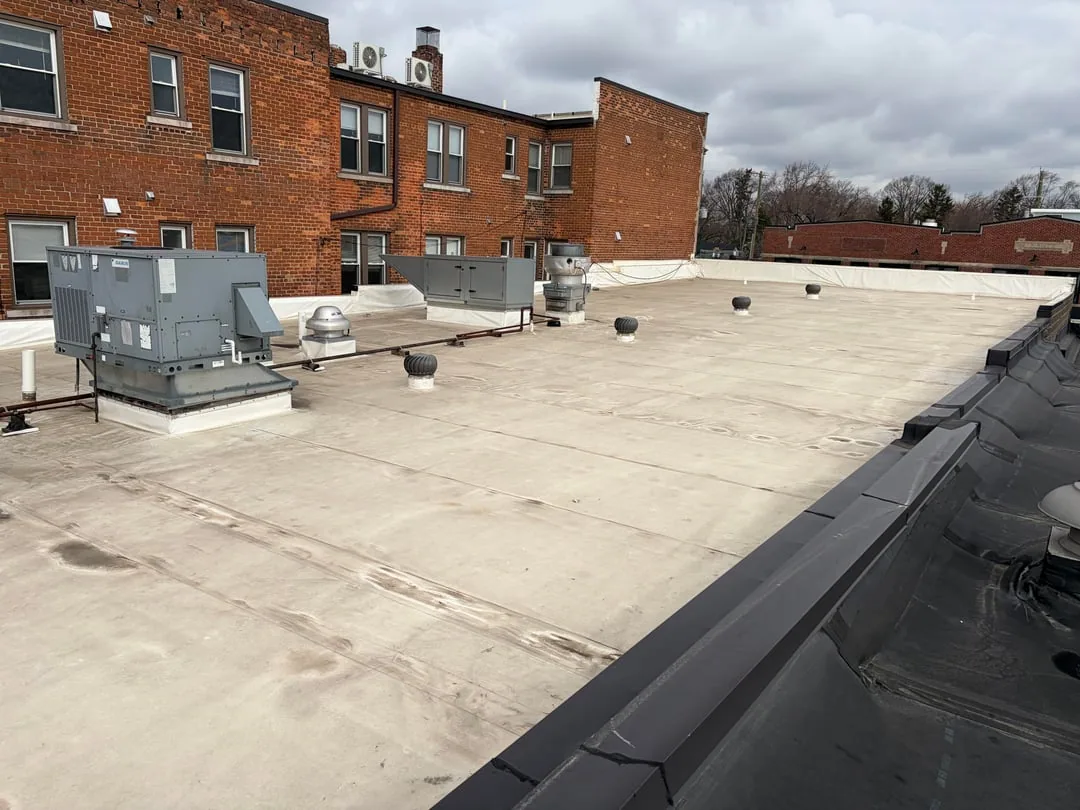
A property list is not a roof inventory until each building has an assembly, condition map, and access note. We label sections, drains, curbs, prior repairs, and areas not inspected. A roof asset record can keep these findings together for routine maintenance and capital review. The inspection report includes photographs and identifies where moisture testing could change the repair quantity.
Two properties with similar footprints can have different membranes, slopes, tenant hours, and roof access. We compare like with like only after recording those details. The manager can sort urgent openings from planned upkeep, then schedule work by tenant release rather than by a generic roof-age ranking. A map makes the basis for that sequence visible to ownership and on-site staff.
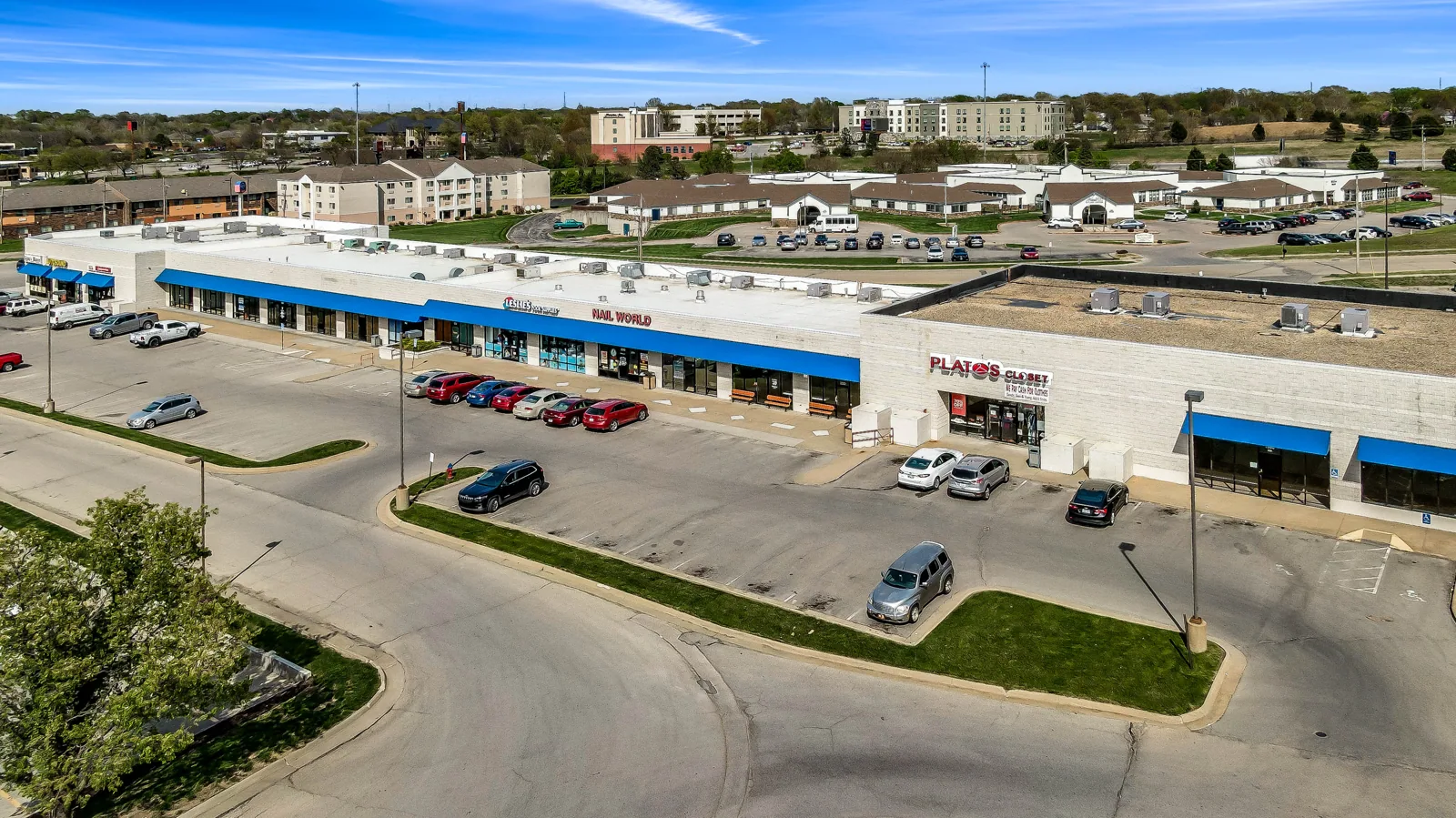
Topeka’s West Topeka Retail Area combines large-format retail and service uses, while Harlan Industrial Park is designated for light-industrial development near I-70. Those local settings bring different delivery and access questions. We record the actual property route and operating contact for each site instead of assuming one staging plan fits the portfolio.
Triage: Which report gets a roof visit first?
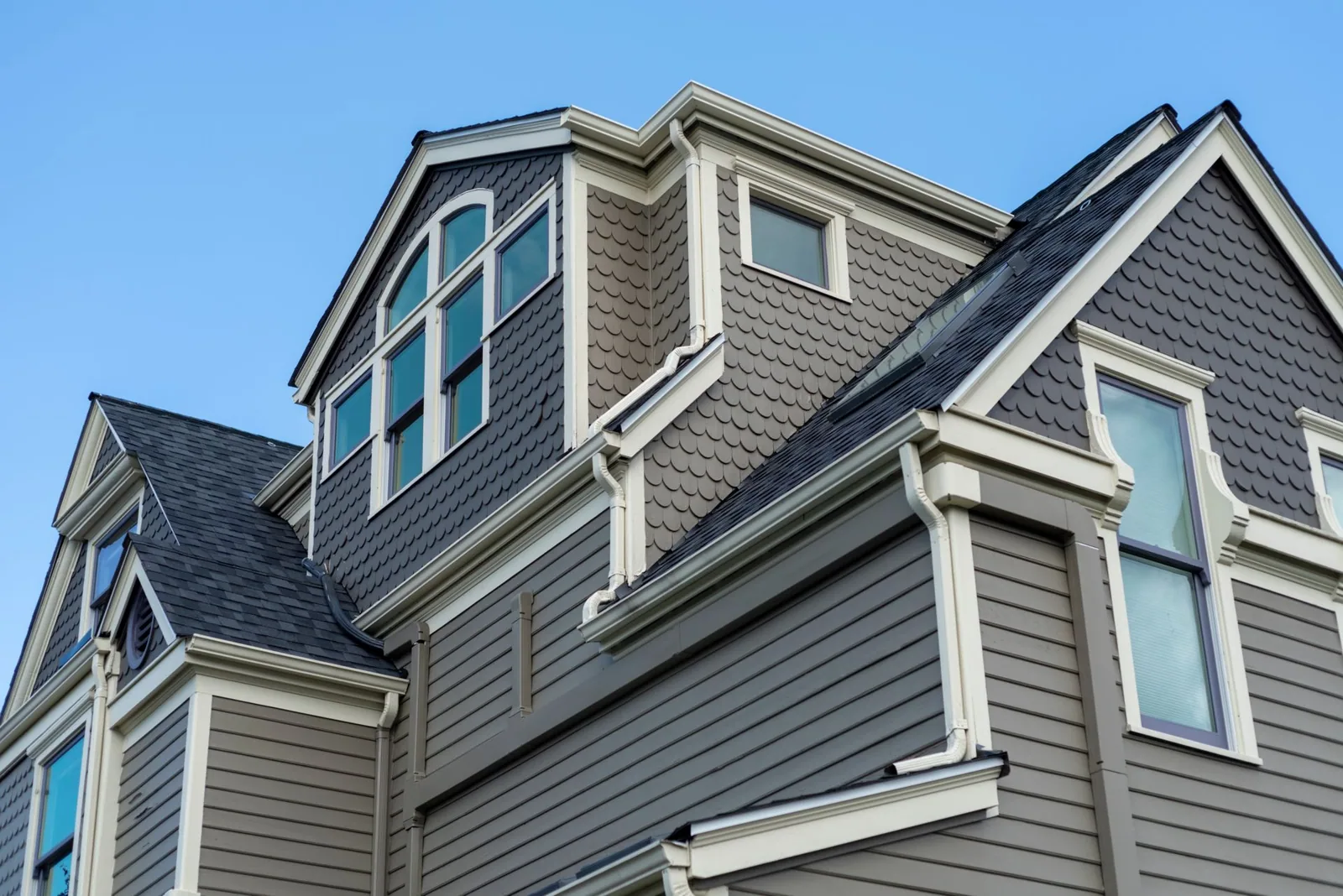
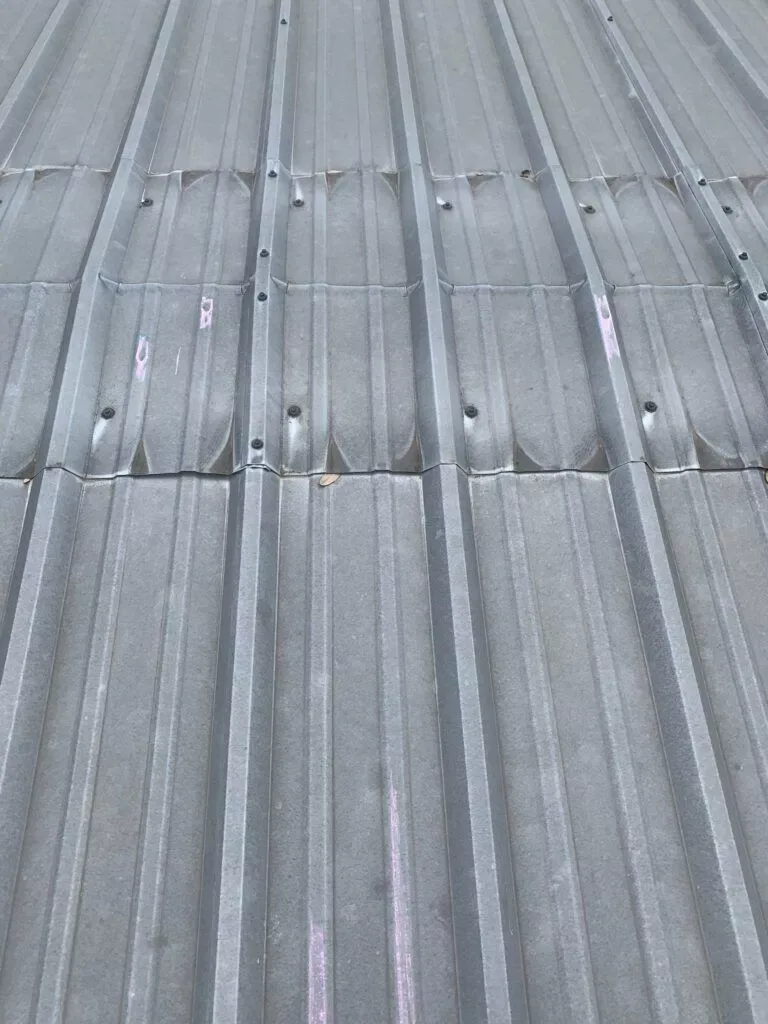
An active interior drip, wet electrical area, or open roof detail needs a different response from a recurring stain that has dried. The manager sends the address, room, time, and current water condition. We trace the likely roof path and decide whether immediate protection or a scheduled test is appropriate. A emergency roof response addresses active entry; it does not establish the quantity for permanent work.
For each call, the work record separates observed roof damage, moisture confirmed below the membrane, and areas that remain untested. If an opening reveals wet insulation beyond the first boundary, we secure it and submit measured additions for approval. That sequence keeps the property owner’s decision in view before the crew changes the work order.
Shared building systems add another handoff. A tenant may report a ceiling stain while a mechanical contractor recently serviced a rooftop unit. We compare the service date with the roof detail and record who owns any equipment repair. That keeps a membrane scope from absorbing a condensate issue, and keeps a maintenance question from hiding a roof failure.
Tenants: How is access coordinated?
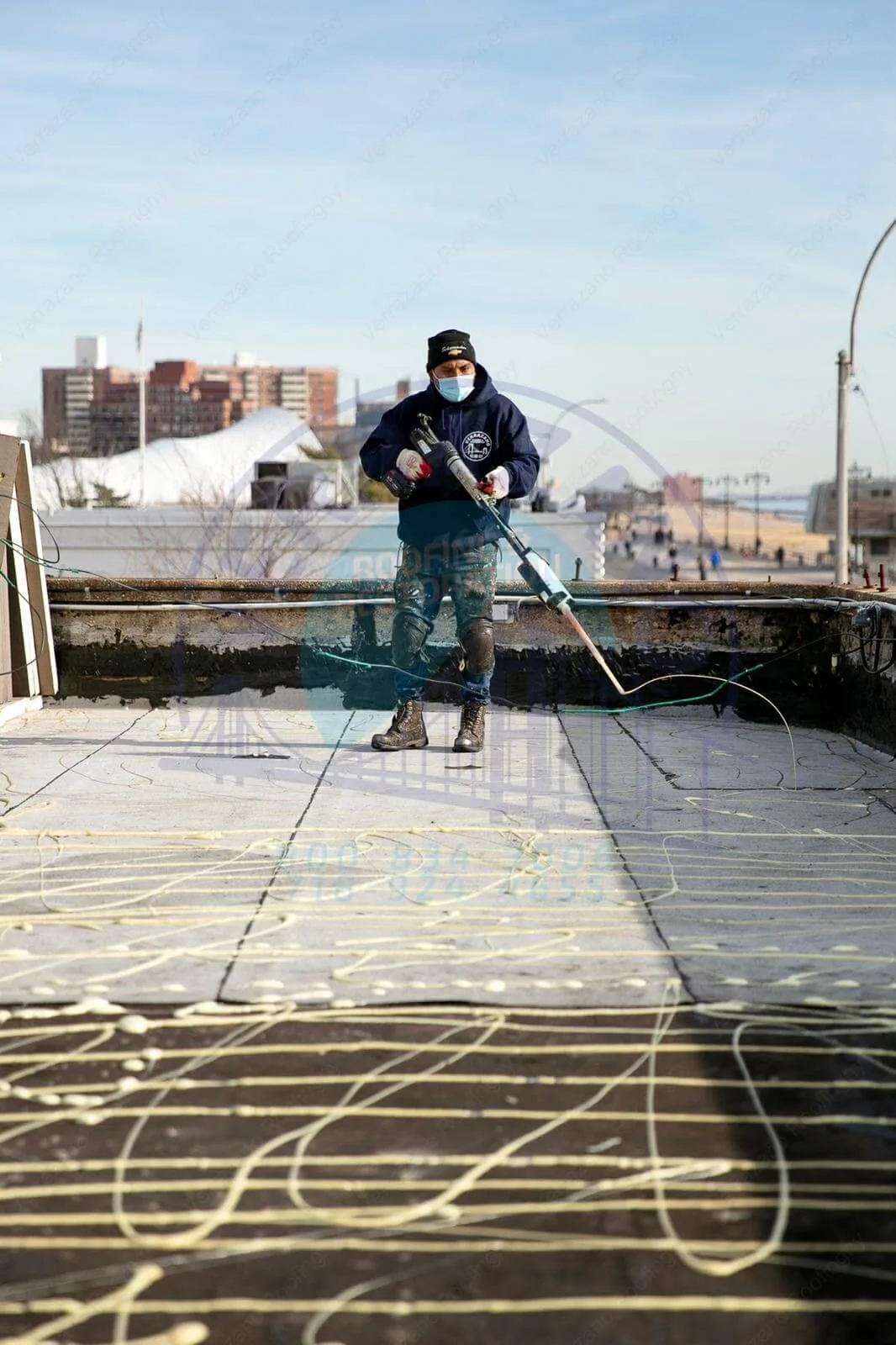
Before a crew arrives, we confirm entry rules, notice periods, loading paths, fire access, and any room that cannot close. The occupied-building phase plan names which area opens, how the roof closes at shift end, and when the tenant can return. For a mixed-use building, the plan can list storefront, office, and service routes separately.
Wanamaker Crossing sits at Wanamaker and 12th Street with direct I-470 access and restaurant and service tenants. That local site makes access a visible consideration in the corridor, but it does not set a managed property’s work hours. We confirm each tenant’s delivery schedule, temporary route, and protection needs with the manager before assigning labor or staging material.
Emergency service remains available after business hours, including weekends and holidays. The site contact controls entry while our crew identifies the affected roof zone, protects the interior, and records any temporary measure. The manager receives a separate permanent scope once the roof assembly and failed detail are verified.
Maintenance: What belongs on the recurring visit?
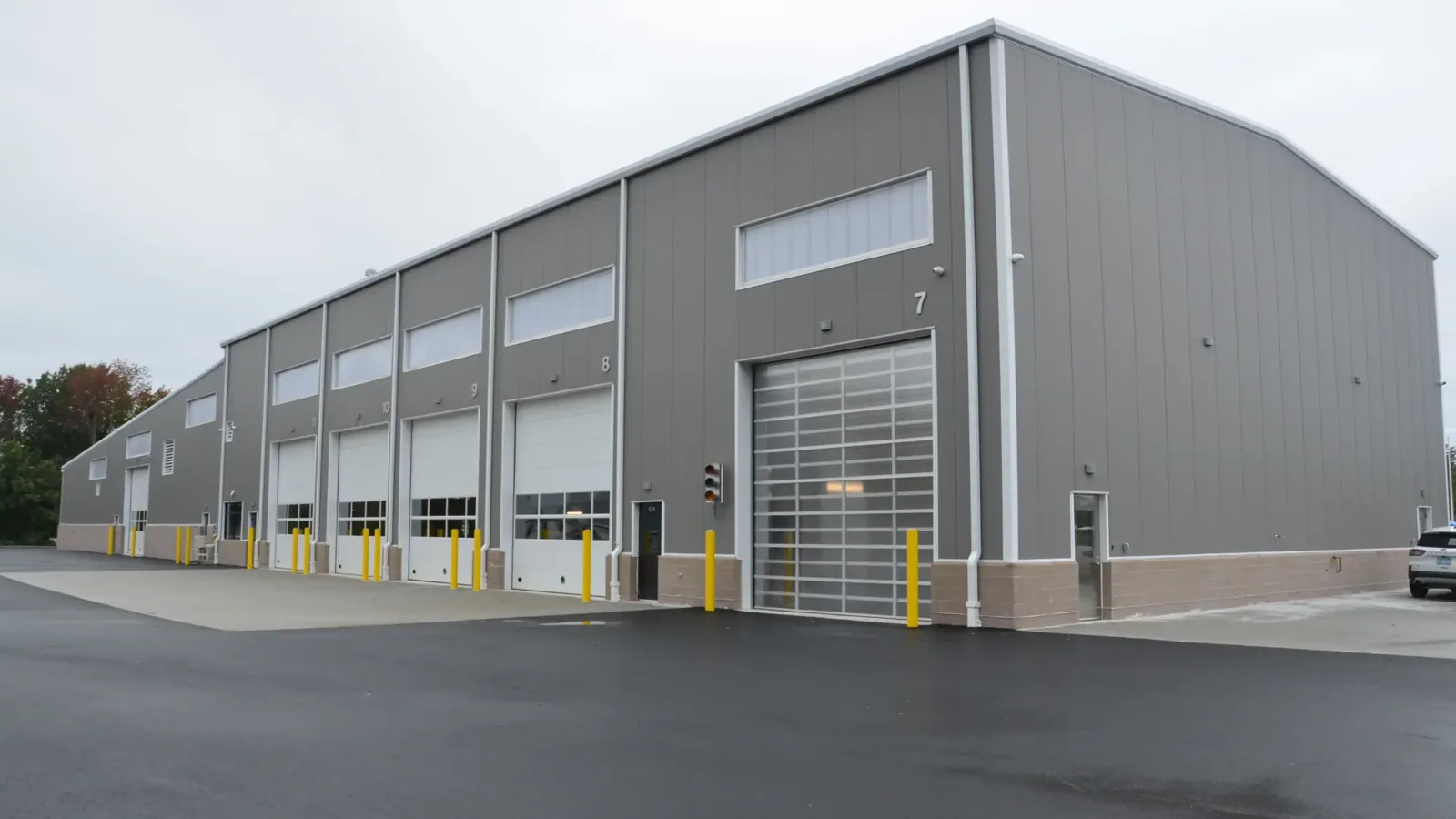
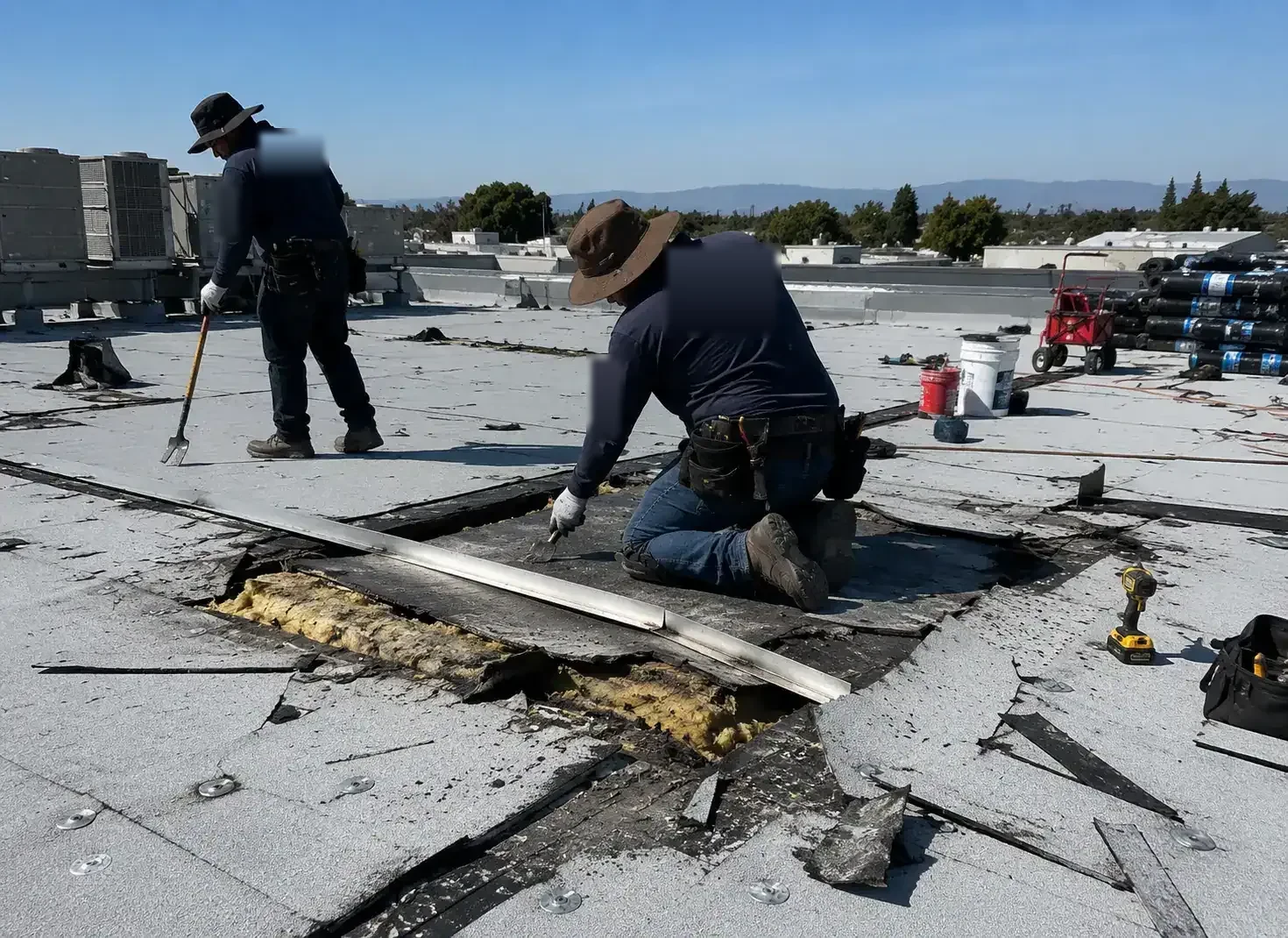
Before seasonal storms and after winter thaw, a manager can schedule checks of outlets, low spots, and exposed edge details. A recurring visit checks drain bowls, scuppers, low areas, laps, and rooftop penetrations before water becomes an interior work order. The maintenance program records debris, sealant condition, and any repair completed during the visit.
After snowmelt, we check whether outlets cleared and whether water remains in a low area. Following a reported hail or wind event, the inspection records any movement at edge metal, open seam, or puncture at that address. Regional weather informs timing, while each roof’s photos and measurements set the actual repair scope.
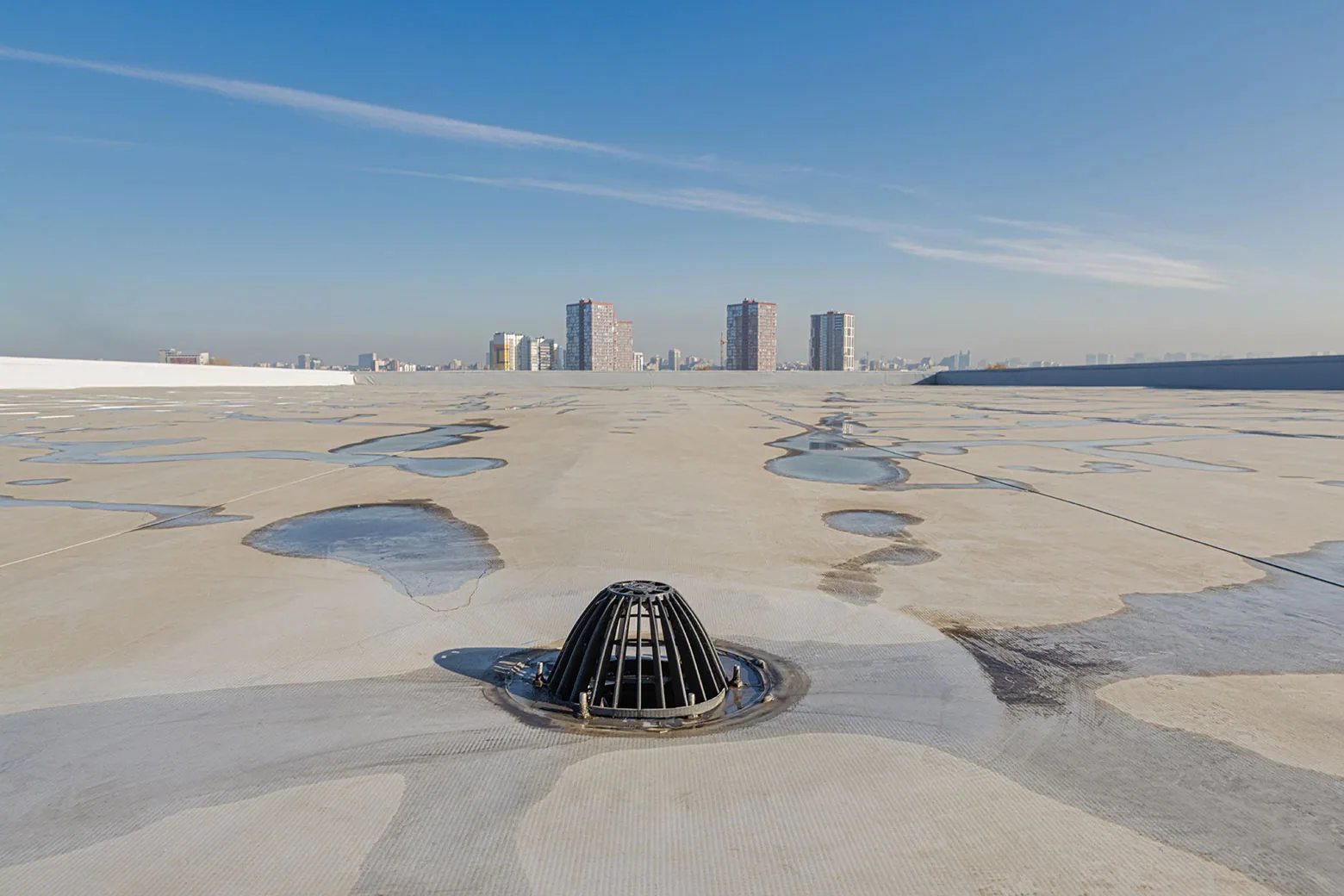
A drain and scupper review is useful when slow outlet flow and membrane condition could be confused. We note what was cleared and whether the water path improved. If the surface remains wet after drainage is restored, testing may be needed before recommending a larger repair.
Capital: How should repair and replacement be weighed?
A pattern of leaks across roof zones, moisture confirmed in multiple openings, or recurring edge work can support a capital comparison. The replacement assessment compares the measured repair boundary with recover and tear-off options. Cost drivers include testing, access, roof height, insulation removal, tenant protection, and how many sections can be released together.
A real estate investor review may focus on due diligence and reserve planning, while general-contractor coordination can organize sequencing with other trades. Property managers need the site-level scope: assembly, test result, access limit, owner approval, and closeout condition for each building.
When the portfolio has several roofs with different systems, the manager can group work by confirmed need without claiming every site is alike. We list the work included, assumptions, and deferred repairs in separate lines. Ownership can then compare near-term leak control with larger capital work using the same record basis.
Record: What should stay with the property file?
Keep the roof plan, tenant contact, leak chronology, test locations, photos, materials, repair dimensions, and approvals together. Mark sections that were inspected but not opened, plus follow-up dates after snowmelt or a storm. A later manager should be able to find the last tested boundary without searching through unrelated work orders.
If water reappears, compare room, date, roof zone, and equipment service history. A new stain can follow another route. The prior measurements help decide whether to revisit the repair, inspect a nearby detail, or open a new test area.
Send the Topeka addresses, building list, access contacts, roof plans, and current leak reports. We will identify urgent conditions, tested areas, tenant coordination, and the next owner decision for each property.
Keep release authorizations with the roof map and dated photographs, not only in a work-order comment.
Commercial Roofing Questions
Can one roof report cover several properties?
Each address needs its own assembly, access notes, photographs, and tested limits. We can use consistent fields across the portfolio while keeping the condition findings separate by building.
How should a manager rank multiple leak calls?
Active water and safety exposure should be recorded first, followed by room, time, and affected equipment. We use those details to set a visit and distinguish emergency protection from permanent work.
Can tenant notices be included in a roof phase plan?
Yes. We identify affected doors, loading lanes, room closures, and daily tie-ins for the manager to communicate. The site contact confirms each tenant’s notice requirements.
What should I ask for after the crew repairs a roof?
Request the test location, before-and-after photographs, installed material, measured area, and any remaining access or weather limitation. The closeout should show what is complete and what is deferred.
When is portfolio-level reroof planning useful?
Repeated failures, widespread moisture, or several roofs nearing similar capital decisions can justify a grouped review. Each option still uses building-specific testing and phasing assumptions.
Related Roofing Work
Commercial Roof Inspection
West Topeka Retail Area
Emergency Commercial Roof Repair
Occupied Commercial Building Reroofing
Commercial Roof Maintenance
Commercial Roof Drains and Scuppers
Organize the Topeka roof work queue
Service Area
Topeka, Auburn, Silver Lake, Carbondale, Rossville and Shawnee County, KS
Quick Contact
Email: [email protected]
Phone: 555-555-5555
Request a Roof Assessment
Send the property list, addresses, roof plans, access contacts, and open leak reports. We will identify urgent visits, tested boundaries, and planned work by building.