
Commercial Roof Seam Failure Repair in Topeka, KS
Home / Roof Damage Repair / Commercial Roof Seam Failure Repair
A seam that has separated along one edge needs more than a surface bead of sealant. We check the bond, lap width, membrane condition, and nearby moisture before setting the repair length. Topeka has documented hail and wind events in northeast Kansas, and a report may prompt a closer look at exposed roof details. That does not establish a failure at a specific address. On a property near Central Crossing Commerce Park or the airport business center, we map the seam location and coordinate access with the operator.
Lap: Is the opening isolated or continuing?
We clean and inspect the lap before using a probe or other field check. The test identifies whether the seam is open, cold-welded, contaminated, or separated from the substrate. We mark the start and stop points and compare adjacent seams where the same exposure or installation detail continues. The commercial roof inspection records the seam by roof zone and notes any limit that prevented a full check.
A short opening at a T-joint has a different repair than a long separation along a sheet edge. We check membrane thickness, surface condition, bond, and whether an old patch overlaps the suspect area. If the seam can be reworked, the estimate identifies preparation and the required overlap. If material is brittle or the bond fails across a broader section, we measure the additional length rather than extending the repair by assumption.
Water can travel along a seam before it appears inside. We compare the interior report with roof slope, penetrations, drains, and deck direction. A test opening or infrared scan can help locate moisture when the result changes removal limits. We label the tested section separately from areas only viewed from the surface. The owner can then decide whether to authorize a focused seam repair or additional diagnosis.
A seam opening needs a measured start and stop point. We check whether separation continues along the lap, turns at a corner, or links to a patch or curb. A probe helps locate a loose edge, but does not establish the condition of distant sections that were not reached. We mark the length examined and compare it with adjacent welds, attachment, surface contamination, and prior repairs. If the sheet is brittle or the substrate moves beneath it, repeating a seam weld may not restore the surrounding assembly. The scope distinguishes the failed length, nearby observations, and any test needed to decide whether the repair should extend.
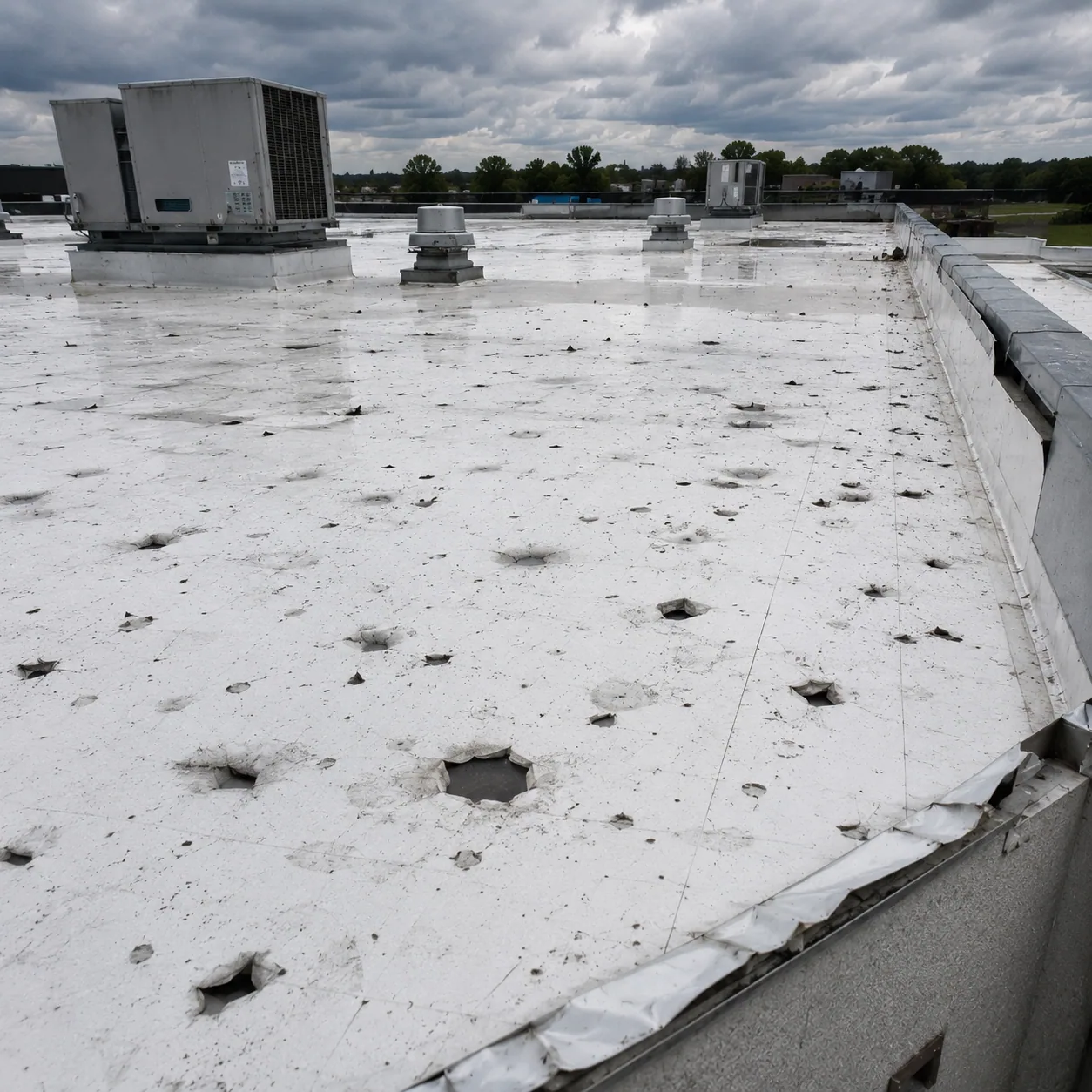
Assembly: What caused the seam to separate?
Temperature movement, foot traffic, poor drainage, an incompatible prior patch, or a weakened membrane can contribute to seam distress. We inspect nearby material and attachment before assigning the cause. A repair plan needs to account for the system on the roof, whether that is TPO, PVC, EPDM, modified bitumen, or another assembly. We do not apply a detail for one membrane to another just because the opening looks similar.
Topeka’s precipitation includes summer thunderstorms and winter weather. Water can collect at a low area, then freeze near an open lap. We inspect the seam after the surface is safe and note any ponding, debris, or damage from prior work. If the opening sits beside a curb or wall, a flashing inspection checks whether the vertical transition is also compromised. The scope keeps each confirmed defect visible.
At the airport business center, freight, construction, and warehouse tenants operate around Topeka Regional Airport. A roof repair there may need to preserve vehicle routes and tenant activity, but the specific building access plan comes from its site contact. At Central Crossing, rail service and active distribution uses can affect staging. We coordinate those conditions without treating nearby development facts as proof of a roof type.
Repair method: How is a lasting lap restored?
Before heat welding or bonding, the repair area must be clean, dry, and prepared for the existing material. We remove failed material only to a sound boundary, then install a compatible patch or replacement strip with the required lap. The estimate states the repair length, reinforcement, equipment, and closeout check. A roof repair proposal also identifies any interior protection or temporary cover needed during the work.
Some assemblies use seams created by heat welding, while others rely on adhesive or mechanical attachment. The repair must preserve the system’s original method and not bridge over contamination. We verify the completed lap with a probe or the appropriate field check after the material has cooled or set. That confirmation and its location go into the closeout record.
If seam separation reaches a perimeter, the repair may involve edge securement or metal. We inspect that transition before deciding whether the lap can terminate safely. A wind damage review may be relevant where there is evidence of movement at the edge, but the scope follows the observed roof detail. If removal exposes wet insulation, we photograph the opening, measure the added area, and request owner direction before proceeding beyond the approved work.
Repeated failures on several seams can call for a wider system review. We compare repair lengths, moisture results, membrane condition, and drainage before discussing recover or replacement. The decision is based on field findings and access constraints, not on a count of seams alone. A small number of failures can still be costly if each sits over an occupied area or requires specialized access.
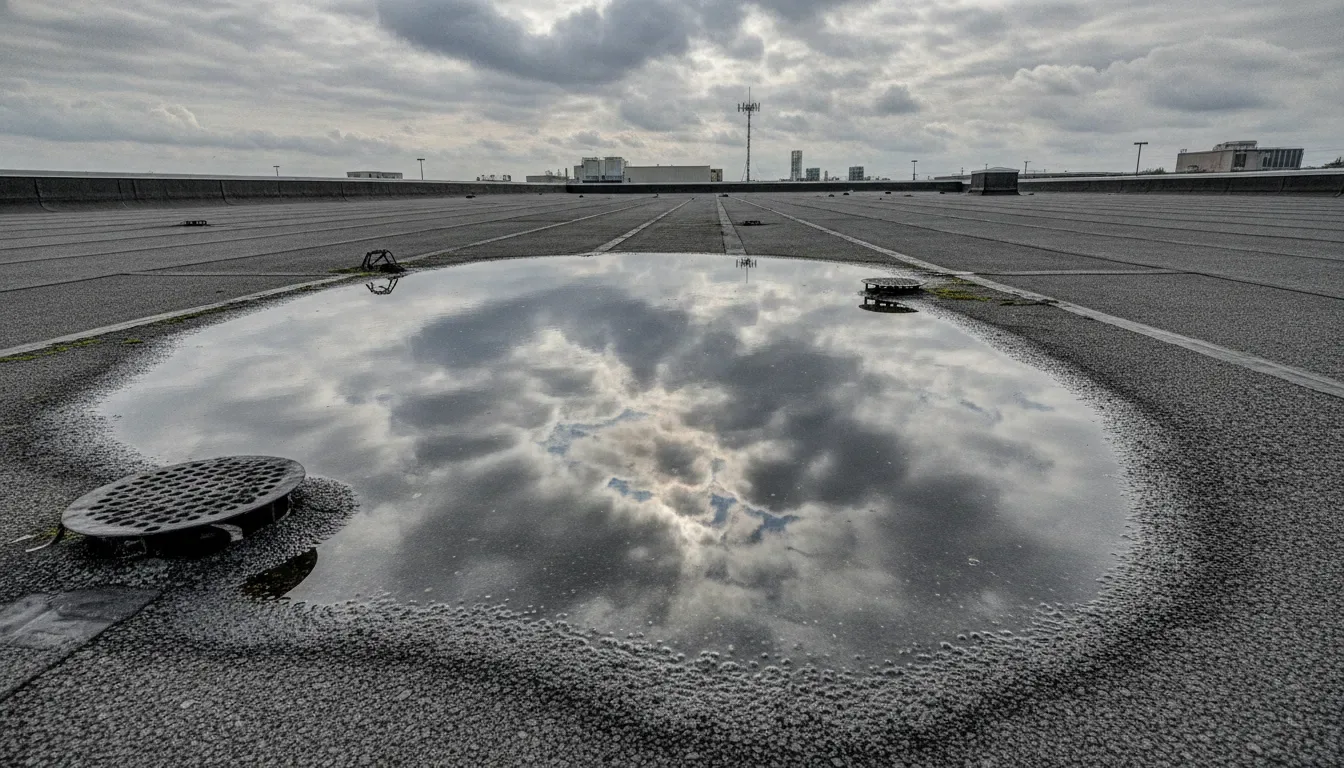
Closeout: What proves the seam was checked?
We photograph the original opening, the prepared surface, the finished lap, and adjacent material. The record identifies the tested section, repair dimensions, material used, and any area left for monitoring. If we checked only selected seams, the report names them rather than suggesting that every seam on the building received the same test.
Weather and surface conditions can alter the work window. A wet roof or unsafe access may require temporary protection and a return visit. We document the stop point and who should check the temporary measure. When the repair is complete, we verify the bond and edge of the patch before removing barriers or reopening the affected area.
A later leak report can be compared with the same map and seam reference. If the water path points to another section, we inspect that location on its own evidence. The file helps maintenance staff avoid treating an unrelated opening as a failed repair. We can also identify an unresolved condition that needs a test before the owner commits to added removal.
Commercial Roofing Questions
Can an open seam be repaired without replacing the membrane?
A local repair can work when the surrounding membrane remains sound and the separation ends at a stable boundary. We check bond, condition, and moisture before setting that limit.
Why is a bead of caulk not enough for a separated lap?
The opening may extend beneath the visible edge or involve a weak bond. We prepare and restore the compatible membrane detail, then inspect the finished lap.
How much of the roof needs to be tested?
We test the reported section and nearby seams that share the same detail or exposure. The report marks what was checked and what could not be reached.
What if the seam is close to a curb or roof edge?
We inspect the adjoining flashing or termination as a separate detail. A connected failure is added to the scope only after field evidence shows it belongs to the repair.
Can a repair proceed after rain?
The seam and substrate must be dry enough for the selected repair method. We protect any open area, record the return condition, and schedule the permanent tie-in for a suitable window.
Related Roofing Work
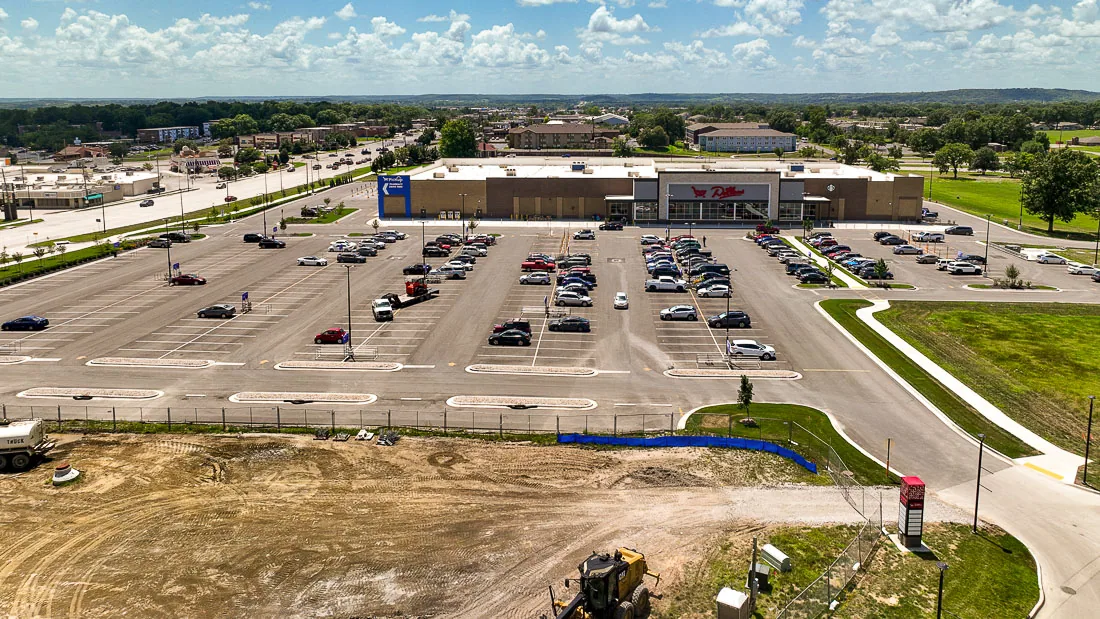
Central Crossing Commerce Park
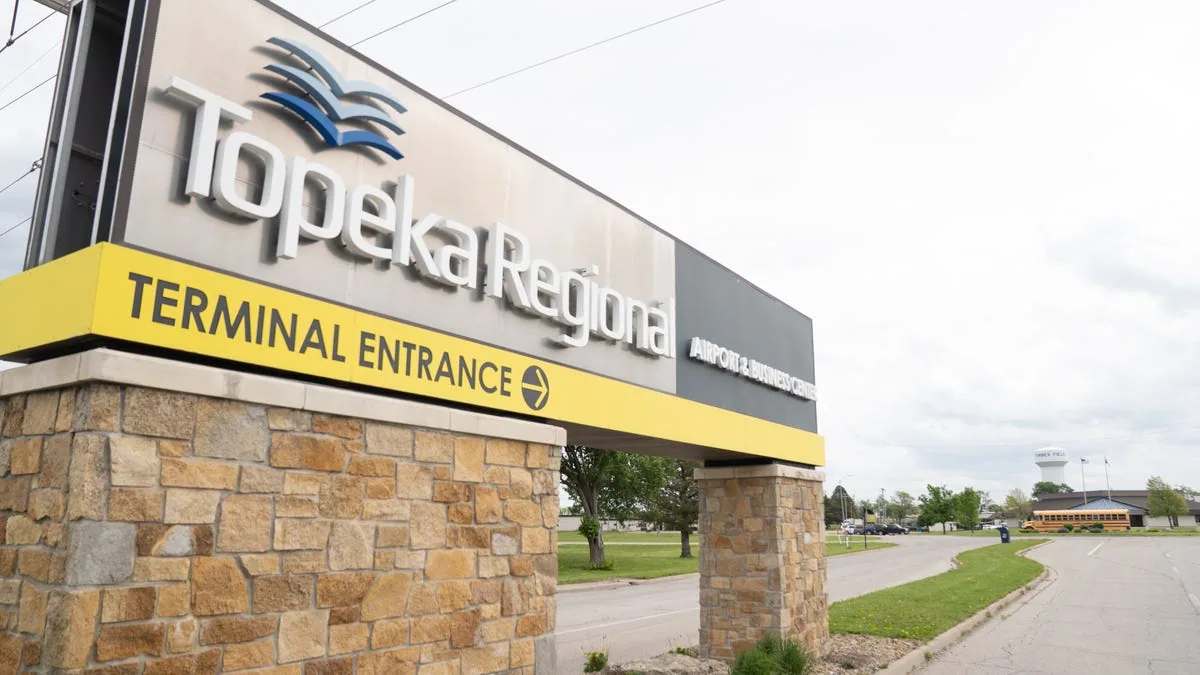
Topeka Regional Airport Business Center
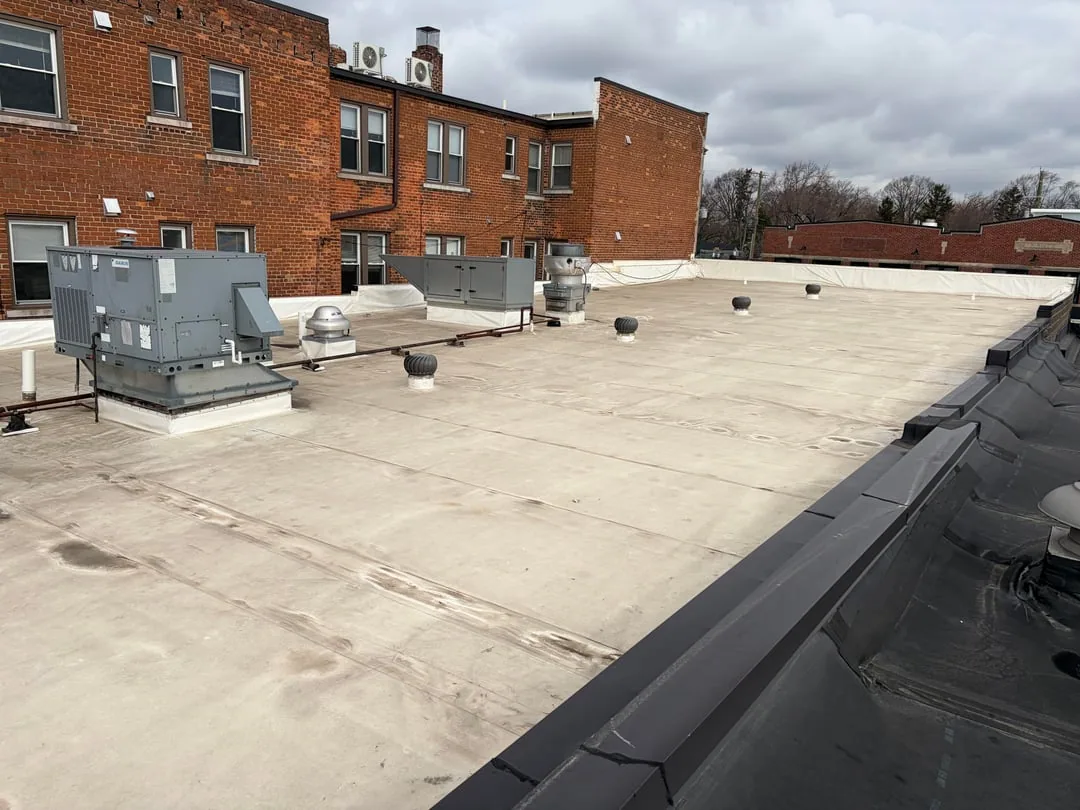
Commercial Roof Inspection
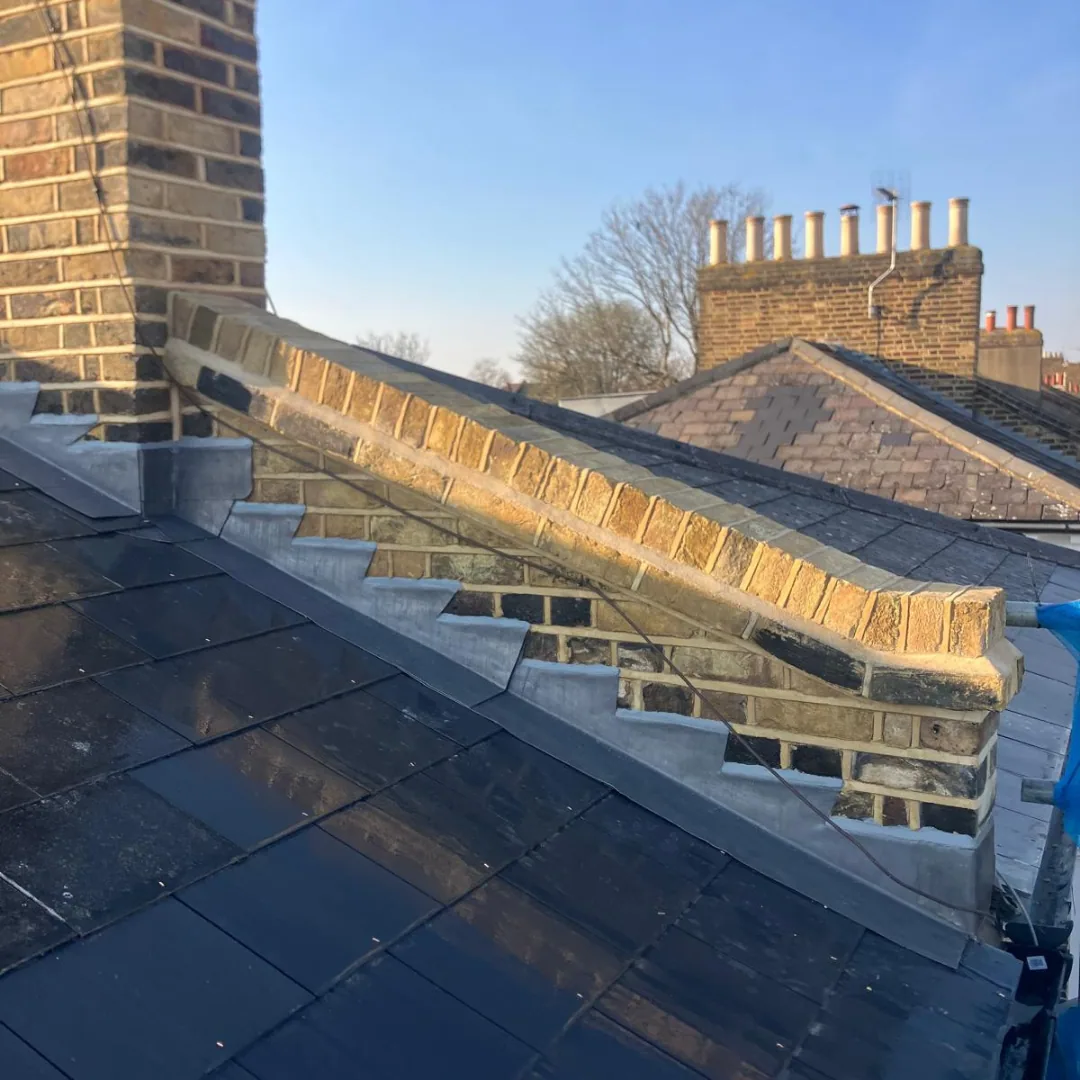
Commercial Roof Flashing Failure Repair
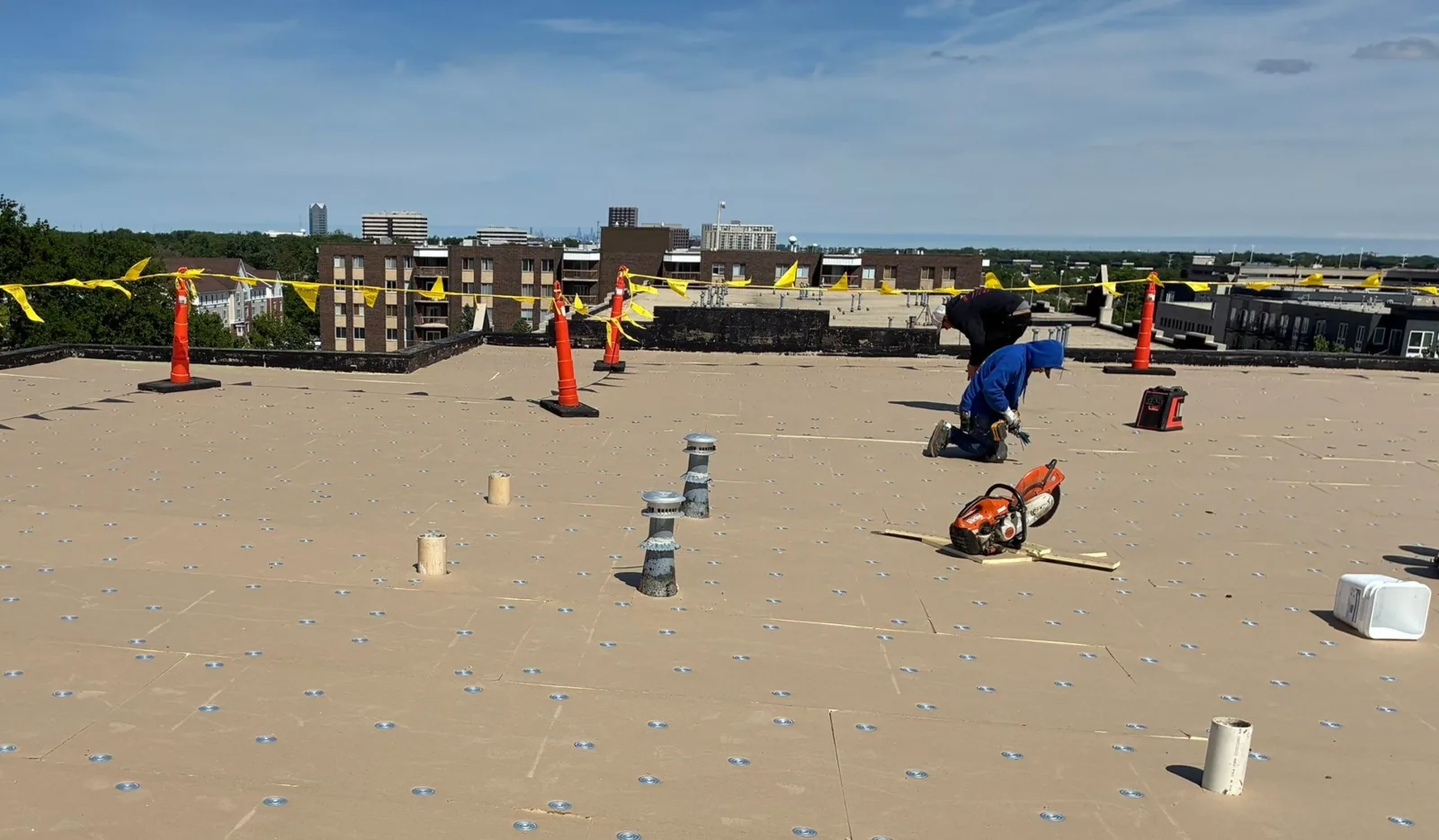
Commercial Roof Repair
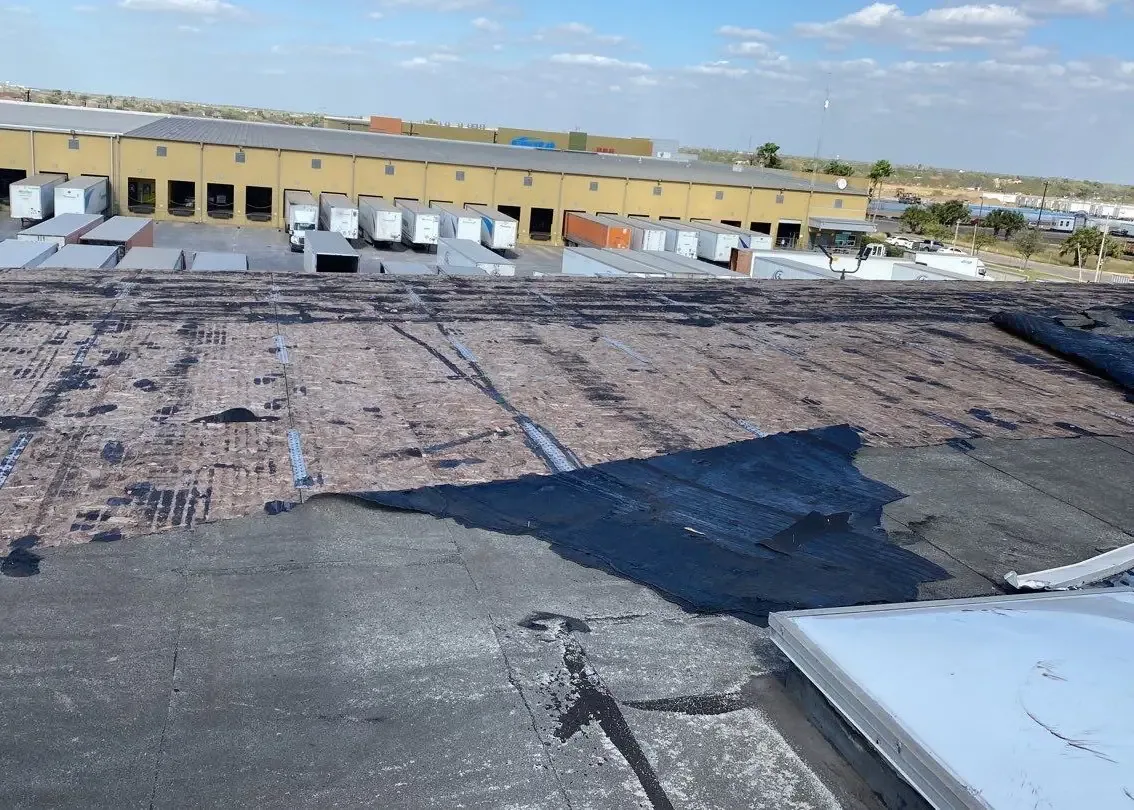
Commercial Wind Damage Roof Repair
Have a Topeka roof seam tested
Service Area
Topeka, Auburn, Silver Lake, Carbondale, Rossville and Shawnee County, KS
Quick Contact
Email: [email protected]
Phone: 555-555-5555
Request a Roof Assessment
Provide the property address, seam location, interior leak report, and roof access contact. We will measure the open lap and identify the repair limit by section.