
Commercial Wind Damage Roof Repair in Topeka, KS
Home / Roof Damage Repair / Commercial Wind Damage Roof Repair
A lifted coping cover at a corner can expose the roof before a ceiling stain appears. We check the termination, fasteners, membrane edge, and nearby wall detail, then mark how far the movement continues. The National Weather Service archive documents severe wind events in northeast Kansas. That record puts edge and attachment checks on the list, while the repair quantity still comes from the building in front of us. A Harlan Industrial Park address and a site in Central Crossing Commerce Park may have different access and operations to coordinate.
Edges: Where does wind movement show first?
We start at corners, roof perimeters, parapets, and changes in height. Those transitions can reveal loose metal, lifted membrane, open sealant, or fasteners that no longer hold the assembly. The commercial roof inspection records each condition with a roof-zone reference and close photographs. We check the substrate and adjacent materials before deciding whether a repair can stop at the visible movement or needs a larger test.
Hail can strike the same roof during a wind event, but the repair indicators differ. We record dents or fractured surfacing apart from displaced edges and opened joints. A hail damage inspection can focus impact evidence, while this wind review tracks movement and attachment. The event date helps organize the visit, but each mark is judged against its own roof detail.
Metal panels need a different inspection from a single-ply membrane. We look at panel sidelaps, end laps, clips where accessible, ridge and eave details, and any exposed fastener. On membrane roofs, we check perimeter securement, seams, wall flashings, and cover strip edges. A loose edge can be a local termination issue, but repeated movement across a run may require a measured assembly review.
At an occupied property, we also trace the path below the reported roof edge. A ceiling mark can sit inside the building, away from the exterior detail that admitted water. We compare interior reports, roof slope, penetrations, and nearby drainage. The field record separates what is visible from what needs a test opening, so the owner can approve a defined repair instead of an assumed full-roof scope.
A wind review follows the perimeter as well as the visible field sheet. We check edge metal, coping joints, fasteners, closures, panel clips where accessible, and the membrane termination, then compare the affected section with adjacent areas. A lifted corner may point to a localized detail; repeated movement or exposed attachment can require a broader review. We photograph the direction and extent of displacement and note any condition that was present before the reported event. That gives the repair boundary a physical basis instead of assigning every loose-looking surface to wind.
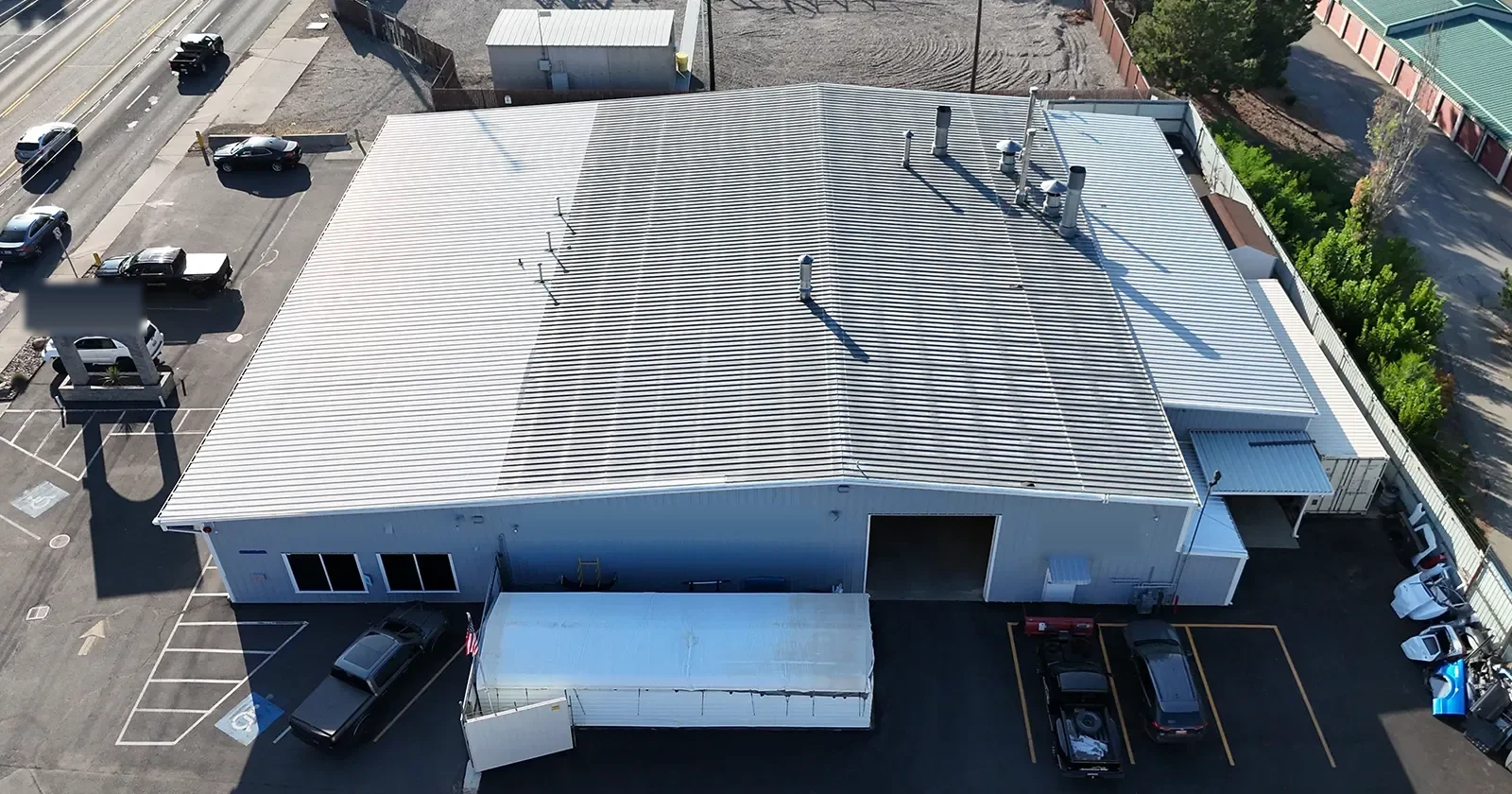
Water path: Which opening needs protection now?
A wind event can move edge metal, dislodge a panel, or open flashing around a curb. If water is entering, we identify the interior area, protect equipment or finishes, and document the temporary measure. An emergency response can stabilize exposed work while the permanent repair is scoped. The visit record names the roof zone, access limit, and return work rather than describing a short-term cover as a finished repair.
Wind-driven rain may reach a wall transition or a roof penetration that was not visibly displaced. We inspect the likely route from the interior mark to the exterior detail and test neighboring seams when results change the boundary. If the source remains uncertain, a controlled water test or opening can be considered with owner approval. We do not expand demolition across intact material without evidence that it belongs in the repair.
Topeka weather includes both warm-season storms and winter precipitation. Wet membrane, ice, or unsafe access can change the work window. We set a stop point that can be made secure before removal begins and record how temporary protection should be checked. That timing decision matters at a distribution site where dock activity continues, as well as at an office with public entrances beneath the work.
Repair limit: What does the price include?
The estimate states the affected assembly, preparation, material, measured quantity, access equipment, and closeout check. A commercial roof repair can include replacing a displaced edge, securing a panel detail, patching a membrane opening, or rebuilding a flashing transition. The scope identifies the actual detail. If removal exposes wet insulation or a damaged deck, we photograph and measure it, then ask for an owner decision before adding work.
Repair cost changes with roof height, attachment type, staging, interior protection, and the number of affected zones. A short perimeter repair may need a lift or traffic control even when the material quantity is modest. On a metal roof, matching panel profile and access to the fastening system can affect the sequence. On a membrane roof, compatible materials and dry conditions are required at the tie-in.
Damage can involve more than one detail. A displaced coping cap may have pulled a wall flashing; a loose panel edge can leave fastener holes or a gap at a transition. We show connected items together only when inspection confirms the relationship. A flashing repair may be priced as its own line when it requires separate access or testing. That keeps urgent protection distinct from permanent work and possible concealed conditions.
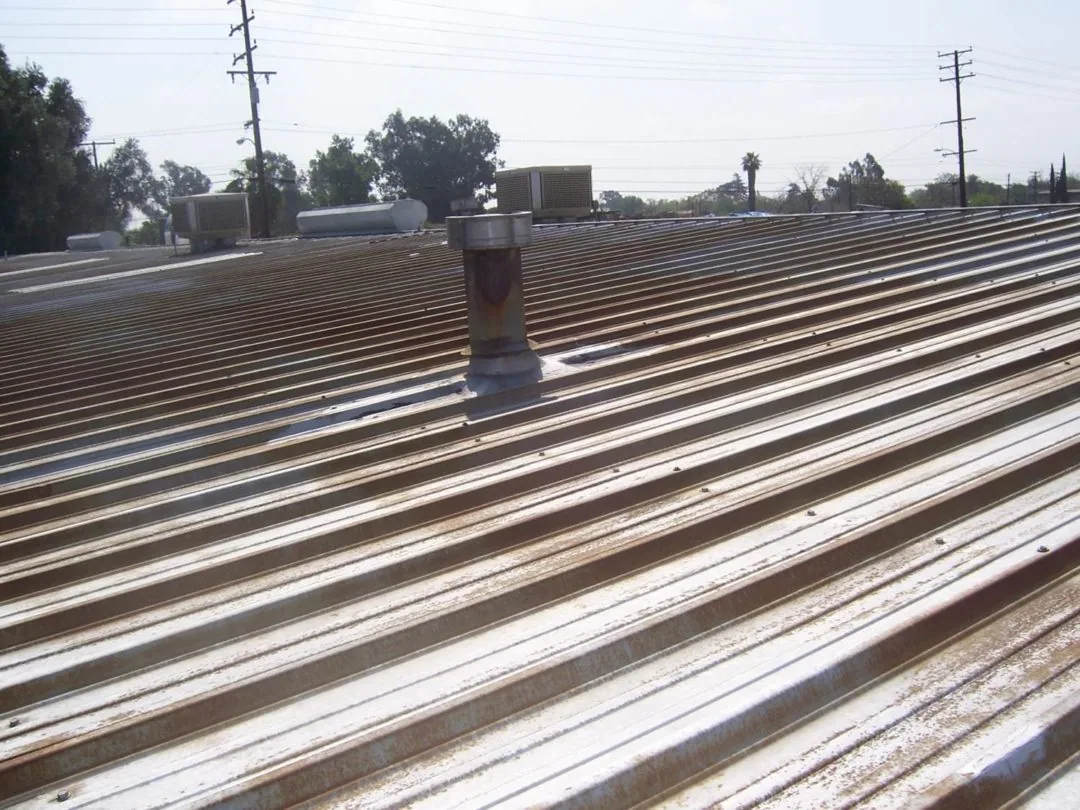
Access: How does the work fit the property?
We confirm roof access, tenant or production hours, lift placement, loading routes, and the area below the repair before setting a date. At Central Crossing, rail and truck activity can shape loading windows; we confirm each building’s approved entry, unloading point, and roof access with its site contact. The site contact identifies delivery gates, escort rules, and any lane that must stay open. We use that information to choose staging and keep the repair boundary away from active movement where possible.
Wind repairs often begin with a safety review. Loose sheet metal, exposed fasteners, or a lifted panel can remain hazardous until secured. We describe the condition, restrict access if needed, and sequence removal so the crew does not leave a larger opening exposed. If rain is forecast during the work window, the plan includes the material and labor needed to leave a secure tie-in at the end of the shift.
After repair, we check the fastening or seam detail, perimeter transition, and areas disturbed during access. The closeout record includes photos before and after the work, the repaired dimensions, and any recommendation to monitor adjacent material. If inspection found no movement outside the repair line, that limit remains clear in the report. The owner receives a usable record for maintenance staff and the next roof visit.
Commercial Roofing Questions
Does a regional wind report show that my building needs repair?
No. It gives context for inspection timing. We check the property for displaced materials, open joints, and water entry, then record what is present at that address.
Can you inspect a metal roof and a membrane roof on the same visit?
Yes. We identify the assembly at each building and use the matching checks for panels, seams, perimeter securement, and flashing. The findings stay separated by roof zone.
What should be done if coping or edge metal is loose?
Keep people clear of the area below and report the condition. We assess whether the detail can be secured safely, then document temporary protection and permanent work separately.
Will a small area of lifted membrane require full replacement?
The tested boundary determines that decision. We inspect attachment, adjacent seams, and moisture before comparing a local repair with any broader scope.
Can wind repair happen while tenants or deliveries continue?
The site contact and crew can plan a work zone around doors, docks, and occupied rooms. Lift access, overhead hazards, and the roof opening determine which areas need a short restriction.
Related Roofing Work
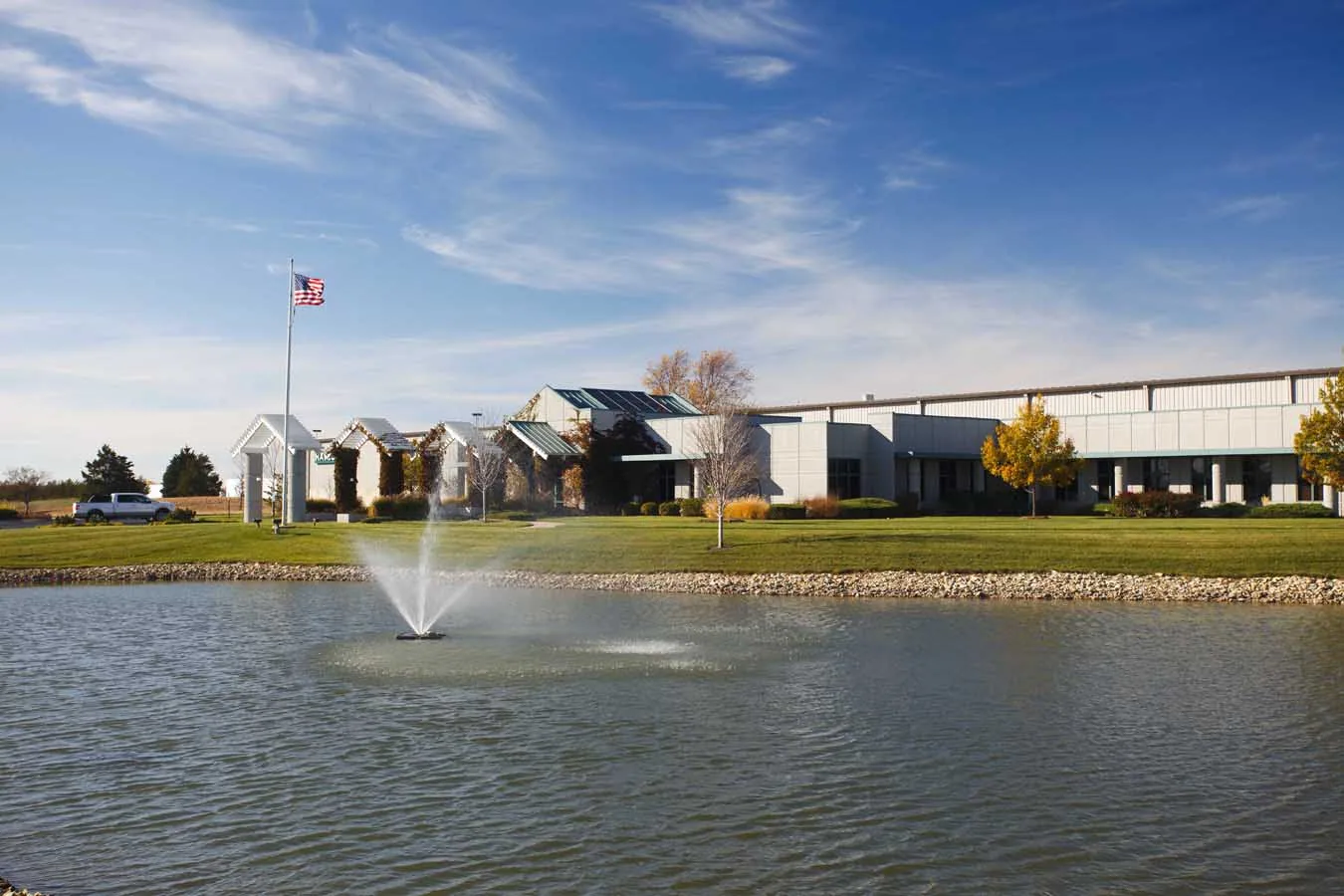
Harlan Industrial Park
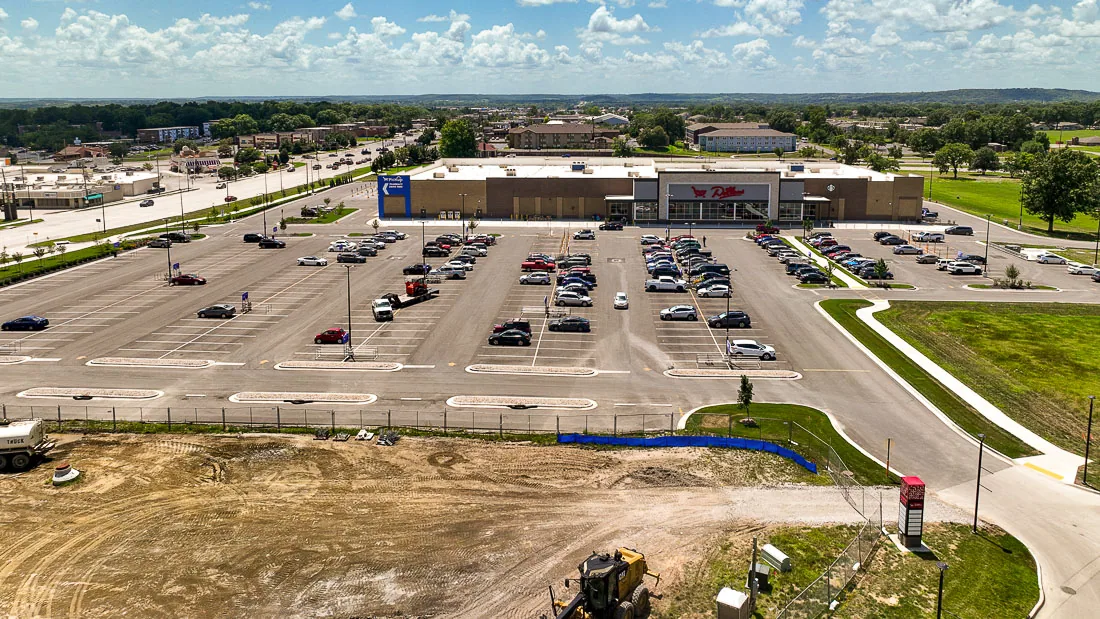
Central Crossing Commerce Park
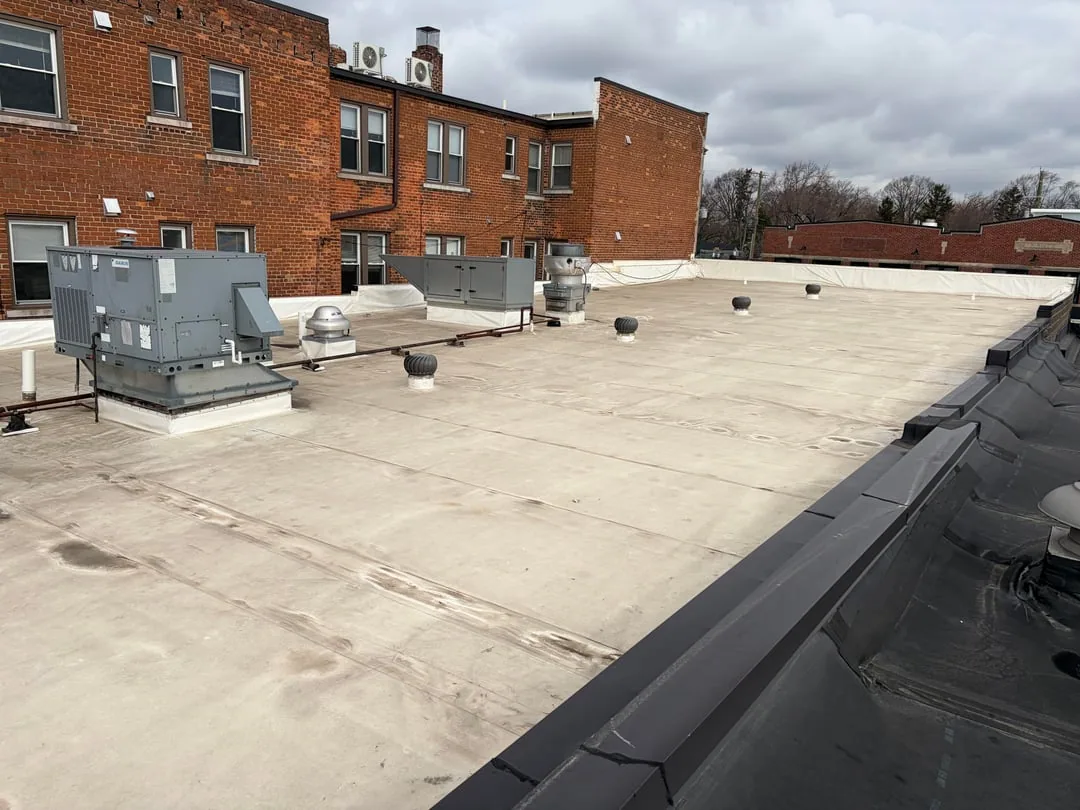
Commercial Roof Inspection
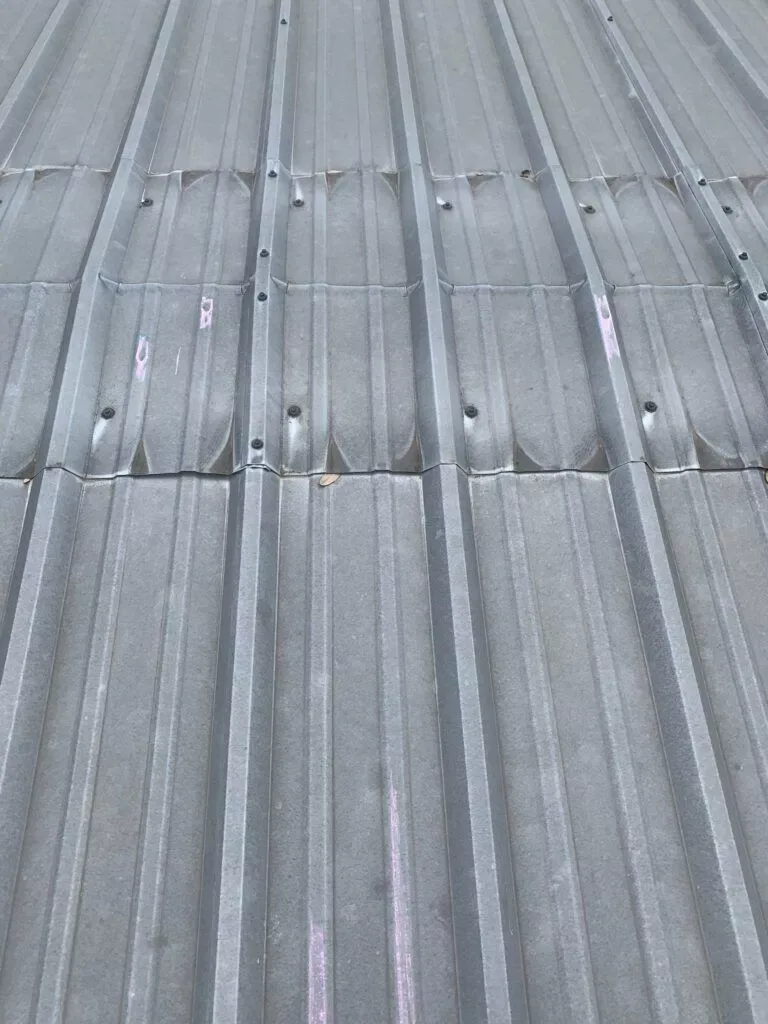
Emergency Commercial Roof Repair
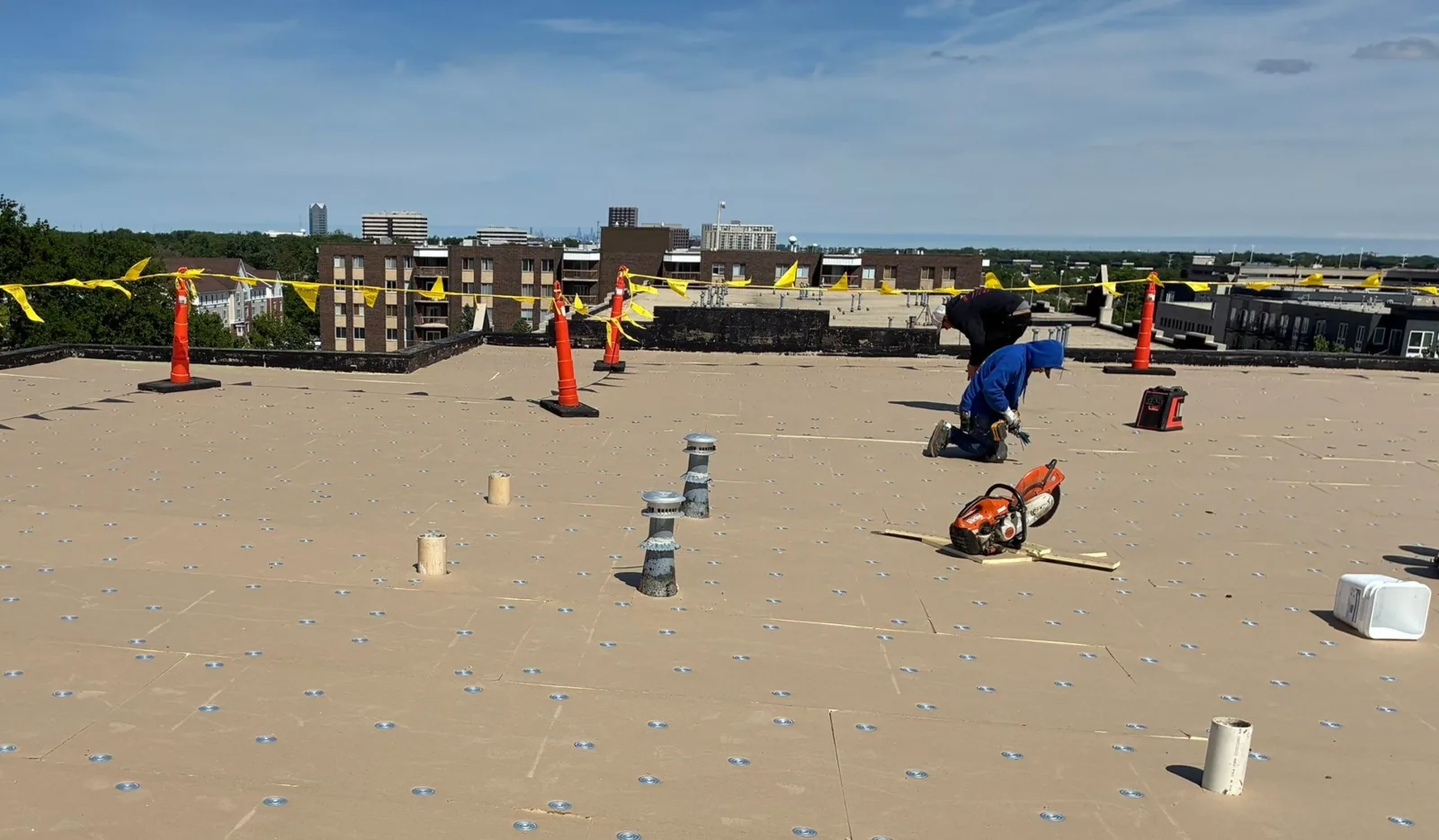
Commercial Roof Repair
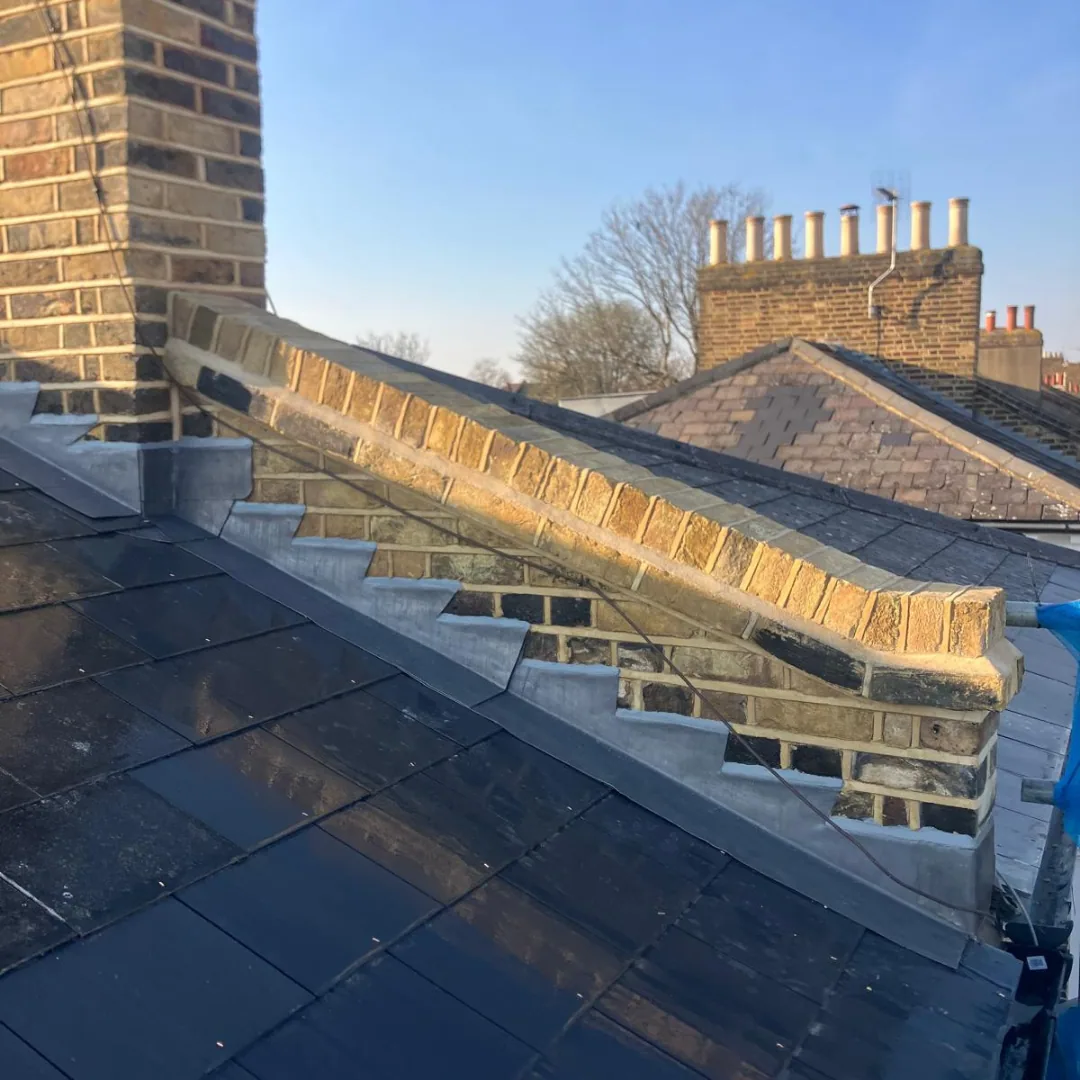
Commercial Roof Flashing Failure Repair
Set a wind damage inspection in Topeka
Service Area
Topeka, Auburn, Silver Lake, Carbondale, Rossville and Shawnee County, KS
Quick Contact
Email: [email protected]
Phone: 555-555-5555
Request a Roof Assessment
Send the property address, affected roof area, access contact, and any leak reports. We will inspect the edge or panel detail and price work by measured boundary.