
Multi-Site Commercial Roof Programs in Topeka, KS
Home / Roofing Capabilities / Multi-Site Commercial Roof Programs
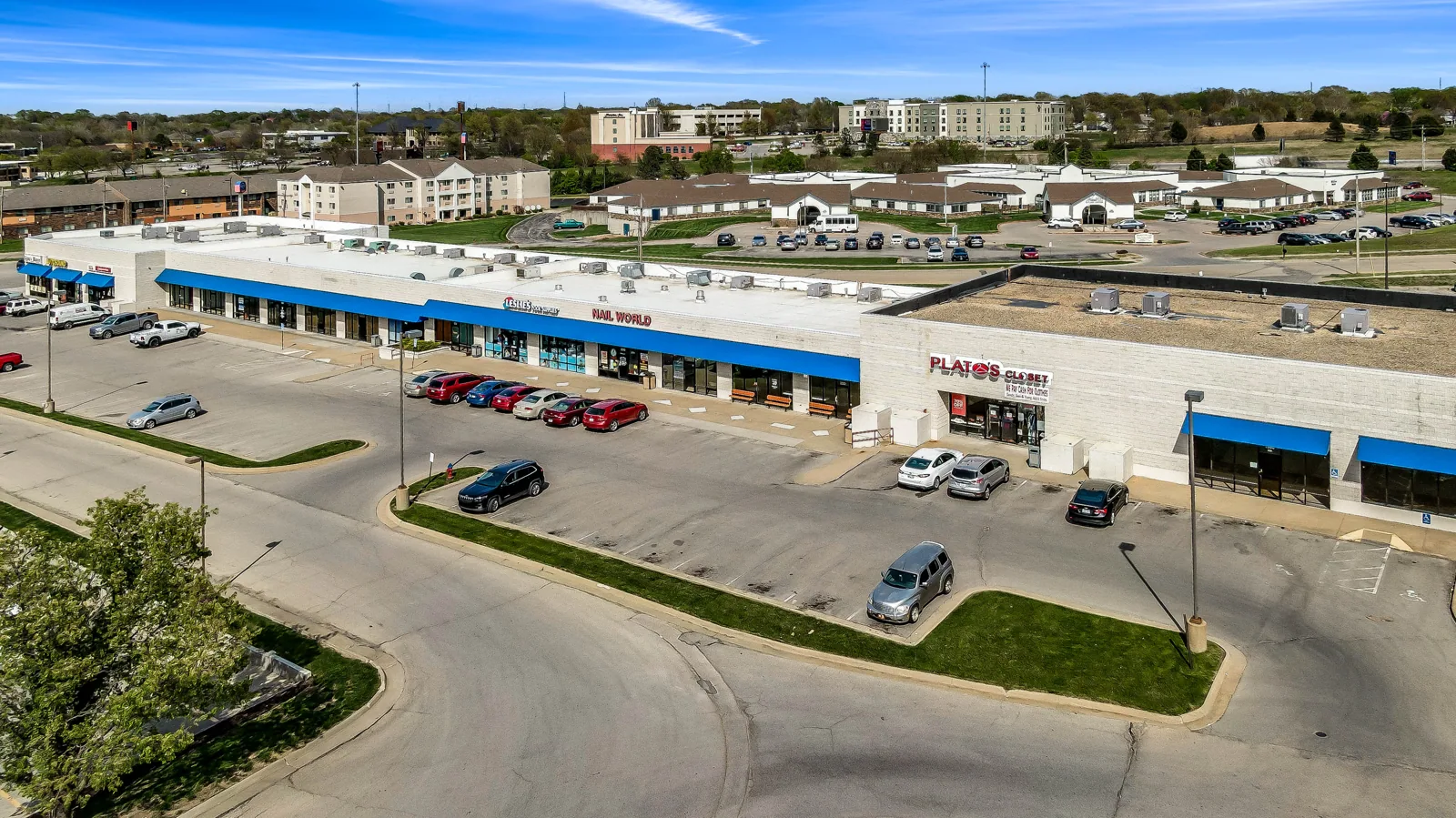
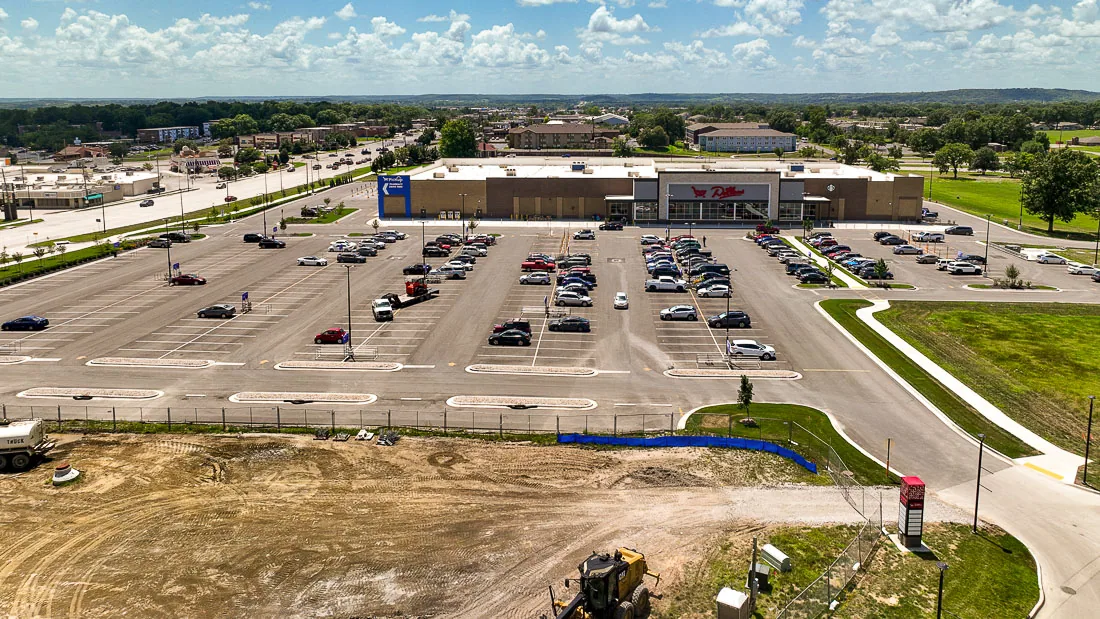
A roof program across several addresses needs one naming system and a separate condition record for each building. We group inspections, maintenance, and repair planning by route or work window while preserving site-specific details. Topeka’s West Topeka Retail Area serves regional retail and service uses, while Central Crossing Commerce Park includes distribution and manufacturing tenants. A portfolio can include both. The program coordinates the work without treating every roof as the same assembly.
Setup: How are properties identified?
We establish a property name, street address, building identifier, roof zones, access contact, and operating restrictions for each location. A roof asset register can hold those fields beside roof maps, repair history, and open actions. If the owner already uses store numbers or facility codes, we preserve those identifiers so invoices and photos can be matched to the existing system.
For a retail site, access may involve customer entrances, deliveries, and tenant notices. At Central Crossing, a facility contact may need to coordinate truck or rail activity. We include those operating windows when setting each inspection route, then confirm roof access with the property contact. If access information changes, the program record shows when it was updated and who supplied it.
We review existing roof plans and service files before scheduling. Missing plans, unknown systems, and buildings with active leaks receive separate flags. That lets the owner decide whether a first visit should focus on urgent response, a full survey, or routine maintenance. One property does not hold up the rest of a route unless the owner chooses to coordinate the work that way.
Use the owner’s building identifier consistently across the map, photographs, work order, inspection report, and invoice. A street address alone may not distinguish multiple roof sections or buildings on a campus. We record each asset’s roof-zone names, access contact, service restrictions, and last verified condition, then flag records that need field confirmation. When naming conventions differ between facilities, keep the owner’s original label beside the standardized ID so local staff can still locate the building. This setup allows reports to compare work across a portfolio without merging separate roofs or their approvals.

Cycle: What work can be grouped together?
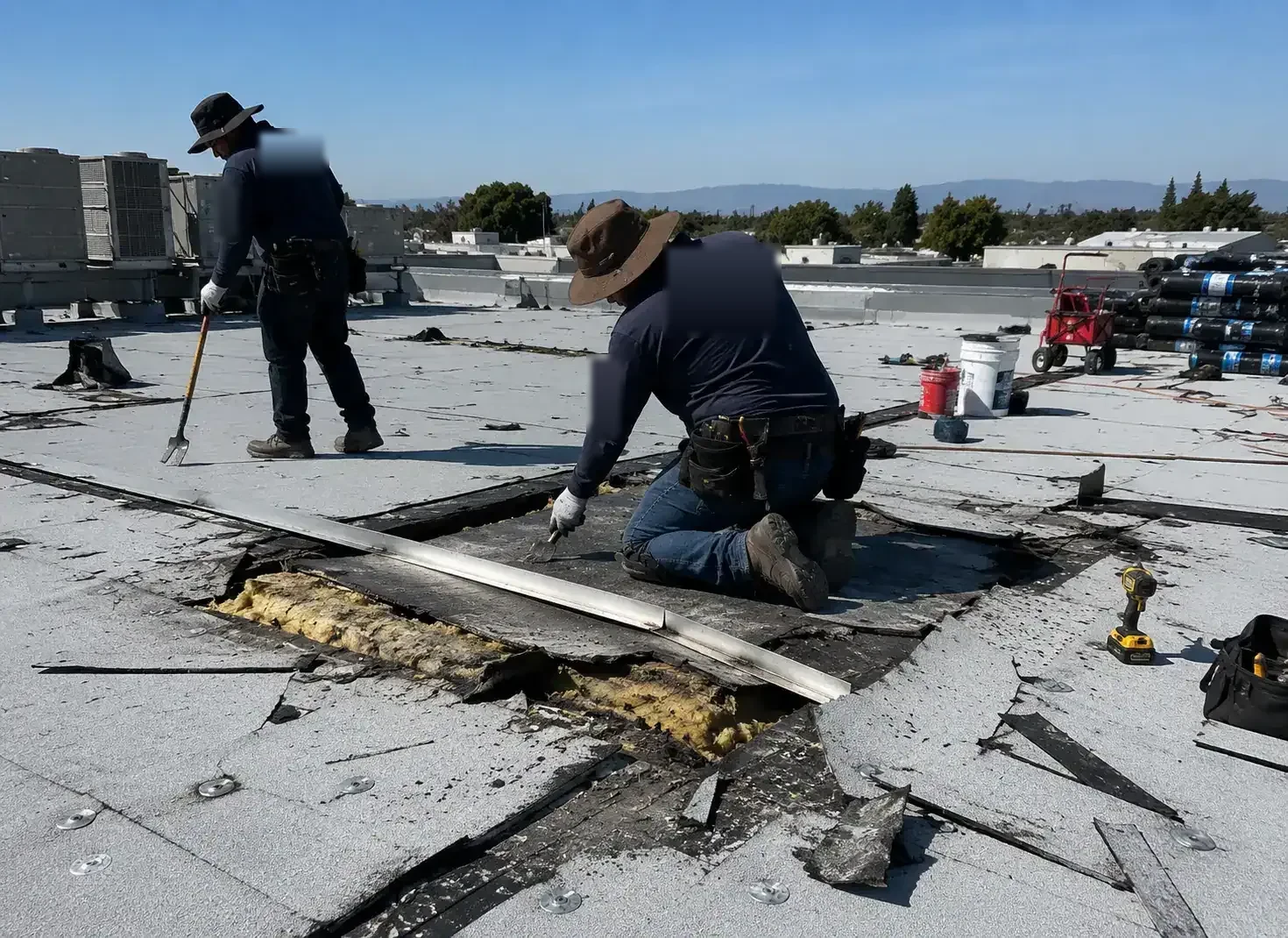
Buildings can be grouped by location, access requirements, system type, or maintenance window. A preventive maintenance visit can include drains, seams, penetrations, flashing, and prior repair areas where safe access allows. The schedule lists which roofs are included and which are deferred, so a route does not become a vague promise to inspect every property.
During winter, snow or ice can delay roof access; warm-season thunderstorms can expose a blocked drain or loose edge. Seasonal visits can be timed to check drainage and roof details after conditions change, but the specific task list should follow each site’s assembly and service history. We identify the weather-dependent sections and the return trigger. If ice or restricted access prevents a check, the report names the affected building and rescheduling step.
Grouping jobs can reduce repeated setup when sites share a service area and material needs. It may not be efficient when tenants, equipment shutdowns, or lift access require separate days. We lay out the proposed sequence and identify which locations can be handled in one mobilization. The owner can approve the route or request separate timing where operations demand it.
Response: How are urgent calls handled across sites?
An active leak at one building should be routed by property, room, water condition, and contact. We log the affected location and determine whether temporary protection is needed before combining it with scheduled work. The emergency response has its own visit record and permanent repair scope. That keeps an urgent event from replacing the routine inspection record for the other addresses.
For each call, the portfolio contact identifies site access, occupied areas, equipment, and any operating restriction. A leak above a retail space may need a store manager, while an industrial facility may have an escort or production contact. We coordinate with the representative for that address and record which decision remains open. The program should not assume a central office can grant entry at every building.
The program contact can review open work after each route. We list the property, date, roof area, requested decision, and person responsible for access or approval. When a repair is deferred, the log records the reason and the condition that should bring it back for review. A repeat leak can move a site ahead of a routine inspection, but the owner confirms that priority against operations at that property. This review keeps the route connected to current calls rather than a schedule that no longer fits the portfolio.
When the crew finds a separate condition during a scheduled visit, we photograph it and notify the property contact. The owner can authorize a repair, ask for testing, or keep it on the next capital review. The record assigns a due date or follow-up condition to a specific property. This prevents a recommendation from disappearing into a portfolio-wide summary.
Reporting: What does the owner receive?
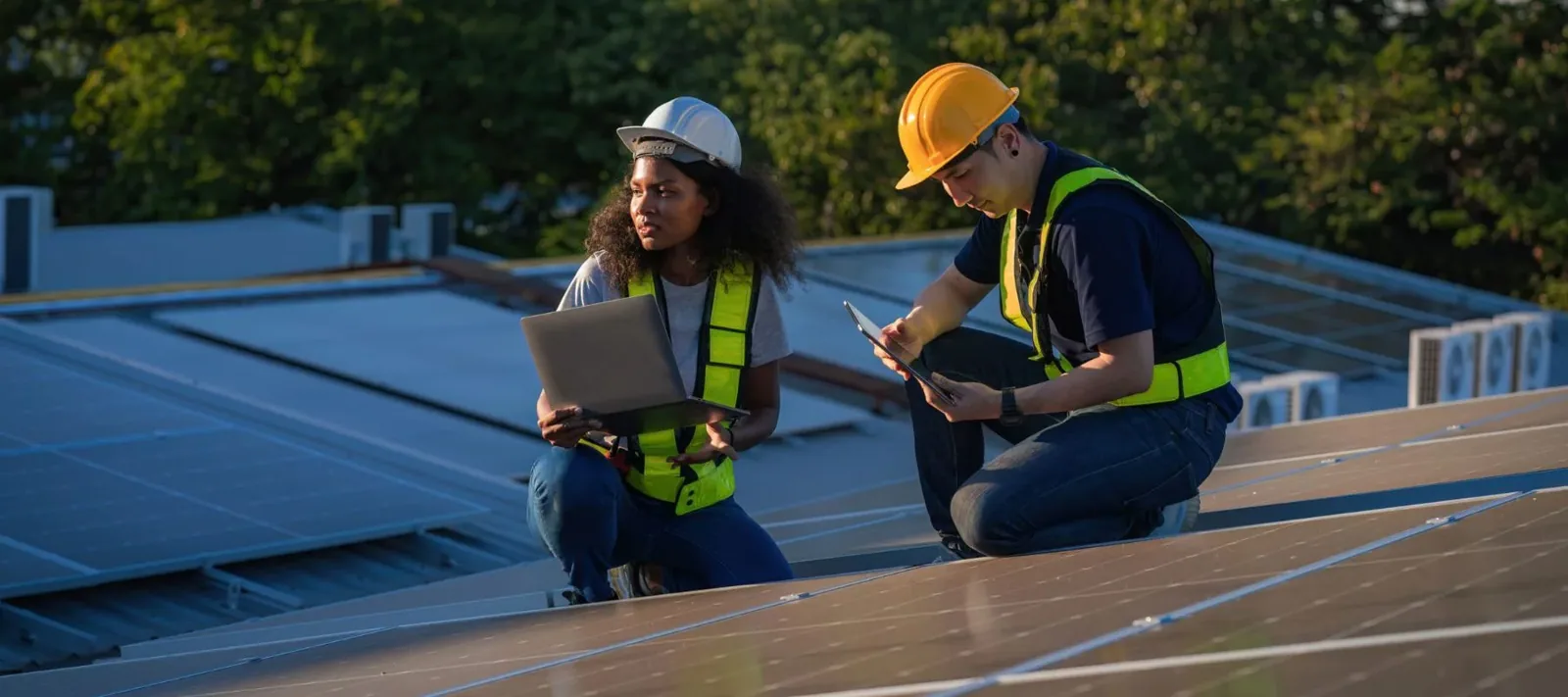
We provide an index of buildings visited, work completed, open findings, and locations that were not reached. Each report retains roof maps and photographs for its own property. A condition report can record tested boundaries and repair quantities, while a portfolio summary compares urgency without combining separate roof conditions.
The owner can use the same property names for work orders, budgets, invoices, and service history. We list active protection, permanent repair, maintenance, and capital recommendations separately. When a condition changes, the update names the date and evidence used. A capital planning review can then use the current reports to sequence projects by approved scope and access.
We can prepare a short cycle summary for a facilities meeting with completed visits, urgent work, untested zones, and budget decisions still open. Individual photos and measurements remain linked to the site record. The summary helps a central team decide where to send a service contact without replacing the property-specific report that supports each repair.
At a multi-tenant corridor or a dispersed industrial portfolio, the primary contact may not know every roof detail. We identify who supplied each site instruction and which building needs confirmation. Before a later visit, we review the open-item list and check whether access, operating hours, or roof conditions have changed. That makes the program a working schedule supported by current property-level records.
When a site is not reached, the log should state whether access, weather, or an active operation prevented the visit and name the next action owner. After approved work, update the system, drain, and curb notes for that property. The next route then starts from current records instead of an outdated schedule, and the portfolio summary can distinguish completed work from a deferred visit.
Commercial Roofing Questions
Can a single roof program cover retail and industrial sites?
Yes. The program can use consistent property identifiers and reporting while retaining a separate scope, access plan, and roof condition for each site.
Will you inspect every building during one route?
The route lists included and deferred properties. Access, operating schedules, weather, and active leak priorities determine which locations can be completed in a visit.
How are emergency calls kept separate from routine maintenance?
We create a distinct incident record and permanent repair scope. Routine visits remain tied to the scheduled building and roof-zone checklist.
Can the owner keep its existing property codes?
Yes. We can use current building or store identifiers so the inspection record aligns with work orders and facilities systems already in use.
What happens when access is unavailable at a scheduled site?
The report names the building and the reason it was not reached. We coordinate a new access window rather than recording the roof as inspected.
Related Roofing Work
West Topeka Retail Area
Central Crossing Commerce Park
Commercial Roof Asset Management
Commercial Roof Maintenance
Emergency Commercial Roof Repair
Commercial Roof Condition Reports
Coordinate a Topeka multi-site roof program
Service Area
Topeka, Auburn, Silver Lake, Carbondale, Rossville and Shawnee County, KS
Quick Contact
Email: [email protected]
Phone: 555-555-5555
Request a Roof Assessment
Share the property list, building identifiers, access contacts, service history, and current leak priorities. We will propose a route, inspection cycle, and separate record for each site.