
Built-Up Commercial Roofing in Topeka, KS
Home / Roof Systems / Built-Up Commercial Roofing
A built-up roof can hide several conditions beneath a surface that looks uniform. We identify the assembly, inspect its surfacing and details, then test only where the result could change the scope. Topeka properties such as North Topeka East and commercial buildings in Rossville illustrate why roof access and operations need early coordination. Each building still requires its own survey. We record the roof zone, limits inspected, and any area that was inaccessible before pricing removal or repair.
Assembly: What layers make up a built-up roof?
A built-up roof, or BUR, generally combines alternating bitumen and reinforcing plies, with surfacing above. The number and condition of layers can vary after many overlays and repairs. We check records, edge details, drains, and any permitted test opening before describing the assembly. A commercial roof inspection can map visible splits, alligatoring, blisters, exposed reinforcement, and prior patches by roof zone.
Surfacing may be gravel, mineral cap sheet, or a coating, depending on the system and later work. Loose gravel can conceal a membrane split; a smooth coating can bridge a weak seam without correcting it. We identify the surface type and look for displaced material, exposed bitumen, open laps, and flashing separation. If the roof history is incomplete, the report distinguishes observed layers from assumptions. That boundary matters when the owner compares a local repair with a larger replacement allowance.
A test opening can confirm the sequence, but it should have a defined purpose and repair detail. Before opening, we identify the zone and obtain the required approval. We document each exposed layer, insulation condition, and deck type when visible. The opening then receives a compatible temporary or permanent closure, and the report records whether the underside was dry, damp, or not fully evaluated.
A built-up roof can hide more than one repair history beneath its surfacing. We record whether aggregate or a coating limits the view, map visible blisters and open laps, and select test points where the result could change removal quantity. A core confirms only its own location, so we compare samples with the surrounding roof and keep the tested boundary marked. At walls, drains, and curbs, the ply count and flashing termination affect how a local repair ties into the field. The owner receives separate records for surface observations and layers confirmed by opening the assembly.
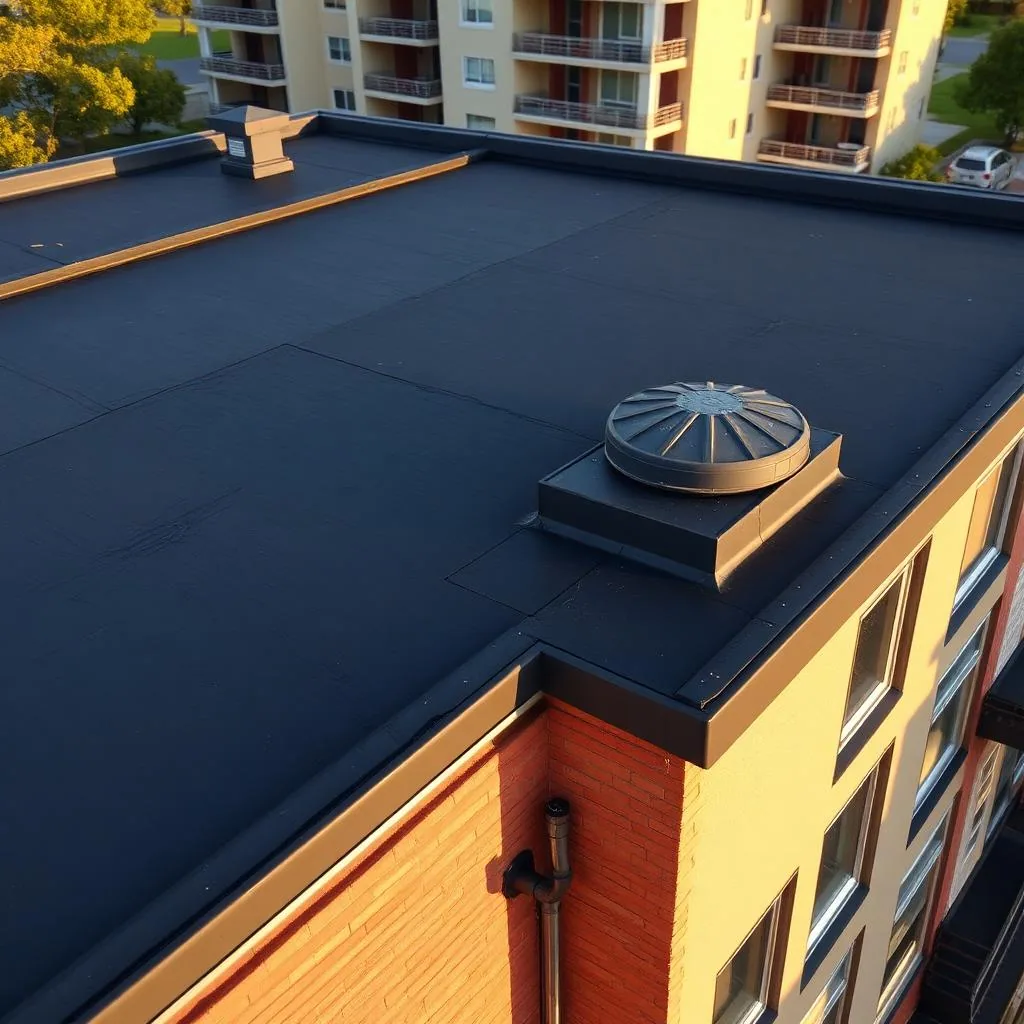
Water path: How do leaks move through multiple plies?
Water can travel between plies, through insulation, or along the deck before reaching an interior finish. We compare ceiling reports with slope direction, drains, curbs, wall transitions, and roof penetrations. A moisture survey may help identify suspect areas. When readings affect removal quantities, we confirm the condition with an approved test and map the measured boundary.
Topeka receives about 36.5 inches of precipitation in an average year, with summer storms and winter precipitation. That seasonal pattern can expose drainage or flashing weaknesses at different times. We check whether water remains after a storm before calling a location ponding, then inspect the outlet, surrounding slope, and membrane. A drain and scupper review can clarify whether the issue centers on drainage, the field membrane, or both.
Interior observations should include the room, exact ceiling location, date, and whether the report followed rain or snowmelt. On the roof, we locate the nearest drain bowl, seam intersections, parapet, and equipment curb. We also ask whether a previous repair changed the path. We document roof areas that remain inaccessible or dry during inspection and identify whether follow-up moisture testing would answer the remaining question.
Repair: When can a localized BUR repair work?
A localized repair may fit when the defect is bounded and surrounding plies, insulation, and deck remain serviceable. The crew removes loose surfacing and unsound material to a defined edge, prepares the surface, and installs a compatible detail. A commercial roof repair scope should identify the repair dimensions, ply tie-in, surfacing restoration, and closeout documentation.
Repairs need attention at drains, penetrations, wall bases, and roof edges, where assemblies meet. We check for open flashing laps, loose metal, cracked mastic, and material that has separated from the substrate. A patch placed over contaminated gravel or damp layers may not hold. If an opening shows that damage continues below the visible defect, we stop at the approved limit and request direction before expanding work.
On an older BUR, we compare surface cracking with edge details, repair history, and moisture test results to identify confirmed ply failure. The proposal separates work that can proceed from concealed conditions that may require a change order. That keeps a repair from silently becoming an unbounded replacement. The owner can see the planned limit and the price trigger before the crew removes additional layers.
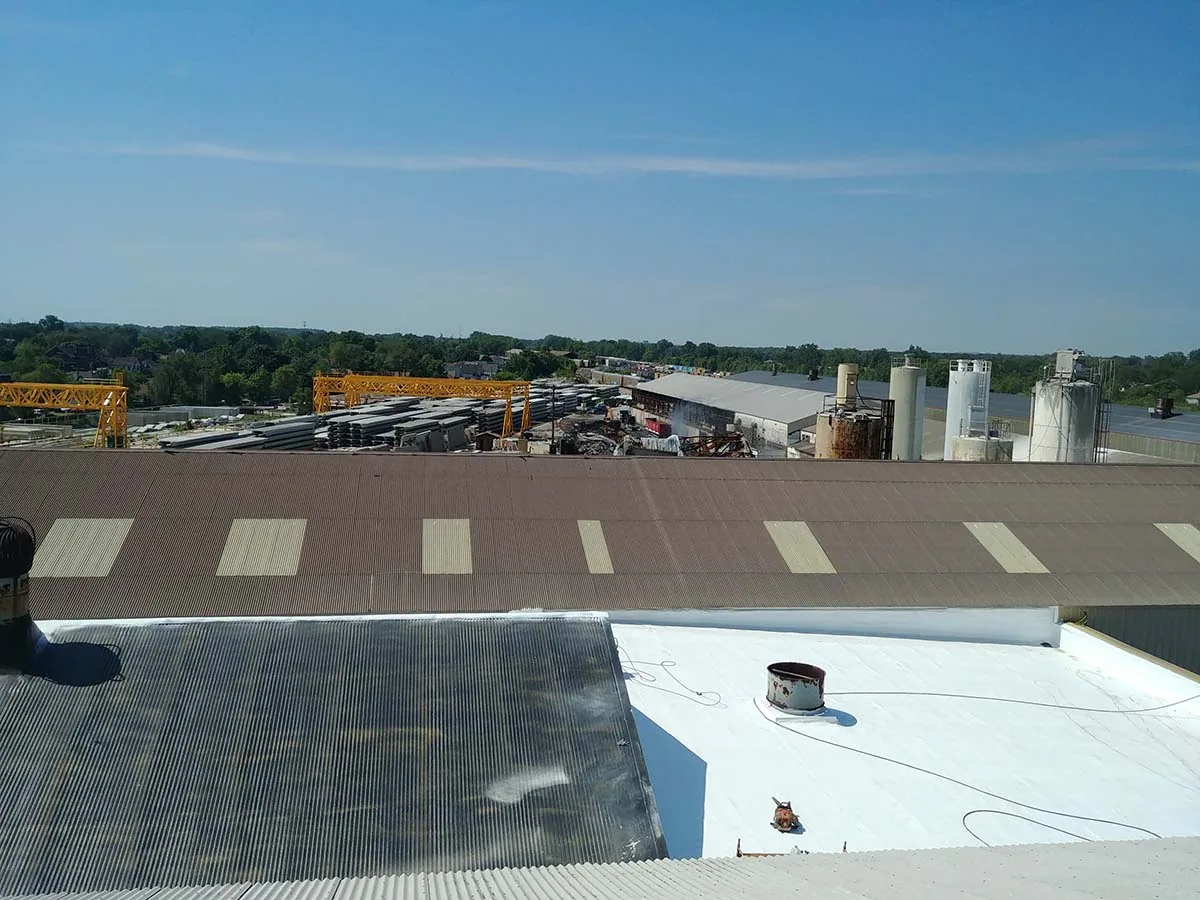
Replacement: What findings support a broader scope?
Widespread wet insulation, repeated leaks across separate zones, failed flashing, or an unstable substrate can support broader evaluation. We document the affected area and compare repair frequency with the remaining roof condition. A replacement assessment can define removal, insulation, edge transitions, drainage corrections, and phased access. The scope should identify assumptions about deck condition and include a clear process for concealed discoveries.
BUR may be compared with modified bitumen roofing or TPO roofing when project requirements allow. The choice depends on existing assemblies, structural capacity, fire and wind criteria, drainage, budget, and maintenance expectations. A River to Rail District building may require careful staging and tenant coordination, while a production facility may have different shutdown windows. The roof assembly and operating conditions set the system criteria for each property.
Before recommending replacement, we confirm what the records show and which criteria still need design or owner review. A new system can alter drainage, edge heights, and rooftop transitions. The scope should state whether insulation thickness is confirmed, whether existing layers remain, and who approves any structural or code decisions beyond the inspection. We record the surface review beside each test, design, or owner decision that remains open.
Closeout: What should a BUR roof record include?
A useful record lists the assembly observed, test locations, repair dimensions, surfacing removed and restored, flashing limits, photos, and open questions. A marked plan helps the facility team find each work area later. We record which layers were confirmed and where access prevented a complete check. The closeout distinguishes tested sections from roof areas that still need evaluation.
For a repeat leak, compare the new report with prior dates and the exact repaired zone. Verify whether the earlier detail remains intact before extending it. At Washburn University, an occupied campus would require access planning around building use; other Topeka facilities set their own controls. The property contact identifies roof release, escort, staging, and the allowed work window. Our records identify those constraints so scheduling assumptions are visible.
The final handoff should state material installed, preparation completed, protection used, weather or access limits, and any accepted exception. If a follow-up inspection is agreed, record its timing and the condition to check. This gives maintenance staff a practical baseline for later review and keeps observations separate from areas that remain unknown.
Commercial Roofing Questions
How many layers are in a built-up roof?
That varies by installation and later overlays. We confirm layers from records or an approved test opening and label any not tested assumption.
Can gravel be replaced after a BUR repair?
Yes, when the repair detail and system call for it. We identify the surfacing removed and restore the finished area as specified.
Does a ceiling stain identify the roof leak?
Not by itself. Water can move within the assembly, so we compare interior reports with drainage, seams, penetrations, and tested areas.
When is a BUR roof ready for replacement?
Repeated leaks, widespread moisture, or failing details can support a broader assessment. We document affected zones and concealed conditions before setting scope.
What does the inspection report include?
Expect roof-zone records, observed layers, photos, test locations, repair limits, and remaining unknowns. The report separates confirmed conditions from assumptions.
Related Roofing Work
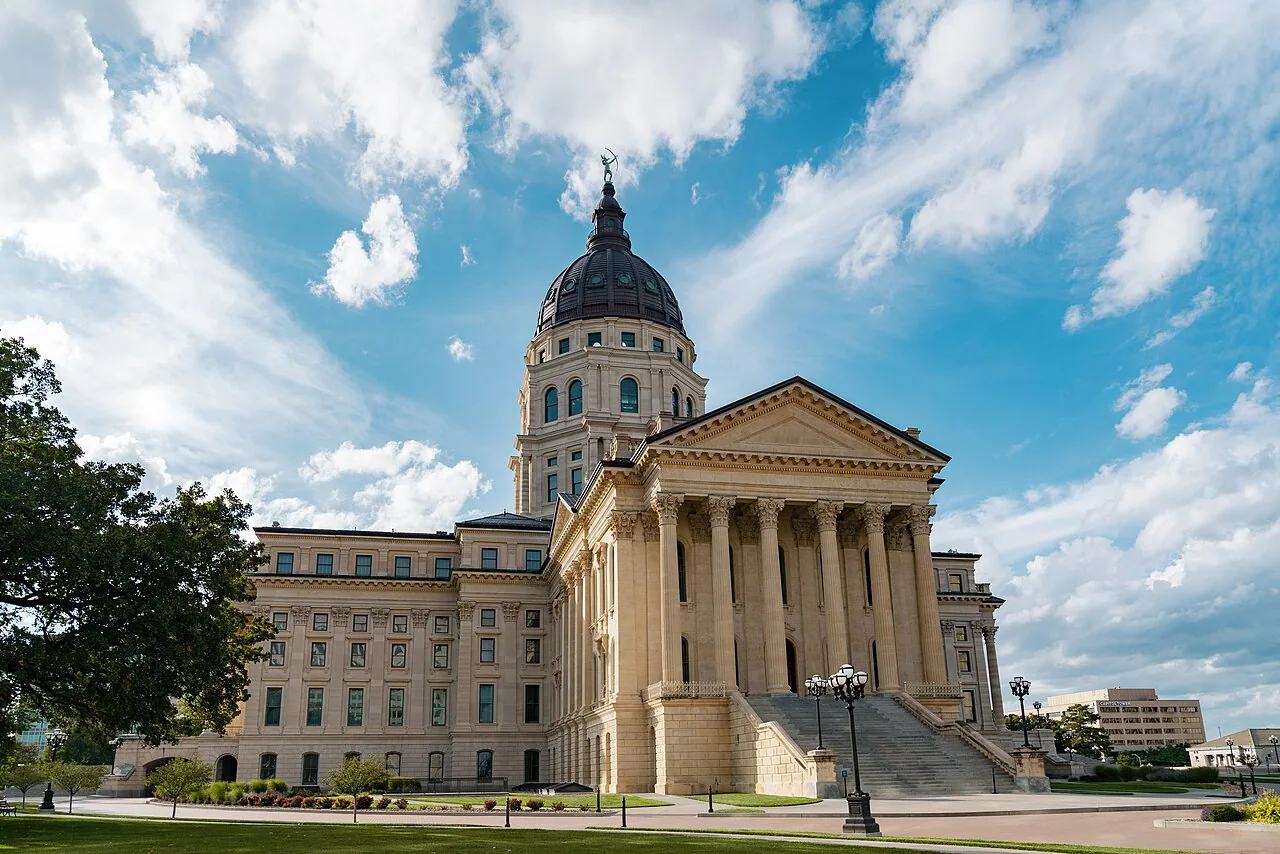
North Topeka East
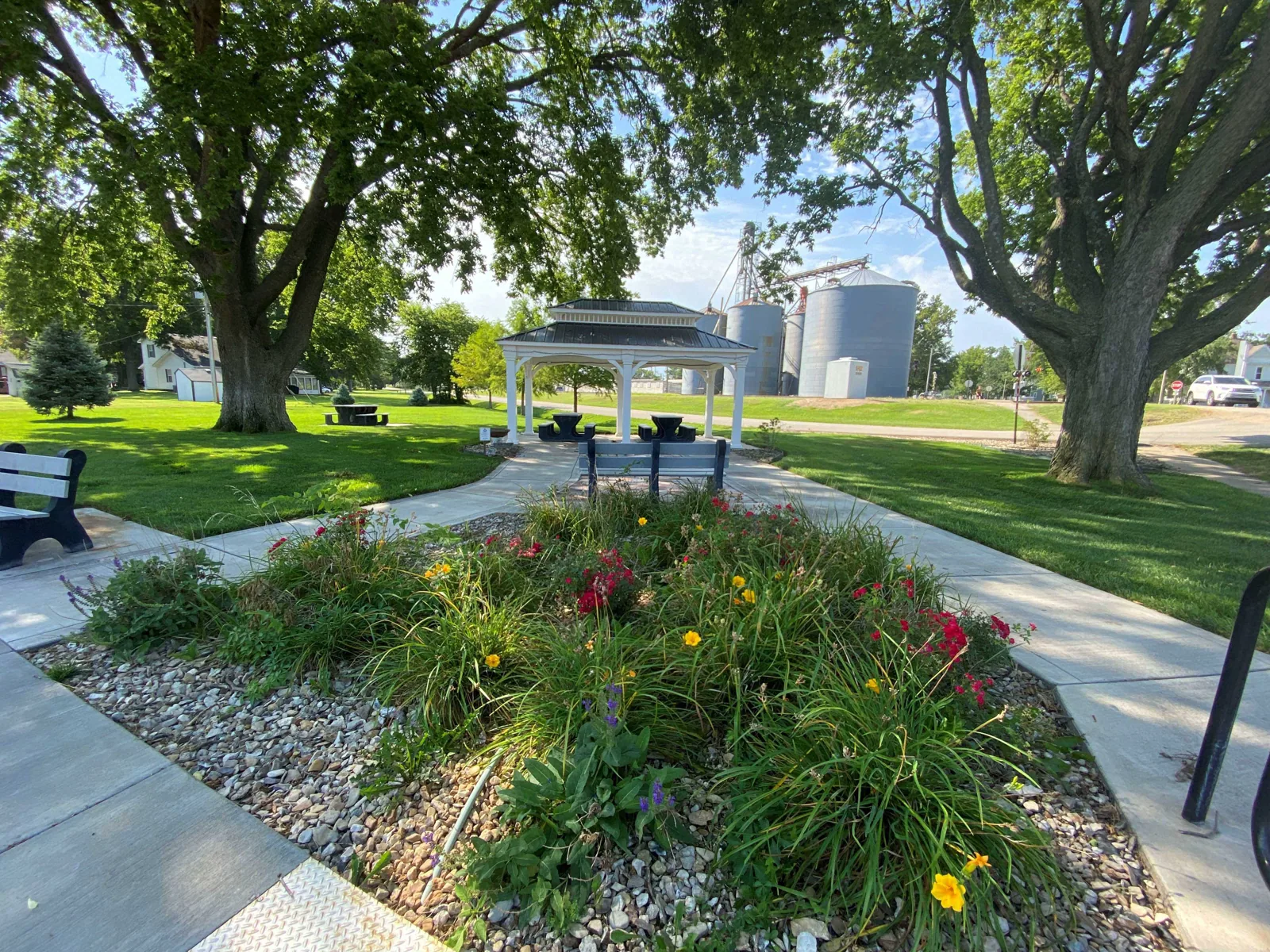
Rossville
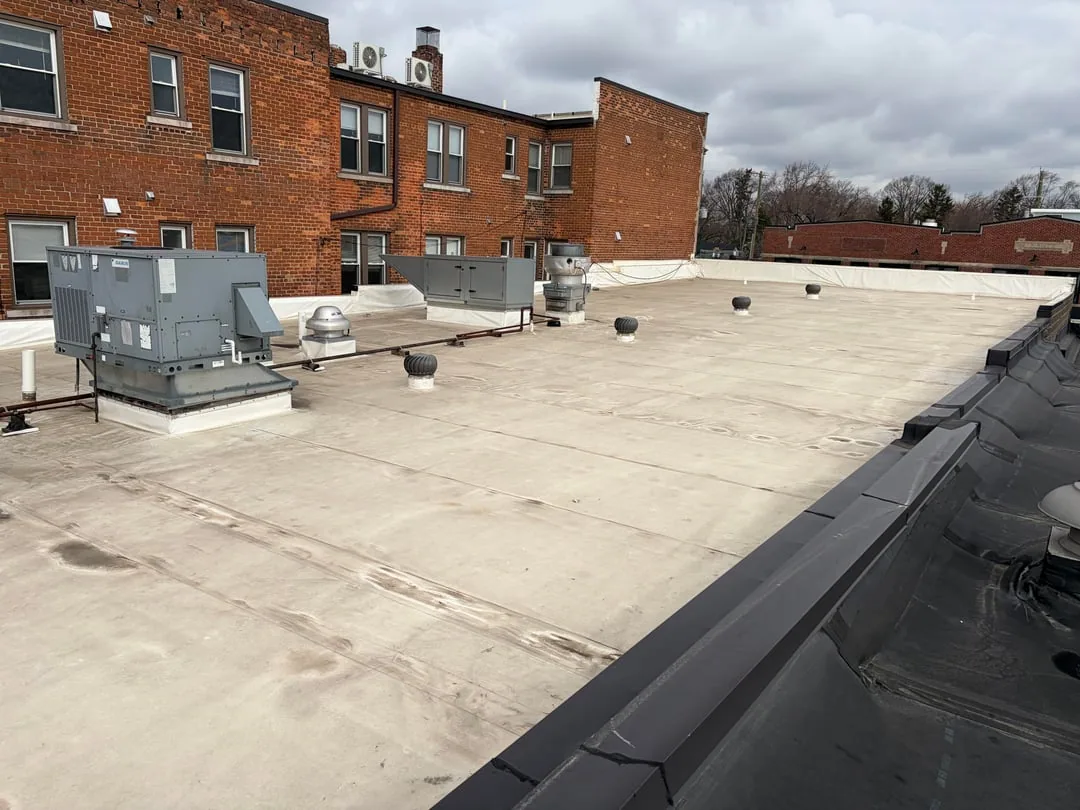
Commercial Roof Inspection
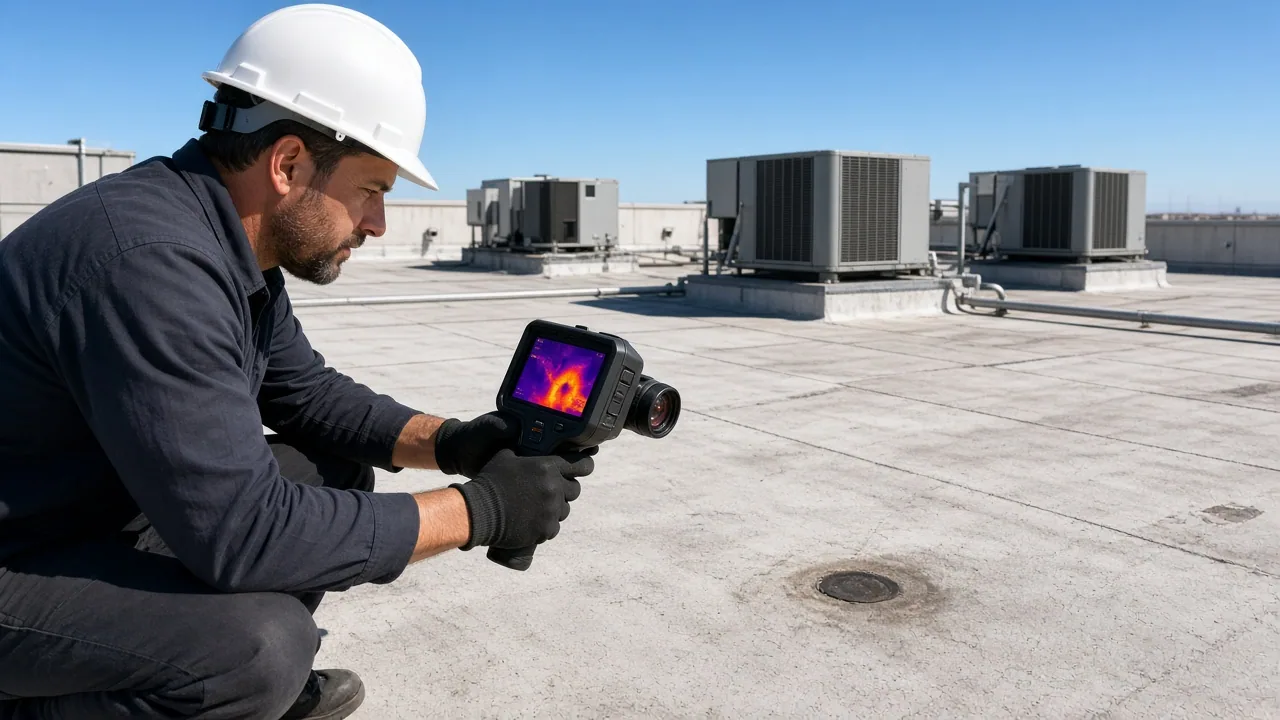
Commercial Roof Infrared Moisture Survey
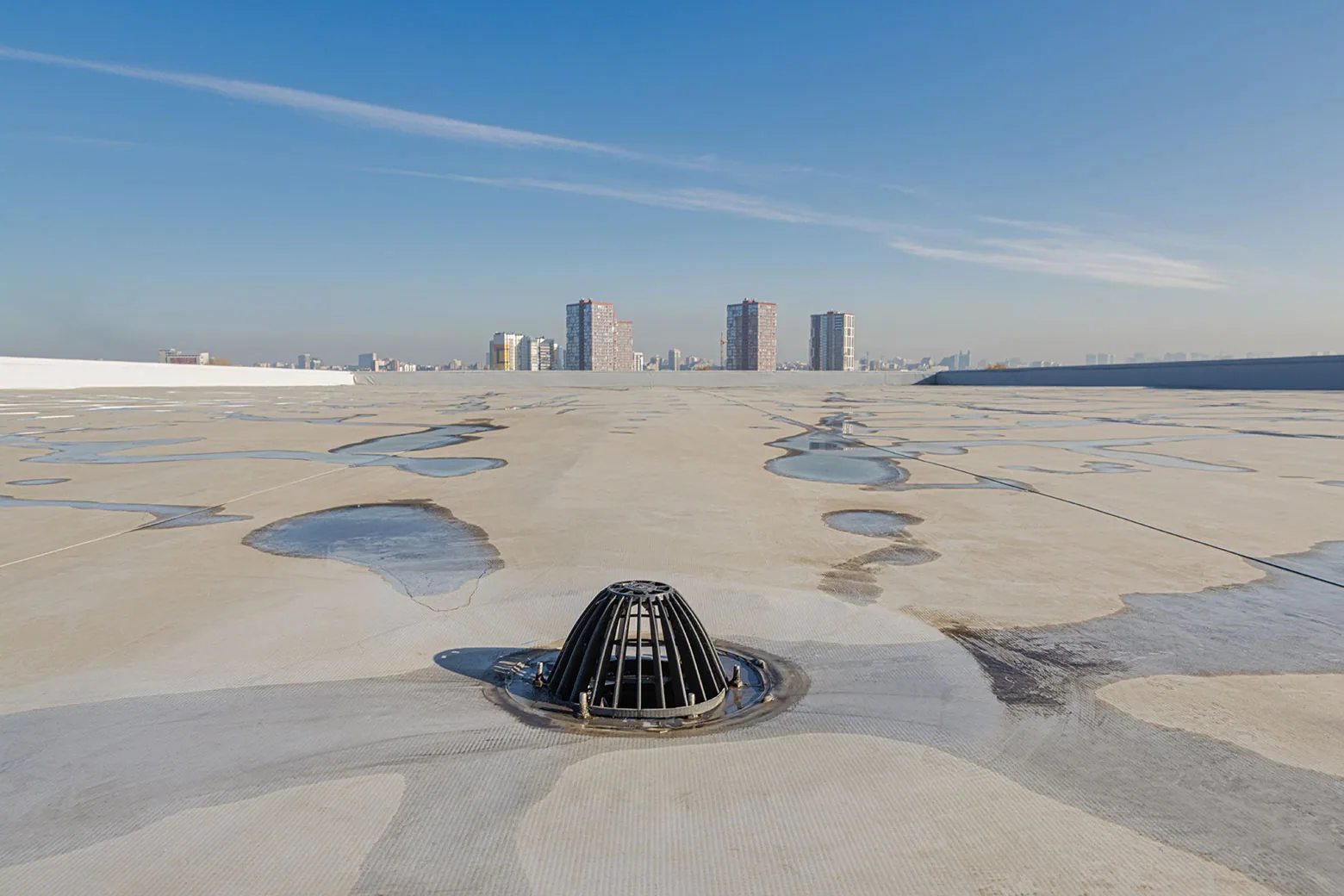
Commercial Roof Drains and Scuppers
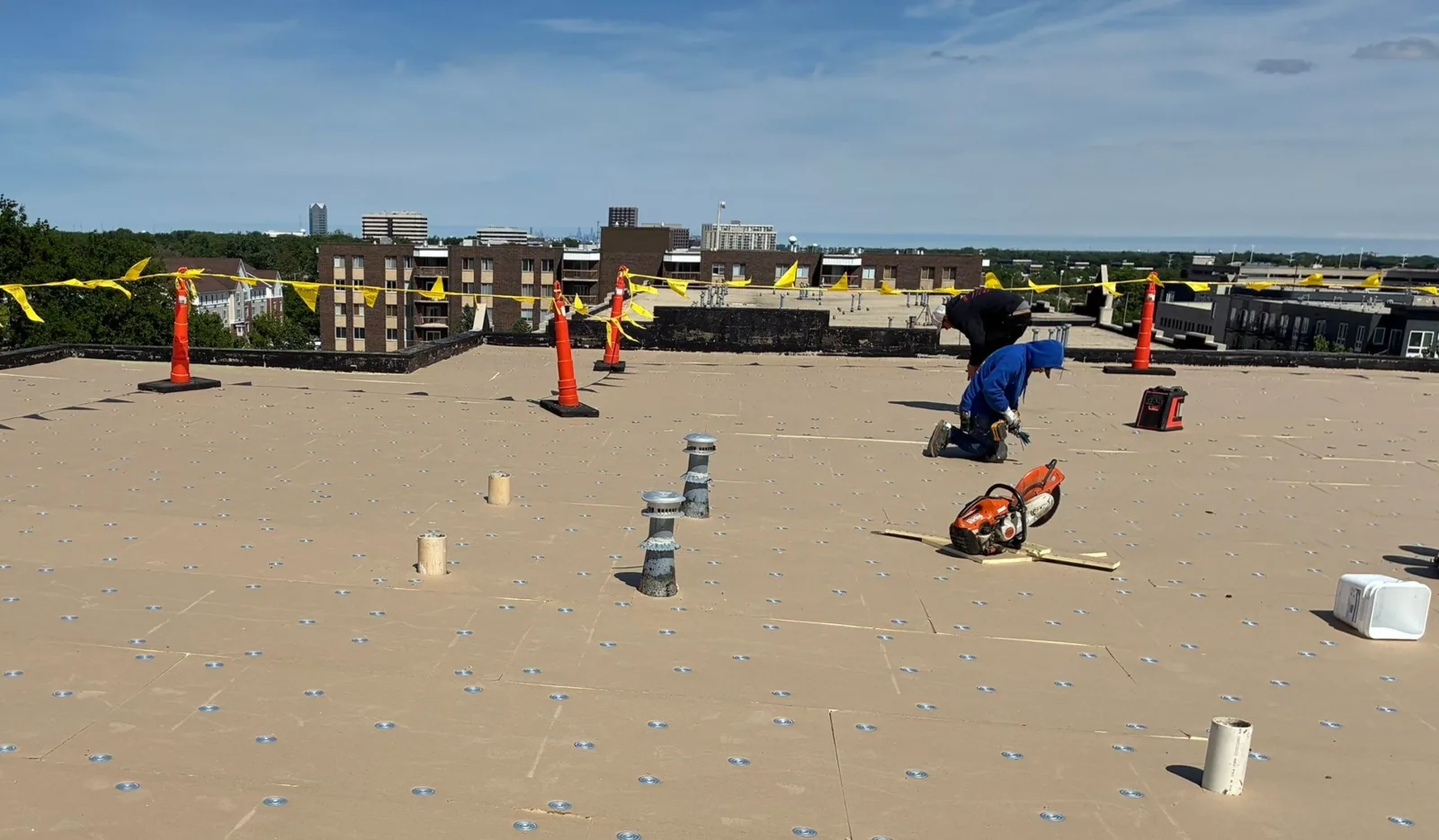
Commercial Roof Repair
Map the BUR layers before setting the scope
Service Area
Topeka, Auburn, Silver Lake, Carbondale, Rossville and Shawnee County, KS
Quick Contact
Email: [email protected]
Phone: 555-555-5555
Request a Roof Assessment
Send the Topeka address, roof plan, leak history, prior repair records, and access contact. We will inspect the tested zones and document where additional confirmation could change the work.