
KEE Commercial Roofing in Topeka, KS
Home / Roof Systems / KEE Commercial Roofing
A repaired KEE lap needs a compatible weld and sound material on both sides of the seam. We identify the membrane, inspect adjacent transitions, and test the substrate before choosing a patch or broader scope. Topeka’s annual weather cycle brings warm-season storms and winter moisture that challenge different roof details. Central Crossing Commerce Park includes light-industrial, distribution, and manufacturing uses. Stormont Vail Health Campus adds an acute-care setting with its own operating requirements. The roof and owner contact determine the work sequence.
Material: What does KEE identify?
KEE refers to a ketone ethylene ester modifier used in certain PVC-based roofing membranes. The installed formulation and product details should be confirmed from records or field evidence before repair. We inspect the surface, seams, terminations, and prior patches, then check what material can accept the proposed weld. A roof inspection can document the assembly and identify any area where testing matters.
Membrane color or appearance alone may not distinguish KEE from another single-ply sheet. The record notes what identifies the system and keeps uncertain material from being treated as confirmed. If submittals or product labels are available, we compare them with the roof condition. That step matters when a repair material or method depends on the membrane formulation rather than the general category of a single-ply roof. If identification remains uncertain, we state the evidence used and avoid selecting a weld method from color or texture alone.
A test weld or repair trial can help determine whether the existing surface accepts the proposed material and preparation. We record the result with the seam or transition tested, then use it to set the repair method and boundary. At a penetration or perimeter, the membrane still needs a compatible detail that can move with the assembly and shed water. The report records the product identified, the source of that identification, and any area where age, coating, or a prior repair prevents a reliable match. Repair scope follows those verified details.
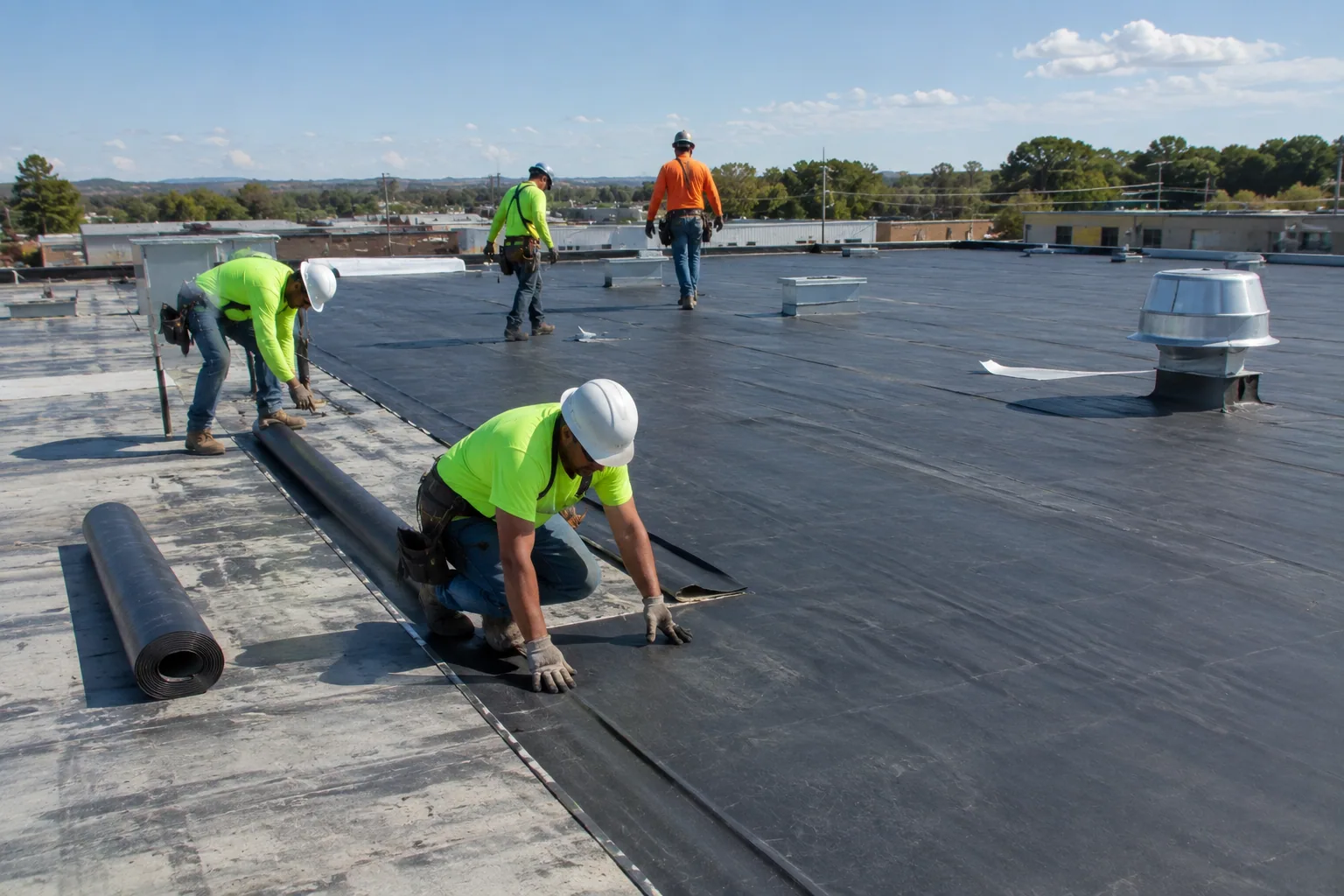
Weld: Which seams and transitions need attention?
We check field laps, end joints, corners, patches, curbs, and perimeter flashing for separation, wrinkles, contamination, or damage. A probe can locate an open weld edge, while close photographs show its relation to the roof zone. A flashing review can address curbs and penetrations where the membrane turns up a vertical surface. We describe a specific transition instead of recommending broad sealant coverage.
For a repair, surface preparation and compatible material matter as much as the weld itself. We verify that the surrounding sheet is stable and inspect the finished weld after work. If a seam sits over wet insulation or loose cover board, the patch boundary may not solve the assembly problem. A repair estimate separates surface welding from testing or replacement of underlying layers.
Assembly: What lies below the KEE sheet?
The membrane covers attachment, cover board, insulation, vapor control, and deck. A wet or uneven substrate can alter repair quantity, so we map the suspect area and use a scan or test opening when the result could change the boundary. A moisture survey can help identify areas for closer review. We note which material was tested and what remains concealed.
Drainage, equipment supports, and edge height also affect the assembly. We inspect low areas and outlets to see whether water reaches the roof detail or remains at a separate drainage issue. A drainage assessment can evaluate bowls and nearby membrane transitions. If insulation thickness or attachment will change during a recover, we document curb and perimeter elevations before adding another layer.
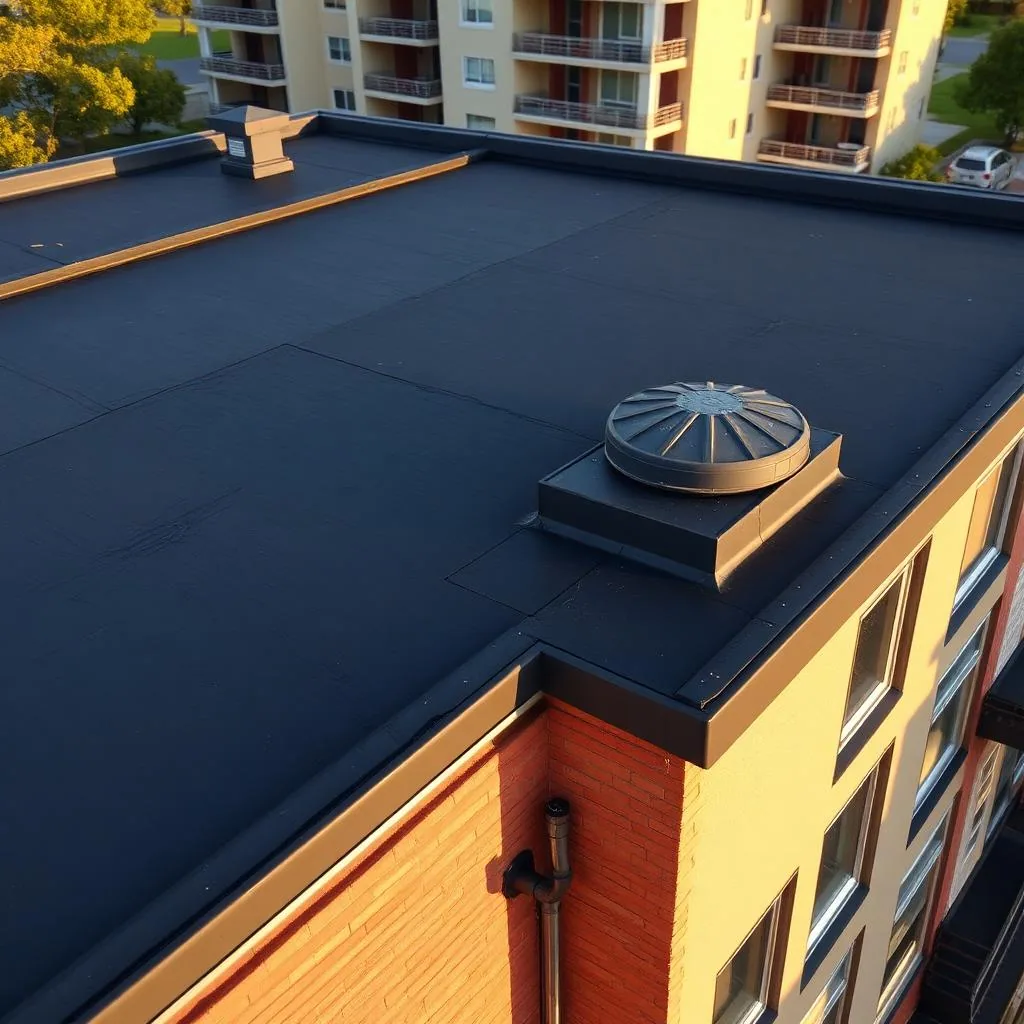
Weather: How should the work window be set?
Topeka has documented hail and wind events, and the condition at the address must be inspected separately from the regional record. We look for punctures, seam lift, displaced metal, and damage at terminations, then record older wear and prior repairs. A hail assessment can help map event-related observations without assigning damage to every roof section.
Winter precipitation and hot summer days affect surface conditions and safe access. We check substrate moisture and system requirements before welding, then plan enough time to close the exposed area. At Goodyear Topeka Plant, production routes and equipment access are confirmed by the facility contact; other properties have their own release process. If weather interrupts, the crew secures the section and records what remains for the return visit.
Options: When does repair become replacement?
Isolated seam damage on stable material may support a local correction. Widespread weld failure, brittle sheet, wet insulation, or poor attachment can require a larger evaluation. We list repair quantities by roof zone and identify openings or tests that could change them. A PVC roof and TPO assembly have different material and weld details, so the existing KEE sheet must be identified before comparing alternatives. Cost also changes with lift access, surface preparation, occupied-space protection, and the number of penetrations that need new flashing. We show those items separately from membrane area.
For a recover or replacement, the owner needs the moisture map, attachment condition, deck information, added height, and edge transitions. We compare those items with the cost and timing of a focused repair. A new membrane should not conceal a condition that remains untested. The proposal states the tested section, assumptions, access requirements, and owner approval point before broader removal or overlay begins.
Closeout: What should remain in the KEE file?
We record confirmed membrane type, seam and flashing locations, preparation, repair material, weld inspection, roof-zone photos, and any condition left unverified. The owner receives the repair boundary and follow-up point with the work order. A later maintenance visit can compare future seam conditions with the closeout images and note any new equipment work.
Keep the product record and roof plan together, particularly if another contractor may service penetrations or add equipment. If water returns, compare its location and timing with prior repairs before extending the original scope. At Central Crossing Commerce Park, building-specific staging and tenant use can change how a return visit is scheduled. We identify the address and access contact with the KEE record so later field work starts from the correct roof zone.
For a KEE repair, inspect the transition to any adjacent membrane, coating, or metal detail before selecting the tie-in. Surface appearance alone may not identify product chemistry or prior repairs. We review available records, identify any adhesion or compatibility testing, and preserve a test area before scaling the method across a roof zone. The proposal names the measured repair area and the condition that would require a different system detail.
Commercial Roofing Questions
How do I know whether my roof is KEE or PVC?
We review system records or product identification and inspect the installed membrane. Color and appearance alone may not confirm formulation, so the repair method follows verified material and field condition.
Can KEE seams be welded after a repair?
A compatible repair can be heat-welded when the sheet and substrate are suitable. We prepare the surface, inspect the finished seam, and document any condition that prevents a reliable tie-in.
Does KEE avoid all chemical damage?
No membrane should be treated as immune to every exposure. We identify the discharge or chemical source, review available system information, and inspect the affected zone before choosing repair material. The observed area sets the next test.
How do you check for wet insulation below KEE?
We compare interior reports with roof conditions and use targeted readings or an opening when results could change the work. The record separates tested material from areas that remain concealed. An opening is made only after the property contact approves its location.
What belongs in a KEE repair record?
Keep membrane identification, seam location, repair preparation, weld check, photos, test results, and access limits. We also note new equipment work that could affect the same roof section. Mark any area that was not opened for later review.
Related Roofing Work
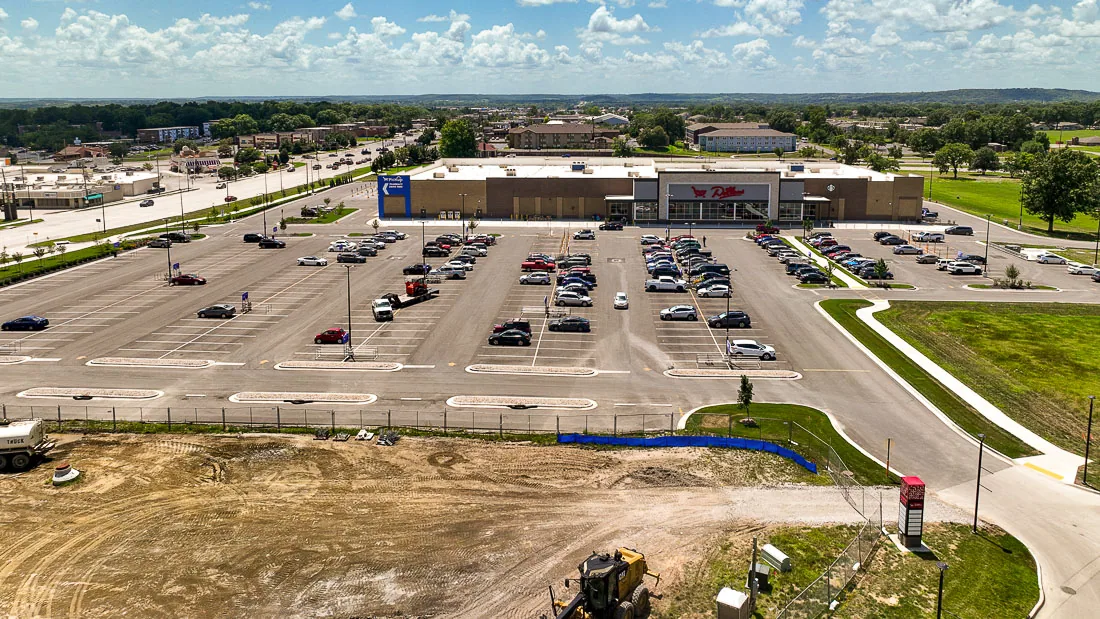
Central Crossing Commerce Park
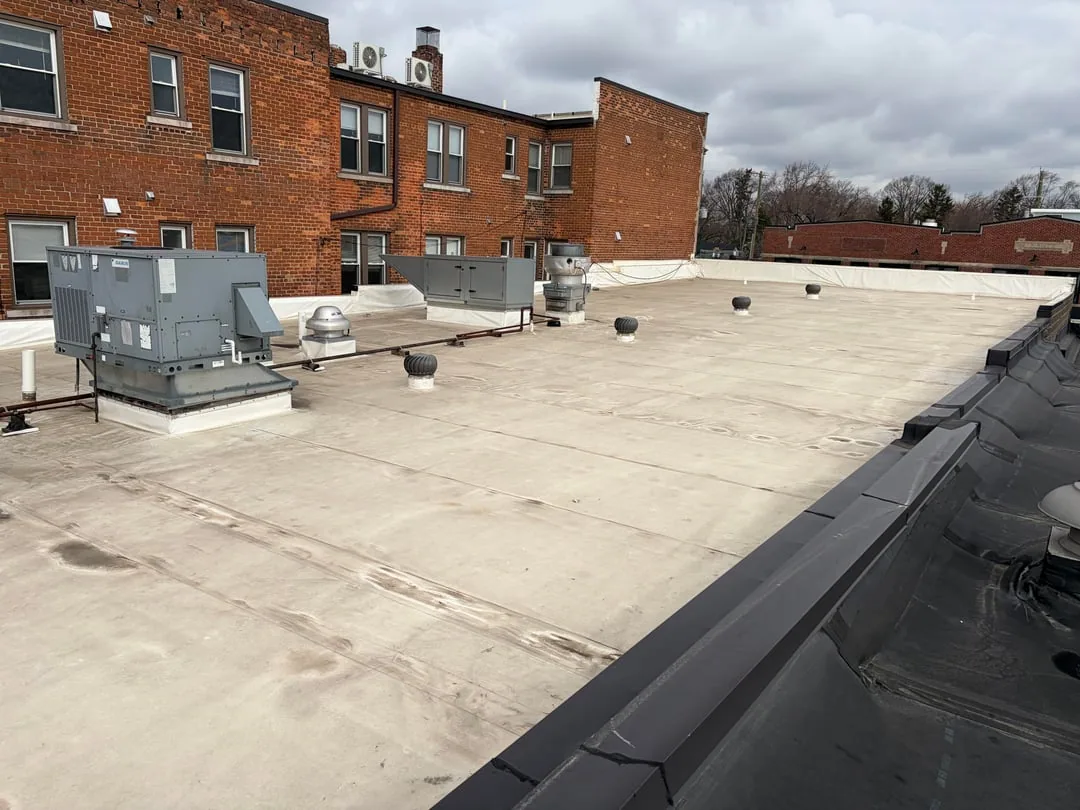
Commercial Roof Inspection
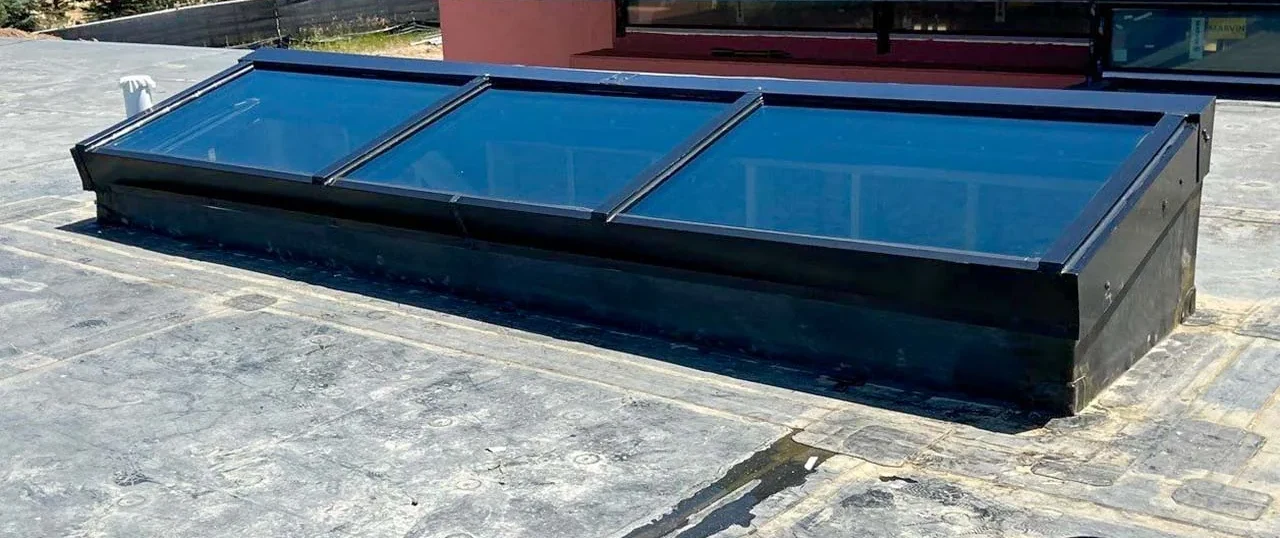
Commercial Skylight and Penetration Flashing
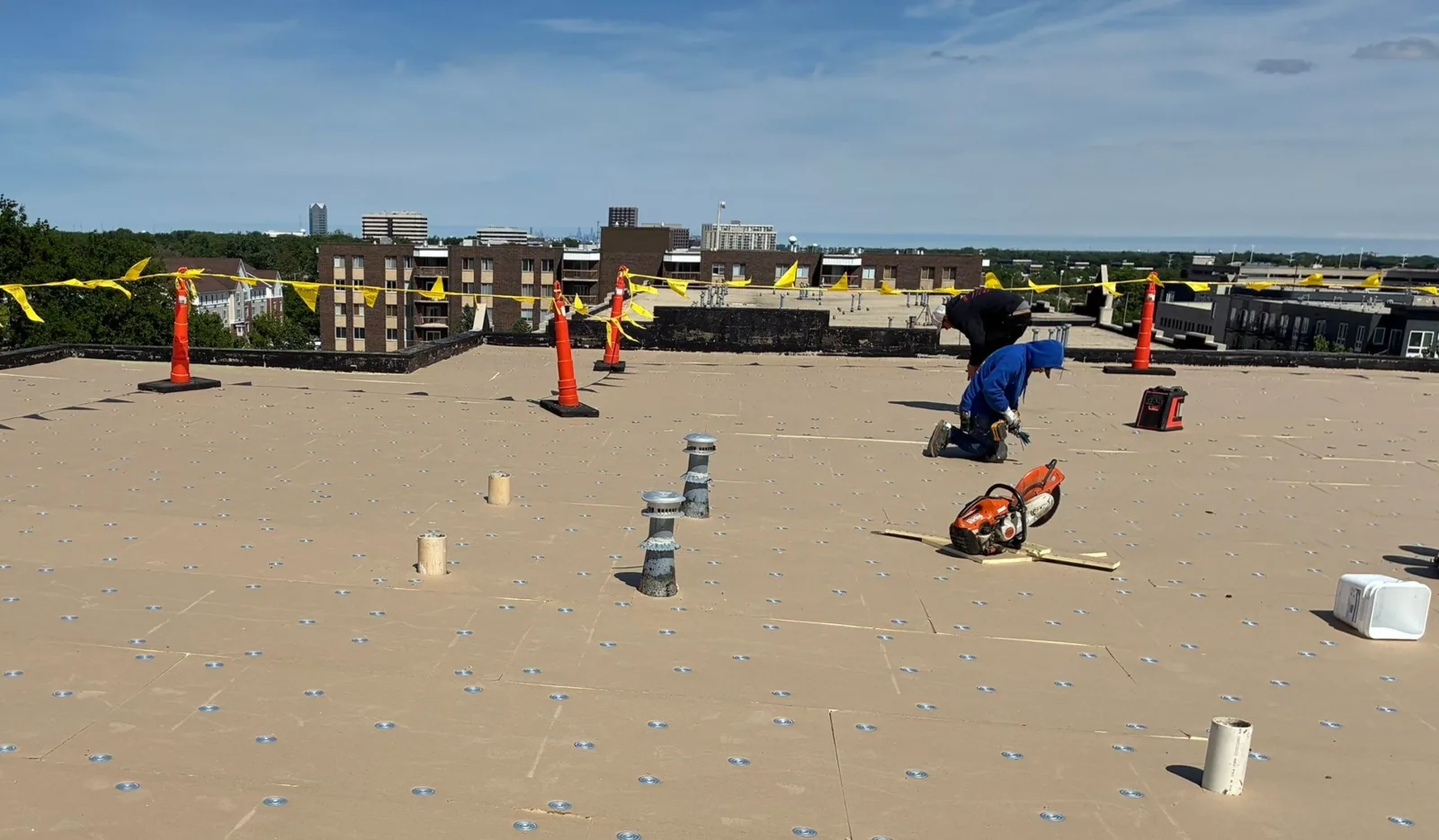
Commercial Roof Repair
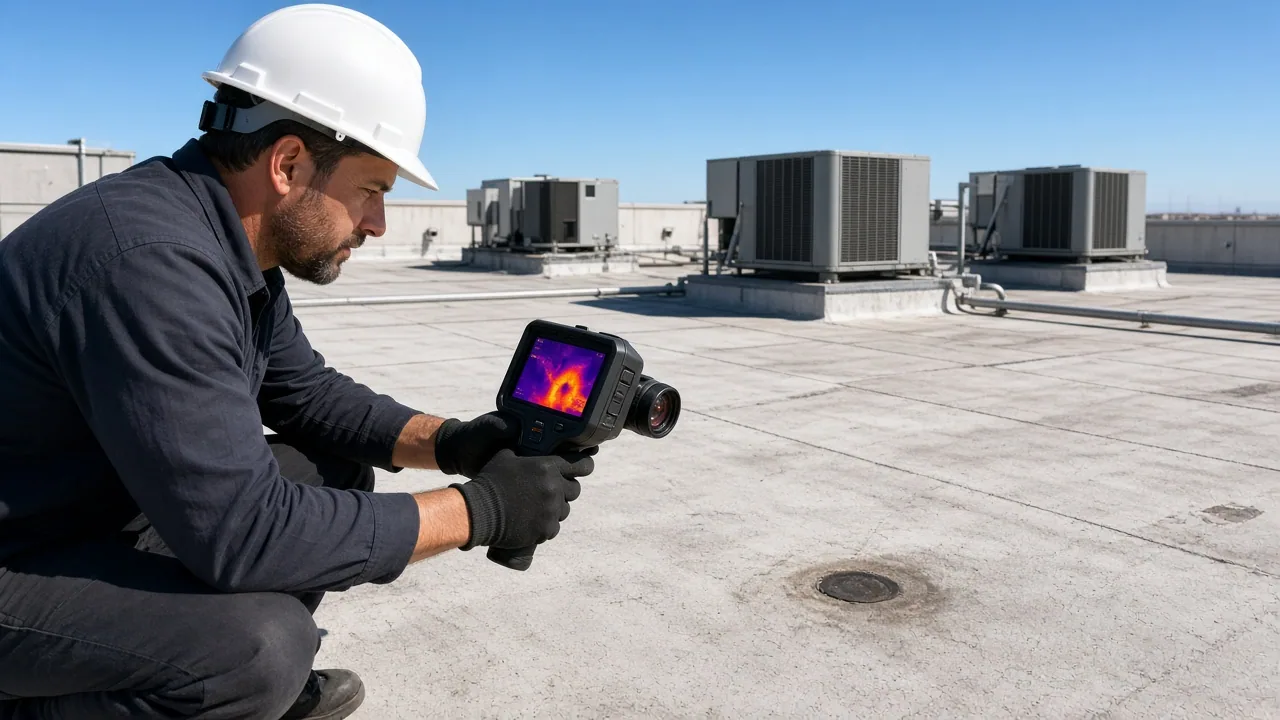
Commercial Roof Infrared Moisture Survey
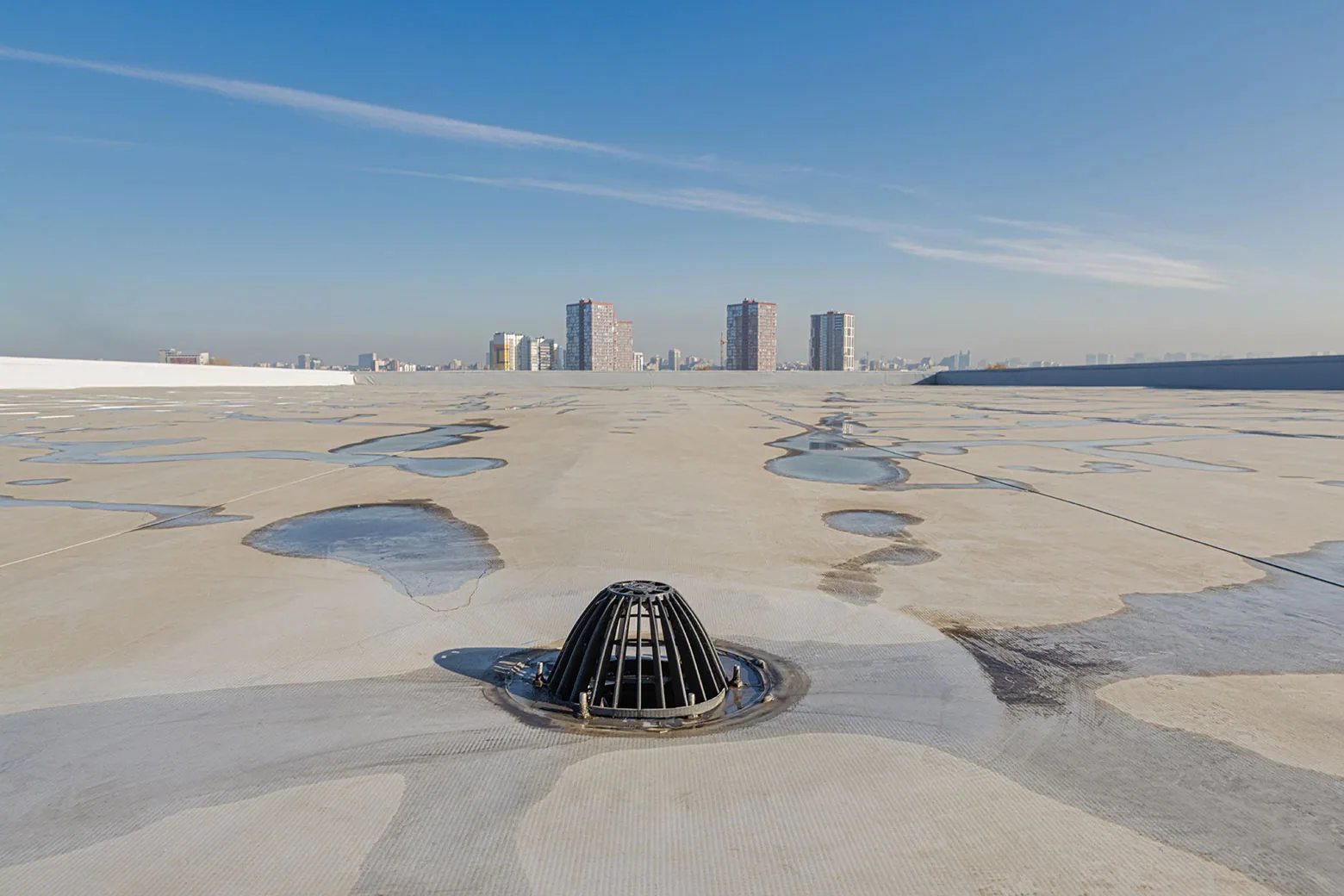
Commercial Roof Drains and Scuppers
Confirm the membrane before repair
Service Area
Topeka, Auburn, Silver Lake, Carbondale, Rossville and Shawnee County, KS
Quick Contact
Email: [email protected]
Phone: 555-555-5555
Request a Roof Assessment
Provide the Topeka address, product or roof records, leak location, access contact, and previous repair information. We will identify the membrane, test relevant areas, and define the repair or replacement scope.