
Commercial Roof Infrared Moisture Survey in Topeka, KS
Home / Commercial Roofing Services / Commercial Roof Infrared Moisture Survey
An infrared image records surface temperature, not moisture directly. We use the pattern to identify roof areas that deserve closer review, then confirm selected points before assigning a repair boundary. Topeka averages about 36.5 inches of annual precipitation and sees winter snowfall, so a survey question may involve drainage, a recurring leak, or retained moisture after a storm. The light-industrial designation at Harlan Industrial Park and the planned flexible commercial and light-industrial uses at Heartland Synergy Park frame different operating contexts. The method follows the question, material, and survey conditions at the actual building.
Question: What should the survey help decide?
Before scanning, we identify the decision that depends on moisture information: isolate a repair, evaluate a recover, define removal, or compare conditions before replacement. We review roof plans, assembly details, prior leak reports, repair history, and recent weather. The scan area is marked by roof section so the owner can connect each pattern with the actual building. A roof inspection records visible seams, drains, curbs, and surface conditions that may explain a temperature difference.
The survey does not replace a roof walk. We note equipment, shadows, reflective surfaces, patches, and other features that can influence the image. We also record when the scan occurred and which sections could not be captured. If the owner cannot state what decision the result will change, we refine the question before collecting data. That prevents a color image from becoming a moisture claim without verification.
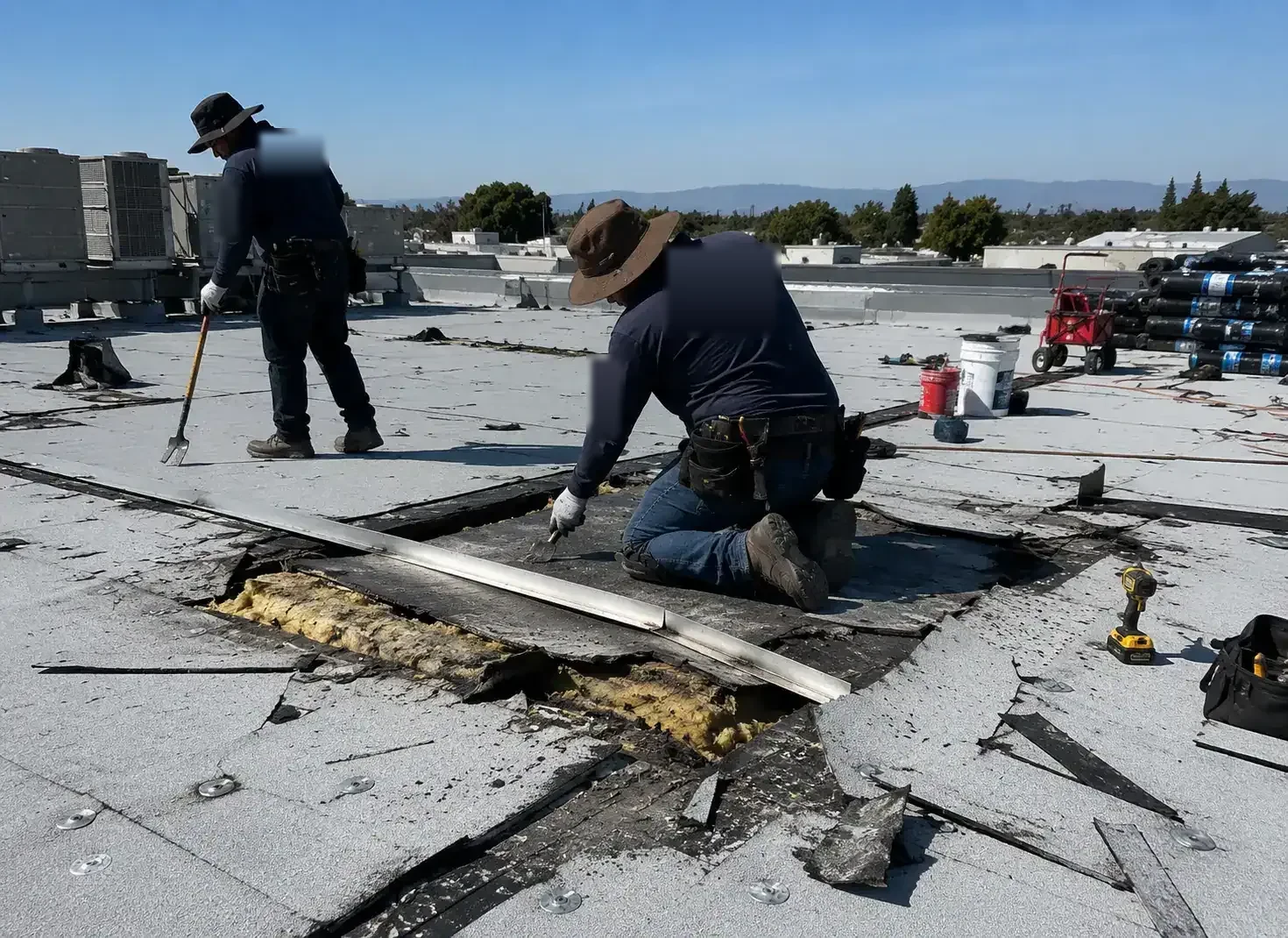
Conditions: When is an infrared scan useful?
A scan can help locate temperature patterns that differ from adjacent roof areas when the surface and weather conditions support comparison. Solar loading, wind, moisture, membrane color, insulation, and roof construction influence what appears. We choose a suitable time and document the conditions that matter to interpretation. Topeka’s summer storms and winter weather can affect both roof readiness and survey timing. If rain, snow, or surface moisture obscures the question, the scan waits until a useful comparison is possible. Different roof assemblies also create different thermal patterns. We identify the material where known and compare locations within similar surfaces rather than treating every temperature difference as a moisture signal. HVAC discharge, vents, recent patches, and shade can affect a reading. The analysis notes those influences and recommends a test point only where a pattern still needs confirmation. This keeps ordinary variation from becoming an unsupported removal quantity.
We compare suspected areas with reference locations on the same roof and check for visible causes such as ponding, debris, equipment discharge, or a recent repair. A drone image set may help map a large roof surface and locate access needs, but it does not confirm moisture below the membrane. The survey record distinguishes image patterns from physical test results and lists conditions that could have affected the scan.
Verification: How are candidate areas confirmed?
We mark candidate zones on a roof plan and choose test points that answer the owner’s question. A core or other authorized opening can show the layer condition at that location. We photograph the opening, identify membrane, insulation, and deck where visible, and record whether the sample was dry or wet. One point represents that sample location; it does not automatically describe every square foot around it. The owner approves each opening and any temporary repair before the crew proceeds.
If tests confirm wet insulation, we map the verified boundary and determine whether additional samples are needed. If a point is dry, we compare it with the image and decide whether the pattern has another explanation or needs a nearby sample. The report separates scanned area, candidate zones, tested points, and areas that remain unconfirmed. That helps avoid both unnecessary removal and an overbroad conclusion from a single opening.
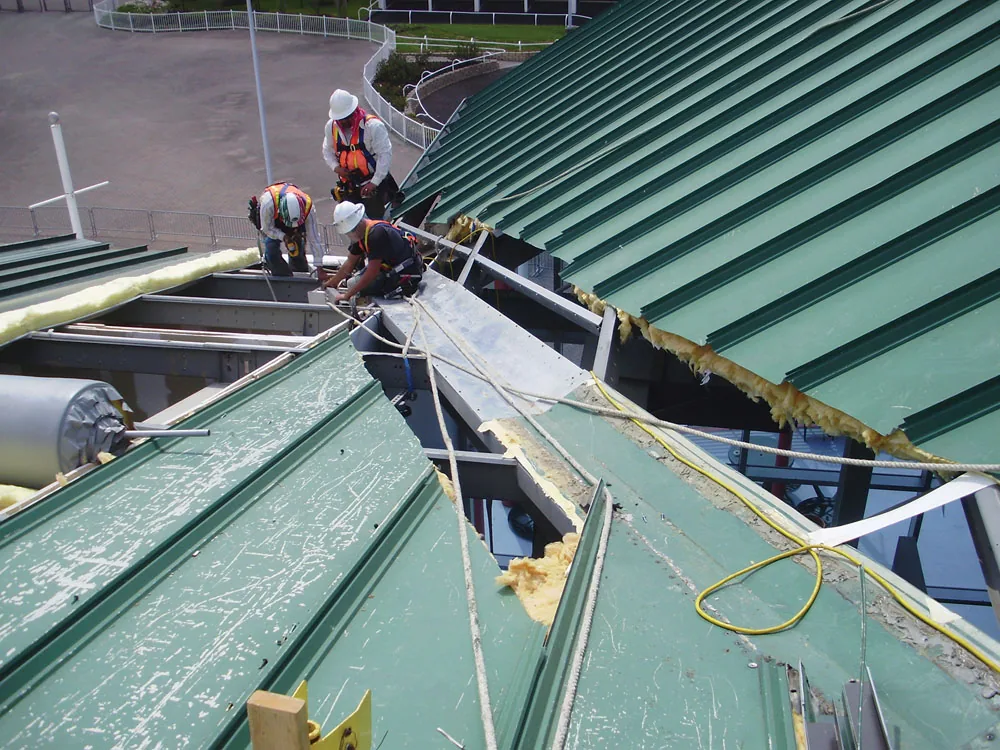
Decision: How can findings change the roof scope?
Moisture findings can change whether a local patch, recover, or full replacement fits the assembly. We compare the test results with attachment, deck, layer count, drainage, and the condition of nearby seams and curbs. A recover review uses confirmed layer and moisture information to check whether an overlay remains suitable. A replacement evaluation can price removal where wet material or a failed substrate needs access and repair.
A scan alone does not establish the repair area or structural capacity. If the deck, attachment, or loading needs engineering review, we identify that separate question. Drain elevations, scuppers, and low areas may require a drainage review before a new layer is considered. Findings at a distribution roof in Central Crossing still need to be tied to the specific building and assembly. Testing also affects the work window: the owner approves each opening, the crew protects the section, and closeout records the repair at the sample point. We state the expected interruption and return access before scheduling.
Record: What should the report show?
The deliverable includes the scan date, roof section, image legend, candidate zones, reference locations, weather conditions, access limits, and any test performed. We attach marked images to the roof plan and label test results by sample point. Each finding states what was observed, what was verified, and what remains open. A condition report can keep the thermal images with photographs, repair notes, and follow-up tasks for the facilities team.
For future comparisons, retain the same roof-zone names and note later repairs, equipment changes, and leak reports. A repeat scan should answer a defined question and use conditions that allow meaningful comparison with the earlier set. The owner can then decide whether to test another point, repair a confirmed section, or schedule a broader roof evaluation. We leave the next action tied to evidence rather than the image color alone.
Thermal images show temperature patterns; they do not establish moisture on their own. We record weather, surface materials, indoor conditions, sunlight exposure, and equipment operation that could affect the reading. Candidate zones are compared with reference areas, then checked with an approved test before they become removal quantities. If the roof was recently wet or strongly heated by sun, that context matters when interpreting a contrast. The report labels suspected areas separately from confirmed test results and marks the sample locations on the roof plan. That keeps a color boundary from being mistaken for a proven tear-off line.
Commercial Roofing Questions
Does an infrared image prove that insulation is wet?
No. The image shows surface temperature patterns that may be consistent with a condition below. We compare it with visible roof features and confirm selected areas with an approved opening or other test before defining a wet boundary.
What weather is needed for an infrared roof survey?
The surface and weather need to create a useful temperature comparison. Rain, snow, wind, cloud cover, reflective materials, and recent repair work can affect interpretation. We document conditions and reschedule when they obscure the question.
How many test openings will the survey need?
The number depends on the roof area, assembly, patterns, and decision at stake. We mark candidate zones, choose representative test points, and explain what each result confirms before opening the roof.
Can a moisture survey determine whether to replace a roof?
It can support that comparison when results are combined with attachment, deck, drainage, layer count, and the roof’s overall condition. We identify which conclusions follow from tests and which need another evaluation.
What records should I provide first?
Send roof plans, assembly details, leak history, previous repairs, and access procedures. Include recent weather or interior reports that prompted the survey so the scan can focus on a defined decision.
Related Roofing Work
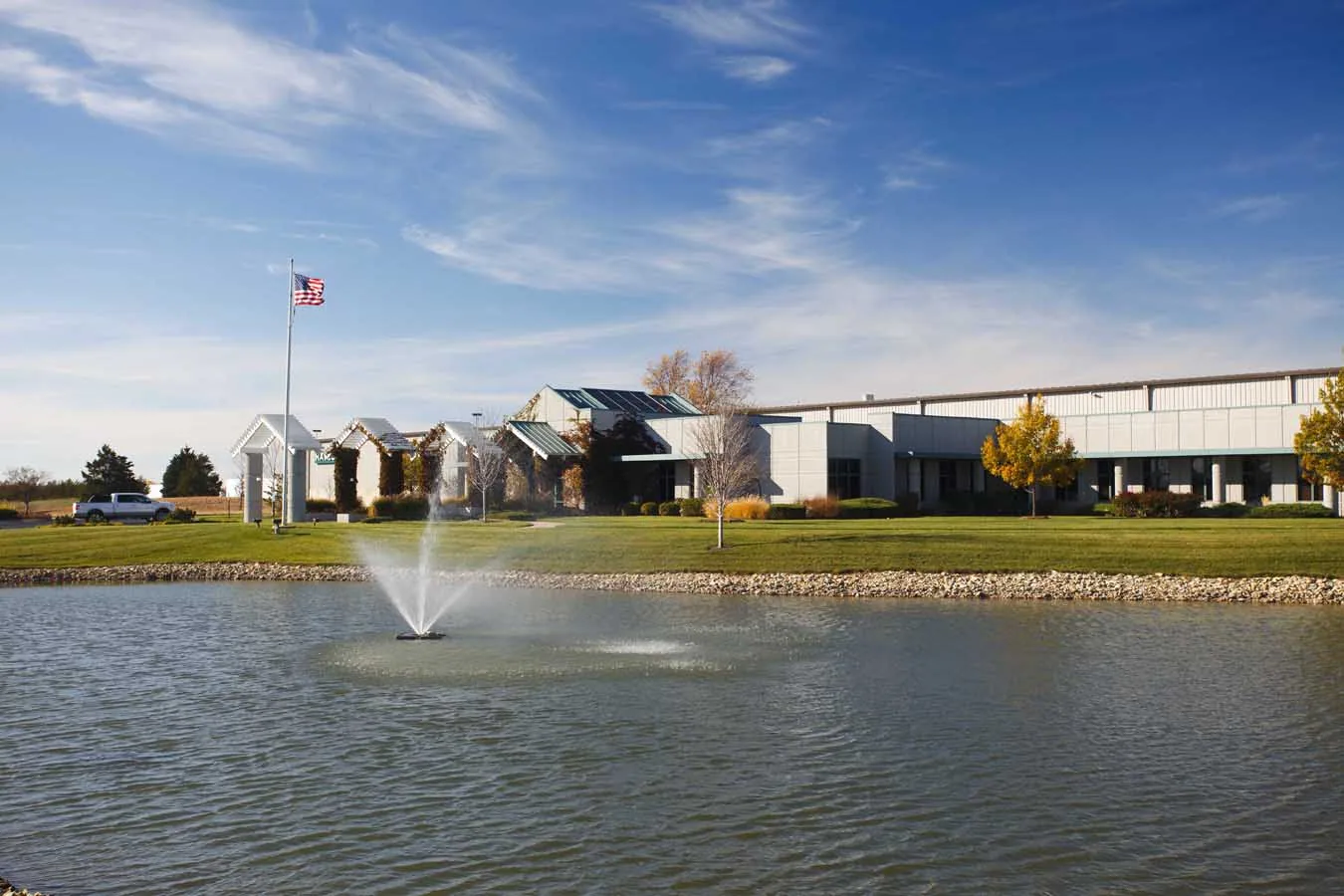
Harlan Industrial Park
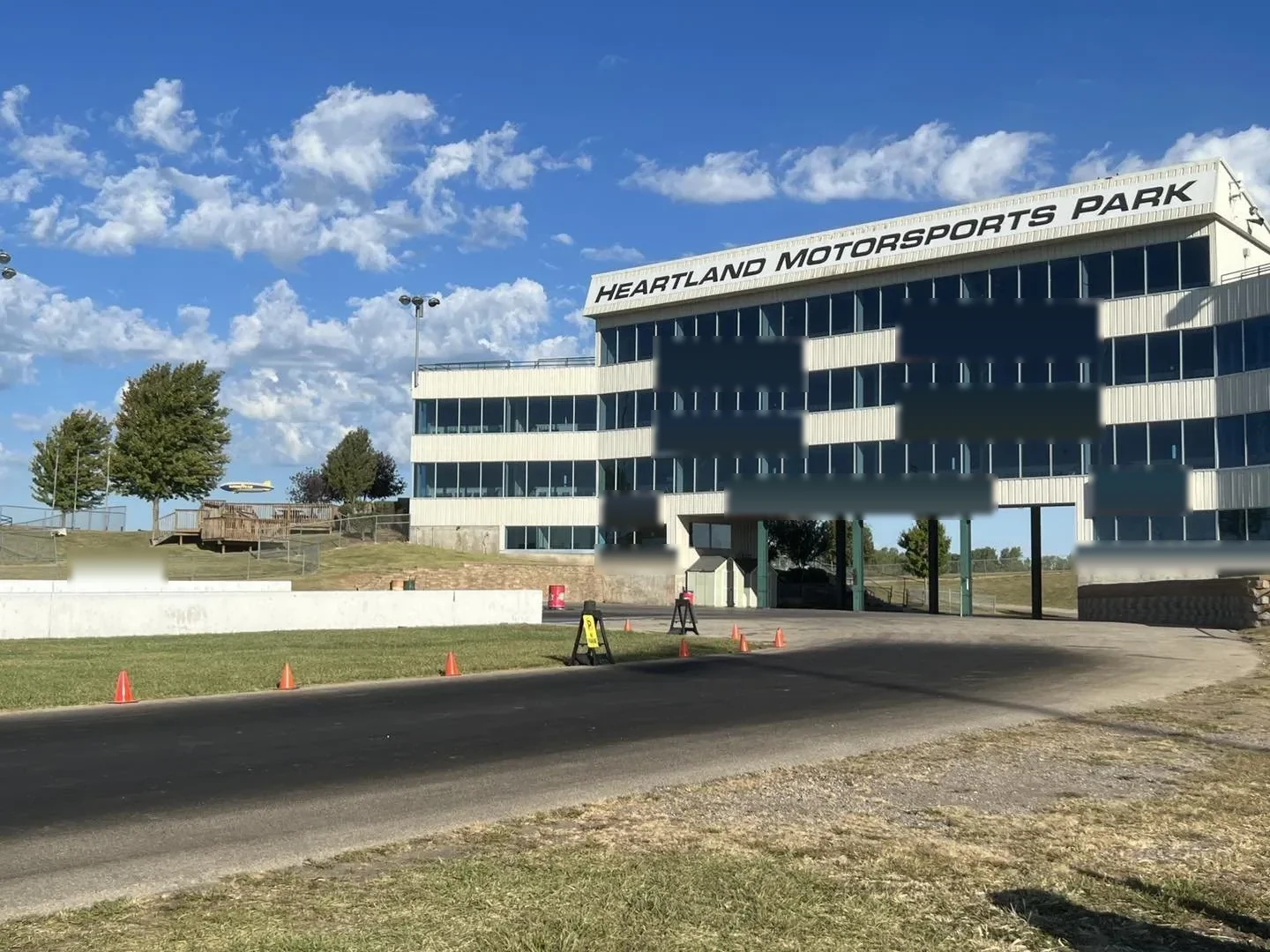
Heartland Synergy Park
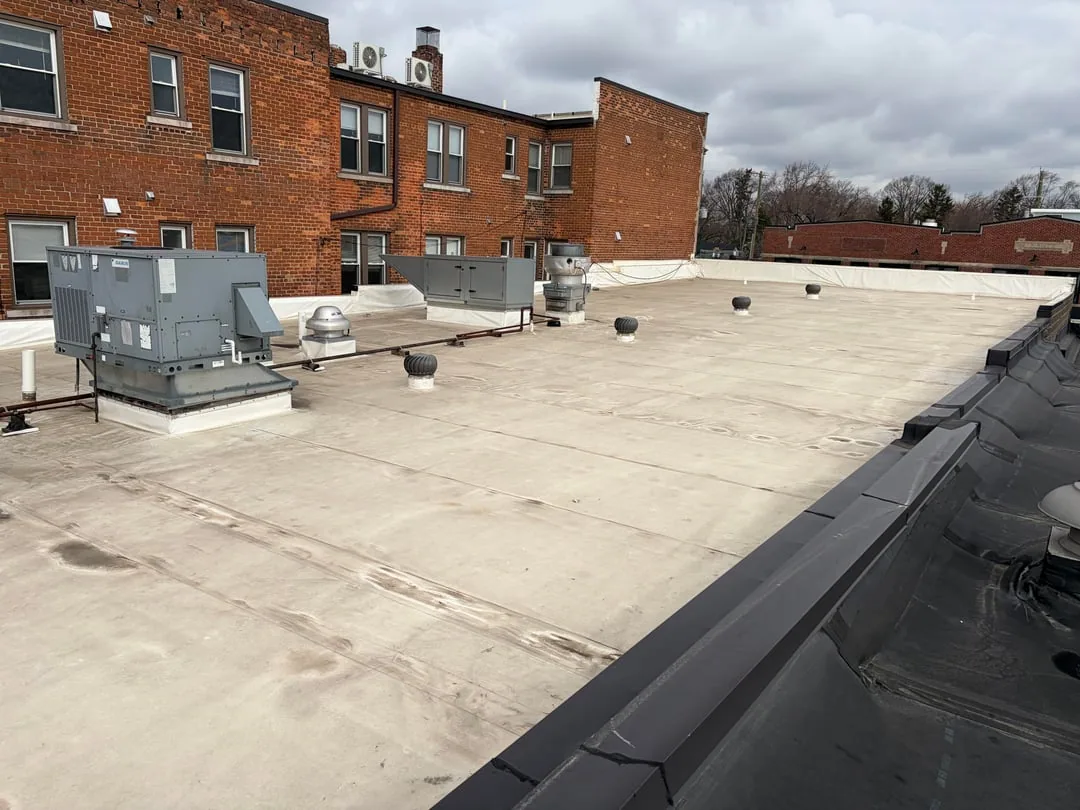
Commercial Roof Inspection
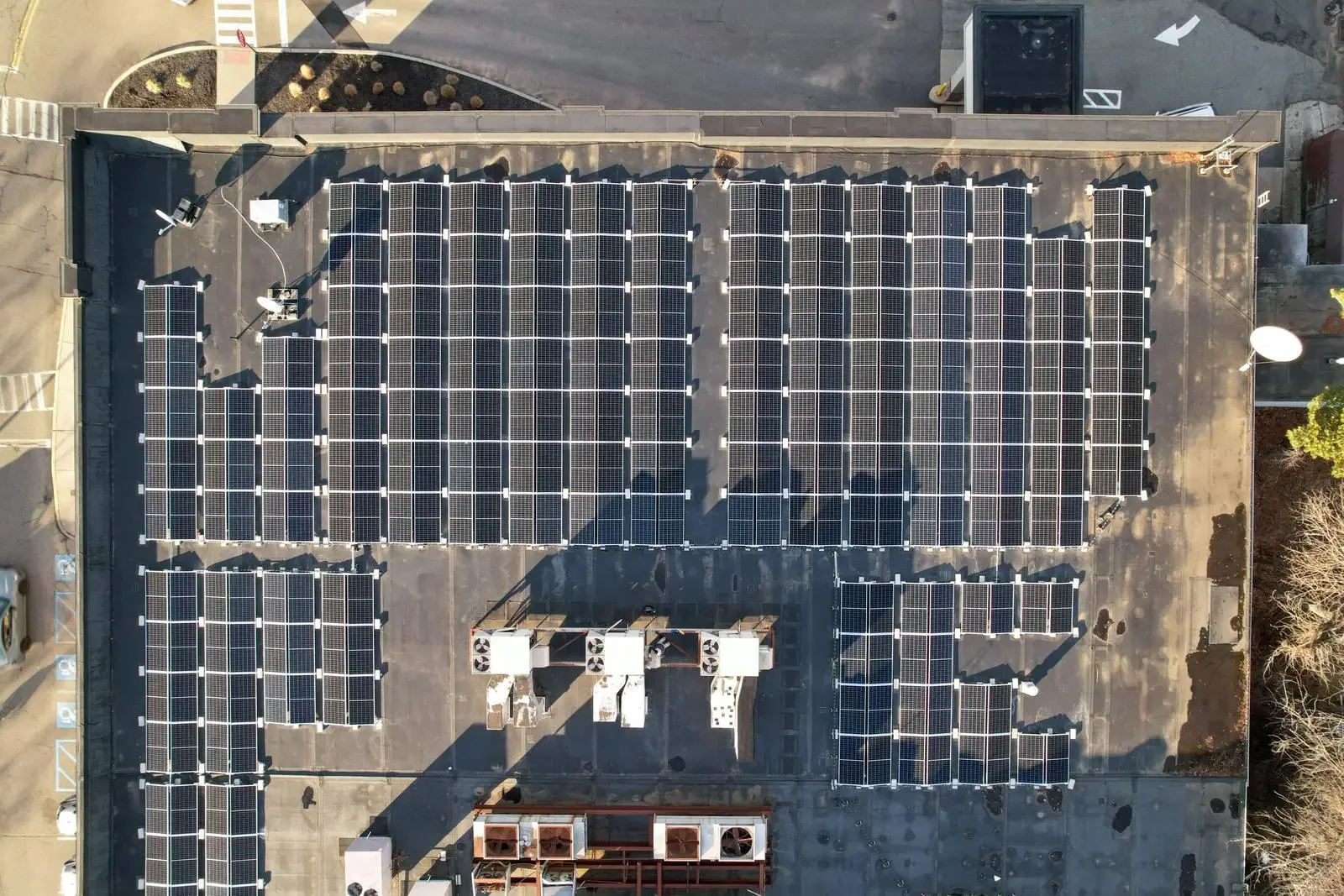
Commercial Drone Roof Inspection
Commercial Roof Recover Overlay
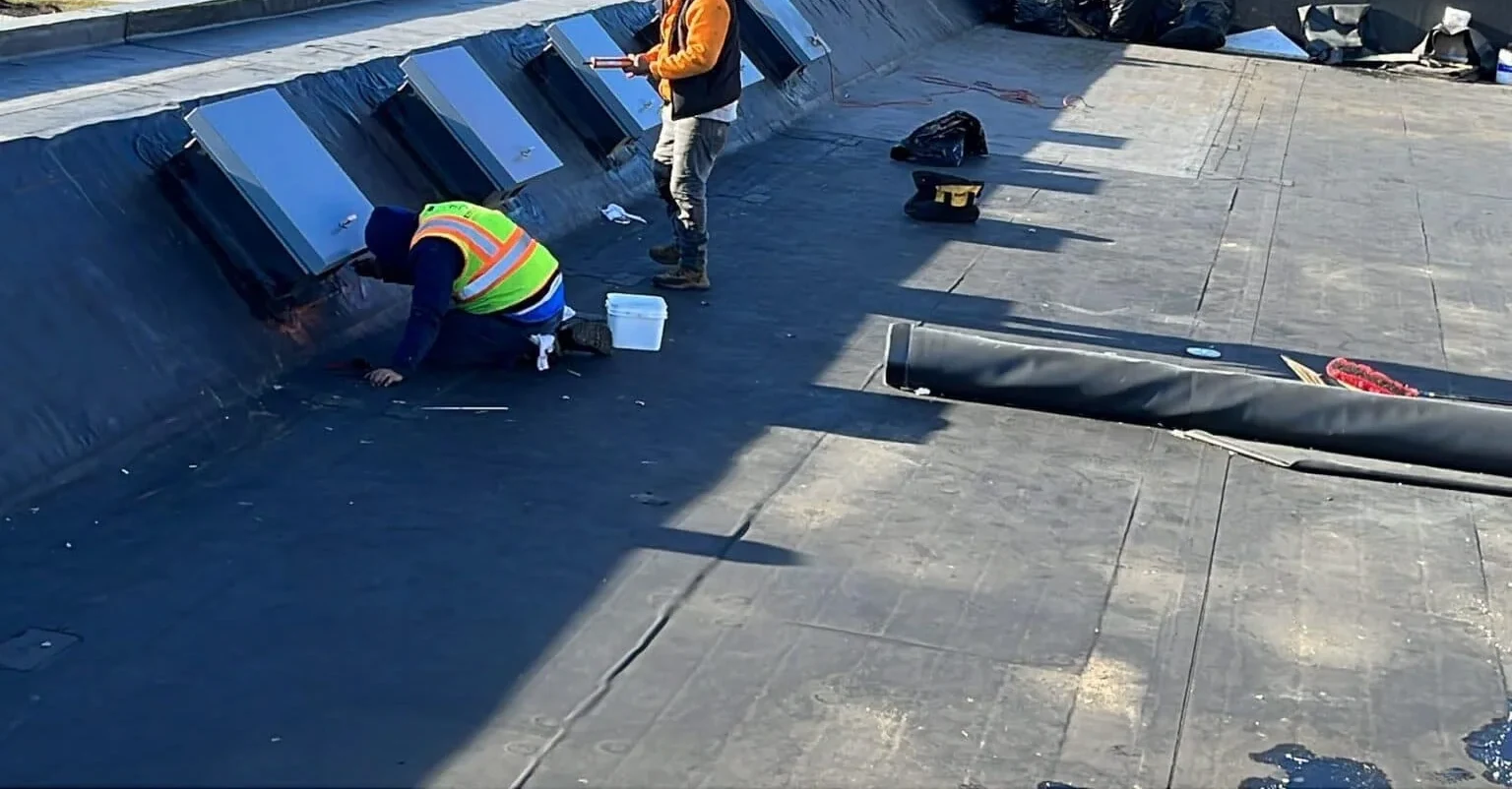
Commercial Roof Replacement
Define the moisture question
Service Area
Topeka, Auburn, Silver Lake, Carbondale, Rossville and Shawnee County, KS
Quick Contact
Email: [email protected]
Phone: 555-555-5555
Request a Roof Assessment
Send the Topeka address, roof plans, assembly information, leak history, and access contact. We will define the scan area, document conditions, and identify where testing is needed before a repair or recover decision.