
TPO Commercial Roofing in Topeka, KS
Home / Roof Systems / TPO Commercial Roofing
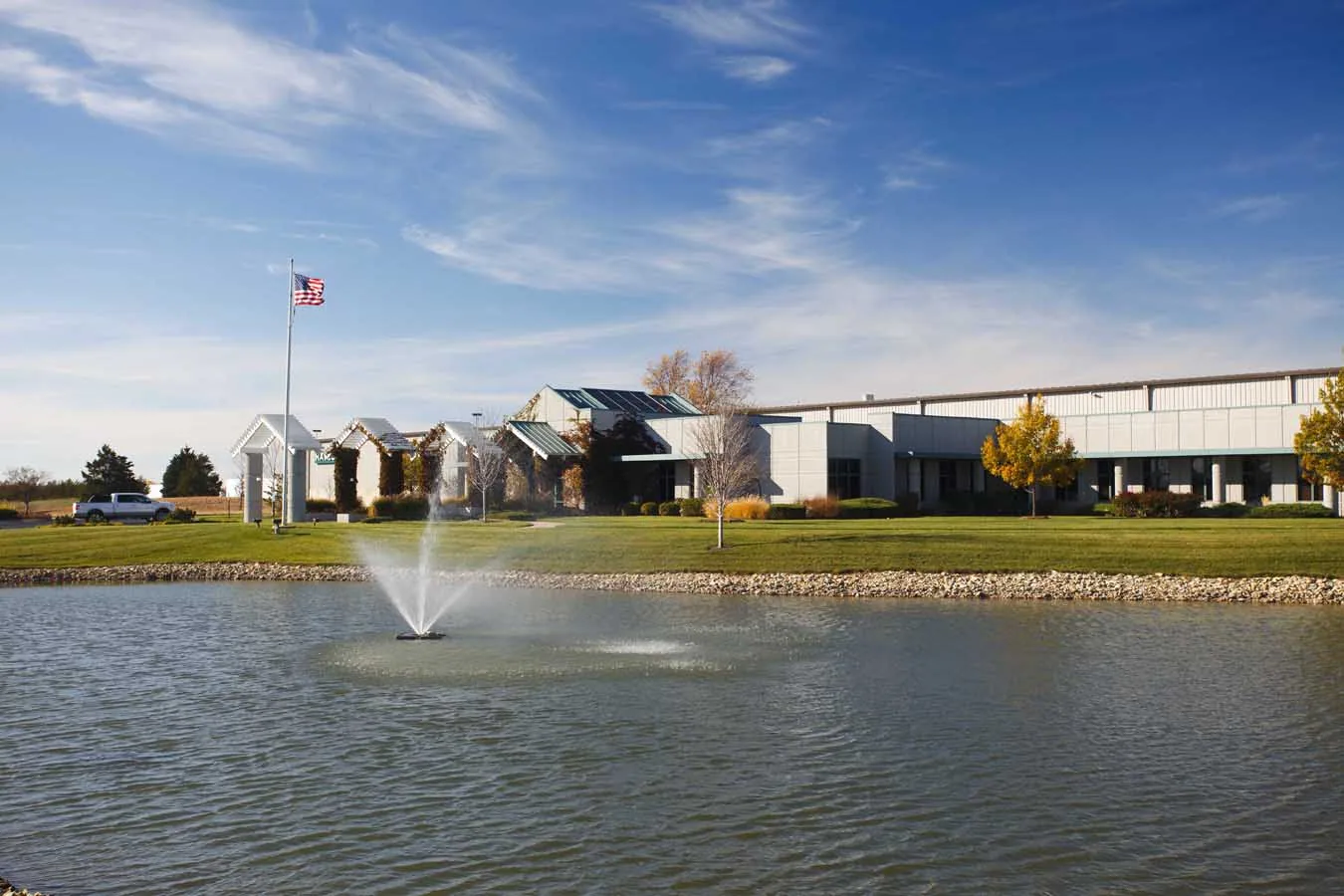
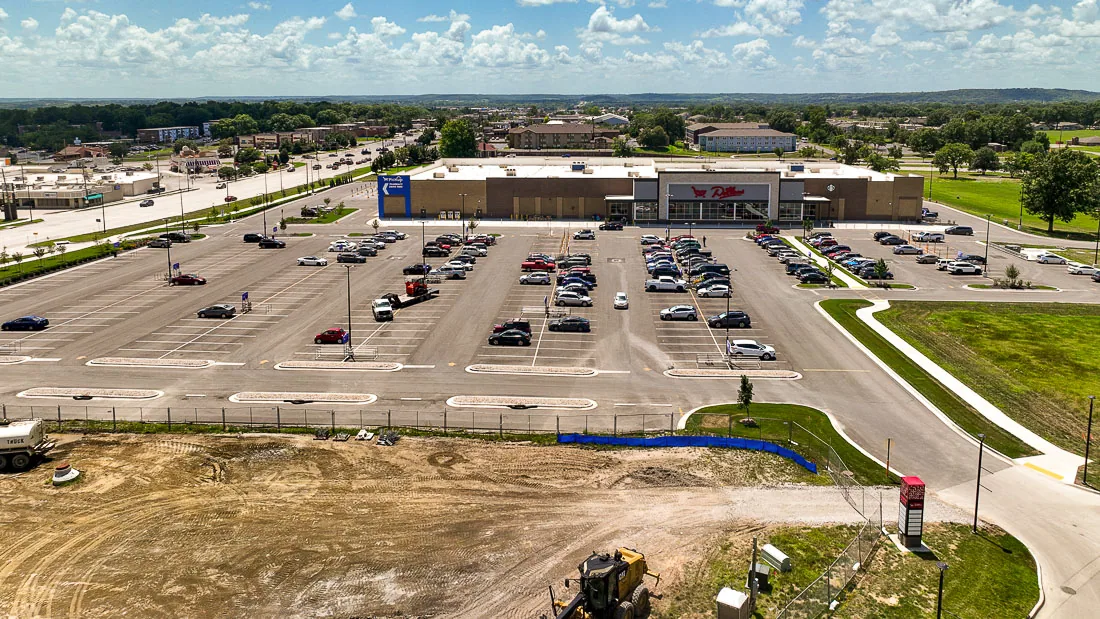
A TPO seam can look closed from the roof hatch and still need a probe or closer review at a corner. We inspect the weld, field sheet, flashing, attachment, and substrate before deciding whether the detail needs repair. Topeka has documented hail and wind events. For a roof at Harlan Industrial Park, we confirm access and staging with the building contact. At Central Crossing Commerce Park, distribution and manufacturing operations can shape staging. The installed membrane and the tested section set the work boundary.
Weld: What does the seam inspection show?
We examine laps, end joints, corners, patches, and transitions to curbs or walls. A probe checks whether a weld edge has separated; a visual review records discoloration, contamination, shrinkage, or mechanical damage. We compare the detail with the membrane’s age and prior repairs instead of assuming every open edge came from the same cause. A roof inspection can map seam conditions by zone and identify where a test or closer examination is needed.
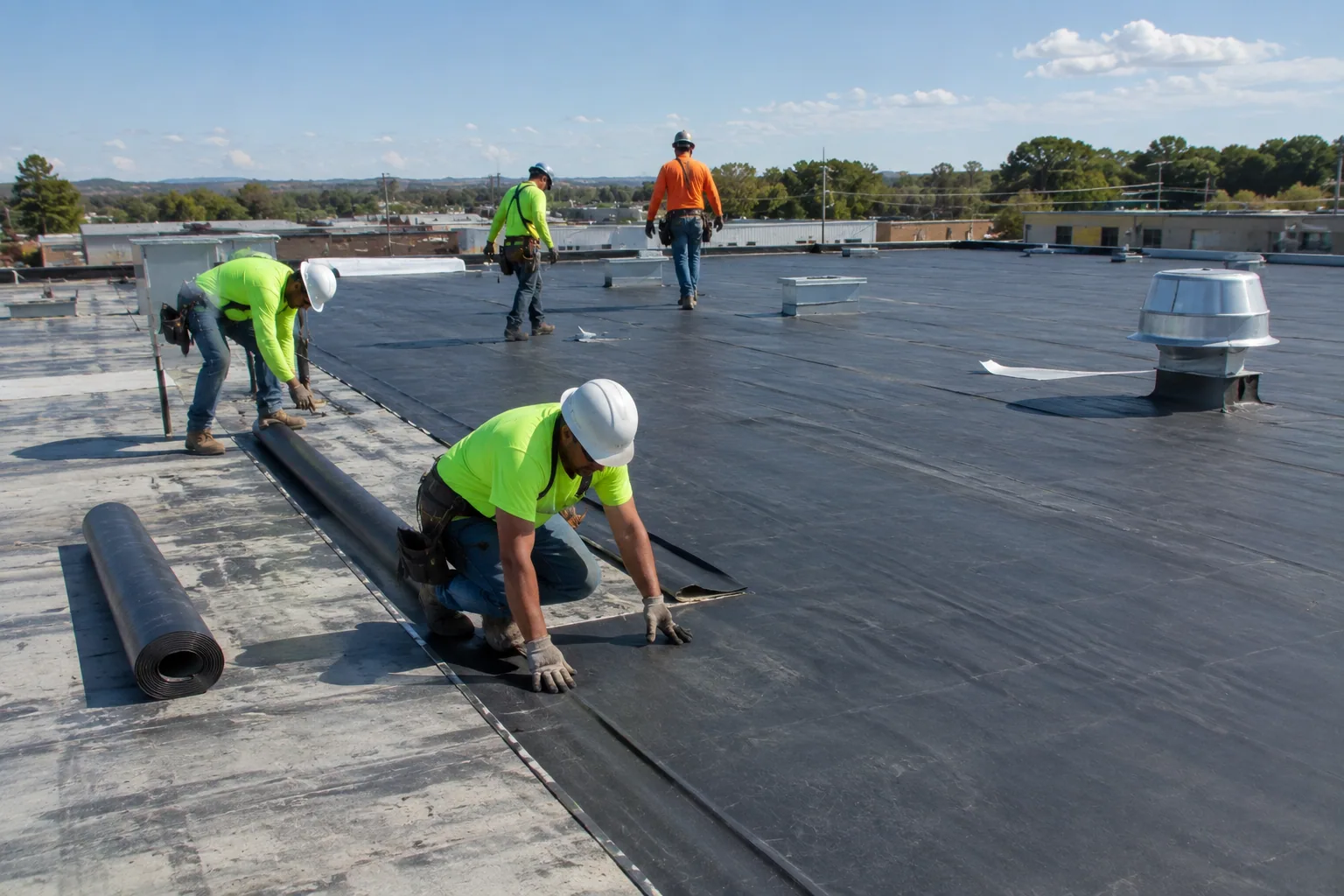
Heat-welded seams depend on clean surfaces, compatible material, and suitable installation conditions. At a repair, we prepare the existing membrane and verify the finished weld rather than covering an unprepared gap with generic sealant. If the sheet is brittle, contaminated, or too damaged to accept a patch, the estimate identifies removal to sound material. We also check repairs where membrane layers overlap around a corner, because a wrinkle or fishmouth can leave a path beneath an otherwise intact lap. The owner receives the measured repair limit, nearby conditions, and any area that remains concealed.
At a test area, a probe can reveal a loose edge, but it does not establish the condition of every foot of seam. We record the length checked, the corners and patches crossed, and whether the weld remains consistent through those details. If the surface is dirty or degraded, preparation changes before heat is applied; the tie-in must reach sheet that can accept a new weld. At corners and penetrations, the flashing piece also needs to lie without pulling the field sheet into a wrinkle. The repair record names the seam segment and end points, then includes a close view of the finished lap. A later inspector can revisit the same length rather than relying on a general note that the seam passed.
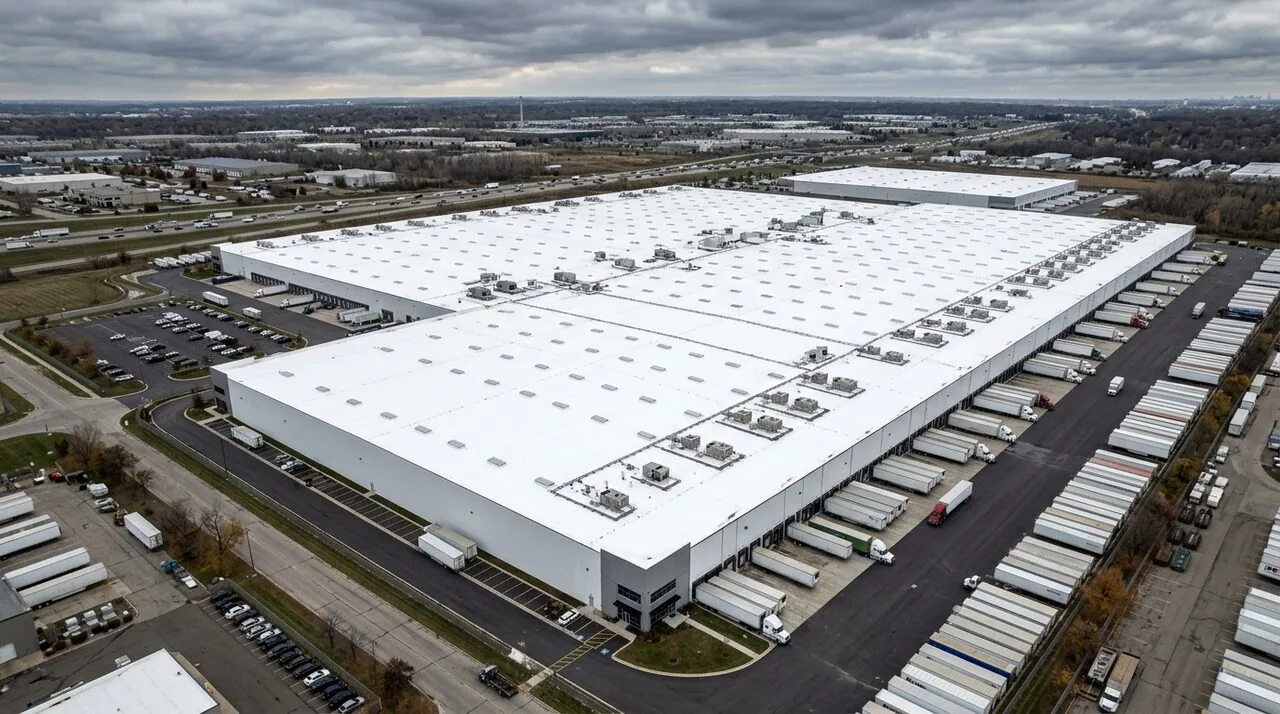
Assembly: What lies beneath the membrane?
TPO is the exposed waterproofing layer, not a complete description of the roof. Insulation, cover board, vapor control, deck, and attachment all affect performance and repair choices. We confirm which layers can be identified from records or test openings. A roof insulation review can determine whether wet material or a changed slope alters the repair boundary. We keep visual observations separate from tested conditions. Owners comparing materials may also review a PVC membrane or an EPDM assembly, each with its own seam and repair methods.
At penetrations, the membrane must turn up a curb or connect to a boot, flashing, or edge termination. We inspect the transition and nearby fasteners, then trace interior reports to the likely water path. A flashing assessment can address a failed curb or pipe detail. If the roof has several repairs, the work map identifies each location so a local patch is not mistaken for a broader membrane replacement. The field report identifies whether insulation is mechanically attached or adhered where that can be confirmed, because the attachment affects how a repair or new layer is detailed.
Weather: What should Topeka exposure change?
Topeka’s event archive documents severe hail and wind across northeast Kansas. After a reported storm, we inspect the sheet for punctures, displaced edges or flashings, and damaged seams. The archive provides regional context; an address-specific survey determines whether the membrane or detail needs repair. We record impact locations and separate observed damage from cosmetic marks.
Winter access can be limited by ice or wet surfaces, and a roof opening must be closed before weather changes. We set a stop point for repairs and identify temporary protection before removing membrane. At Washburn University, institutional operations set access rules for each building; the same principle applies to any occupied roof. We schedule the inspection around the property contact’s release and the work needed to leave the section secure.
Options: When does a repair become a larger scope?
A localized seam repair may fit when surrounding sheet, insulation, and attachment remain sound. Broadly separated welds, wet insulation, or failed attachment can support a wider evaluation. We identify the quantities established by inspection and any opening that could change them. A repair scope names preparation, compatible TPO material, weld limits, and the closeout check. Replacement remains separate when the evidence shows a larger assembly issue. Cost also reflects roof access, number of transitions, interior protection, and whether testing can be completed in the first visit. We identify those drivers before pricing broader work.
For an older but serviceable roof, a recover may be possible only after checking moisture, attachment, code limits, and added height at edges and curbs. A recover assessment compares that option with tear-off. We do not add a new membrane over a questionable substrate simply because the surface appears continuous. The owner sees the tested section, remaining unknowns, and the cost drivers before choosing the next step. If removal exposes deteriorated deck or wet insulation beyond the marked zone, we pause and return with a measured change for approval.
Closeout: What belongs in the TPO record?
We document membrane type where confirmed, seam and flashing locations, repairs completed, test results, roof-zone photos, and any area that was not opened. The record identifies the repair boundary and materials used, plus the detail checked before closeout. We note where access prevented a close view and what would need to be inspected next. That leaves maintenance staff a practical route for reviewing the tested sections and conditions held open.
After rooftop equipment work, check that new fasteners or service cuts did not damage the sheet. Keep dates and locations for leak calls so a recurring symptom can be compared with earlier seam photos. At an industrial park site such as Heartland Synergy Park, access and delivery routes depend on the property, not merely the park name. We record the building identifier and contact alongside the TPO condition so a later crew can reach the same section.
Commercial Roofing Questions
How can I tell if a TPO seam is open?
We inspect the lap and use a probe where appropriate, then photograph the seam with roof-zone context. The closeout distinguishes a confirmed separation from a visual irregularity that still needs testing.
Can a damaged TPO sheet be patched?
A patch can work when the surrounding membrane is sound and suitable for preparation and welding. We check for moisture, contamination, brittle material, and attachment concerns before setting the patch boundary.
Does hail automatically require TPO replacement?
No. We inspect the actual roof for punctures, impact, seam damage, and interior evidence. The report separates observed roof conditions from regional weather context and older wear.
Can a TPO roof be recovered instead of removed?
That option requires review of moisture, attachment, deck, height, drainage, and project requirements. We test where results could change the choice and keep quantities for repair and recover separate.
What should be in a TPO repair closeout?
Keep photos, seam or flashing locations, materials, preparation, test results, and remaining limits. We identify the tested section and any follow-up needed after weather or mechanical work. Note the date and roof zone for future comparison.
Related Roofing Work
Harlan Industrial Park
Central Crossing Commerce Park
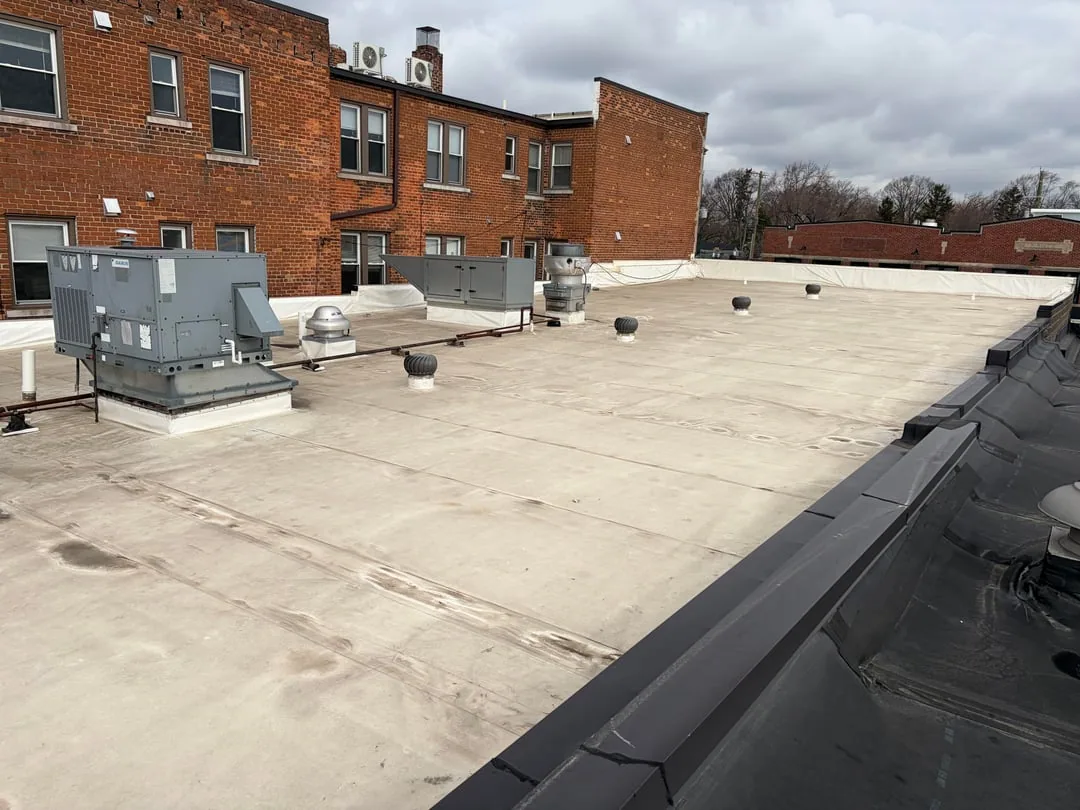
Commercial Roof Inspection
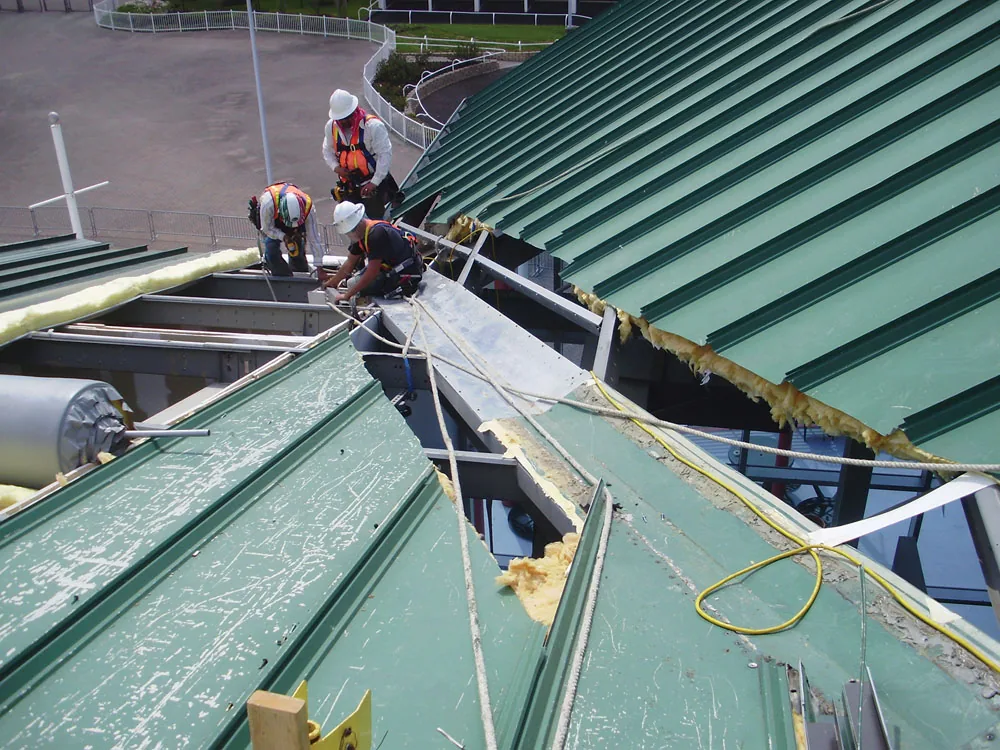
Commercial Roof Insulation and Cover Board
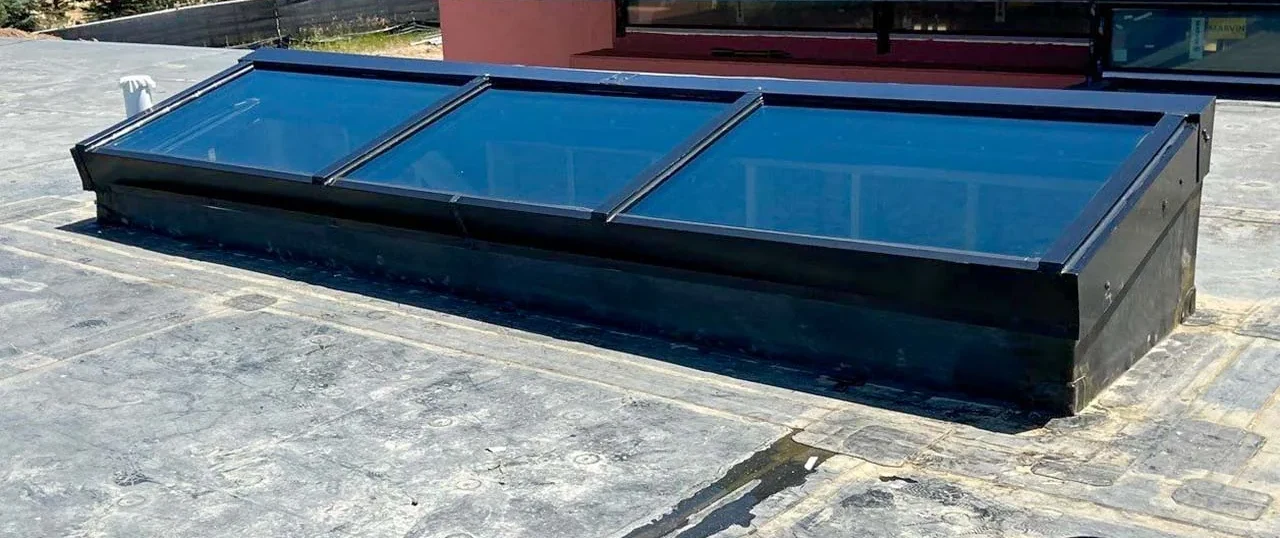
Commercial Skylight and Penetration Flashing
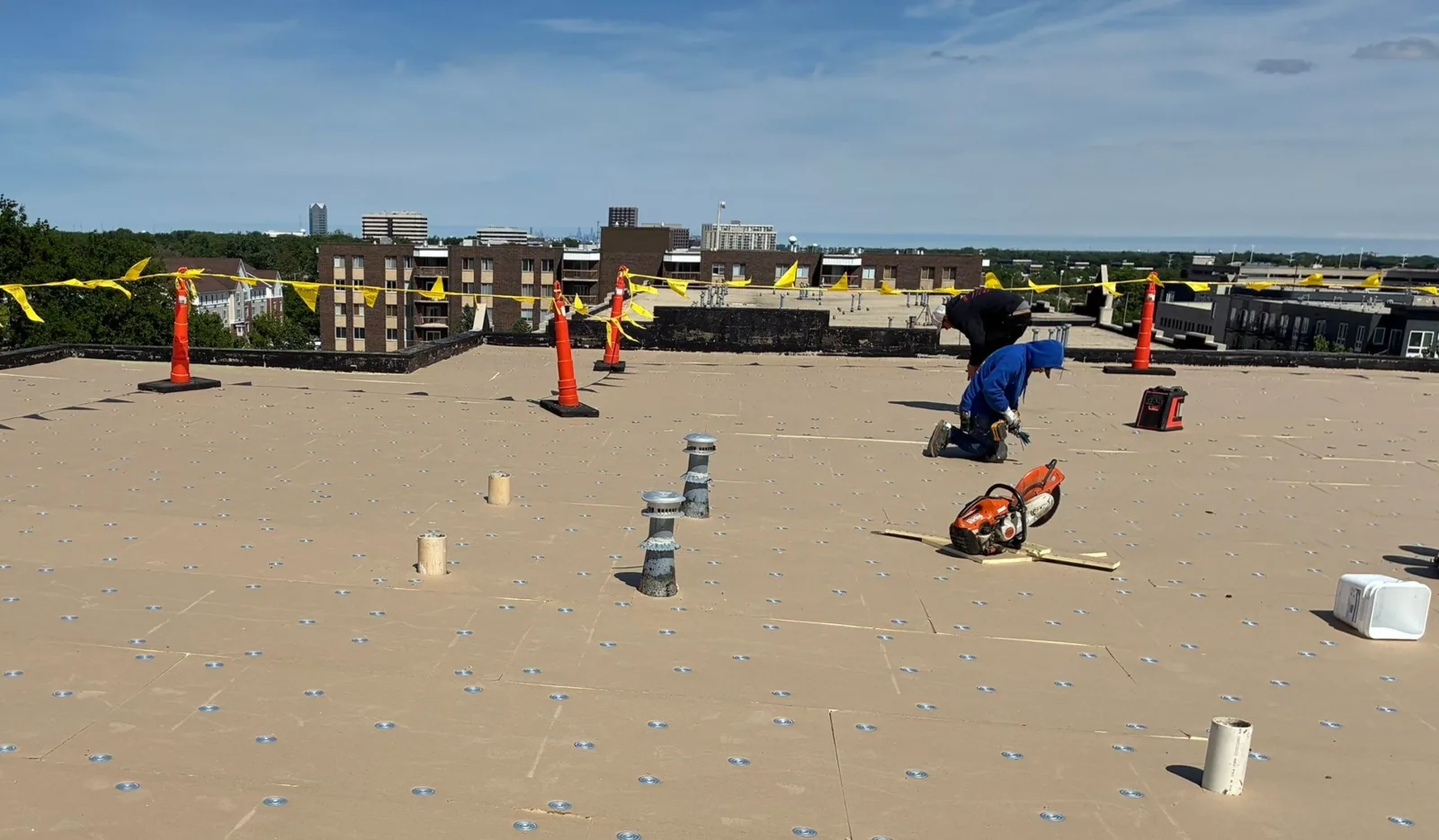
Commercial Roof Repair
Inspect the TPO assembly
Service Area
Topeka, Auburn, Silver Lake, Carbondale, Rossville and Shawnee County, KS
Quick Contact
Email: [email protected]
Phone: 555-555-5555
Request a Roof Assessment
Send the Topeka address, roof plan, membrane or leak history, access contact, and prior repair records. We will inspect seams, flashings, and tested sections, then define the repair or replacement decision.