
Commercial Roofing for Real Estate Investors in Topeka, KS
Home / Industries We Serve / Real Estate Investors
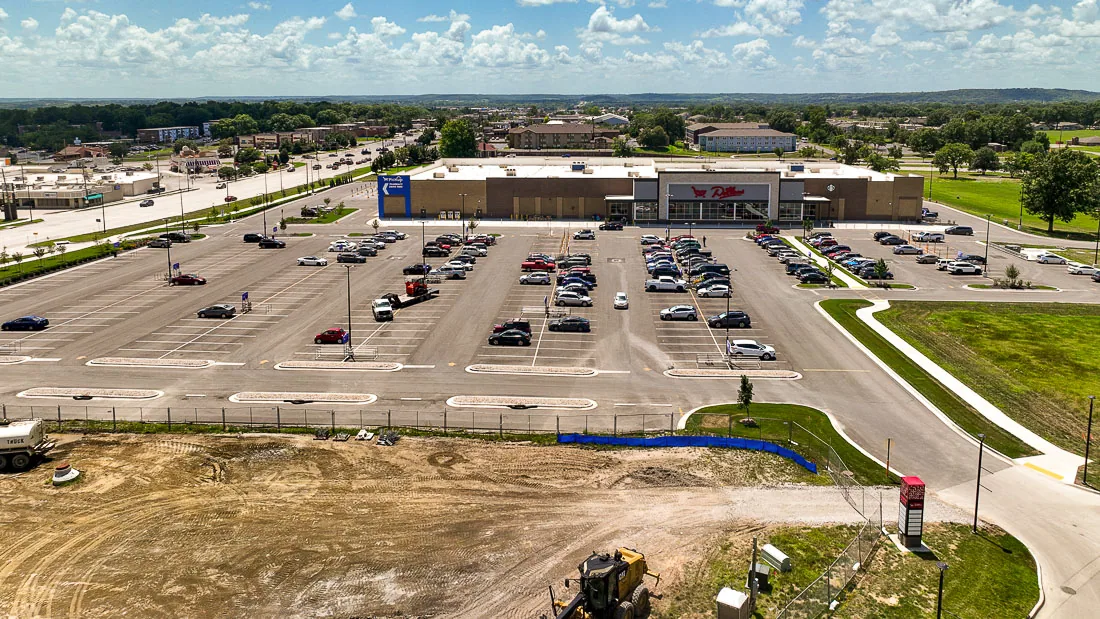
A roof line in an acquisition model needs a test boundary and an access limit behind it. We inspect the assembly, photograph the conditions, and state what was opened or left untested. Topeka’s Central Crossing Commerce Park is a 500-acre light-industrial setting with rail access and distribution and manufacturing occupants. The local asset mix makes roof due diligence relevant, while each building’s condition still comes from its own inspection.
Acquisition: What should diligence establish?
A visual walk alone cannot confirm wet insulation, deck condition, or the extent of a failing seam. We match the roof plan to field zones, record visible defects, and identify locations where infrared or a test opening may change the estimate. A roof due-diligence survey separates confirmed conditions from assumptions that need access or testing.
Buyers should see which areas were inspected, which were blocked by equipment, and which questions remain open. We record membrane type, drainage, flashings, roof traffic, and visible prior repairs. If a test opening shows wet material, its dimensions belong in the report. A seller’s maintenance history helps set context, but it does not replace present measurements.
The Central Crossing Commerce Park connects road, rail, utilities, and airport access for industrial tenants. For an investor reviewing a property in that setting, loading and operating hours can affect inspection access and repair staging. The site contact confirms those controls; the park description does not establish an individual roof’s assembly or condition.
Reserves: What belongs in the near-term forecast?
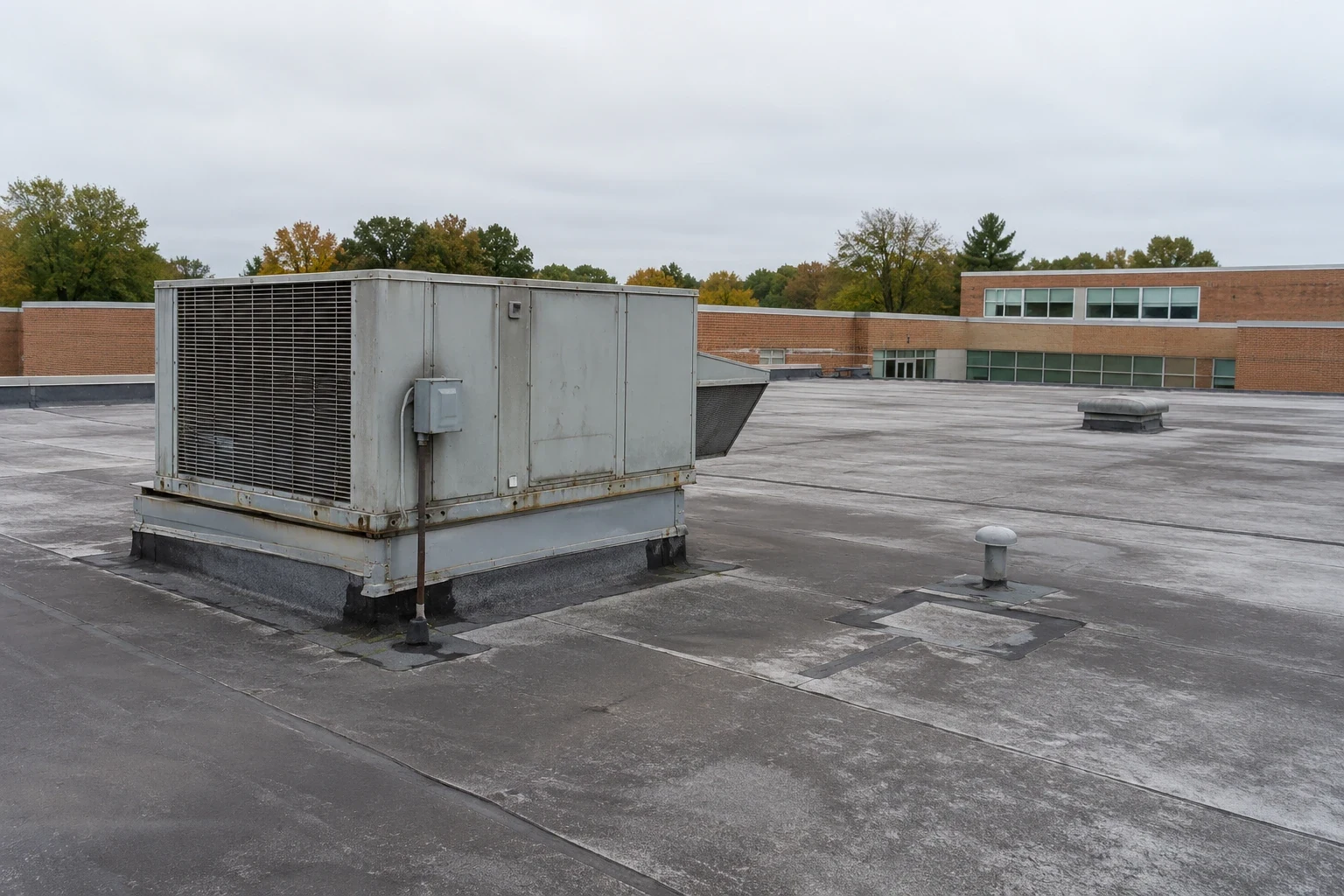
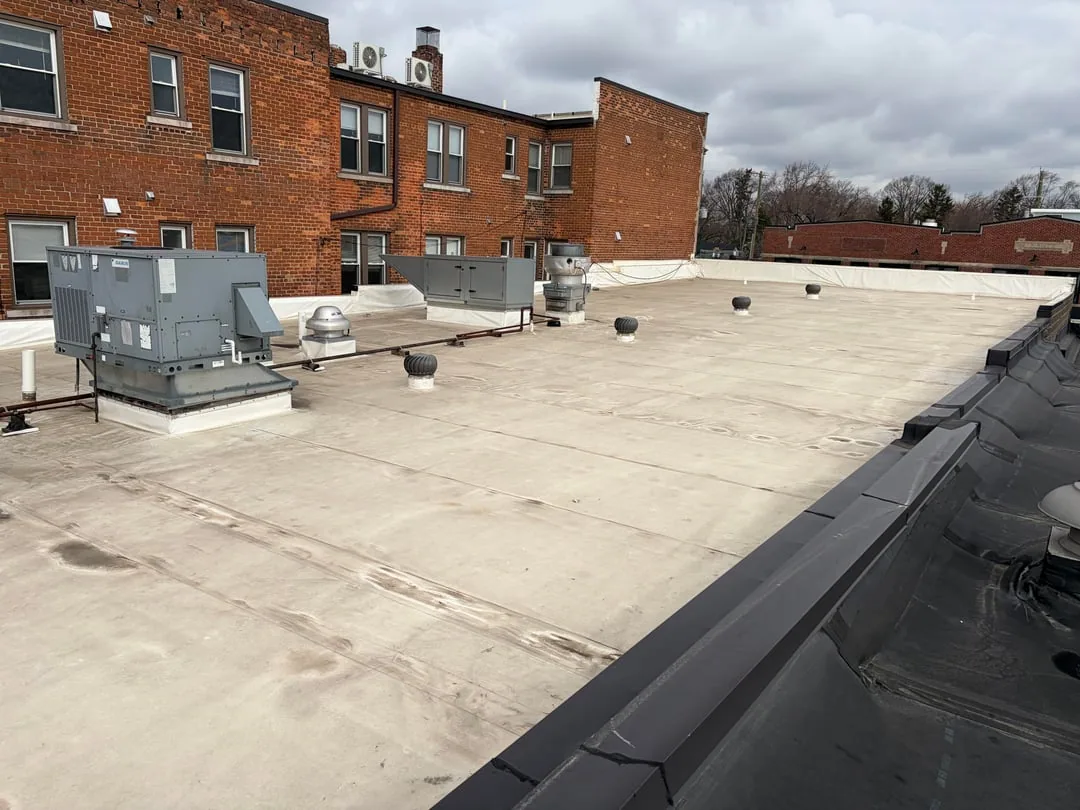
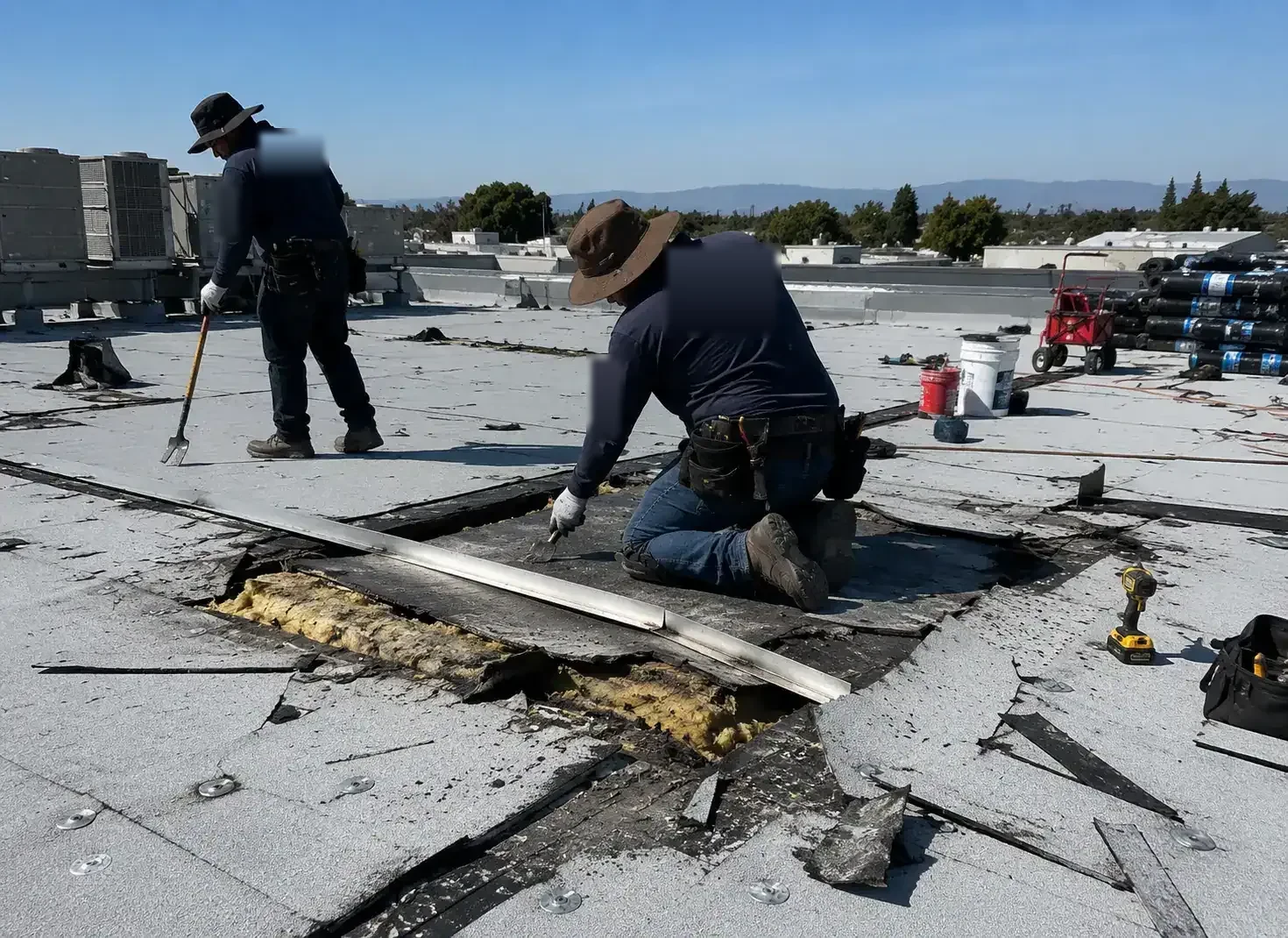
A reserve estimate should separate active leaks, maintenance items, and capital work. We list measured repair areas, access constraints, and any testing required before the quantity is final. The commercial roof inspection provides dated photographs and a roof-zone map for future comparison. A maintenance visit then records drain condition, sealant, edge metal, and changes since the baseline.
The annual precipitation normal for Topeka is roughly 36.5 inches; warm-season storms and winter events both matter to roof upkeep. Roof drains, scuppers, low spots, and wall transitions deserve seasonal checks. We note whether the outlet cleared and whether water remained. Those observations help distinguish a drain cleanout from a slope or membrane issue before the next capital estimate is assembled.
Following hail or wind reported at an asset, inspection records should include event date, roof zones reached, photographs, and any area not safely accessible. A regional archive supports timing, not a property claim. The property’s own roof evidence determines whether there is a repair item or a scheduled observation.
A reserve forecast should separate known corrective work from assumptions about remaining service. For each asset, record the roof system, area reviewed, condition date, tests completed, access limits, and next inspection trigger. Show which quantities come from measured field conditions and which remain allowances. If an acquisition model carries a replacement number, identify how the estimate was measured and whether tear-off, drainage, perimeter details, and interior protection are included. Keep the recover and repair alternatives visible until their test requirements are resolved. This makes a portfolio forecast comparable across assets without presenting one roof’s findings as another property’s condition.
Risk: How is the repair boundary defended?
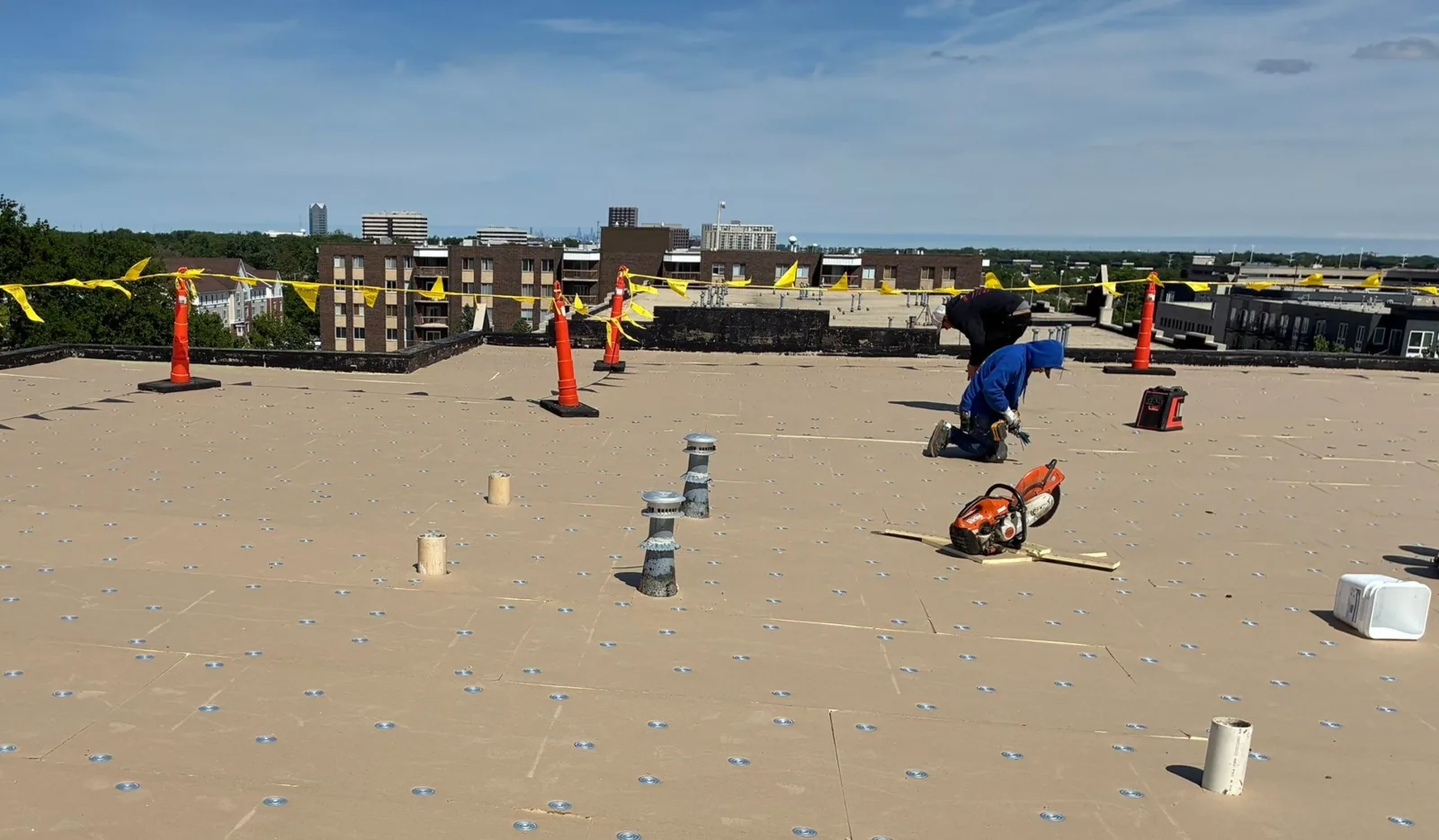
A leak visible in one tenant space may follow a seam or parapet from another roof zone. We track the interior report to the likely source and measure the tested area. The repair scope states preparation, material, dimensions, and what triggers added removal. That makes the cost basis reviewable before concealed conditions change the order.
If removal exposes wet insulation beyond the agreed limit, we secure the opening and submit photos and measurements. The owner can approve the addition, request more testing, or defer the work to a later access period. We keep base scope and concealed-condition quantity separate. That record supports an investment decision without presenting an unknown as a fixed repair cost.
Emergency roof response is available around the clock, including weekends and holidays. We coordinate entry, protect the affected area, and record temporary mitigation. The lasting repair is priced after the roof detail and compatibility are confirmed. A response log should not be treated as a completed capital project.
Capital: How should alternatives be compared?
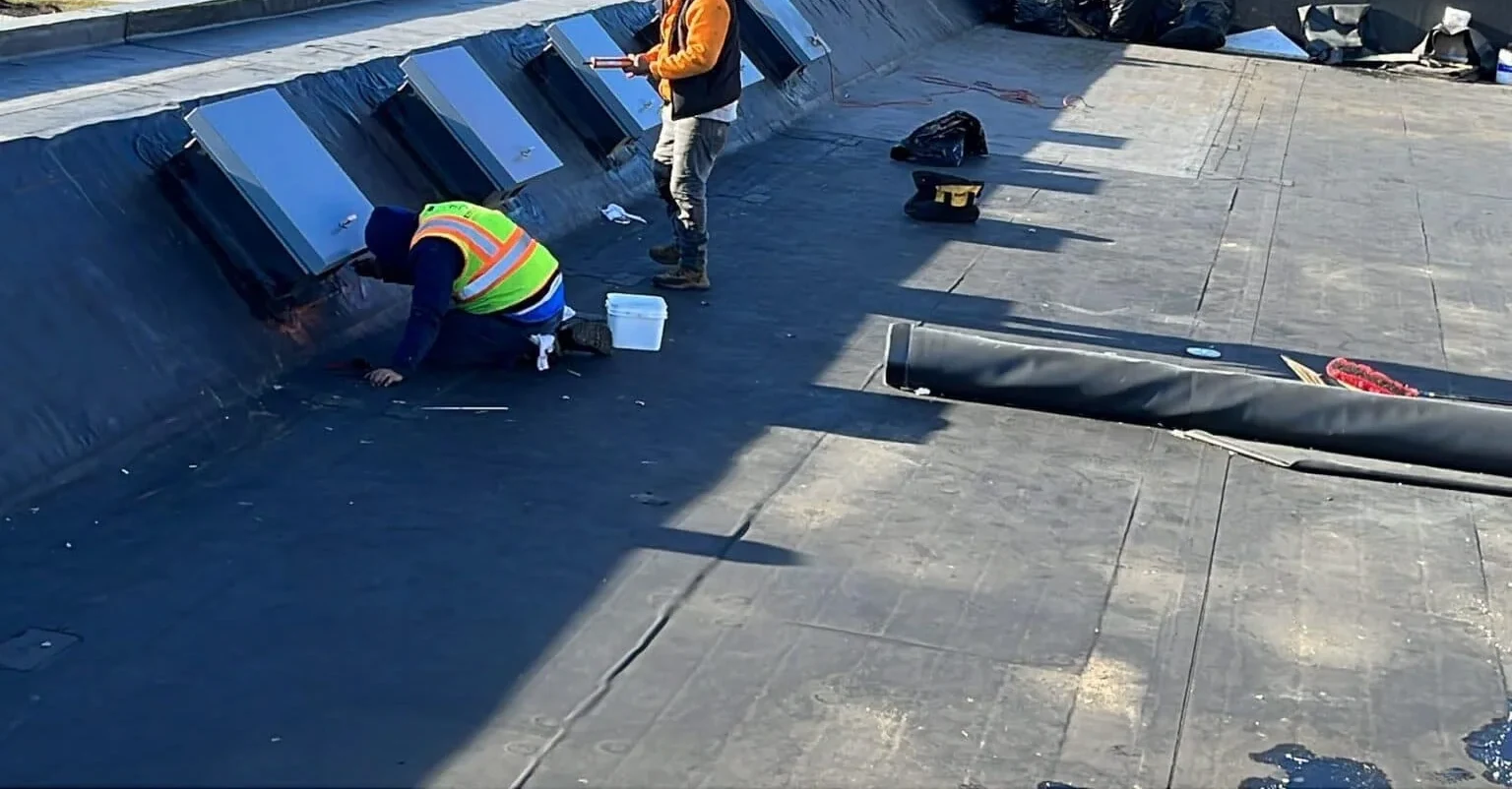
When several zones fail, moisture appears in separate openings, or edge details repeatedly need work, the owner can compare repair with recover or tear-off. A replacement assessment lists the assembly, deck, drainage, access, and testing assumptions for each alternative. Roof height, tenant protection, insulation removal, and staging influence duration and cost.
Acquisition access is not always equal across a roof. A locked mechanical area, tenant equipment, or lease restriction may prevent a full walk. We list the zone reached, the section deferred, and the step needed to verify it later. If a budget uses an assumed repair quantity, we identify the condition that would change it. That keeps the underwriting note connected to an inspectable field question.
Topeka’s River to Rail District is one of nine downtown planning areas and includes redevelopment context near the BNSF corridor. An investor in a downtown asset may face a different staging plan than an owner at Central Crossing. We identify each property’s access route, curb restrictions, tenant notice, and work hours rather than carrying one budget assumption between assets.
A property management program can keep site records aligned, while an insurance restoration file documents a separate event-related scope. Each record should preserve the owner’s chosen alternative, deferred work, and any condition that must be checked before the next budget cycle.
Report: Which limits should stay visible?
Keep the roof map, test locations, moisture readings, photos, repair quantities, material notes, and areas not reached. Record when the report was prepared and what access was provided. Any estimate that depends on a future opening should say so in plain terms.
Before ownership changes, keep the inspection date and source of each repair record. A vendor invoice may show work completed but not the roof area opened or the insulation found beneath it. We can use the invoice as history, then test the current condition if the next decision depends on that detail. The report should identify both the received record and the present observation.
For a later asset review, compare the same roof zones, not just the bottom-line amount. A new leak or roof alteration can change a prior forecast. We label the affected section and update measurements so the investor can separate completed repairs from remaining exposure.
Send the Topeka address, acquisition timeline, roof plan, operating contact, and prior inspection file. We will identify tested areas, open questions, near-term repairs, and capital alternatives.
Commercial Roofing Questions
Can a roof report separate confirmed repairs from forecast items?
Yes. We list observed defects, tested moisture, untested sections, and work that would require further opening. The owner can see which quantities are measured and which remain allowances.
What roof information is useful before closing on a property?
Roof assembly, dated photos, moisture-test locations, leak history, repair records, and access limits help define current exposure. We note any area that could not be surveyed.
Can you estimate roof reserves across a Topeka portfolio?
We can organize findings by address and condition category. Each building receives its own measured quantity, maintenance needs, access assumptions, and capital options.
What happens if a test opening finds wet insulation?
We protect the opening and record the exposed dimensions. The owner approves added removal or another test before the repair boundary changes.
When is replacement worth comparing with repeated repairs?
Several failing zones, wet material confirmed at separate tests, or recurring edge work can justify the comparison. The report ties each alternative to roof evidence and staging.
Related Roofing Work
Commercial Roof Due Diligence Surveys
Commercial Roof Inspection
Commercial Roof Maintenance
Central Crossing Commerce Park
Commercial Roof Repair
Commercial Roof Replacement
Review a Topeka roof before the next capital decision
Service Area
Topeka, Auburn, Silver Lake, Carbondale, Rossville and Shawnee County, KS
Quick Contact
Email: [email protected]
Phone: 555-555-5555
Request a Roof Assessment
Send the property address, acquisition or budget timeline, roof plan, tenant contact, and prior inspection records. We will map tested conditions and open diligence items.