
Cold Storage Roofing in Topeka, KS
Home / Property Types We Roof / Cold Storage Roofing
Condensation near a freezer ceiling can come from the roof, a transition, or the building’s temperature boundary. We check the reported area against vapor control, insulation, penetrations, and the membrane before assigning a repair. Topeka’s airport business-center roster includes ice distribution, and local food production includes Mars Wrigley’s food-grade manufacturing facility. Those uses make temperature-sensitive operations part of the market context, not a claim about a specific roof. We document the tested zone and coordinate access with the actual facility contact.
Envelope: Where can cold-storage roofs lose control?
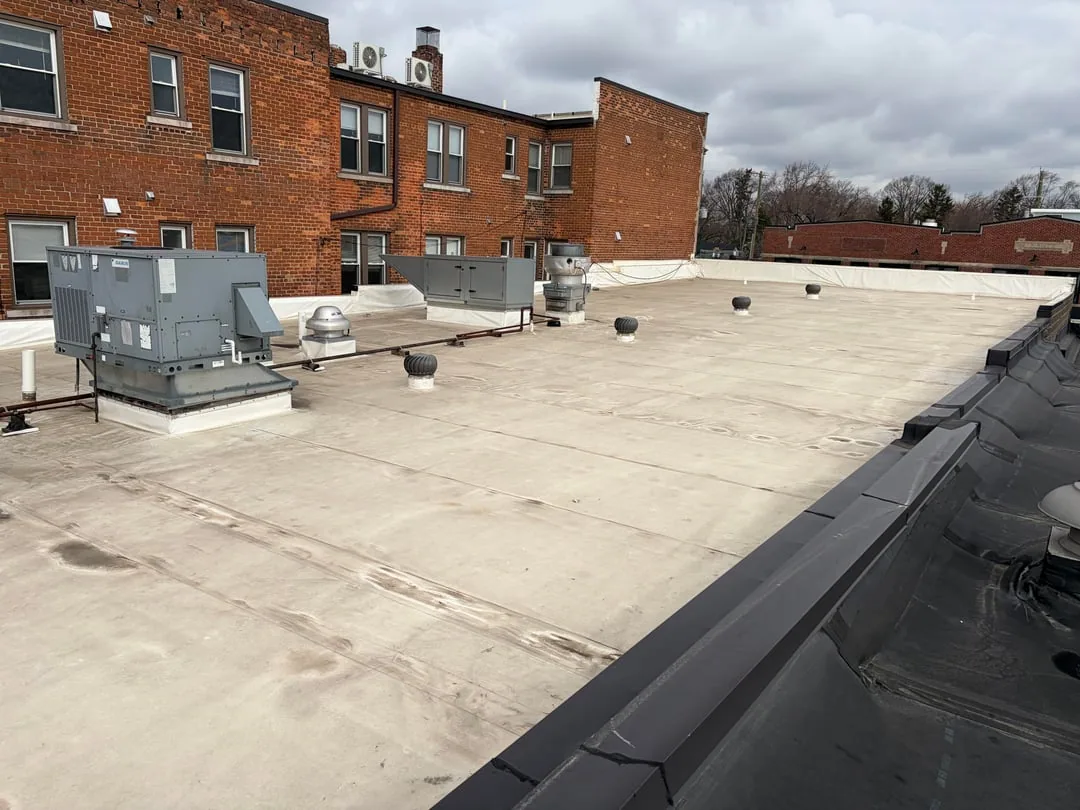
A refrigerated building depends on a continuous roof and wall assembly to limit heat and moisture movement. We inspect insulation continuity, vapor retarder transitions, deck joints, wall bases, and penetrations around refrigeration equipment. A commercial roof inspection can map surface damage and details by roof zone. Drawings and previous repair records help identify the intended assembly, but field conditions must be checked before selecting materials.
When warm, humid air reaches a colder layer, condensation can form inside the assembly. A ceiling stain alone does not show whether the source is roof leakage, a vapor-control gap, or equipment condensate. We record temperature conditions provided by the facility, the exact interior location, and the nearby roof detail. If the evidence points below the membrane, the scope identifies a test opening or building-science review rather than treating surface coating as the answer.
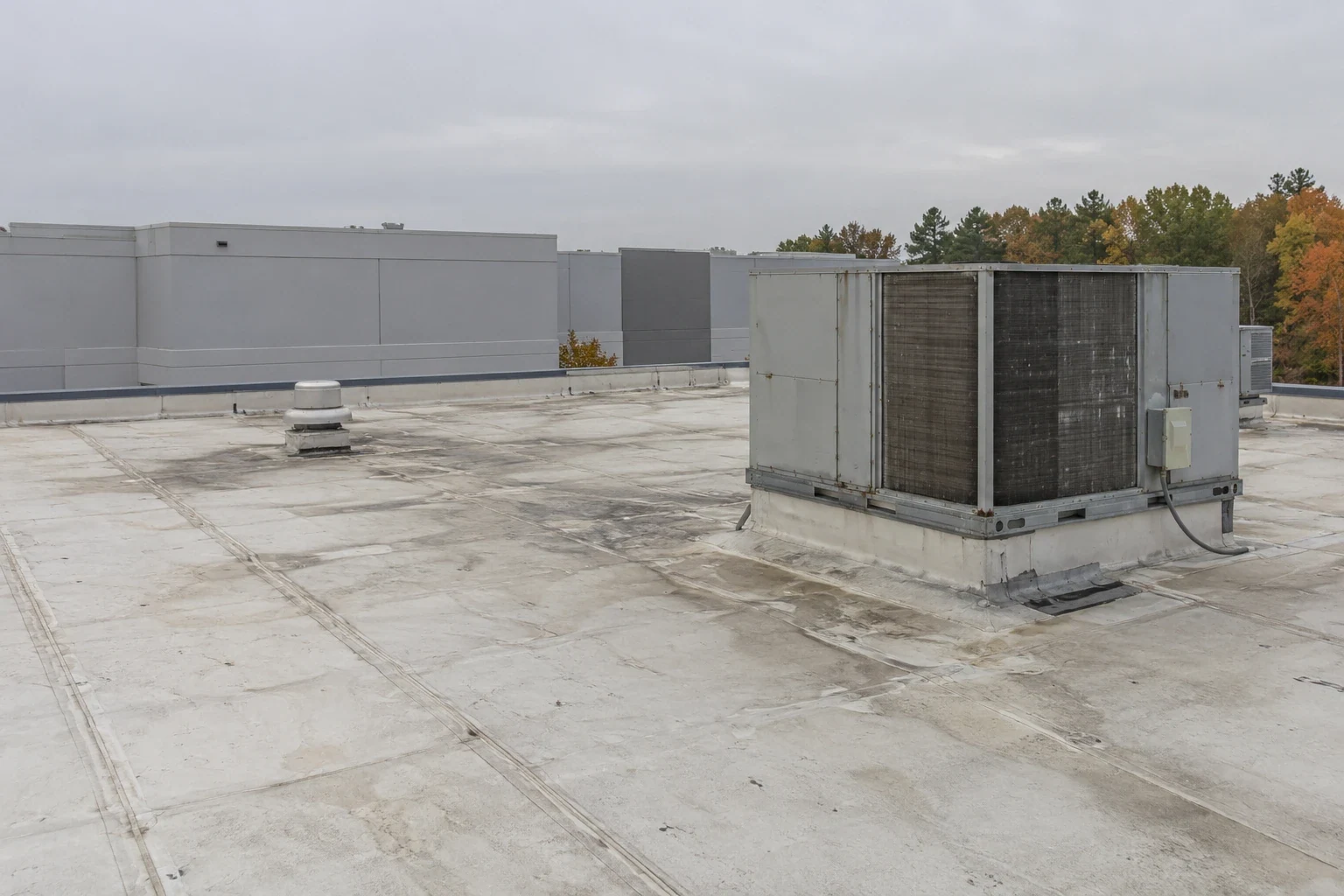
Door openings, freezer vestibules, roof curbs, exhausts, and piping can interrupt the thermal and vapor boundary. We inspect flashing, seal continuity, insulation at the transition, and whether service work changed the detail. The repair plan identifies any mechanical trade needed to move or isolate equipment. A roof scope should not claim to correct refrigeration performance unless that work is included and assigned.
Moisture: How do we distinguish a leak from condensation?
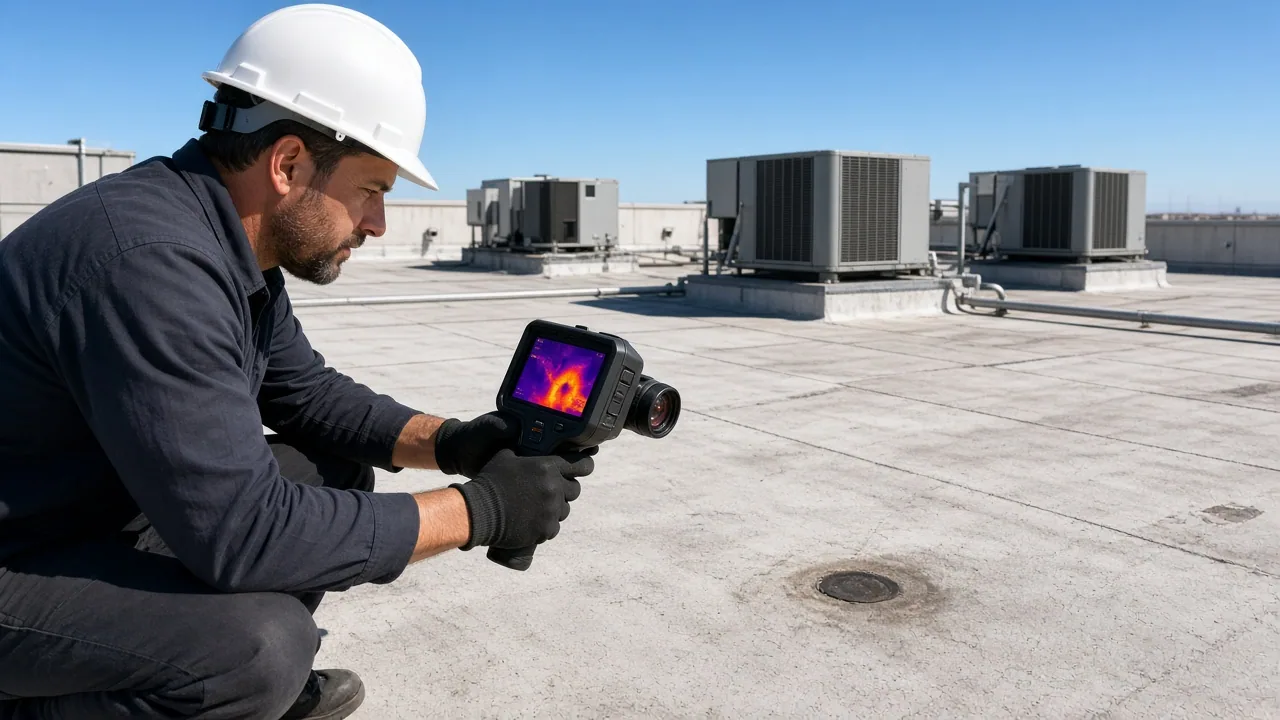
We compare the timing of the symptom with production cycles, defrost periods, weather, and roof details. The facility team can identify when doors opened, equipment was serviced, or a temperature alarm appeared. We then inspect drains, seams, wall transitions, and penetrations above the reported area. An infrared moisture survey may locate suspect roof zones, but cold-storage conditions can require direct confirmation before removal limits are set.
Topeka has documented severe hail and wind events. After a reported storm, we check membrane, metal edges, flashings, and rooftop equipment for impact or displacement at the property. We connect each observed condition to the reported leak and distinguish storm impact from condensation or maintenance issues before setting a repair scope.
Moisture testing should be planned to avoid leaving a freezer envelope open. We agree on test locations, temporary protection, work duration, and who authorizes the opening. The crew records each layer observed and closes the test point using an approved compatible detail. If a roof area was frozen, unsafe, or inaccessible, the report marks it for return rather than guessing from indirect readings.
Access: How can roofing avoid disrupting temperature control?
Before work, the property contact sets roof release, refrigeration controls, safety orientation, escort, and the permitted work window. We map material delivery, staging, and any route that crosses active receiving or freezer areas. A phased reroof plan states how each opened section will be tied off and protected before the next shift. The sequence also identifies who can approve a shutdown or equipment isolation.
Cold rooms can remain operational during some exterior repairs, but the building controls decide which areas are safe to access. We confirm interior protection, alarms, food-safety procedures, and limits on dust or odor that the facility actually requires. No roofing work should interrupt a refrigeration system without explicit coordination. If access depends on a defrost cycle or service window, the plan states that dependency before the crew arrives.
An after-hours water call can reach the on-call crew, including during holiday periods. We first confirm safe access and protect the affected cold-room area. The incident record separates that temporary step from the permanent roof repair, which can be scheduled when the facility releases a controlled work window.
Repair: What details need a measured fix?
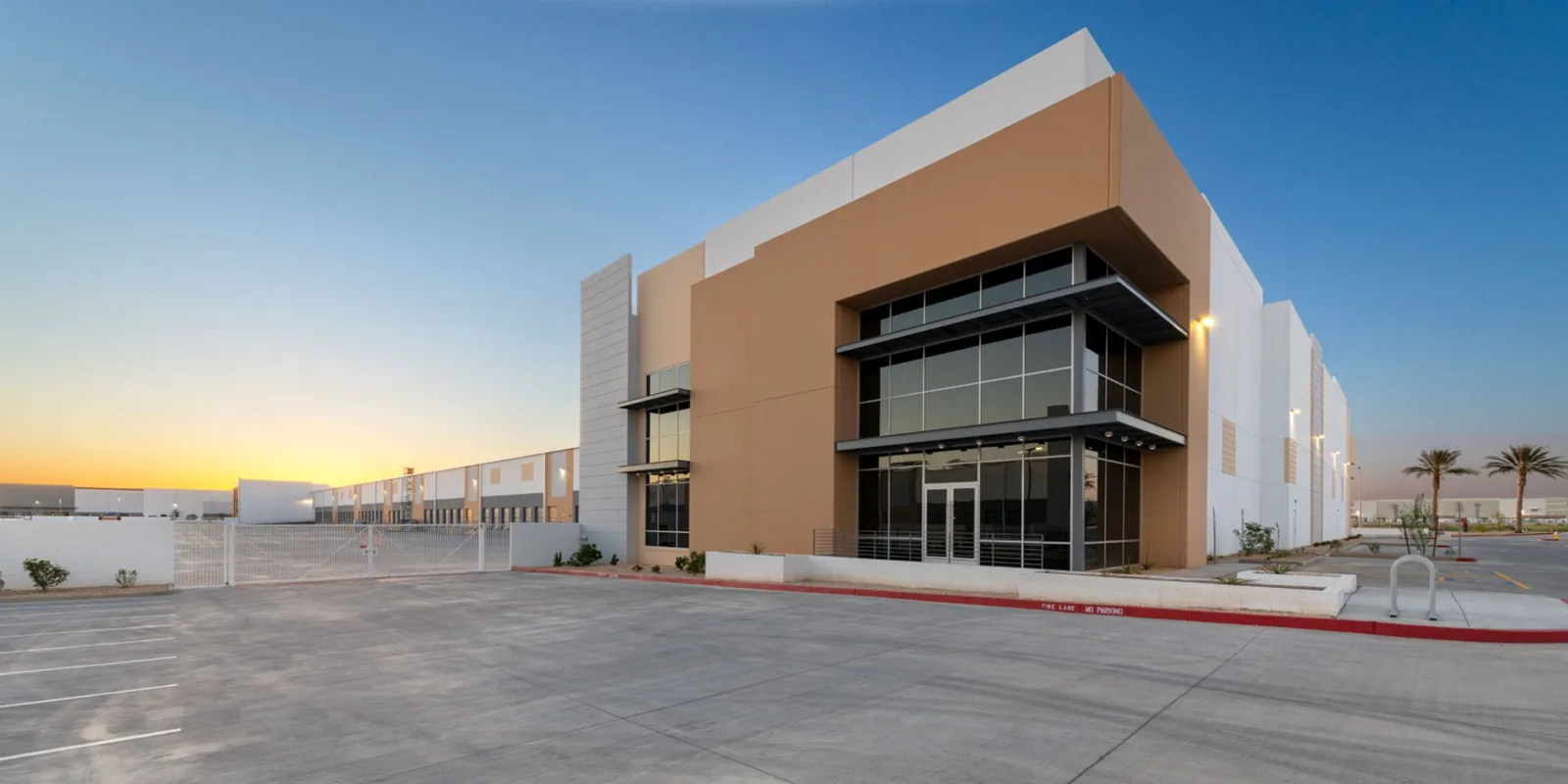
Open seams, punctures, failed flashing, or damaged insulation may require different repair details. We identify the membrane or panel system, prepare the surface, and define a repair boundary that can be inspected at closeout. A commercial roof repair scope lists materials, test locations, interior safeguards, and the point where hidden damage requires an owner decision.
At a refrigeration curb or pipe penetration, the membrane must connect to a stable, compatible transition. We inspect corners, counterflashing, sealant, and insulation continuity around the opening. If equipment vibration or service movement has stressed the detail, we record it and identify whether another trade must correct the support. A patch over an unaddressed moving joint can fail again.
Wet insulation should be mapped and confirmed before quantities are expanded. We measure the tested section, identify what layers were removed, and document how the thermal and vapor transitions are restored. If concealed moisture extends beyond the allowed area, work pauses for an owner decision. This keeps an urgent local repair separate from a broader envelope project.
System: What belongs in a replacement review?
Widespread wet insulation, recurring condensation at several transitions, or repeated membrane failures may support a wider assembly review. A roof insulation review can address layer condition and thickness where records or tests allow. A replacement assessment then compares removal, vapor control, insulation, attachment, penetrations, and phased operations.
A cold-storage roof can be compared with a manufacturing-plant roof or warehouse roof plan, but refrigeration changes the envelope requirements. TPO, PVC, or another roof system must be selected against temperature, vapor control, structural, fire, wind, and project criteria. We identify design questions for the qualified professional rather than treating a membrane choice as a complete thermal solution.
Cost and schedule depend on test results, insulation extent, equipment access, food-safety controls, temporary protection, and how much space can be released. We show confirmed quantities and allowances separately. If removal reveals deck damage or a different layer sequence, the owner receives the evidence and revised work quantity before the crew proceeds.
Handoff: What should the cold-storage record show?
Keep the roof map, interior symptom log, test locations, temperature or operating conditions supplied by the facility, photographs, and repair details together. The closeout identifies areas opened, insulation replaced, transitions restored, and any section that remains untested. Record who released the roof and which refrigeration or food-safety controls governed access.
Topeka Regional Airport’s business-center roster includes ice distribution alongside freight, trucking, and other industrial tenants. Harlan Industrial Park is also designated for light-industrial development near I-70 and the airport. Those local facts describe uses in the market; a specific facility still sets its own temperature, access, and operating rules. We confirm those requirements before scheduling inspection or repair.
For recurring condensation, compare the symptom with equipment service, door use, weather, and the repair map. A later stain may have a different source from the prior roof leak. The record helps the maintenance team decide whether to inspect a membrane seam, a thermal transition, or an equipment connection next.
Commercial Roofing Questions
How can I tell roof leakage from freezer condensation?
Timing, operating conditions, and the location of the moisture help narrow the cause. We inspect the roof and thermal transitions, then test where results affect the repair boundary.
Can a cold-storage roof be repaired while the freezer runs?
Often, if the facility releases a safe exterior zone and controls are coordinated. We confirm refrigeration, food-safety, access, and interior-protection requirements first.
What if wet insulation is found?
We map and measure the tested material, restore the opening, and pause at the approved limit. Additional removal is priced for an owner decision.
Can you respond to a freezer roof leak at night?
Yes. The duty crew can be reached outside normal shifts, including holiday periods. We coordinate entry with the facility contact, protect the affected space, and record the lasting repair as a separate scope.
Which roof system is best for a cold-storage building?
The assembly must account for temperature, vapor control, structure, and project criteria. We document existing conditions before recommending a system for design review.
Related Roofing Work
Commercial Roof Inspection
Commercial Roof Infrared Moisture Survey
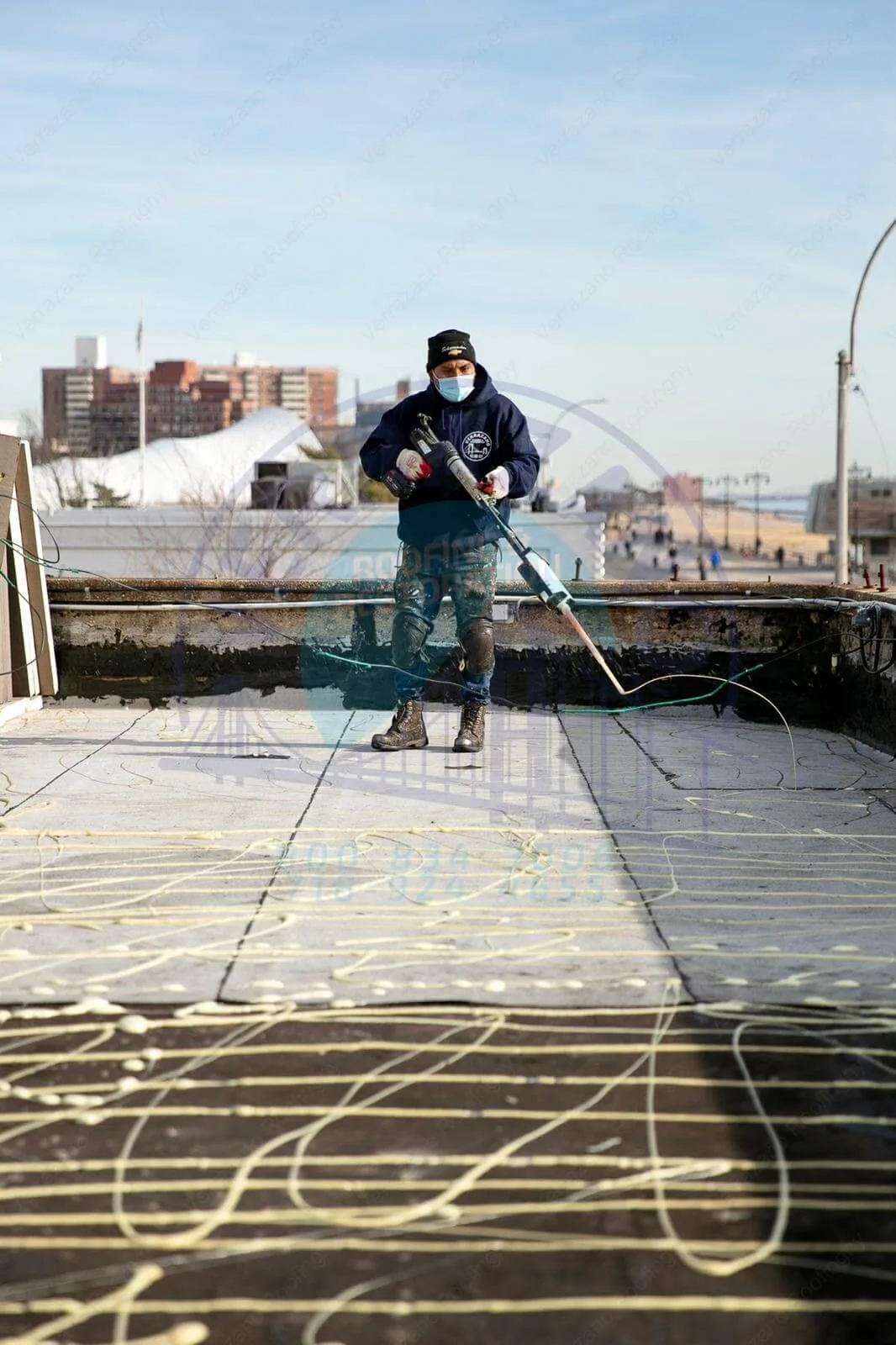
Occupied Commercial Building Reroofing
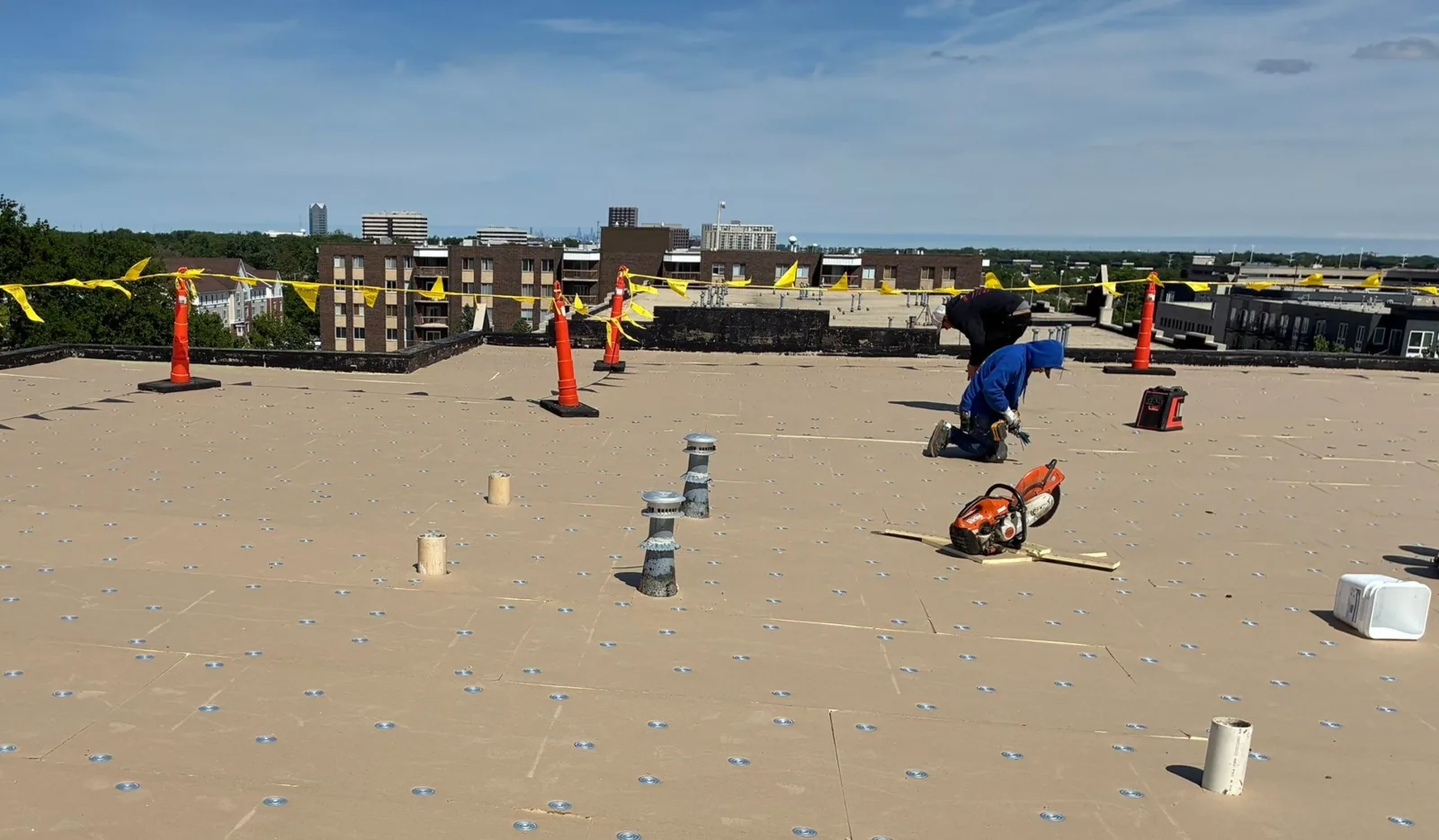
Commercial Roof Repair
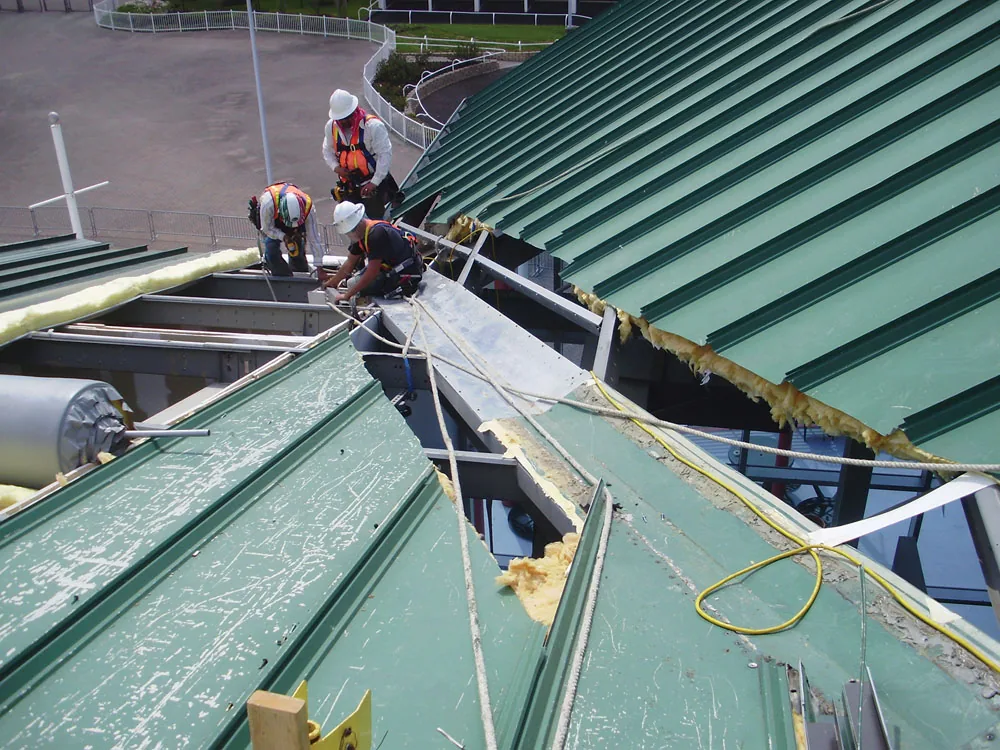
Commercial Roof Insulation and Cover Board
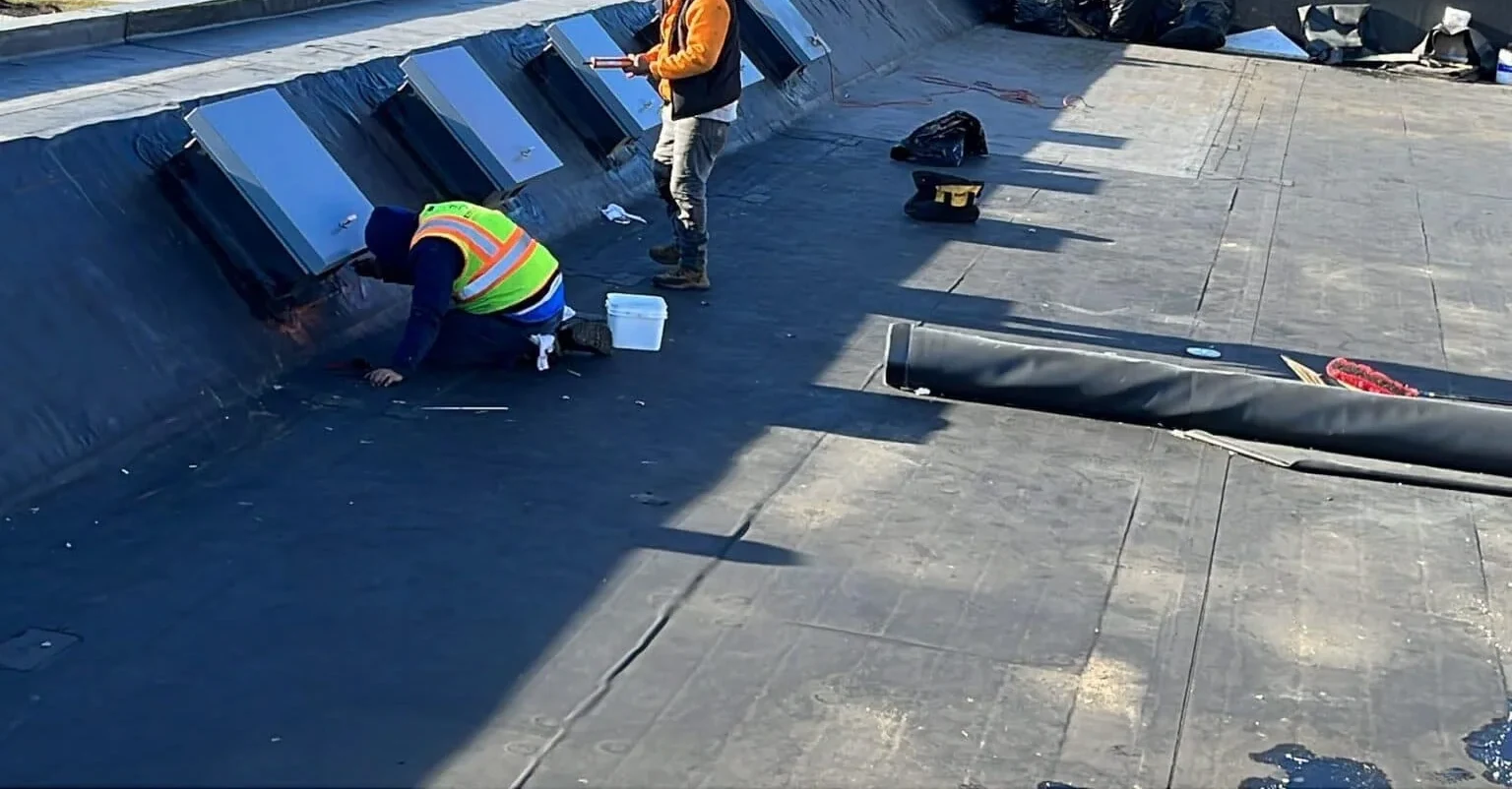
Commercial Roof Replacement
Trace the cold-storage water path
Service Area
Topeka, Auburn, Silver Lake, Carbondale, Rossville and Shawnee County, KS
Quick Contact
Email: [email protected]
Phone: 555-555-5555
Request a Roof Assessment
Send the Topeka facility address, roof and refrigeration plans, leak timeline, operating controls, and repair history. We will define access and testing before setting repair quantities.