
Commercial Fire Damage Roof Repair in Topeka, KS
Home / Roof Damage Repair / Commercial Fire Damage Roof Repair
Heat at a roof opening can damage material beyond the visible burn mark. We inspect the membrane, insulation, deck, and nearby penetrations after the building is released for roof access. Topeka’s Capitol District and Historic Kansas Avenue District include public, office, retail, and adaptive-reuse context. The affected property’s released roof area sets the inspection boundary. Every repair starts with the affected building’s condition and the authority’s safety clearance.
Access: What must be cleared before roof work?
We confirm that fire officials and the building owner have released the roof area for inspection. Damaged decking, unstable equipment, and residual heat can make a roof unsafe to enter. The site lead identifies restricted areas, overhead hazards, and any interior space that must remain closed. A temporary protection visit can address active exposure only after the roof access and attachment points are suitable.
Smoke and soot may affect membrane, metal, insulation facer, or equipment outside the direct burn area. We photograph visible conditions and keep that observation separate from a conclusion about structural capacity or indoor air. A qualified fire or structural professional handles those determinations where required. Our roofing scope begins after the authorized inspection path is clear and names any area that remained inaccessible.
We identify the safest route for ladders, lifts, and material removal. At a civic property, public entry and department hours may affect staging; in a retail space, customer circulation and merchandise protection can matter. The owner or facilities contact supplies those rules. We plan the roof work so that removal does not expose occupied areas or create an unsecured opening at the end of a shift.
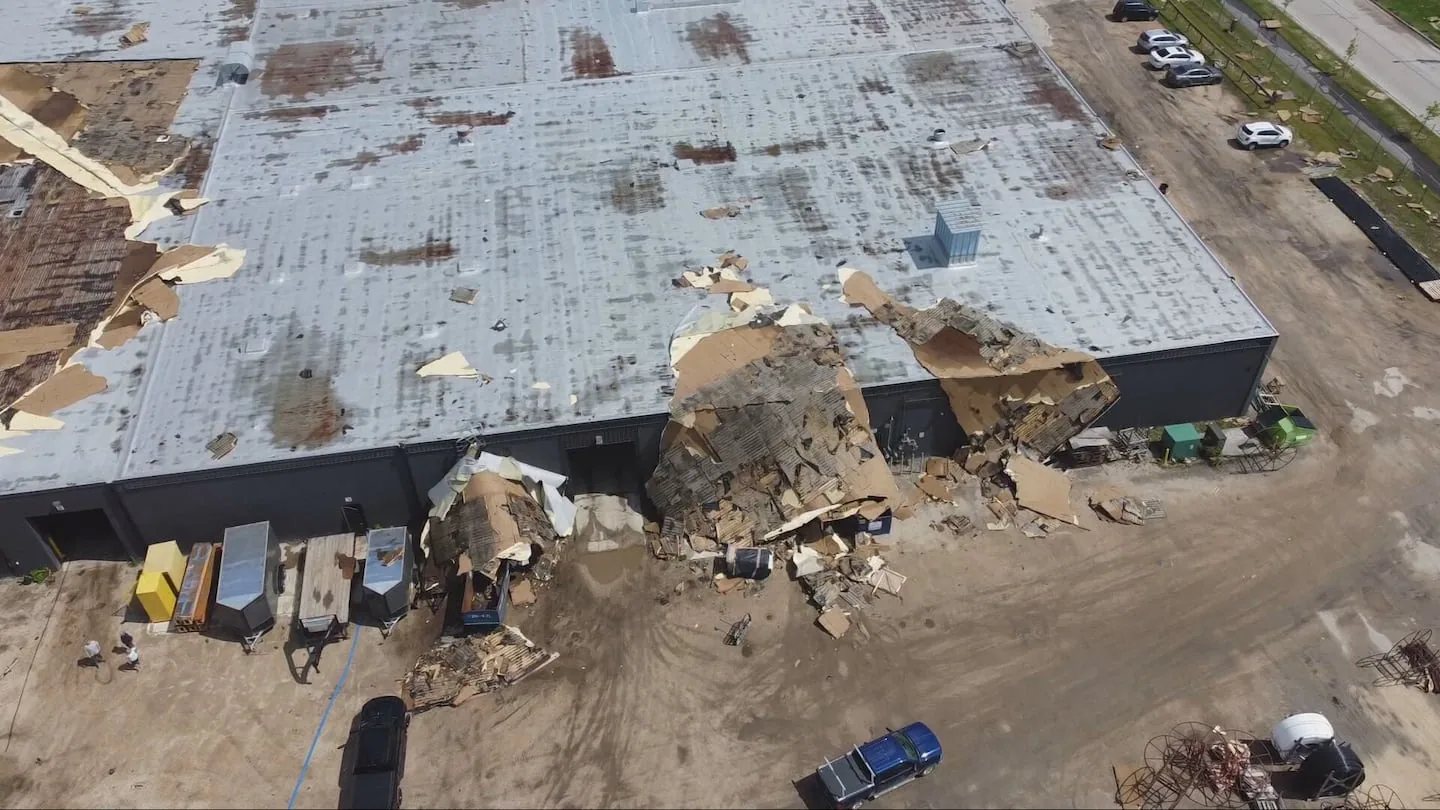
Inspection: How far did heat affect the assembly?
We map the visible burn, blistering, shrinkage, soot deposits, melted components, and any water damage from suppression. The commercial roof inspection identifies roof material, deck, insulation, seams, curbs, and the boundary of the affected area. A condition just beyond the burn can still need a closer check, particularly where membrane has softened or an edge has lifted. Mechanical impact during cleanup may also puncture another area; when an opening is confirmed, we define a puncture repair boundary separately.
We inspect the underside when access is safe and the owner authorizes the opening. That can reveal charred deck, wet insulation, or material that appears intact from above but has lost its bond. Each test location is numbered and photographed. Findings distinguish surface observations, opened assembly conditions, and recommendations that need a separate specialist review. A roof estimate does not substitute for a structural assessment.
Fire-suppression water can follow deck flutes or insulation joints before appearing indoors. We compare interior staining with slope, drains, seams, and the reported fire area. If testing finds moisture away from visible heat, we record it as a separate condition. A moisture survey can help prioritize openings, but readings are confirmed before wet material is included in a removal quantity.
A fire can leave different conditions at the same roof plane. We mark heat-affected membrane, openings, displaced metal, and areas reached by water used to control the event separately. Smoke residue or a wet ceiling does not establish the roof layers that need removal. If structural capacity or hidden framing damage is uncertain, pause the roofing quantity for an engineer’s review. The repair plan then distinguishes roof work from interior drying, mechanical service, and other restoration trades. Each approved limit follows an inspection or test, not the size of the visible stain.
Scope: What can be repaired and what needs replacement?
A localized burn may allow a section repair if the surrounding membrane, insulation, and deck remain suitable. We remove damaged material to a sound edge and tie the replacement into compatible existing layers. If heat, water, or suppression work affected multiple roof zones, a replacement assessment can compare sectional repair with a larger scope. The report shows the evidence and unresolved questions behind each option.
Material choice follows the existing system and manufacturer requirements. Membrane, cover board, insulation, metal, and sealants need compatible details at the transition. The estimate states quantities, preparation, disposal, access, temporary protection, and finish checks. If opening the roof exposes additional char or wet insulation, we secure the area, measure the condition, and request an owner decision before increasing the approved boundary.
Smoke residue or heat can affect rooftop equipment and penetrations as well as the field membrane. We record those adjacent details without claiming that equipment is safe to operate. A heat damage inspection can help separate broader material degradation from the concentrated fire area. Any equipment evaluation or clearance remains with the responsible trade and building representative.
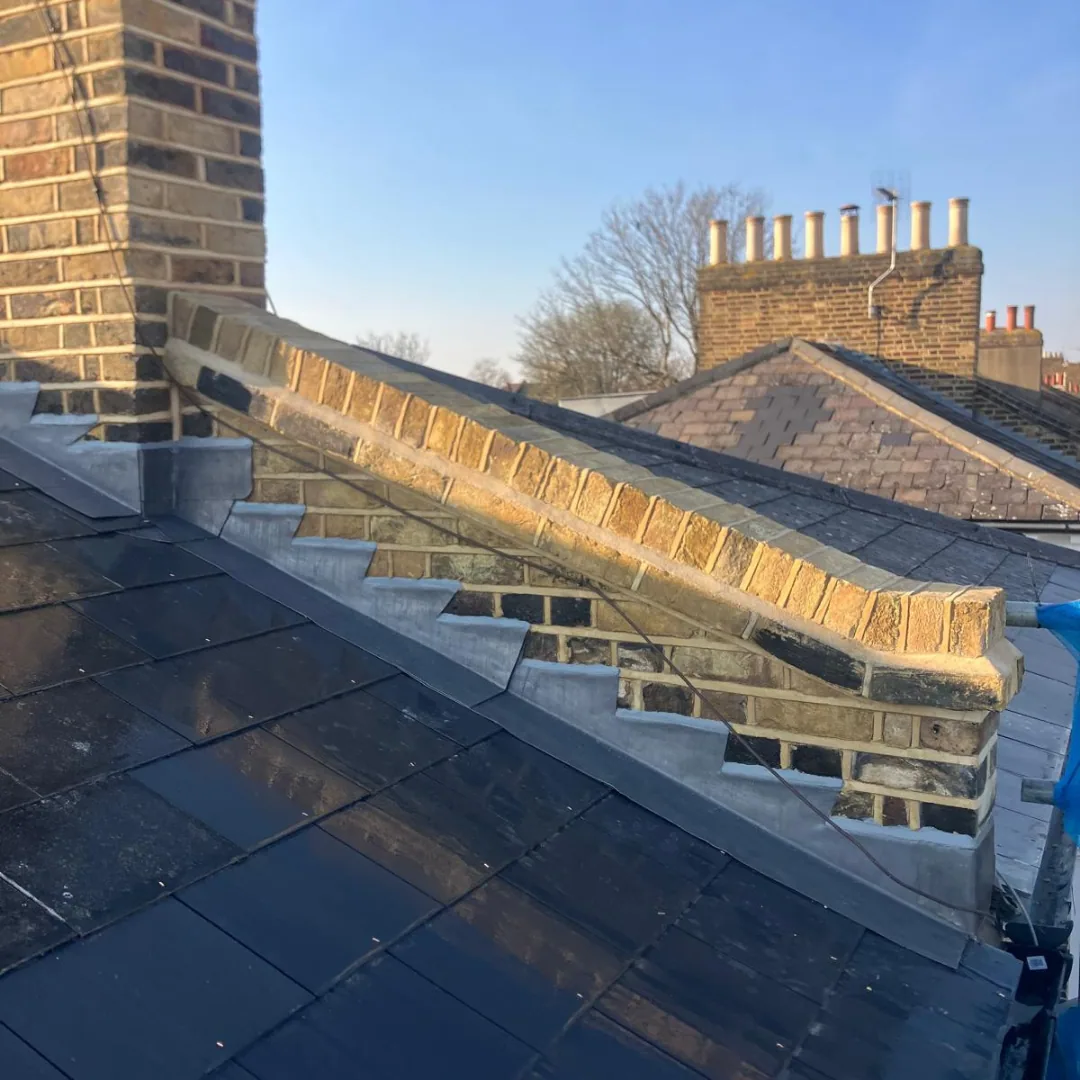
Sequence: How do roof repair and interior restoration fit?
Roofing removal, temporary dry-in, and permanent tie-in must coordinate with interior cleanup and building access. We identify the day’s opening size, area below, material handling route, and secure stop condition. For a multi-tenant property in the downtown districts, the manager can confirm which entrance or suite must stay available. The roof sequence lists when barriers move and what inspection is needed before the area reopens.
In Topeka, crews schedule around summer storm periods and precipitation that returns during winter. A damaged roof may need temporary protection while drying or structural review continues. We record the method and limitations of any cover, including who should check it. Permanent work proceeds when the substrate and weather permit the selected material to bond and the owner authorizes the final scope.
Cost and timing change with the area removed, disposal requirements, roof height, staging, material lead time, and whether the deck is ready to receive new layers. We separate fire-related roof work from interior finishes, equipment replacement, and specialist services. That makes each trade’s responsibility clearer and keeps a roof quantity from absorbing unrelated restoration work.
Closeout: What should remain in the fire repair file?
The closeout packet can include dated photos, roof-zone map, materials, removal dimensions, test openings, change approvals, and final tie-in checks. We list areas inspected but not opened and note any item assigned to another professional. The property manager can keep this with suppression reports and interior restoration records without treating the roofing report as a cause or coverage decision.
A future water report should be compared with the repaired zone, nearby equipment, and documented access. If the path is different, we inspect the new location separately. The file can identify the repair boundary and the conditions observed at turnover, but it does not determine the cause of a later loss or the status of an insurance claim.
Where removal leaves a temporary edge, we record how it was secured and the date for permanent completion. Once finished, we photograph the transition and confirm that the repaired roof area is ready for the next trade under the building’s release process. The owner receives one record for the work completed and a separate list of open decisions.
Commercial Roofing Questions
Can roofing work begin before the building is released after a fire?
No. We need safe access and clearance from the responsible authorities and property representative. The first visit records what can be inspected without entering a restricted area.
Does a burn mark show the full extent of roof damage?
Not always. We check surrounding membrane, insulation, deck, and penetrations, then open only approved test areas. The report separates what is visible from what was confirmed below the surface.
Can suppression water require roof work away from the fire area?
It can. We compare interior reports with drains, slope, seams, and opened assembly conditions. Any additional wet area is measured and priced as a distinct part of the scope.
Who determines whether the deck or building is structurally safe?
The responsible structural professional or authority makes that determination. Our roofing inspection records the assembly and repair conditions after access is released.
Will a roof repair estimate decide insurance coverage?
No. It describes observed roofing conditions, quantities, and proposed work. The insurer and policyholder determine coverage under the applicable policy.
Related Roofing Work
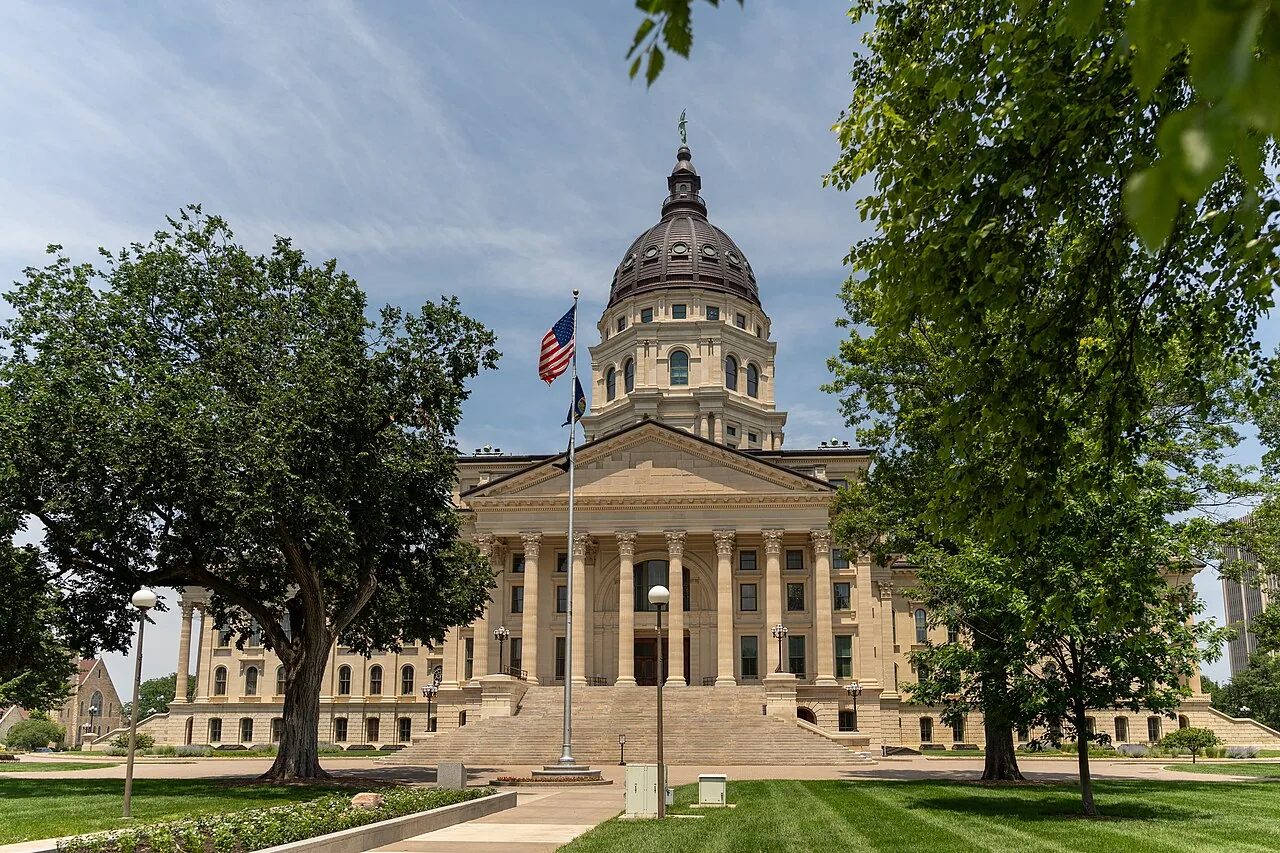
Capitol District
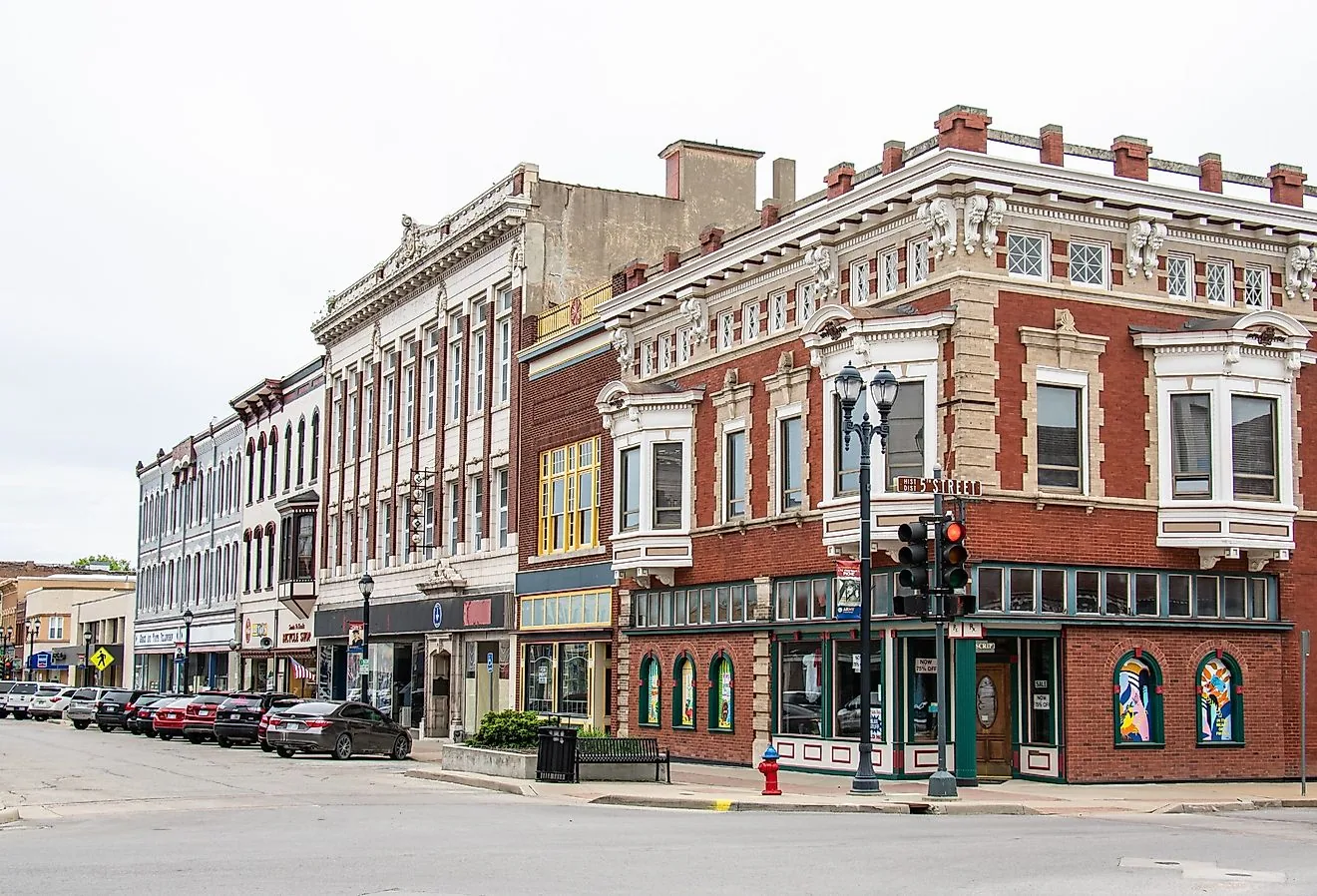
Historic Kansas Avenue District
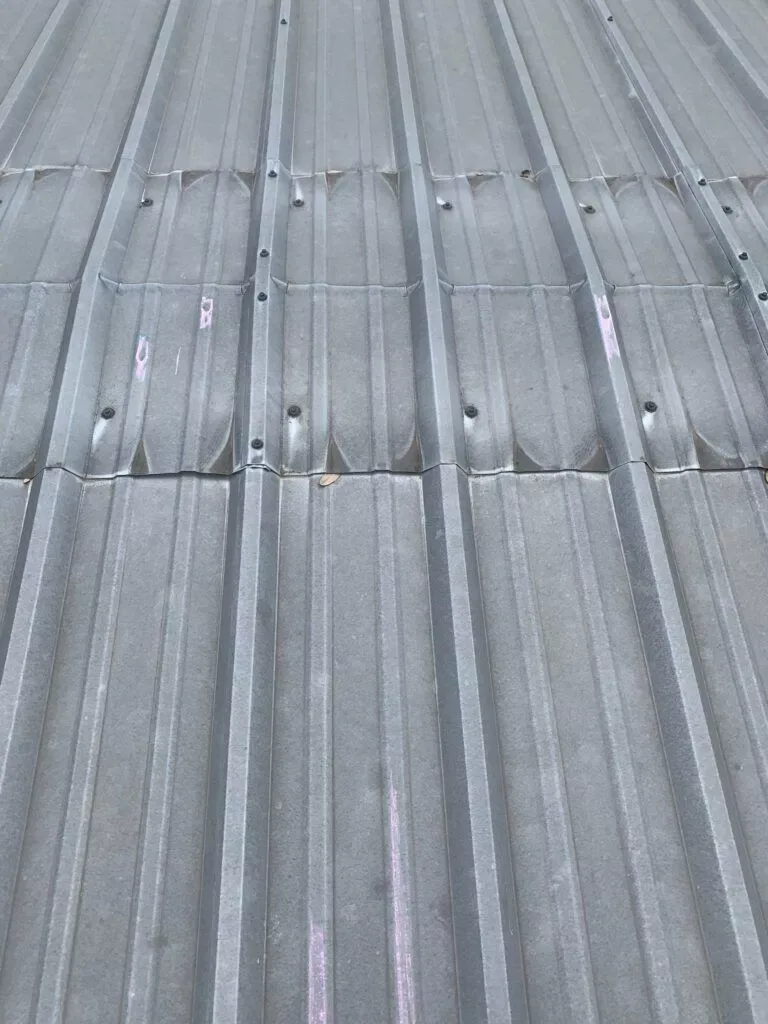
Emergency Commercial Roof Repair
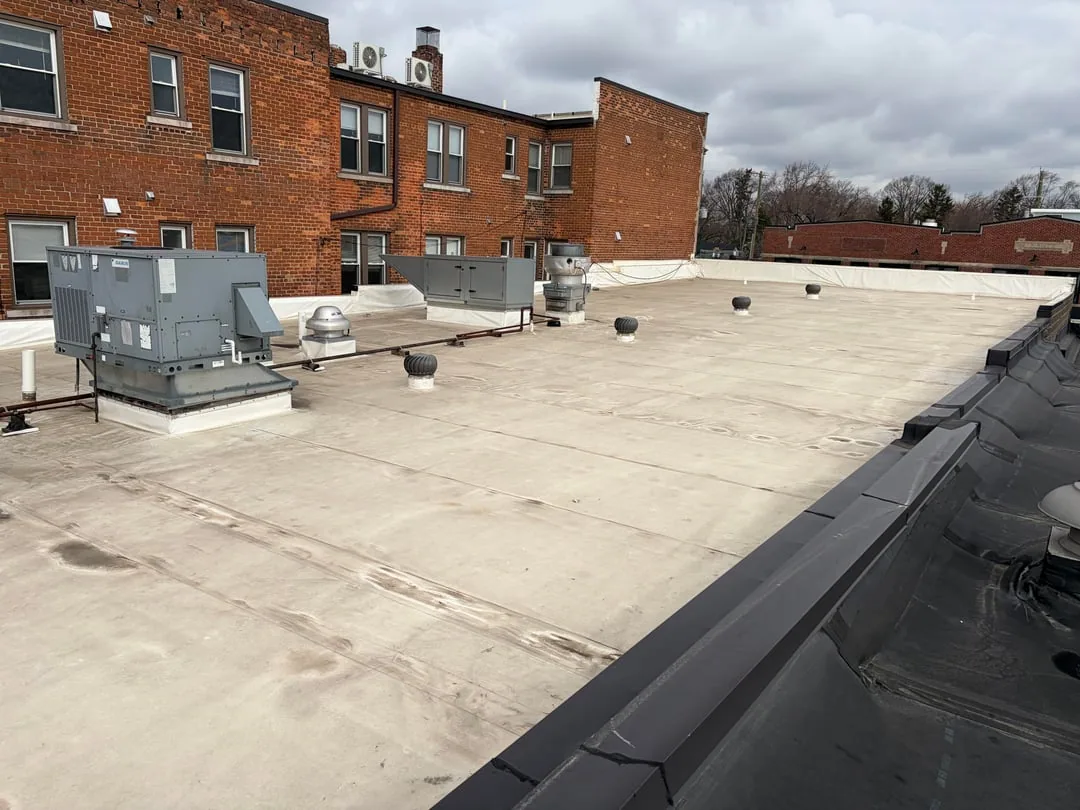
Commercial Roof Inspection
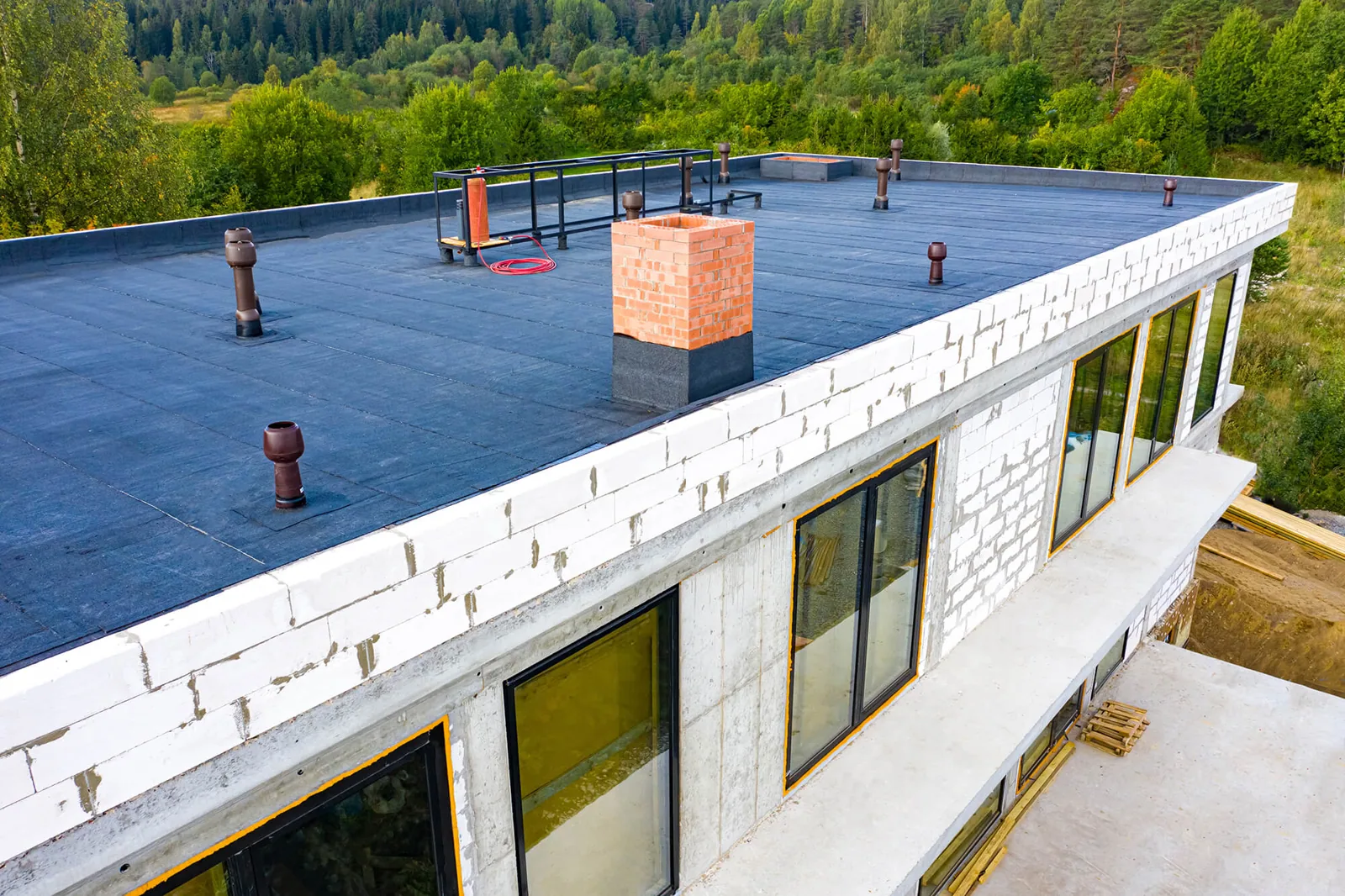
Commercial Roof Membrane Puncture Repair
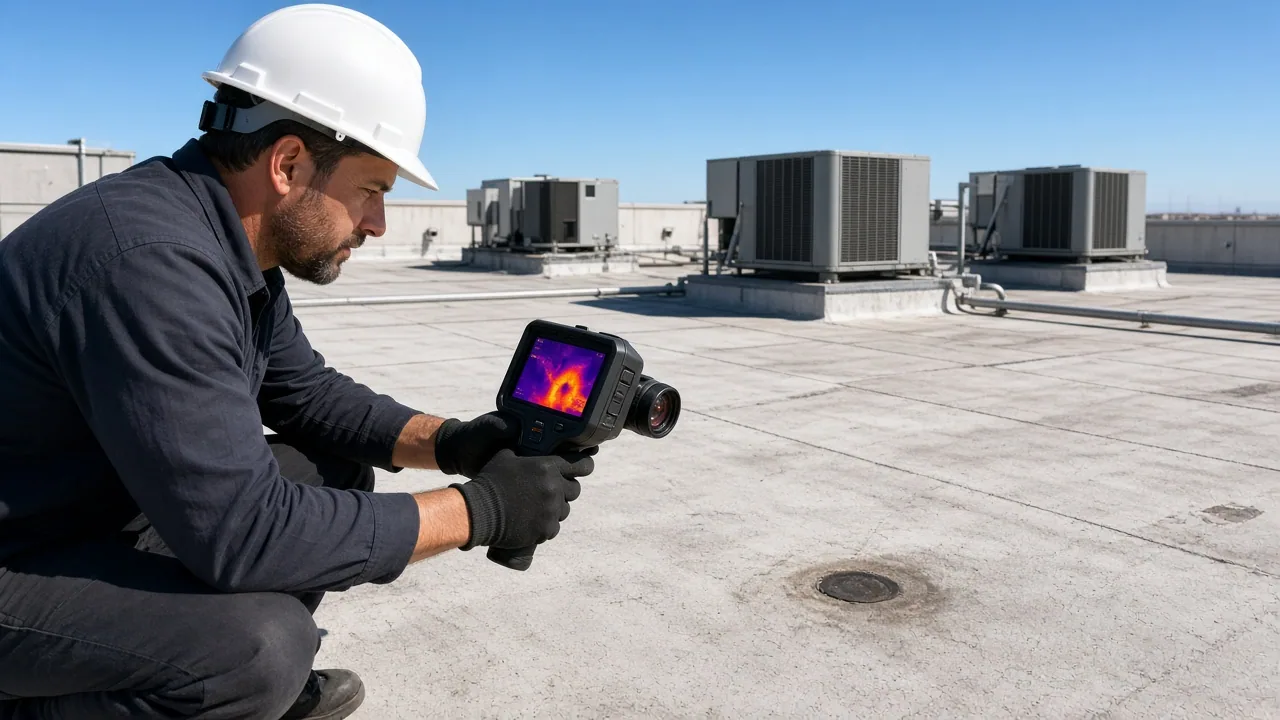
Commercial Roof Infrared Moisture Survey
Assess a Topeka commercial roof after a fire
Service Area
Topeka, Auburn, Silver Lake, Carbondale, Rossville and Shawnee County, KS
Quick Contact
Email: [email protected]
Phone: 555-555-5555
Request a Roof Assessment
Provide the property address, release status, access contact, and any roof or suppression records. We will document the assembly and define the repair boundary after safe access is approved.