
Commercial Roof Leak Repair in Topeka, KS
Home / Commercial Roofing Services / Commercial Roof Leak Repair
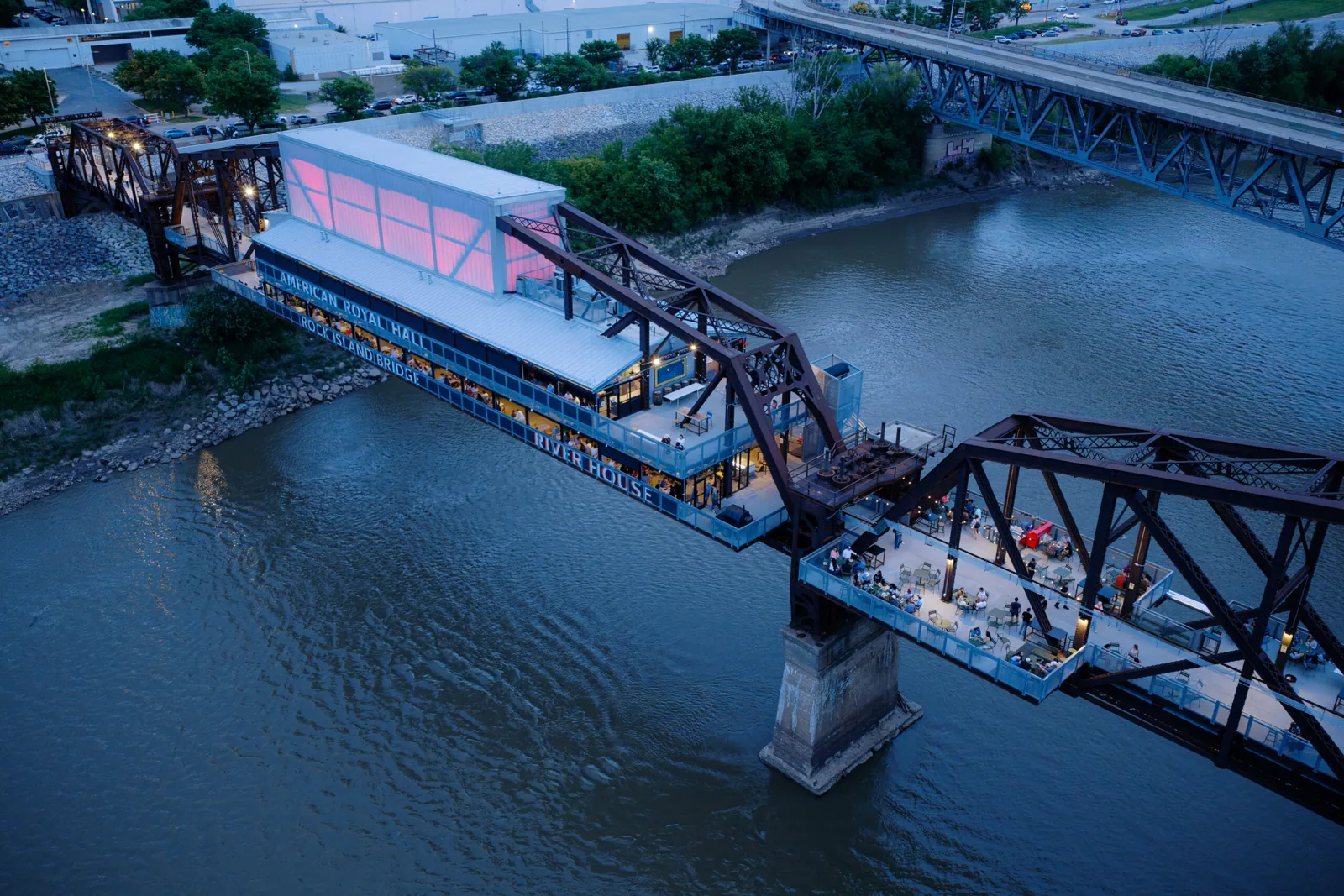
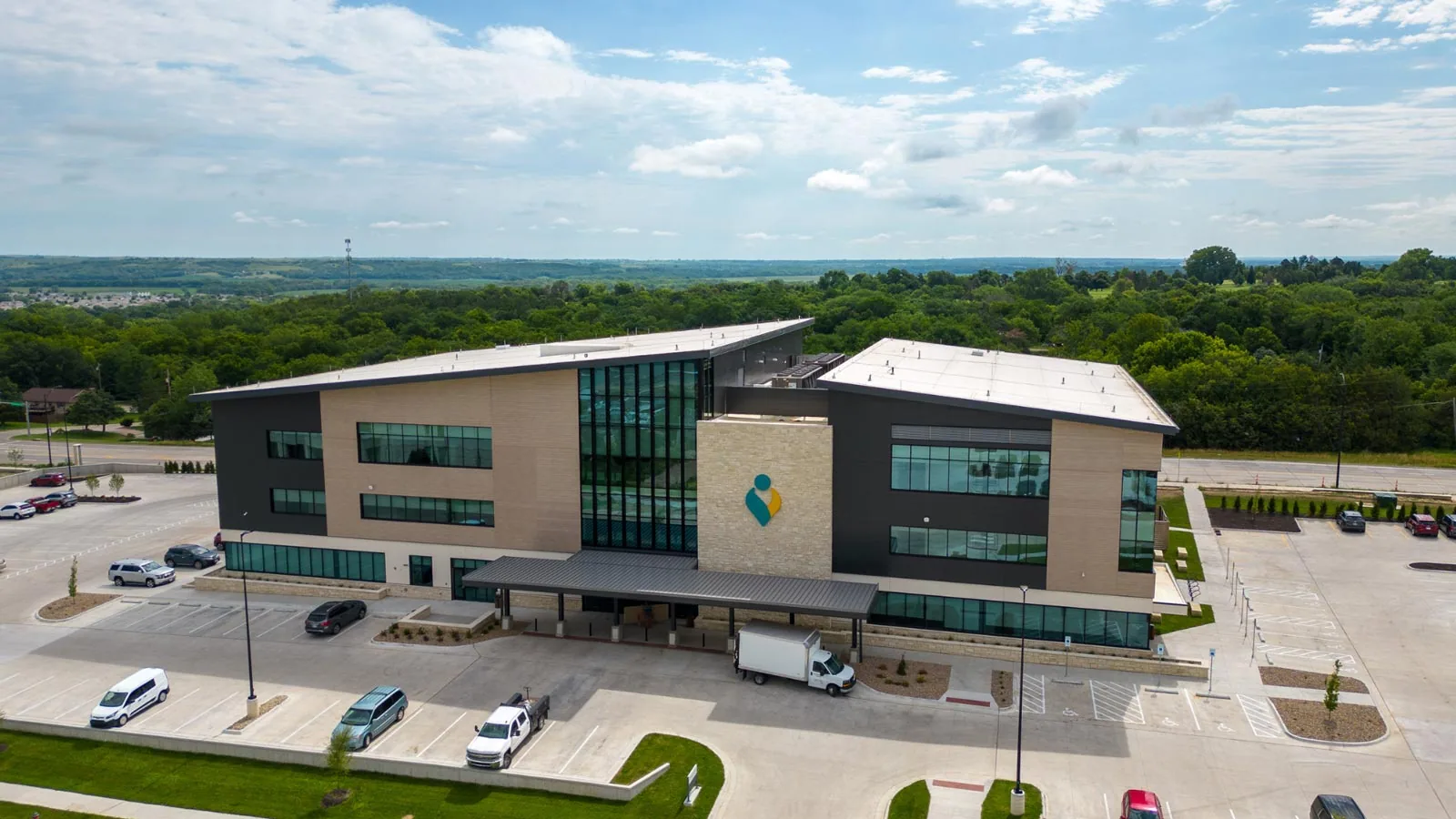
Water at a ceiling tells us where to protect the room, not yet where to open the roof. We record when the leak appeared, what was affected, and the roof section above or beside it. Topeka averages about 36.5 inches of annual precipitation, with summer storms and winter moisture that can test different details. The downtown River to Rail district includes industrial and adaptive-reuse context; Stormont Vail’s campus has occupied care areas. Every repair begins with the actual building, water path, and access limits.
Protect: What needs attention inside first?
We coordinate with the facility contact to protect people, equipment, inventory, and electrical areas before moving onto the roof. The report records the room, timing, active water, temporary cover, and any service interruption. If water is near a sensitive operation, the owner identifies who can isolate equipment or close a space under the facility’s procedure. Emergency service is available at any hour, including holidays, when active entry needs immediate stabilization. A rapid response can limit exposure while a permanent repair is developed.
Temporary protection needs a clear location and limit. We record what was covered, how it was secured, who approved the work, and what follow-up remains. A tarp or sealant application does not confirm that insulation below is dry or that the entry point has been found. We return to the roof when conditions allow and connect the temporary work area with the interior report. The owner receives separate notes for immediate protection and permanent correction.
Trace: How do we find the water path?
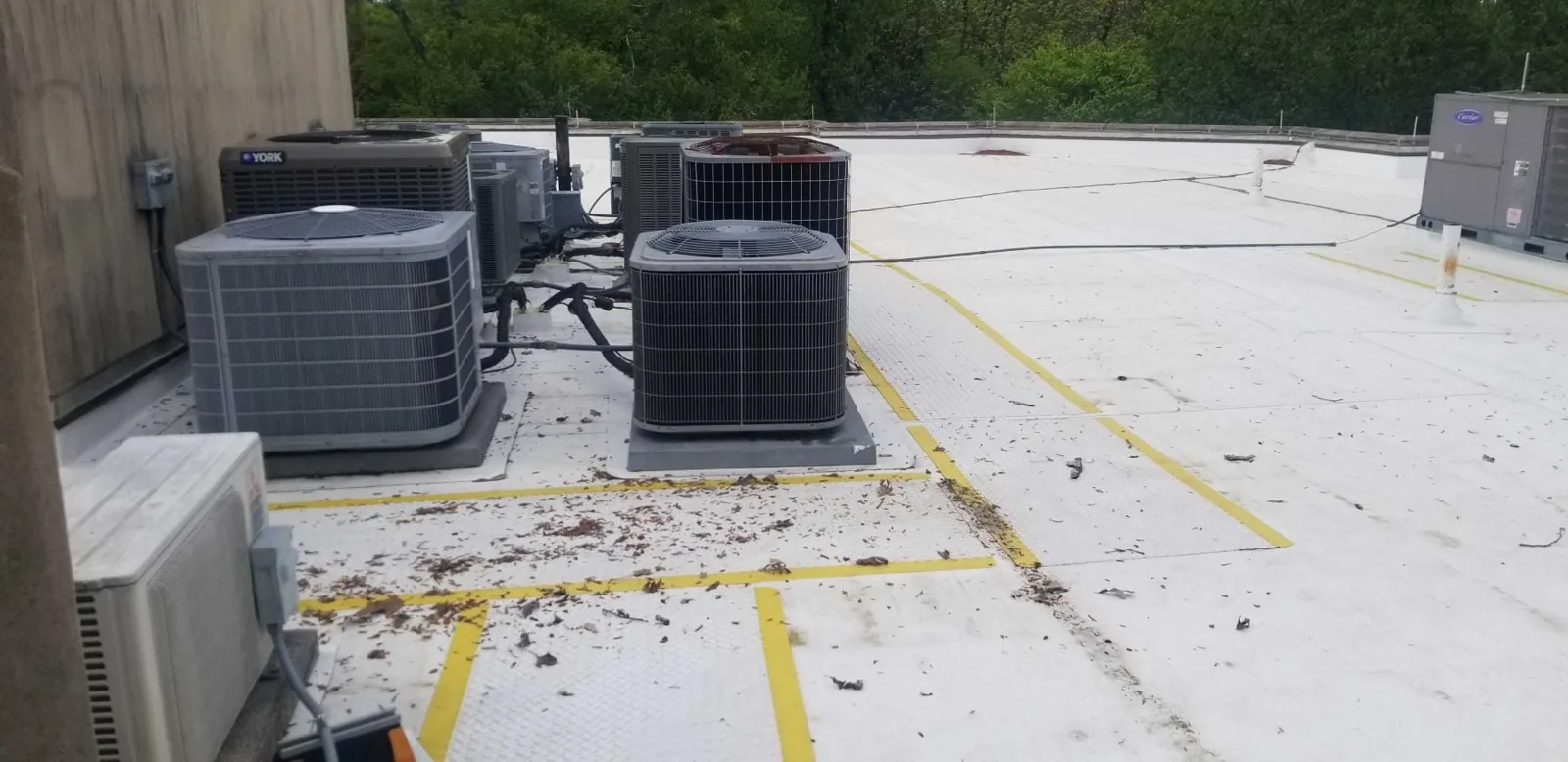
We follow the likely route uphill and across the roof, checking seams, laps, penetrations, equipment curbs, drains, scuppers, and wall transitions. Water can travel along a deck flute or insulation joint before appearing inside, so the stain location guides the inspection without defining the repair boundary. A roof inspection documents what is visible, what is obstructed, and where a test could answer a remaining question. Photographs include a close view and roof-zone context. On a repeat call, compare the first appearance with the latest report, the room involved, wind exposure, and the rainfall timing the contact observed. A leak that starts only after prolonged rain can point to a different test sequence than immediate entry during a short downpour, but neither report identifies the opening alone. We note these patterns as clues, then look for corroborating conditions at a roof detail before pricing a repair. That limit keeps the next action tied to roof evidence instead of the ceiling mark alone.
When a leak appears near a drain, we inspect the bowl, clamping ring, flashing, slope, and overflow path instead of replacing the strainer by assumption. If it appears below a unit, we check the curb, support, nearby seams, and recent mechanical work. The drainage review or a curb assessment can isolate the detail that needs testing. The record distinguishes confirmed entry from a path that remains a candidate.
Weather: What local exposure belongs in the record?
Topeka’s event archive documents severe hail and wind, and the city’s 1966 F5 tornado crossed roughly 22 miles and damaged or destroyed every building at Washburn University. That history supports careful inspection after severe weather; it does not identify what happened at another address. We photograph lifted edges, punctures, displaced metal, open seams, and interior evidence at the affected property. A Washburn campus roof review has a different setting than a retail or industrial roof, but the repair still follows current field findings.
Winter precipitation adds another leak path when meltwater reaches a blocked drain or refreezes near an outlet. Summer rainfall can expose weak laps or backup at a scupper. We record the recent weather report supplied by the owner, then compare the roof condition with the timeline. A tornado damage assessment can document event-related observations, while the leak scope remains tied to the roof section and evidence available now.
Repair: What turns a trace into a permanent scope?
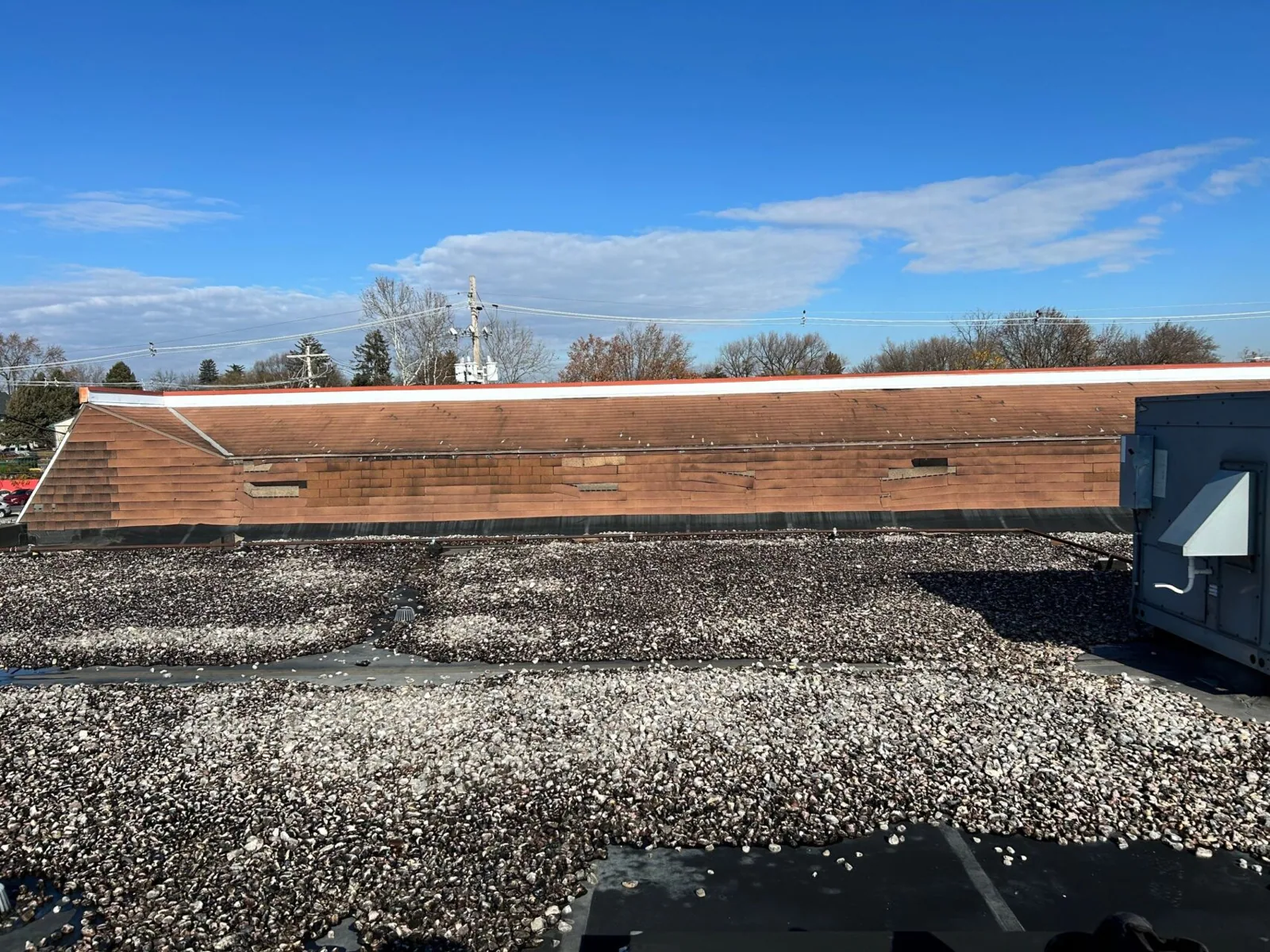
Once we locate a likely defect, we inspect the surrounding material and decide whether the boundary is limited to a seam, flashing, fastener, drain, or penetration. If concealed moisture may extend beyond it, we identify a test opening and state what result would expand the work. Compatible preparation matters: the repair method follows the installed membrane or metal rather than a generic patch. A defined repair scope names material, preparation, boundary, test, and the detail checked before closeout.
Several leak reports can share one water path, or similar stains can come from separate defects. We map each room to the roof plan and keep locations distinct until inspection connects them. If broad wet insulation, failed attachment, or a deteriorated deck appears, the owner can compare repair with replacement by zone. We separate known work from quantities that depend on opening the assembly, then document the owner decision before expanding the scope.
Handoff: What should the owner retain?
The final record includes the interior location, roof section, observed path, photographs, work completed, temporary measures, test results, and anything still unverified. If a ceiling or equipment area could not be accessed, we list what is needed for the return visit. Staff can then distinguish a closed repair from a temporary measure awaiting follow-up. The condition report keeps the roof evidence beside the work order and gives the next inspection a useful starting point.
For a property with repeat calls, we compare dates and photos to see whether a seam reopened or the symptom moved to another roof zone. The next action may be another local repair, targeted moisture testing, or a broader assessment. A property with distribution or rail access needs its own staging and escort rules confirmed by the site contact. We leave a repair boundary, not a guess based on the ceiling mark. For multi-building owners, keep a separate event timeline, room reference, and repair record for each address. If two calls arrive after the same storm, do not merge them until roof inspections connect the symptoms. A roof plan with drain, equipment, and seam labels lets the next crew compare the same water path and reduces repeated exploratory work. The owner can use that record to schedule follow-up by section and make a larger capital decision from verified findings.
Commercial Roofing Questions
How can the roof opening be away from the ceiling stain?
Water can move along a deck, framing member, or insulation joint before it appears inside. We compare the room with roof slope, seams, curbs, and drains, then document the entry path we can confirm and any test still needed.
What happens during an after-hours leak call?
We coordinate safe entry, protect the affected area, and record the active condition and temporary measure. Permanent repair follows once the assembly can be inspected and the compatible method is clear.
When does a leak need moisture testing?
Testing helps when wet insulation could extend beyond the visible defect or change the repair quantity. We identify sample locations and explain what each result establishes before opening the roof.
Can a storm report prove the leak was caused by hail or wind?
A report provides event context, while the roof and interior record establish observed conditions at the property. We photograph impact, uplift, openings, and existing wear separately before assigning a repair.
What should be included in the leak closeout?
Keep the room and roof-zone labels, photographs, test findings, repair materials, temporary protection, and any return item. We note what was repaired and what could not be verified so facilities staff can plan the next check.
Related Roofing Work
River to Rail District
Stormont Vail Health Campus
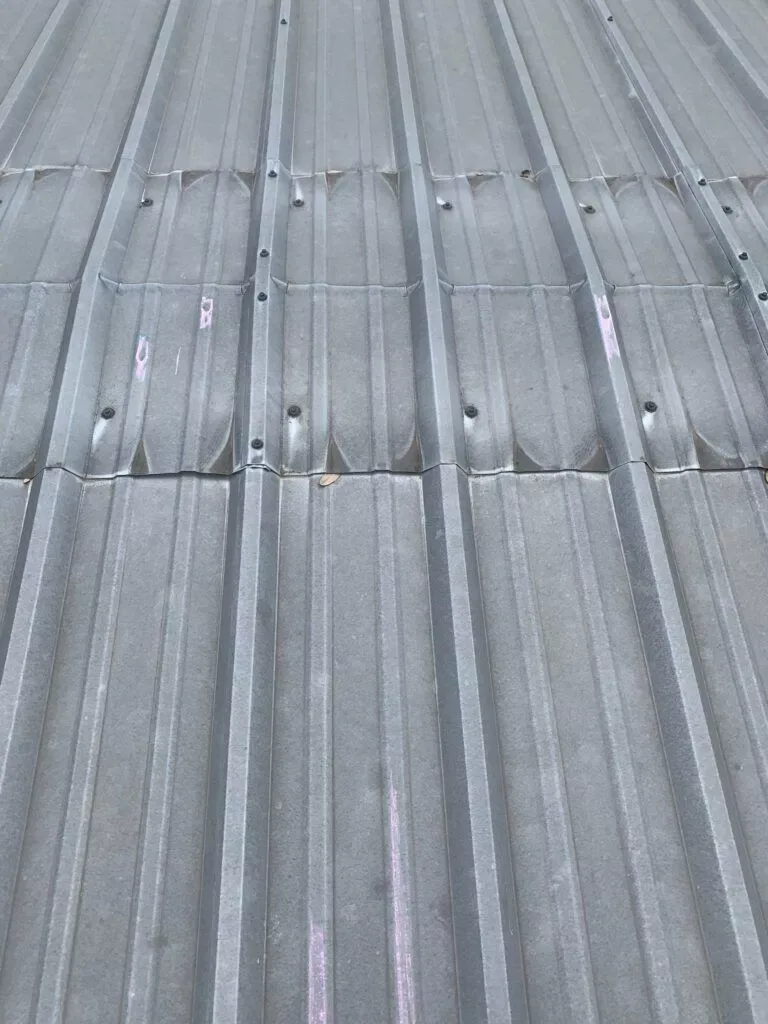
Emergency Commercial Roof Repair
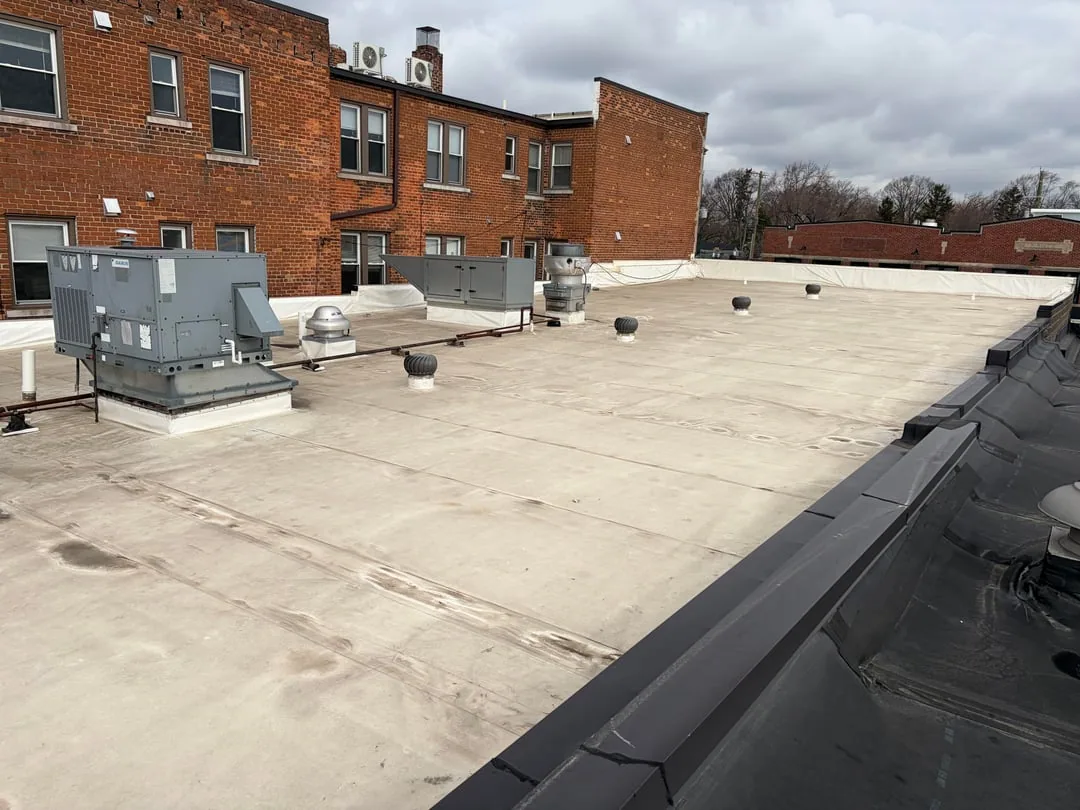
Commercial Roof Inspection
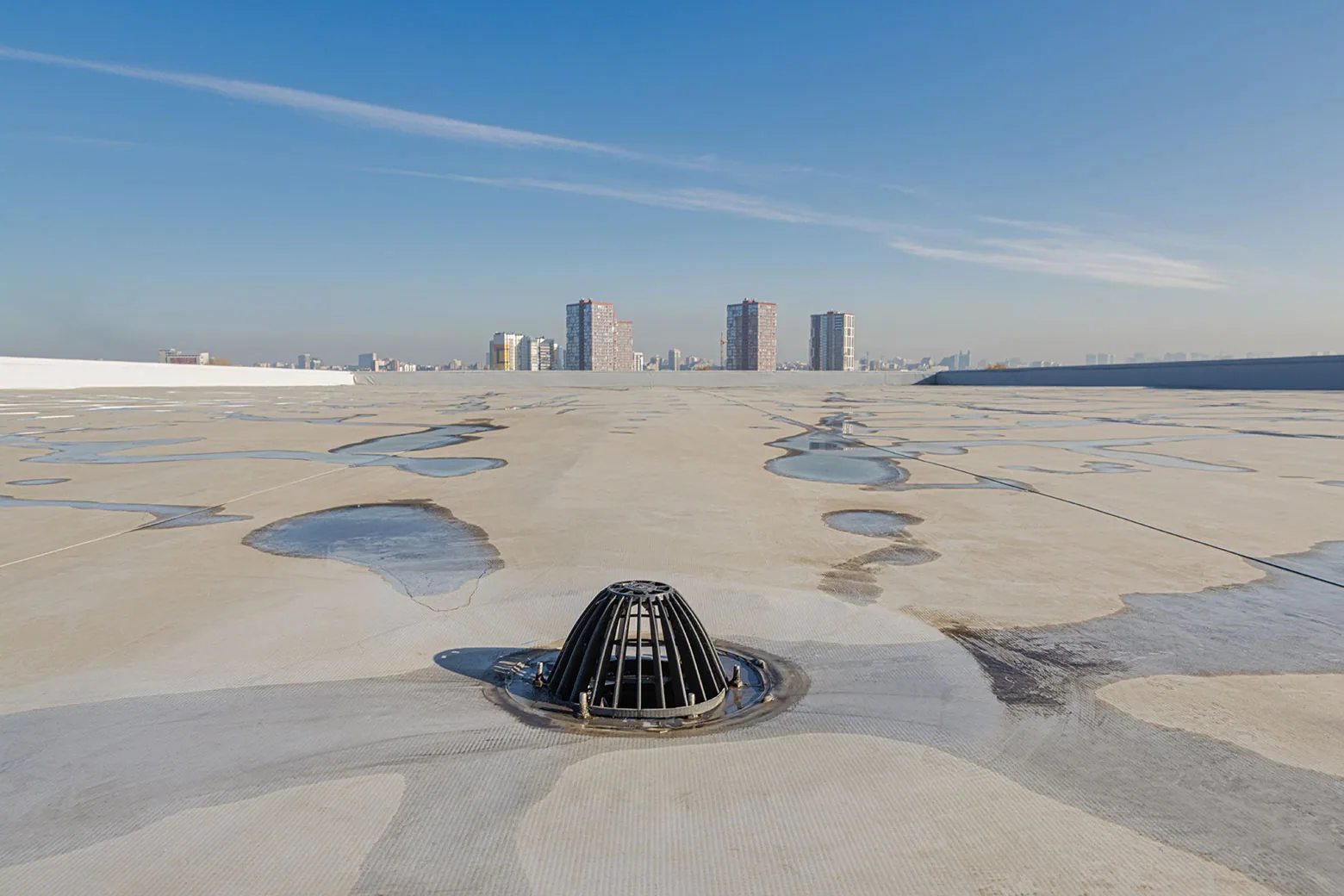
Commercial Roof Drains and Scuppers
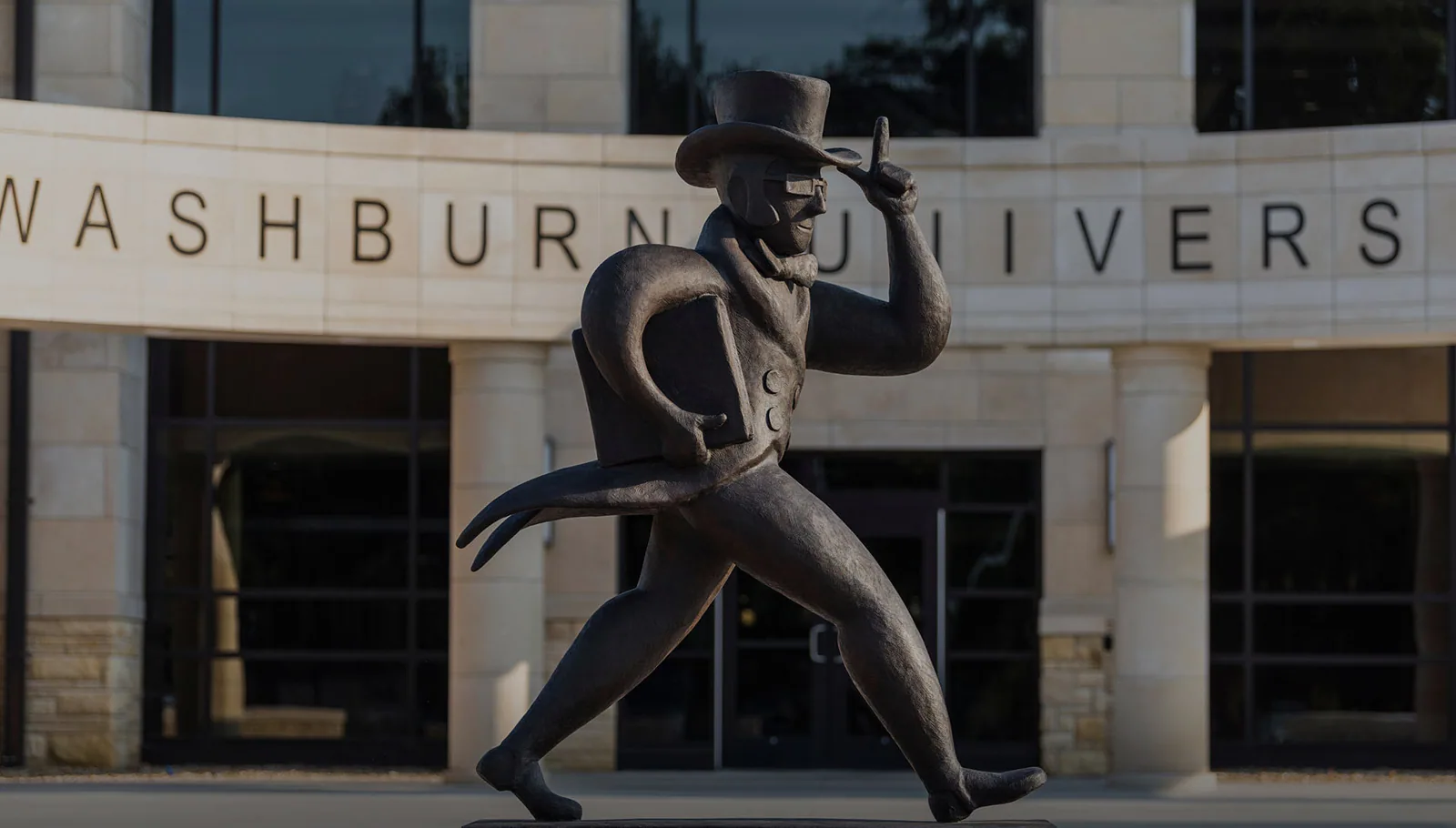
Washburn University
Trace the leak to its repair boundary
Service Area
Topeka, Auburn, Silver Lake, Carbondale, Rossville and Shawnee County, KS
Quick Contact
Email: [email protected]
Phone: 555-555-5555
Request a Roof Assessment
Provide the Topeka address, affected room, timing, recent reports, access contact, and any prior roof records. We will protect active exposure, inspect the water path, and document the permanent repair or test needed.