
EPDM Commercial Roofing in Topeka, KS
Home / Roof Systems / EPDM Commercial Roofing
A lifted EPDM lap can draw water beneath the sheet before a ceiling spot appears. We inspect the splice, adhesive, flashing, and surrounding substrate before setting a repair limit. Topeka has winter precipitation and summer storms; each can expose a different weakness at seams, drains, and edges. At Goodyear Topeka Plant, production routes affect access, while Harlan Industrial Park has freight-oriented settings. The installed EPDM assembly and the tested area determine the repair method.
Splice: What does the lap reveal?
EPDM seams may use tape or adhesive, and the repair method depends on the installed detail. We look for edge lift, wrinkles, contamination, loss of bond, and prior patch edges. The inspection follows the splice to its end and checks nearby transitions, not only the point where water appeared inside. A roof inspection can map the lap and document where additional testing may change the scope.
Before applying a patch, we prepare the surface as required for the compatible system and confirm that the sheet is sound. A patch placed over dirt, moisture, or deteriorated rubber can fail at its perimeter. The repair note identifies the primer or adhesive used where known, the dimensions, and the seam edge checked. If sheet movement or brittle material prevents a reliable tie-in, we describe removal to sound EPDM rather than expanding sealant coverage.
EPDM splice work begins with the exposed edge and the surface around it. We look for lifted corners, fishmouths, contamination, and movement at transitions, then verify the surface can be prepared for the selected repair system. Product instructions determine any cleaner, primer, tape, and application conditions; the material must be compatible with the membrane already installed. A patch should tie into firm, prepared sheet around its perimeter, including corners where water can work under an edge. We photograph the splice and patch limits and note any nearby section left untested. On a later visit, the same seam segment can be compared with its prior record; a returning interior mark alone does not establish that the original patch failed.
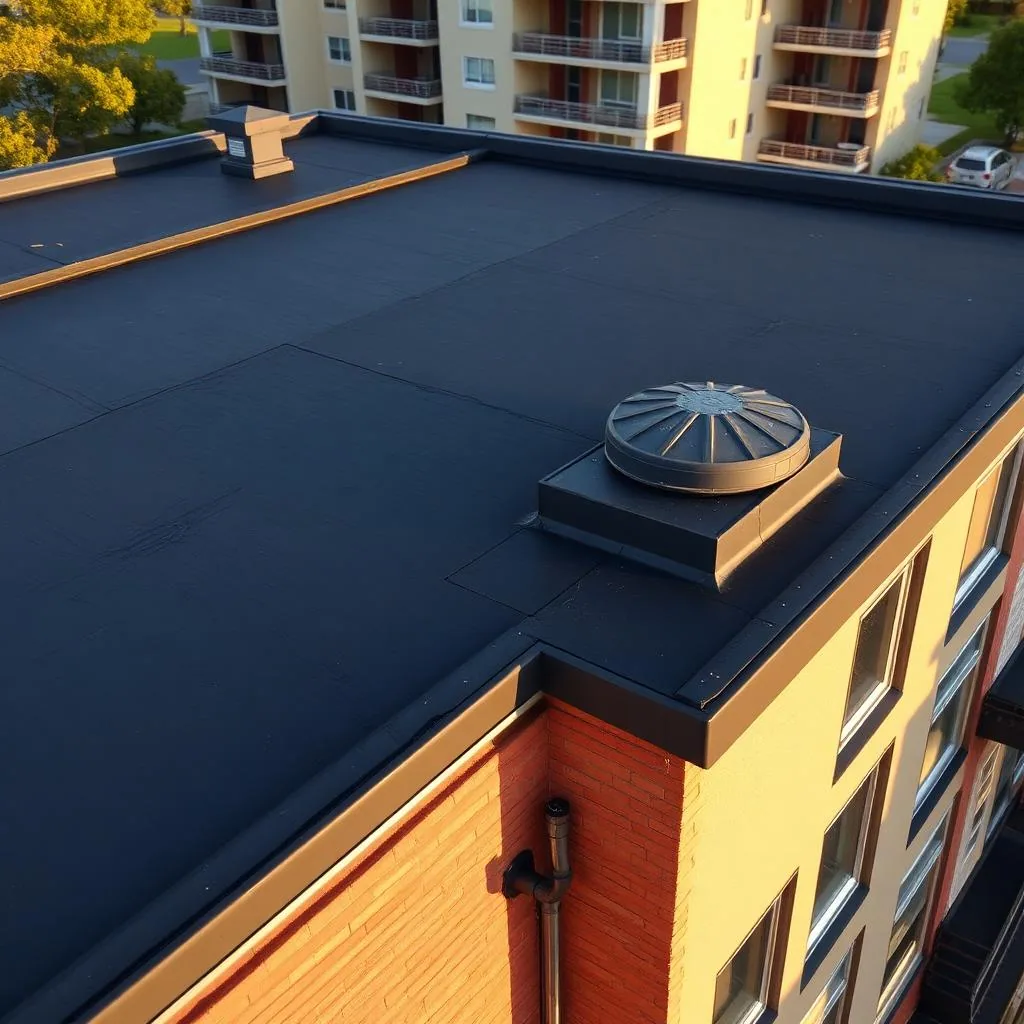
Substrate: What supports the EPDM sheet?
The membrane is one layer in a roof assembly that may include insulation, cover board, vapor control, and deck. We check whether the field feels firm, whether seams stay bonded, and whether interior evidence suggests moisture below. A roof insulation assessment can identify wet areas or changed slope that may affect repair quantity. Readings and test openings are labeled so the owner can separate suspected moisture from confirmed material. When a test sample crosses multiple layers, we record the material at each depth and the point where the sample was taken.
Attachment also matters around perimeters, curbs, and equipment. We note loose terminations, exposed fasteners, and movement without assuming the condition extends across the roof. Water can travel along an insulation joint or deck before reaching a room. A leak investigation compares the interior location with roof slope, drains, and seam direction. The resulting map shows which section was tested and what remains beyond view. If a repair will remove the sheet, we review whether the substrate below is dry and stable before bonding the replacement. That check avoids treating a surface patch as a correction to hidden deck or insulation damage.
Temperature: How does Topeka seasonality affect EPDM?
Topeka’s climate record includes measurable winter snowfall and daily snowfall extremes. Freeze-thaw and meltwater can test an EPDM splice near a low area or drain. We inspect drainage and seam condition after safe access is available, then record whether ice or debris prevented a complete review. If a repair cannot be prepared and bonded under suitable conditions, we schedule it for a workable period and protect active exposure first. A winter visit may begin from safe access points and finish with a return inspection after surface conditions improve.
Summer storms can bring wind-driven water to edge details, while hail may damage flashings or rooftop accessories. We examine the roof itself rather than treating a regional event as a diagnosis. A drainage review can check bowls, scuppers, and the adjacent EPDM field. At a manufacturing property, a Central Crossing Commerce Park contact confirms staging and delivery controls before a crew brings materials onto the roof. We note whether the planned repair can be completed in the available window, including preparation and cure or bond time.
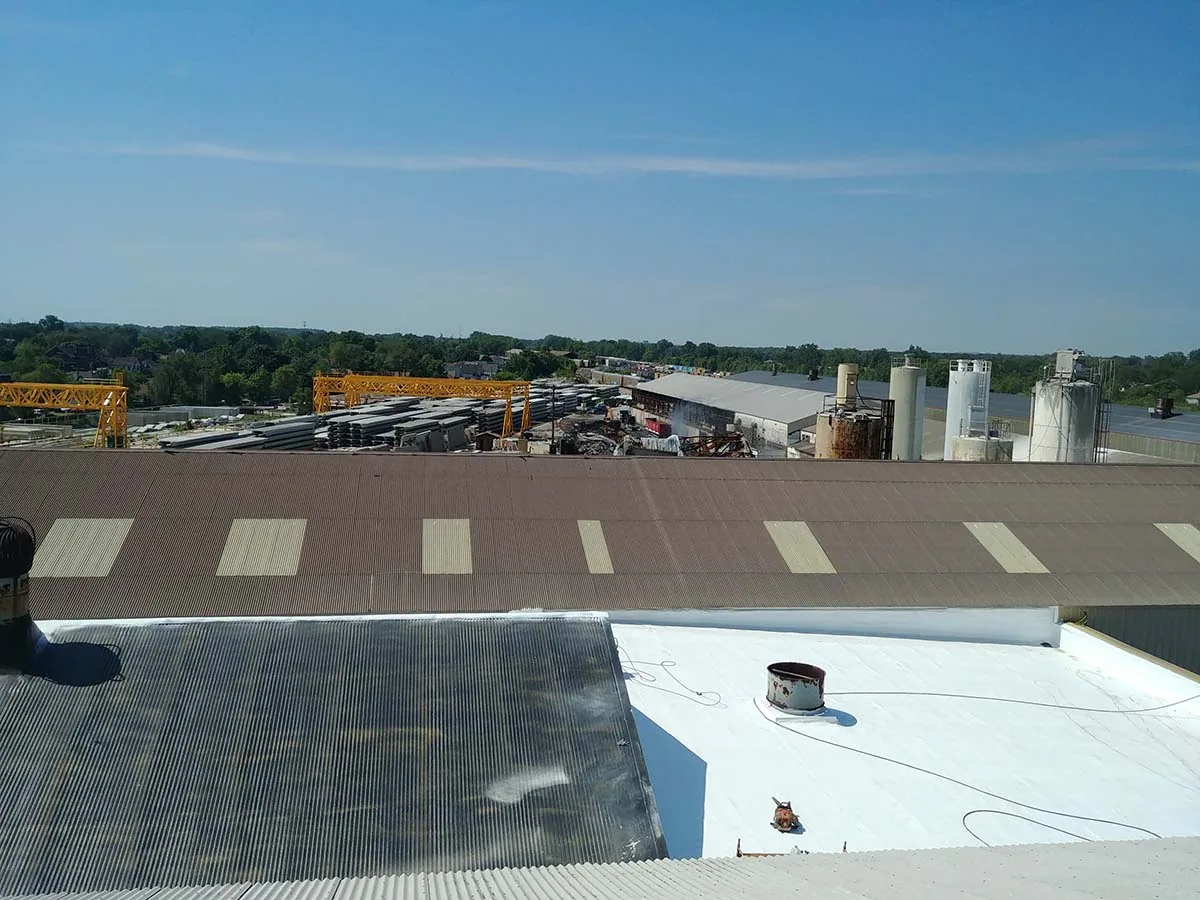
Options: What separates EPDM repair from replacement?
A local splice or flashing repair may fit where surrounding sheet, insulation, and attachment remain serviceable. Widespread seam failure, wet insulation, or a damaged deck can support a larger evaluation. We define each measured area, test result, and open question before comparing scopes. A repair estimate names preparation, compatible material, patch limits, and the closeout inspection. A replacement scope remains separate when the assembly condition supports that choice.
EPDM details differ from heat-welded systems. A TPO membrane uses welded seams, while modified bitumen has a different ply and flashing sequence. We confirm the installed material before repair or overlay planning. If moisture or attachment is uncertain, testing may change whether a recover is feasible. The owner receives those decision points and the added access or removal that would affect cost.
Record: What should EPDM closeout include?
We record seam type where confirmed, patch dimensions, preparation, adhesive or tape details where known, photos, test results, and any unreached area. The closeout states what was repaired and what remains to monitor. We note whether the repair tied into existing EPDM or required removal to another substrate. Those facts help facilities staff see which material was added and where the surrounding assembly was not tested. The owner can retain the roof-zone map with invoices and the original inspection record.
Keep the EPDM record available when mechanical work, added penetrations, or another leak report occurs. Compare dates and roof zones to determine whether the same splice reopened or a new path appeared. At the Goodyear plant, operating access needs are property-specific; elsewhere the facility contact sets the schedule. We label the building and section clearly so a follow-up crew can find the repair without relying on a verbal description. Include the interior location where water appeared and whether the ceiling condition changed after the repair. A dated comparison can show whether a path remains active or a separate detail needs inspection.
Commercial Roofing Questions
Can a lifted EPDM seam be repaired?
It can be repaired when the sheet and substrate are sound and the splice can be prepared for a compatible tie-in. We inspect the lap, nearby flashing, and moisture before setting the patch dimensions.
Why did my EPDM patch peel back?
Surface contamination, moisture, incompatible material, poor preparation, or movement can compromise a patch edge. We examine the failed boundary and record the condition of the surrounding sheet before proposing a new repair. The report notes which factor the inspection supports.
Does EPDM need to be replaced after a winter storm?
Weather alone does not decide replacement. We check seams, flashings, drains, attachment, and interior evidence, then separate isolated corrections from any larger assembly condition. The record supports a later comparison.
Can EPDM be recovered with another membrane?
A recover requires review of moisture, attachment, deck, added height, and compatibility with the new system. We identify tests and restrictions that could change the plan before pricing an overlay.
What EPDM information helps with an inspection?
Provide roof plans, system records, prior patch details, leak dates, photos, and access instructions. We use those records to target seams and distinguish tested conditions from areas that remain unknown. Include the date of any mechanical service near the reported leak.
Related Roofing Work
North Topeka US-24 Industrial Corridor
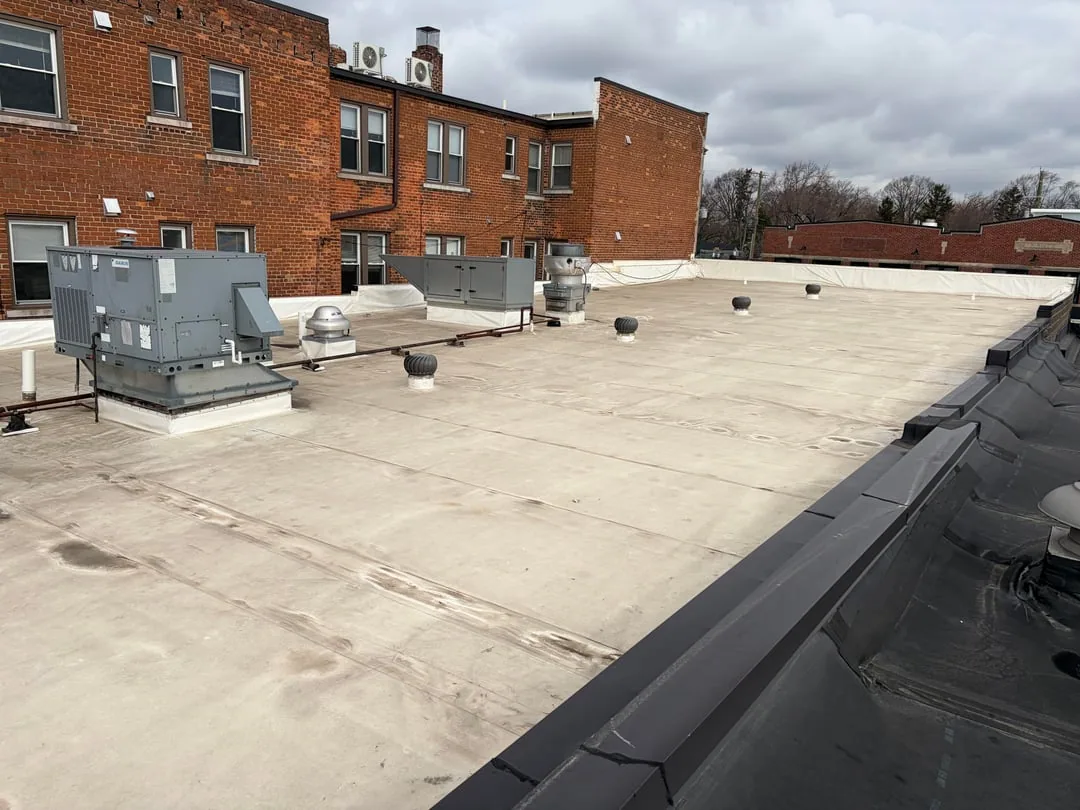
Commercial Roof Inspection
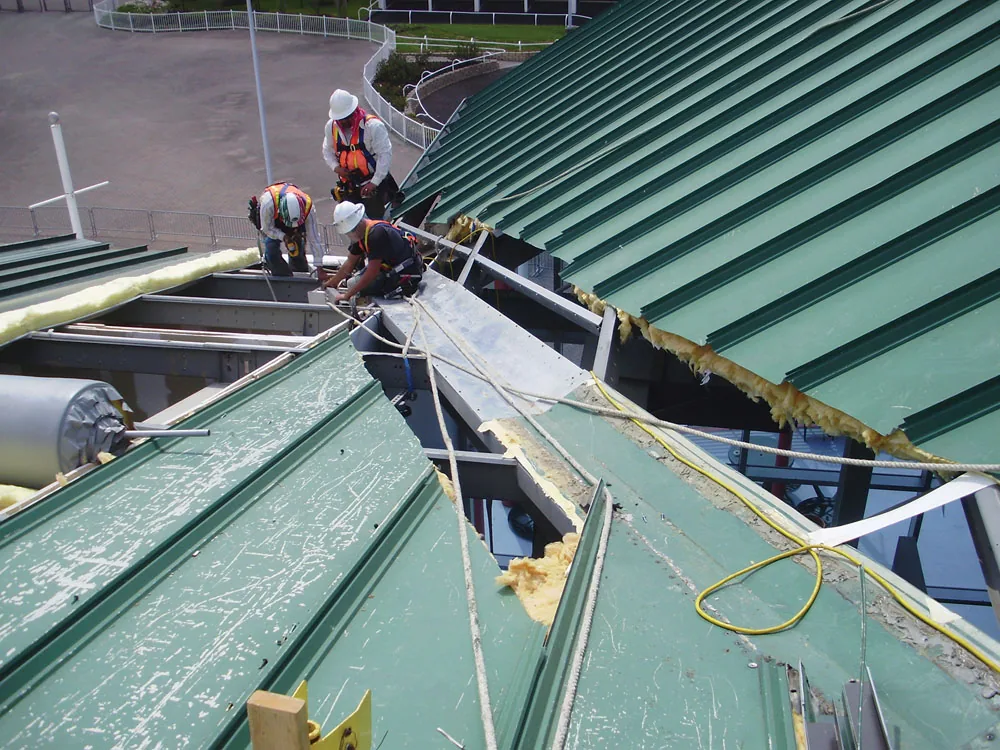
Commercial Roof Insulation and Cover Board
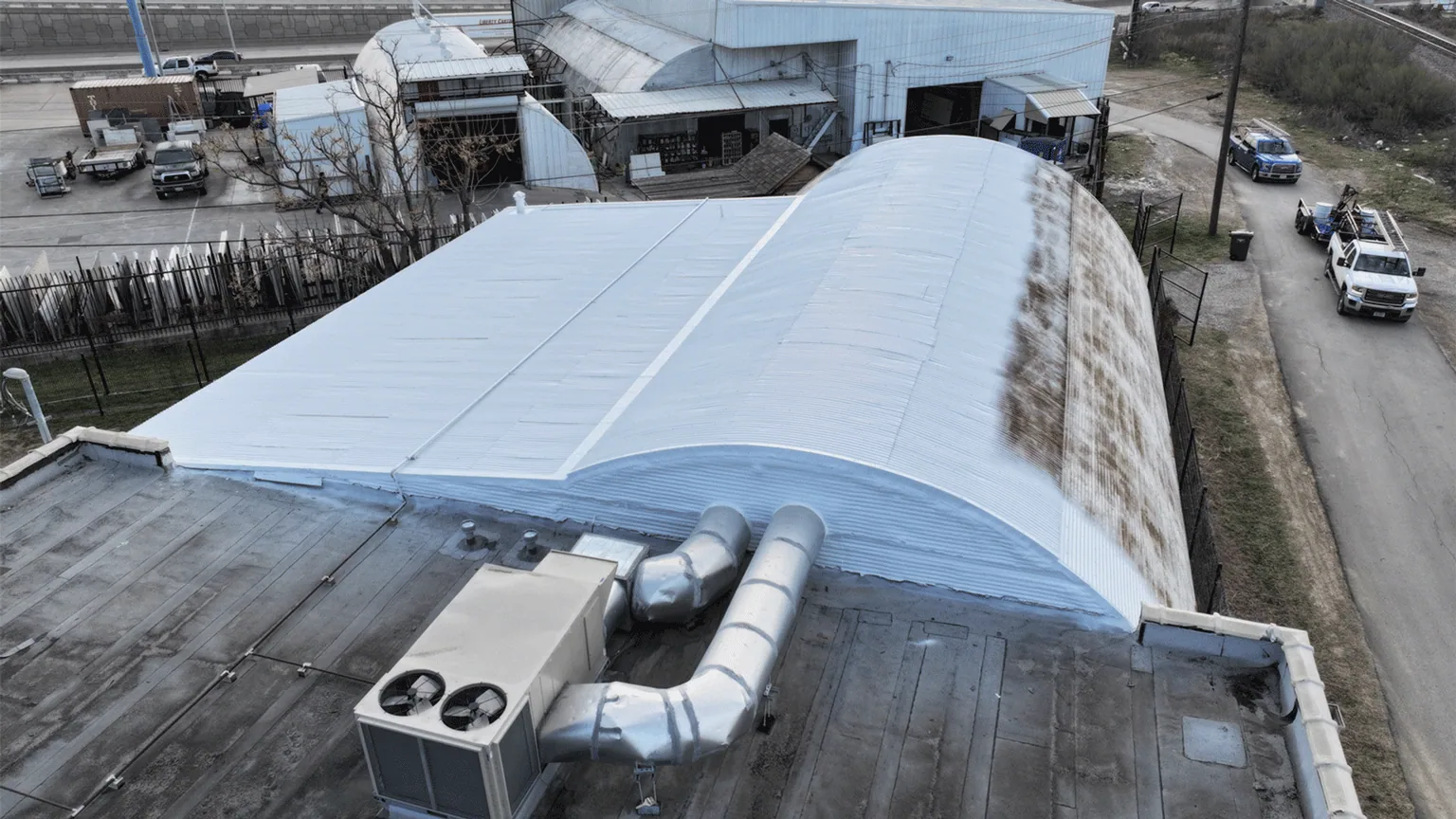
Commercial Roof Leak Repair
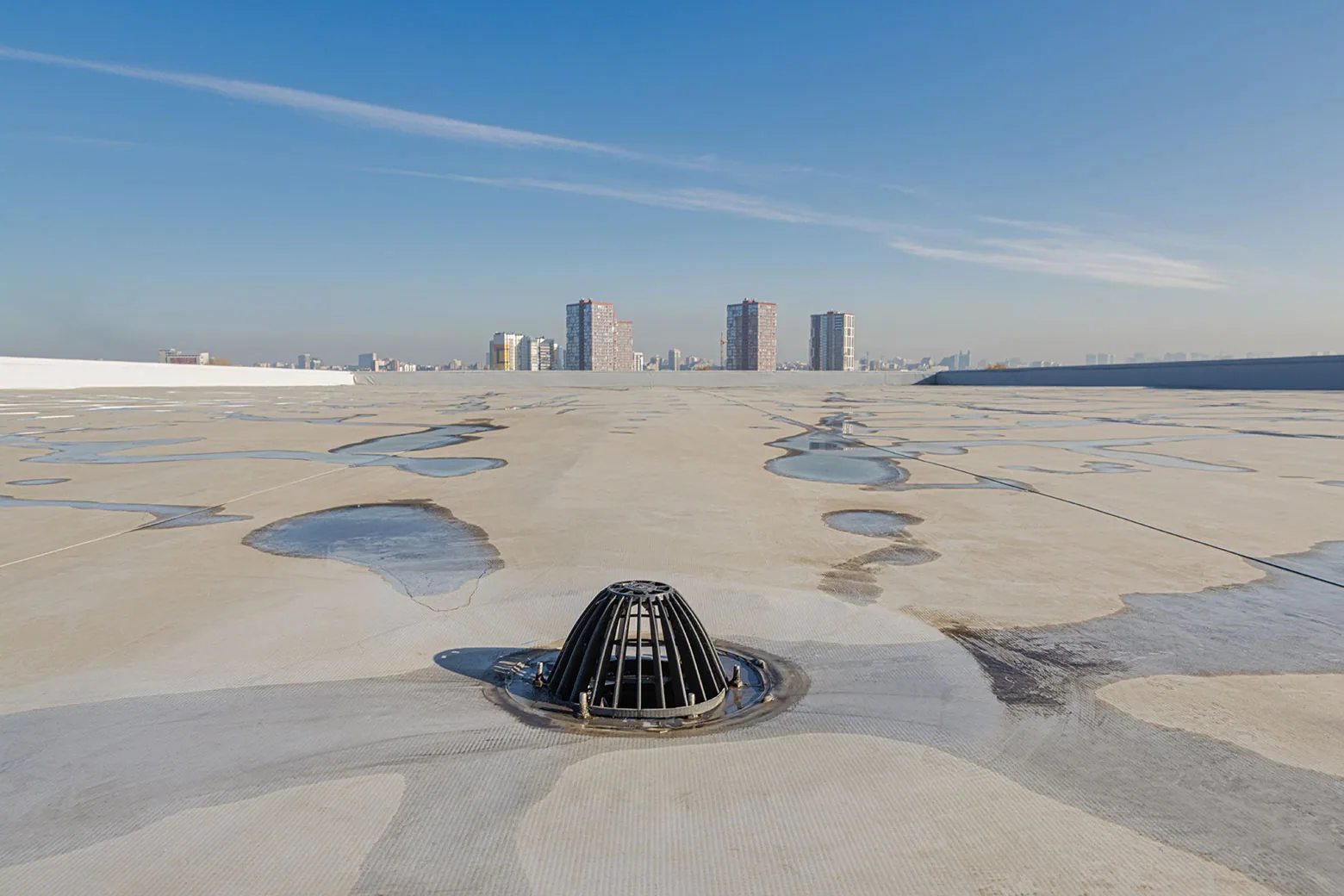
Commercial Roof Drains and Scuppers
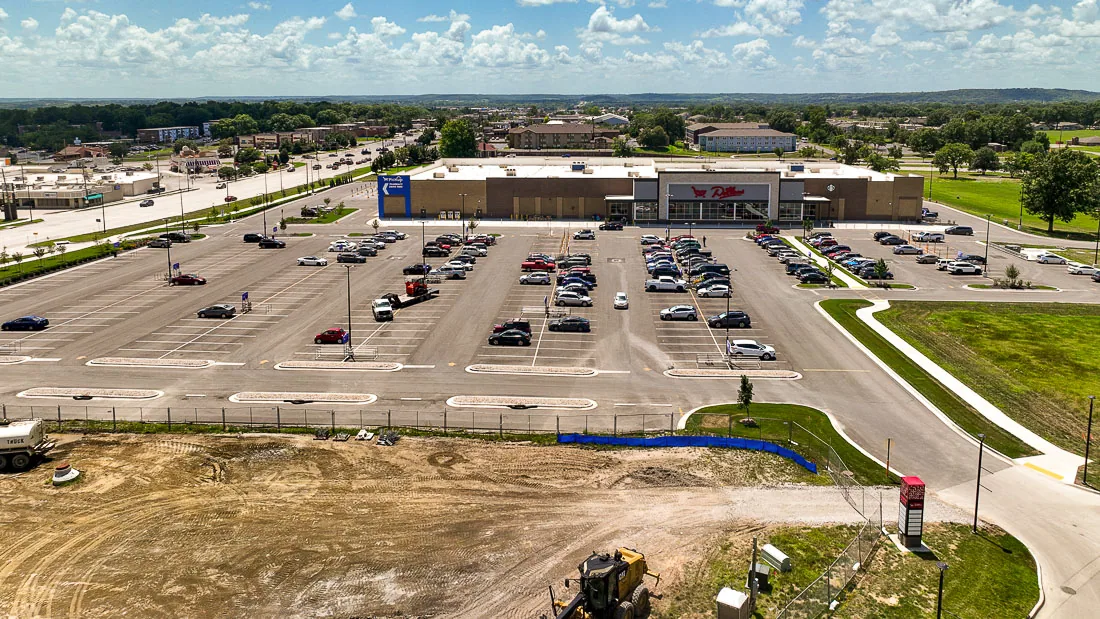
Central Crossing Commerce Park
Trace the EPDM seam and substrate
Service Area
Topeka, Auburn, Silver Lake, Carbondale, Rossville and Shawnee County, KS
Quick Contact
Email: [email protected]
Phone: 555-555-5555
Request a Roof Assessment
Send the Topeka address, EPDM records, leak location, access contact, and previous repair photos. We will inspect the splice and assembly and define a tested repair boundary.