Commercial Roofing at Harlan Industrial Park, Topeka, KS
Home / Service Areas / Harlan Industrial Park
A roof visit at Harlan Industrial Park starts with the tract, building contact, and work area available that day. The park covers 107 acres in five tracts and is designated for light-industrial development. BNSF rail access and utilities support manufacturing, warehousing, and freight-oriented uses; the site is less than a mile from I-70 and near Topeka Regional Airport. Those facts inform staging questions, but they do not identify an individual roof system or access rule. We inspect the actual roof surface, details, and drainage, then document visible conditions separately from tested sections.
Site access: What controls the first work window?
We confirm the building's owner contact, escort or key requirement, lift route, delivery point, loading limits, and hours before scheduling. Harlan has nearby connections to I-70, I-470, I-335, US-75, and the regional airport. Those routes describe the park setting, not where a specific crew can enter or stage. Each operator sets current procedures. If deliveries, rail functions, or production limit access, we record the approved zone and plan inspection around the release time.
At a light-industrial building, a repair may need overhead protection, an equipment shutdown, or a clear aisle beneath the roof. We identify those conditions before opening the assembly. A phased work sequence can separate the roof into manageable areas while leaving operating zones protected. For an active leak, emergency response can limit interior exposure, then a later visit can complete testing or permanent correction when the roof is safe and dry.
We also check whether previous roof plans or service records match the current building. A maintenance ticket may refer to a prior tenant or a local repair rather than the whole assembly. We note the document date, roof section, and any mismatch found in the field. This keeps old information from setting the repair boundary without current measurements.
Condition review: What does the roof show?
We inspect membrane seams or metal panel laps, flashings, curbs, penetrations, drains, scuppers, perimeter metal, and previous patches. Light-industrial zoning does not establish the roof type of any building. We identify the material from records and exposed conditions. A commercial roof inspection maps the sections reached and describes whether a finding was visible, tested, or still concealed.
When a ceiling report leads to the roof, we trace the likely water path instead of opening the nearest detail by default. We compare the reported area with drain bowls, low areas, seams, curbs, and walls. Water can travel under the membrane or along a deck before appearing indoors. If testing could change the repair boundary, we identify a scan or test opening and what result would affect quantity. Moisture screening helps select areas for confirmation; it does not establish every roof layer on its own.
Topeka's normal precipitation totals about 36.5 inches annually, with wet weather in warm and cold seasons. We check outlet conditions, drainage paths, and transitions that see repeated wetting. The city also has documented hail and wind events. After a reported event, we record punctures, impact marks, displaced edges, and older wear at the property. A regional record can prompt a visit, but only the inspection shows the current roof condition.
Repair boundary: How much material should be included?
A local puncture or open seam can support a focused repair when the surrounding material remains sound and compatible. We prepare the surface, restore the seam or flashing, and record the final dimensions. If a test finds wet insulation, the repair may extend beyond the visible defect to a dry boundary. If the tested section is dry, a local patch may remain a reasonable option. We state which areas were tested and which remain concealed, so the owner does not mistake one test for a full-roof result.
Repeated leak calls, widespread attachment issues, brittle membrane, or moisture across multiple zones may call for a broader project comparison. We examine insulation, cover board, deck, slope, edge conditions, drains, and rooftop equipment before considering recover or replacement. Harlan's industrial designation does not establish loads, equipment, or an assembly at a particular building. Those details come from the facility record and field inspection. A recover assessment can compare retaining an existing roof with removing it when attachment, moisture, and code conditions support review.
Temporary protection and permanent correction are separate items. We identify how an active opening will be covered, what must be checked after weather clears, and whether an owner decision is needed before increasing quantities. A measured repair scope includes preparation, material, access, tested limits, and closeout photos.
Weather plan: What changes timing in Topeka?
Warm-season storms can shift the time available for membrane work. Rain leaves surfaces unsuitable for some repairs; wind can affect sheet handling and perimeter work. Winter precipitation may restrict access until the roof is safe to walk. We identify weather-sensitive tasks and the temporary protection required between visits. If the work window is short, the estimate says whether it covers only inspection, temporary mitigation, or permanent repair.
Topeka's normal climate includes winter precipitation as well as summer thunderstorms. Drains and scuppers need clear flow before cold conditions arrive, and a low area should be checked after outlets clear. We record standing water separately from tested moisture. That distinction affects whether the next step is cleaning, localized repair, insulation replacement, or additional investigation. We do not price broad replacement from seasonal context alone.
Harlan is near Topeka Regional Airport and less than a mile from I-70, which may help explain freight-oriented use and travel connections. Nearby service-area contexts include Central Crossing Commerce Park and the Topeka Regional Airport Business Center. Each has separate property contacts and site rules. We confirm those details for the address under review rather than copying an access plan across parks.
Closeout: What should the owner keep?
Keep the roof-zone map, inspection date, material identification, test locations, photos, repair dimensions, access limits, and approval contact together. Separate temporary measures from completed work. If a roof section could not be reached, list what access is required for follow-up. When another leak appears, staff can compare the reported location with the previous record and check whether the water path changed.
A dated roof condition report preserves tested areas and repair boundaries. An owner planning work across buildings can use a capital review to compare immediate repair, added testing, and replacement timing. That record should include the evidence date and open assumptions. Older estimates may help with planning, but they do not replace an inspection of current conditions.
For service at Harlan Industrial Park, provide the building address, roof concern, access contact, and any prior repair or inspection records. We will map the affected section, identify needed testing, and explain the repair decision from field evidence.
Commercial Roofing Questions
Does the park's industrial zoning tell you what roof is installed?
No. It describes permitted development context, not a building's roof assembly. We use submittals, service records, exposed details, and field measurements to identify the system.
Can roofing work fit around freight or production hours?
The facility contact confirms current access and operating rules. We set staging, delivery, protection, and work phases around the approved window.
How do you decide whether a leak needs a local repair?
We inspect the likely entry detail and test concealed material where results may change scope. A bounded defect in sound material can support a local repair; wet insulation or repeated failures may require a wider option.
Can a Harlan storm report establish wind damage at our address?
Regional weather records provide context. We document current conditions at the property, including lifted edges, punctures, impact marks, and prior repairs.
What affects the timing of an industrial roof repair?
Weather, safe roof access, lift staging, material handling, production hours, and moisture testing affect sequence. We identify tasks that need a return visit or owner approval.
Related Roofing Work
Occupied Commercial Building Reroofing
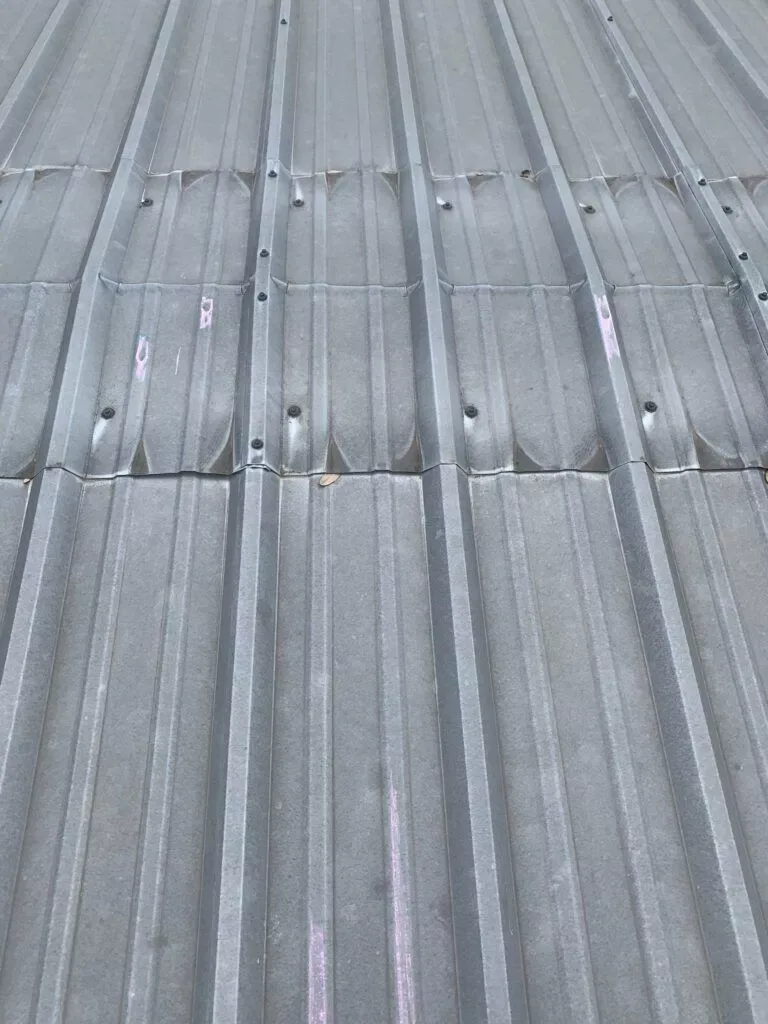
Emergency Commercial Roof Repair
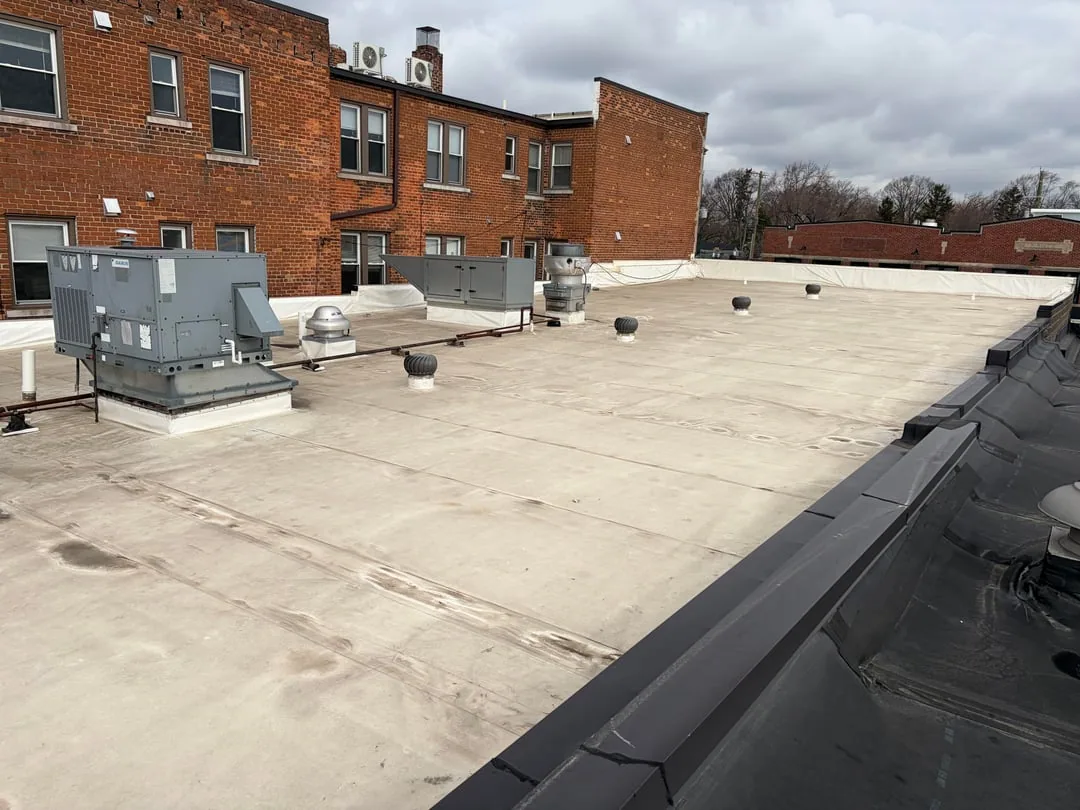
Commercial Roof Inspection
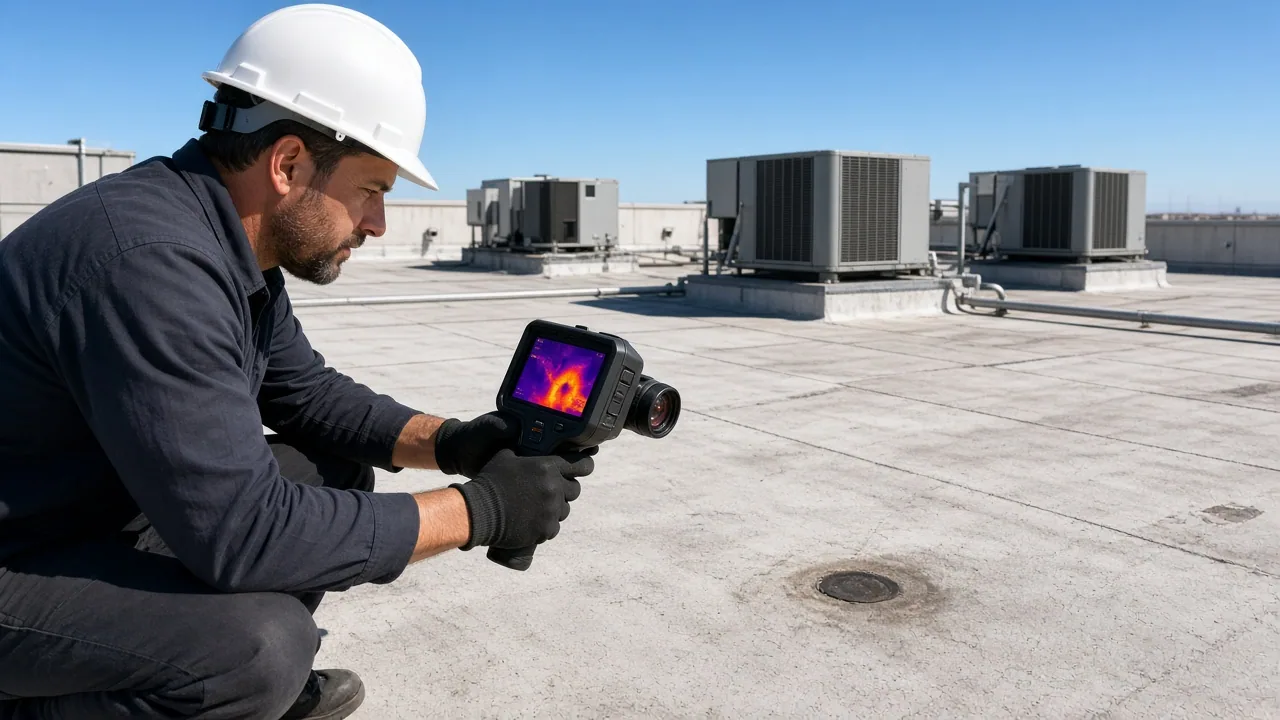
Commercial Roof Infrared Moisture Survey
Commercial Roof Recover Overlay
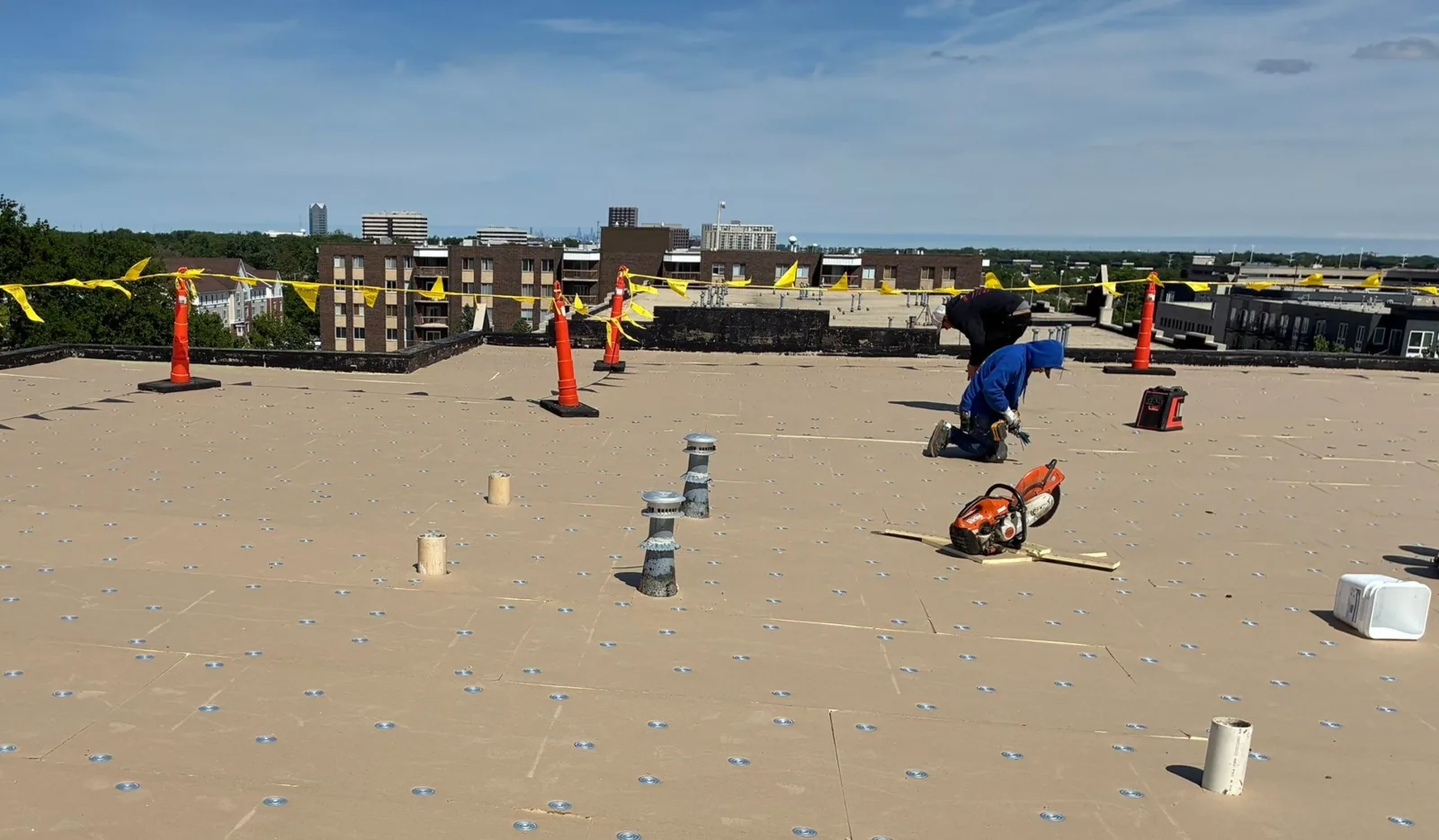
Commercial Roof Repair
Schedule the Harlan roof review
Service Area
Topeka, Auburn, Silver Lake, Carbondale, Rossville and Shawnee County, KS
Quick Contact
Email: [email protected]
Phone: 555-555-5555
Request a Roof Assessment
Provide the Harlan building address, current roof concern, access contact, and available inspection or repair records. We will inspect the affected section and define the tested repair boundary.