Commercial Roofing for Logistics and 3PL Operators in Topeka, KS
Home / Industries We Serve / Logistics and 3PL Operators
A leak above a shipping lane can stop pallet movement before water reaches the floor. We match the report with the roof section, inspect the nearest drain or curb, and mark what needs testing. That boundary helps the operator choose a dock closure and a staging route. Topeka Regional Airport’s business-center tenant list includes freight, trucking, fuel transport, distribution, and warehouse operations, so roof work must be planned against real loading controls.
Routes: How are docks kept in service?
Before mobilization, we identify inbound lanes, trailer staging, pedestrian paths, fire access, and the dock doors affected by the roof zone. The phased logistics work plan names the work area, daily tie-in, lift route, and reopening check. If a dock must pause, the operator sets a window and the plan records its duration.
The Topeka Regional Airport business center includes tenants in freight, trucking, fuel, bottling, ice distribution, construction, and solar warehousing. The airport business center is a local reference for diverse delivery needs, not a map of any one operator’s dock. We confirm actual trailer movement, carrier rules, and storage locations at the project address.
Harlan Industrial Park is less than a mile from I-70, near the airport, with connections to US-75, I-470, and I-335. Those highways help explain Topeka’s freight access. At a logistics building, we still need the site manager’s route for cranes, material drops, and truck detours before a roof section is released.
The site handoff names who receives access changes before shift turnover and who confirms a blocked dock has reopened. Record the next shift’s contact and the time normal dock traffic resumes.
Survey: Which leak reports affect inventory?
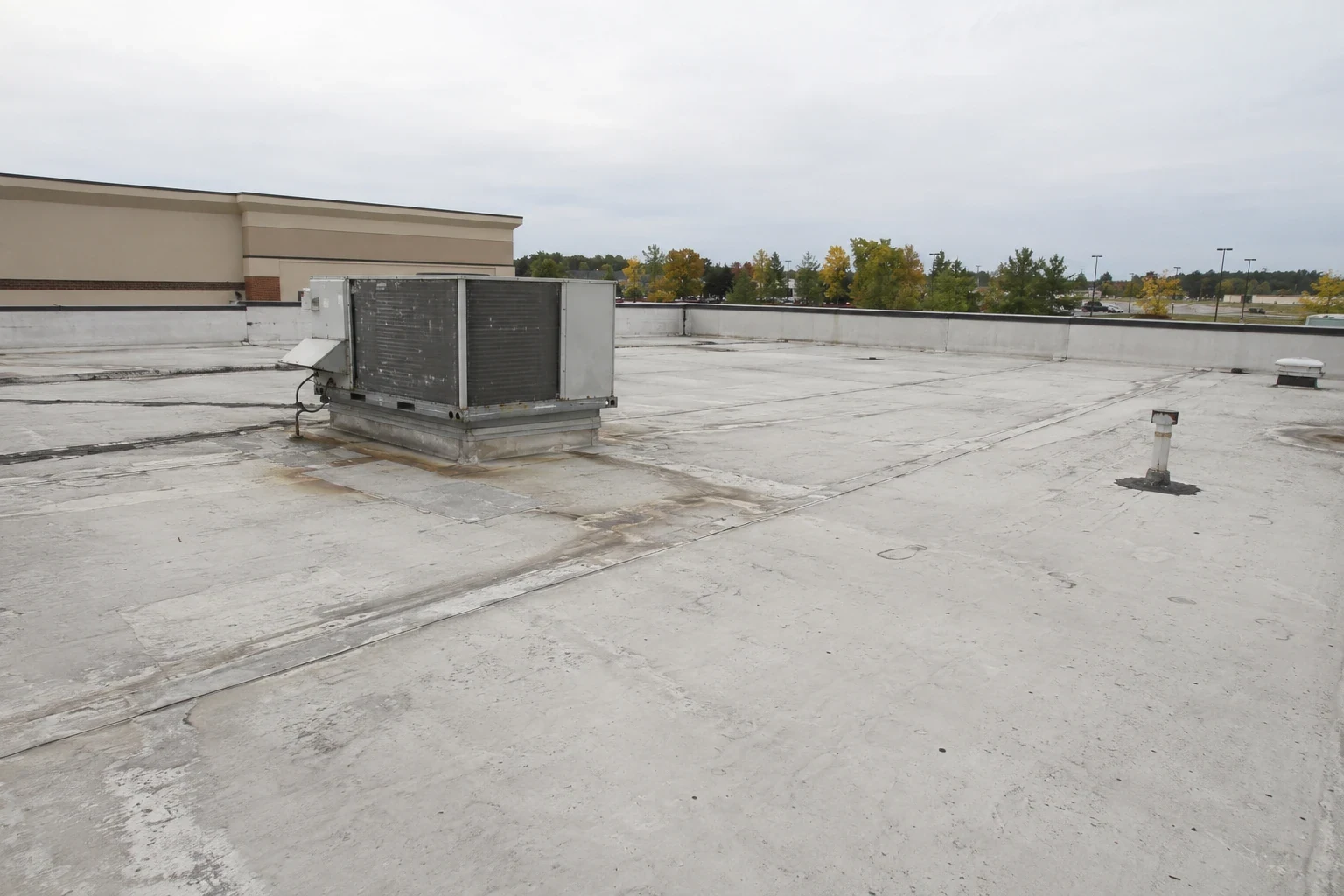
A ceiling drip near a pick lane may have entered at a distant seam or equipment curb. We log the dock or aisle, time, weather, and any damaged packaging, then compare that report with roof slope and prior repair marks. A commercial roof inspection maps visible conditions and lists sections the survey could not reach.
Moisture readings can help identify a candidate opening, but the removal quantity comes from confirmed material. We mark wet insulation, deck condition, and dry boundaries by roof zone. A moisture survey supports testing where results affect dock planning or material protection; it does not extend a wet area beyond the measured limit.
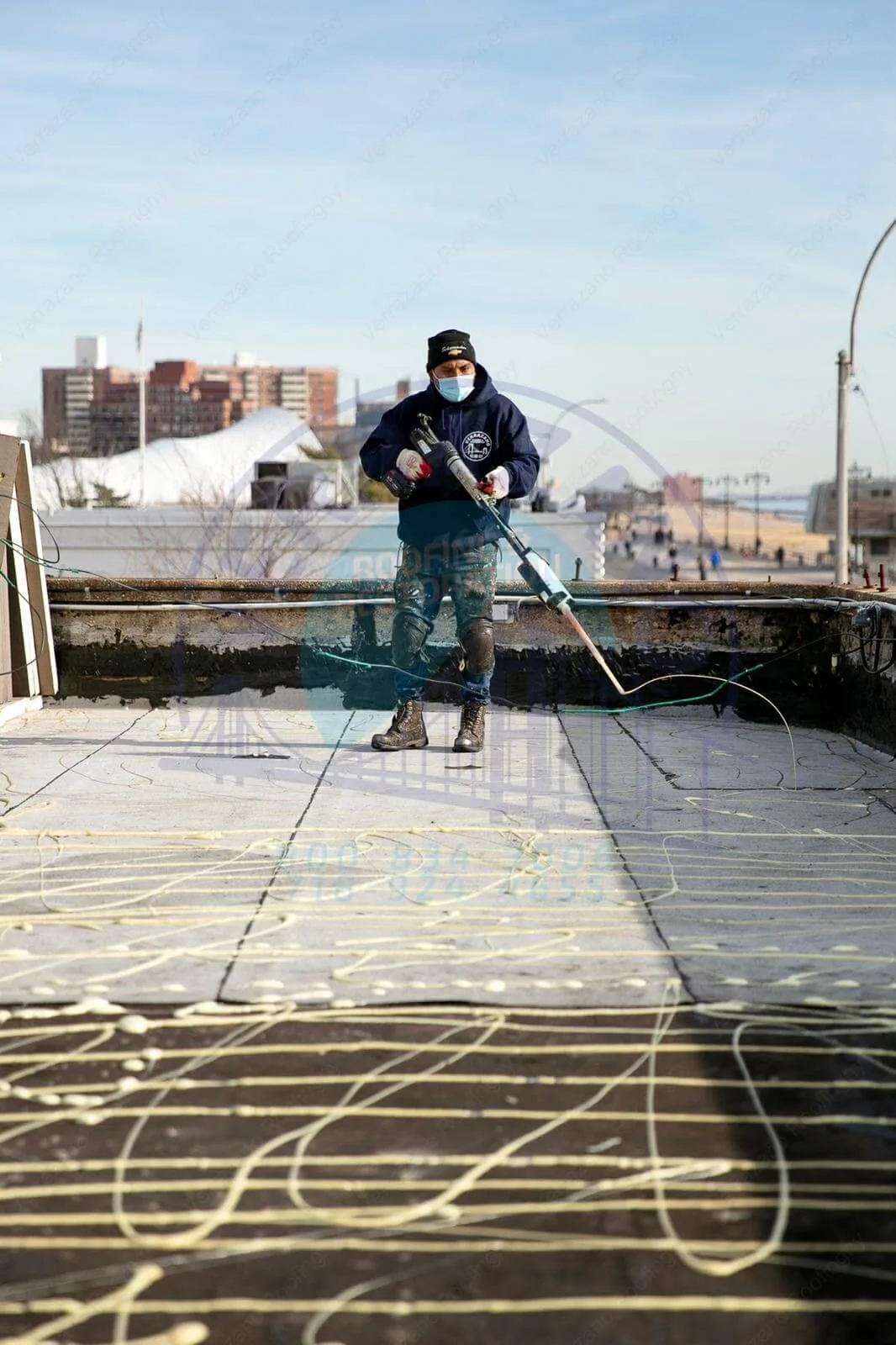
If roof work is above inventory, we specify pallet moves, overhead protection, and any aisle closure before removal. The operator decides which goods can be relocated and who accepts the area after cleanup. A test opening can be scheduled during a lower-volume shift, but the roof tie-in must remain secure if the work stops before the permanent repair is complete.
Repair: What is the limit of the emergency work?
A failed seam, flashing, puncture, or curb may be repairable if the surrounding insulation and deck remain sound. The roof repair scope states preparation, compatible material, dimensions, dock protection, and the closeout check. The work order also names who can authorize additional removal if the opening exposes wet material.
For active water, the shipping lead can report the affected lane and the last safe access point. We coordinate the response with the facility contact, shield goods below the opening, and document any short-term cover. A separate permanent scope follows after the roof source is confirmed. If the affected area stays restricted, the response note identifies the remaining safety or cleanup step.
When an opening extends beyond its initial boundary, we protect the roof and report the added dimensions with photos. The operator can authorize the larger repair, schedule a second shift, or request further testing. We keep the base quantity and additional work distinct so an urgent response does not become an open-ended shutdown allowance.
Weather: How does a storm change dock planning?
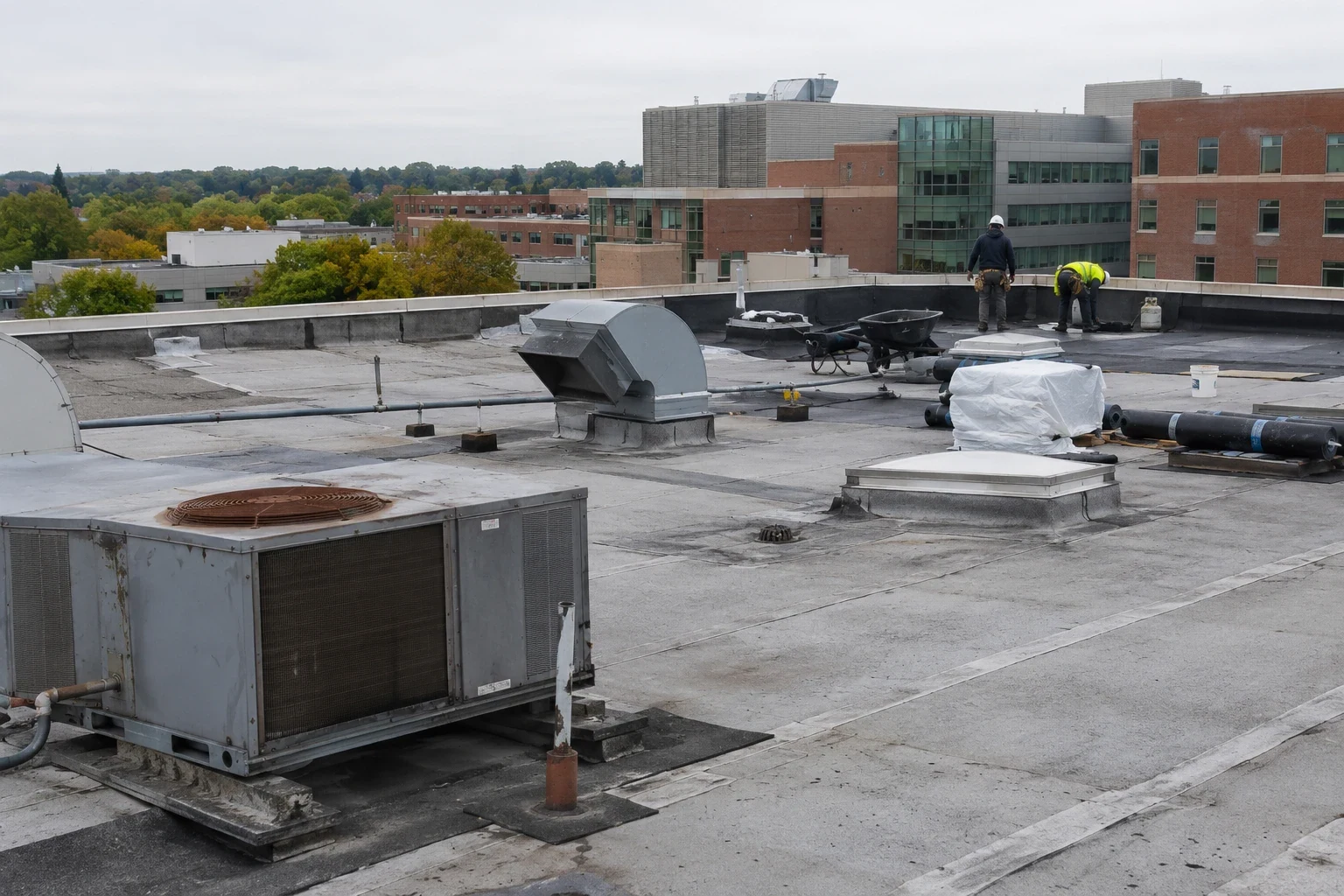
Snow and freeze-thaw can obstruct roof outlets or leave ice around access points, so the dock plan should include a safe return inspection. Before a wet period, we inspect drains, scuppers, low spots, and panel or membrane transitions. After thaw, we confirm that the outlet cleared and that water is no longer held at the same section. The inspection record names any roof zone that remains inaccessible.
Hail and wind appear in the regional event record, but only a facility visit can establish whether a roof edge, fastener, or panel moved. After a storm report at the facility, we inspect roof edges, fasteners, seams, and equipment flashing at that address. We photograph site conditions and separate fresh displacement from routine wear. We tie each proposed repair to conditions observed at the inspected warehouse.
Snow or ice can close roof access even while shipments continue. If a roof area cannot be safely reached, we identify it and plan a return visit. Operations staff can keep goods clear below a reported leak while the facility sets the next safe access period.
Capital: When does a broader roof scope help?
Leaks across several dock zones, repeated wet insulation, or recurring fastener and seam failures can justify a larger comparison. A replacement assessment weighs repair, recover, and tear-off against structure, drainage, roof traffic, and shipment timing. Cost drivers include lift access, interior protection, staging space, insulation removal, and the number of docks available during each phase.
A manufacturer roof plan may need production shutdown controls; a property management program may coordinate tenants across several addresses. A 3PL operator has carrier cutoffs, inventory placement, and dock utilization to consider. We state those operating assumptions beside the measured roof quantity.
Central Crossing Commerce Park has direct BNSF rail service, utilities, major-road access, and adjacency to Topeka Regional Airport. Those connections illustrate the logistics context of the market. An individual facility still sets its own transfer, rail-side, and truck access requirements for roofing materials and equipment.
Record: What keeps the next shift informed?
Keep the roof map with dock numbers, leak dates, moisture readings, photographs, repair dimensions, and material details. Record the loading lanes closed, inventory moved, and time each area returned to service. Any roof section not reached should remain marked for follow-up.
If a new drip appears, compare the aisle, timing, and roof zone with the completed repair and nearby drain. The cause may be separate from the last leak. The record gives a shift lead a precise location and tells facilities whether another test is needed.
Send the Topeka address, dock map, operating windows, access contact, and open water reports. We will identify test areas, inventory protection, and a work phase that fits the release schedule.
Commercial Roofing Questions
Can roof work proceed while outbound orders are moving?
It can when the operator releases a zone and the material route avoids active docks. We list closures, daily tie-ins, and the time a lane can reopen.
How do you protect inventory below an active leak?
The site contact identifies the stock and aisle at risk. We coordinate temporary protection and roof testing, then record what remains before goods return to the area.
What affects the repair window at a distribution building?
Dock schedules, carrier cutoffs, lift staging, inventory movement, weather, and access rules all affect sequence. We state which assumptions control each phase.
Can you respond after the shipping shift ends?
Our on-call crew can be reached outside normal shifts, including weekends and holidays. We arrange entry with the operator and separate immediate protection from permanent repair.
When should logistics facilities compare reroofing?
Repeated leaks across several zones, broad moisture confirmation, or recurring panel failures can justify a capital review. Tests establish quantities and operating limits for each option.
Related Roofing Work
Occupied Commercial Building Reroofing
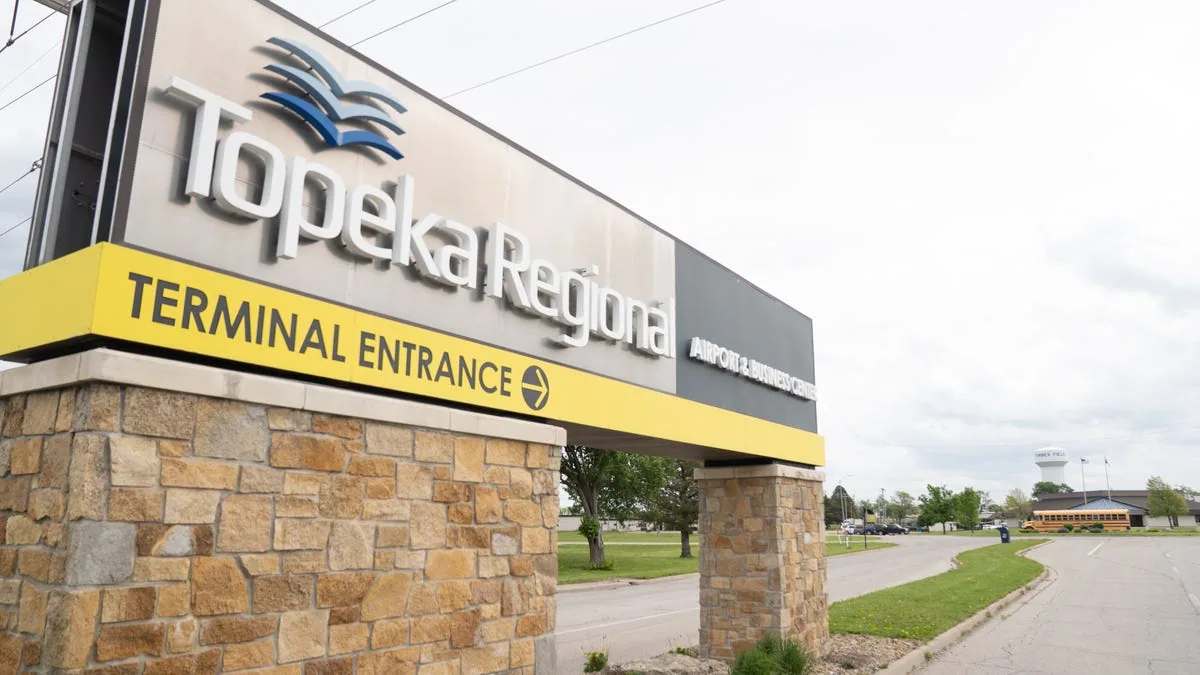
Topeka Regional Airport Business Center
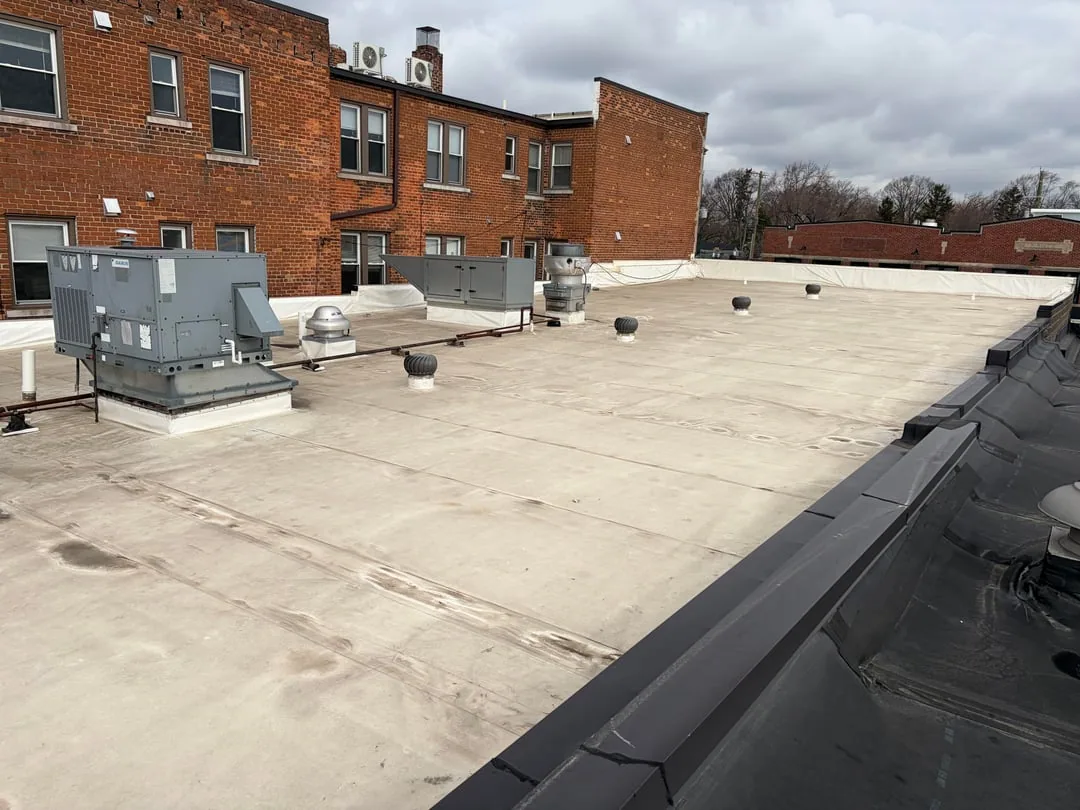
Commercial Roof Inspection
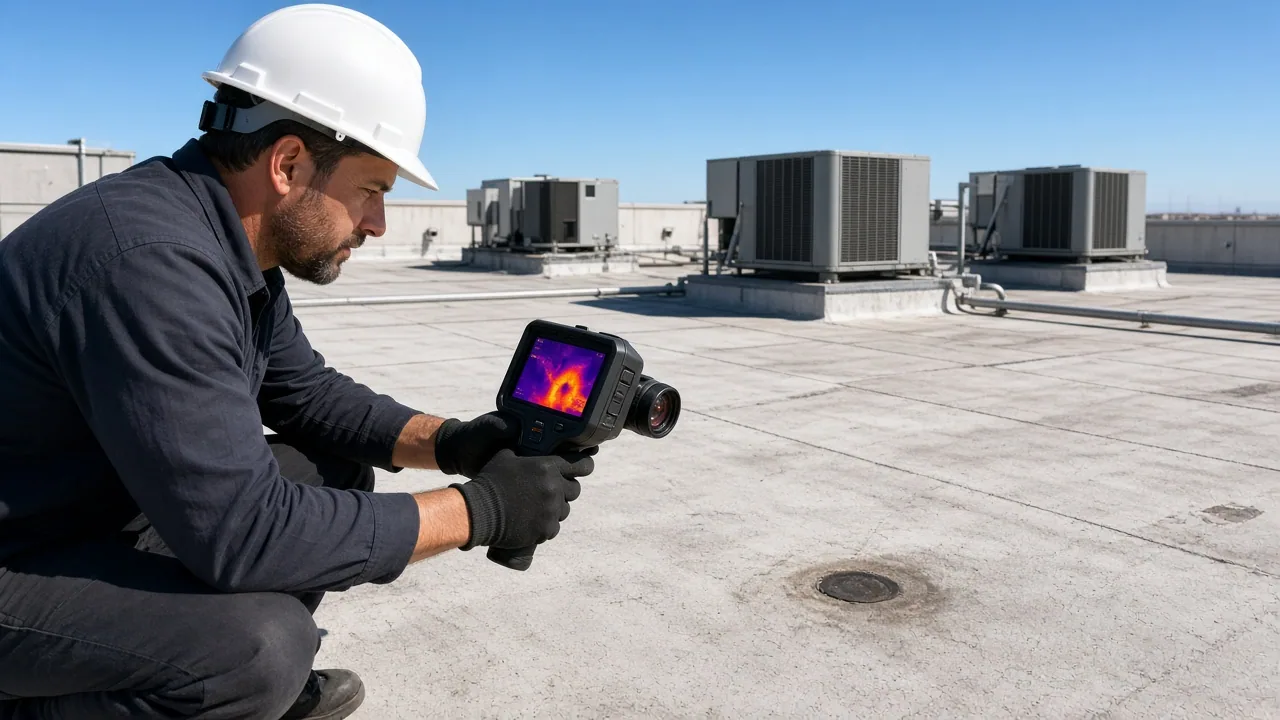
Commercial Roof Infrared Moisture Survey
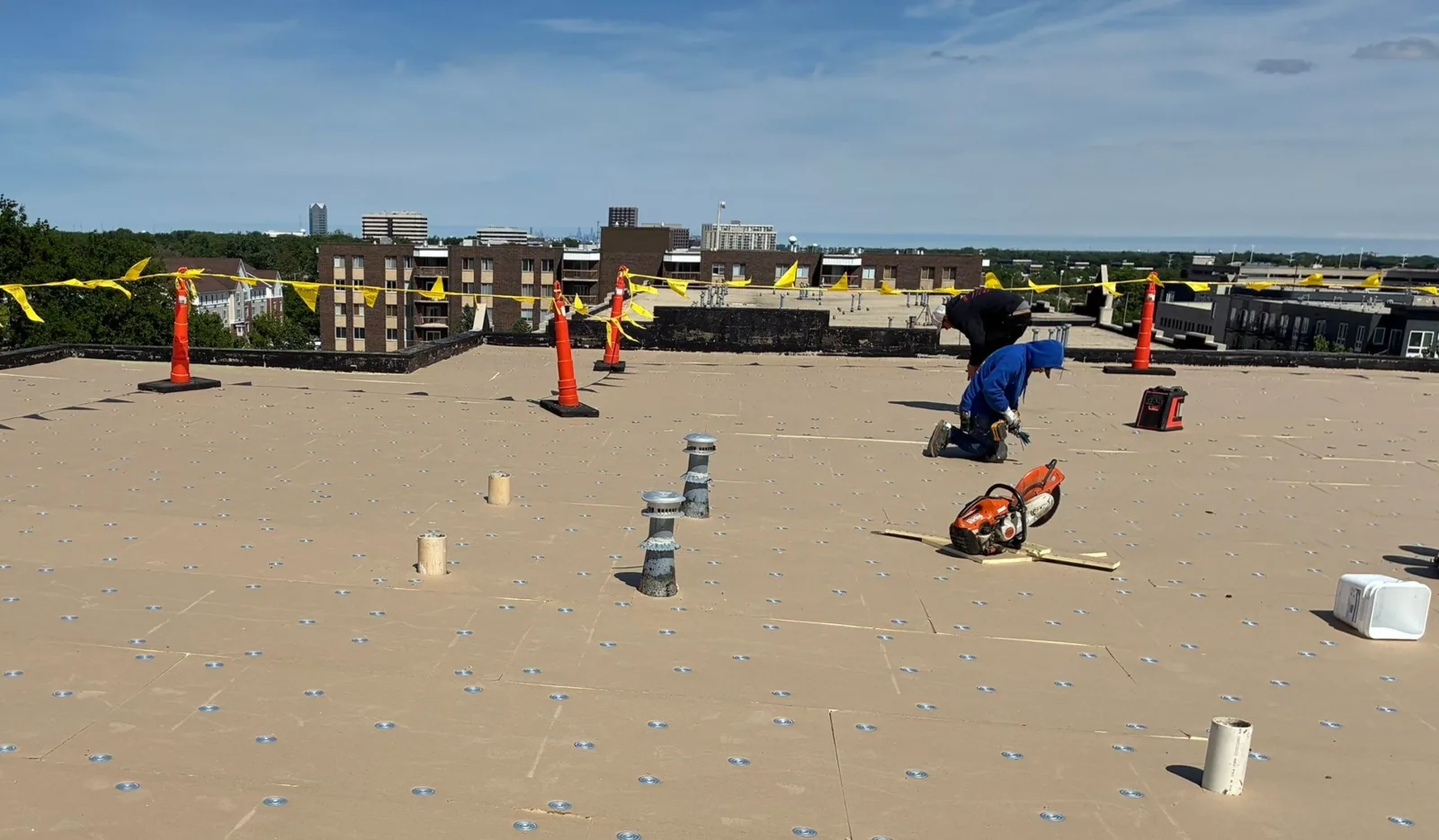
Commercial Roof Repair
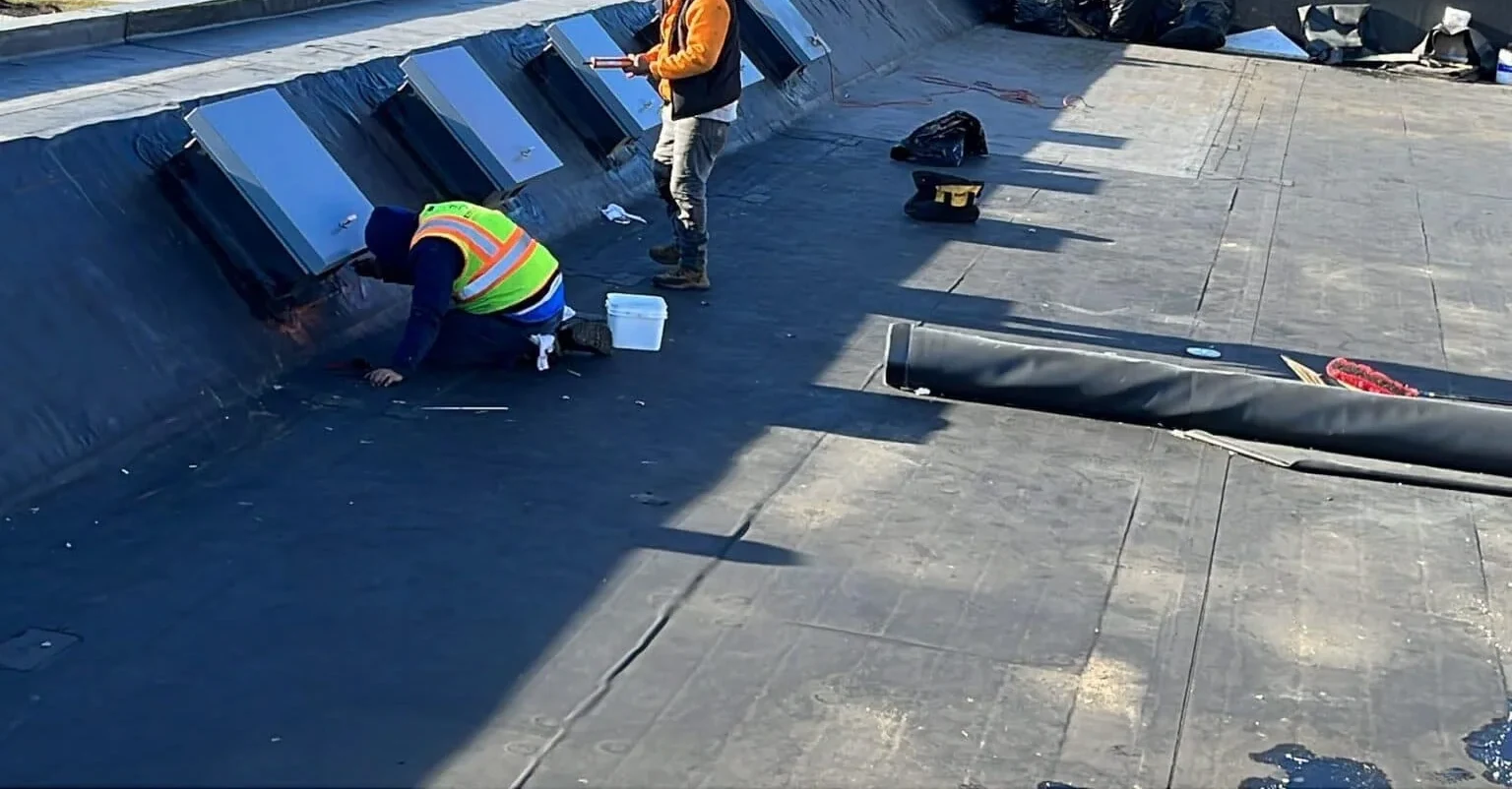
Commercial Roof Replacement
Plan roof work around dock flow
Service Area
Topeka, Auburn, Silver Lake, Carbondale, Rossville and Shawnee County, KS
Quick Contact
Email: [email protected]
Phone: 555-555-5555
Request a Roof Assessment
Send the Topeka facility address, dock map, shift or carrier schedule, roof plan, and access contact. We will map tested sections and work windows.