
Commercial Roof Membrane Puncture Repair in Topeka, KS
Home / Roof Damage Repair / Commercial Roof Membrane Puncture Repair
A puncture beside a service path can be small on the surface and still leave wet insulation beneath it. We mark the opening, inspect the membrane around it, and test before setting the patch size. Topeka’s industrial stock includes food-grade production buildings at the Mars Wrigley campus and tire manufacturing along the North Topeka US-24 corridor. In Rossville, we still inspect the exact roof zone, material, and access conditions before setting a repair boundary.
Opening: Is the damage limited to the visible mark?
We photograph the puncture with enough surrounding roof area to locate it later. The crew checks whether the membrane is cut, abraded, cracked, or pressed inward and whether a patch or prior repair sits nearby. A commercial inspection records membrane type, roof zone, nearby seams, and penetrations. We note whether the mark sits beside equipment, a walkway, or a material staging point reported by the owner.
Foot traffic can scuff a surface without penetrating the membrane. A tool drop, sharp debris, or fastener may create a hole with a different repair method. We inspect the underside only when a safe test opening is approved. Readings from a moisture survey can help choose a test location, but a reading alone does not prove the insulation is wet. The report distinguishes visible damage from concealed conditions.
Interior water may emerge away from the puncture. We compare the ceiling report with slope, deck direction, seams, and nearby drains. If the path remains uncertain, a controlled test or additional opening may be proposed. The owner approves any diagnostic work that expands beyond the visual inspection. That decision prevents the estimate from treating an assumed water path as a measured repair quantity.
A small puncture can pass through more than the exposed sheet. We identify the point of entry, check whether water reached insulation or deck, and look for a second opening created by equipment, foot traffic, or a sharp edge. A close photograph shows the damage; a wider image marks its position relative to seams, curbs, and drainage. If a test opening is needed, its location and result remain separate from the rest of the roof. The repair boundary reaches material that can accept a compatible tie-in, while any wet insulation or damaged deck receives a measured quantity and owner approval before removal continues.
Membrane: Which patch method fits the roof?
A patch must match the existing membrane and its repair requirements. We identify the material, surface condition, and prior coatings before selecting heat welding, adhesive, or a compatible cover strip. The repair scope names preparation, dimensions, materials, and the final bond check. A patch placed over dirt, moisture, or incompatible residue may not hold at its perimeter.
For a puncture near a seam, we check whether the lap has opened beyond the mark. The boundary includes material needed for a sound tie-in, not just the visible hole. If testing finds a wet area beyond that repair line, we document the added dimensions and pause for an owner decision. The seam failure review can distinguish a puncture repair from a separate lap problem.
Roof traffic should be considered after the repair. A recurring service route may need walk pads or a different access path, but we confirm the route with the facility contact. We do not infer the building’s roof use from its industry or nearby employer. The scope can identify the reported foot-traffic path and list protection as a separate item for approval.
Exposure: What needs attention before permanent work?
If water is entering the building, we protect the interior and secure the roof opening while permanent materials are arranged. A short-term cover is documented with location, attachment, and limits. It does not replace a compatible patch or confirm the extent of moisture below. If rain is expected, we identify a secure stopping point so the crew does not leave a new opening exposed.
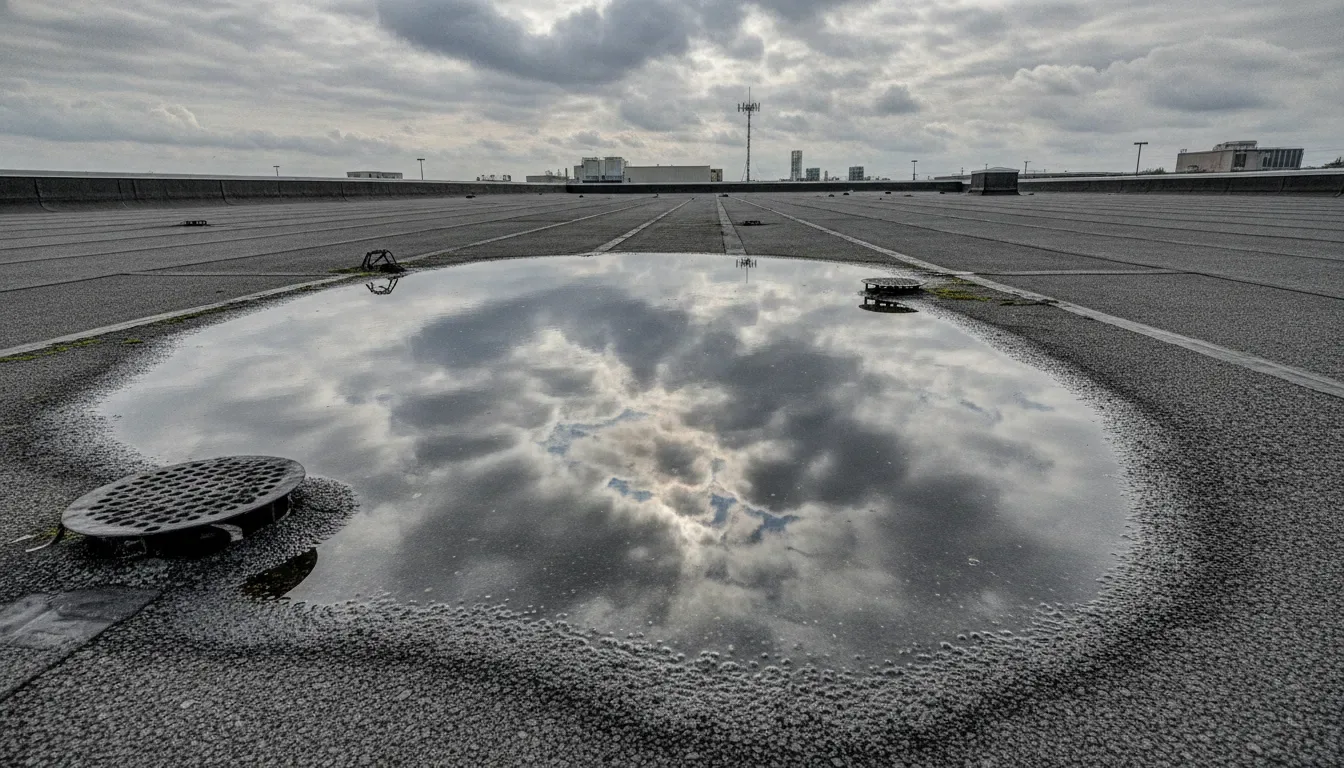
Topeka receives summer thunderstorms and winter precipitation. Wet conditions can delay membrane work because the substrate must be suitable for a lasting bond. Snow or ice may also make the route unsafe. We record the weather constraint and return when the repair surface can be inspected and prepared. If a puncture sits in an area that holds water, a ponding water inspection can examine drainage separately from the hole.
Interior protection depends on what sits below the affected area. The site contact identifies equipment, stored materials, occupied rooms, and any electrical concern. At a food-grade facility or school, the property contact may set added controls for sanitation, classes, or equipment access. We confirm those requirements before opening the roof and keep interior actions separate from roofing quantities.
Quantity: What changes the repair cost?
Patch size, membrane type, roof access, moisture extent, protection needs, and the number of separate locations affect the work. A single puncture reached through a hatch may take less setup than several marks across a restricted production roof. The estimate lists each tested section and the dimensions tied to the price. Any deck or insulation work remains separate until confirmed by opening the assembly.
Where a site has several penetrations or service routes, we keep the photo log keyed to the building and roof zone. The marked map lets a maintenance lead compare a future condition with the original patch, even if the person who scheduled the repair is no longer at the property. A clear location reference also prevents a crew from testing a nearby but unrelated roof area.
After installation, we inspect the patch edge and adjoining membrane, then photograph the finished detail. The record includes the location, method, materials, measurements, and any repair limitation. If the puncture was caused by a temporary work route, the property team can decide whether to adjust access or add protection. That follow-up addresses the cause reported without assuming similar damage elsewhere.
A later leak can be compared with the original photo and roof map. If it appears near the same zone, we determine whether it meets the patch, a seam, or another detail. The owner receives the observations and a distinct scope for additional testing when needed. This is useful on multi-building properties where a crew or facility manager may need to locate the exact prior repair months later.
When several punctures appear after equipment work, compare repair dates and roof-zone photos before combining them into one scope. Measure each opening separately; a shared mobilization does not make nearby membrane part of the confirmed repair. This keeps pricing tied to inspected damage and gives the owner a clear basis for approving any added work.
Commercial Roofing Questions
Can a small hole cause wet insulation?
It can, depending on exposure and how long water entered. We inspect and test the adjoining assembly before deciding whether the repair stops at the membrane or includes insulation.
How do you know which material to use for the patch?
We identify the existing membrane and surface condition first. The repair method follows that system and includes preparation and a check of the finished bond.
Will a patch cover a failed seam next to the puncture?
Only if the seam is part of the measured defect and the selected repair restores it correctly. We mark the boundary and price any seam work separately when it extends beyond the puncture.
Can you repair a puncture during wet weather?
The substrate must be suitable for the chosen materials. We can protect an active opening, record the temporary measure, and return for permanent work when conditions permit.
How can recurring foot-traffic damage be reduced?
Foot-traffic patterns can be reduced with protection such as walk pads or a changed access path. The property contact confirms who uses the route and whether another trade needs access.
Related Roofing Work
North Topeka US-24 Industrial Corridor
Rossville
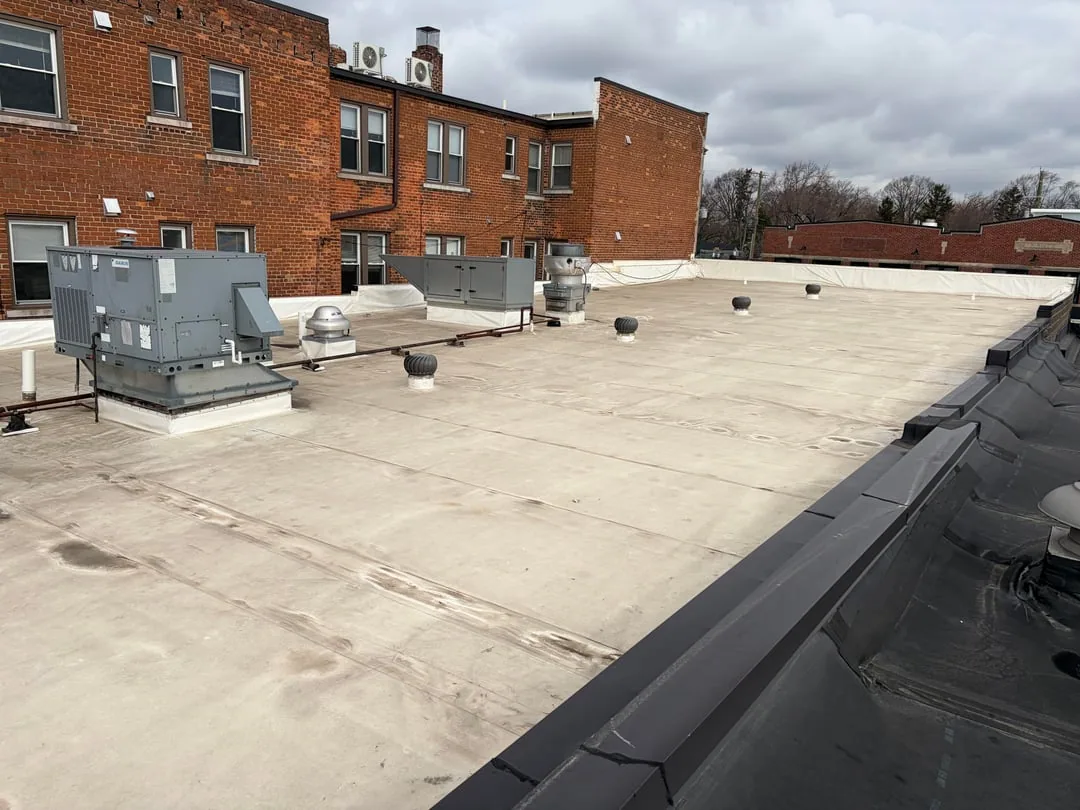
Commercial Roof Inspection
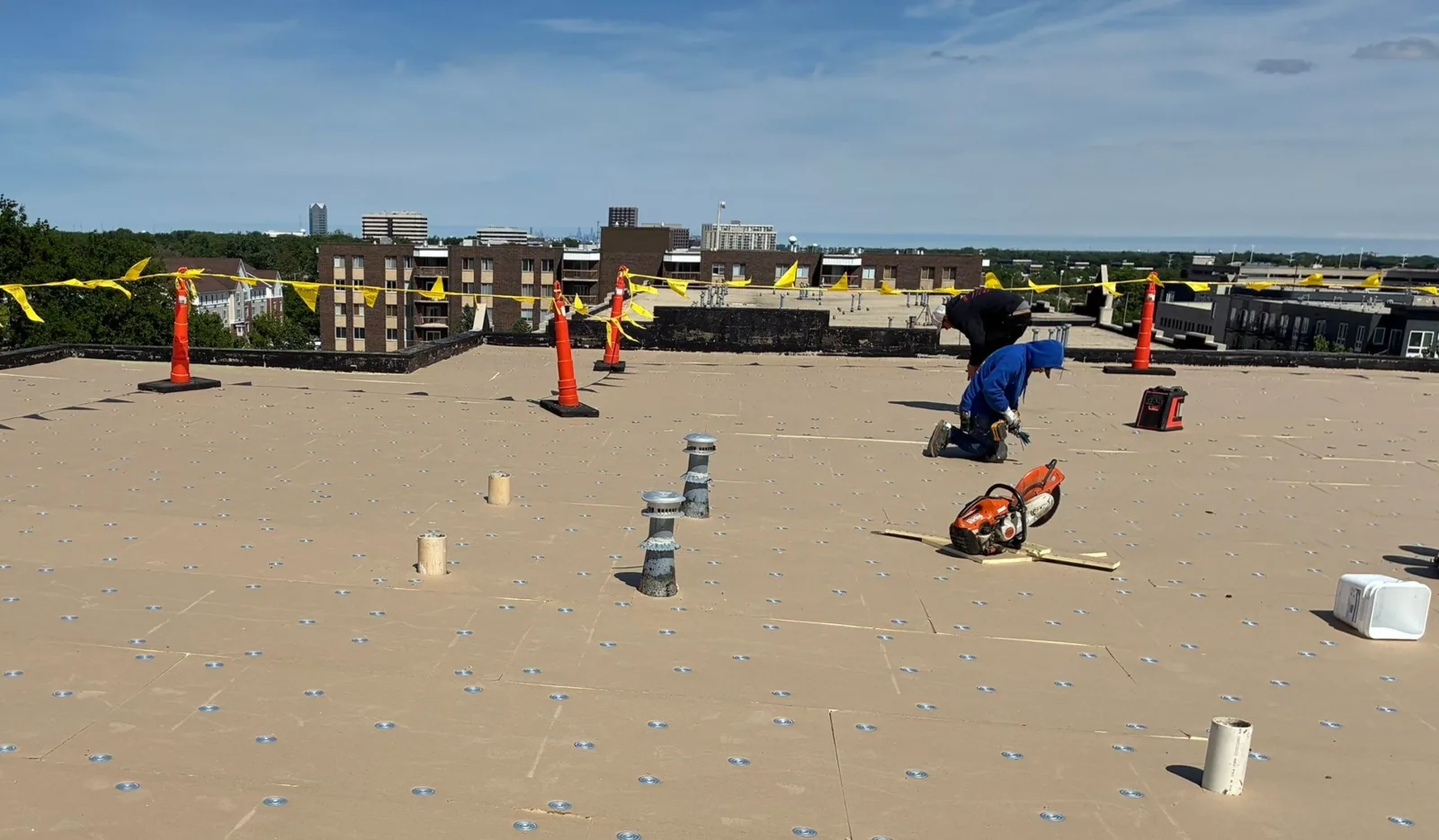
Commercial Roof Repair
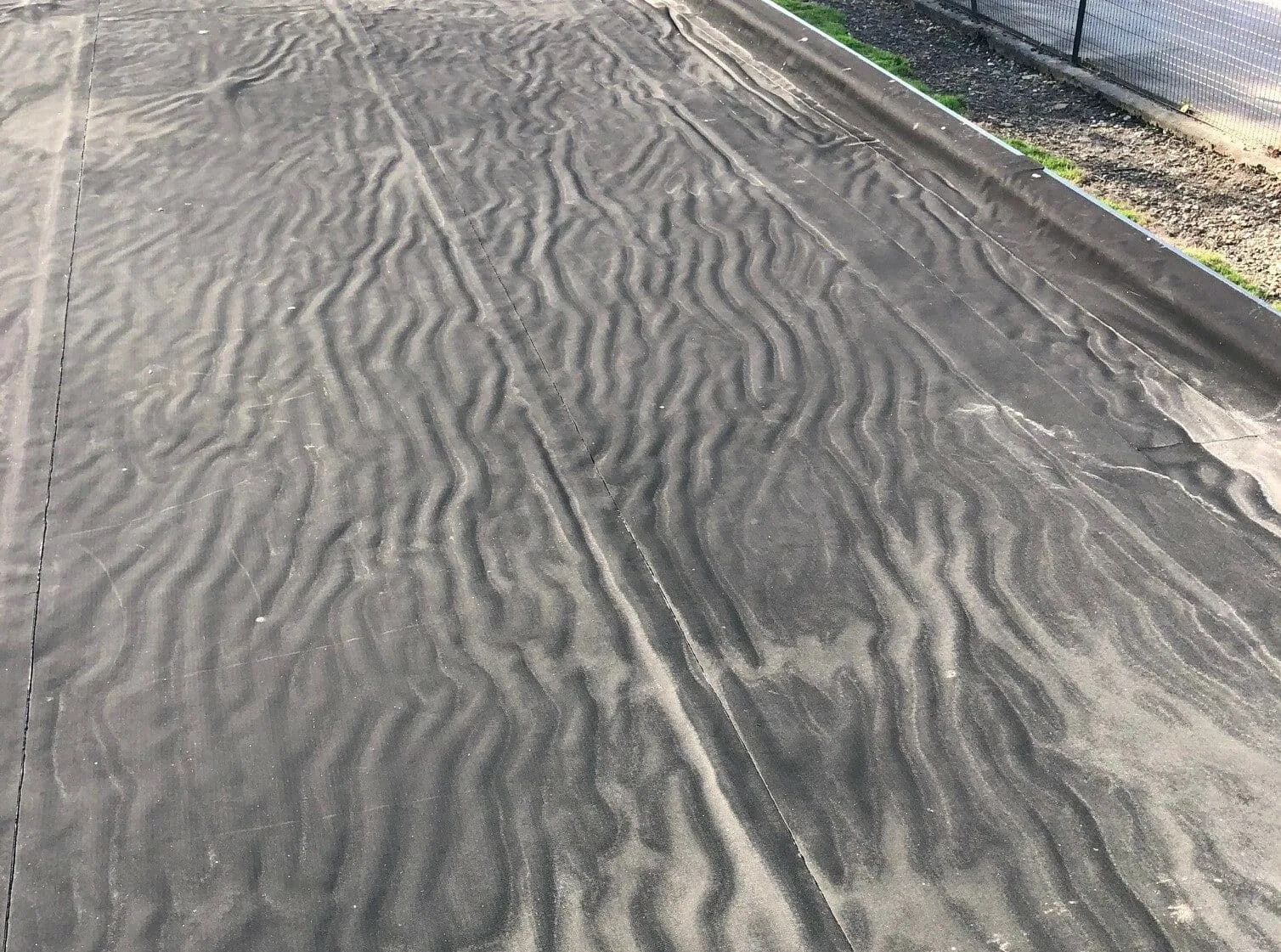
Commercial Roof Seam Failure Repair
Commercial Ponding Water Roof Repair
Locate and repair a Topeka roof puncture
Service Area
Topeka, Auburn, Silver Lake, Carbondale, Rossville and Shawnee County, KS
Quick Contact
Email: [email protected]
Phone: 555-555-5555
Request a Roof Assessment
Send the address, marked roof location, recent interior reports, and access contact. We will identify the membrane, test the surrounding area, and price a defined patch.