
Commercial Roof Condition Reports in Topeka, KS
Home / Roofing Capabilities / Commercial Roof Condition Reports
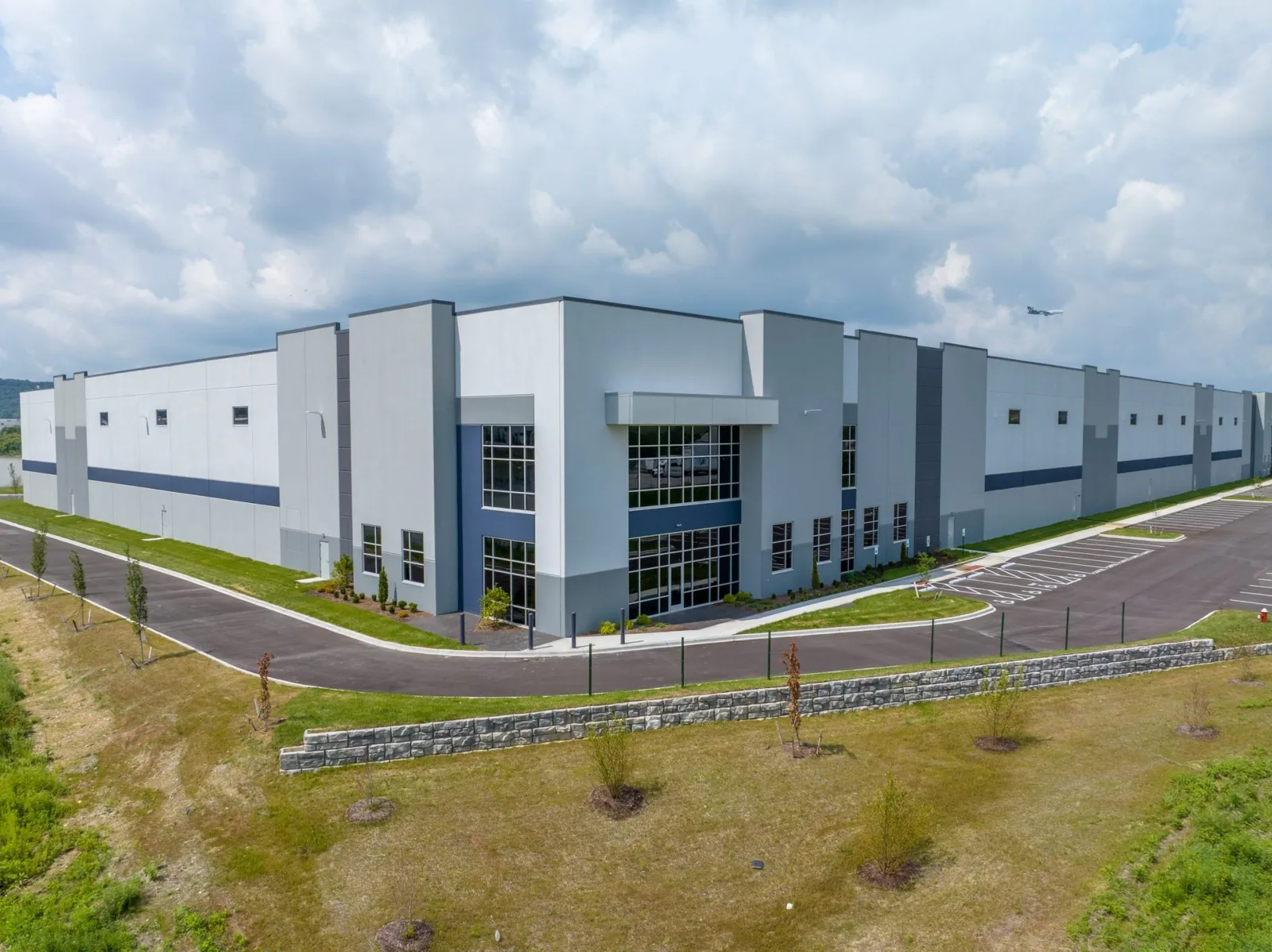
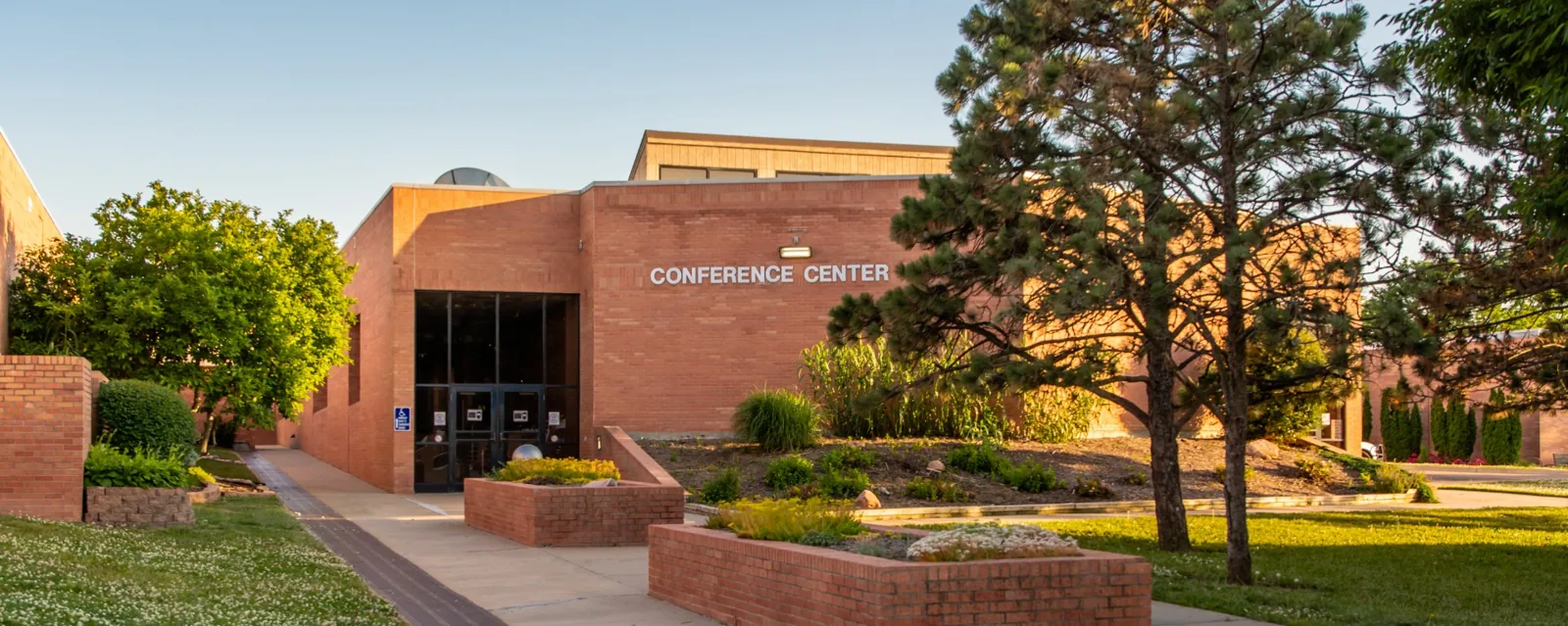
A roof photo without a building, zone, and scale is hard to use at the next budget meeting. We record visible conditions, test points, access limits, and repair boundaries in a report the facility team can revisit. The Topeka Regional Airport authority’s tenant list spans freight, fuel transport, construction, and warehousing, while Washburn Tech Main Campus contains classrooms, labs, and shops. Different buildings need different notes. The report ties each observation to the property and the roof area inspected.
Photos: Can another person find the same roof detail?
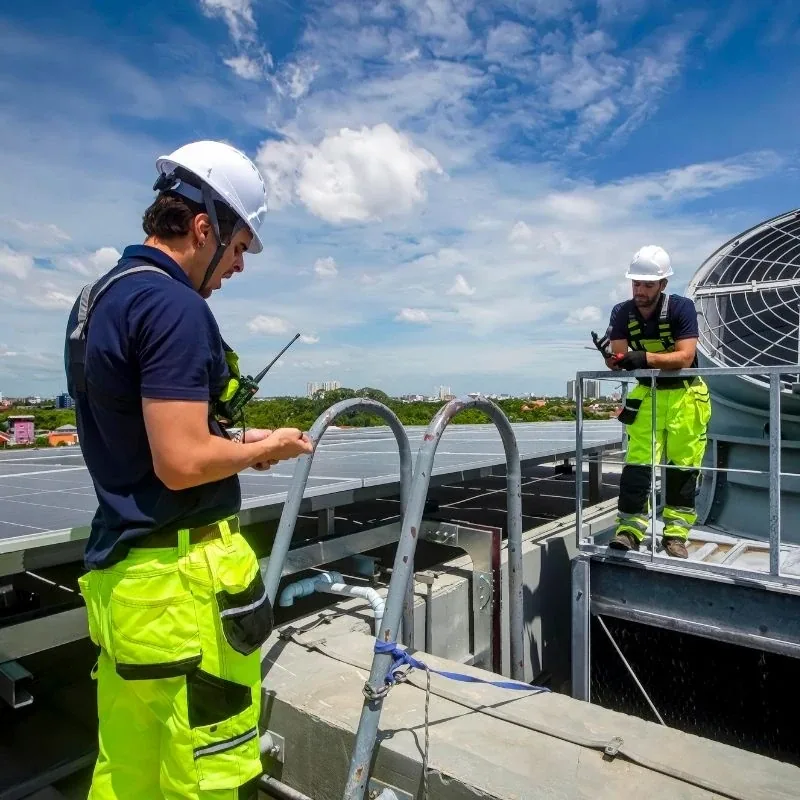
We label images by property, building, roof section, and date. A wide view shows where the detail sits; a close image shows the seam, flashing, drain, or surface condition. The commercial roof inspection records access route and areas not reached. If a photo was taken from a lift or drone, the report states the vantage point so a future crew can understand what the image does and does not show.
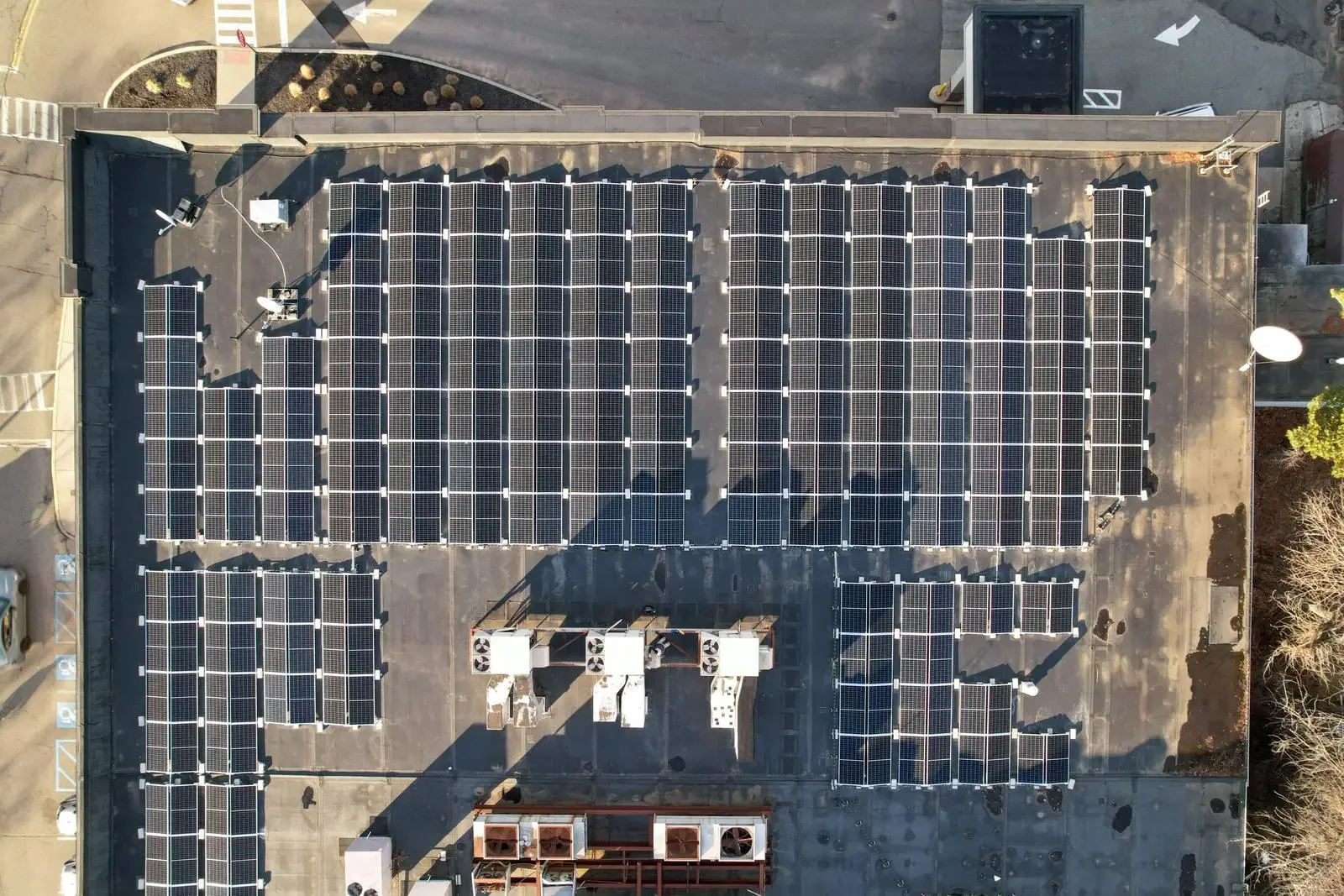
Every image needs a location reference. We use a roof plan, sketch, or marked map that identifies drains, curbs, edges, and test areas. The owner can match a leak report from a tenant room to a roof zone without relying on memory. A drone inspection can capture areas that are difficult to view from a hatch, but it does not replace a close hands-on check where materials or seams need testing.
For a multi-building facility, we keep structures separate even when they share an entrance or utility area. The report identifies each address and building name, then lists roof areas included. That distinction is useful near the Topeka Regional Airport business center, where tenant activities vary, and at campuses with instructional and support spaces. The image set remains traceable to the right asset.
Findings: What was visible and what was tested?
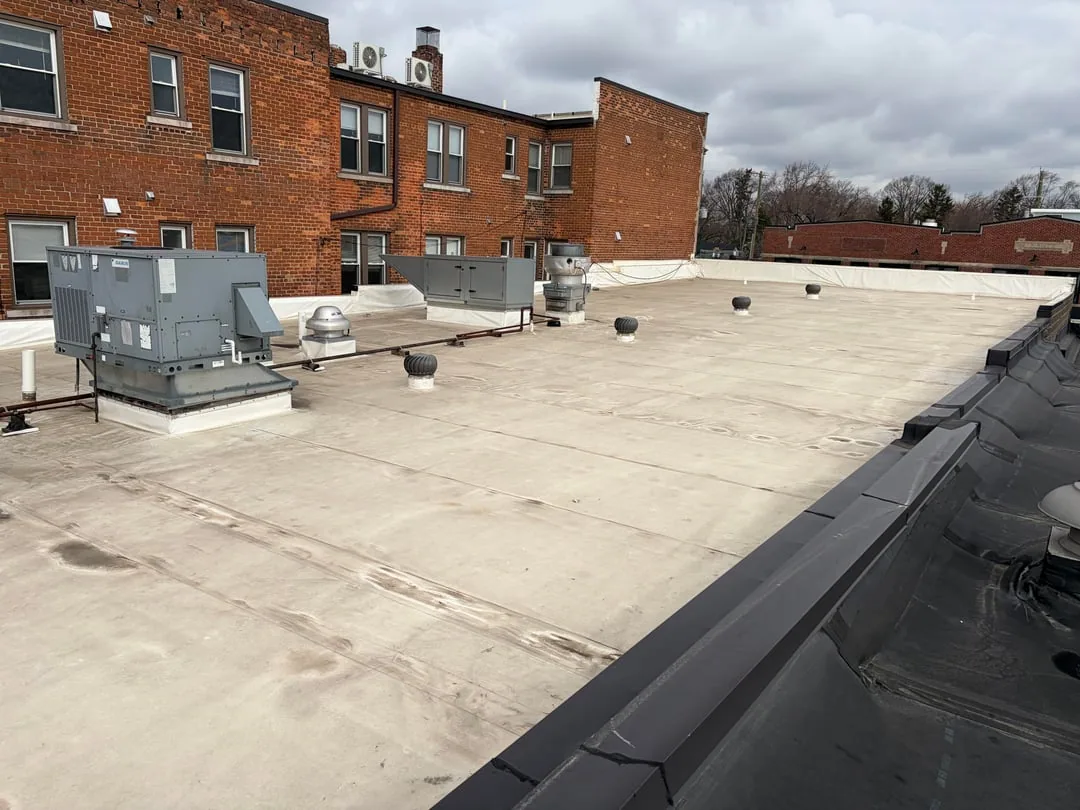
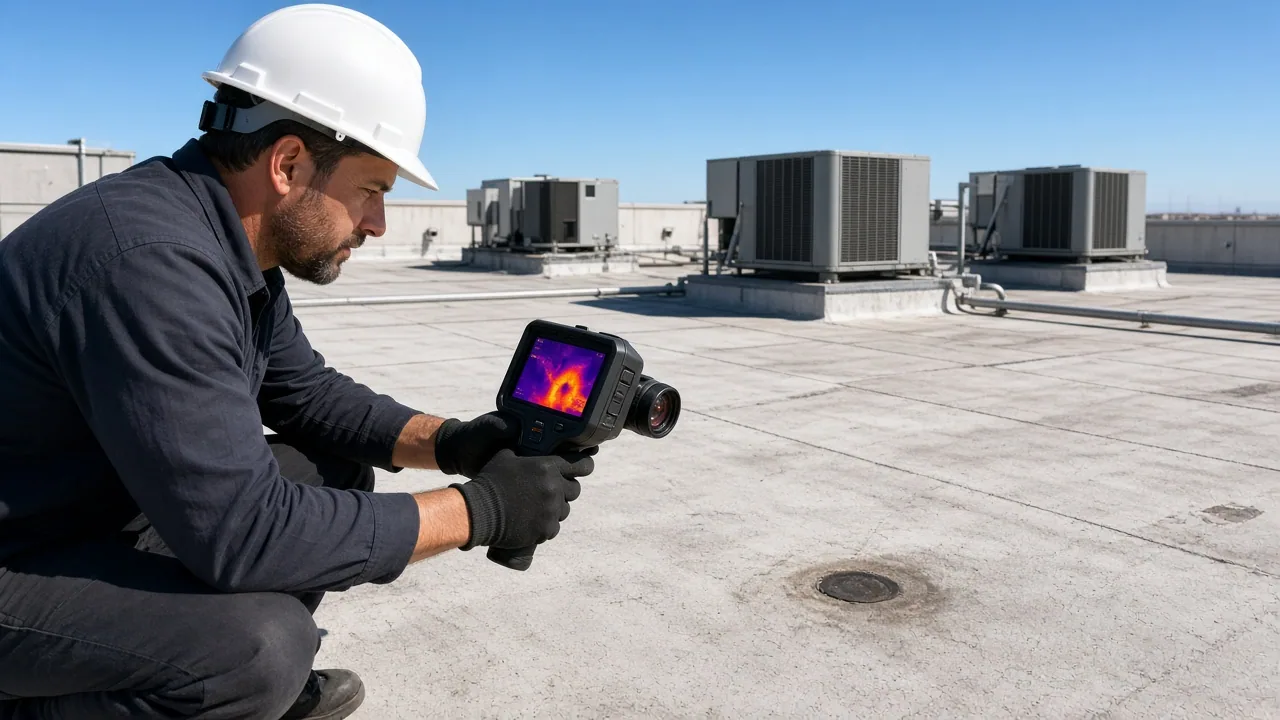
The report separates surface observations from conditions confirmed by a probe, moisture reading, or test opening. We record membrane type when visible, seam condition, edge details, penetrations, drains, prior patches, and interior reports. If insulation was not exposed, we do not list it as wet or dry. A moisture survey can help identify candidate test areas, and the report marks which results were verified by opening the assembly.
Each finding includes a roof-zone reference, photo number, and practical implication. A loose edge can need securement; a staining mark may need a water-path test; an open drain can call for cleaning or repair. We identify the next step and what evidence would change the scope. If a condition is inaccessible, the report states why and what access or test is needed to close it.
Measurements should be repeatable. We identify the start and end of a seam, the approximate boundary of visible deterioration, and the specific test location. When the roof plan is incomplete, we create a simple field sketch and orient it to a stable feature such as a hatch, drain, or parapet corner. The next technician can return to the same spot and compare a new photo without guessing which section the first report described.
The report describes the roof visited on its own evidence. A prior event or repair history can inform the inspection, but it does not establish the current scope. For a named building, findings come from visible and tested material at that address.
Each finding should say whether it was observed visually, measured, opened, or tested with an instrument. Label a sample by roof zone and mark the limit on the plan; a test point cannot stand in for an unexamined section. If equipment blocked the view or a surface was unsafe to reach, record that limitation and the return access needed. Keep owner-reported symptoms separate from conditions verified by the inspection. This lets a maintenance lead assign the next step without reading an estimate as proof that hidden layers were surveyed.
Recommendations: Which action follows each finding?
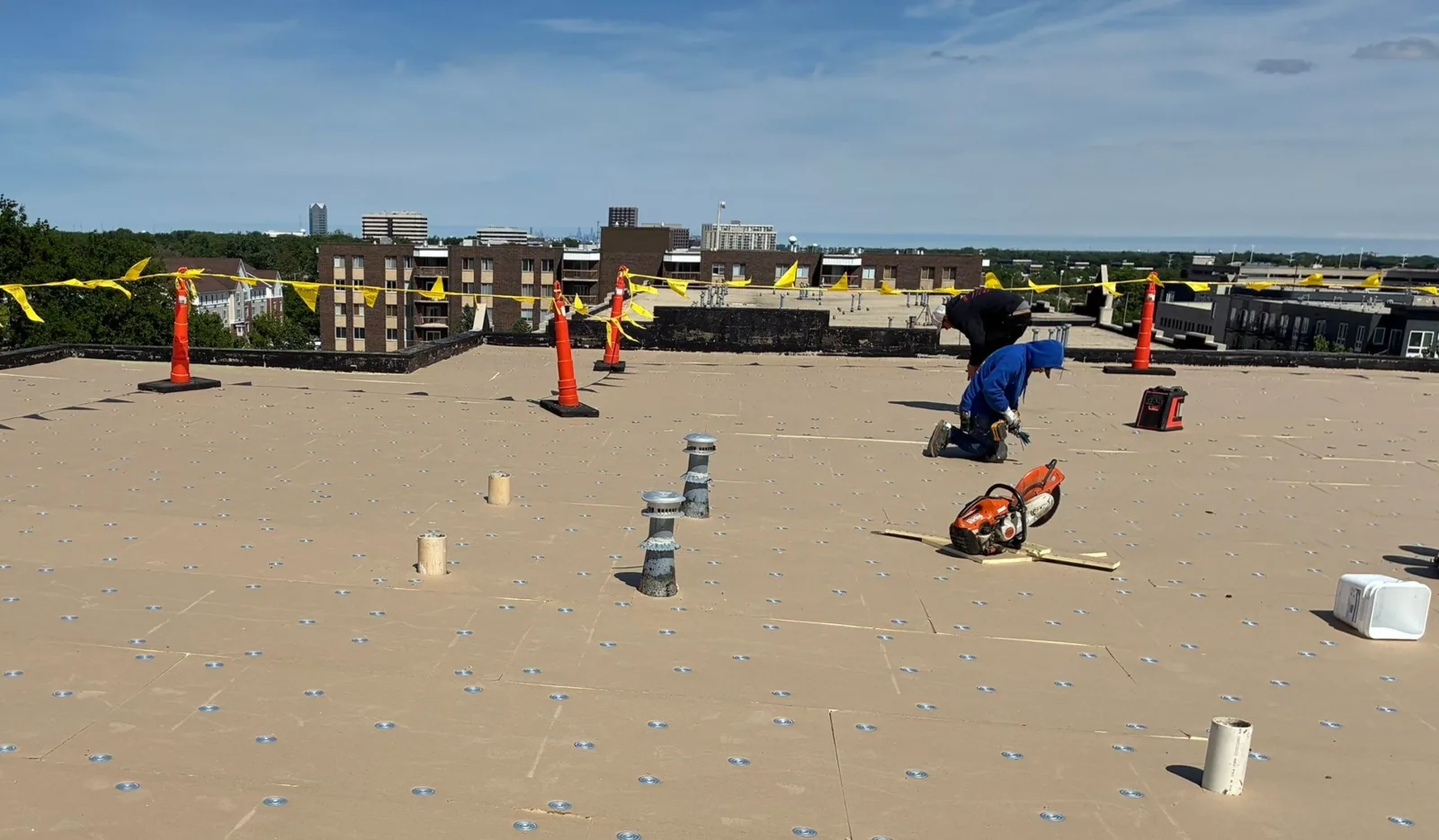
We group recommendations by urgency and evidence: active protection, defined repair, maintenance, additional testing, or broader evaluation. Each item names the detail, measured area where available, and what would change the quantity. A repair estimate can price confirmed work separately from an opening that may reveal concealed damage. The owner can authorize a test before committing to additional removal.
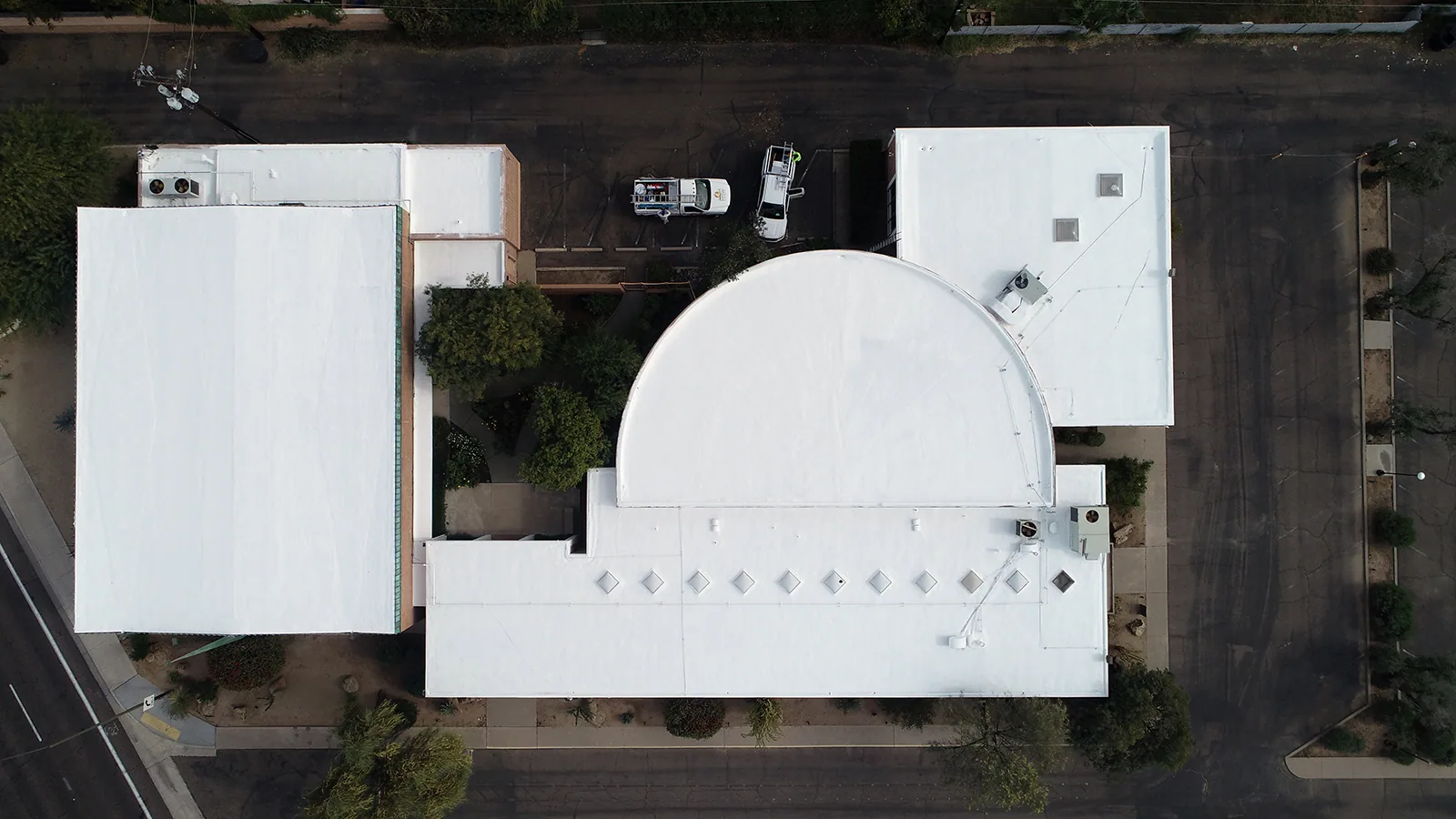
A report should not turn every surface defect into replacement. We compare the condition with adjacent material, moisture results, repair history, and access. If repeated leaks occur at separate zones, a capital review can use the report to compare repairs with larger work. The recommendation retains assumptions so a budget team can see whether the amount is measured, provisional, or awaiting approval.
Topeka receives summer thunderstorms and winter precipitation. We note work windows or follow-up timing when weather changes safe access, drainage checks, or material installation. A recommendation can also identify the property contact needed for a lift, tenant notice, or equipment shutdown. Those practical constraints belong with the roof finding because they affect how and when the work can be completed.
Handoff: How does the report support later decisions?
The final file includes a date, property identifiers, roof map, photo index, observations, test results, recommendations, and open items. We state the inspection scope and any sections excluded. The roof asset record can retain that report beside earlier repairs and future inspections. A later reader can compare the same section and determine whether a condition changed.
For refinancing or acquisition, the report can support a defined next step when access is limited. A due-diligence survey may add testing or a closer assembly review if the transaction requires it. We identify what was inspected and what remains unknown so a lender or buyer does not mistake a visual review for a full assembly opening.
The report can also be used by maintenance staff who were not present during the visit. We define technical terms in context, tie photographs to a map, and place each recommendation beside its finding. The owner receives a record that supports scheduling, budgeting, and follow-up without treating the report as a warranty or a promise about future performance.
We can also mark a requested follow-up date or the condition that should trigger another visit. That cue helps facilities staff distinguish a routine check from an unresolved repair item. If ownership or building contacts change, the report still carries its own address, map, and photo references.
Before delivery, we check that each photo reference matches the map and each repair recommendation matches a stated finding. If a document contains an estimate from another visit, we note its date and keep it separate from the current observations. That preserves the difference between new evidence and an older proposal.
Commercial Roofing Questions
What makes a roof report useful after the inspection?
Each finding needs a property, roof-zone reference, photograph, and next action. The report also identifies what was tested and what remains outside the inspection boundary.
Can a drone report confirm wet insulation?
Aerial images show visible surface conditions but not concealed moisture. We identify candidate areas and use approved testing to confirm conditions below the membrane.
Will the report include repair pricing?
We can prepare a separate estimate for measured work. Items that depend on opening the assembly remain separate until testing establishes their quantity.
Can you report on several Topeka buildings at once?
Yes. Each building receives its own identifier, roof map, photos, and findings. A portfolio summary can link the records without combining conditions across properties.
How do you handle areas that could not be accessed?
The report names the section, reason access was blocked, and what is needed for a return visit. That area is not presented as inspected.
Related Roofing Work
Washburn Tech Main Campus
Commercial Roof Inspection
Commercial Drone Roof Inspection
Commercial Roof Infrared Moisture Survey
Commercial Roof Repair
Commercial Roof Capital Planning
Request a mapped roof condition report
Service Area
Topeka, Auburn, Silver Lake, Carbondale, Rossville and Shawnee County, KS
Quick Contact
Email: [email protected]
Phone: 555-555-5555
Request a Roof Assessment
Send the Topeka property addresses, roof plans if available, current concerns, and access contacts. We will document tested areas, photographs, recommendations, and open items by building.