
Emergency Commercial Roof Repair in Topeka, KS
Home / Commercial Roofing Services / Emergency Commercial Roof Repair
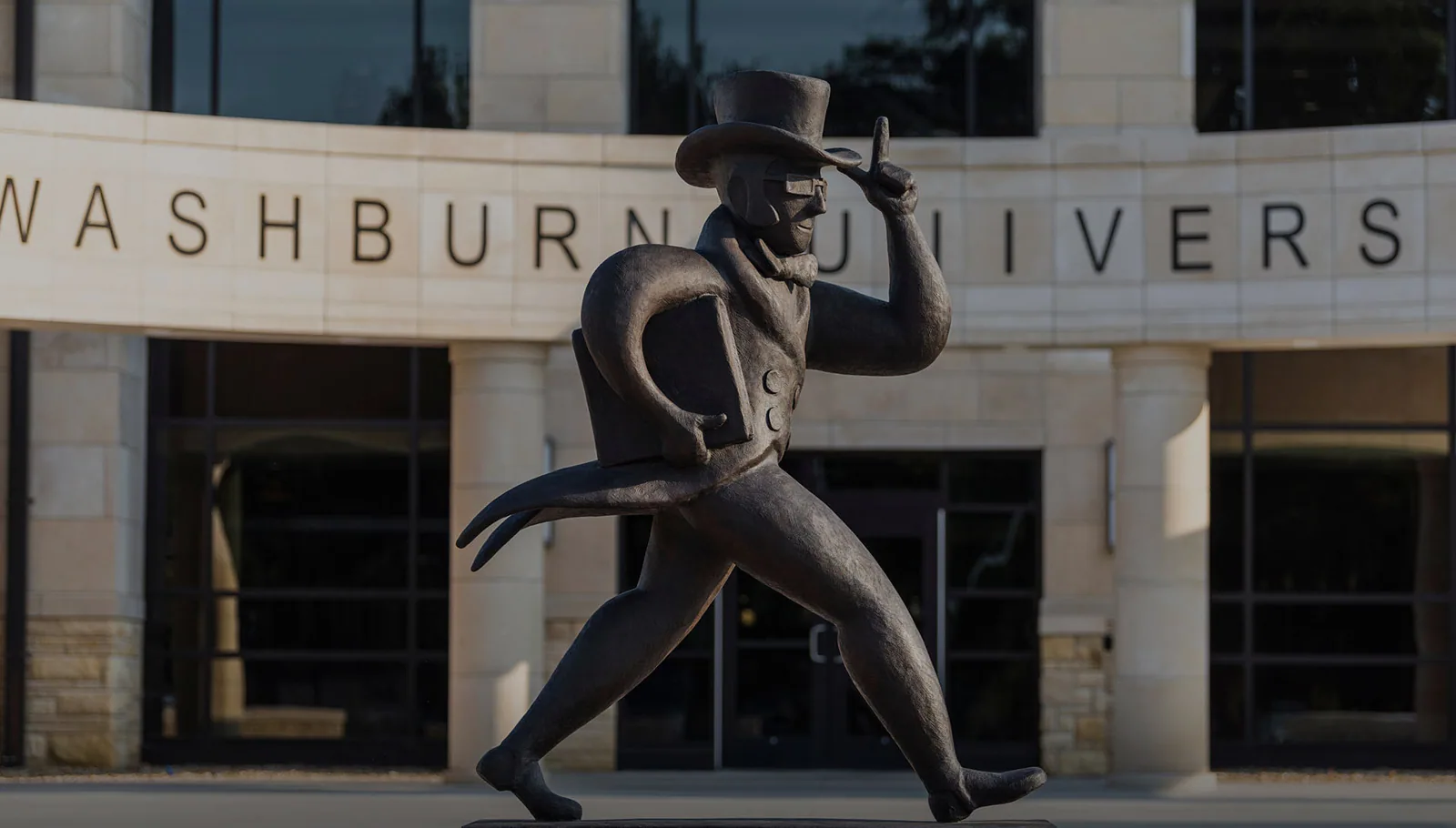
Active water entry can put equipment, inventory, records, or occupied rooms at risk before a permanent scope is ready. We provide around-the-clock response in Topeka, including nights, weekends, and holidays. The first call establishes the address, affected area, safe entry contact, and immediate threat. For a call at Washburn University, we confirm entry with the assigned facilities contact. At an airport business-center property, we confirm the building’s access route and any tenant coordination with its property contact.
Dispatch: What information gets the crew moving?
Give us the building address, leak location, when water appeared, what is at risk, and who can authorize roof access. Tell us whether a lift, escort, security check, or equipment shutdown is required. A photo from a safe location can help identify the entry risk, but it does not replace the field inspection. We confirm the contact, access route, and immediate protection needs before dispatch so the first work decision fits the site rather than a generic storm assumption.
At a hospital or public building, the facilities lead may need to protect patient areas, equipment, records, or public circulation before a roof opening is reached. At an industrial plant, confirm active operations, vehicle routes, and restricted zones. We record any area that the contact cannot release and work only within the authorized boundary. That first record helps the owner coordinate responders, staff, and a follow-up inspection.
Stabilize: What happens on the first visit?
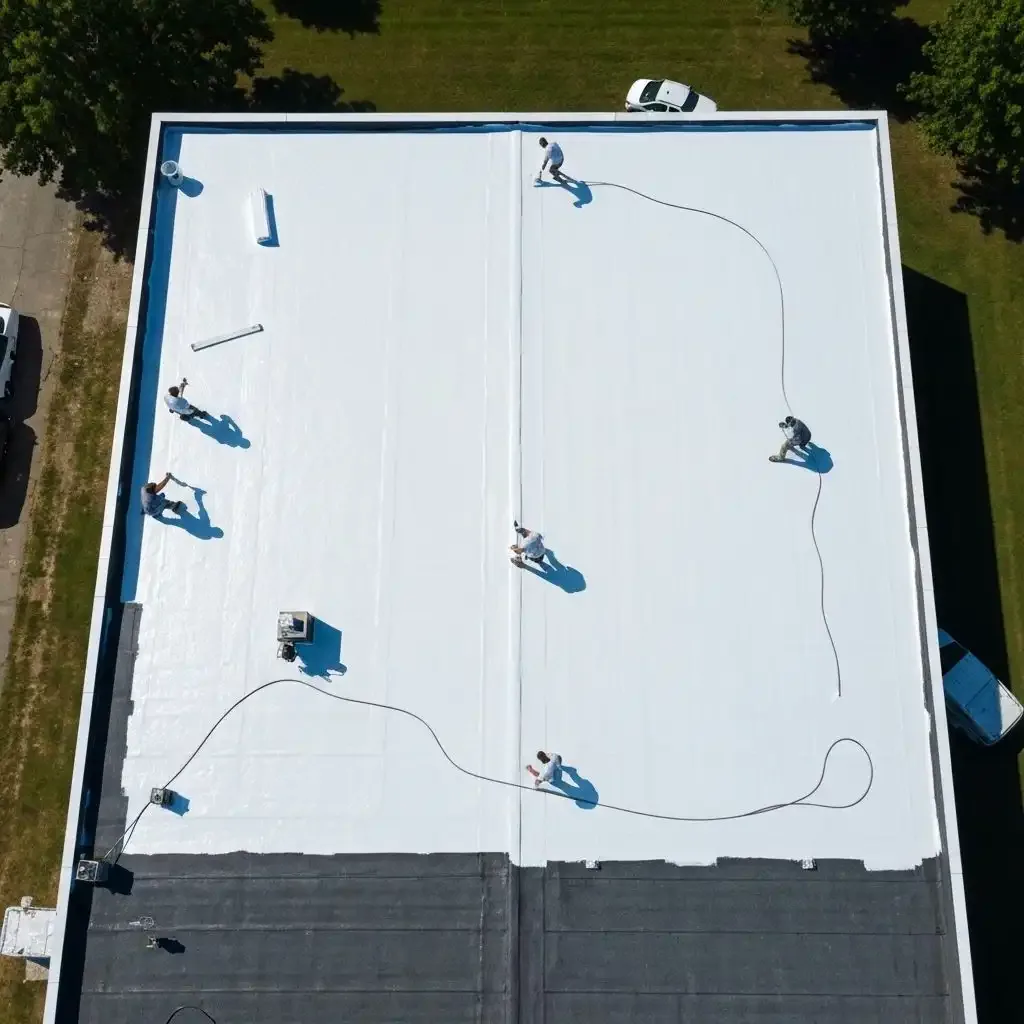
The crew identifies active water entry, the area below, and the safest available roof access. We protect exposed contents where directed, contain water where practical, and secure a temporary cover or dry-in to the extent the roof and weather allow. The work note states exactly what was covered, how it was fastened, and what remains exposed. Emergency protection reduces immediate risk. We record its limits separately from moisture or leak-source testing and photograph the covered zone, attachment points, and water-shedding edges for the next check. The contact also receives the review time and the person responsible for checking protection.
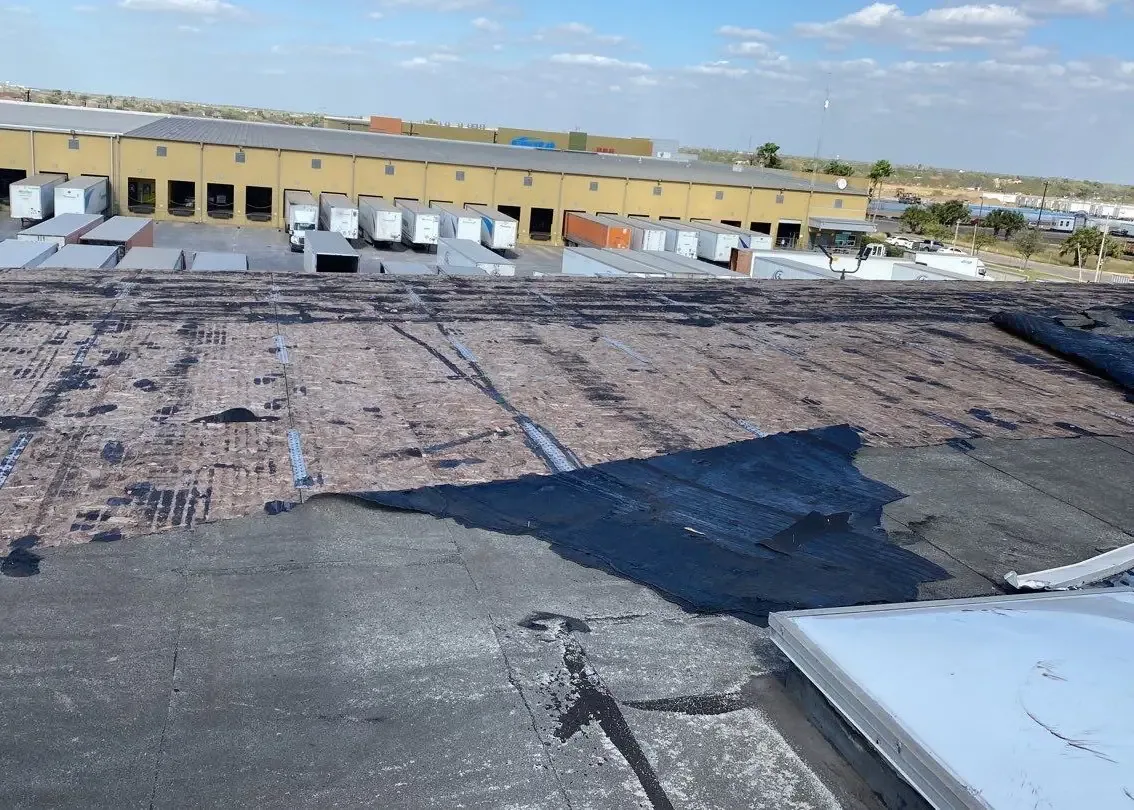
After Topeka thunderstorms or hail, we look for displaced edge metal, punctures, open seams, damaged curbs, blocked drains, and other visible changes. Winter precipitation may leave ice or unsafe surfaces that limit roof access. If conditions make a roof walk unsafe, we explain what can be protected from accessible areas and when another inspection can proceed. A wind damage assessment or hail review can document event-related findings after safe access is available.
Near Topeka Regional Airport, the business center includes freight, trucking, fuel transport, distribution, construction, and warehousing tenants. Emergency staging begins with the contact responsible for the individual property and the approved route for a ladder, lift, or material drop. We confirm whether active loading or equipment movement will change the work window, then log those limits for the return visit. The roof record identifies the exact building and the area protected during the first response. Nearby operators may share roads but use different access controls.
Permanent repair: How is the emergency visit closed?
We map the temporary work to the roof plan and inspect adjacent seams, drains, penetrations, and wall transitions. Water can travel before it reaches the ceiling, so the permanent repair boundary follows confirmed roof conditions. If moisture testing or a controlled opening could change the work, we identify the method and approval needed. A leak investigation can trace an unresolved path; a repair scope names compatible materials and the point we will inspect before closeout.
If the visit finds a broader assembly problem, the owner receives separate choices for immediate protection, permanent repair, testing, or replacement. We do not fold a potential tear-off into an emergency charge without a defined boundary and owner direction. The record distinguishes completed stabilization from remaining work. Photos show the condition before and after, and the site contact knows who will return and what access is needed.
Access: How do we protect the building during response?
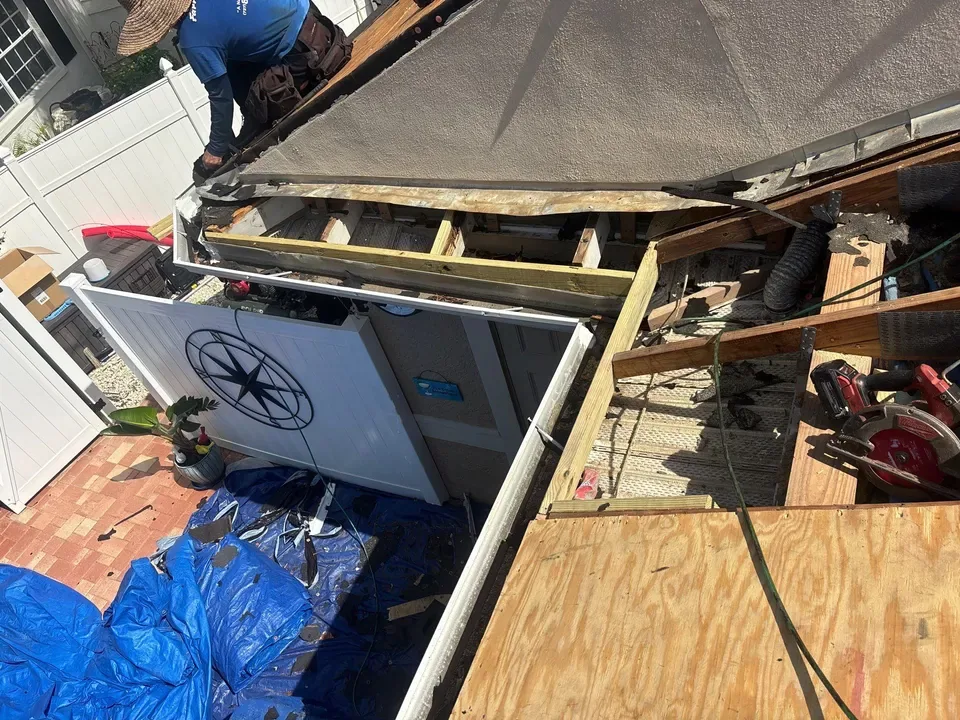
Before opening a section, we identify entrances, occupied areas, equipment, deliveries, and traffic near the work. The property contact sets barriers and tells staff which route to use while the crew stages materials. If the building has security or permit requirements, the authorized contact handles those steps. A hospital, school, or public office can have different approval paths, so dispatch notes include the person who can approve a temporary closure or equipment interruption.
Topeka winter weather and summer storms can shorten the work window. The crew sets a secure stop point before conditions change and notes who will check the protection after departure. If rain moves through before permanent materials can be installed, the emergency plan names how the open area is left and when the owner should request a return. A phased work plan can coordinate follow-on repairs around the building’s operating calendar.
Record: What should remain after the emergency call?
The owner receives the arrival and completion times, roof section reached, photos, temporary material used, observed damage, access limits, and next action. Temporary protection is a time-limited work state. The closeout should say whether the edge was mechanically restrained, how runoff was directed, what roof area remains exposed, and what weather or inspection interval calls for rechecking. If water reappears, response notes should match the same room and roof-zone labels, so the permanent proposal addresses the opening or path still in question instead of replacing a temporary measure with an assumed repair. A scheduled recheck names the responsible contact and the condition that triggers it. We note which interior areas were protected and whether any service interruption occurred. If a condition could not be verified, the report identifies the test or return visit that would close that question. A follow-up inspection can convert the temporary response into a full condition record before permanent repair is priced.
For repeat incidents, keep each event and temporary repair attached to its date and roof-zone label. That lets facilities compare new openings with earlier photos rather than treating all water entry as one problem. At Central Crossing, truck and rail access may matter to a return visit; the property contact confirms the site route. We leave the owner with the next decision, not just a note that the leak stopped for the moment.
Commercial Roofing Questions
Can I call for roof response overnight or on a holiday?
Yes. Emergency service runs around the clock, all week, including holidays. We confirm the address, active threat, access contact, and site restrictions, then arrange the first safe response.
Will the emergency crew complete a permanent repair on the first visit?
That depends on safe access, weather, the assembly, materials, and whether the leak source can be confirmed. We document temporary protection separately and state what inspection or repair remains.
What should staff do before the crew arrives?
Follow the facility’s safety procedure, protect people and sensitive equipment, and keep staff away from wet electrical or overhead hazards. Share a safe interior photo, the affected room, and the person who can release roof access.
Does a tornado or hail report prove this roof has damage?
No. Local event history provides context. We inspect the actual roof, document visible impact or openings, and separate current findings from the regional record.
How do I know whether the temporary cover is still secure?
The closeout notes where protection was installed, who should check it, and when a return visit is needed. If weather changes or water resumes, contact us with the same roof-zone and interior reference.
Related Roofing Work
Washburn University
Commercial Wind Damage Roof Repair
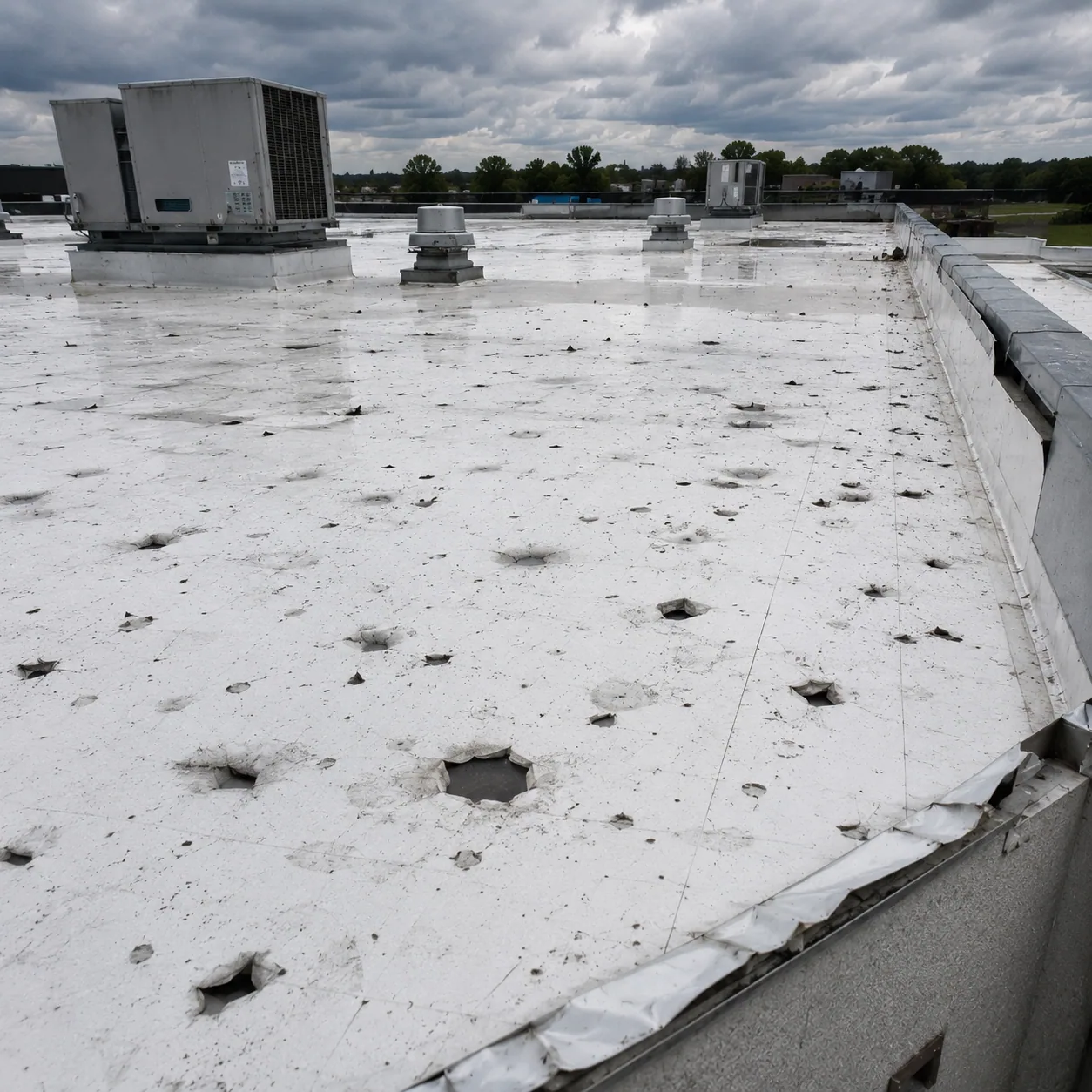
Commercial Hail Damage Roof Repair
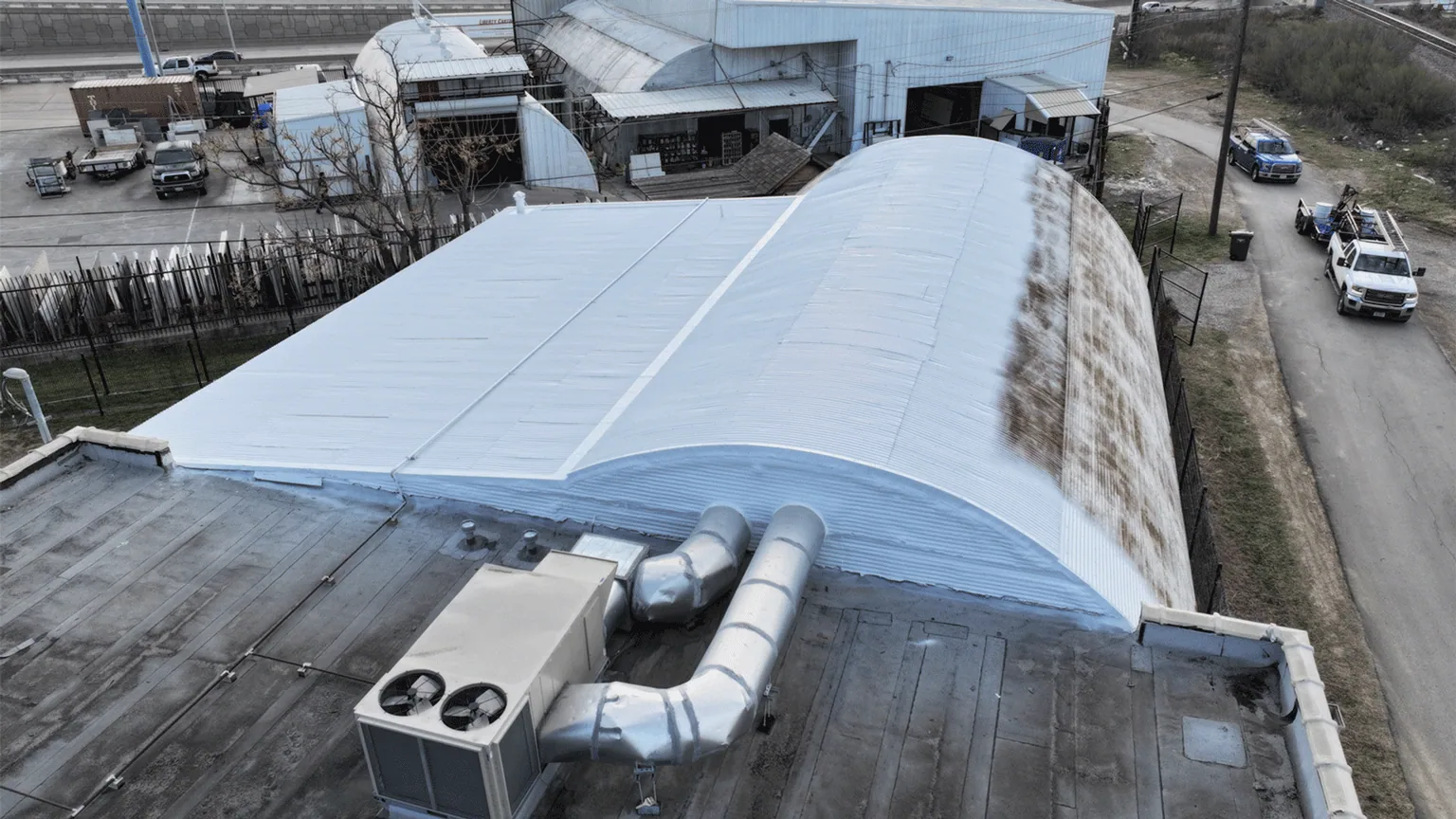
Commercial Roof Leak Repair
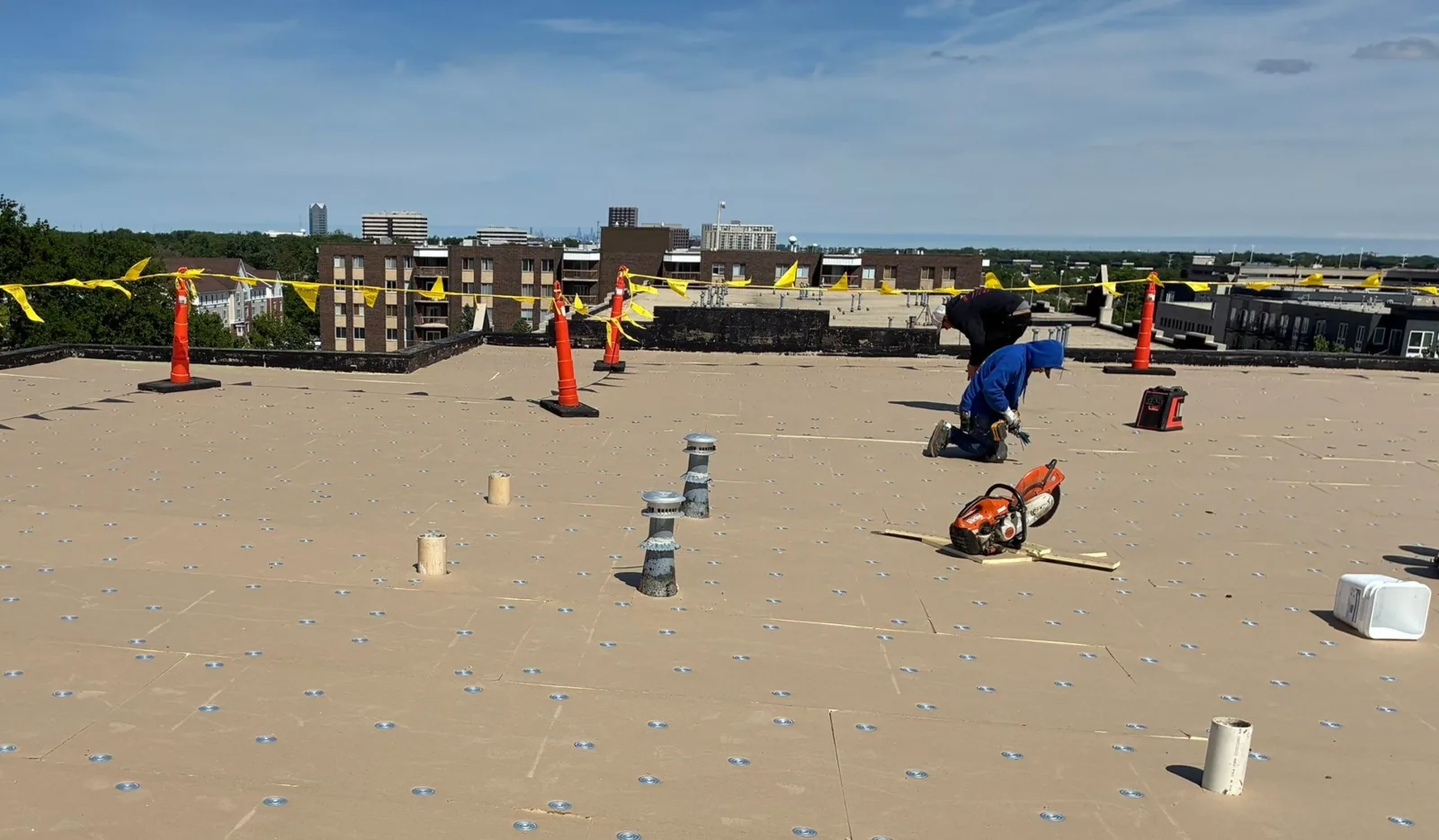
Commercial Roof Repair
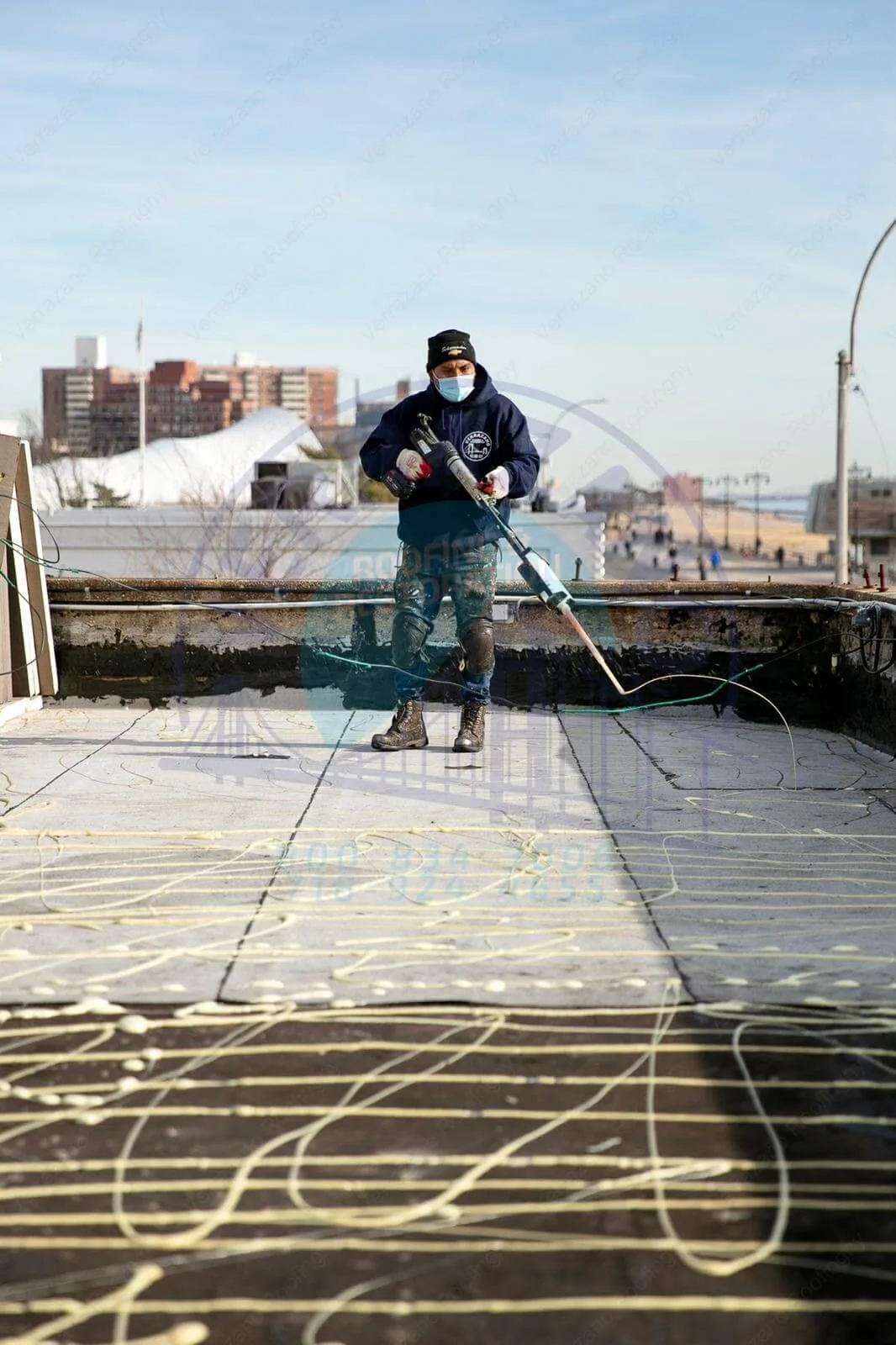
Occupied Commercial Building Reroofing
Request emergency roof response
Service Area
Topeka, Auburn, Silver Lake, Carbondale, Rossville and Shawnee County, KS
Quick Contact
Email: [email protected]
Phone: 555-555-5555
Request a Roof Assessment
Call with the Topeka property address, active leak or storm condition, affected area, access contact, and immediate safety concerns. We will coordinate the first response, document protection, and identify the permanent repair step.