
Commercial Roofing in West Topeka Retail Area, Topeka, KS
Home / Service Areas / West Topeka Retail Area
West Topeka’s commercial retail area includes the Wanamaker Corridor and distinct shopping and service destinations. Go Topeka describes Wanamaker as a regional retail corridor with both large-format shopping and service uses, while other west-side properties occupy their own intersections and access routes. These geography references help position an inquiry but do not establish a building’s roof condition, assembly, access rules, or owner. We identify the assigned property and affected roof zone before estimating quantity. A corridor plan should keep addresses, suite identifiers, loading routes, and roof maps attached to the property actually inspected. Nearby retail activity can affect staging and pedestrian protection; the property contact sets current access instructions and operating limits.
Tenant coordination: Which areas stay open?
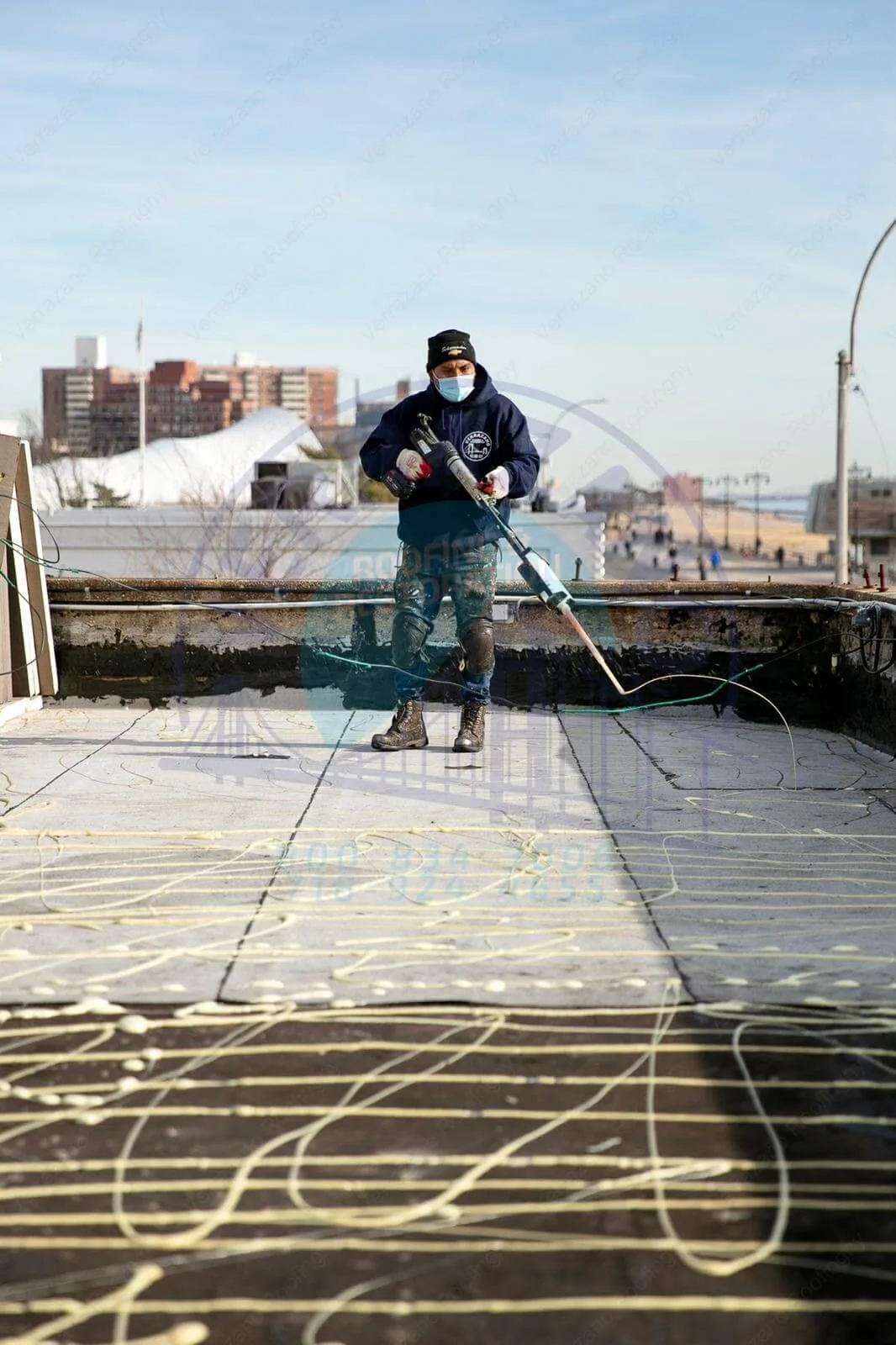
Retail and office occupants may use different entrances, delivery periods, and interior spaces. Before work, we confirm the property contact, access rules, loading hours, lift staging, overhead clearance, and any area that must remain open. The tenant roster at Wanamaker Crossing includes restaurants and service businesses, but each site sets its own work procedures. We do not assume an entrance or delivery route is available. A phased reroof plan can identify roof zones, protection below, noise periods, and daily closeout points.
Leaks above a restaurant, office, or retail space can interrupt use even when the opening is small. We document the reported room, date, contents or equipment at risk, and temporary protection needed. Emergency response is available around the clock, including nights and holidays, to limit interior exposure. Permanent repair follows after the roof system, access, and water path are checked. The service record separates temporary mitigation from completed membrane or flashing work.
A roof project also needs material delivery and debris removal planning. We confirm staging with the owner and keep pedestrian routes clear as directed by the property. A short access window may suit a leak trace or local patch; replacement may require a phased schedule. The estimate states which scope fits the confirmed hours and what needs separate approval.

Roof review: What should be checked by section?
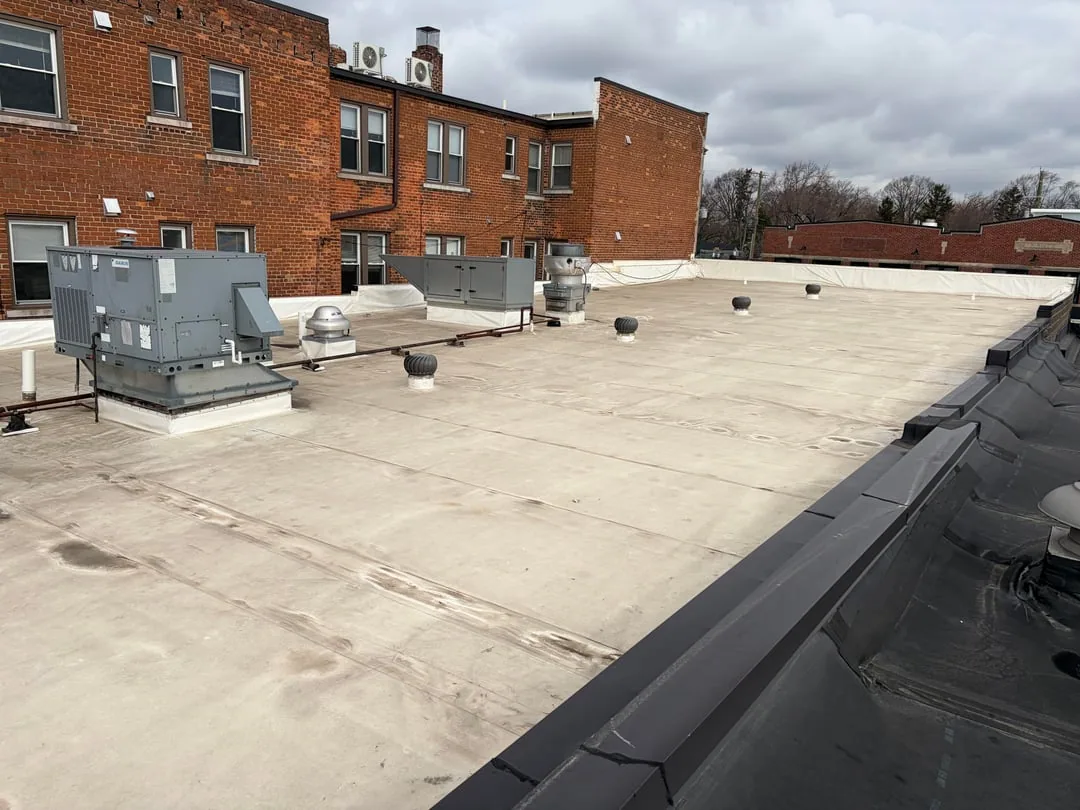
We inspect field seams or panel laps, curbs, pipe penetrations, skylights, perimeter edges, drains, scuppers, and previous patches. A retail corridor does not establish whether a roof is TPO, PVC, EPDM, metal, or a coating system. We identify the material from records and exposed details, then map which roof sections were reached. A commercial inspection separates visible findings from tested moisture and areas that remain concealed.
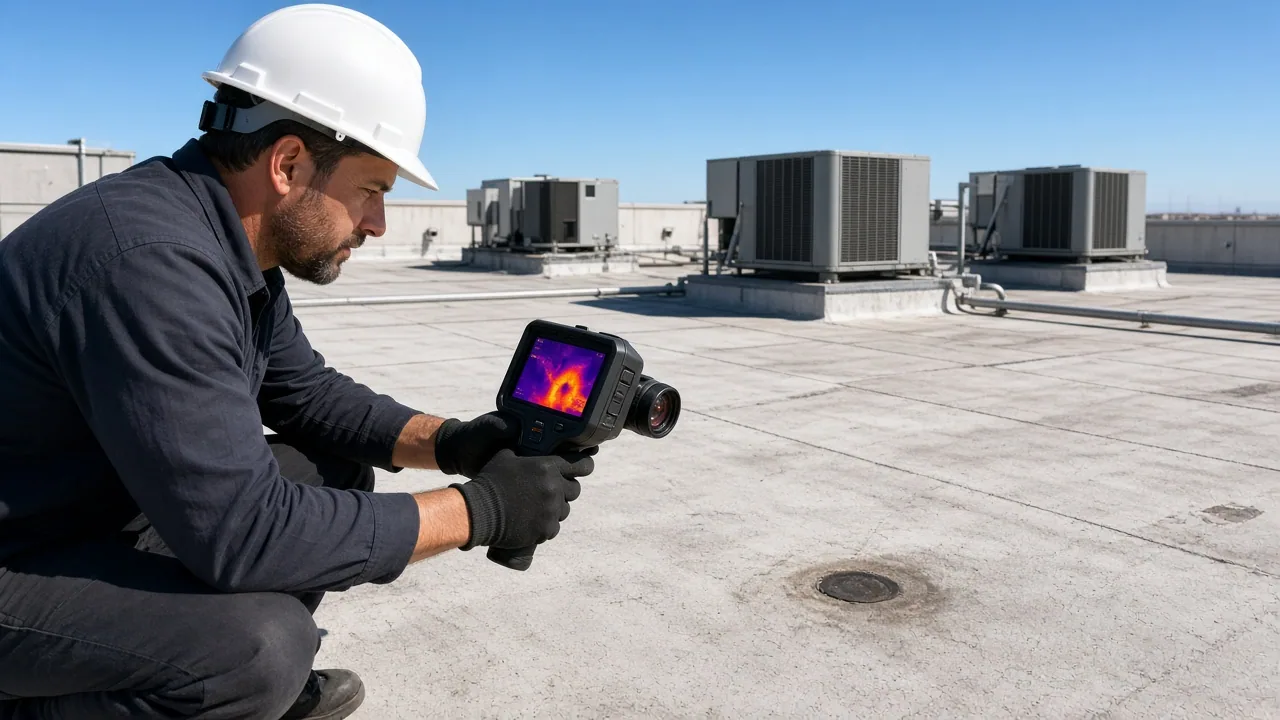
We compare interior leak locations with the likely water path across the roof. Water can travel under membrane or along a deck before it reaches a ceiling. A drain bowl, low area, curb corner, or wall transition may sit upslope from the interior mark. If a test opening could change the repair quantity, we identify its location and what the result would establish. Infrared screening may help select test areas when conditions suit the method, but we do not treat one reading as a whole-roof assessment.
Topeka averages about 36.5 inches of precipitation per year and experiences summer thunderstorms and winter precipitation. We check drains and scuppers after the outlet clears, then note low areas, debris, and nearby seam stress. Hail and wind events also appear in the local NWS archive. A storm can prompt review, but the property inspection distinguishes impact or displacement from aging and previous repair.
Repair: How is the boundary set?
A bounded puncture, open seam, failed flashing, or loose termination may be repairable when adjacent material remains compatible. We prepare to a sound surface, restore the detail, and verify the finished seam or flashing. Photographs show the repair dimensions and roof zone. If testing finds wet insulation beyond the visible opening, quantities may expand to dry material. We list confirmed findings separately from concealed assumptions so the owner can see why the estimate may change after opening.
Repeated leak calls, brittle membrane, broad attachment failure, or widespread wet insulation can support a larger project comparison. We inspect the deck, insulation, cover board, drainage, curbs, and edges before considering recover or replacement. A recover assessment checks attachment and moisture rather than treating a second layer as an automatic option. For a local repair, a measured roof scope names material, preparation, access, and closeout steps.
At Wanamaker Crossing, its direct I-470 access is part of the location record. It does not establish a lift route, roof height, or loading procedure. We verify those conditions with the building contact. Similarly, the office campus employment figure describes local business activity, not roof area. Field dimensions and access review set work quantities and labor.
Weather and timing: What may move the schedule?
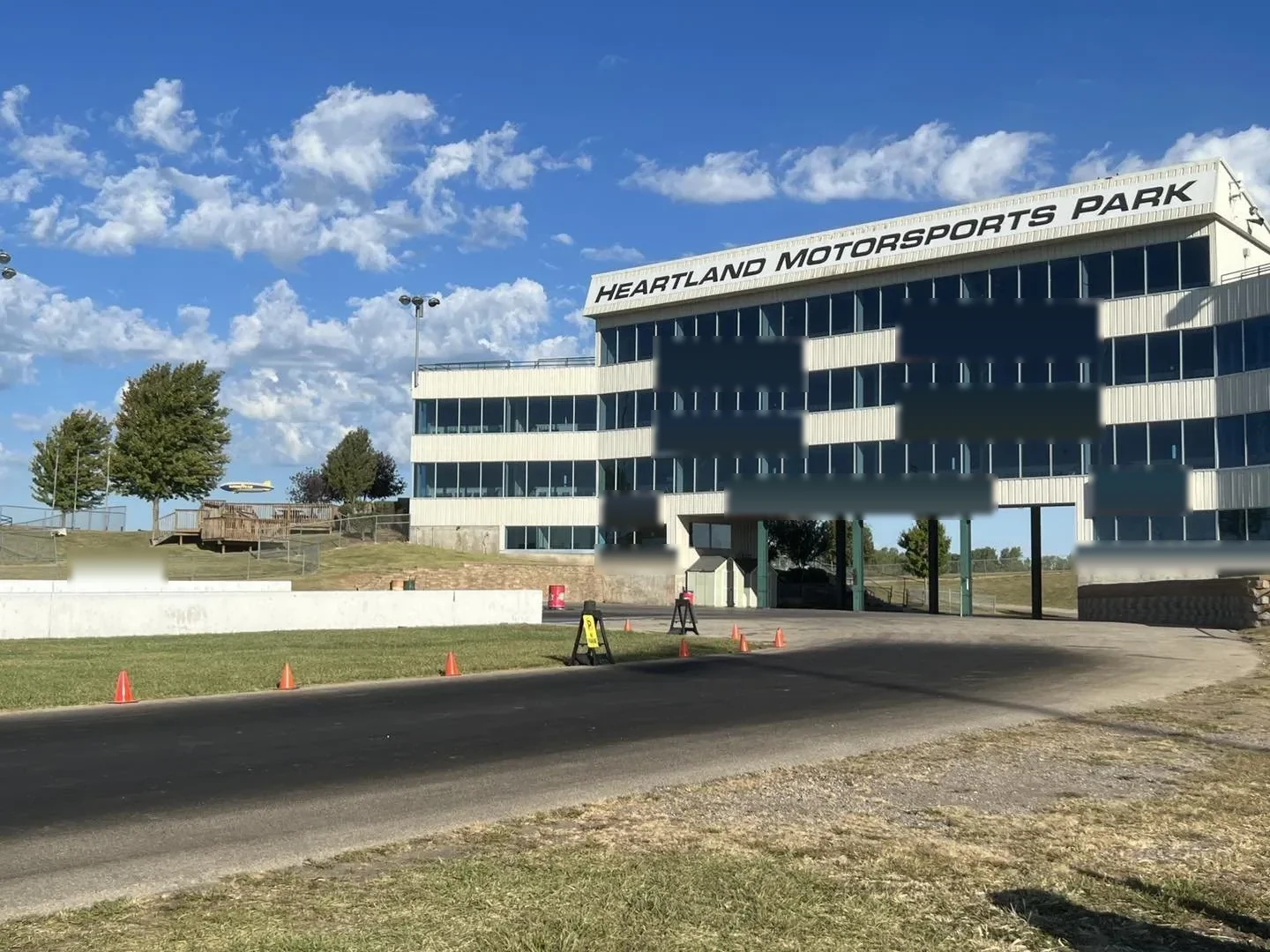
Rain can leave surfaces unsuitable for some seam and flashing repairs. Wind can affect membrane handling and edge work. Winter conditions may make roof access unsafe or delay testing until ice clears. We identify weather-sensitive tasks, temporary protection, and any return visit needed. Topeka storm reports can provide context after a reported event, while the building inspection establishes what damage is present.
Drainage also affects seasonal planning. We check outlets, overflows, low areas, and nearby flashings before colder weather. A blocked drain calls for maintenance; moisture testing may show whether the roof assembly also needs repair. Those are separate findings. If the roof serves occupied retail or office space, we plan the work sequence around tenant notices, doors, noise, delivery access, and protection below. The owner receives a work window, not a generic duration.
Wanamaker and 12th Street Area, Fairlawn and 29th Street Commercial Area, and Sherwood Crossing are distinct places in the broader service area. Their tenant mixes and site access should not be copied to another property. We confirm the exact address and current operating rules before mobilization. A roof plan or prior service report can help, but we compare it with conditions found on site.
Maintenance record: What should the owner retain?
Keep inspection dates, roof maps, photos, test locations, repairs, and access notes together. Separate emergency protection from permanent work and label areas that were not inspected. If a new leak occurs, staff can compare its location with earlier work and trace the water path again. That helps avoid extending a past patch without confirming the current opening.
A dated roof condition report preserves the boundary, photos, test results, and open questions. For a property with several buildings, a roof asset record can track system and repair history by address. Each property needs its own findings and access contact, even when a single owner manages the portfolio.
For roofing service in the Wanamaker corridor, share the property address, roof concern, access contact, and recent repair records. We will inspect the affected zone, identify what has been tested, and set the next owner decision from the evidence.
Commercial Roofing Questions
Can a Wanamaker retail property keep its doors open during roof work?
The owner and tenant determine operating requirements. We coordinate entrances, delivery windows, lift staging, protection below, and a phased work area before starting.
Does the Wanamaker Crossing tenant list show the roof type?
No. It identifies restaurant and service uses, not roof assembly. We confirm material and details from roof records and field inspection.
How can a roof leak affect a space away from the opening?
Water may move beneath a membrane or along the deck. We compare interior reports with roof slope, drains, curbs, seams, and transitions before setting the repair limit.
Can a regional hail record prove damage to my building?
It can explain why an inspection was requested, but not establish address-level damage. We record impact, punctures, displacement, prior repairs, and tested conditions.
What affects repair cost in a multi-tenant property?
Access, work hours, protection, staging, repair size, wet insulation, and tenant coordination can affect scope. We list confirmed work and concealed assumptions separately.
Related Roofing Work
Occupied Commercial Building Reroofing
Commercial Roof Inspection
Commercial Roof Infrared Moisture Survey
Commercial Roof Recover Overlay
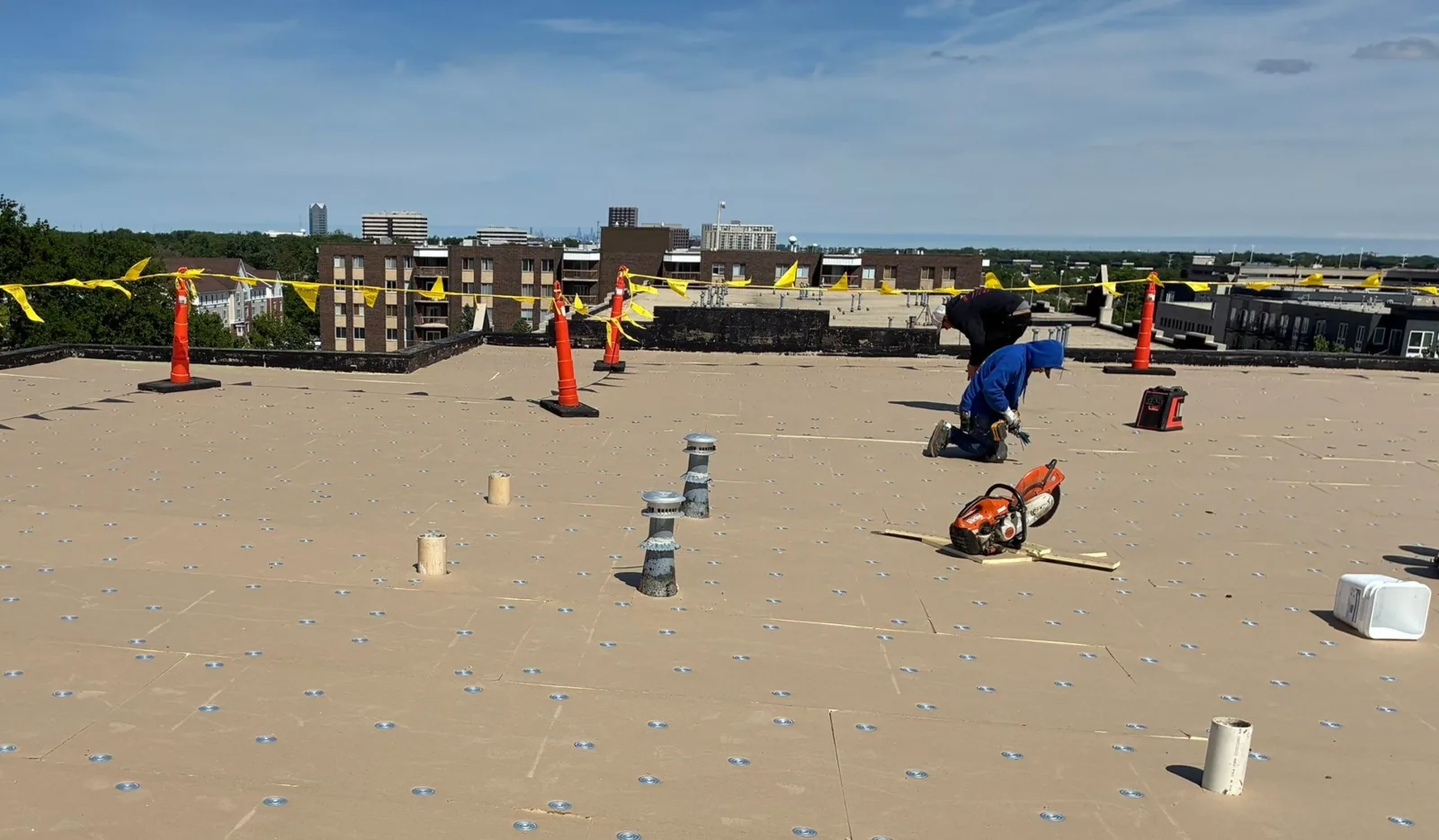
Commercial Roof Repair
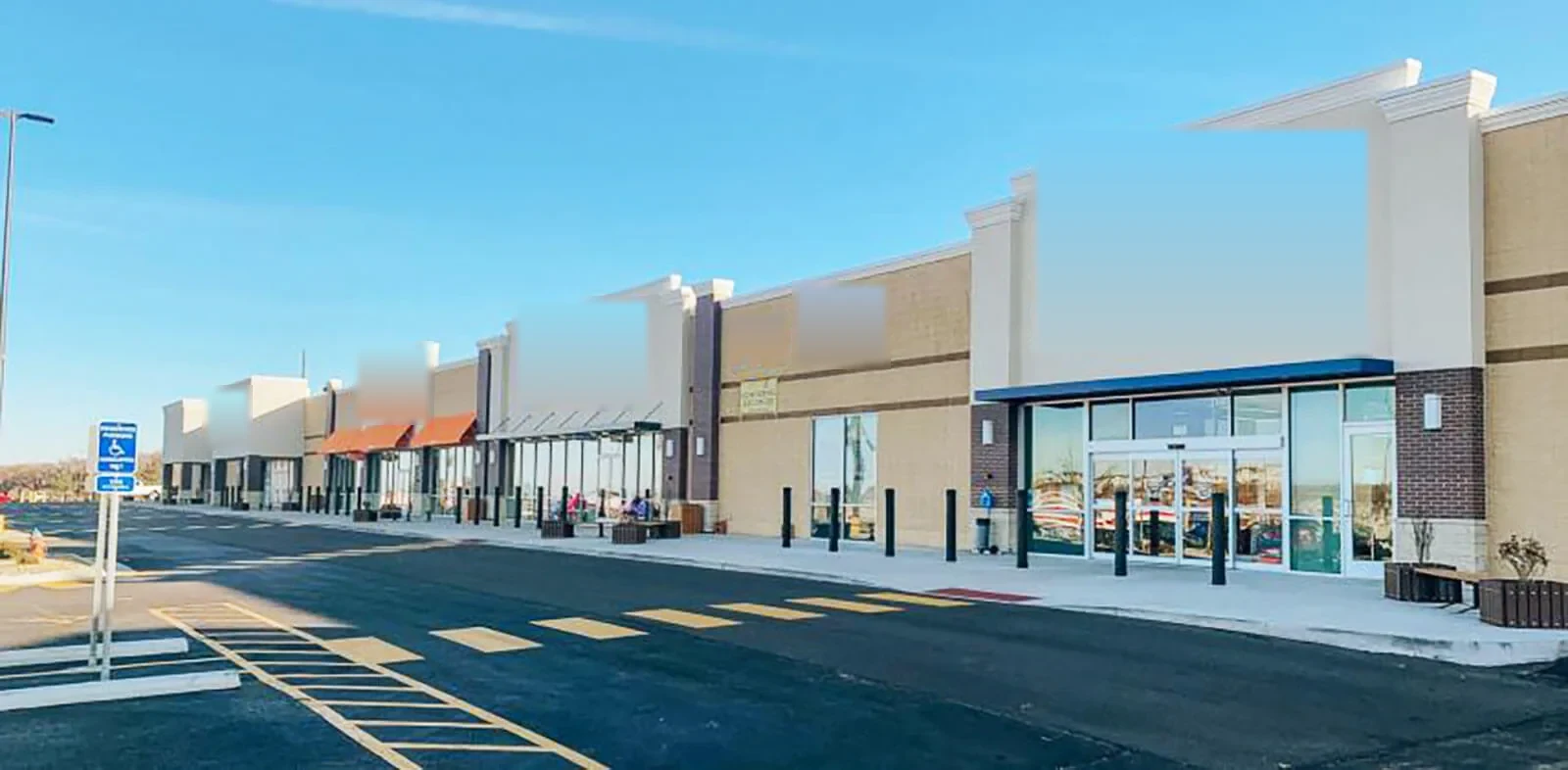
Wanamaker and 12th Street Area
Schedule a tenant-aware roof inspection
Service Area
Topeka, Auburn, Silver Lake, Carbondale, Rossville and Shawnee County, KS
Quick Contact
Email: [email protected]
Phone: 555-555-5555
Request a Roof Assessment
Send the Wanamaker property address, current concern, access contact, and prior roof records. We will confirm the work window, inspect the affected section, and document repair limits.