Data Center Roofing in Topeka, KS
Home / Property Types We Roof / Data Center Roofing
A drip near a cooling-unit curb deserves a detail inspection before it becomes a broad roof scope. We trace the water path, identify the equipment and electrical controls nearby, and set a tested repair boundary. Central Crossing Commerce Park has installed utilities and fiber infrastructure, while Harlan Industrial Park offers utility service and freight access near I-70. The corridor details help frame regional access. We inspect the actual property and follow its facility-specific access and operating requirements.
Equipment: Where do roof penetrations need attention?
Cooling units, exhausts, conduits, piping, and service platforms interrupt the roof surface. We inspect curb corners, counterflashing, membrane terminations, support attachments, and nearby seams. A rooftop equipment and curb review can identify which details belong in roofing scope and which need mechanical or electrical coordination. We mark each location on the roof plan before proposing a repair.
Equipment vibration and repeated service access can stress flashing or loosen adjacent components. A repair that blocks a service path can create a new operating problem. We coordinate clearances and access routes with the facility contact, then plan protection around the equipment that remains online. The proposal identifies whether disconnect, lift, or reconnect work is included or assigned to another trade.
Condensation from cooling equipment can resemble roof leakage. We compare interior reports with drains, curb details, condensate lines, and maintenance logs. The inspection notes what the facility confirmed and what remains unknown. If the issue may originate in mechanical equipment, we identify that boundary instead of treating every ceiling mark as membrane failure.
Moisture: How can testing protect the repair boundary?
Water can travel through insulation or along the deck before appearing near a server room or corridor. We map the reported location and check roof slope, seams, outlets, curbs, and prior repairs. An infrared moisture survey may locate suspect insulation, followed by direct confirmation when readings change the removal quantity. We record test points and keep untested areas distinct.
Topeka's climate normals include measurable snowfall, and local records track daily snowfall extremes. We check meltwater drainage and low areas during seasonal inspections, especially near outlets and roof transitions. If snow or ice limits safe access, the report names the areas that need a return visit. A drainage inspection records outlet condition and whether water clears, without treating a short visit as a year-round performance test.
Before opening a critical facility roof, the owner identifies containment, monitoring, security escort, and any controls required around energized equipment. We agree on the location and closure method for each test opening. If a test reveals wet insulation or deck damage, the crew stops at the approved limit while the facility reviews the added work. That decision point preserves control of both the roof and building operations.
Access: How does a critical work window get defined?
Roof access may require a named escort, badging, restricted routes, advance notice, or a change window. The property contact confirms the rules and who can release a roof zone. Our work plan describes staging, interior protection, the daily tie-in, and the closeout condition before a system or area returns to service.
National Weather Service records include daily snowfall extremes for Topeka. After a melt cycle, we inspect discharge points, low transitions, and equipment curbs, then identify any icy route that prevents safe access. A later walk can close those gaps without treating an inaccessible area as checked.
A critical-facility roof call can come in at any hour, weekends or holidays included. We arrange secure entry, isolate the affected zone, and record temporary protection. Permanent repair is then planned for an approved work window with compatible materials and a documented tie-in.
Repair: What can be isolated and completed?
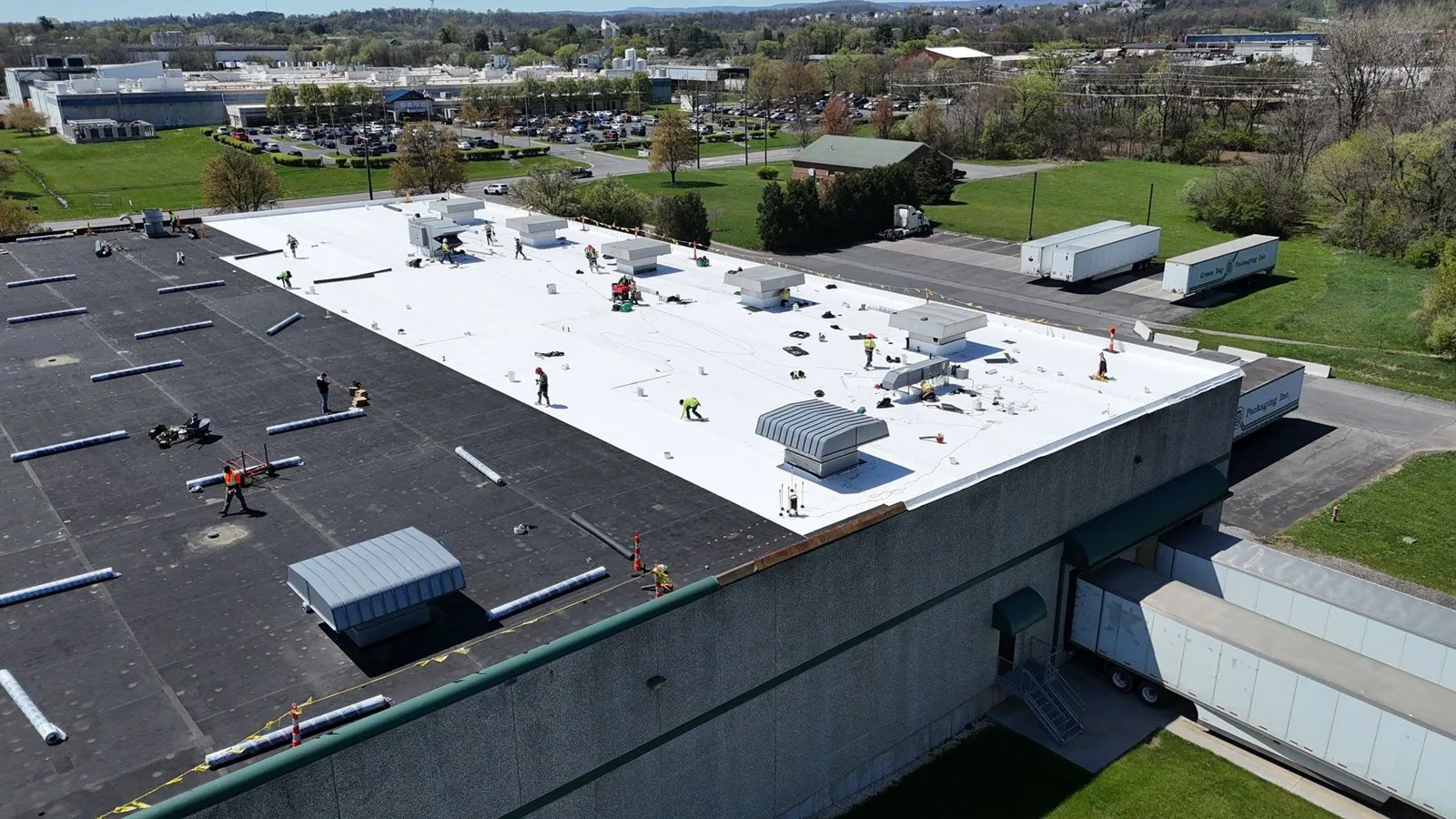
A localized membrane split, failed seam, puncture, or curb transition may be repairable when the surrounding assembly is sound. We define the roof zone, detail, preparation, materials, and verification step. A commercial roof repair proposal states the included area, testing limits, and the sign-off required before concealed damage expands the work.
If the test opening finds wet insulation, damaged deck, or a broader failure, we photograph the condition and price the added quantity separately. Work continues within the revised boundary after the owner approves the next step, whether that is isolating the zone, scheduling a controlled shutdown, or evaluating a larger section. That keeps the repair record tied to observed facts.
Metal roof, single-ply, and built-up assemblies require different details. A patch must match the substrate and respect movement, attachment, and drainage. We inspect the full transition instead of sealing only the visible gap. If design or equipment support review is needed, the proposal identifies the responsible party before installation.
Replacement: How should the roof plan match facility risk?
Widespread moisture, recurring leaks, failing attachment, or aging equipment transitions can support a replacement assessment. We map affected sections and identify structural, insulation, drainage, and phasing questions. A replacement assessment compares removal and recover options against the actual roof assembly and facility schedule.
Data-center roofs share practical issues with an office-building roof or hospital roof, including occupied areas and equipment access. Critical loads and cooling requirements can make sequencing more restrictive. The proposed assembly should meet design loads, fire and wind criteria, drainage, condensation control, and project specifications. Sequencing, protection, and approved stopping points also support facility continuity.
Cost and timing depend on security, test requirements, equipment moves, interior containment, and the size of each approved work zone. We set milestones and daily tie-ins with the operator and identify who accepts each phase. If the scope relies on unavailable drawings or concealed framing, those items remain design or testing decisions rather than guessed quantities.
Record: What should the data-center roof file retain?
The project file should include roof-zone plans, access approvals, equipment transitions, test locations, photos, installed materials, and work-window records. It should identify which areas were tested, which remained inaccessible, and who accepted the final tie-in. Store the roof record with relevant equipment and maintenance documentation so future reviewers can locate the same detail.
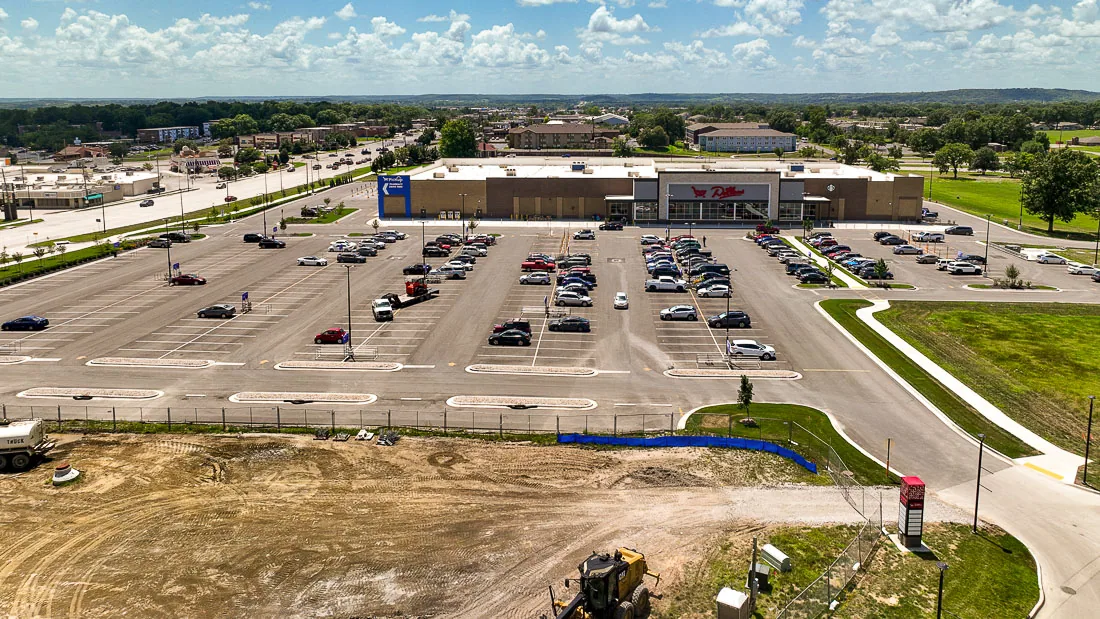
Harlan Industrial Park is near I-70 and Topeka Regional Airport, while Central Crossing includes utility and fiber infrastructure. The facility's own security, service access, and operating controls set the inspection and repair plan.
For a later leak, compare the report with cooling-unit work, condensate maintenance, weather timing, and previous roof repairs. A new symptom may have a different source from the last one. The mapped detail lets facilities staff determine whether the next step is a roof inspection, equipment review, or a broader capital evaluation.
Commercial Roofing Questions
Can roof work occur without shutting down data-center cooling?
We can work after the operator releases a roof zone and confirms monitoring, protection, escorts, and approved timing. Those controls are set before any section is opened.
How do you separate condensation from a roof leak?
We compare the report with curb flashing, condensate lines, equipment history, drainage, and tested roof conditions. The source is recorded only when evidence supports it.
Can emergency roof service be scheduled overnight?
Yes. Emergency calls are taken 24 hours a day, every day, holidays included. We coordinate escorts and mitigation first, then set permanent repair after the roof detail is verified.
What if a test finds wet insulation near critical equipment?
We close the test opening safely, document the measured condition, and stop at the approved boundary. The facility decides whether to isolate or expand the work.
Which roofing system should a data center use?
The design review should account for structure, cooling and condensation control, drainage, fire and wind criteria, and project specifications. We document the existing assembly first.
Related Roofing Work
Central Crossing Commerce Park
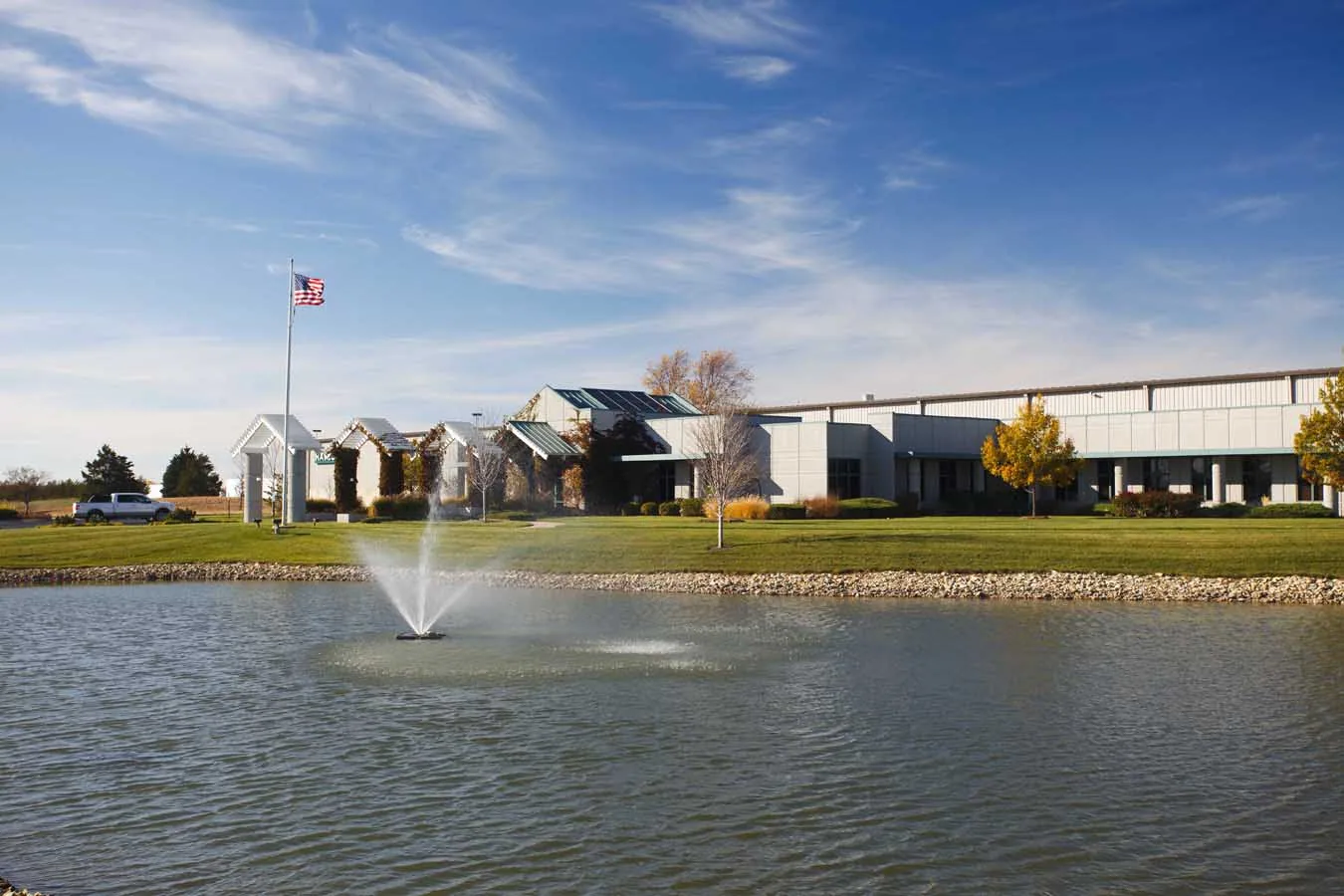
Harlan Industrial Park
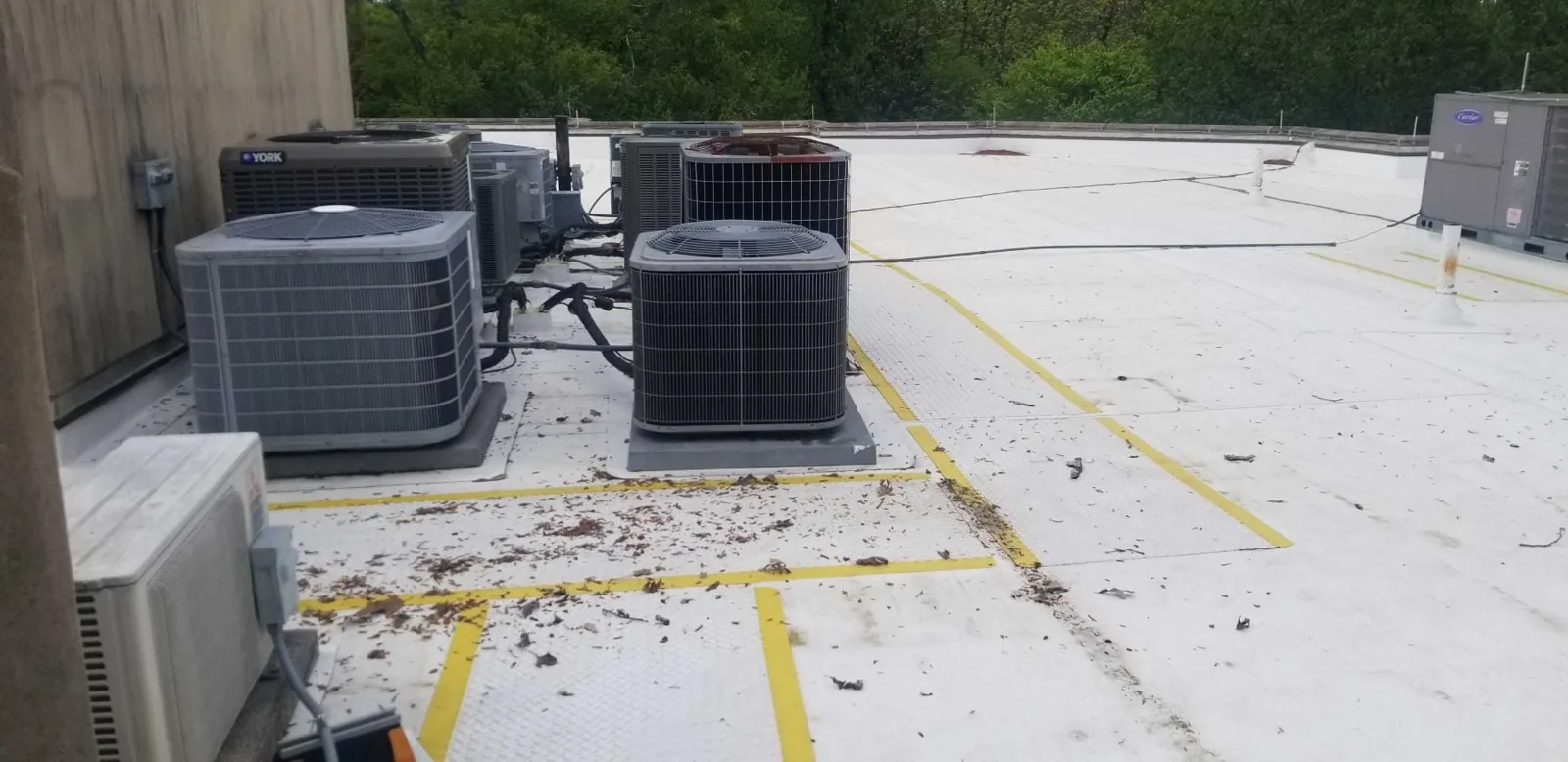
Commercial Rooftop Equipment Curbs and Supports
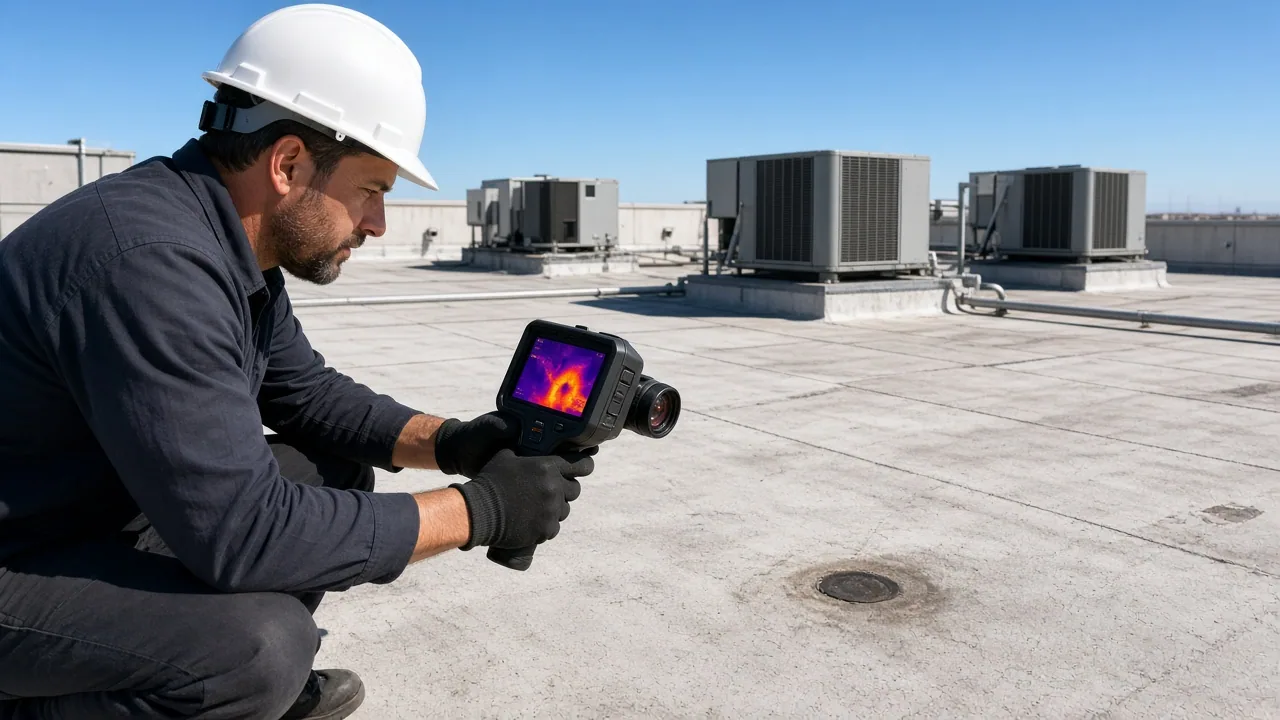
Commercial Roof Infrared Moisture Survey
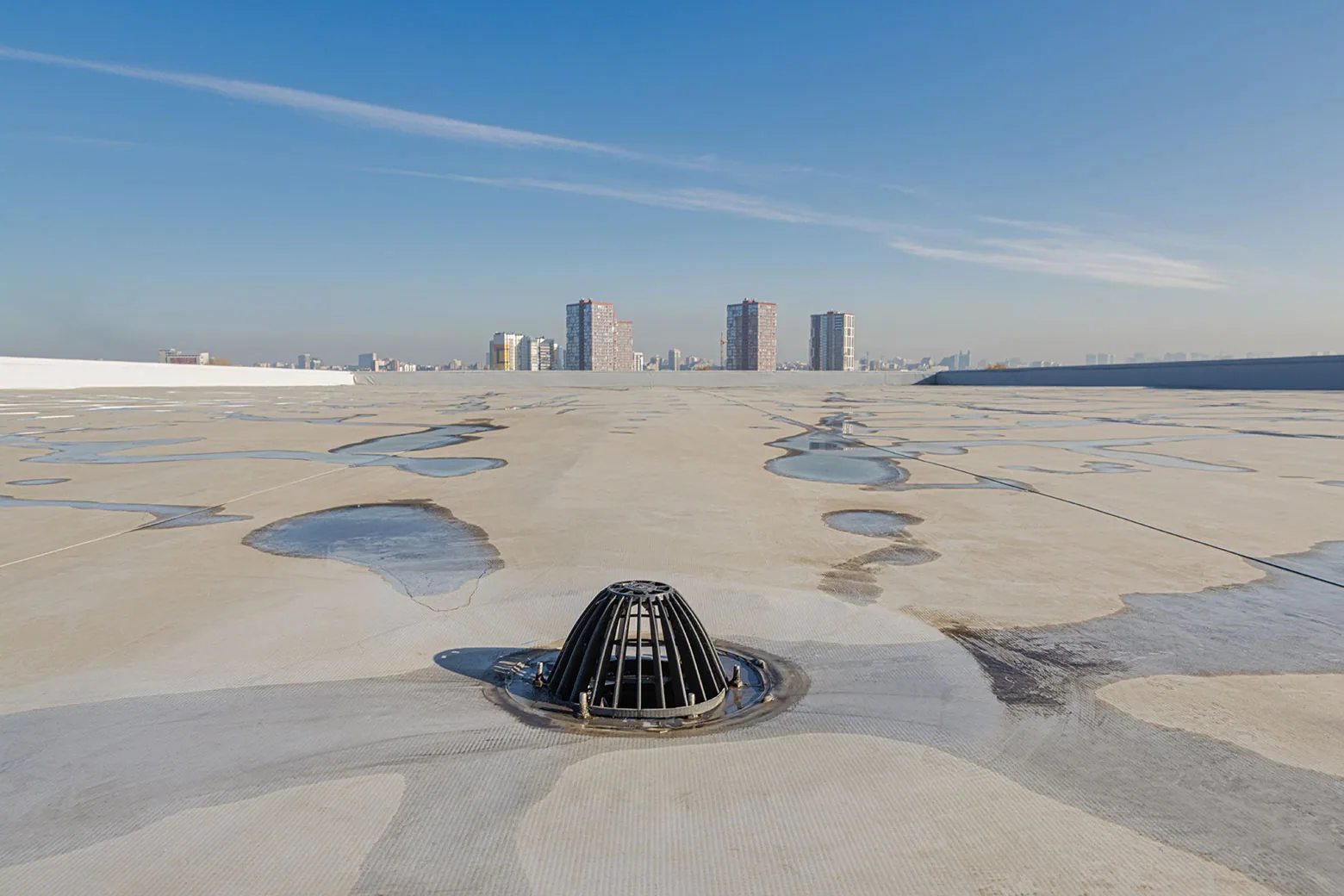
Commercial Roof Drains and Scuppers
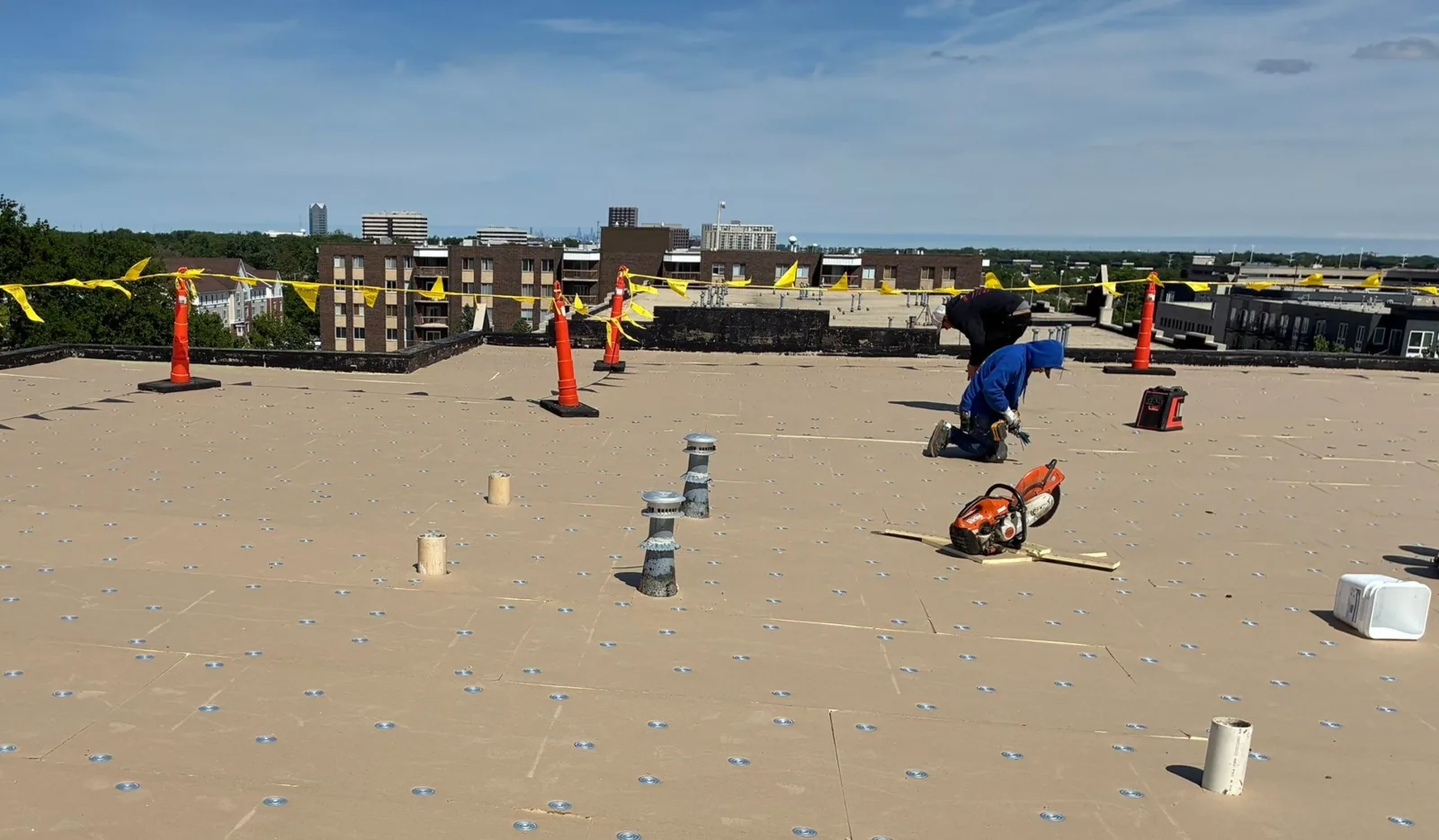
Commercial Roof Repair
Set the roof access protocol before testing
Service Area
Topeka, Auburn, Silver Lake, Carbondale, Rossville and Shawnee County, KS
Quick Contact
Email: [email protected]
Phone: 555-555-5555
Request a Roof Assessment
Send the Topeka address, roof plan, equipment map, access procedures, leak history, and available shutdown windows. We will define the tested area and decision points before work.