
Commercial Roof Due Diligence Surveys in Topeka, KS
Home / Roofing Capabilities / Commercial Roof Due Diligence Surveys
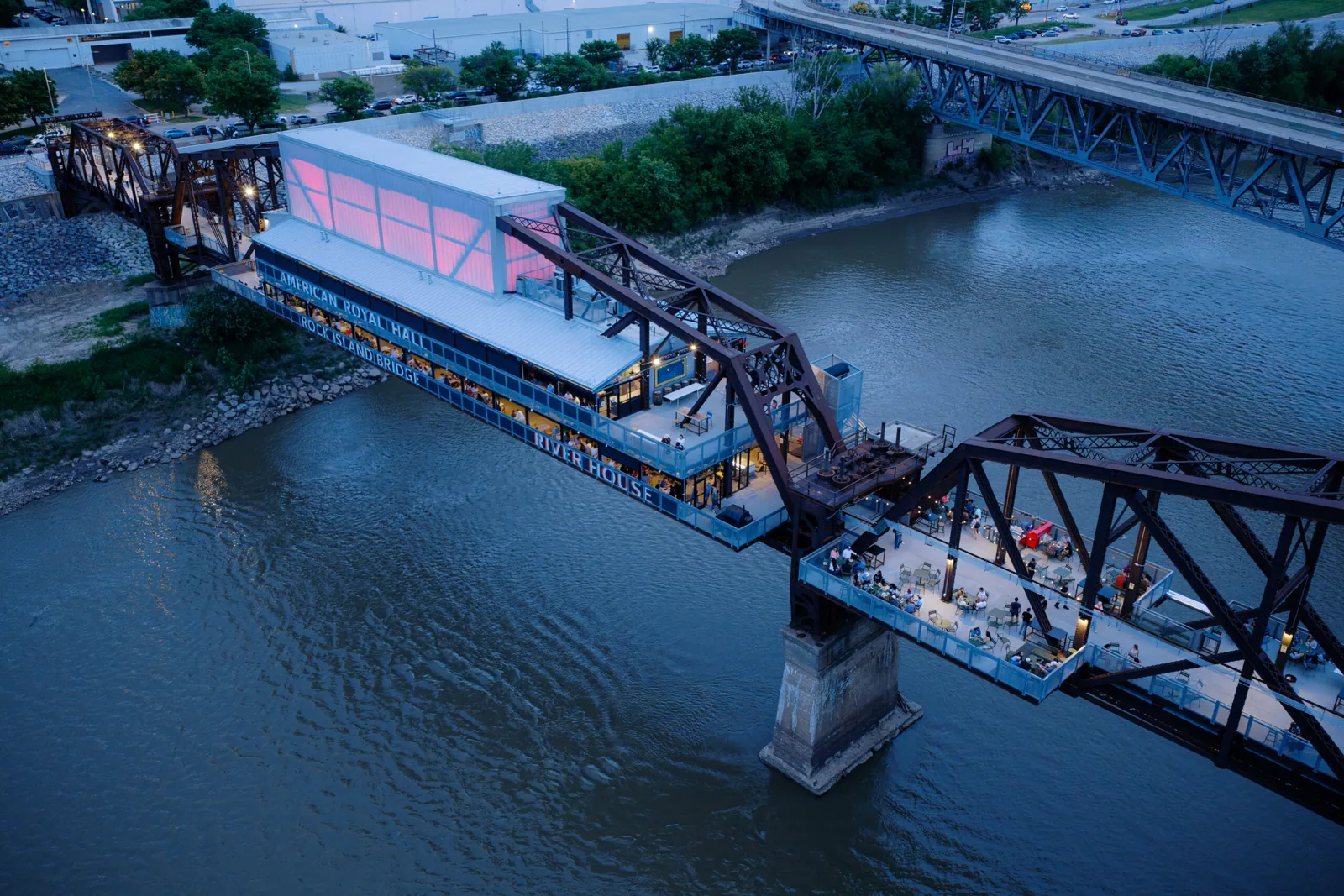
A purchase review has a different roof question from a maintenance visit: what was inspected, what remains unknown, and which condition could change the budget? We survey accessible roof areas, record visible defects, and identify targeted tests. Topeka’s property mix includes industrial uses at Central Crossing Commerce Park and redevelopment opportunities in the River to Rail District. Those settings can involve different assemblies and access. The survey ties its findings to the actual property and transaction schedule.
Scope: What can the survey confirm?
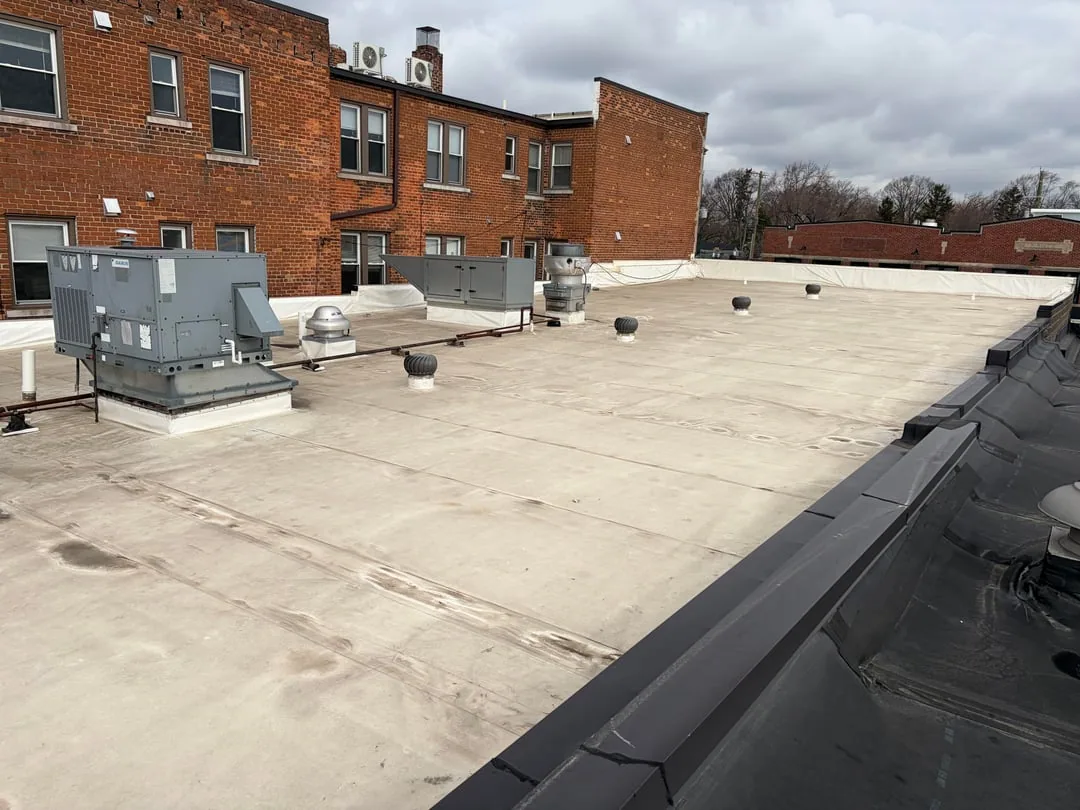
We review roof plans and available maintenance records, then compare them with field conditions. The survey identifies accessible buildings, system type where visible, drains, curbs, seams, edge details, prior repairs, and obvious damage. A commercial roof inspection documents the roof sections reached and any areas that could not be accessed. We state whether the review was visual, included moisture readings, or used approved test openings.
A visual survey cannot confirm concealed insulation or deck condition across every roof area. If readings or visible defects point to a question that could change the acquisition budget, we identify a test location and its limits. The infrared moisture survey can help prioritize testing, but a reading remains an indicator until the assembly is opened and checked. That distinction is important when a buyer must set contingencies.
We also record documents not provided, roof areas the seller did not release, and conditions obscured by equipment or weather. The report does not assign an age or remaining service life without records that support it. It gives the buyer a clear list of confirmed findings and unresolved questions before the next transaction step.
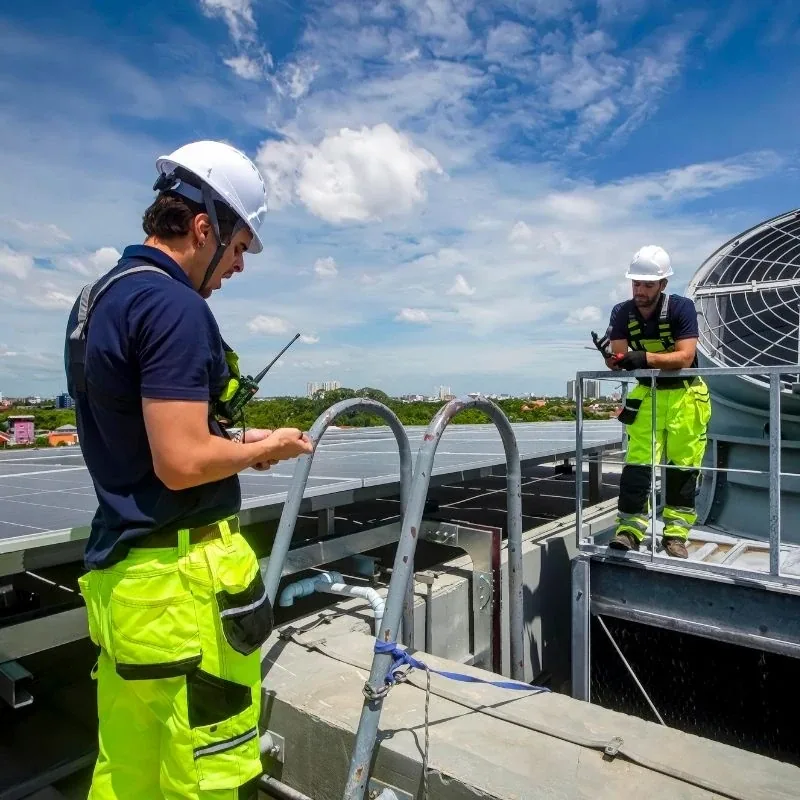
Findings: Which conditions could change the transaction?
Active leaks, loose perimeter metal, open seams, ponding, or wet insulation can affect near-term work. We map each condition to a building and roof zone, then record its repair boundary or testing requirement. A condition report preserves photos, measurements, and limits for the transaction file. We separate urgent protection from a permanent repair and from broader capital work.
Topeka’s climate normals show precipitation in summer and winter. The review notes drainage and access conditions visible on the inspection date, then identifies a seasonal follow-up only when an area was unsafe or could not be evaluated. That keeps an acquisition report from treating one day’s surface condition as a full-year performance history.
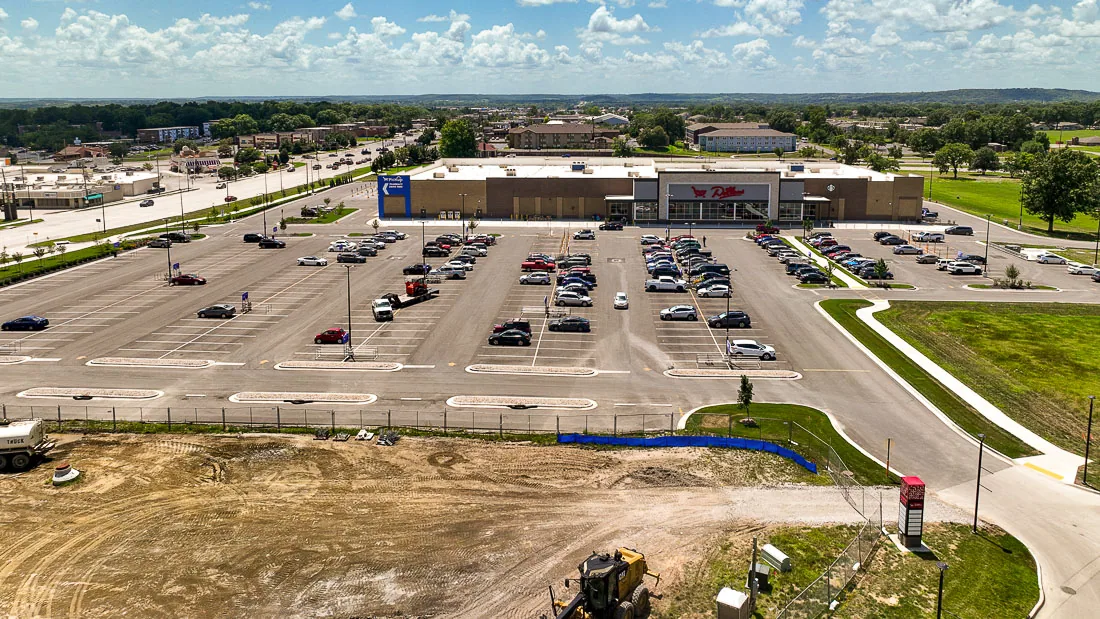
The 500-acre Central Crossing Commerce Park has rail, utilities, road access, and distribution and manufacturing tenants. The park’s scale does not establish the roof type or condition of a specific building. For an asset there, we use the supplied address, roof plans, and site contact to define the actual survey area. The same method applies to an adaptive-reuse property in downtown Topeka: building history cannot substitute for current roof testing.
A transaction survey describes the observed condition on the inspection date, not every concealed layer or future performance. We identify roof sections reached, records reviewed, tests performed, and areas excluded by access or scope. Findings that could affect near-term work receive a measured boundary and a separate estimate assumption; items requiring engineering or destructive testing remain open decisions. The buyer can then distinguish a known repair from a provisional allowance and decide whether additional access is worth arranging before closing. A clear exclusion is more useful than treating a limited walk as a full assembly assessment.
Budget: How are repair needs carried into underwriting?
We describe each near-term item with material, estimated quantity, access, and the test or opening that could change it. A repair estimate can identify a confirmed patch separately from concealed insulation or deck work. The capital planning review can compare those repairs with recover or replacement alternatives when the survey provides enough evidence. Cost drivers include removal depth, roof height, staging, interior protection, and material access.
If the buyer needs a reserve before a full scope is available, we show what the estimate assumes and where uncertainty remains. A broad allowance without stated limits does not help compare properties. We identify which additional photos, tests, or access approvals would reduce that uncertainty. The buyer can request those items from the seller or schedule them after access transfers.
Buyers can also identify near-term operating constraints that belong beside repair quantities. A drain blocked by stored equipment, a roof hatch requiring an escort, or a production area that cannot stop during normal hours may change mobilization and schedule. We record these as access conditions, not roof defects. The owner can use them to plan a second inspection, price a lift, or sequence the work after transfer. If an assumption changes, the estimate should be updated against the same roof map.
Refinancing may require an updated roof condition rather than a full transaction survey. We can focus the visit on documented leak areas, maintenance history, and the remaining roof sections available for inspection. If a lender has a defined reporting format, the owner provides it before the site visit so the observations can be mapped to the requested fields without omitting field limitations.

Delivery: What should the buyer receive?
The deliverable includes a property and building index, roof map, photo log, observed conditions, testing completed, access limits, repair items, and open questions. A roof asset register can keep the survey with later maintenance and repairs after closing. The new owner can use the same building identifiers rather than rebuilding the record from transaction emails.
For multi-property review, each site receives its own findings and cost assumptions. A portfolio summary can compare urgency and next actions, but it does not merge conditions across different roofs. At a downtown property or an industrial facility, we note the site contact and access instructions used during the survey. The buyer can then plan a follow-up visit with the correct person and a defined question.
If the closing date changes or the property remains inaccessible, we mark the inspection date and conditions observed. A later walk may be needed to verify areas that were not released. We update the report only after new field evidence is collected. The file makes clear which observations were current at delivery and which recommendations require another visit.
The report can include an inspection date and a note that conditions may change before closing. If the buyer needs a later confirmation, we can revisit named roof zones and update the record with new observations.
Commercial Roofing Questions
Can a roof survey state the remaining life of the roof?
We report observed assembly condition, service history provided, and areas tested. A remaining-life estimate needs records and assumptions that are stated clearly; we do not infer it from appearance alone.
Will the survey open every roof section?
Only when the scope includes approved test openings. We identify accessible areas and any conditions that could justify additional testing before changing the survey boundary.
Can the buyer use the report to negotiate repairs?
The report provides measured findings, photos, and separated repair estimates for the buyer’s review. Transaction decisions remain with the parties and their advisors.
What if seller access is limited?
We record the sections reached, the reason access was restricted, and what remains unknown. The buyer can request another visit when the area is released.
Do you include a replacement estimate if only repairs were tested?
We can compare replacement when the survey has enough assembly and moisture evidence. Otherwise, we identify the information needed before preparing a broader scope.
Related Roofing Work
Central Crossing Commerce Park
River to Rail District
Commercial Roof Inspection
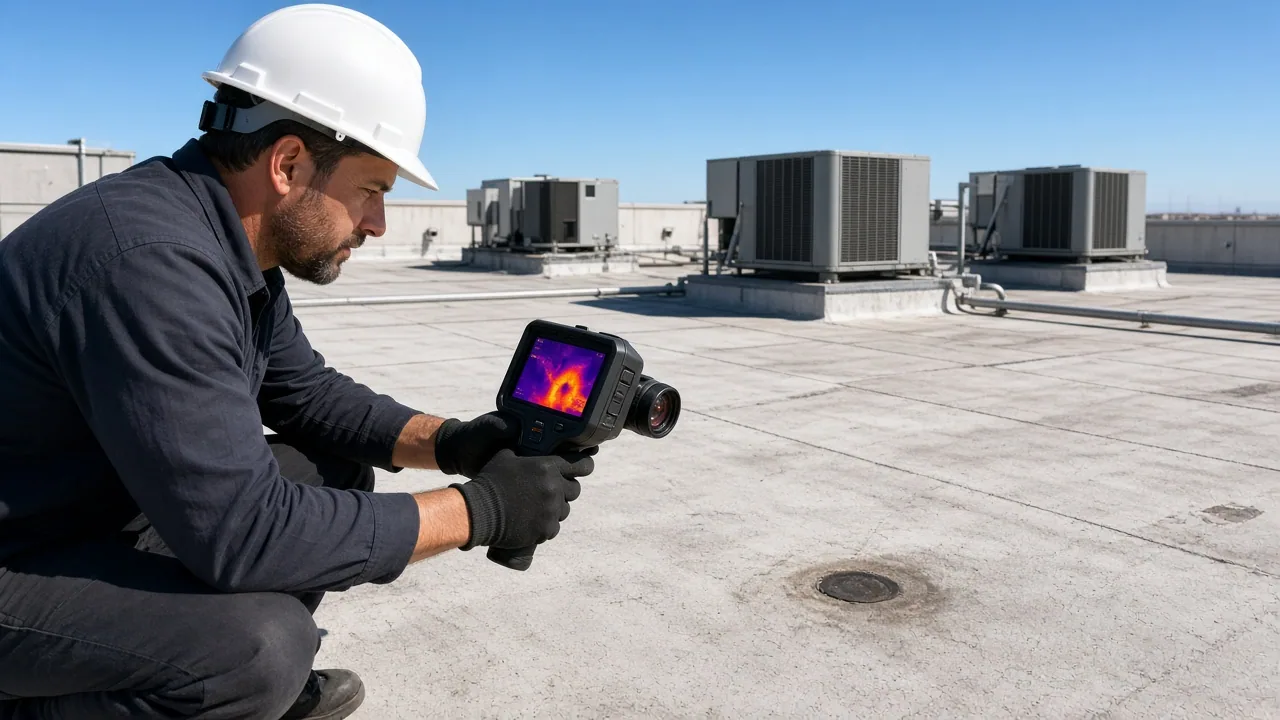
Commercial Roof Infrared Moisture Survey
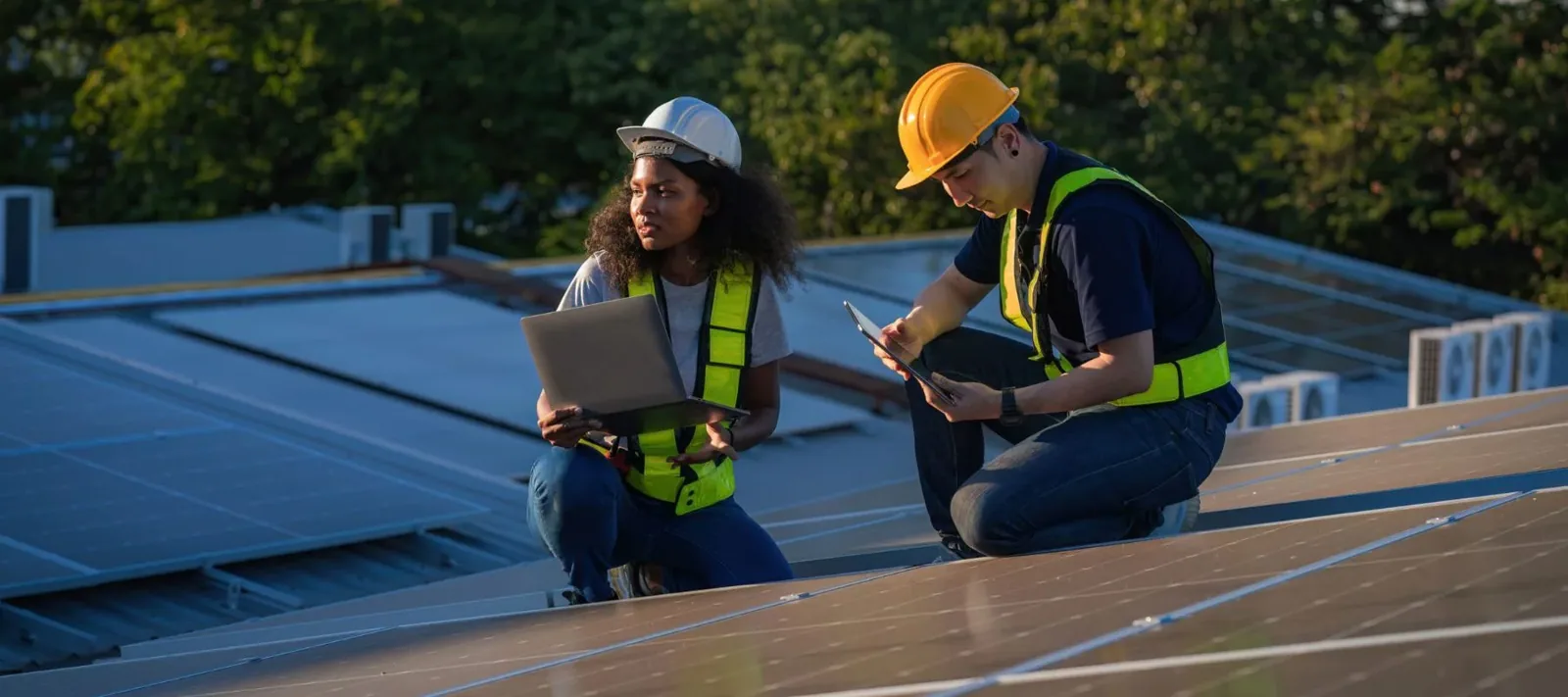
Commercial Roof Condition Reports
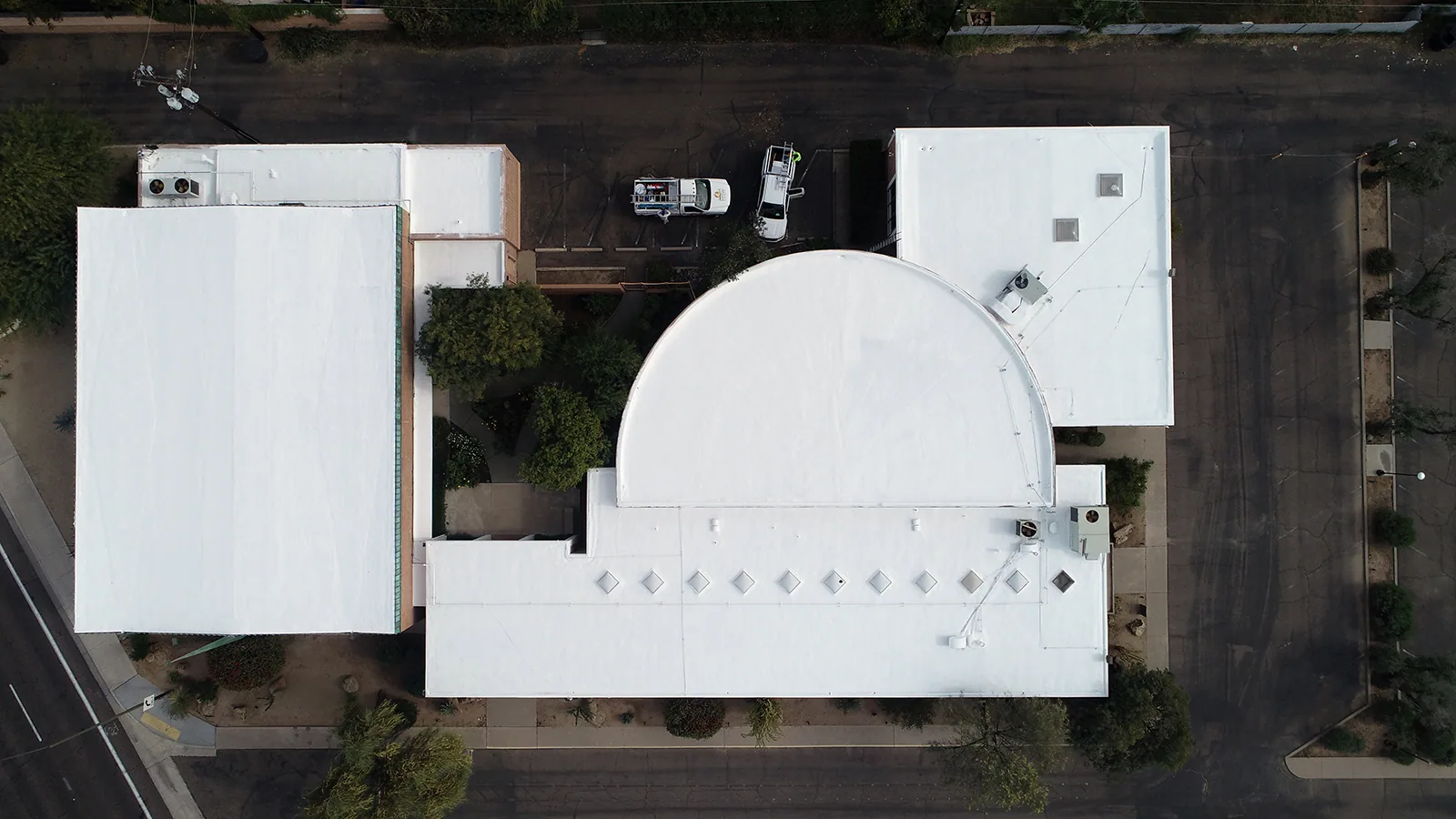
Commercial Roof Capital Planning
Schedule a Topeka roof due diligence survey
Service Area
Topeka, Auburn, Silver Lake, Carbondale, Rossville and Shawnee County, KS
Quick Contact
Email: [email protected]
Phone: 555-555-5555
Request a Roof Assessment
Send the property addresses, transaction timeline, available roof plans, seller access rules, and requested report format. We will define the inspection boundary and deliver findings by building.