
Commercial Roofing in Wanamaker Corridor, Topeka, KS
Home / Service Areas / Wanamaker Corridor
The Wanamaker Corridor is a broad west-side commercial area with retail, office, service, and customer-facing properties. Go Topeka identifies it as a regional retail corridor; that label helps orient coverage but does not establish an individual building’s roof area, system, access, or condition. We begin with the authorized property contact and a marked roof zone, then inspect accessible seams, drains, curbs, edges, flashings, and penetrations. Retail destinations and office properties can have different delivery paths, tenant schedules, parking controls, and work windows. We confirm those conditions at the assigned site rather than carrying an access plan from a neighboring business. Each inspected building receives its own photographs, quantities, and repair limits.
Tenant access: What must stay clear?
Before a roof visit, we confirm who can release the roof, where a lift or materials may stage, which entrances must remain open, and whether interior protection is needed. A directory with multiple tenants does not establish their operating schedules. The property representative coordinates each area and confirms current restrictions. If work crosses an occupied space, we agree on barriers, noise periods, delivery routes, and daily closeout. A phased reroof sequence can separate work zones so the owner can manage access one section at a time.
Leak response has a different first step from planned replacement. We identify affected rooms, protect contents or equipment, and locate a safe roof access route. Emergency service is available any hour, including nights and holidays, to reduce active interior exposure. Permanent repair still requires identifying the membrane, preparing a compatible surface, and checking the completed detail. We record temporary protection separately from the final scope so the owner knows what remains.
Material delivery and debris removal can affect tenant circulation. We confirm staging with the property contact rather than assume a loading area is available. A short window might allow leak tracing or a local patch; replacement may need work phases and advance tenant notices. The estimate describes the sequence and any part that needs a separate approval or return visit.
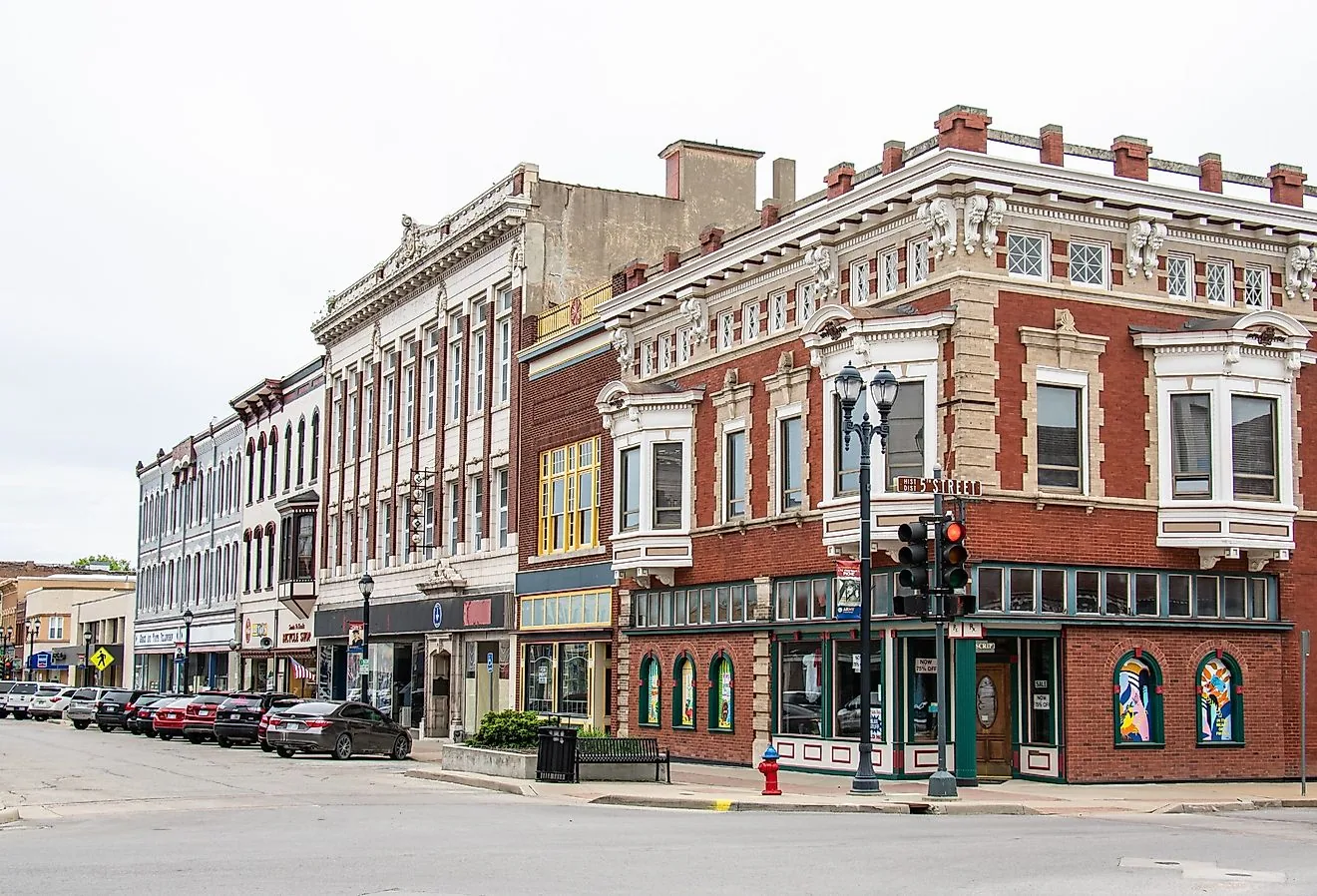
Roof inspection: What does the first walk cover?
We review roof plans, leak reports, prior repairs, and available system records before stepping onto the roof. The field walk checks membrane seams or metal laps, flashings, curbs, penetrations, skylights, drains, scuppers, perimeter edges, and previous patches. The enclosed retail use does not establish whether the roof is TPO, PVC, EPDM, metal, or another assembly. We identify material from records and exposed details, then label sections not reached. A commercial inspection keeps visible observations separate from test results.
An interior stain may be away from the opening because water travels beneath a membrane or along the deck. We compare the reported room with roof slope, drains, curb corners, wall transitions, and seams. If concealed moisture could change quantity, we identify where a scan or test opening would help. Moisture screening can guide selected testing; it does not show that every roof layer is dry. The report states the tested boundary and any area that stayed concealed.
Topeka averages about 36.5 inches of precipitation annually, with summer thunderstorms and winter precipitation. We check drainage after outlets clear, noting debris, low areas, and details that remain wet. The NWS event archive also documents severe hail and wind in the region. After a reported event, we inspect the assigned property roof for address-level evidence such as punctures, lifted edges, or displaced flashings. A weather record can prompt the visit, but it does not assign damage to this property.
Repair options: Which condition sets the limit?
A puncture, separated seam, or failed flashing may support a local repair when nearby material remains sound and compatible. We prepare the surface, restore the detail, and photograph the measured boundary. If testing finds wet insulation beyond the visible defect, the work may extend to dry material. A dry test point supports only the area examined. The estimate separates tested facts from conditions that remain concealed and names what could change the quantity once the roof is opened.
Repeated leaks, brittle membrane, broad attachment failure, or moisture across several sections may support a larger comparison. We inspect insulation, cover board, deck, drainage, perimeter, and penetrations before considering recover or replacement. A recover assessment checks existing attachment and moisture conditions before another layer is proposed. The owner can compare immediate repair, further testing, and planned replacement without treating any option as automatic.
the assigned property is within the Wanamaker corridor, which Go Topeka identifies as a regional retail area. Nearby properties such as Wanamaker and 12th Street Area and Fairlawn and 29th Street Commercial Area have separate tenant lists and site rules. Their access patterns do not set a work plan for the assigned property. We confirm the exact repair area and current property procedures before estimating labor or scheduling materials.
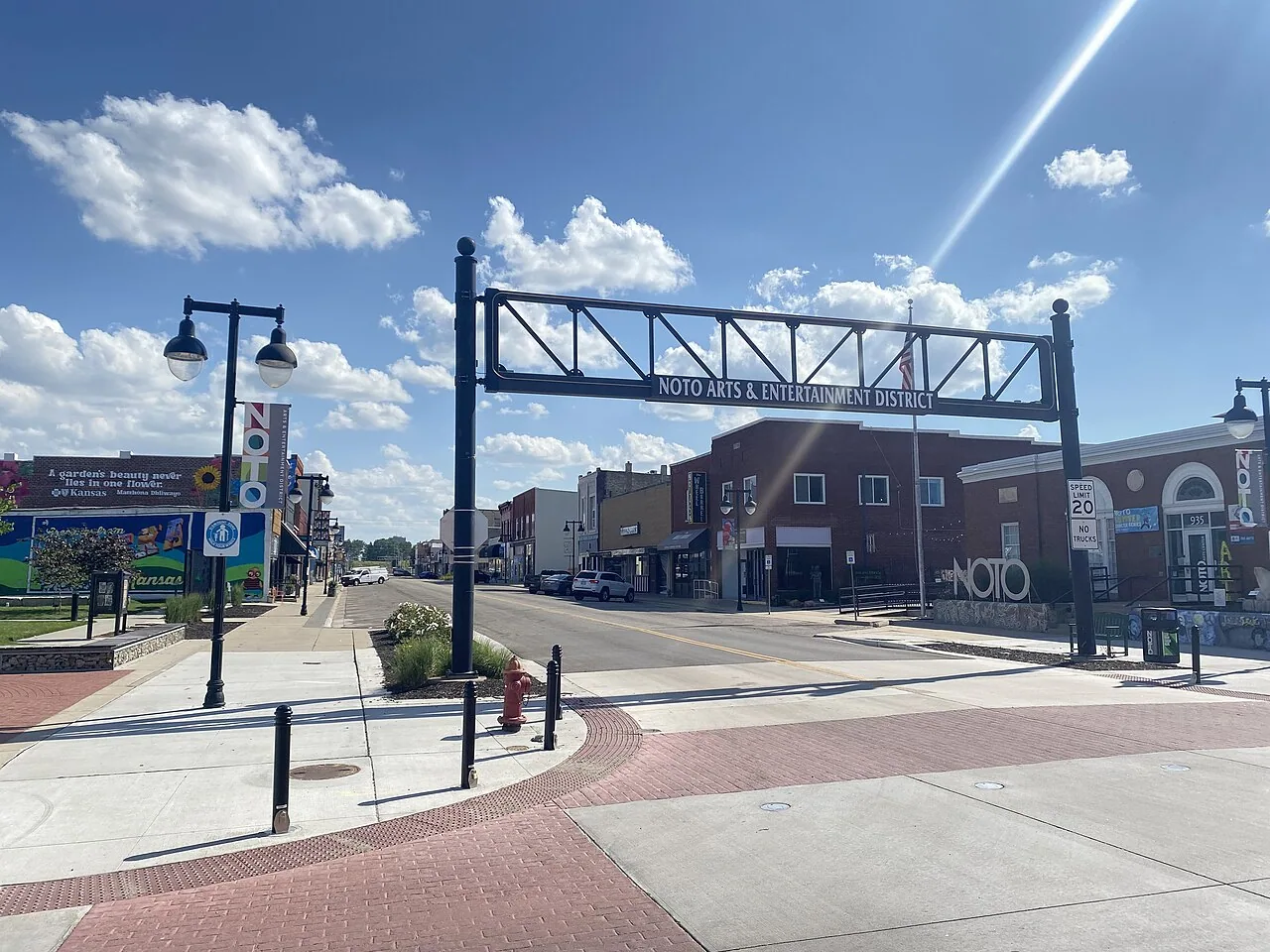
Timing: What shifts the project schedule?
Roof height, staging, material delivery, interior protection, tested moisture, drain work, and repair size affect price and duration. Rain can make a surface unsuitable for welding or flashing work. Wind can affect membrane handling and perimeter details. Winter precipitation may narrow safe access. We identify weather-sensitive steps and any temporary protection between visits. The owner receives a work window tied to the planned method instead of an assumed duration.
For a tenant property, the operating calendar can affect lift placement, entrance closures, noisy steps, and interior protection. We plan daily dry-in and cleanup so the property contact knows when each area can reopen. If wet insulation or deck damage is found after opening, we pause at the agreed boundary and present the condition for owner direction. That keeps concealed work separate from the repair quantity already approved.
Seasonal maintenance can check drains, scuppers, seams, curbs, and earlier repairs before heavy rain or winter conditions. A maintenance visit records the roof section, observed change, and follow-up needed. If the property has multiple buildings or roof areas, we maintain separate maps and contacts rather than carry one building's finding across the whole address.
Records: What should the property file retain?
Keep the inspection date, roof plan, system identification, photos, test locations, repair dimensions, and access notes together. Separate temporary leak protection from permanent work. List areas not inspected and the reason they could not be reached. When a tenant reports a new stain, staff can compare it with the last repair and trace the water path instead of assuming the old patch failed again.
A dated condition report can preserve tested findings and open questions. If a manager tracks other properties in Topeka, a roof asset file can retain each address's roof map and work history separately. A current inspection date matters; an older estimate is not a statement about today's condition.
For roof service at the assigned property, send the property contact, current concern, affected area, access requirements, and available roof records. We will inspect the accessible section, identify testing needs, and define the owner decision from measured evidence.
Commercial Roofing Questions
Can tenants remain open during a West Ridge Mall roof repair?
The property contact sets operating and access requirements. We coordinate staging, barriers, entrances, interior protection, and work hours before assigning a repair sequence.
Does the mall directory identify the roof system?
No. The directory describes tenants, not the membrane or roof assembly. We compare available submittals with field details before selecting a repair method.
How do you find a leak that appears far from a roof defect?
We trace the water path across seams, curbs, walls, drains, and low areas, then test where concealed moisture could change the repair. The report marks what was and was not confirmed.
Will regional hail or wind records establish mall damage?
They provide weather context. We inspect the property for punctures, displacement, open details, and prior repairs, then state what the roof itself supports.
What information helps price work at the mall?
Share the roof plan, current leak location, tenant or access contact, service history, and restrictions on staging or hours. Field measurements and tests then set the confirmed quantity.
Related Roofing Work
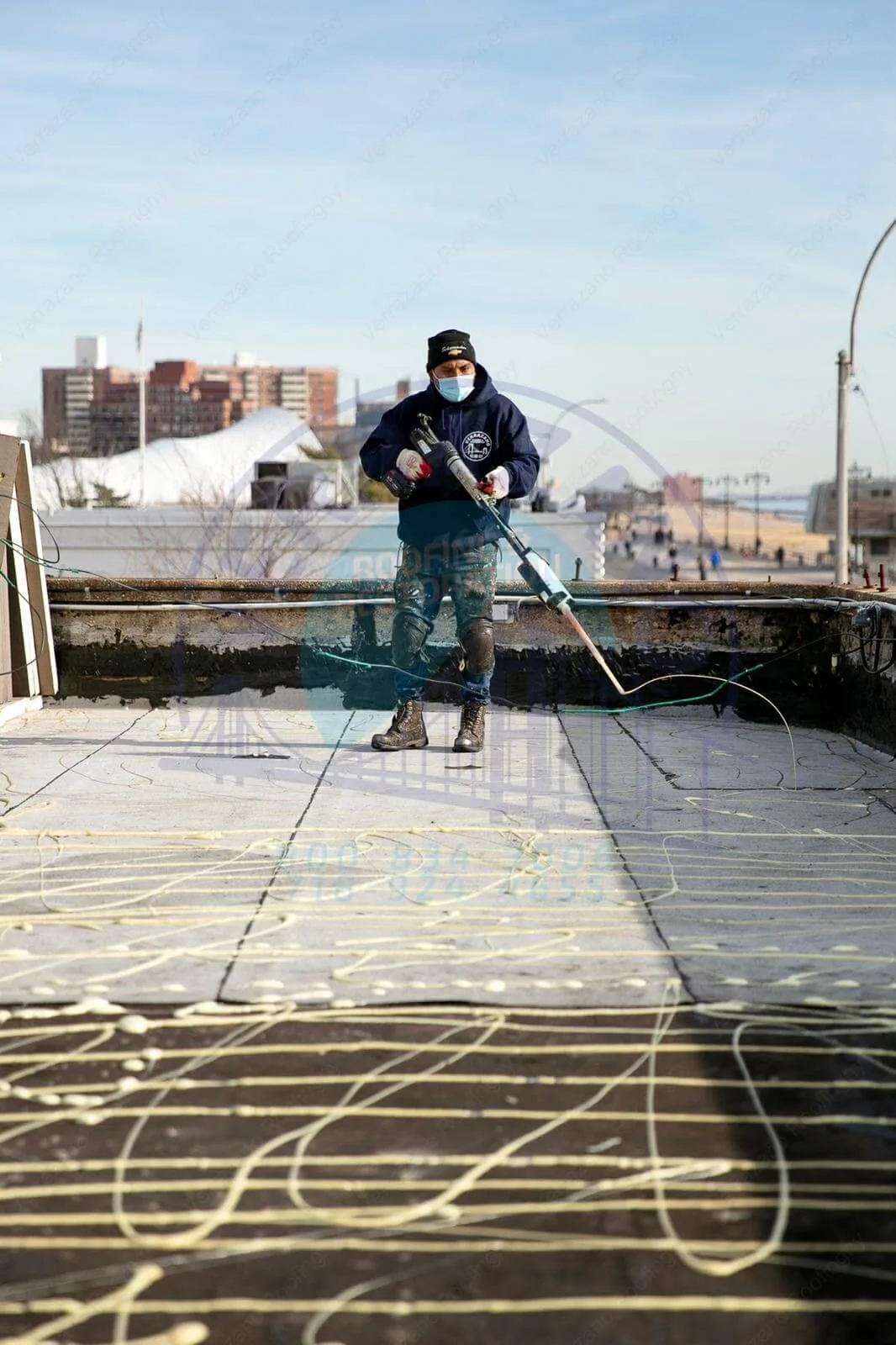
Occupied Commercial Building Reroofing
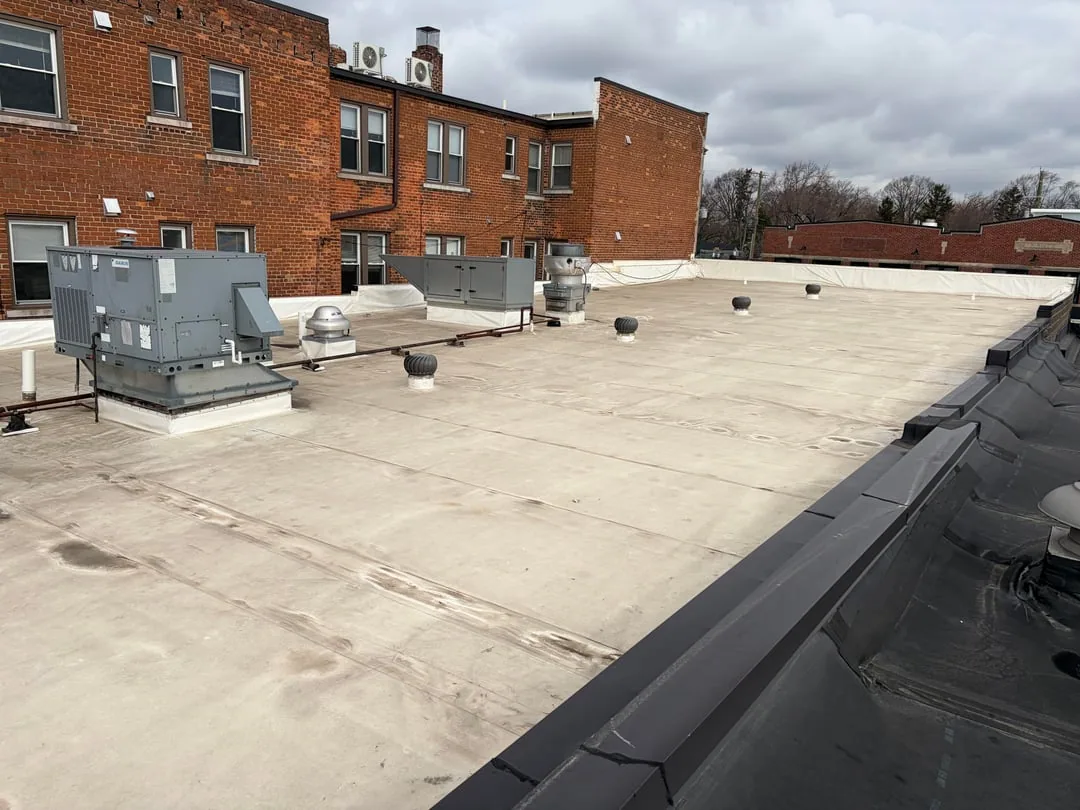
Commercial Roof Inspection
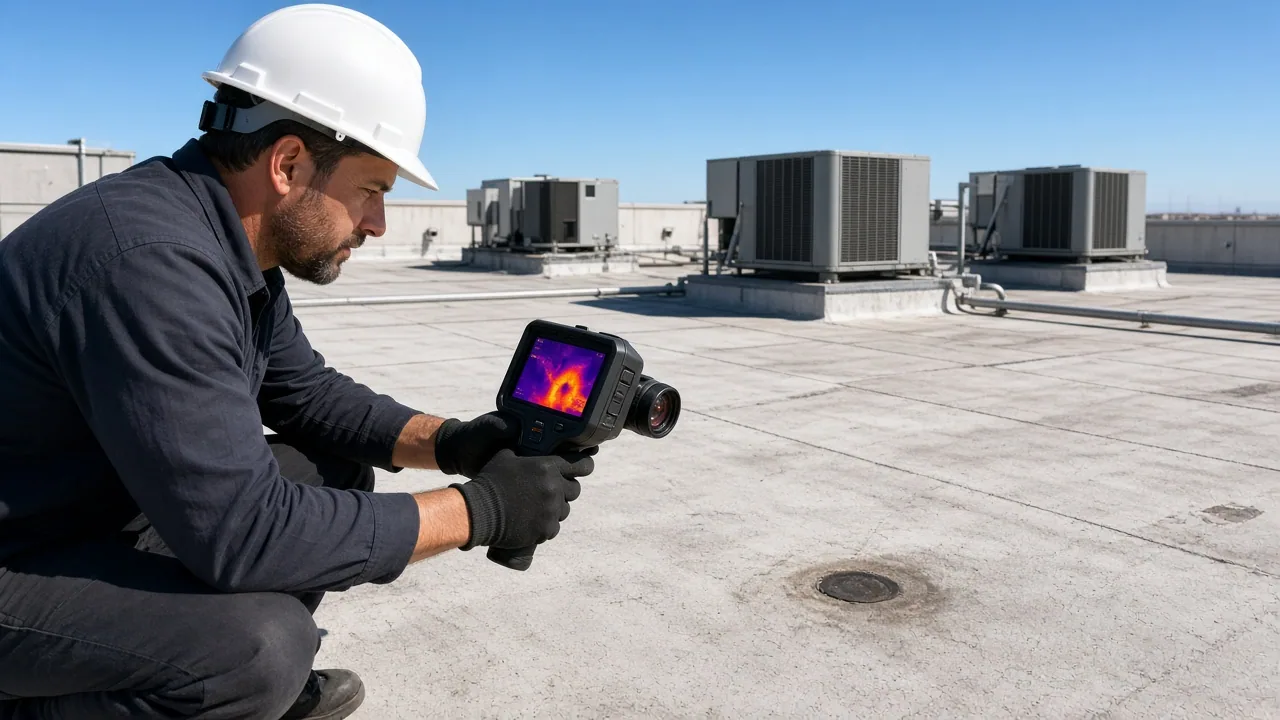
Commercial Roof Infrared Moisture Survey
Commercial Roof Recover Overlay
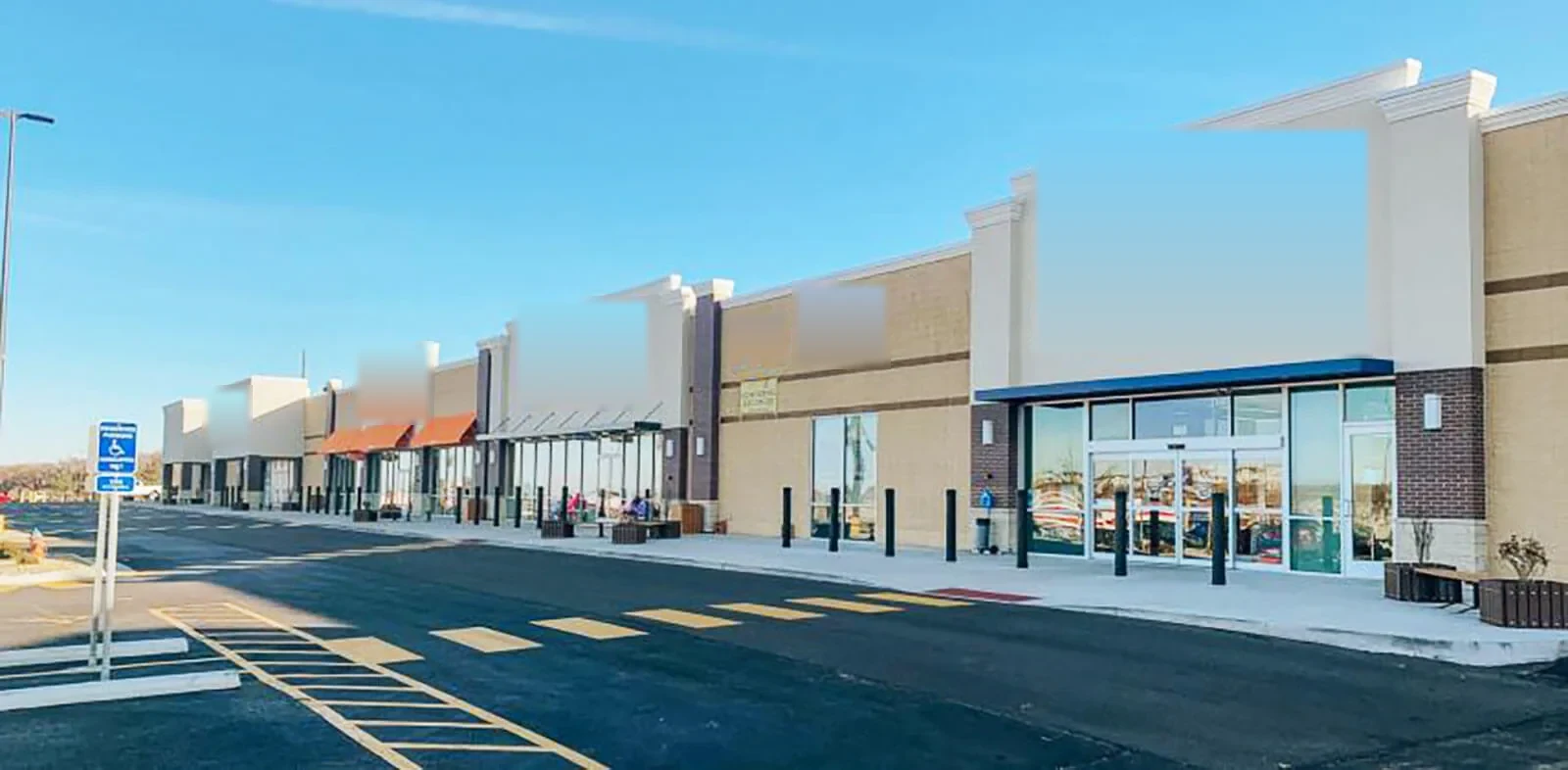
Wanamaker and 12th Street Area
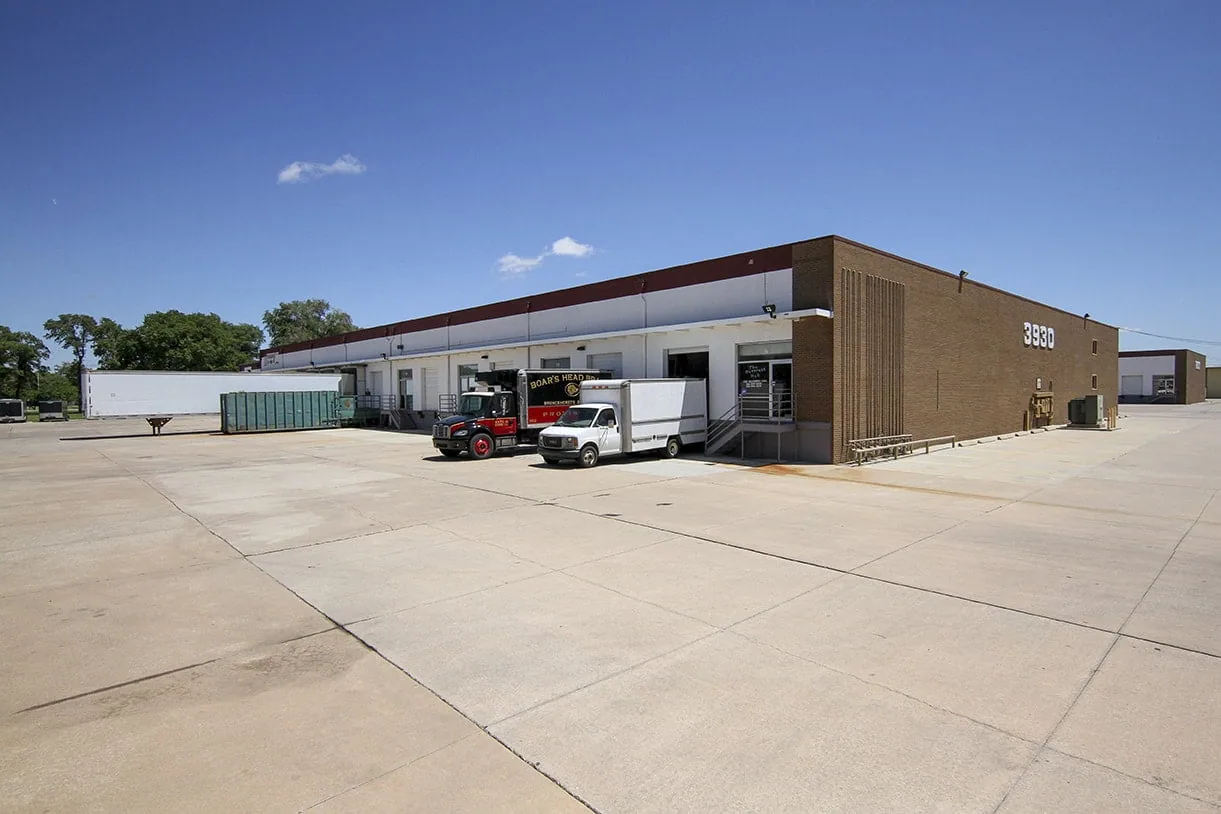
Fairlawn and 29th Street Commercial Area
Coordinate a tenant-safe roof review
Service Area
Topeka, Auburn, Silver Lake, Carbondale, Rossville and Shawnee County, KS
Quick Contact
Email: [email protected]
Phone: 555-555-5555
Request a Roof Assessment
Provide the West Ridge Mall roof concern, property contact, access requirements, and available repair records. We will inspect the tested section and set a measured repair or project scope.