
Commercial Roof Flashing Failure Repair in Topeka, KS
Home / Roof Damage Repair / Commercial Roof Flashing Failure Repair
A split at the base of a rooftop curb can let water into the assembly while the surrounding membrane still looks intact. We check the flashing height, termination, fasteners, and nearby laps before setting the repair line. Topeka’s storm record includes hail and wind events, which makes exposed edges and transitions worth inspecting after a report. A facility at Goodyear’s Topeka plant and a building near the River to Rail District may call for different access plans, but both need a measured detail and a safe work window.
Transition: Which flashing detail has failed?
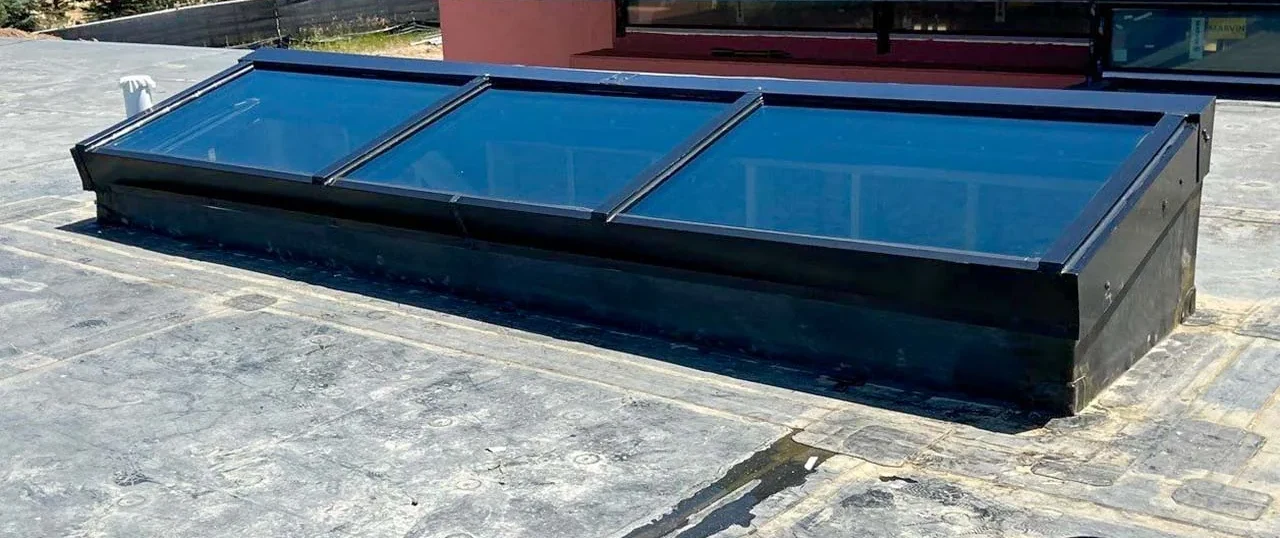
We identify whether the leak path begins at a curb, parapet, wall, drain, skylight, or pipe. The visible split may be in the membrane flashing, a metal counterflashing, sealant, or the substrate below. A penetration and skylight inspection checks terminations around openings, while the repair record names the exact detail found at this address. One failed corner does not set the quantity for the full roof perimeter.
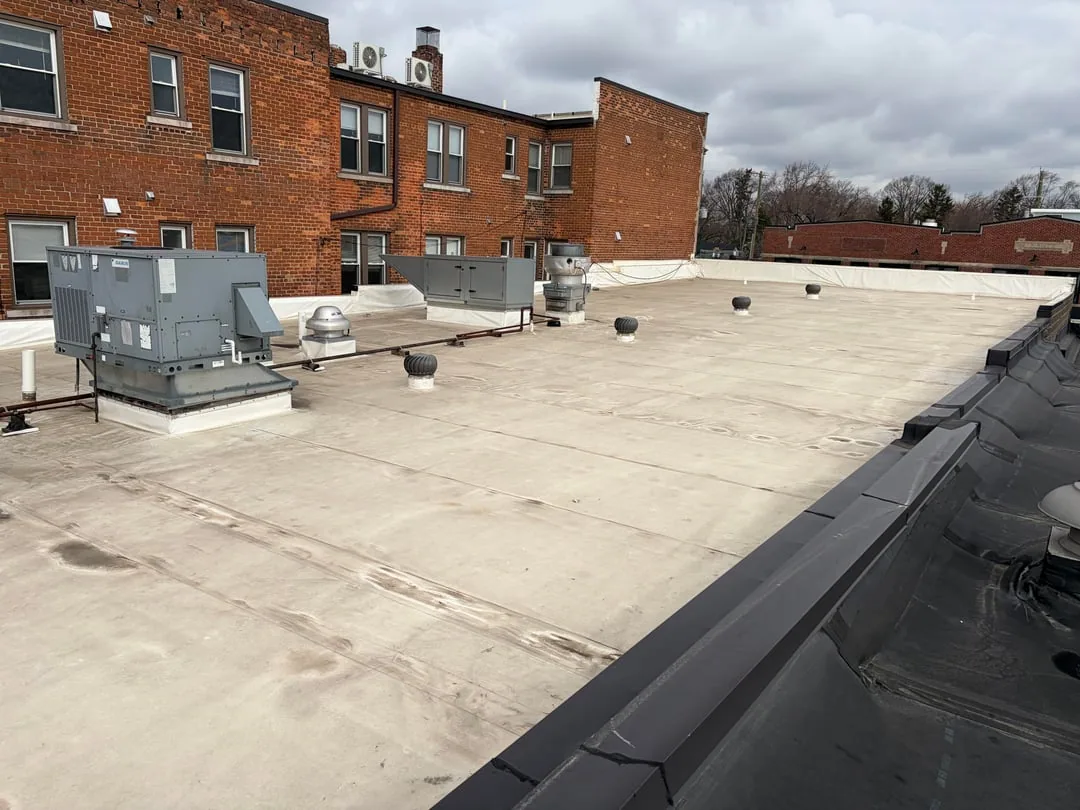
At a curb, we inspect corners, vertical flashing, metal counterflashing, and the membrane transition. At a wall, we look at termination bars, reglets, coping, and the path where water could pass behind the flashing. A roof inspection documents adjacent seams and any interior report that helps locate the water path. If access prevents confirmation of a concealed termination, that limit stays in the record.
Water may travel below the surface before reaching a ceiling. We compare the interior mark with roof slope, the nearest curb or wall, and any deck joints. Test cuts or a controlled water test can help when the result would change the repair boundary. We explain the proposed test and receive owner direction before opening sound material. That keeps a suspected transition separate from a confirmed failure.
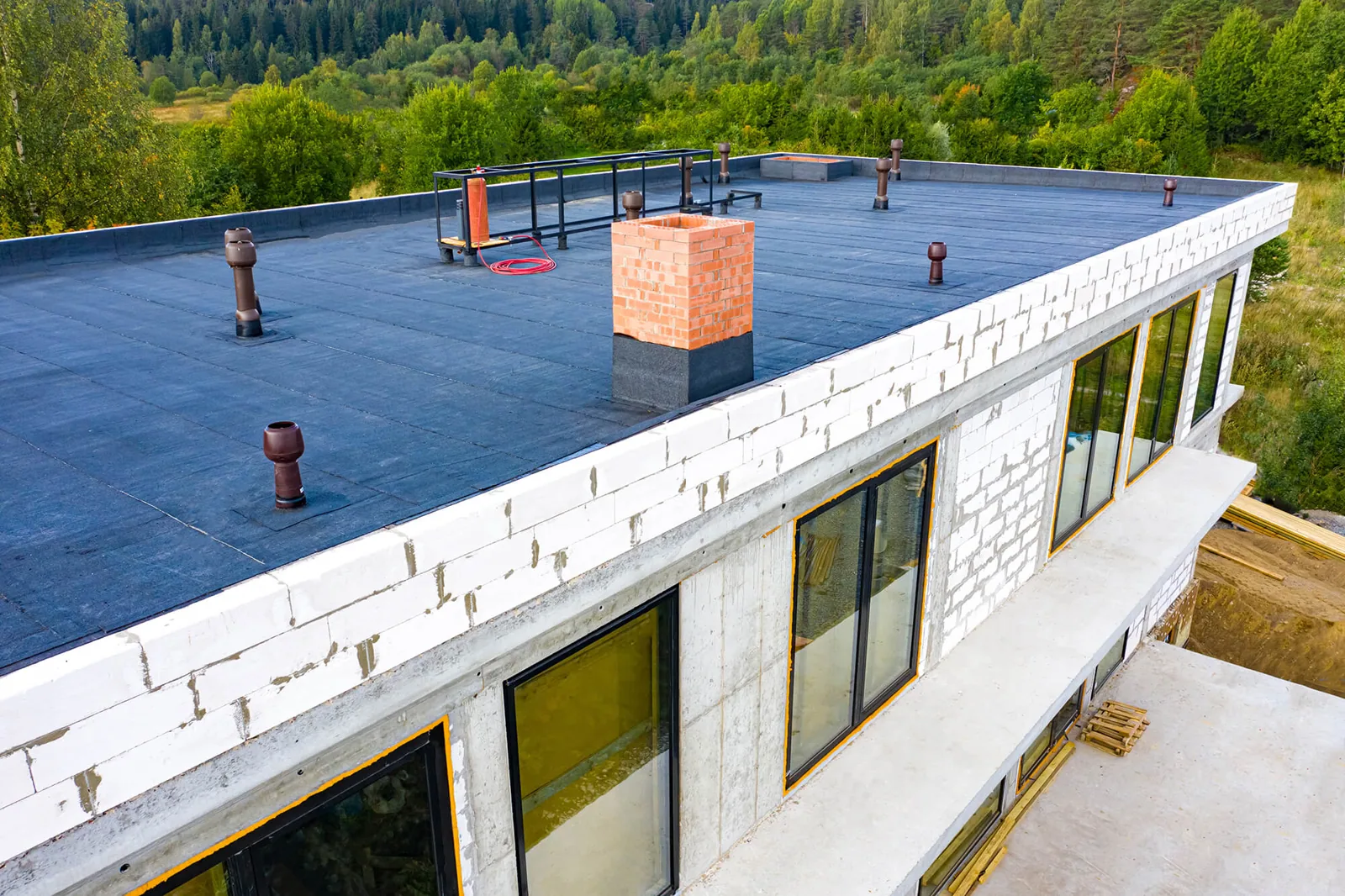
At a roof-to-wall transition, inspect the membrane termination, base flashing, counterflashing, reglet, and coping as one water-shedding detail. A visible split at one layer may sit beside a second termination that still needs its own check. We trace the path uphill and examine corners, laps, fasteners, and sealant joints before choosing a tie-in. The repair record identifies which layer was removed, what substrate was exposed, and where new flashing reconnects to the existing assembly. If a wall or masonry condition blocks a reliable termination, separate that work for the responsible trade rather than burying it in the roofing quantity.
Materials: How is a durable tie-in selected?
A flashing repair needs material compatible with the existing roof and the intended service detail. We identify the membrane type where visible, check the current flashing material, and review the manufacturer detail available for the assembly. A patch that does not bond or terminate correctly can leave a second path at its edge. The estimate names preparation, primer when needed, reinforcement, fastening, and the final seam or seal check.
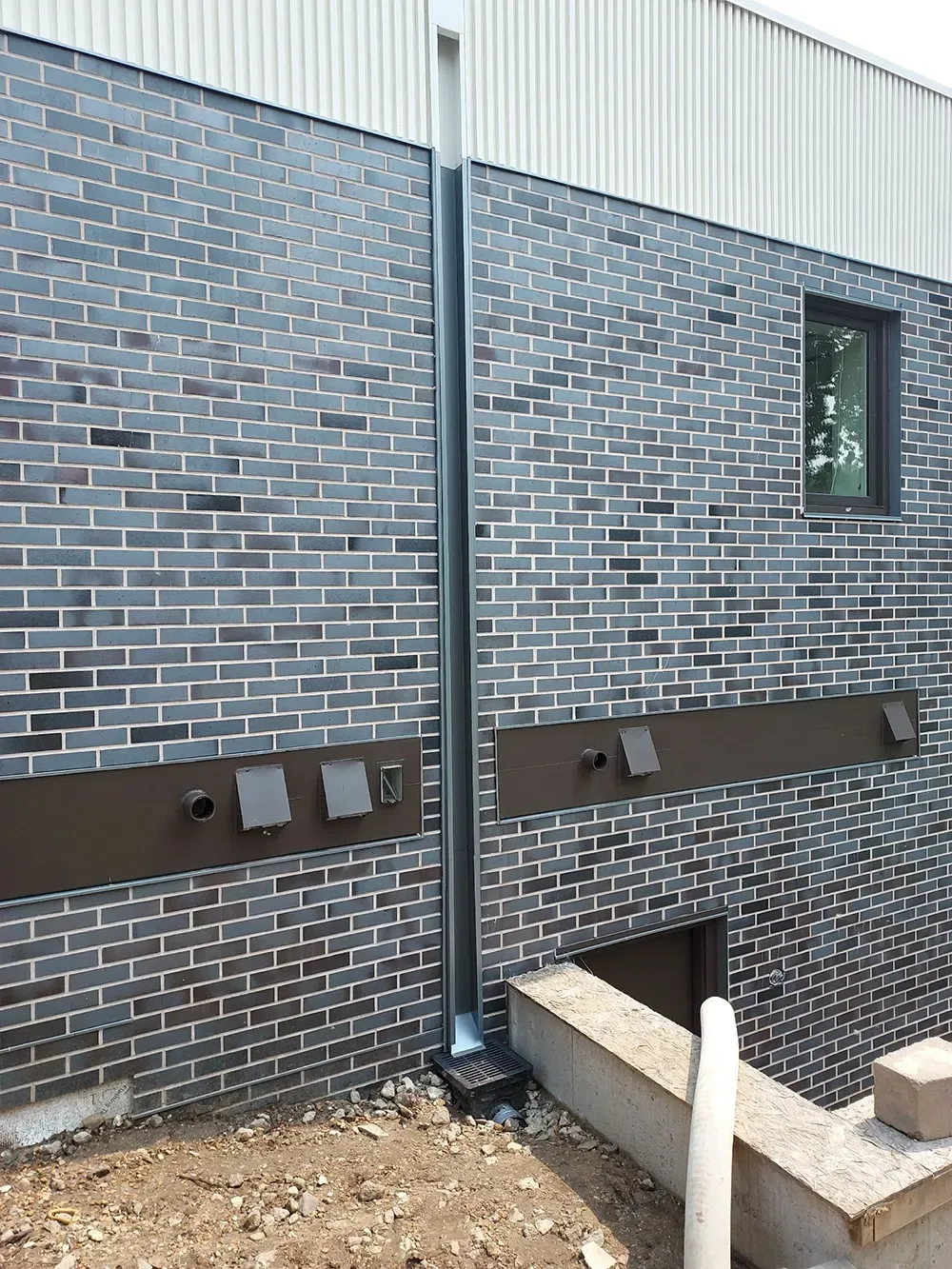
Metal counterflashing may require a different repair from flexible membrane flashing. We inspect corrosion, movement, attachment, laps, and contact with the wall or curb. If a metal cap can be reset and secured, that work differs from replacing deteriorated metal or rebuilding the membrane turn-up. The edge metal inspection can record coping and perimeter conditions near the failed transition without blending them into a curb repair.
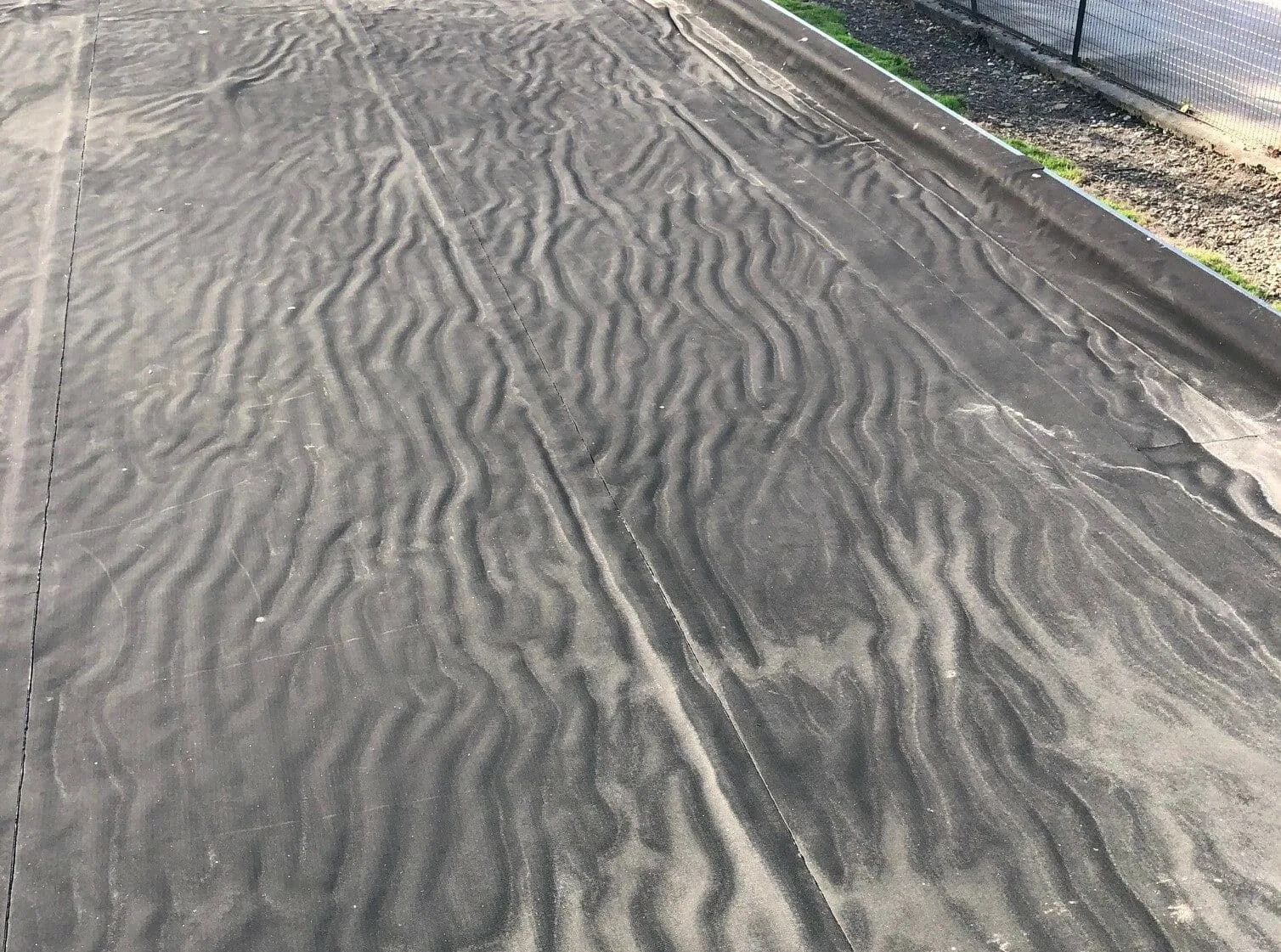
A flashing split that continues into a membrane seam needs both details checked. We mark the point where the vertical turn meets the horizontal lap and inspect the bond on each side. If the field seam has opened beyond the transition, a seam failure inspection can define that added repair line separately.
Field conditions can alter the material choice. A wet substrate, loose surface, or prior coating may prevent a direct tie-in until preparation is complete. We note what is visible and identify any condition that needs an opening. The owner receives a defined base repair and a separate path for concealed damage, rather than a broad allowance that assumes the entire assembly is compromised.
Water path: What confirms the repair limit?
We compare the flashing defect with rain direction, roof slope, nearby drains, and interior reports. Topeka averages about 36.5 inches of annual precipitation. Summer storms and winter precipitation place different demands on the same transition. If water remains after an outlet clears, the repair may involve both drainage and flashing. We test each condition that could change the work rather than extending membrane removal on appearance alone.
Hail or wind can loosen a cap or expose a termination, but weather context does not identify the exact failure. We photograph the detail, record the reported event date, and compare the current condition with any maintenance records provided. If the inspection finds a loose edge that continues beyond the flashing, we mark it as a separate condition. A wind damage review can help distinguish movement at perimeter metal from a localized flashing split.
During removal, we stop at a secure boundary if the deck or insulation differs from what the surface inspection showed. Wet insulation is measured by roof zone, and added work is held for owner approval. If the area is dry and the defect stays within the measured transition, we complete the tie-in and check its corners, laps, and termination. Closeout photos show the repaired detail and any nearby item left for monitoring.
Work window: What affects access and cost?
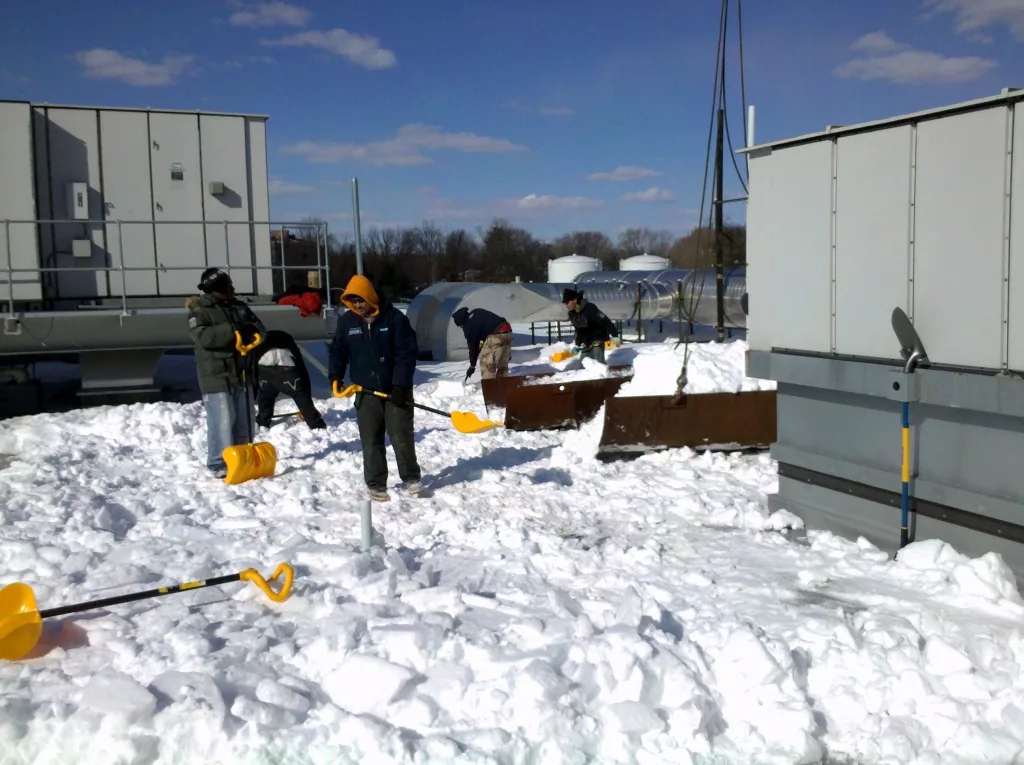
Roof height, curb size, wall access, lift placement, occupied rooms, and surface condition all affect the repair plan. A downtown property may need pedestrian controls at its entrance, while an industrial site can require a clear material route and coordination with active production. The site contact identifies escort rules, roof hatches, and hours that cannot be interrupted. We set those details before a crew opens the assembly.
A small flashing repair can require careful setup even when the material quantity is short. The estimate separates access equipment, preparation, replacement material, and finish checks. If a storm shortens the work window, we protect the open area and record the return step. A second transition found after removal is measured separately. This keeps the original authorization clear and gives the owner a specific decision before scope expands.
After the work, we inspect the bond or mechanical attachment, corners, overlaps, counterflashing, and nearby membrane. We note whether the source was confirmed or whether another test remains. If water returns, the location and date can be compared with the repair photos. The result is a usable maintenance record for the next inspection, not an assumption that every similar detail across the building has the same condition.
Commercial Roofing Questions
Can a flashing leak be repaired without replacing the roof?
Yes, when the defect is limited and the adjoining assembly is sound. We inspect the transition and nearby material before pricing a focused repair or identifying a broader need.
How do you find which curb or wall is leaking?
We compare interior reports with roof slope, transitions, seams, and drainage. Photographs and a controlled test can narrow the water path when the evidence is not visible.
Does new sealant fix every failed flashing?
Sealant alone may not correct a loose termination, failed membrane bond, or damaged substrate. We identify the materials and attachment, then specify preparation and the repair method.
What happens if wet insulation appears after flashing is removed?
We protect the opening, measure the affected area, and document the material. Added removal or replacement stays separate until the owner approves the expanded boundary.
Can the repair be done at an occupied Topeka property?
The site plan can set access, lift placement, interior protection, and a work window around building use. A short restriction may still be needed near the repair zone.
Related Roofing Work
North Topeka US-24 Industrial Corridor
River to Rail District
Commercial Skylight and Penetration Flashing
Commercial Roof Inspection
Commercial Roof Edge Metal, Coping, and Gutters
Commercial Roof Seam Failure Repair
Inspect a failed flashing detail in Topeka
Service Area
Topeka, Auburn, Silver Lake, Carbondale, Rossville and Shawnee County, KS
Quick Contact
Email: [email protected]
Phone: 555-555-5555
Request a Roof Assessment
Send the property address, leak location, roof access contact, and any service records. We will inspect the transition and provide a measured repair scope.