
Commercial Roof Repair in Topeka, KS
Home / Commercial Roofing Services / Commercial Roof Repair
A repair starts at the failed detail, but its boundary depends on the material and the condition around it. Topeka receives about 36.5 inches of precipitation annually, with summer storms that can expose a weak lap or drain connection. We inspect the affected roof zone, compare it with the interior report, and separate what is visible from what needs testing. A West Topeka Retail Area can have tenant and delivery limits; a roof near Harlan Industrial Park may have industrial access rules. The address and field condition set the repair plan.
Boundary: What is damaged, and what remains sound?
We map the reported area and inspect the seam, flashing, penetration, curb, fastener, edge, or drain detail that could admit water. Nearby material matters: a patch over a wet or detached surface may not hold, while a broad replacement can be unnecessary when the defect is contained. We photograph the detail and enough surrounding roof to show its location. A commercial inspection can record the assembly, access limits, prior repairs, and the next test needed before work starts.
Water can follow a deck flute, insulation joint, or framing member before appearing in a room. We compare the location and timing of the report with roof slope and transitions, then identify whether a test opening would change the repair boundary. If the source remains uncertain, the proposal states what we observed and what has not been confirmed. A leak investigation can focus the next visit on the likely path rather than treating the stain as the defect.
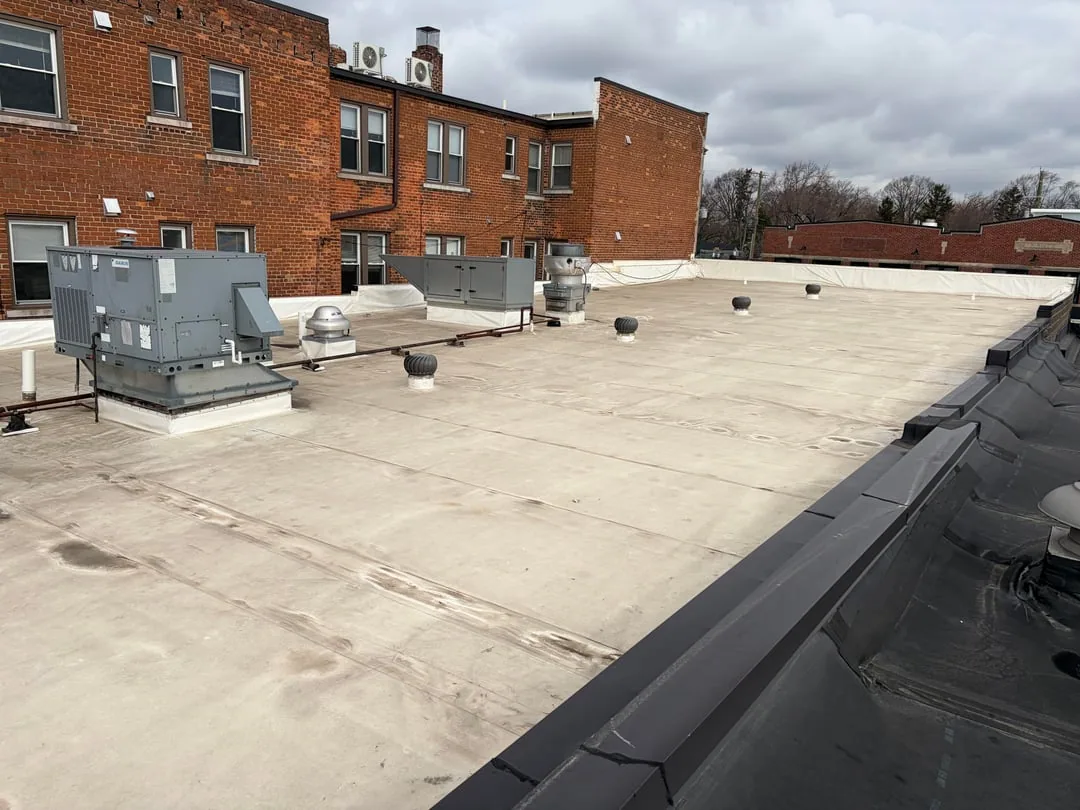
Materials: Which repair method fits the roof?
We confirm whether the existing roof is TPO, PVC, EPDM, modified bitumen, built-up, metal, or a coating before choosing a method. Each material needs compatible preparation and repair details. For a membrane, we check whether the field sheet, seam, and flashing can accept the proposed weld, patch, or adhesive. For metal, fasteners, panel laps, sealant, and movement affect the detail. A TPO system repair follows TPO conditions; a different membrane should not receive the same assumed procedure.
We also inspect the substrate and surrounding attachment. A puncture may need a local patch, but damaged insulation or a loose section can require removal to sound material. At the perimeter, water entry can involve coping, edge metal, or the membrane termination together. A drain and scupper assessment helps separate outlet maintenance from a failed membrane connection. The scope names each component repaired and the point where the finished work will be checked.
Cost: What can change quantity and timing?
Repair cost follows access, roof height, material compatibility, preparation, removal, protection below, and the number of details included. A small visible puncture may expand if opening it finds wet insulation or damaged deck. We list known quantities separately from conditions that need approval after exposure. The owner should see whether lift rental, interior protection, testing, disposal, or after-hours access is included. That makes a repair proposal easier to compare with a broader replacement allowance.
Topeka’s documented hail and wind events make impact and attachment checks useful after severe weather, but a storm report does not set the repair scope. We inspect for displaced metal, open seams, punctures, and interior water evidence at the property. If several roof zones show related damage, we mark each one before combining quantities. Repair scope should separate the labor to reach the detail from material quantities. A high parapet, rooftop unit, or occupied loading zone can change how a crew reaches the work and protects what sits below it. We identify whether a lift, escort, shutdown, or interior containment is needed, and show any wait for access as a schedule dependency. The owner can then compare the proposal against another option using the same repair boundary and access assumptions. The closeout also distinguishes completed work from adjacent defects excluded from the approved repair. A hail review can capture surface and detail observations, while the repair remains tied to the actual material and tested boundary.
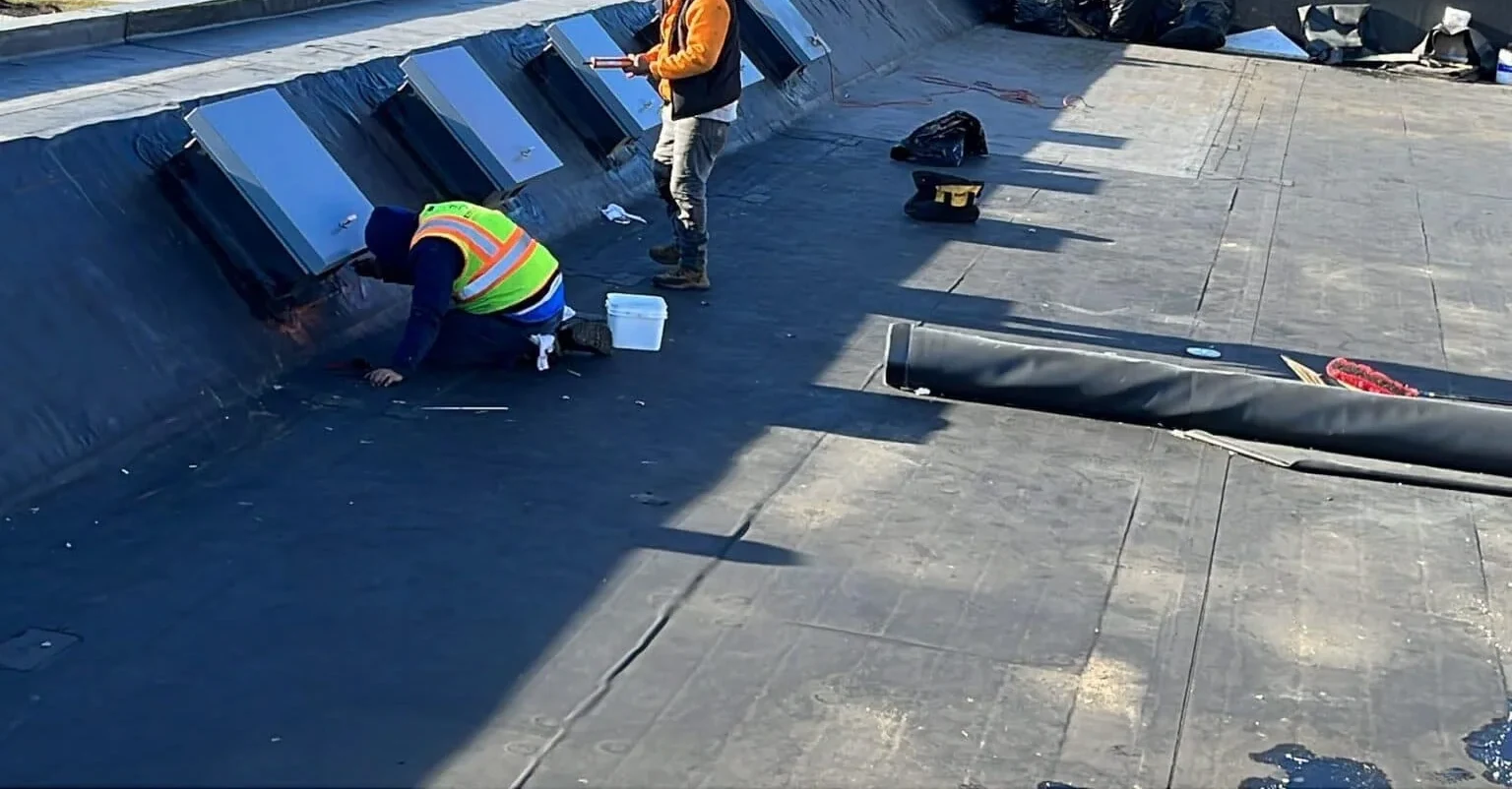
Operations: How should a repair be scheduled?
We confirm roof access, staging, deliveries, tenant notice, equipment shutdowns, and the areas below the active work. A repair over a retail entrance may need a different work window from one above a loading route. In an industrial setting, the facility contact identifies escorts, safety procedures, vehicle paths, and any process area that must remain active. We divide work into sections that can be secured at the end of each shift.
Summer thunderstorms and winter precipitation affect the time available for surface preparation and a weather-tight close. Before mobilization, the plan names the stop point, temporary protection, and person who accepts the work area if weather interrupts. The emergency response can stabilize active water entry while a permanent repair is prepared. For broader recurring issues at Central Crossing, we keep rail, truck, and service access in the sequence without assuming one operator’s rules apply to another building.
Closeout: What confirms the repair is complete?
We photograph preparation, materials, completed seams or flashing, the repaired boundary, and any nearby area left for monitoring. The closeout notes the roof section, weather conditions, materials used where known, test performed, and remaining limitation. If rain or a service call makes a follow-up prudent, the record identifies who schedules it and what detail to revisit. That gives the facilities team a repeatable reference rather than a statement that the leak is fixed without showing what changed.
For repeated repair calls, we compare the new finding with earlier photos and work orders. Similar symptoms can come from different details, so the location map matters. If the same section keeps opening, we assess whether a larger repair or replacement should be priced separately. The owner receives the observed condition, repair boundary, and evidence behind the recommendation before authorizing more work. A planned follow-up can check whether the repair remains closed after weather reaches the section. We set the review point from the defect, material, and site conditions, then compare new photographs with the closeout record. If a second leak appears nearby, we inspect its path before extending the first repair. Separate locations and dates keep recurring work orders useful for maintenance budgeting and help the owner decide whether another local repair still fits the evidence.
Commercial Roofing Questions
When is a small patch enough?
A local repair can fit when the defect is isolated, nearby material is sound, and the repair can tie into a compatible assembly. We inspect beyond the visible opening and state whether moisture or attachment testing could change that boundary.
Why is the ceiling stain larger than the roof defect?
Water can move across a deck or through insulation before it appears inside. We compare the room location with roof slope, penetrations, seams, and drainage, then mark the path we can confirm and any area needing further test.
What should be included in a repair proposal?
The proposal should name the roof section, preparation, compatible materials, repair limits, access, protection, testing, and closeout. We separate known quantities from conditions that could change after material is opened.
Can a repair proceed during a Topeka storm season?
We schedule from the current forecast and the product’s installation conditions. The field plan limits open area and identifies temporary protection if rain, wind, or winter precipitation interrupts the work.
When should I price replacement instead of another repair?
Repeated defects, broad moisture, failed attachment, deteriorated deck, or a growing patch history can support a larger evaluation. We compare tested findings by section and keep replacement as a separate owner decision.
Related Roofing Work
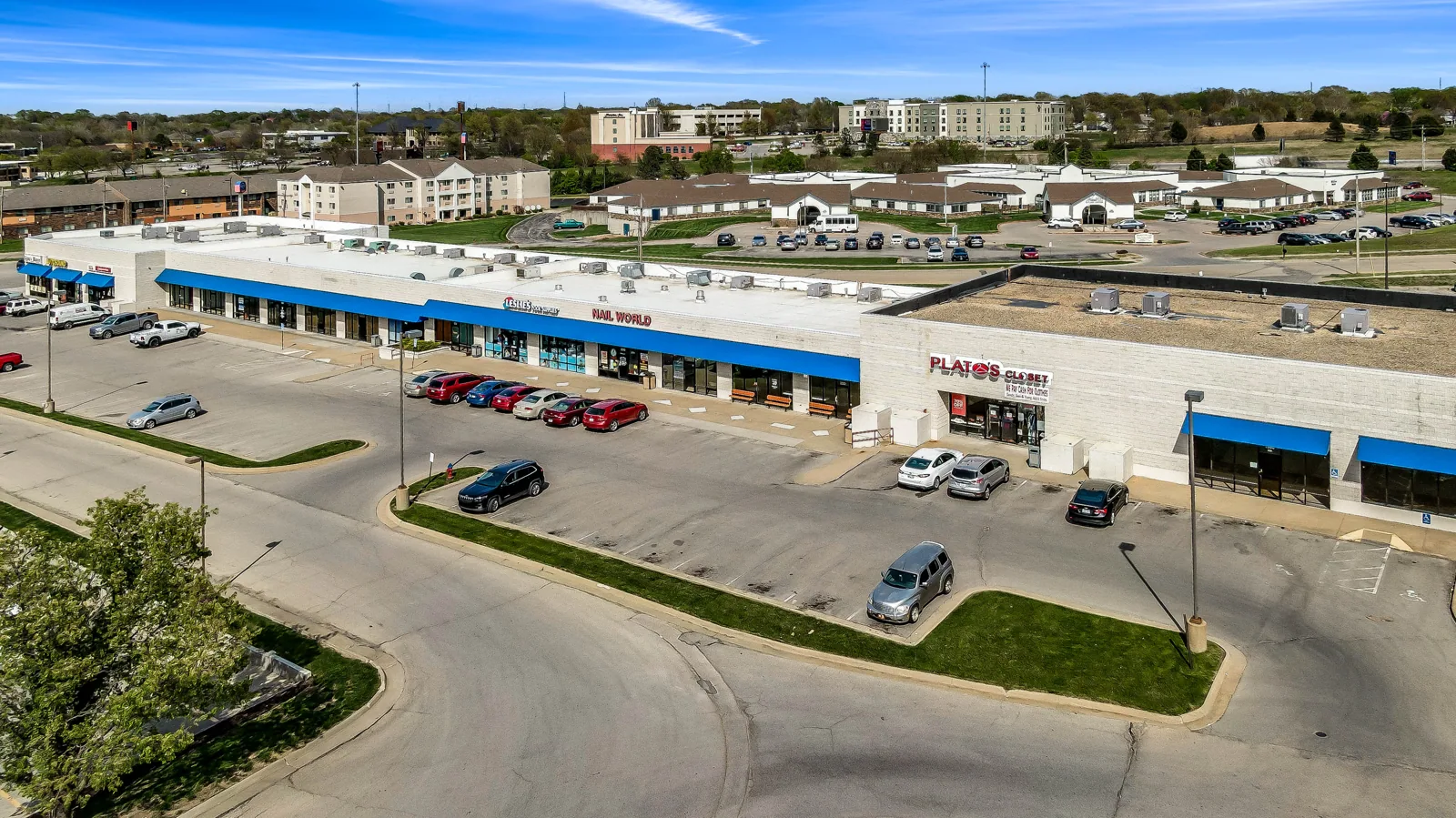
West Topeka Retail Area
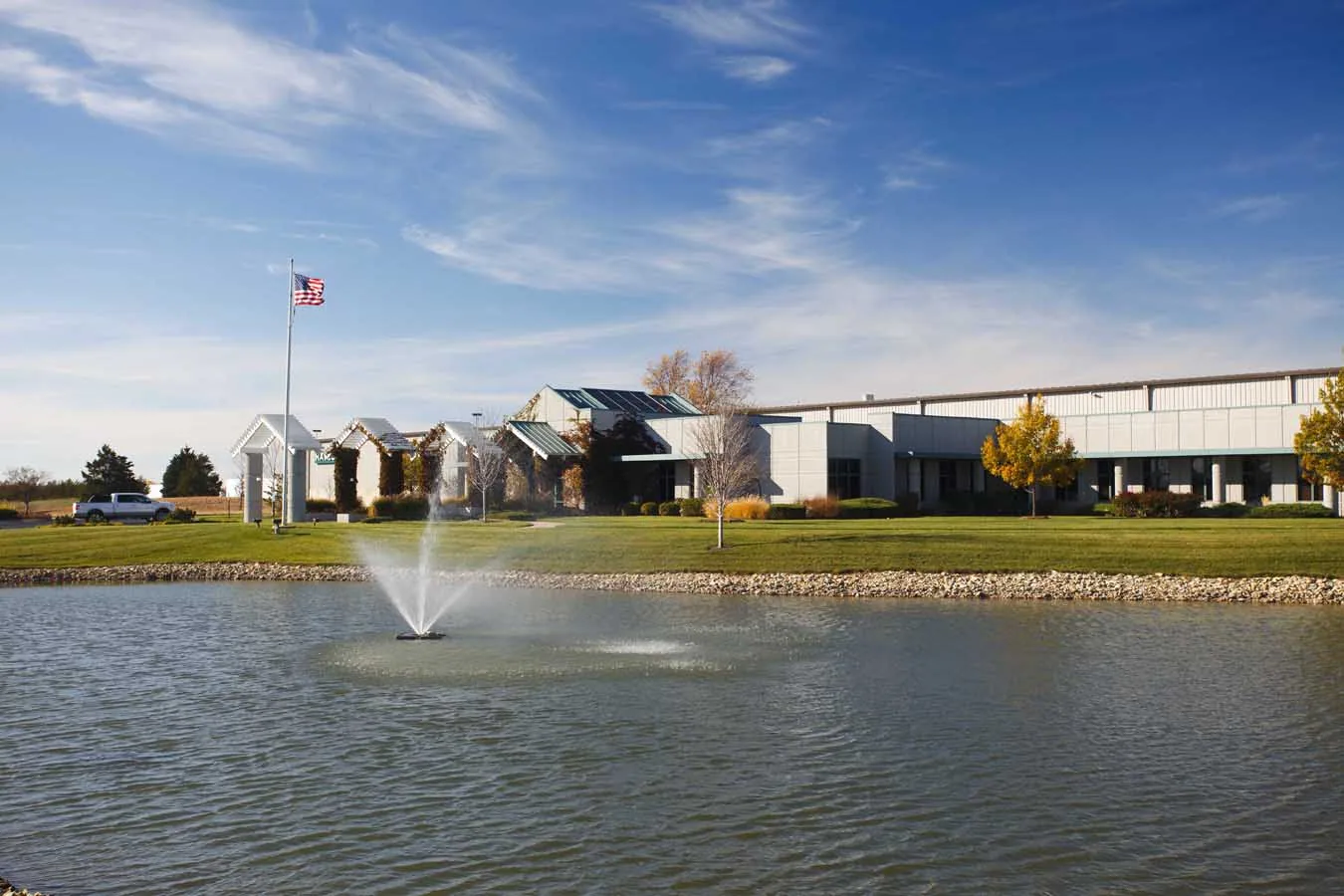
Harlan Industrial Park
Commercial Roof Inspection
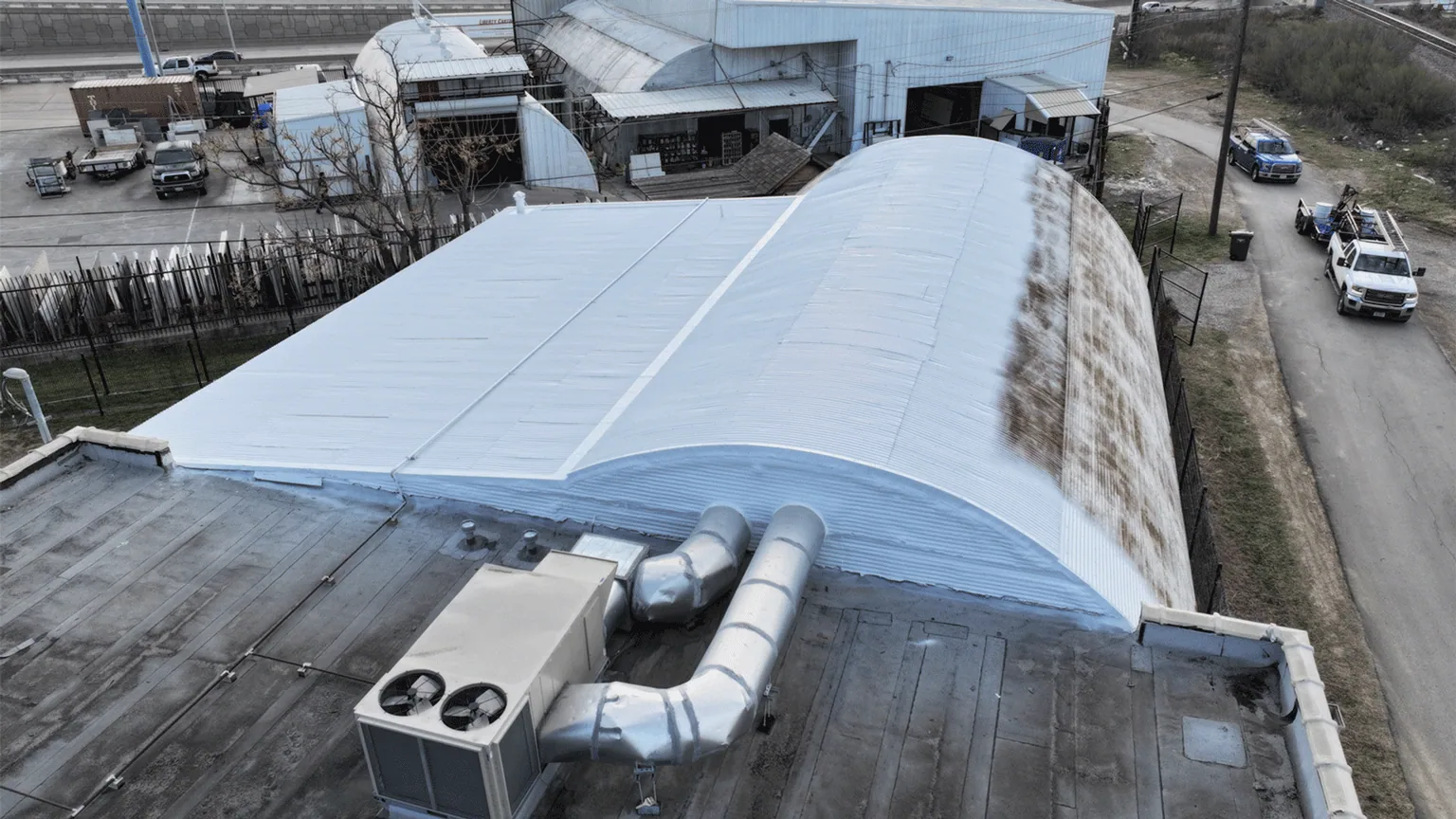
Commercial Roof Leak Repair
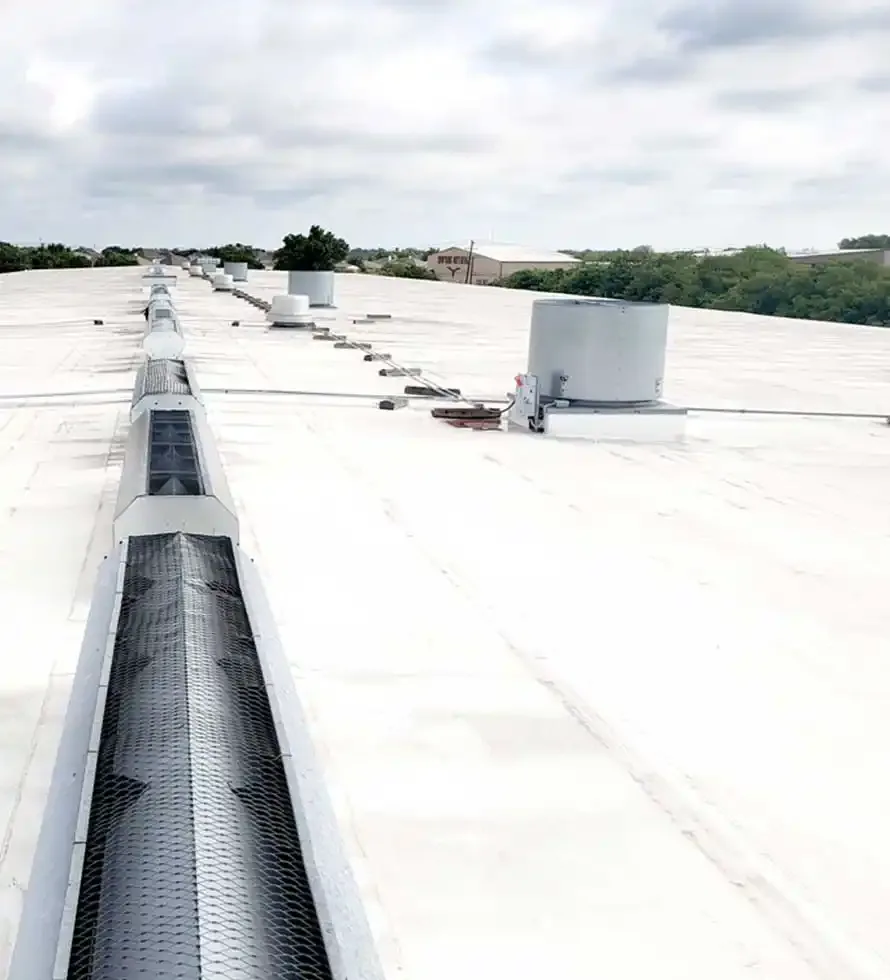
TPO Commercial Roofing
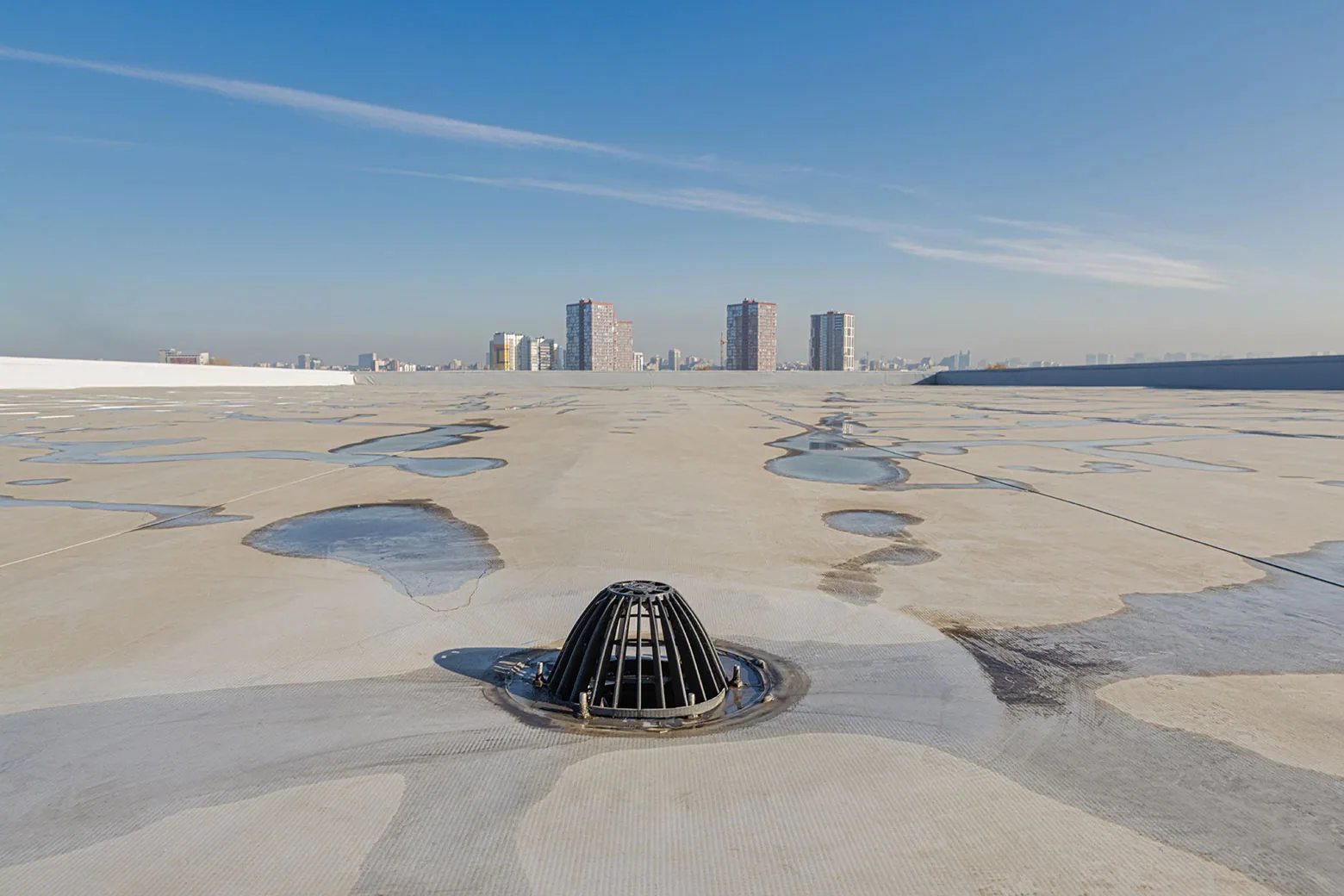
Commercial Roof Drains and Scuppers
Define the repair boundary
Service Area
Topeka, Auburn, Silver Lake, Carbondale, Rossville and Shawnee County, KS
Quick Contact
Email: [email protected]
Phone: 555-555-5555
Request a Roof Assessment
Send the Topeka address, current roof concern, access contact, leak history, and prior repair records. We will inspect the affected section, document the method and limits, and identify any test that could change the scope.