
Commercial Roof Recover Overlay in Topeka, KS
Home / Commercial Roofing Services / Commercial Roof Recover Overlay
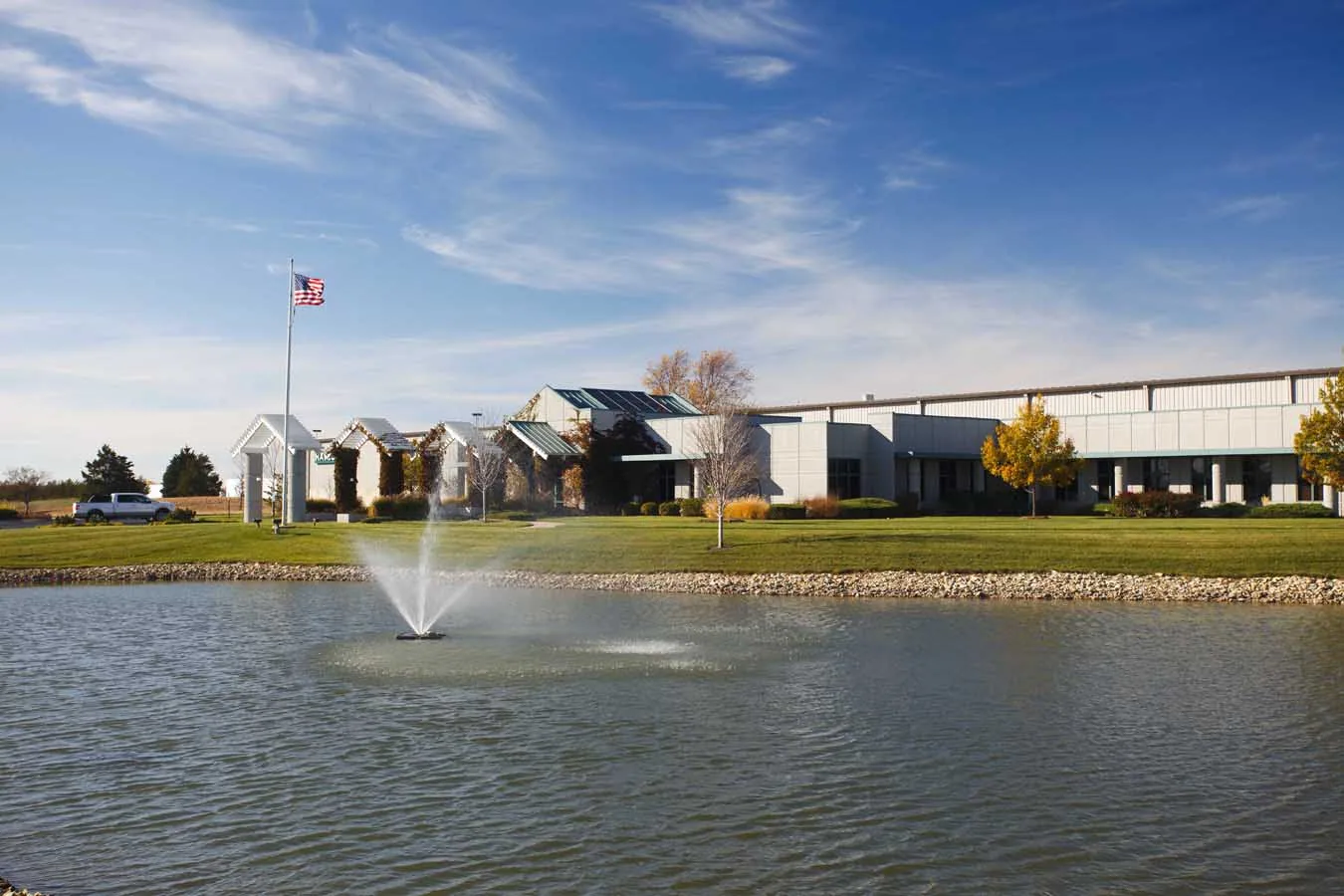
A new membrane over an existing roof changes the section height and leaves earlier layers in place. Before recommending a recover in Topeka, we test the areas that could make another layer unsafe or ineffective. The city averages about 36.5 inches of precipitation a year and sees winter precipitation, so drain elevation, overflow, and water that freezes in a low area belong in the review. At Harlan Industrial Park, light-industrial access can shape staging; a property at Central Crossing may have rail and distribution activity to coordinate. Field evidence sets the option.
Layers: What remains below the new roof?
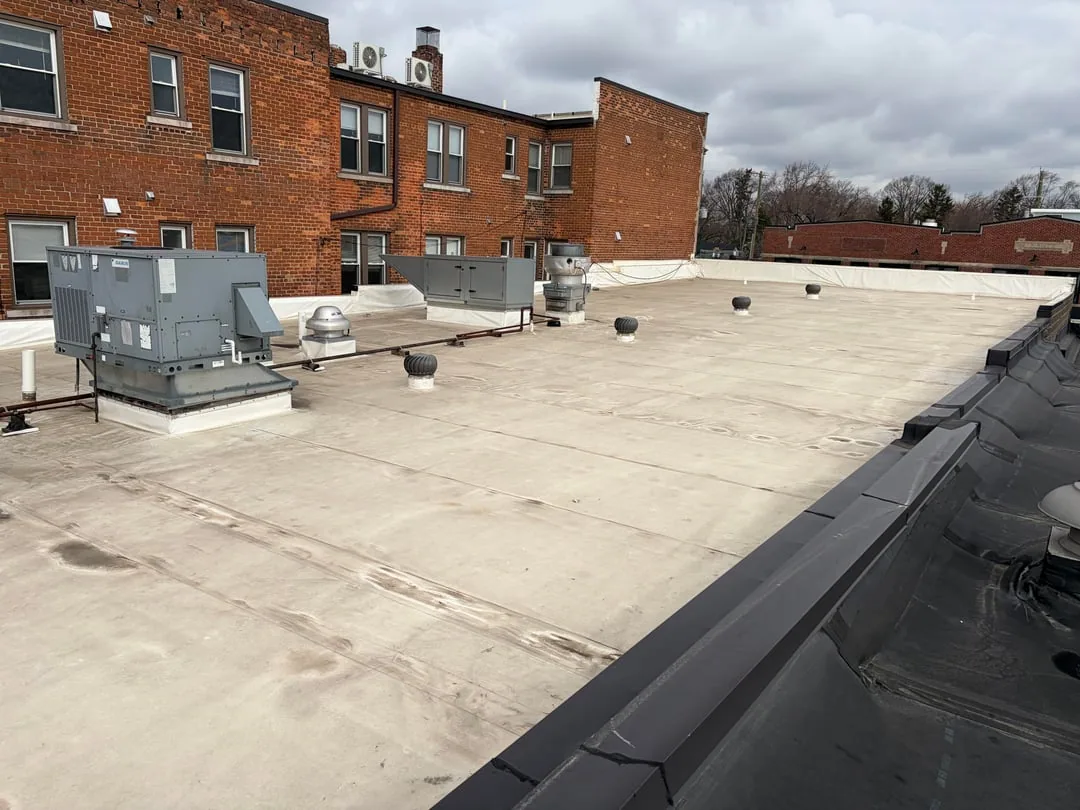
We identify the existing membrane, visible repairs, insulation, cover board, and any earlier recover before considering another assembly. Plans and invoices can help, but the roof walk checks the current conditions. We record seams, blisters, wet areas, penetrations, curbs, drains, and transitions where multiple materials meet. A test opening can confirm layers and show whether insulation or deck is wet at that point. The inspection record marks each test location and states what the sample can and cannot establish across the full roof.
A moisture map is useful only when the method matches the roof surface and the question. We compare suspicious areas with dry reference zones, then use a core or other authorized test before assigning removal. If testing finds wet insulation, we mark its boundary and determine whether selective replacement is practical. If one test point is dry, we do not treat that result as proof for every section. The owner receives a tested area, an assumption list, and the additional opening that could change quantities.
Drainage: How does added height change outlets?
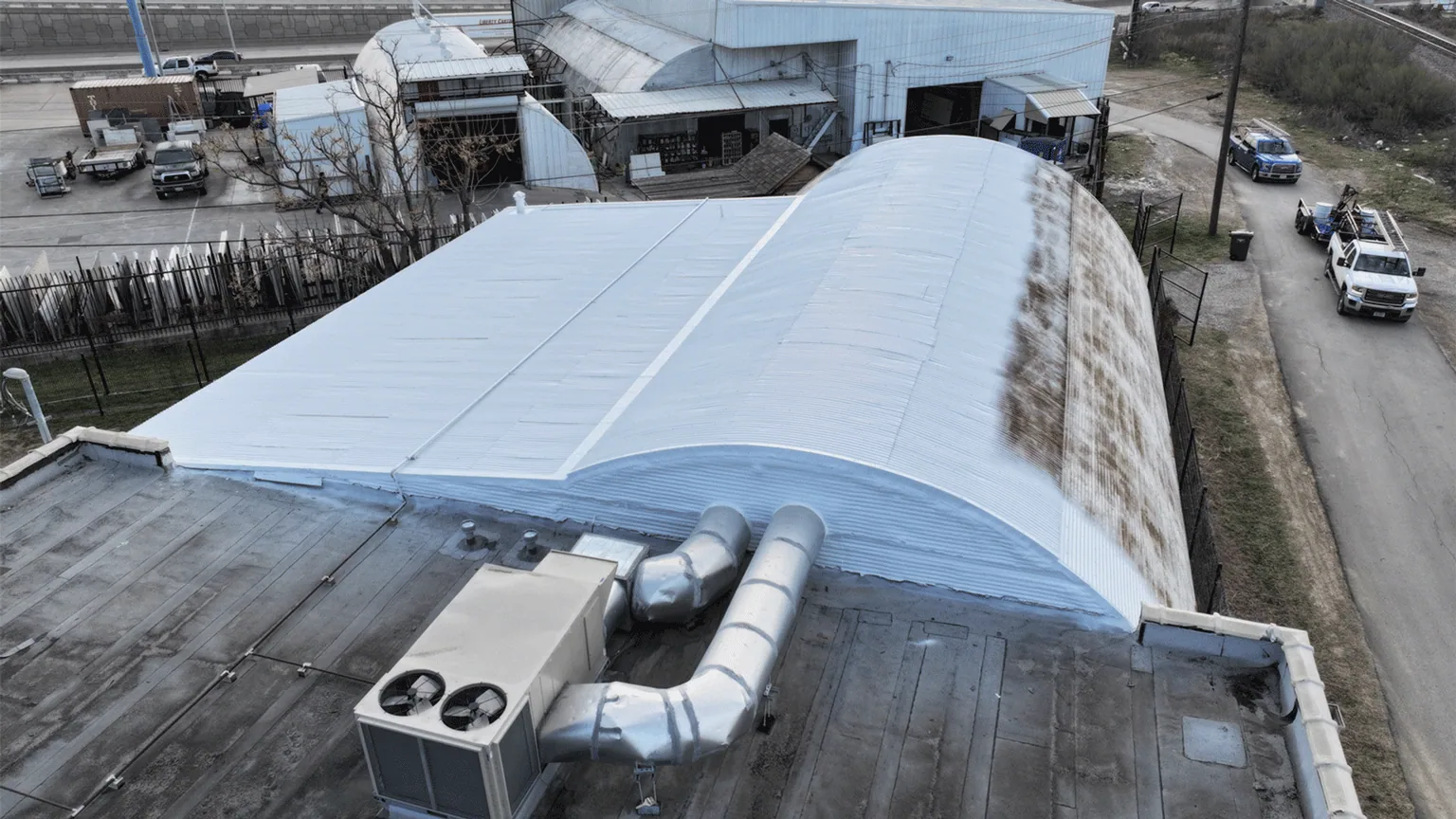
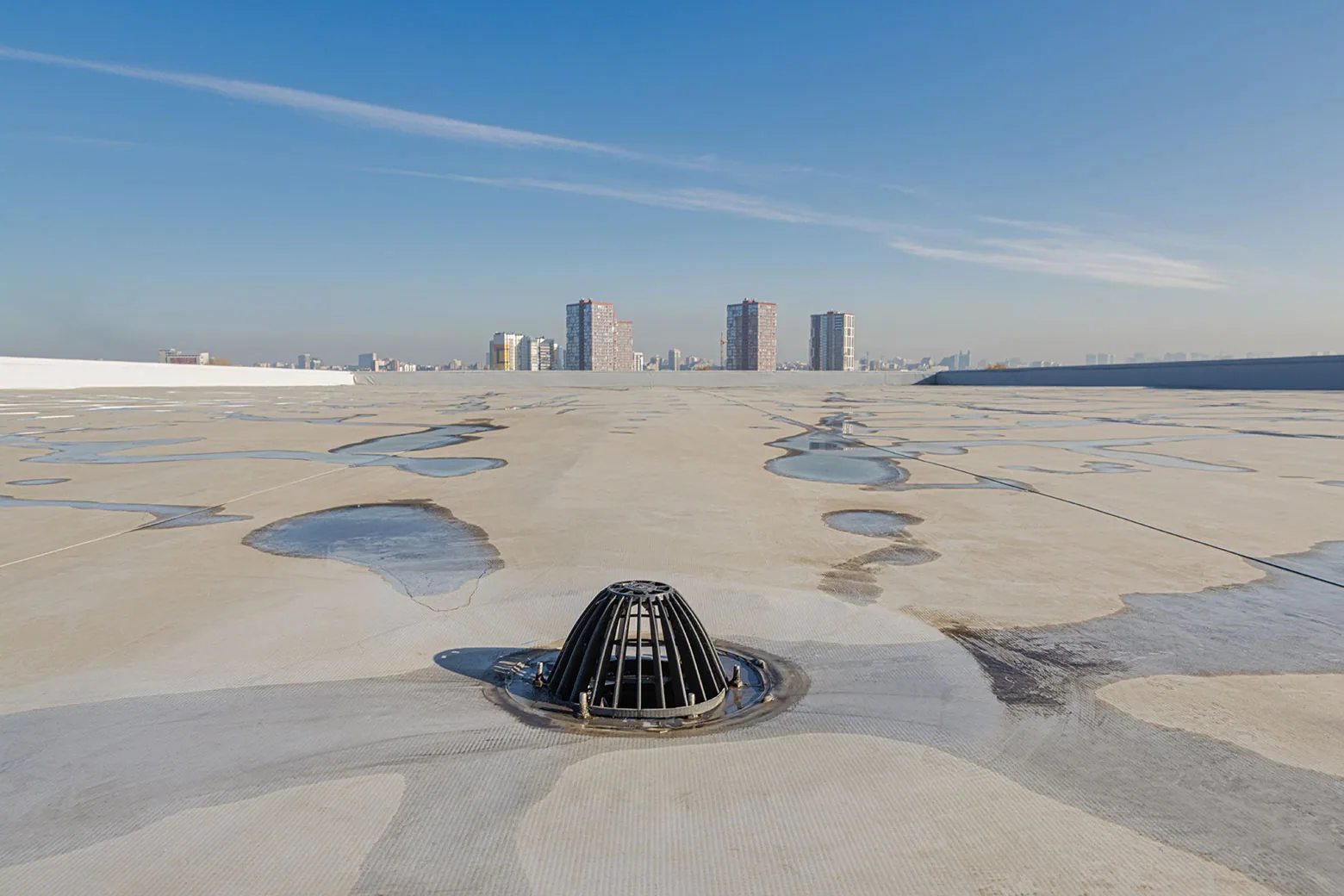
A recover raises the finished surface, so drain bowls, scuppers, door thresholds, equipment curbs, and edge terminations need measured review. We record the existing elevation at each outlet and determine how the new layer will reconnect without leaving a lip or trapping water. Topeka winter precipitation adds a seasonal check: water left in a low area can freeze, while summer storms test the route to the primary and overflow outlets. The drainage scope identifies the outlet, adjacent membrane, and any height correction before the new system is installed.
We inspect slope and water paths across each section, including crickets, sumps, and places where rooftop equipment interrupts flow. A coating or added board does not correct a structural depression. The proposal names any needed tapered insulation, drain extension, or local slope work separately. If an overflow route is not visible or cannot be tested under site conditions, that limitation stays in the record. The owner can then compare the recover cost with removal that exposes the substrate and resets the drainage plane.
Eligibility: When does another layer fit?
A recover can remain under consideration when the existing assembly is dry enough, firmly attached, structurally suitable, and compatible with the new materials. We check membrane condition, fastener pattern where visible, substrate stability, perimeter height, and the number and condition of existing layers. Any code question goes to the current permitting authority before the bid depends on an edition or exception. Topeka’s March 2026 committee packet recorded a proposed commercial-code update, so we verify the active requirement rather than assuming the proposal became law.
We compare conditions by test zone, then state why areas qualify, need selective removal, or require a separate evaluation. A recover may shorten the period of tear-off, but it can complicate future repairs if layers hide the deck or hold moisture. Full roof replacement offers direct access to concealed conditions; targeted repair can remain more appropriate where defects are contained and surrounding material is sound. The recommendation follows the sampled assembly, not the lowest initial number.
Sequence: What changes the work window?
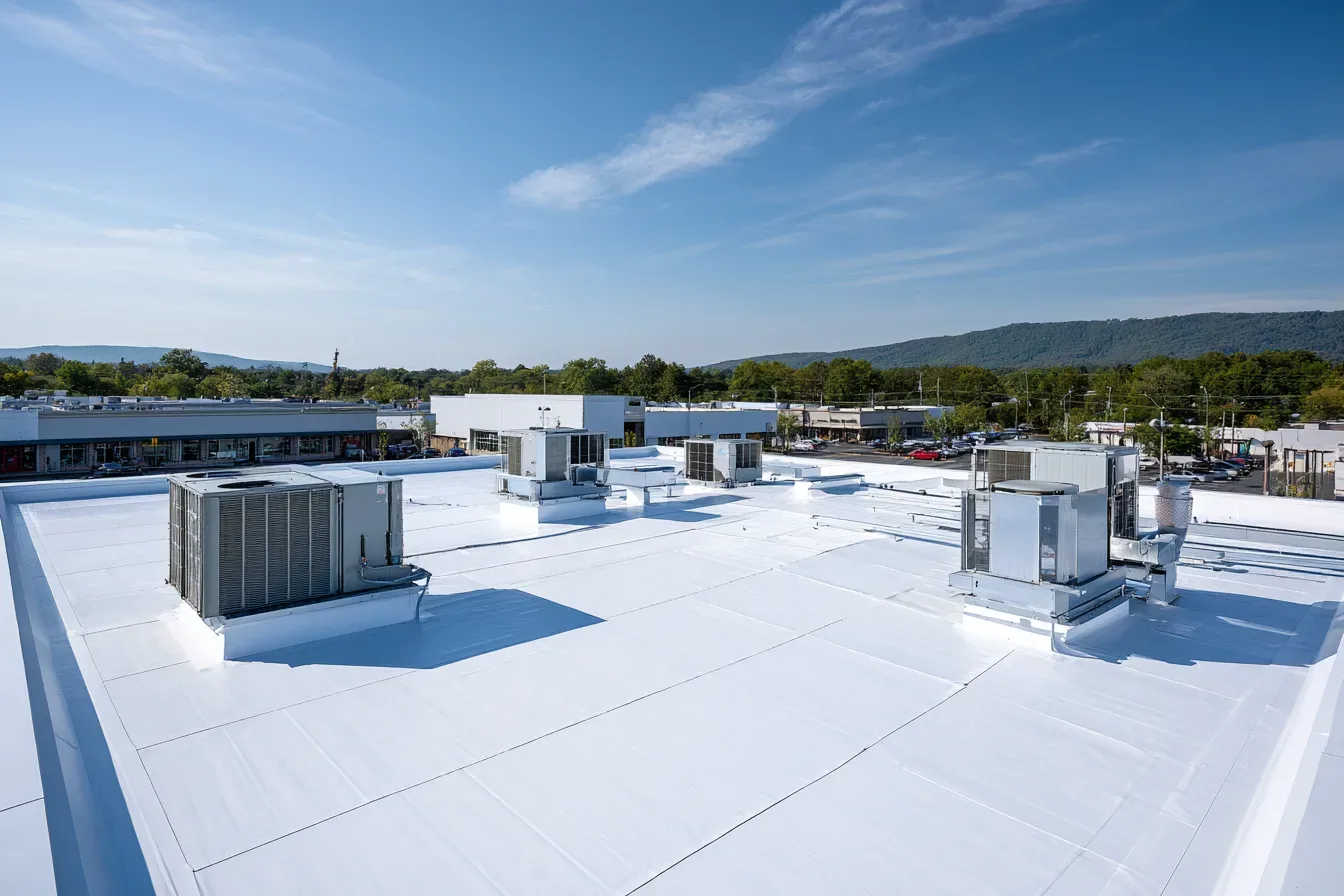
We define how much roof can be prepared and covered in a shift, what protection remains overnight, and who releases the next section. Summer thunderstorms can interrupt adhesion or leave a prepared surface exposed. Winter temperatures and precipitation can affect preparation, material handling, and cure. The crew checks product conditions on site and closes only the area that can be secured. A written weather hold names the decision maker, temporary protection, and the condition needed before work resumes.
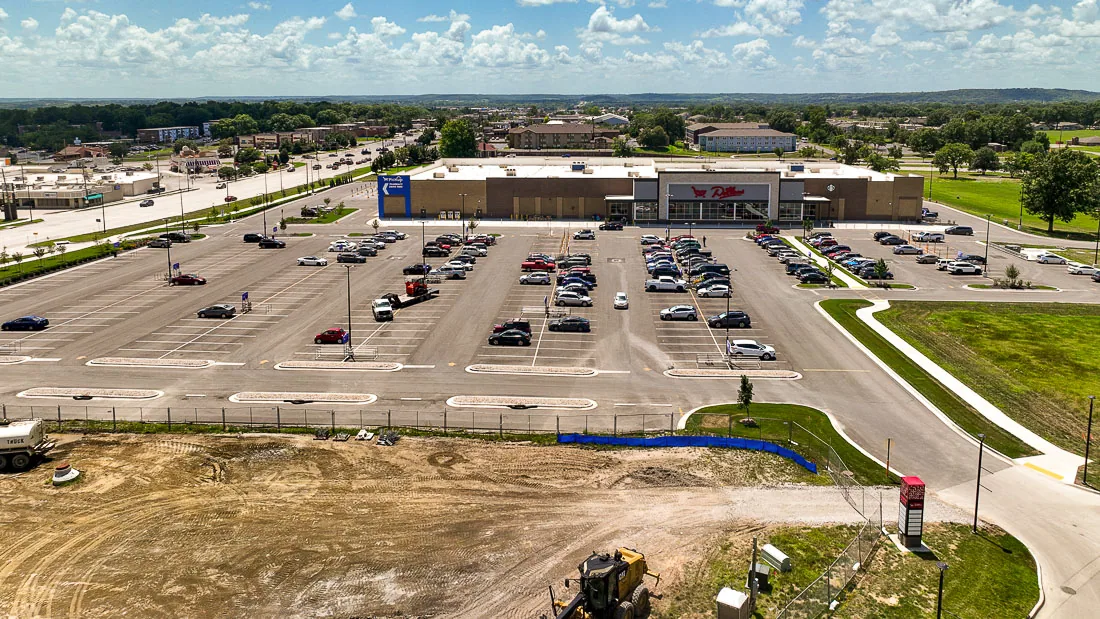
At a mixed industrial site, coordinate forklifts, truck routes, overhead work, and equipment service. Around Central Crossing Commerce Park, distribution and rail access are part of the local business setting, but the property manager identifies the actual delivery and staging rules for the roof. We keep work zones, hoisting, debris removal, and tenant or production notices in the same sequence. A warehouse roof plan can capture loading constraints while the field scope stays tied to the tested roof.
Decision: What should the owner receive?
The comparison should state existing layers, moisture results, test limits, drain elevations, attachment observations, and the perimeter details that need correction. We separate known work from quantities that could change after removal. Photos show the tested section and surrounding context, while a marked roof plan helps maintenance return to the same point. The condition report can preserve that evidence for future repair, warranty review, or capital planning.
Before approval, we review the chosen assembly, removal allowances, drainage changes, staging, weather holds, and any owner decision still open. If a recover proceeds, we document conditions during installation before they disappear beneath the new surface. Closeout identifies materials, repaired areas, outlets, open exceptions, and the next inspection point. That gives the owner a baseline for comparing the new surface against what testing established, without implying that one sample represents the entire roof.
An overlay can leave earlier materials concealed, so closeout should show what remains beneath the new assembly. We mark existing roof zones, prior penetrations, patched areas, test openings, and changes made during installation before the new surface hides them. If a future leak develops, that record helps the next inspection distinguish a new detail from a condition carried forward. The approved system also needs a repair method that accounts for the layers left in place. We identify the product and attachment details confirmed for the project, plus any item that still needs a manufacturer or code review.
Commercial Roofing Questions
What test result rules out a recover?
Wet insulation, loose attachment, deteriorated deck, or a layer count that exceeds applicable limits can remove the option. We mark the tested area and show whether the same condition is confirmed elsewhere or needs another sample before the owner decides.
Will a recover fix ponding water?
The added assembly follows the designed slope unless the scope includes a correction. We measure outlet and perimeter heights, inspect low areas, and specify tapered insulation or drain changes separately when the roof plan supports them.
How should I compare a recover with tear-off?
Compare removal and disposal, test results, added height, drainage corrections, edge details, future access to the deck, and the weather window. We list conditions that could change price after opening so the options are compared on the same boundaries.
Can a recover be installed in winter?
The installed materials have temperature and moisture limits, and Topeka winter precipitation can affect roof readiness. We check the surface and product instructions before setting a work date, then sequence only the area that can be protected and closed.
What records are useful before testing?
Send plans, prior roof work, leak locations, warranty documents, and any earlier moisture readings. We compare them with the current roof and identify test locations that answer the decision at hand, then attach results to a marked section plan.
Related Roofing Work
Harlan Industrial Park
Central Crossing Commerce Park
Commercial Roof Inspection
Commercial Roof Drains and Scuppers
Commercial Roof Replacement
Commercial Roof Repair
Test the recover option
Service Area
Topeka, Auburn, Silver Lake, Carbondale, Rossville and Shawnee County, KS
Quick Contact
Email: [email protected]
Phone: 555-555-5555
Request a Roof Assessment
Share the Topeka address, roof concern, access contact, prior repair or inspection records, and available roof plans. We will map layers, test needs, drainage limits, and the conditions that could change the recover scope.