
Commercial Ponding Water Roof Repair in Topeka, KS
Home / Roof Damage Repair / Commercial Ponding Water Roof Repair
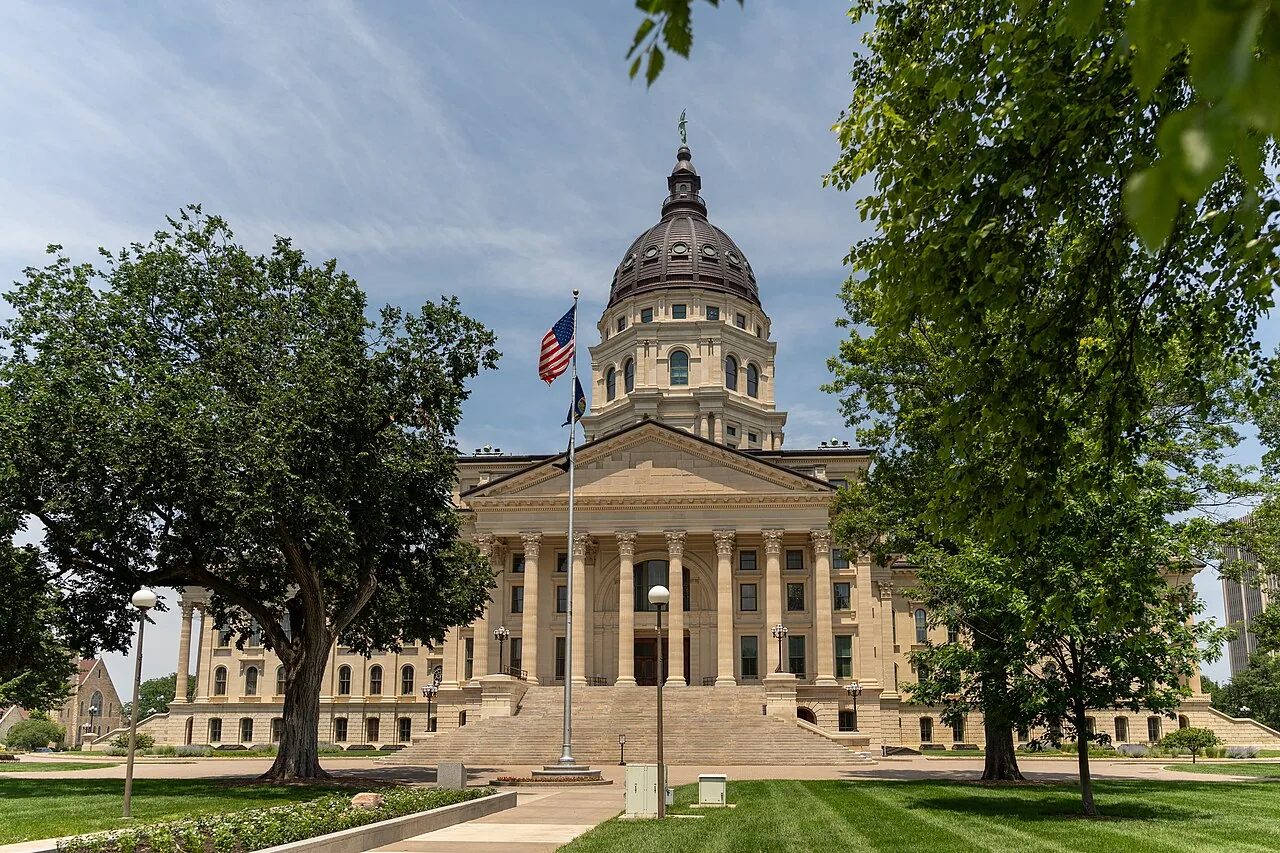
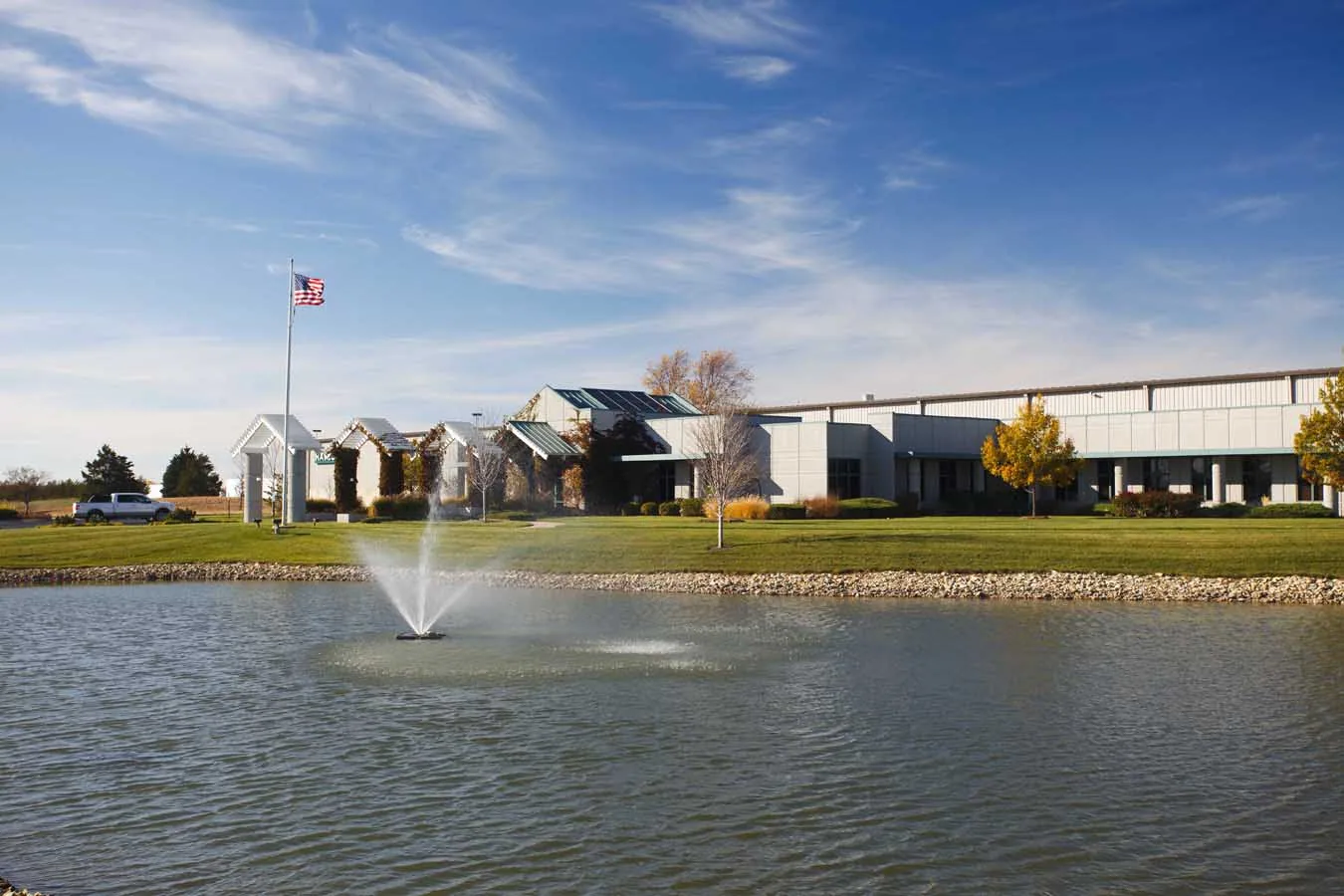
A shallow pool that remains after the rain stops can point to a blocked outlet, settled insulation, or a membrane detail holding water. We record the low area and check how far it extends before pricing a repair. Topeka averages about 36.5 inches of annual precipitation, with both summer storms and winter precipitation. That pattern makes drainage worth checking in more than one season. Near the Capitol District, occupied civic buildings may have different access windows from a property near Harlan Industrial Park. The roof condition sets the scope at each address.
Drainage: Is the outlet blocked or the roof holding water?
We inspect the drain bowl, strainer, leader, scupper, and nearby membrane before concluding that a low area needs correction. Debris or a restricted leader can leave water where the roof surface itself is sound. The drain and scupper inspection records outlet condition and the roof zone around it. We check for separated sealant, movement at the flange, and signs that water has crossed into the assembly.
If the outlet is open, we compare the ponding boundary with roof slope, seams, curbs, and prior patches. A settled deck or compressed insulation may contribute to the low point. We mark the area that holds water and note whether water depth or spread changes after the drain is cleared. That simple comparison helps distinguish a drainage obstruction from a lasting depression that may need a different repair.
On a broad commercial roof, more than one low spot can drain toward the same outlet. We measure each one separately instead of assigning the full roof to a single ponding condition. The report includes photographs with a roof map reference, the outlet tested, and any area we could not safely reach. The owner can then approve cleaning, a focused membrane repair, or further testing based on the finding.
Membrane: Has standing water affected the assembly?
Water can expose a weak lap, open flashing, or puncture that was not obvious when the surface was dry. We inspect membrane seams and transitions around the ponded area, then compare those details with interior reports. A moisture survey can help locate areas for a test opening, but a reading is not treated as confirmed wet insulation until the assembly is checked. The test boundary stays on the roof plan.
When water remains beside a curb or wall, we inspect the flashing height, termination, and direction of runoff. Ponding can also collect around rooftop equipment if a prior repair or added layer changed the surface. The flashing repair scope identifies the transition and materials only when that detail is part of the observed condition. We separate it from drainage work that can be completed without opening the flashing.
Interior staining does not show how far moisture has traveled. We compare the ceiling report with the roof slope, deck seams, and insulation readings. If opening the assembly finds wet material beyond the measured boundary, we stop at a secure limit, photograph the condition, and request owner direction. The additional quantity stays separate from the original drainage or membrane repair so the cost decision can be reviewed.
Standing water can point to a blocked outlet, low insulation, a deflected deck, or a roof assembly that no longer drains as intended. We measure the affected area after the water path and outlet are checked, then compare it with the roof plan and surrounding elevations. A single visit during dry weather may not show how long the area holds water, so dated photos after rainfall can help establish recurrence. If the low point extends beyond the visible membrane, testing and a design review may be needed before raising the surface or changing slope. The proposal states whether the work is cleaning, local repair, tapered insulation, or a separate structural question.
Season: What changes after a Topeka freeze?
Winter precipitation can refreeze near a drain or leave a roof section unsafe to access. We record ice limits and return when the surface can be checked safely. If water has refrozen at a drain or roof edge, we also inspect for snow and ice damage that may require a separate repair boundary. When a thaw clears an outlet, a follow-up observation shows whether water leaves the low area or remains against a seam. That timing matters for a property near downtown, where public entrances and building operations continue while the roof is being evaluated.
Warm-season storms can add leaves or other debris to drain bowls and scuppers. A maintenance visit after a strong rain can document outlet flow, membrane condition, and remaining low spots. If water clears after debris is removed, the record supports a maintenance action rather than a slope alteration. If ponding continues, we measure its footprint and consider whether test cuts or a tapered assembly plan would change the repair choice.
Repair timing also depends on dry conditions, material temperature, roof access, and whether tenants or equipment need protection below. We confirm those constraints with the site contact and identify a secure end-of-shift boundary before removal begins. The estimate states any weather-dependent return visit and excludes concealed work until the assembly is opened. This gives the owner a workable schedule and a clear quantity to approve.
Options: Can a local repair correct a recurring low spot?
A focused repair may be appropriate when the drain is sound, the membrane is intact, and testing finds no wet insulation. Clearing the outlet, renewing a failed seam, or correcting a small transition can address the confirmed issue. We price preparation, compatible materials, field dimensions, and a final water-path check. If ponding covers a broader area or repeats after maintenance, an assembly review may compare localized work with tapered insulation or replacement options.
Cost and disruption change with roof height, drainage layout, insulation depth, lift access, and the number of work zones. A broad low area above occupied rooms may need staged protection. A service location near West Topeka Retail Area may require customer access to remain open, while an industrial property can have material staging or loading limits. The site plan should identify those conditions before a crew mobilizes.
We close the repair by photographing the outlet, membrane detail, and any corrected transition. The record states whether the assembly was opened, which sections were tested, and what remains for future maintenance. A later visit can compare the same measured low area after rainfall or thaw. The owner receives a repair boundary and next step, not a broad recommendation based only on a puddle.
Commercial Roofing Questions
How long should water remain before I request a roof check?
A shallow film can remain briefly after rain, but a defined pool that persists should be measured. We check the outlet, slope, membrane, and nearby interior report before identifying the cause.
Does ponding automatically mean the roof needs replacement?
No. A clear drain, sound seams, and dry insulation can support a local repair or maintenance action. Repeated or widespread ponding needs more testing before comparing larger options.
Can a blocked drain look like a roof depression?
Yes. We inspect the bowl, leader, and scupper before deciding that the roof surface has settled. The report records what changed after any obstruction was cleared.
Should ponding be checked again after winter?
A return visit after thaw can show whether water cleared and whether ice restricted access to a drain. We note the same roof zone so the owner can compare conditions.
What if a test opening finds wet insulation?
We secure the opening and document the material, dimensions, and adjoining area. Added removal remains a separate quantity for owner approval before the repair boundary expands.
Related Roofing Work
Capitol District
Harlan Industrial Park
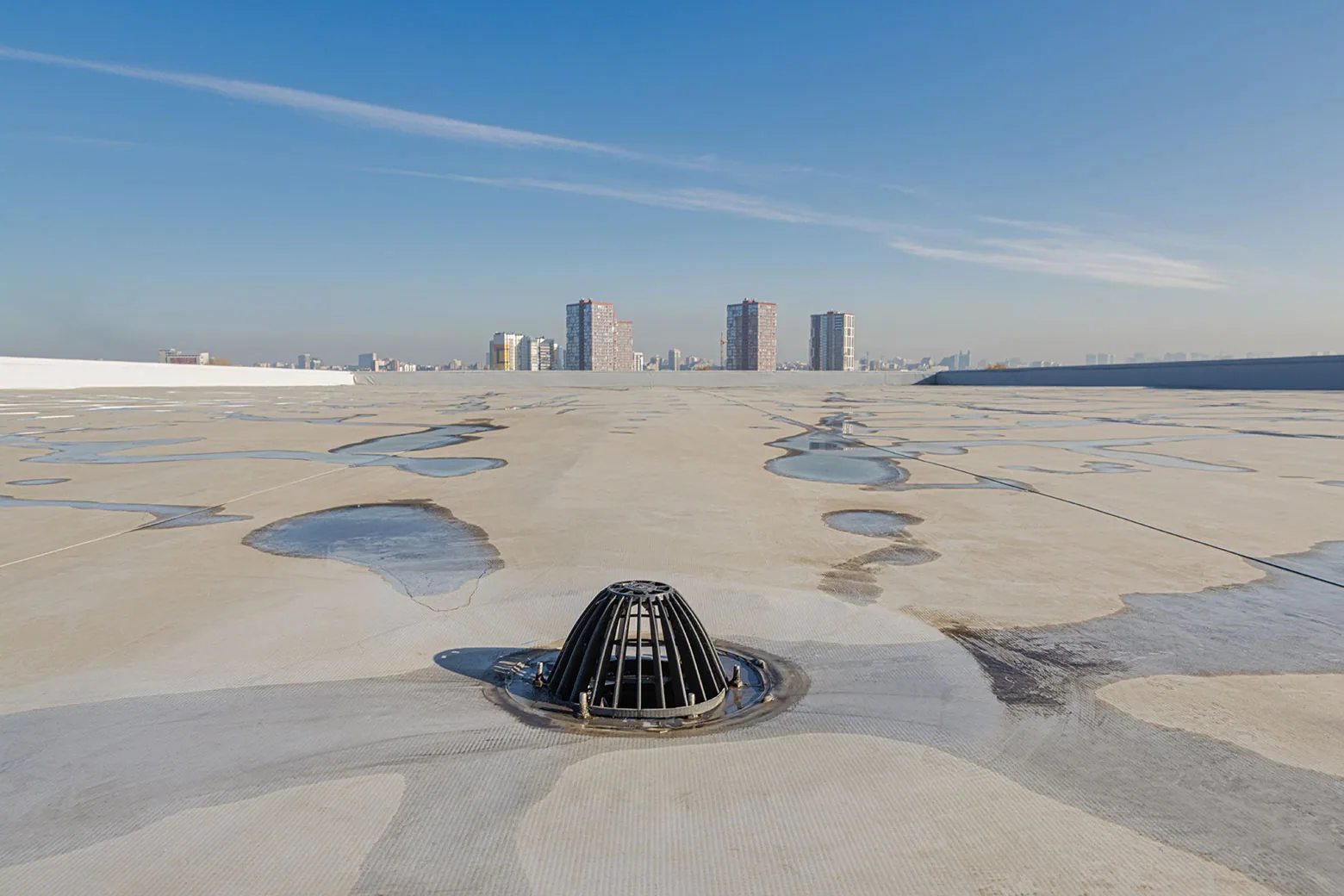
Commercial Roof Drains and Scuppers
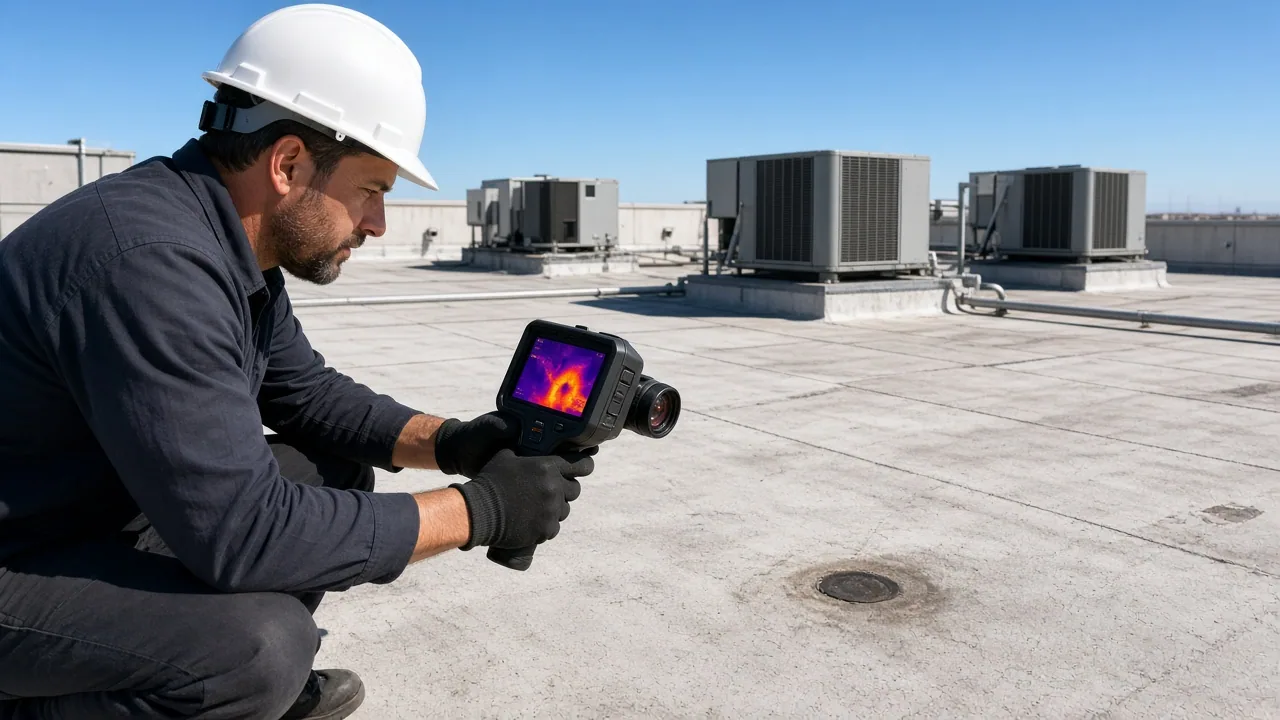
Commercial Roof Infrared Moisture Survey
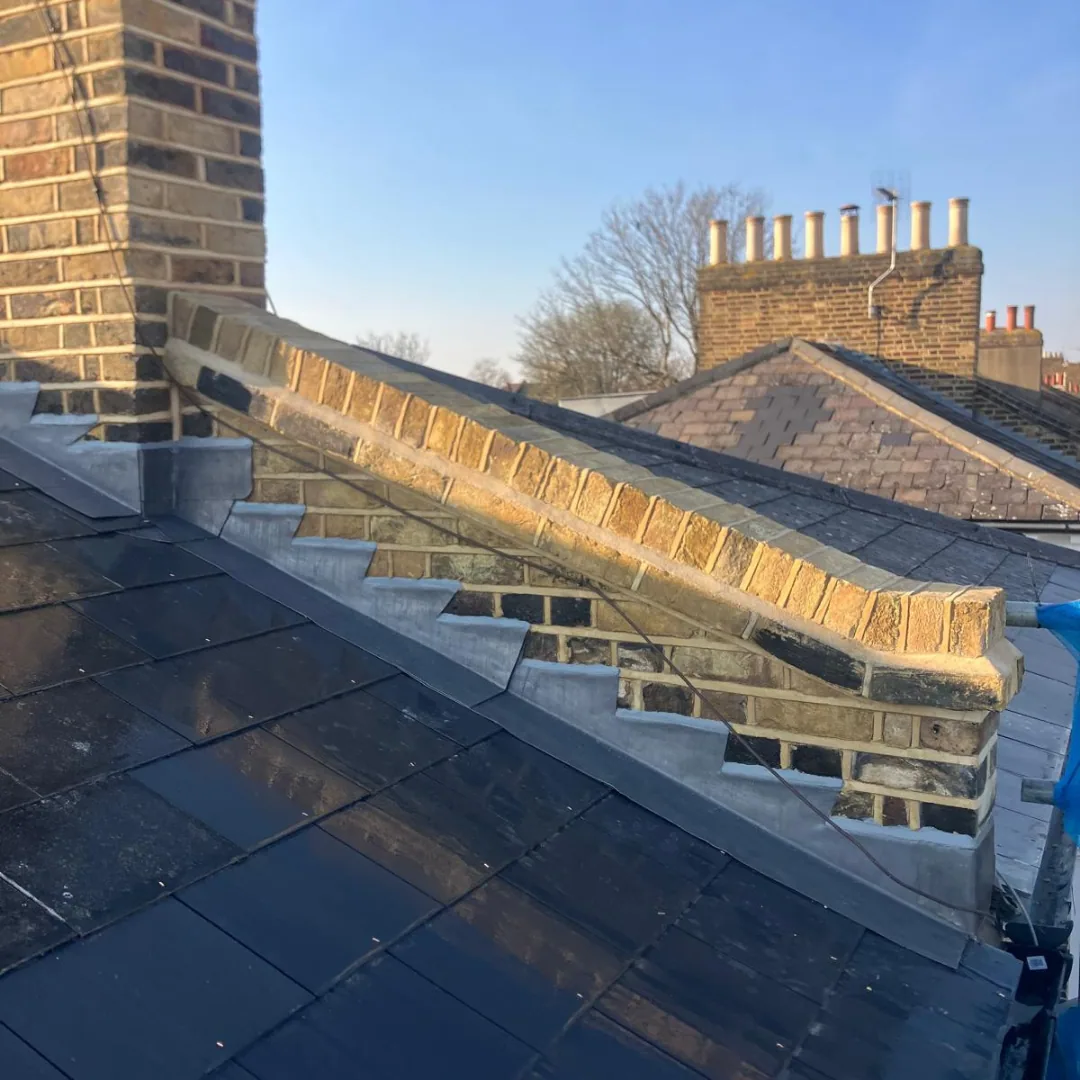
Commercial Roof Flashing Failure Repair
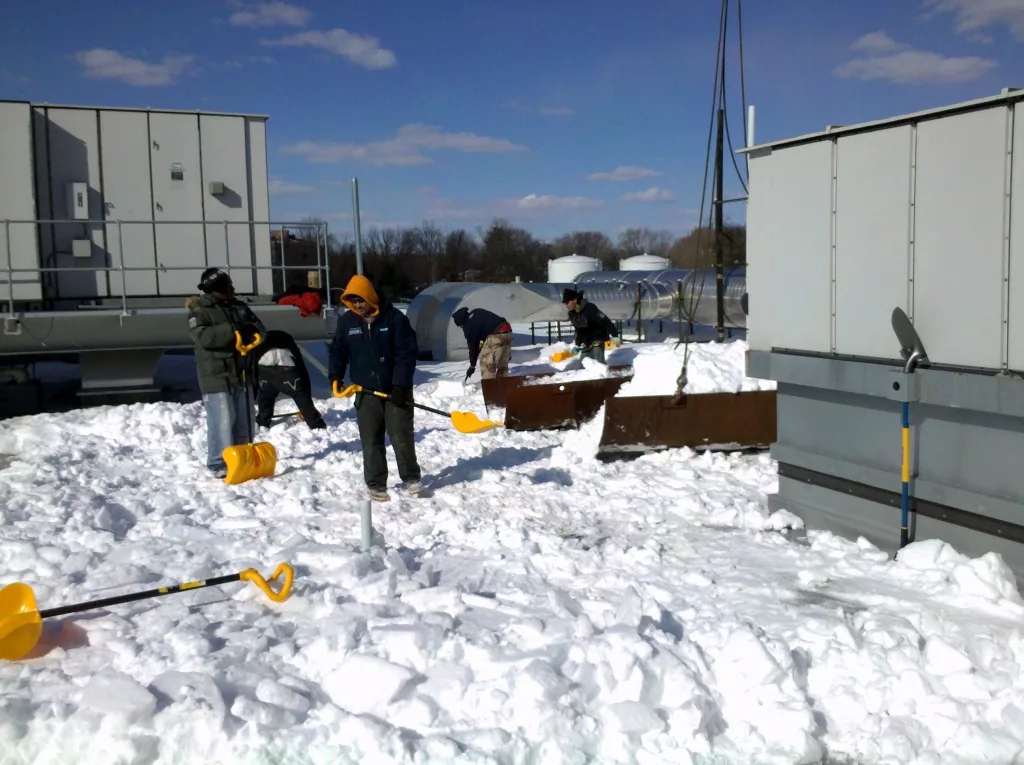
Commercial Snow and Ice Roof Damage Repair
Measure a ponding area in Topeka
Service Area
Topeka, Auburn, Silver Lake, Carbondale, Rossville and Shawnee County, KS
Quick Contact
Email: [email protected]
Phone: 555-555-5555
Request a Roof Assessment
Share the building address, drain or roof-zone location, access contact, and any interior leak report. We will check the outlet, low area, and assembly before pricing the repair.