
Commercial Roofing in River to Rail District, Topeka, KS
Home / Service Areas / River to Rail District
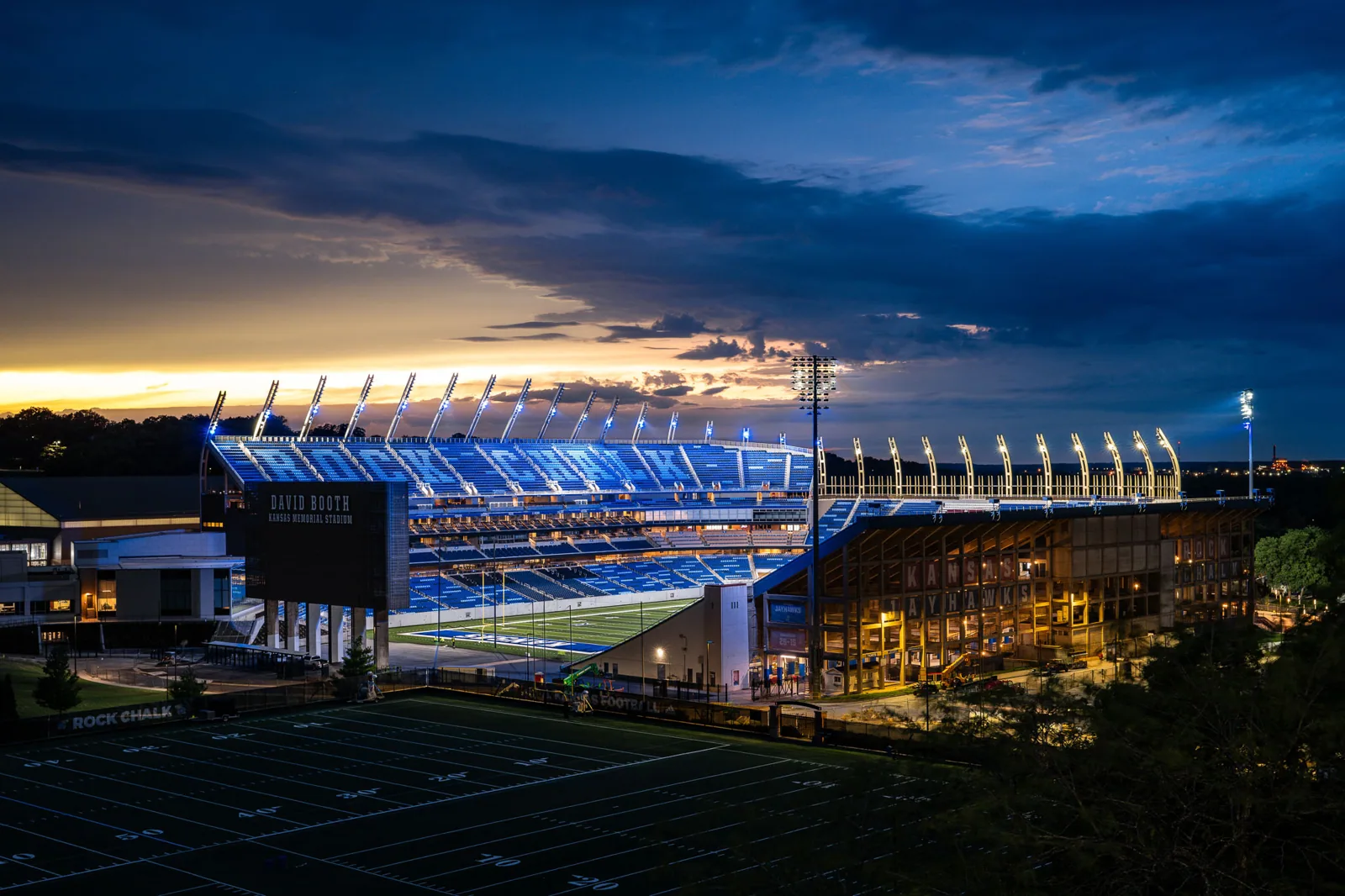
Hill's facility, a former Hallmark building, and the BNSF rail corridor all inform the development context of Topeka's River to Rail District. The Downtown Master Plan names it as one of nine districts, with a levee protecting its east edge. Commercial properties here may include older buildings alongside active rail and newer district uses, so we confirm the building contact and roof access before setting a route. The inspection traces reported water, checks accessible seams and drains, and measures the repair boundary from field conditions.
Urban access: What controls the work area?
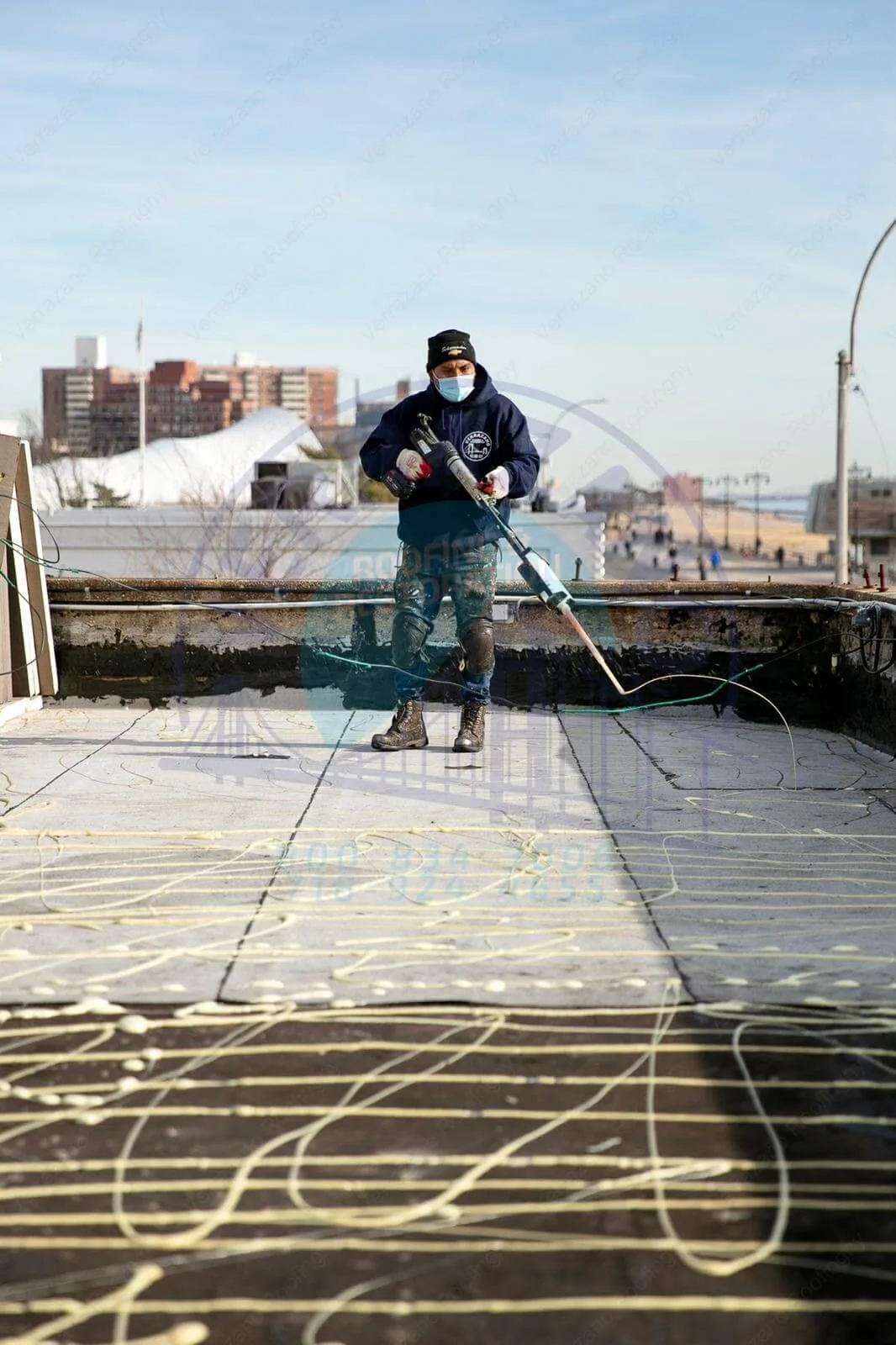
A downtown property can have limited staging space, tenant access, or a short delivery window. We confirm those conditions with the building representative instead of inferring them from a district map. The operator identifies roof entry, lift placement, street or loading access, hours, escort needs, and any area that must stay open. If the building is occupied, a phased roof sequence can identify work zones, protection below, and daily closeout points.
Rail corridor context may matter to a work schedule or delivery plan, but the building contact sets site procedures. We confirm where a lift can stand and whether equipment or materials can pass through the property. For a roof test, we agree on the opening location and restoration before work begins. A short access period may allow an inspection or temporary repair; replacement can require separate mobilization and tenant coordination.
If water is entering, we identify the affected room, contents or equipment at risk, and safe access to the roof. Emergency response is available at any hour, including nights and holidays, to limit exposure. Temporary protection is documented separately from permanent correction. If the owner cannot release the affected roof area during a scheduled event or building use, we list the limitation and next step clearly.
Assembly check: What should the inspection identify?
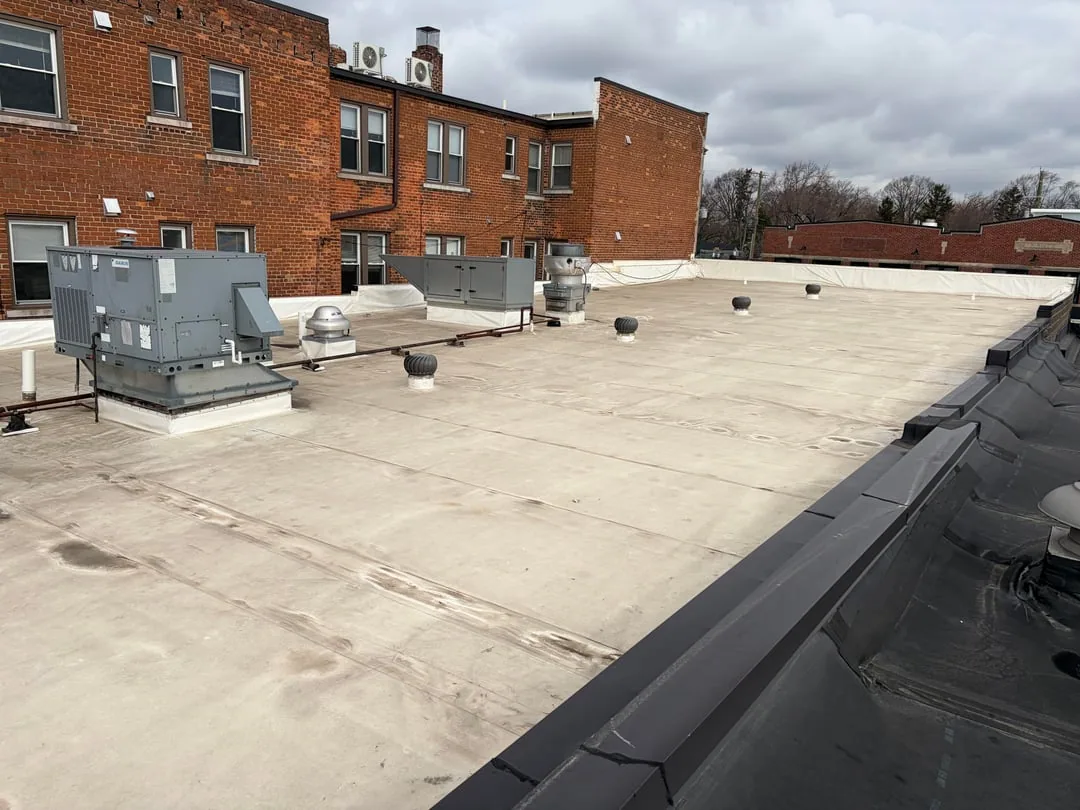
We review available roof plans, leak history, service tickets, and system records. The field walk checks seams or metal laps, flashings, curbs, penetrations, drains, scuppers, edge terminations, and earlier repairs. The district's redevelopment setting includes active rail connections and buildings with different uses. We identify each property's membrane or metal system during the roof walk, then record the details and sections reached. A commercial roof inspection identifies system clues and maps the sections reached.
Interior stains can appear away from the roof opening when water moves beneath a membrane or along a deck. We compare the reported room with the roof slope, nearby seam, drain bowl, curb, and wall transition. A close photograph shows location and condition. If concealed moisture may change the scope, we identify a scan or test opening and what that result would establish. Moisture testing is recorded by section; one reading does not certify surrounding areas.
The 36.5-inch annual normal includes warm-season storms and cold-weather precipitation; we check outlet condition after runoff clears. We inspect outlets, overflow routes, low areas, and adjacent seams after water clears. Winter precipitation can affect safe access and maintenance timing. The city also has documented severe hail and wind events. A reported event is a reason to inspect, while the property's visible and tested conditions establish whether repair is needed.
Levee context: What belongs in roof drainage review?
The levee protects the district's east edge, a site condition that belongs in redevelopment context. It does not replace inspection of roof drainage. On a property, we check drain bowls, scuppers, leaders, overflow openings, slope, and any low area where water remains. We look at the roof's own path to its outlets and identify a blockage or failed connection. The owner receives a repair boundary tied to roof evidence rather than an assumption based on the district edge.
Where drainage repeatedly affects the same section, we check nearby seams, curb flashings, insulation, and previous patches. Standing water, wet insulation, and a failed lap are different observations. A moisture survey or test cut can help confirm concealed material. We mark the tested area and any portion that could not be opened. If the result is dry and the defect is isolated, local repair may remain supportable. A broader moisture boundary can require more removal and restoration.
River to Rail connects in planning context with the River South District, which has its own mix of industrial, repurposed, and new-development properties. The Capitol District is another downtown planning district. Their redevelopment conditions do not set the roof condition at this address. We retain separate maps, contacts, and access plans for each building.
Repair comparison: What changes the boundary?
A defect in one roof bay can remain local when membrane, insulation, and substrate around it test sound. We define seam preparation and field dimensions in the work note. If wet insulation extends past the visible defect, the repair may need to reach dry material. If moisture testing is dry around a single opening, a focused patch can be compared with monitoring. Each estimate states whether the quantity comes from measurement, testing, or a condition still concealed.
Repeated leaks, attachment issues, brittle membrane, or moisture across multiple zones may lead to a larger project comparison. We inspect deck, insulation, cover board, penetrations, edges, and drainage before considering a recover or replacement. A recover evaluation includes current attachment and moisture limits. A repair estimate includes preparation, material, access, test area, and closeout check.
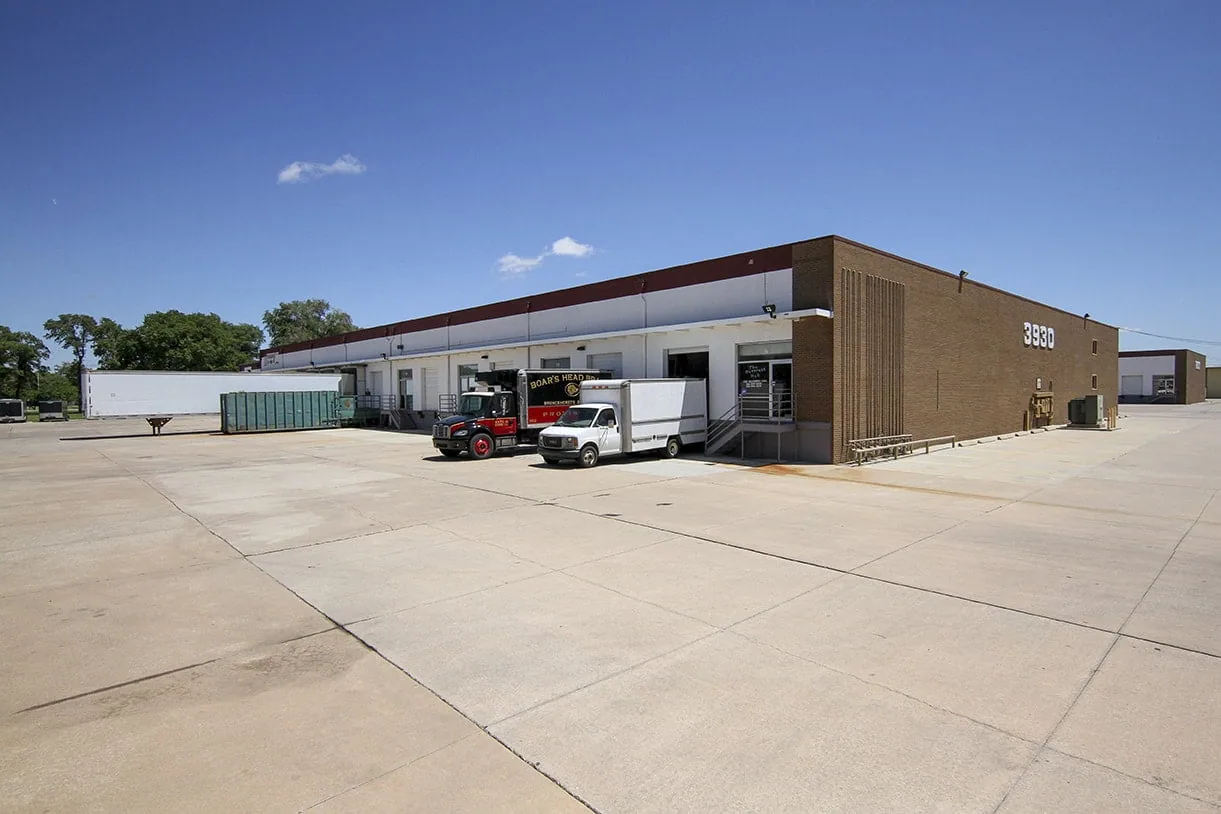
Cost and timing depend on roof height, staging, access, required opening, insulation replacement, edge work, and interior protection. The former Hallmark building's mention in district planning does not provide roof measurements or condition; field dimensions control. For each property, we price confirmed work separately from a concealed allowance and seek owner direction if opening reveals a different boundary.
Weather schedule: When can work proceed?
Rain can stop some seam and flashing repairs on a wet surface. Wind affects material handling and exposed edge work. Winter precipitation may narrow safe access and shift the work window. We list weather-dependent steps and temporary protection, then identify whether a return visit is needed. The owner can distinguish a temporary leak response from permanent correction and schedule each around building use.
Roof maintenance can check drainage, seams, flashings, and prior repairs before seasonal weather. A maintenance visit records what changed since the last inspection and what needs follow-up. If downtown operations or a delivery period limits access, the property contact confirms the available time. A storm inspection documents property-level findings after a reported hail or wind event.
The work file should preserve the roof plan, photos, test locations, repair measurements, access contact, and approval record. A dated condition report keeps confirmed findings distinct from assumptions. For owners managing multiple Topeka buildings, a roof asset file keeps the River to Rail property separate from other downtown addresses.
Commercial Roofing Questions
Does the levee determine how our roof drains?
No. It is a district-edge condition. We inspect the building's own slope, outlets, overflow route, and low areas to identify roof drainage needs.
Can rail activity affect a roof repair schedule?
The operator confirms any relevant access or delivery rules. We verify the work zone and staging route with the property contact before assigning a crew or lift.
How do you inspect a roof when records describe a former use?
We use available plans as background, then confirm current materials and details in the field. A building's use can change over time, so we identify the installed membrane, deck, and flashing details during the roof inspection.
What does a leak report need before the roof visit?
Share the address, room, date, affected items, prior repairs, and contact who can release roof access. We compare that account with nearby roof details and test where needed.
What makes a downtown repair more expensive?
Staging, limited hours, lift access, interior protection, wet insulation, and the repair size can change cost and schedule. We show confirmed and concealed quantities separately.
Related Roofing Work
Occupied Commercial Building Reroofing
Commercial Roof Inspection
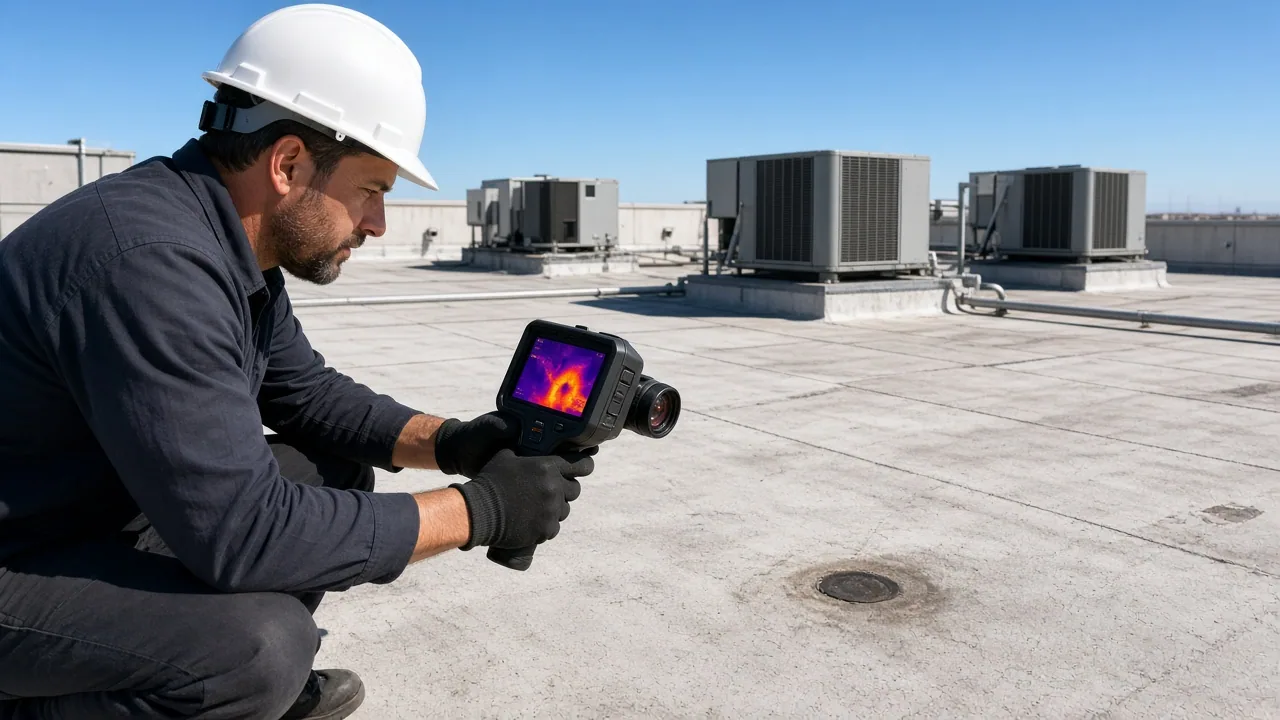
Commercial Roof Infrared Moisture Survey
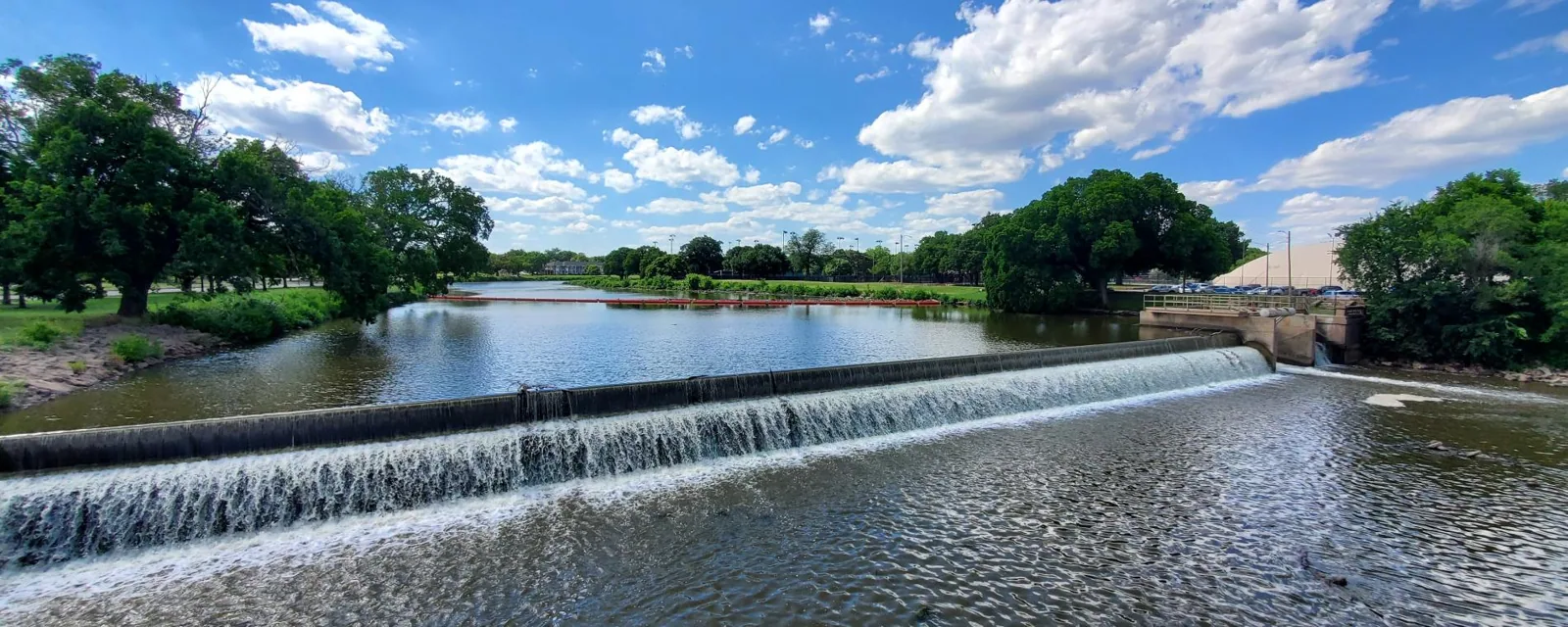
River South District
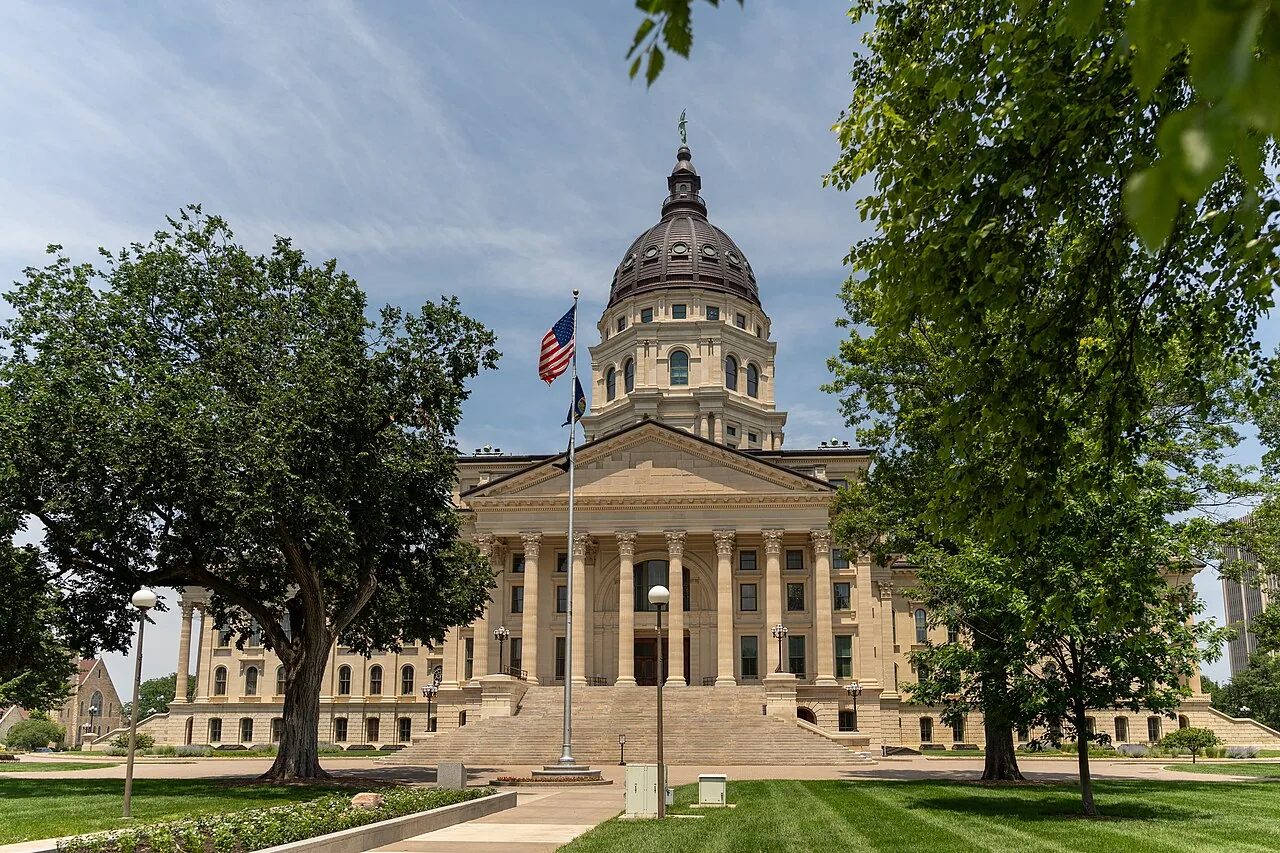
Capitol District
Commercial Roof Recover Overlay
Set a River to Rail roof inspection
Service Area
Topeka, Auburn, Silver Lake, Carbondale, Rossville and Shawnee County, KS
Quick Contact
Email: [email protected]
Phone: 555-555-5555
Request a Roof Assessment
Provide the building address, current roof concern, access contact, and available plans or repair records. We will inspect the reachable section, mark tests and limits, and define the repair boundary.