
Commercial Roof Maintenance in Topeka, KS
Home / Commercial Roofing Services / Commercial Roof Maintenance
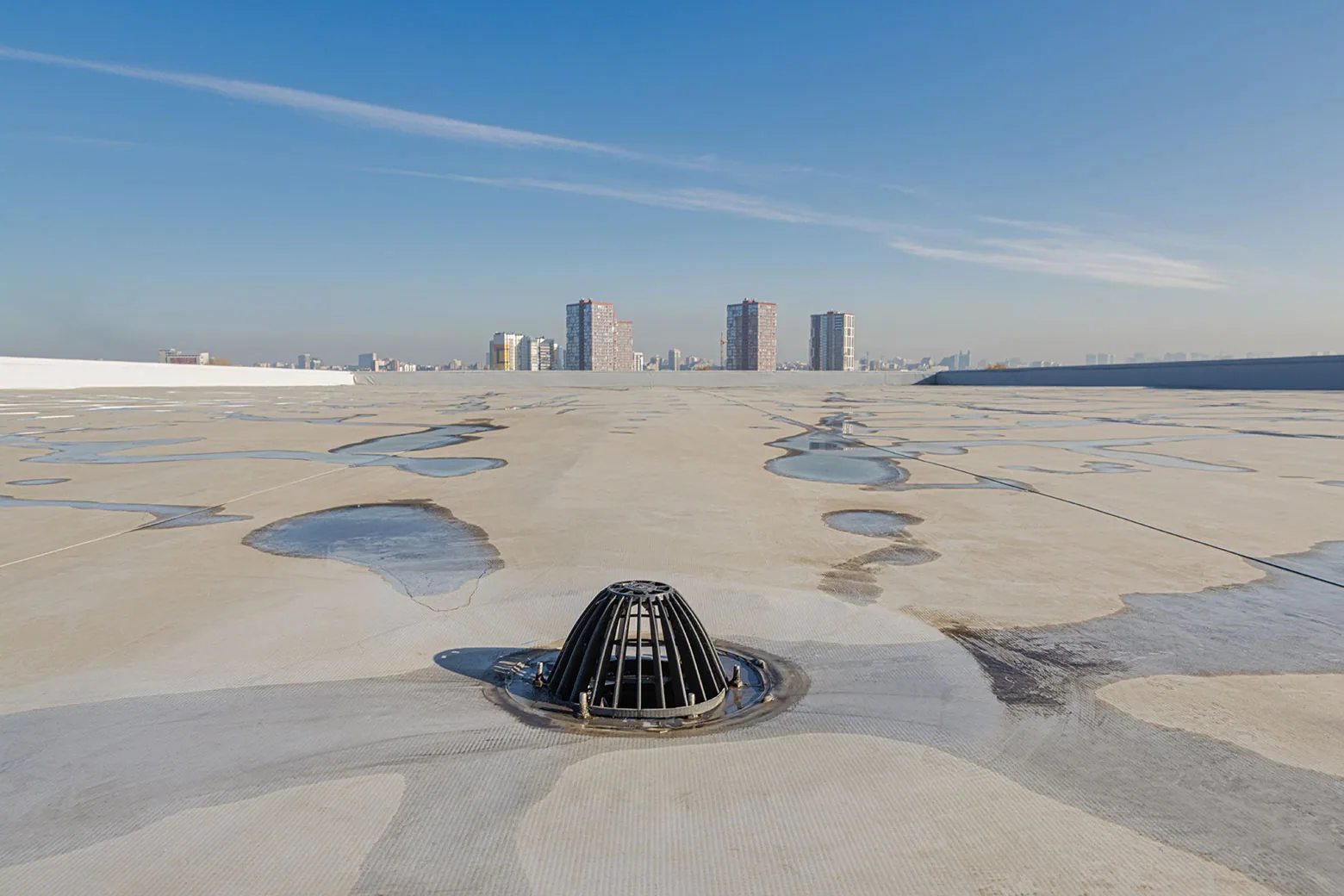
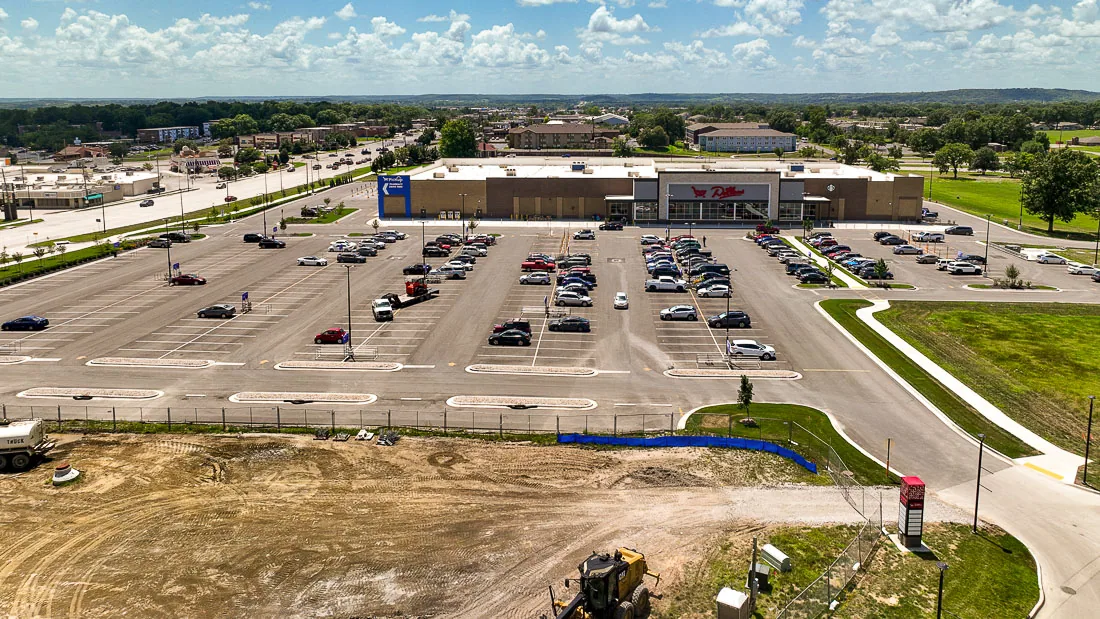
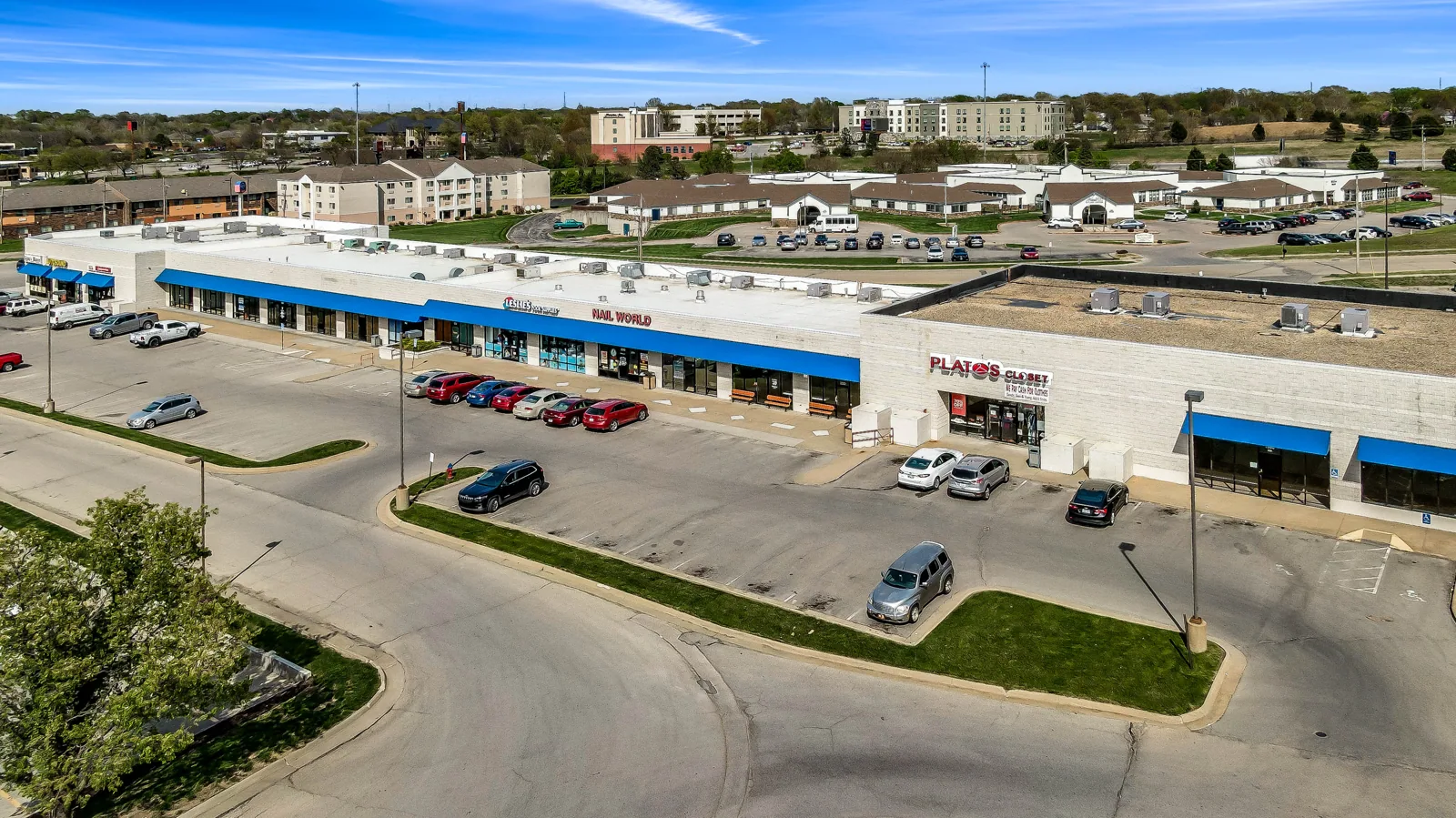
Leaves and grit in a drain bowl can turn routine rain into a standing-water problem. A maintenance visit checks the outlet, nearby membrane, seams, edges, and the interior reports that point to a roof zone. Topeka averages about 36.5 inches of yearly precipitation, with summer storms and winter moisture testing different details. We set a repeat schedule from the assembly, condition, access rules, and the consequence of a missed defect. At Central Crossing Commerce Park, truck and rail operations call for site-specific staging; West Topeka Retail Area properties can have tenant and delivery windows to coordinate.
Inspect: What belongs on each visit?
We begin with the roof plan and the last closeout, then walk accessible sections in a repeatable order. The crew checks drain bowls, scuppers, leaders, laps, penetrations, curbs, edge metal, sealant, and areas where debris collects. We photograph a condition from a useful distance and close range, then label its roof zone. A condition inspection can establish a baseline when records are missing or the existing map no longer matches the building.
Interior observations matter when a ceiling mark, equipment room, or recurring odor points toward a section above. We compare the report date with recent weather and prior repairs, then use the stain to direct inspection of the roof path. At Harlan Industrial Park, the facility contact sets the entry route, escort needs, and areas that must remain clear while we inspect.
Season: How does Topeka weather change the work?
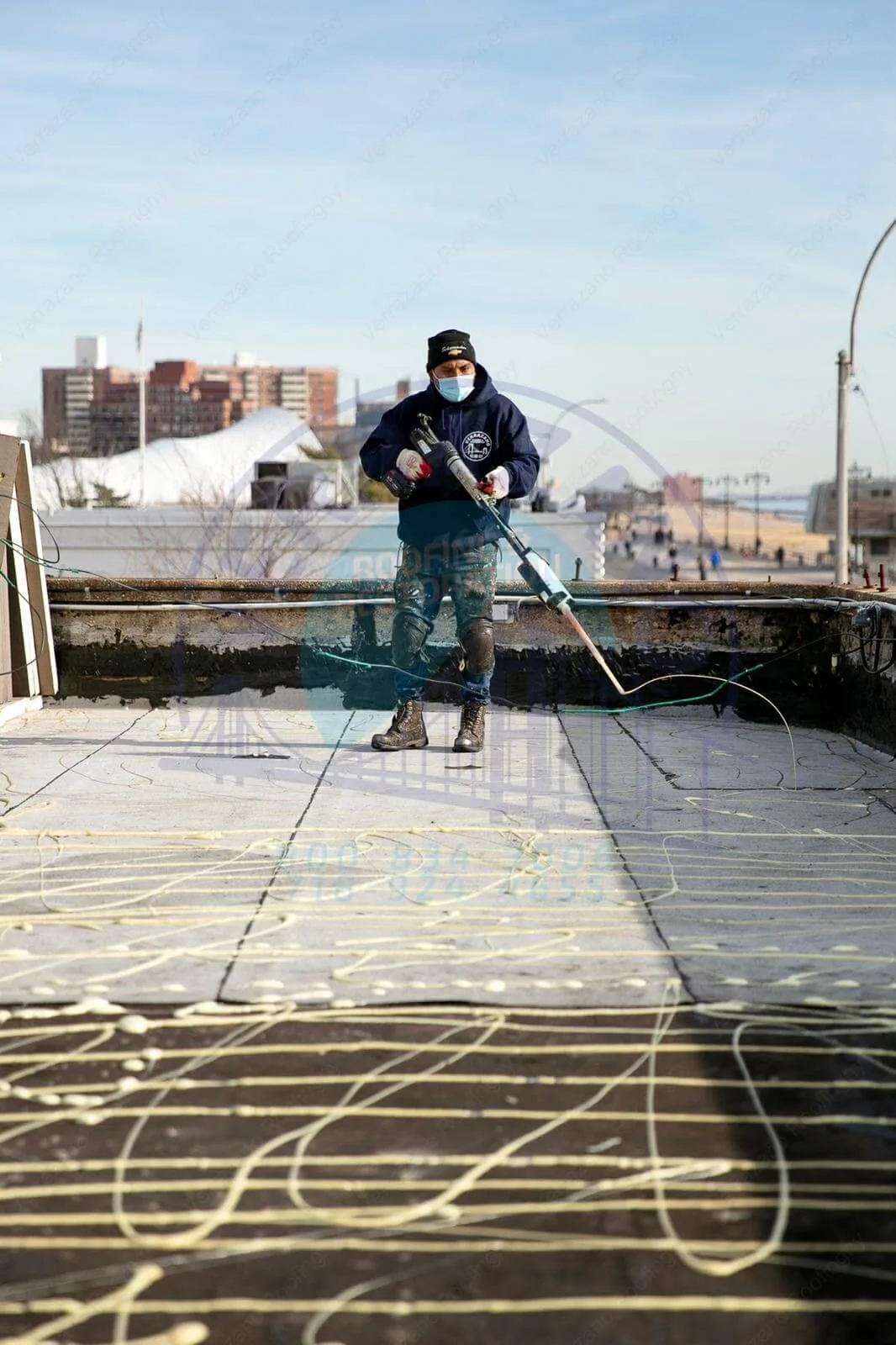
Warm-season thunderstorms make loose edge metal, open laps, and blocked outlets worth recording before water enters. The city has documented severe hail and wind, so a maintenance record should distinguish older wear from fresh impact or displacement. We note what was visible at the visit and what needs a closer test. A hail review can document event-related conditions when the building owner has a specific concern.
Winter precipitation adds another inspection question: whether water can drain before freezing or remain trapped at a low area. We check outlet paths, accumulated debris, and details that could hold meltwater. Snow and ice can limit safe roof access, so the schedule includes a return window when a surface cannot be examined safely. For institutional properties near Washburn University, the contact can coordinate roof entry with campus operations without assuming all buildings share one access procedure.
Prioritize: Which findings should move first?
An open seam above occupied space deserves a different response from a cosmetic mark on a dry, stable surface. We sort findings by active water entry, safety exposure, risk to equipment or inventory, and the chance that delay will widen the repair boundary. A leak investigation follows the reported water path; emergency protection can limit exposure while permanent work is prepared.
When the membrane is sound but wet insulation remains possible, the next action may be a targeted test rather than a broad replacement allowance. The report separates visible conditions, tested areas, and assumptions. It also records work assigned to mechanical, electrical, or masonry trades so each handoff can be coordinated with the roof repair. A photo-backed condition record gives the owner a clear basis to approve a local repair, schedule monitoring, or request a wider evaluation. Each choice names the roof section and what evidence would change it.
Program: How should the schedule be set?
Visit frequency follows the roof’s age and observed condition, drainage design, previous repairs, and how costly an interruption would be for the building. A recurring calendar alone does not make the program useful. We set seasonal checks around drainage and weather exposure, then add a visit after an event or repair when the owner needs confirmation. The drainage review records bowls, scuppers, low areas, and outlet conditions that affect the next work window. A roof with recurring ponding may need a closer check after heavy rain, while a stable section can follow the planned cycle. We note the reason for each added visit so the schedule remains tied to evidence.
Properties with multiple buildings need labels that survive staff turnover. We keep an address, building identifier, roof zone, photograph date, finding, and next action together. At a major Topeka healthcare campus, occupied care operations make access and interior protection part of the plan. A retail site in the Wanamaker corridor may have different delivery or customer hours. We confirm each property’s constraints with its own representative before setting the sequence. A single portfolio calendar can coordinate visits, but findings and approvals remain assigned to each building.
Each observation needs an action class and a follow-up rule. We separate active water entry, a defect requiring planned repair, and a stable condition to monitor, then name the roof zone and person responsible for the next step. Closeout photos show what changed after maintenance or repair. An item stays open until the work is verified or the owner accepts a monitoring date and trigger. A closed work order alone does not confirm that the leak stopped or the drain now flows. This handoff gives the next visit a current baseline and keeps overdue repairs visible beside the planned inspection calendar.
Record: What does the owner receive?
The closeout lists areas inspected, sections not reached, photos, observed conditions, completed work, and items awaiting approval. It identifies the material where known and states which details remain unverified. A small repair is recorded separately from maintenance labor so the owner can see what was authorized. If field dimensions or a test result could change quantity, we name that condition before expanding the scope. We also note whether debris removal, minor sealant work, or a separately approved repair was completed, so a later visit does not mistake a maintenance action for a permanent correction.
Over time, dated records show whether a seam reopened, a drain repeatedly collected debris, or the same interior report returned. That history helps facilities staff compare repair with replacement by section instead of reacting to one isolated symptom. A defined repair scope sets the boundary and compatible method; the next scheduled visit checks the repaired area at an agreed point. The owner receives the next decision with the evidence behind it.
Commercial Roofing Questions
What should a recurring maintenance visit include?
We inspect accessible membrane, seams, penetrations, curbs, edge details, drains, and reported interior areas. The closeout names roof zones, photographs findings, records limits, and assigns the next action rather than logging a visit without a condition record.
How do hail reports affect a maintenance plan?
A regional report can help set timing after an event, but it does not establish damage at one address. We inspect the actual roof, compare current details with earlier photos, and separate new impact evidence from existing wear.
Can maintenance identify wet insulation?
A visual walk cannot confirm concealed moisture. When the finding could change repair quantity, we mark test locations and explain whether a scan or opening would answer the question before proposing broader work.
When should I schedule a check after snow or ice?
Safe access and drainage conditions set the timing. We inspect when the roof can be reached safely, then record blocked outlets, low areas, and any limit that requires a second visit after meltwater clears.
How do I compare maintenance costs across buildings?
Keep the scope by address, roof area, visit, repair labor, materials, and follow-up separate. We can identify access or testing that changes effort, then give each building its own condition and next-step record. Review the same categories each cycle so changes in the portfolio do not hide a growing repair need at one address.
Related Roofing Work
Central Crossing Commerce Park
West Topeka Retail Area
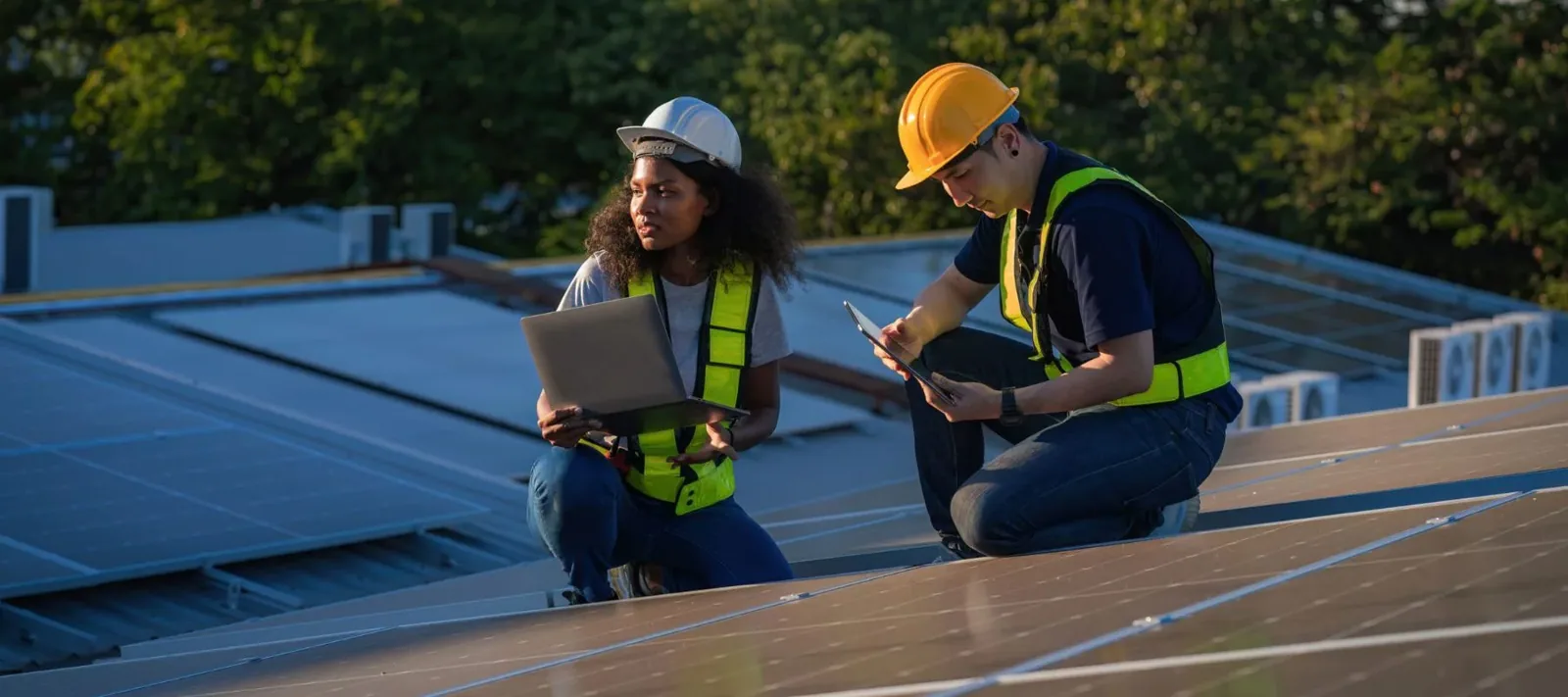
Commercial Roof Inspection
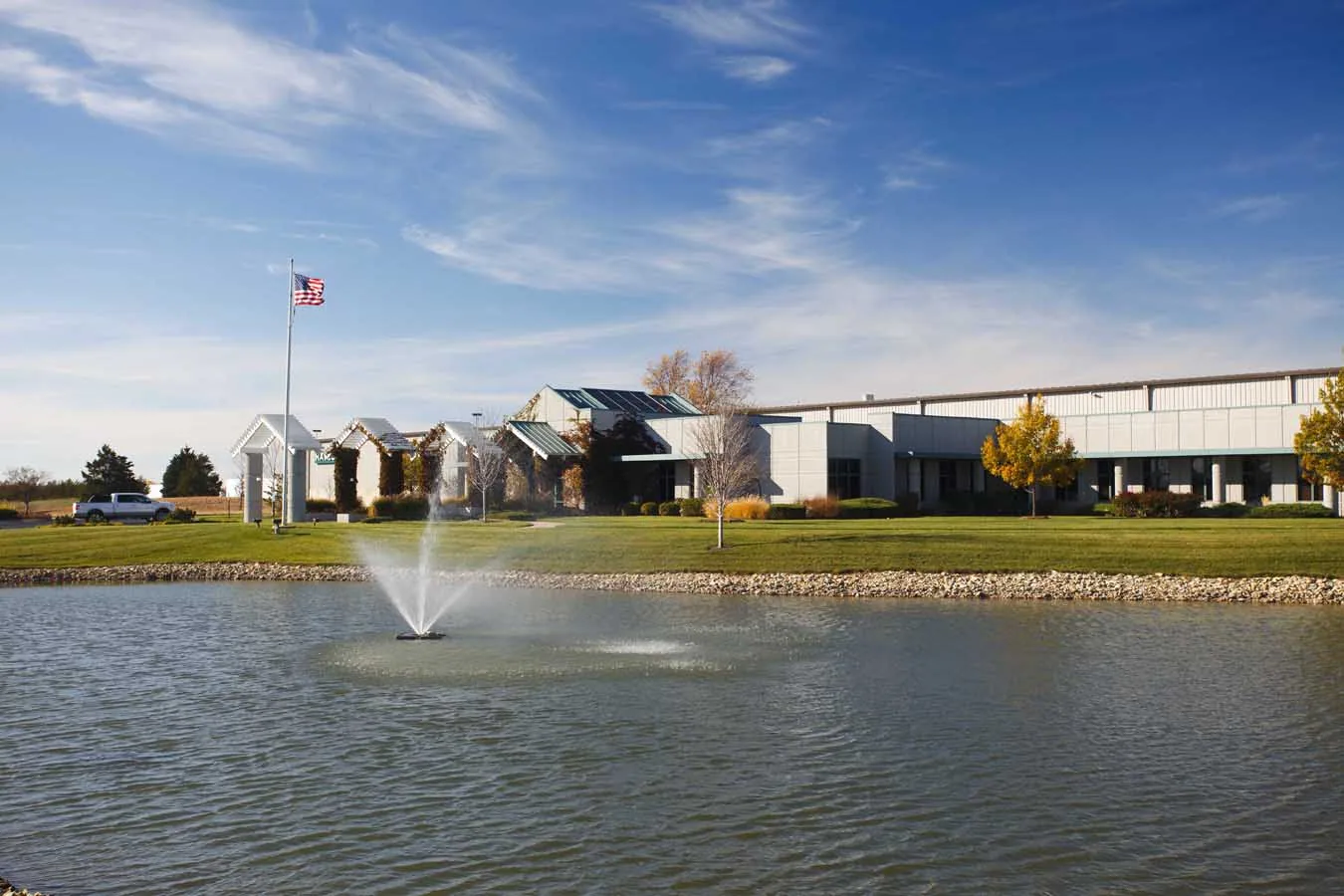
Harlan Industrial Park
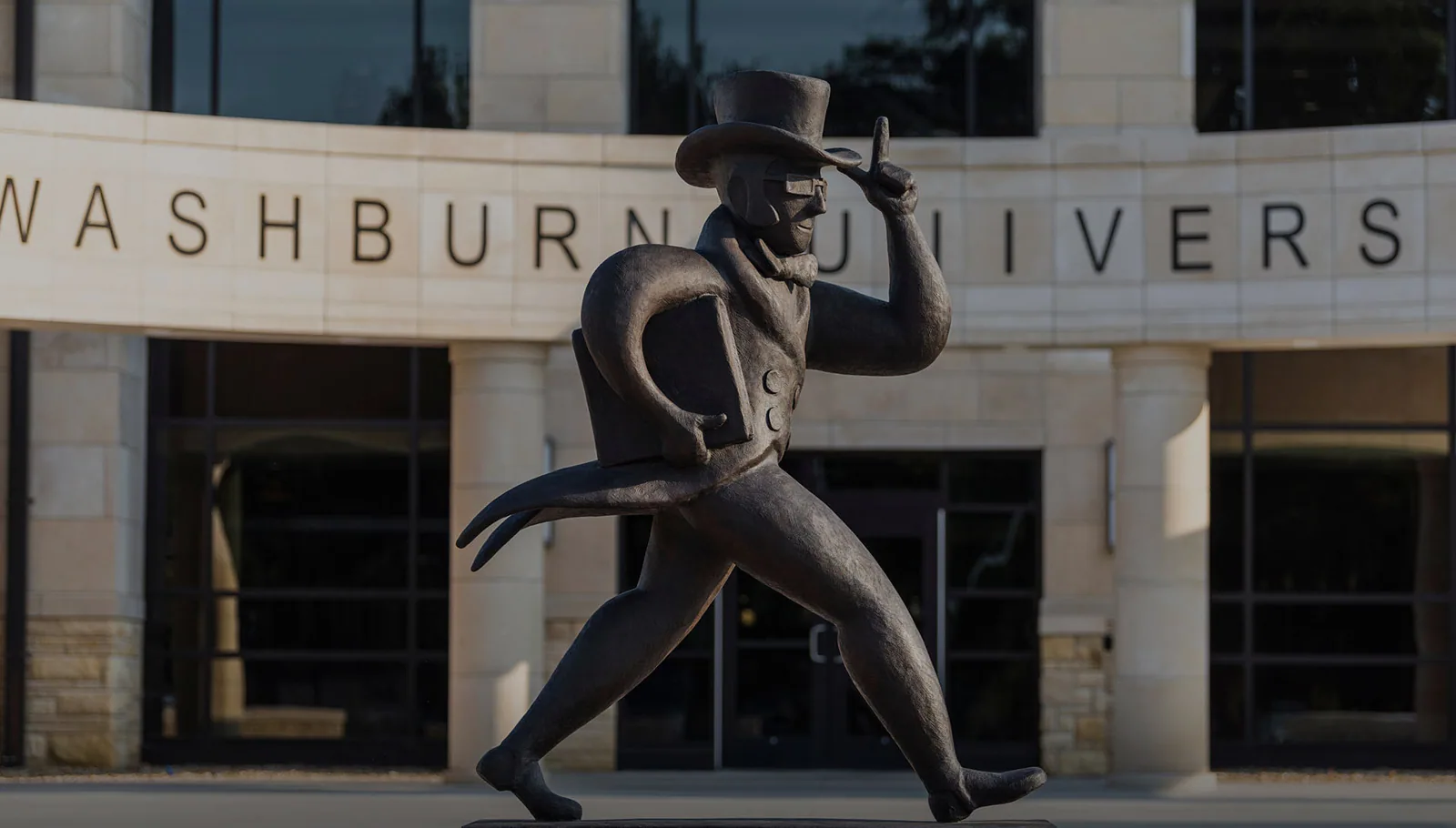
Washburn University
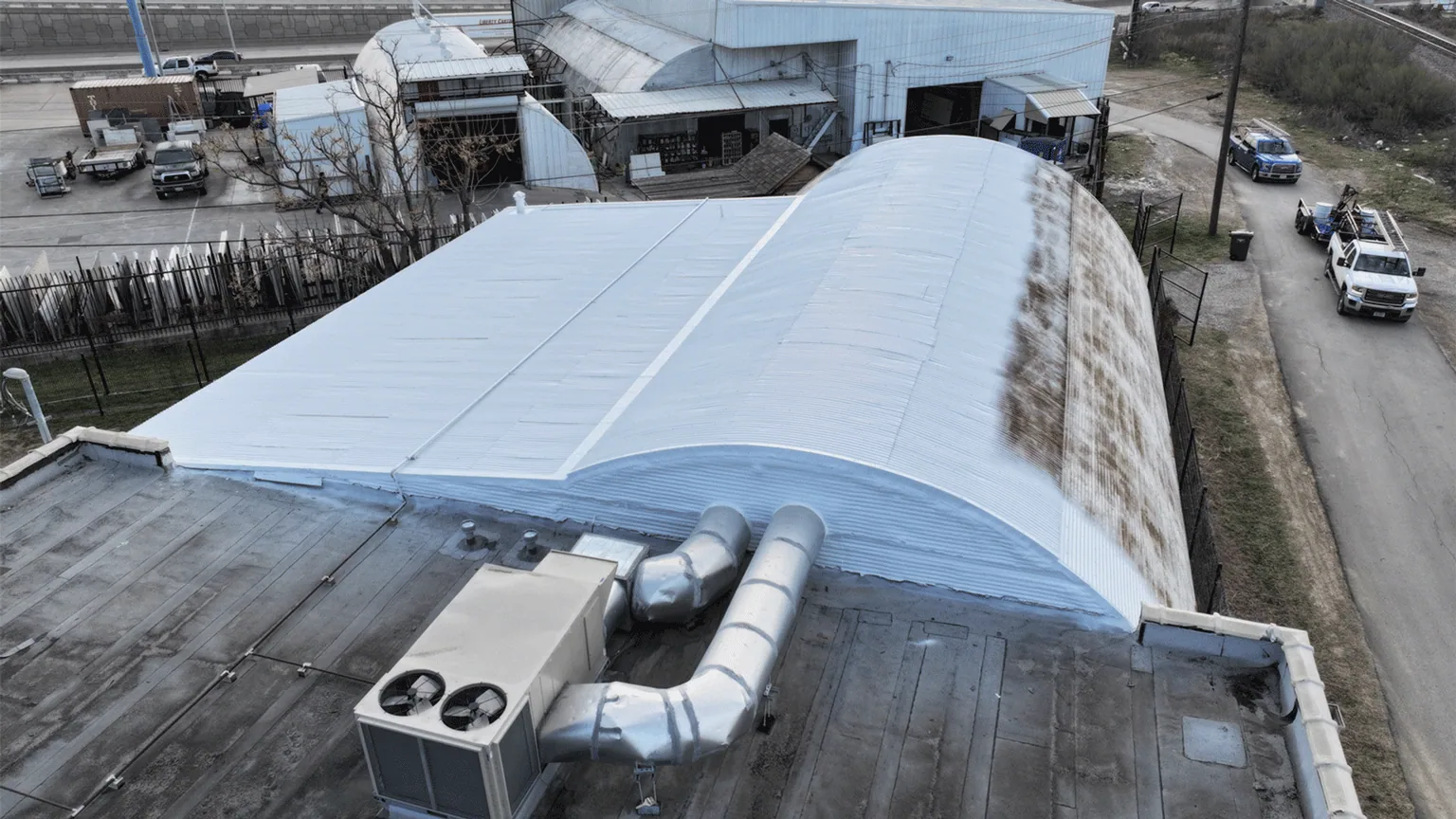
Commercial Roof Leak Repair
Set the next roof visit
Service Area
Topeka, Auburn, Silver Lake, Carbondale, Rossville and Shawnee County, KS
Quick Contact
Email: [email protected]
Phone: 555-555-5555
Request a Roof Assessment
Send the Topeka property address, roof concern, access contact, and any inspection or repair records. We will map the sections, confirm the work window, and return a maintenance plan tied to observed conditions.