Commercial Roofing in the North Topeka US-24 Industrial Corridor
Home / Service Areas / North Topeka US-24 Industrial Corridor
Industrial properties along North Topeka's US-24 corridor vary by building, roof system and operating schedule. Regional planning identifies the area north of Topeka as a primary industrial zone, while the Kansas Department of Transportation describes the improvement area as primarily commercial and industrial. Goodyear's tire-manufacturing facility is one documented local example. We identify the building and roof zone, confirm access with its operations contact, then inspect the assembly and mark the repair boundary. The field condition sets the scope.
Plant access: What should operations approve?
We coordinate with the property representative before entering industrial or support areas. The authorized contact confirms sign-in, escort, roof access, staging, and any process restrictions that affect noise, dust, odor, or deliveries. The contact confirms approved access before the crew enters. The roof inspection then records its own findings. If an opening is needed, the plan names who can approve temporary protection and who makes the owner decision on additional removal.
Industrial work may require a sequence that keeps materials and tools clear of active operations. The operations contact identifies work windows and restricted zones. We define where debris is contained, how roof access is secured, and when a temporary seal is checked. A phased industrial reroof plan can limit exposed sections while preserving a watertight stopping point. Emergency protection may need a faster response, but permanent work still follows access authorization and tested findings. If the repair sits above an active work area, the contact identifies vibration, dust or odor sensitivities before methods are selected. That information can change staging and sequencing without changing the roof failure itself.
At properties with multiple shifts, operations can identify a maintenance window and active work boundaries before mobilization. We stage only materials required for that work zone, keep fasteners and debris controlled, and verify temporary protection at each handoff. If the line schedule changes, the crew stops at the agreed watertight point and resets timing with the authorized contact.
Process roof review: What does the walk confirm?
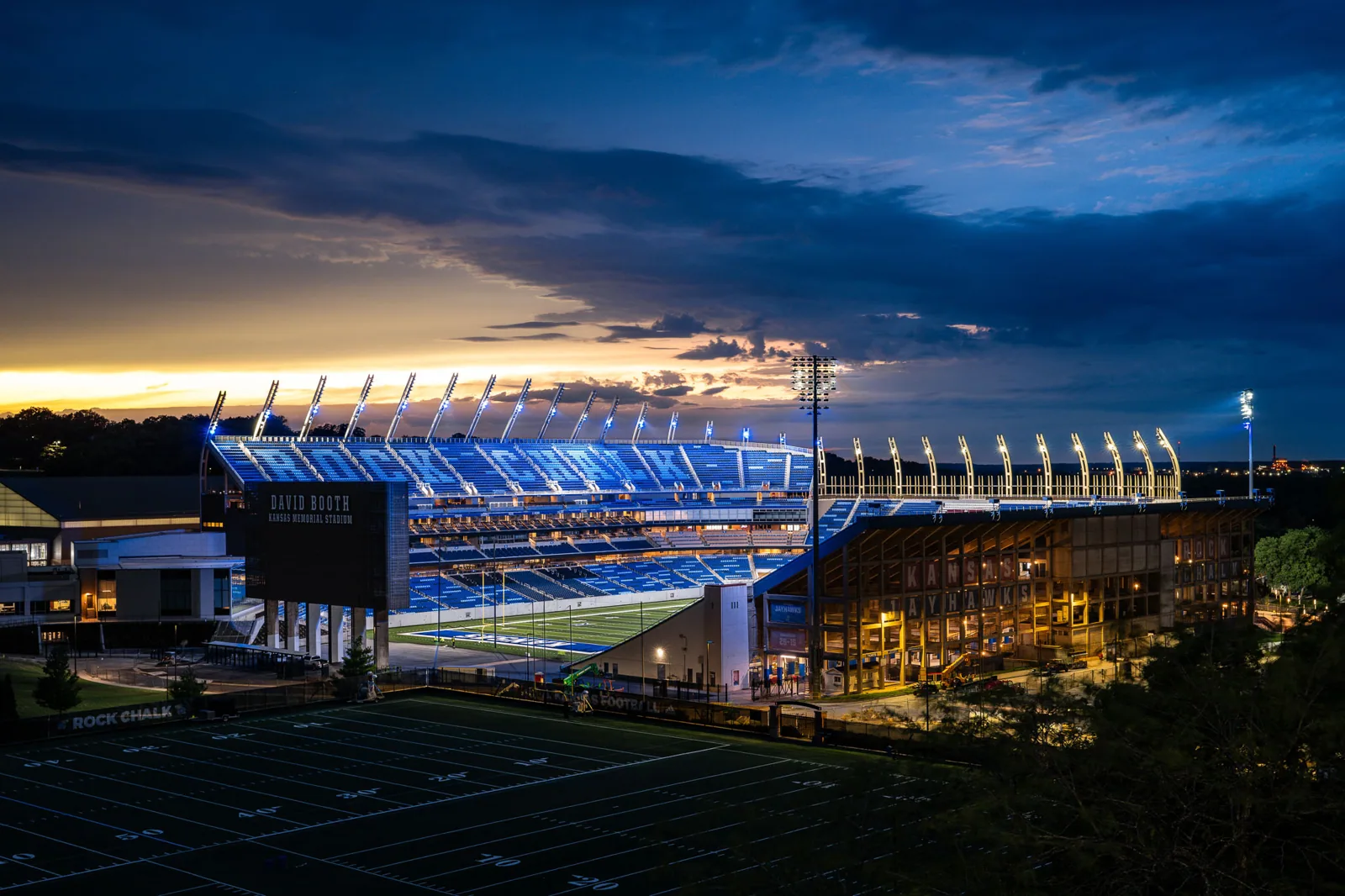
We inspect the roof area tied to the report: seams, wall flashings, penetrations, curbs, equipment supports, drains, and edge conditions. If a leak appears near production or support space, the building contact helps identify the interior area and any recent equipment work. We compare the symptom with the roof details above and document a likely water path. Moisture testing is marked by location and method. A reading applies to the tested section, not the entire building. Along the north side of Topeka, a property can sit near highway traffic, freight movement or open land, but a map cannot establish its roof condition. We confirm where deliveries enter, where a lift can stage, and which paths must stay clear. On the roof, we map walk routes, parapet edges, drains and equipment to the actual building. A production roof may need a quiet work window and controlled debris handling; a service building may need tenant entrances kept open. Those operating limits change the sequence, while the membrane, deck and drainage determine the repair method.
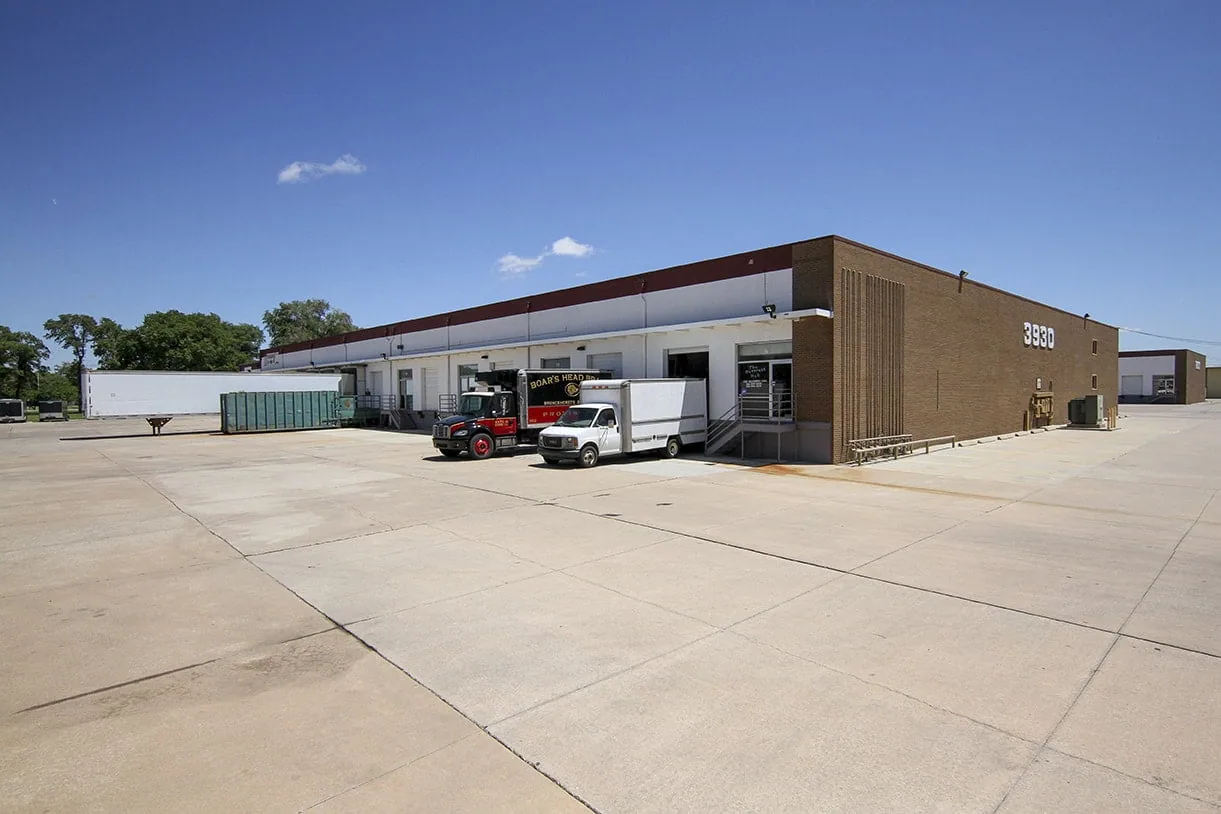
Industrial use does not tell us whether the roof is metal or membrane, or how many layers are present. We inspect what is accessible and review construction or maintenance records for assembly details. If drawings differ from the field, we note the discrepancy. A roof condition inspection can produce photos, field dimensions, and a list of conditions for repair, additional testing, or monitoring. Where the report involves a curb, a curb and support check can include attachment and flashing within the assigned scope.
Repair scope: How is production exposure controlled?
A localized repair can fit a failed seam or flashing when surrounding material is stable. We prepare the surface and use a compatible material, then confirm the repair ties into sound roofing. If moisture testing finds wet insulation, the estimate shows the additional area and removal quantity. A deck opening can reveal conditions that were not visible from the surface. We document those findings and contact the authorized representative before adding non-emergency work.
A replacement decision looks at the assembly, deck, drainage, penetrations, and equipment supports. A recover may be considered only when attachment and drainage remain sound. The property's operating schedule affects the sequence, not the roofing diagnosis. We separate temporary leak control from longer-term capital work and show access requirements in each option. A repair scope handles confirmed defects, while a replacement evaluation compares broader work when field evidence supports it. Material delivery and downtime coordination are listed as separate schedule factors.
Topeka weather: Which conditions reach the roof?
Topeka averages about 36.5 inches of precipitation annually, and northeast Kansas has documented hail and wind events. For roofs along the corridor, we check exposed edges, membrane seams, equipment supports, penetrations and drainage after a reported storm. We note functional damage separately from surface marks. If an interior work area reports water, the roof observation should identify the tested location and the room or equipment report it relates to. Photographs preserve the condition before temporary repair changes it.
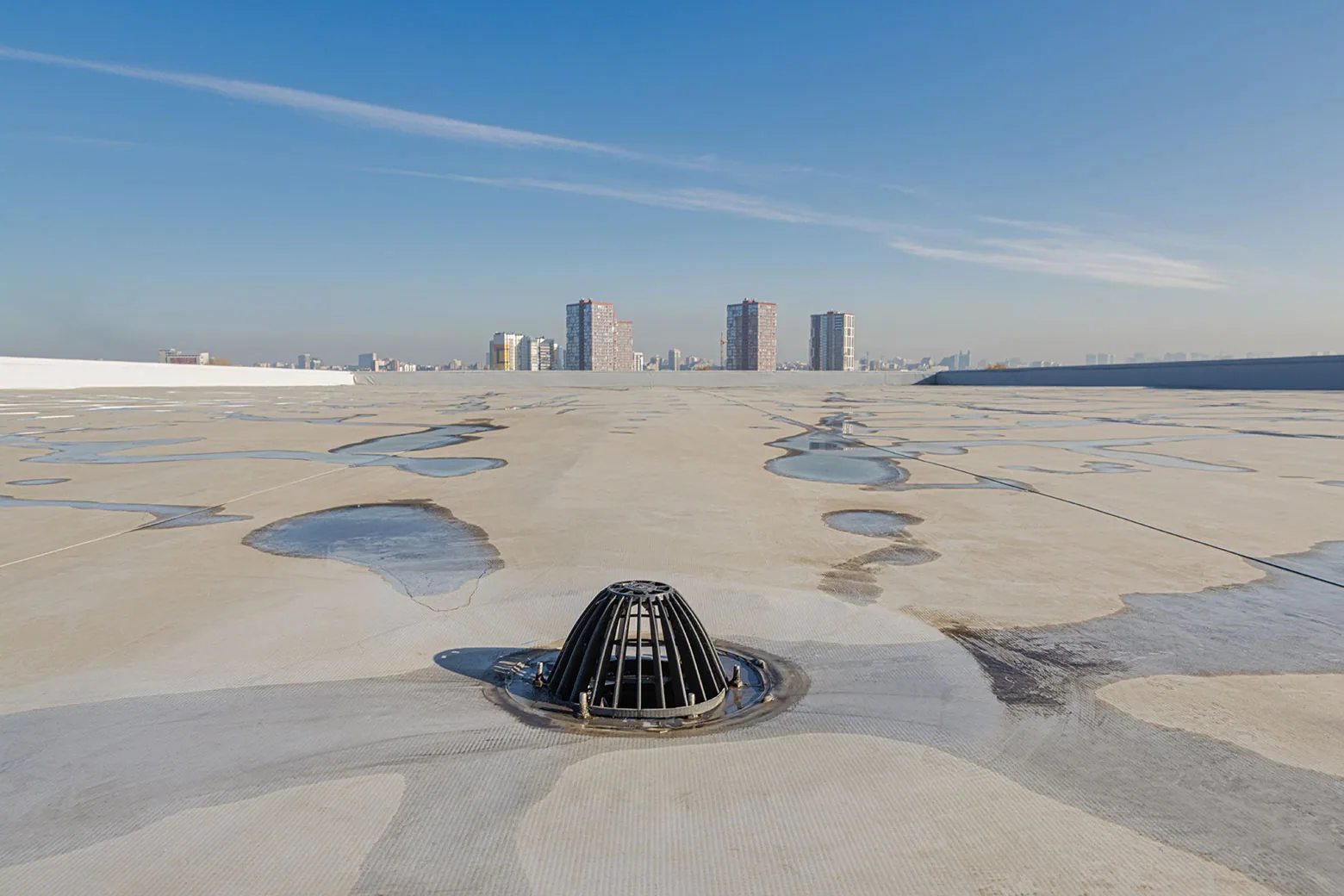
Winter precipitation and freeze-thaw bring seasonal attention to drain bowls, scuppers, low areas, and flashing terminations. We note whether water clears after an outlet is opened or remains at a low area. That distinction changes the repair question. A drainage inspection can document outlet condition, while scheduled maintenance tracks recurring debris or seam issues before the next season. Recommendations stay connected to observed conditions, not the property's business category alone.
Asset record: What supports future planning?
Keep the work order, marked roof sketch, photographs, test results, repair materials, and access notes together. The report should state which building and roof zone were inspected, where work ended, and whether concealed areas remain untested. If temporary protection is still in place, identify its location and inspection date. That gives a maintenance team a sound basis for comparing a new symptom with the repair record, rather than assuming conditions from the property's location or business type.
The US-24 industrial area is one of several distinct employment zones in Topeka; each property has its own roof and access conditions. Hill's Pet Nutrition also combines research and production uses at its Topeka campus. A North Topeka East or North Topeka West inspection needs its own roof map and access plan. Across the corridor, a capital plan can track urgency by verified condition and align repair windows with each property's operations contact.
Commercial Roofing Questions
Does an industrial address identify the roof assembly?
No. The industrial setting does not establish a roof material or assembly. We inspect the assigned building and review available records. If system details remain concealed, we state what testing or opening would be needed to confirm them.
Can you repair a leak without disrupting industrial operations?
That depends on the approved access window, leak location, material, and whether the roof must be opened. We coordinate staging, debris control, and interior protection with the property representative. A temporary seal and permanent repair can be scheduled as separate steps when operations require it.
What changes a process-area repair estimate?
Access, roof height, assembly layers, moisture extent, and work near equipment can change quantity or setup. We measure the confirmed area and document concealed conditions that may expand the boundary after opening. The estimate separates roofing materials from schedule and access factors.
What should the property keep after a storm inspection?
Keep the date, affected building, roof-zone sketch, photographs, test results, and any temporary repair details. We distinguish surface marks from functional damage and identify areas not inspected. That record helps operations arrange a follow-up without treating the whole facility as damaged.
Related Roofing Work
Occupied Commercial Building Reroofing
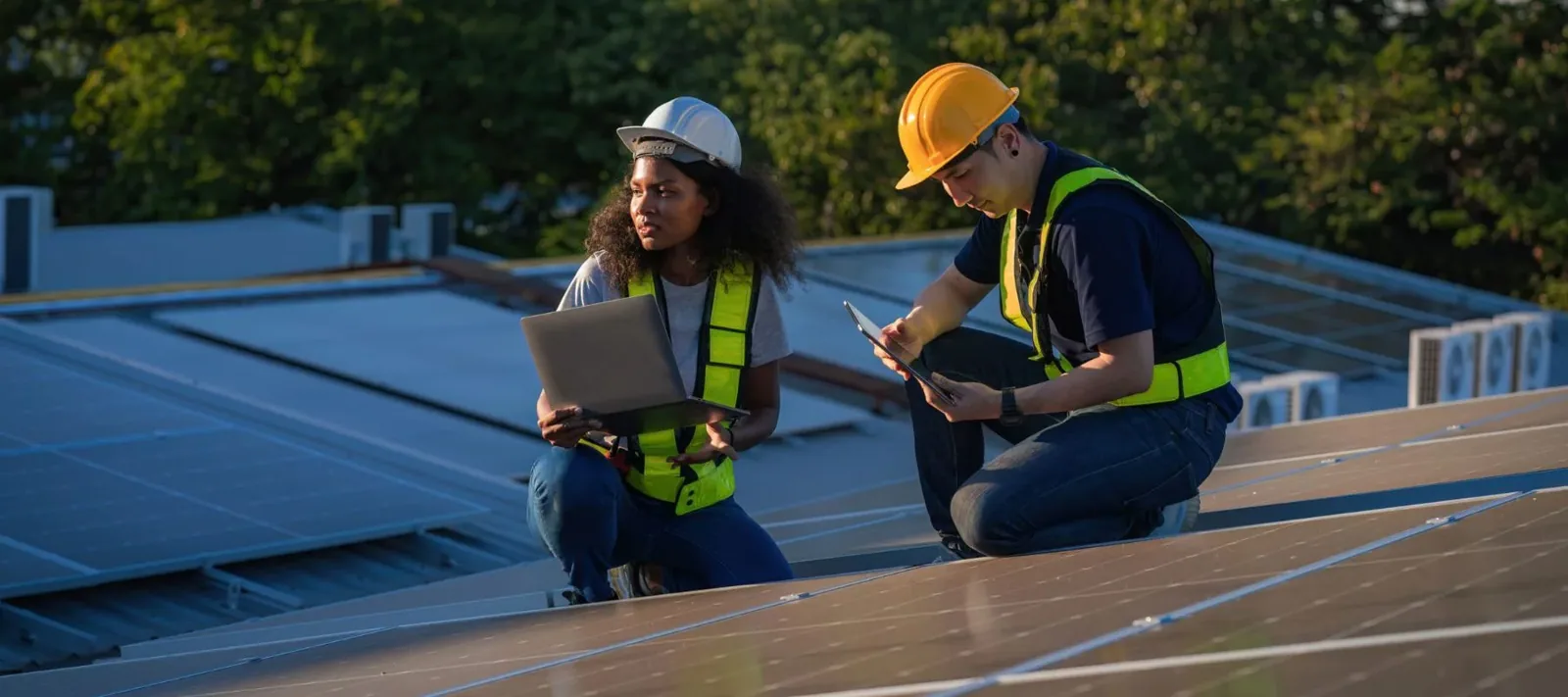
Commercial Roof Inspection
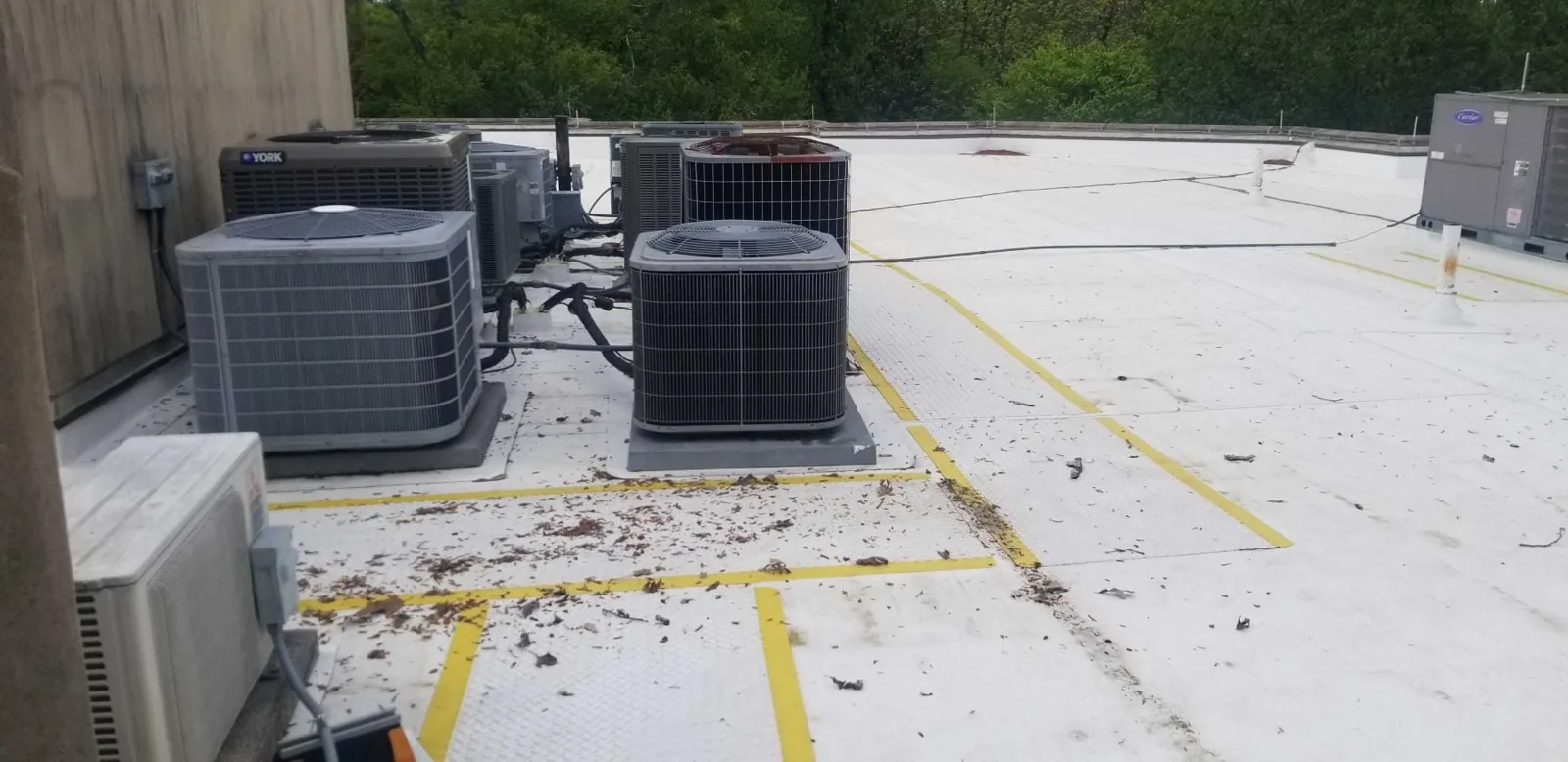
Commercial Rooftop Equipment Curbs and Supports
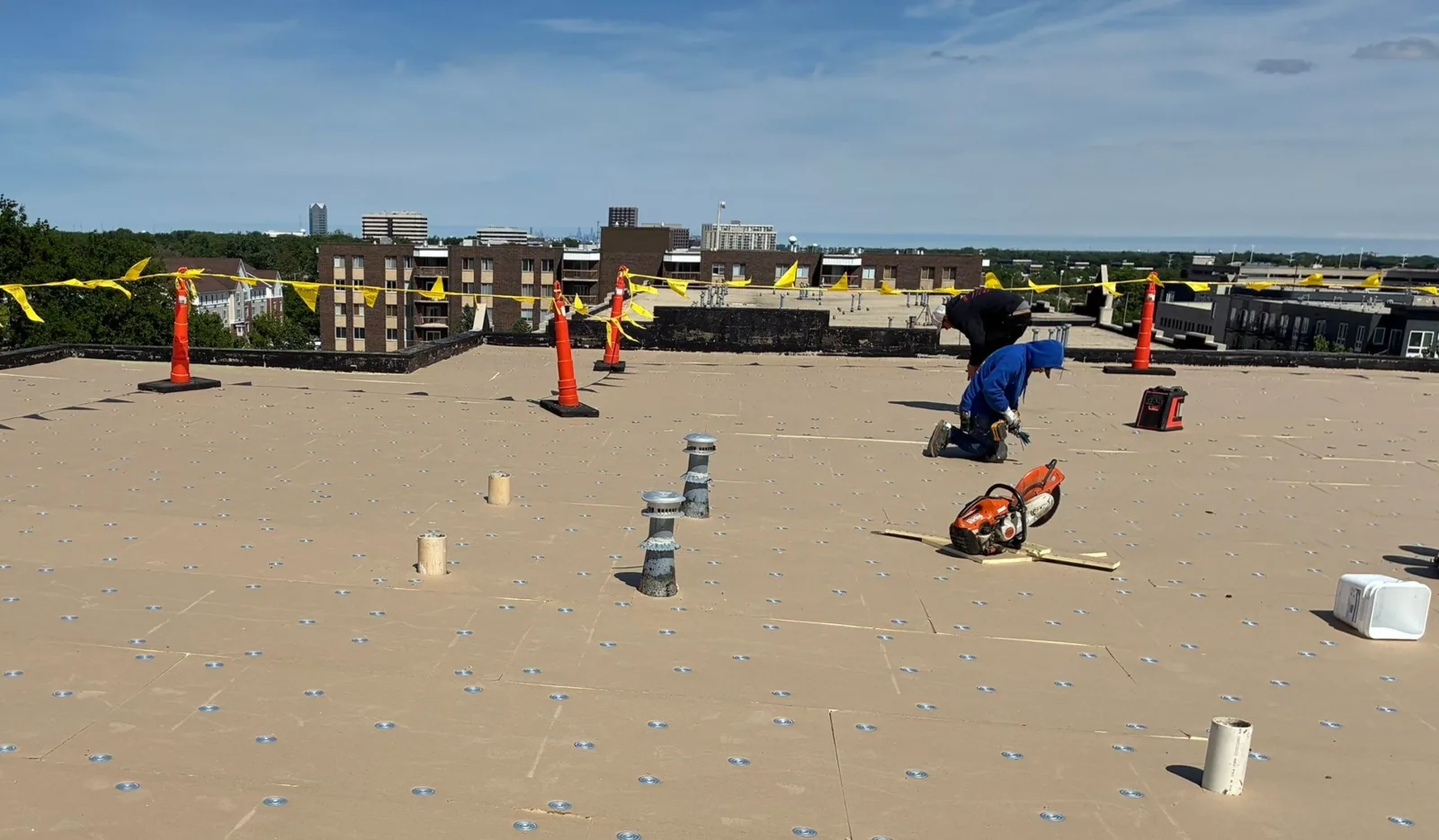
Commercial Roof Repair
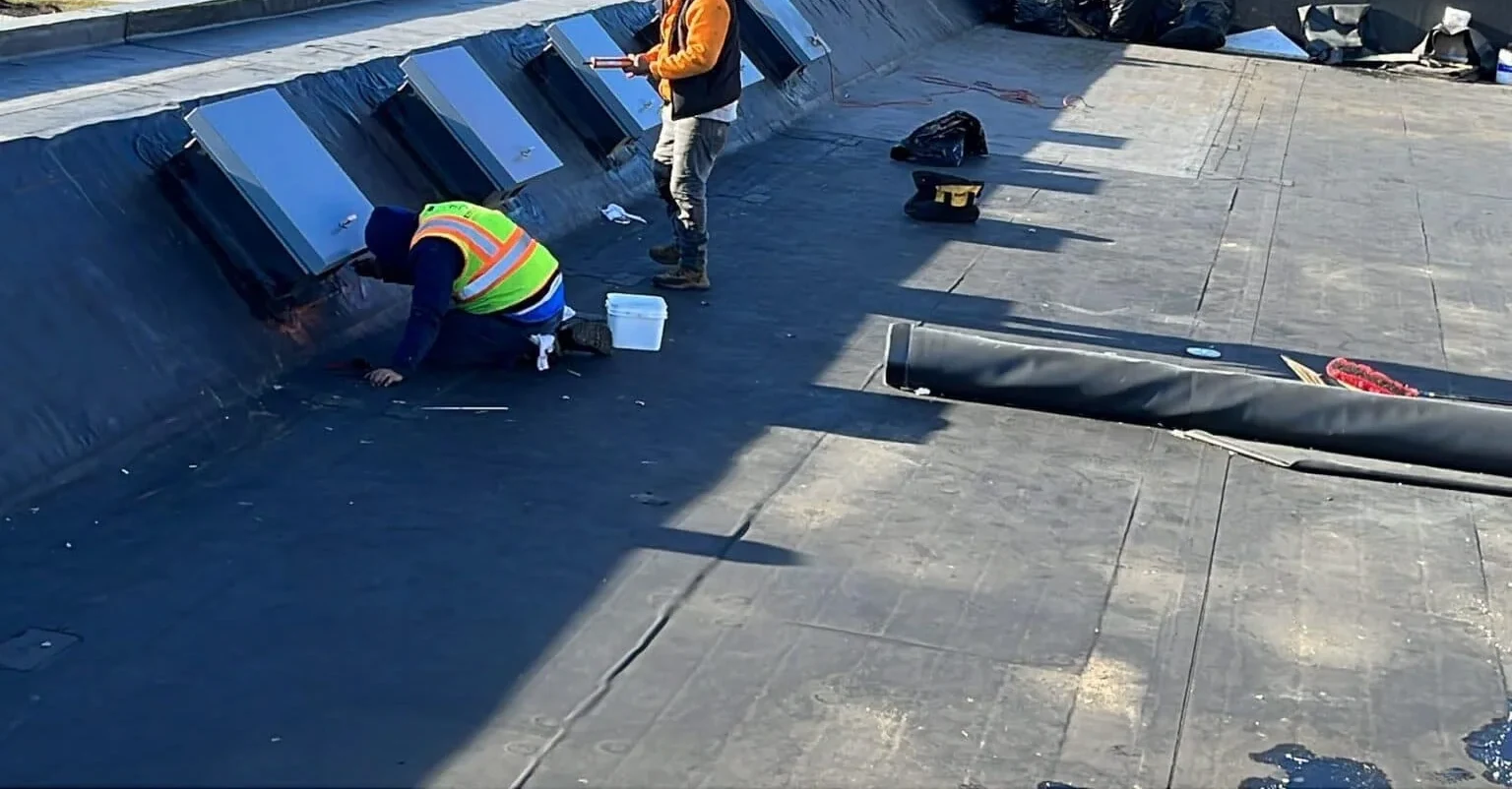
Commercial Roof Replacement
Commercial Roof Drains and Scuppers
Arrange a North Topeka roof review
Service Area
Topeka, Auburn, Silver Lake, Carbondale, Rossville and Shawnee County, KS
Quick Contact
Email: [email protected]
Phone: 555-555-5555
Request a Roof Assessment
Provide the building or roof zone, current issue, authorized property contact, and any maintenance or repair records. We will confirm access, production constraints, and the inspection window before setting the scope.