
Commercial Roofing at Washburn Tech Main Campus, Topeka, KS
Home / Service Areas / Washburn Tech Main Campus
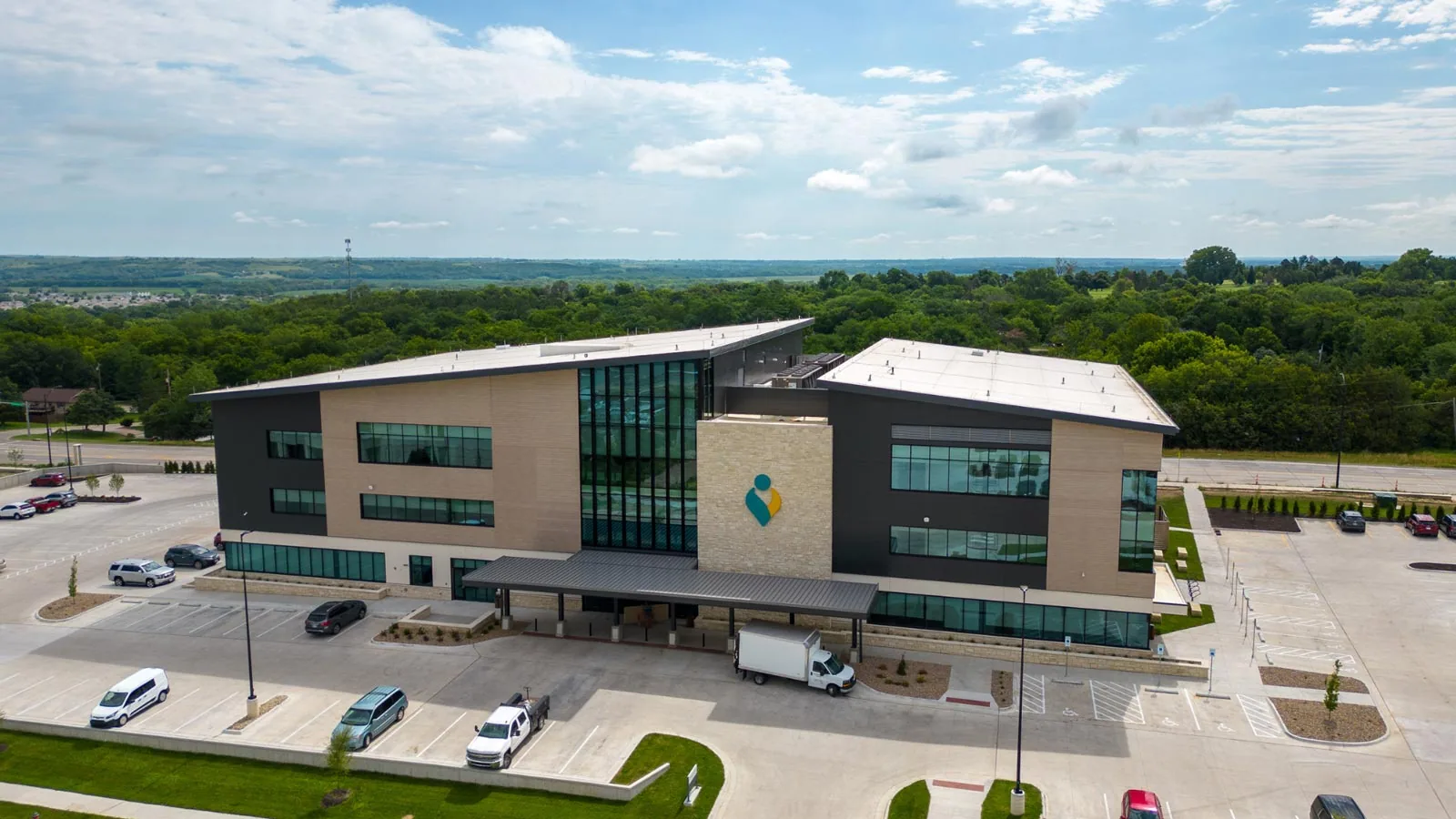
Shop roof access changes the repair window when instruction and equipment remain in use. Washburn Tech's main campus sits east of Wanamaker and includes seven buildings with classrooms, labs, and shops. Those functions can affect access, noise controls, and interior protection, but they do not establish any building's roof type or condition. We confirm the specific building, trace reported water, and inspect seams, flashings, drains, and penetrations. The field record separates what is visible from areas tested for moisture. Topeka's thunderstorms and winter precipitation make roof drainage part of the maintenance plan.
Building walk: What should be mapped first?
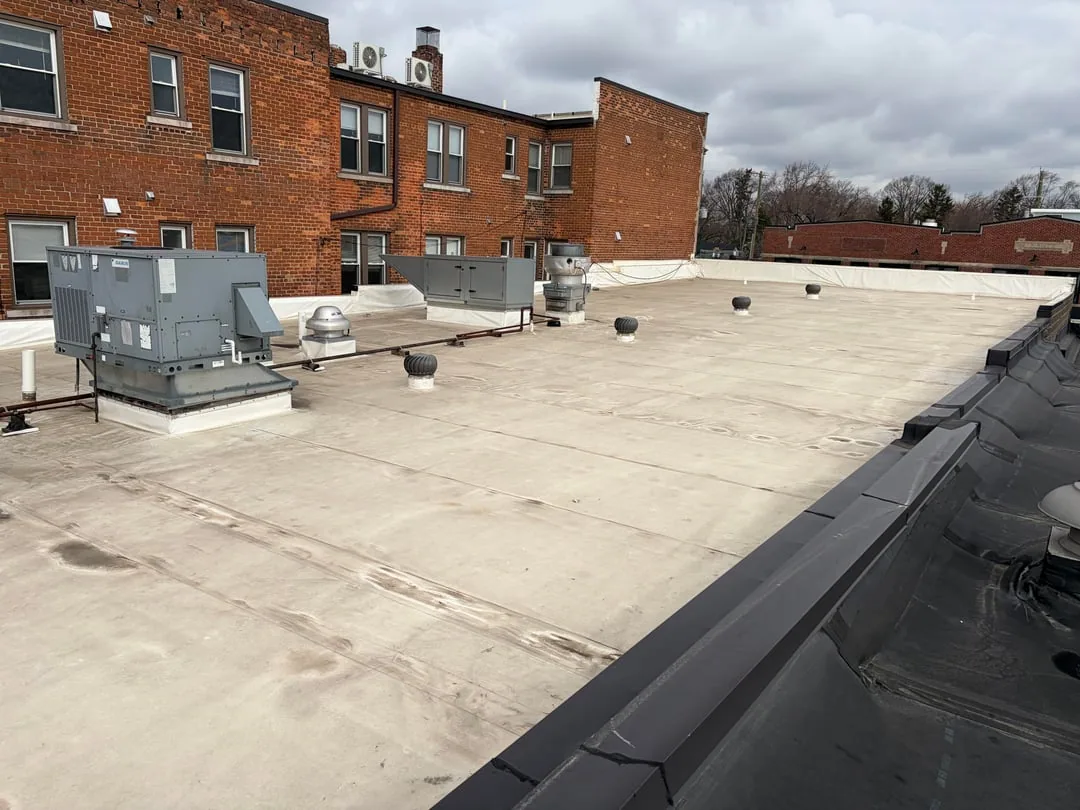
The facility contact identifies the affected building, roof access point, active instructional spaces, and any room requiring escort. We mark the leak location below and compare it with roof details above. At a first walk, we check membrane laps, flashing transitions, curbs, equipment supports, drains, and the roof edge. If a shop's ventilation or lab equipment affects scheduling, the campus team defines those constraints. We do not assume that a room use tells us what assembly sits over it.
With seven separate buildings, a campus map can help staff and crews discuss locations using the same names. A roof sketch should add the tested section, reported symptom, and nearby details so future visits can return to the same area. A roof inspection record includes photographs, field dimensions, and conditions that need repair or further testing. If the affected roof area cannot be viewed safely from the surface, drone imagery may document edges or elevations for the next decision.
Seven buildings mean roof age, assembly, access, and repair history can vary across the same education property. We identify the building and roof zone on each work order, then confirm the route that avoids active classes, shop activity, and deliveries. Labs and shops may require different protection below or limits on noise and airborne debris. A multi-building schedule can group mobilization where access permits, but findings stay separated by structure. Facilities staff receive quantities, photos, moisture boundaries, and open questions for each roof so a condition on one building is not carried to another.
The report identifies every structure by name and roof zone, so a finding at one building is not carried to another without inspection.
Instruction schedule: What controls the work window?
Shop instruction and laboratory use make schedule coordination important. The campus representative identifies class hours, equipment restrictions, access rules, and any areas that should remain clear. We set material staging, roof entry, and debris movement around those approved conditions. A repair that uses heat or requires deck access may need a different window from a sealed membrane patch. If work will expose the assembly, the plan includes temporary dry-in and a contact who can approve a change in scope.
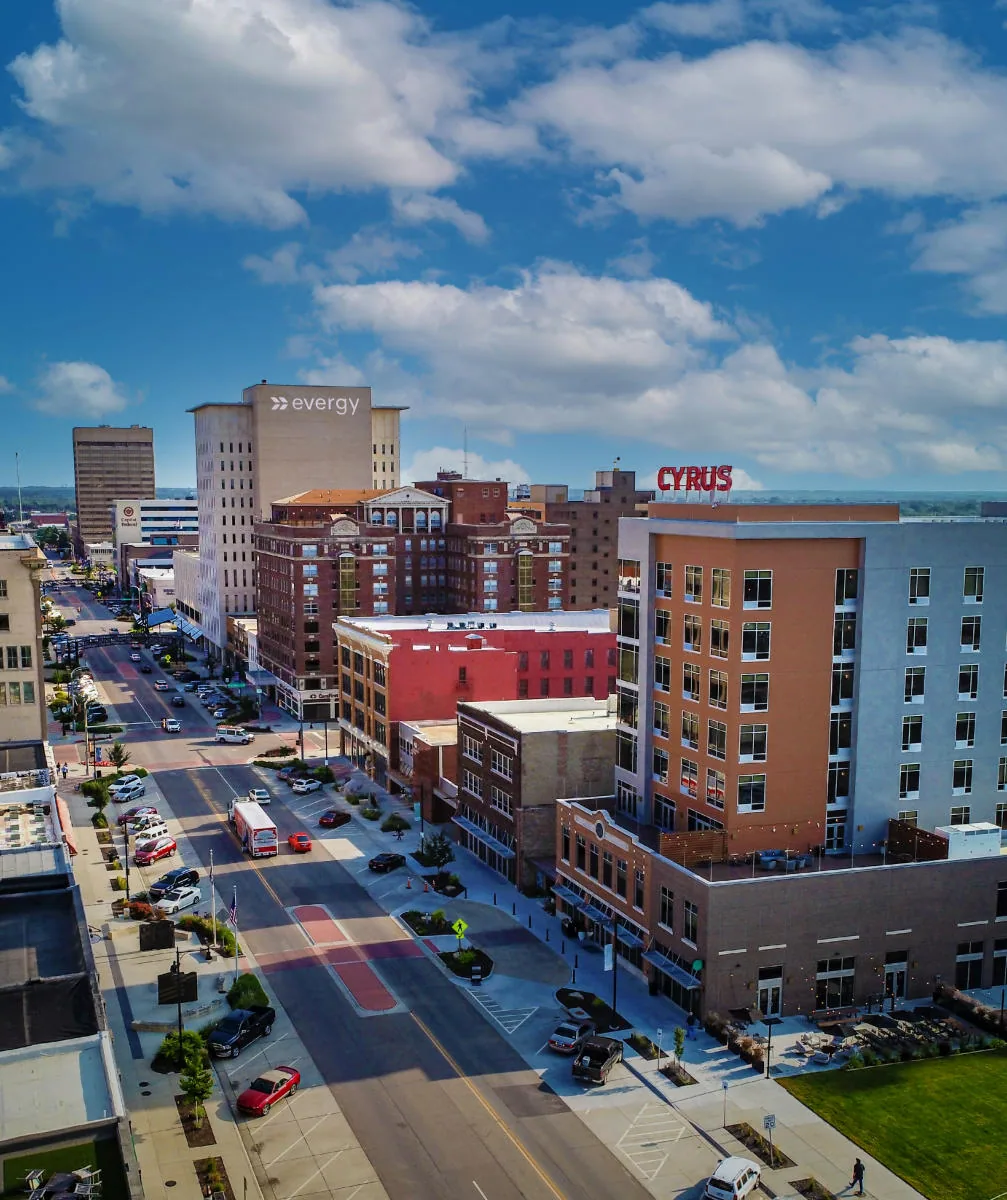
Washburn Tech operates three Topeka-area campuses: Main, East, and North. Their addresses and building functions differ, so a crew should not carry one campus access plan to another. Owners can use East Topeka and North Topeka West as separate facility references. A shared multi-building roof program can keep records consistent while assigning an independent contact and work window to each location.
Repair boundary: What changes the scope?
A localized repair may be enough when the membrane surrounding the defect is bonded and the substrate is dry. We prepare the surface, use material compatible with the existing roof, and tie the repair into stable material. If moisture testing finds wet insulation, the repair may need to extend farther than the visible stain. The proposal shows the measured area and explains any added removal. If the assembly remains concealed, we identify what would need to be opened before confirming its condition.
For a larger project, we assess drainage, insulation, deck attachment, rooftop penetrations, and roof layers. A recover depends on the condition and attachment of the existing system, not just the building's instructional use. We price urgent leak work separately from planned replacement, which lets facilities compare immediate protection with a capital project. A repair scope states the confirmed boundary. A later replacement review can address the full assembly if the evidence supports it.
Weather check: Which conditions call for follow-up?
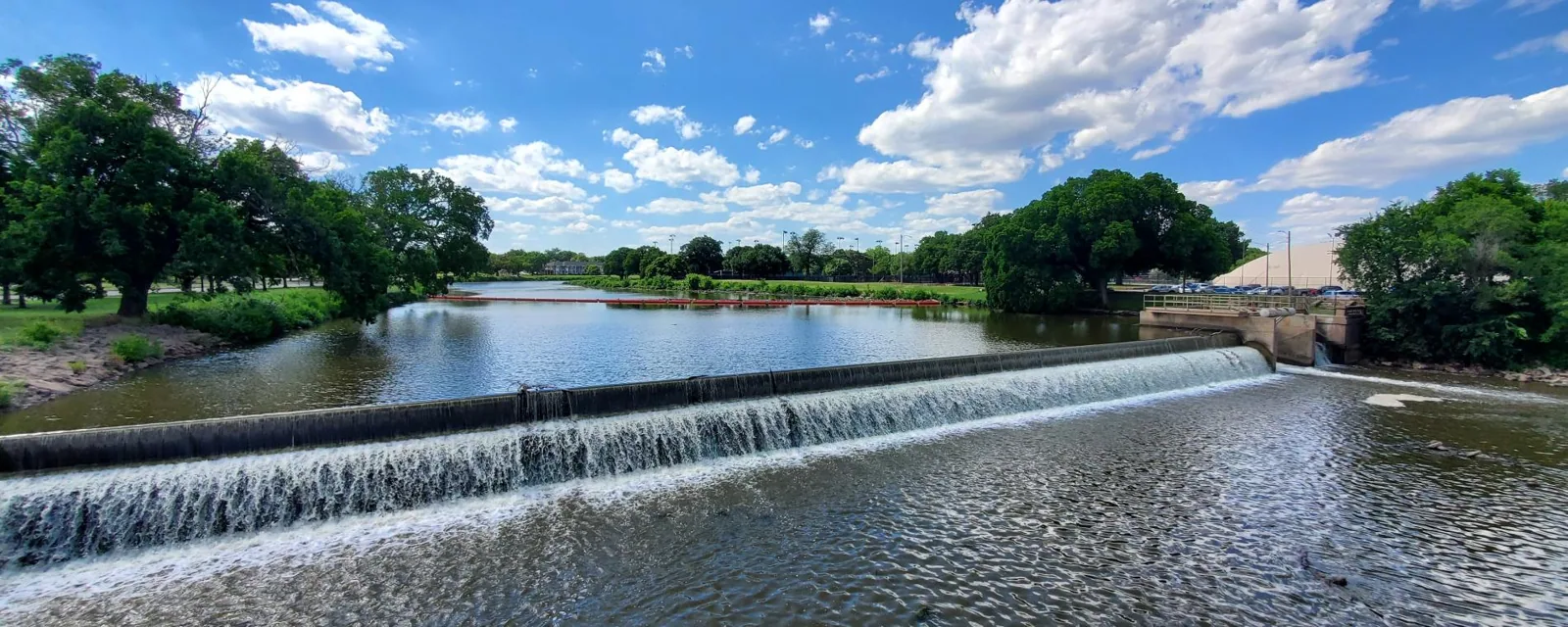
Northeast Kansas records include severe hail and wind events. Following a storm, we inspect edges, seams, flashings, equipment supports, and any accessible roof surface that may have been struck. We document functional damage separately from marks that do not show a breach. If an interior leak is reported, we connect it to the roof zone and keep temporary protection distinct from permanent repairs. A dated condition record helps campus staff compare the storm report with earlier maintenance findings.
Topeka's winter precipitation creates a seasonal check for drain bowls, scuppers, and low areas that retain water. We note whether an outlet is obstructed or whether water remains after it clears. That difference changes the next inspection and repair decision. Washburn University's 1966 tornado damage is a reminder of severe-weather exposure in Topeka; current roof needs come from each building's inspection. A maintenance visit can track recurring drainage or flashing issues by building.
Facilities file: What should be kept after the visit?
Keep the roof sketch, photographs, repair notes, access limitations, and testing results by building. The record should show what was completed, where the repair boundary stopped, and whether wet insulation was confirmed. If a room or roof area could not be entered, state that plainly and identify the approval needed for a return visit. These details help the facilities team prioritize work without treating all seven buildings as one roof.
When more than one location needs attention, a roof condition report can place urgent repairs, routine maintenance, and longer-range needs in separate columns. Washburn University and the Kansas State Capitol Complex are other significant Topeka institutional properties, each with its own access and records. For Main Campus, roof condition reporting supports a practical handoff. Nearby Washburn University roof inspection work should still be based on its own tested areas and operating schedule. Include any operating restrictions that affected the visit, such as a room that could not be entered or a roof hatch that required a separate escort. That history can prevent another incomplete inspection. Record the date and campus staff contact with every follow-up item. Track each building under a separate work order. A campus contact keeps that list current.
Commercial Roofing Questions
Does the seven-building count tell us how many roofs need work?
No. The campus fact identifies seven buildings, not their roof area, system, or condition. We inspect the assigned building and record the assembly details we can verify. That prevents one observation from being applied to a different structure.
How do shop and lab activities affect the repair schedule?
The campus contact identifies active classes, equipment restrictions, sensitive spaces, and acceptable hours. We use those constraints to plan access, staging, noise control, and protection below the roof. A scope that opens the deck needs a dry-in plan and a clear approval contact.
What does a moisture test establish?
It reports conditions within the tested section and method. We mark the area, record the result, and compare it with the leak path. If the affected insulation is outside the test boundary, we do not treat that portion as confirmed dry.
Can one maintenance report cover the Main, East, and North campuses?
A common report format can organize the portfolio, but findings need a separate building identifier, roof plan, access record, and repair list for each site. We keep location-specific work boundaries so campus staff can assign repairs correctly.
Related Roofing Work
Commercial Roof Inspection
East Topeka
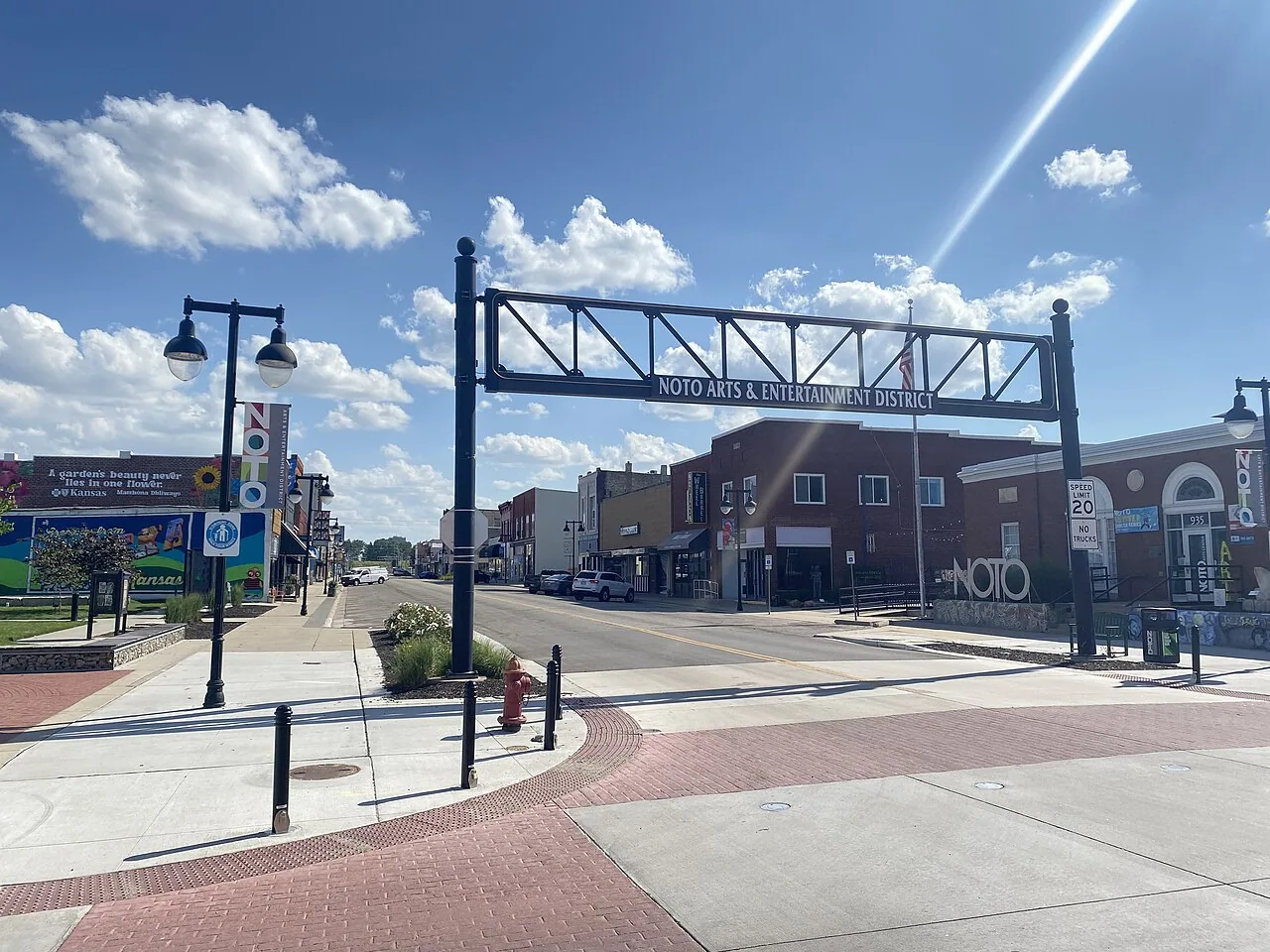
North Topeka West
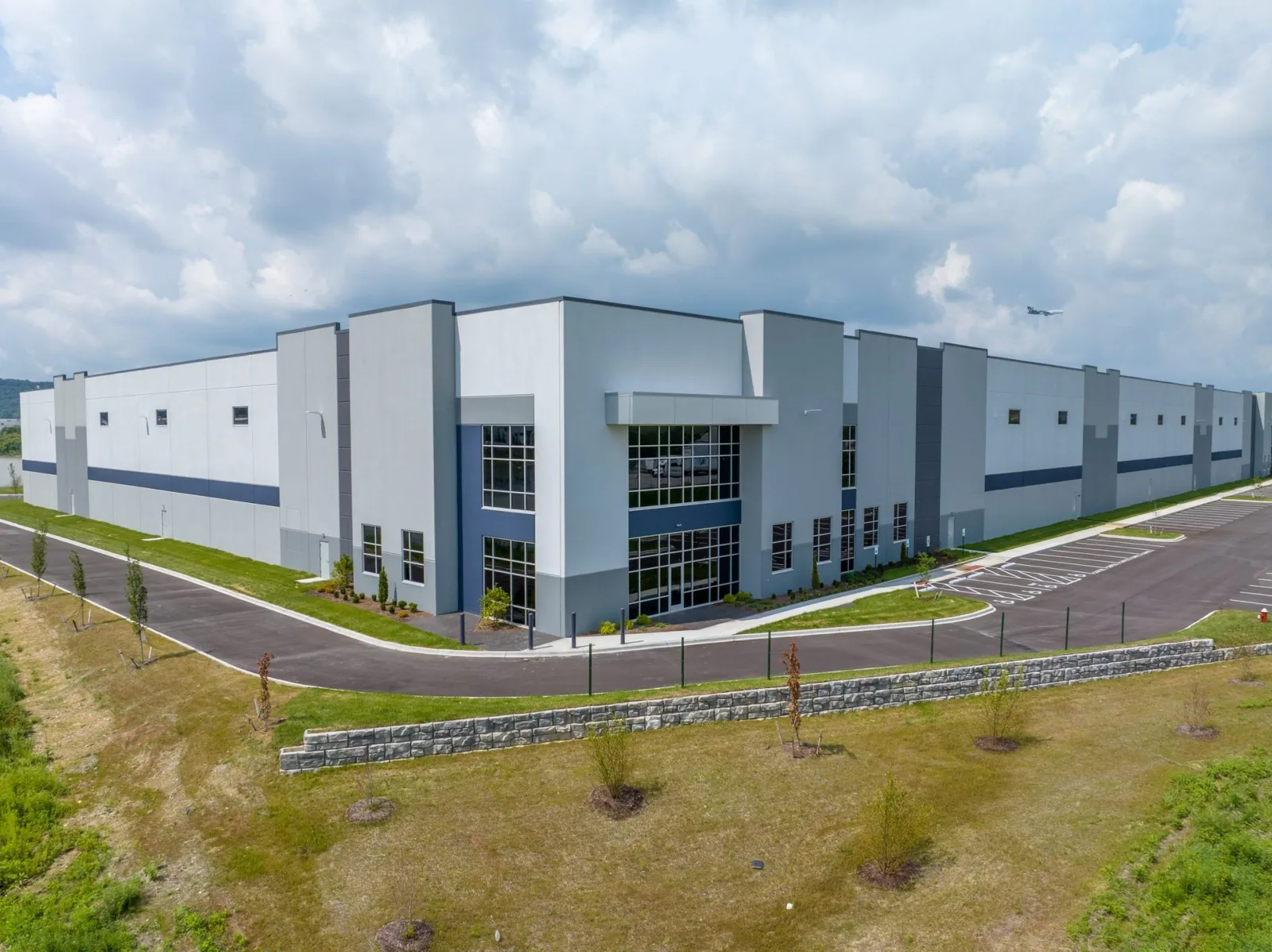
Multi-Site Commercial Roof Programs
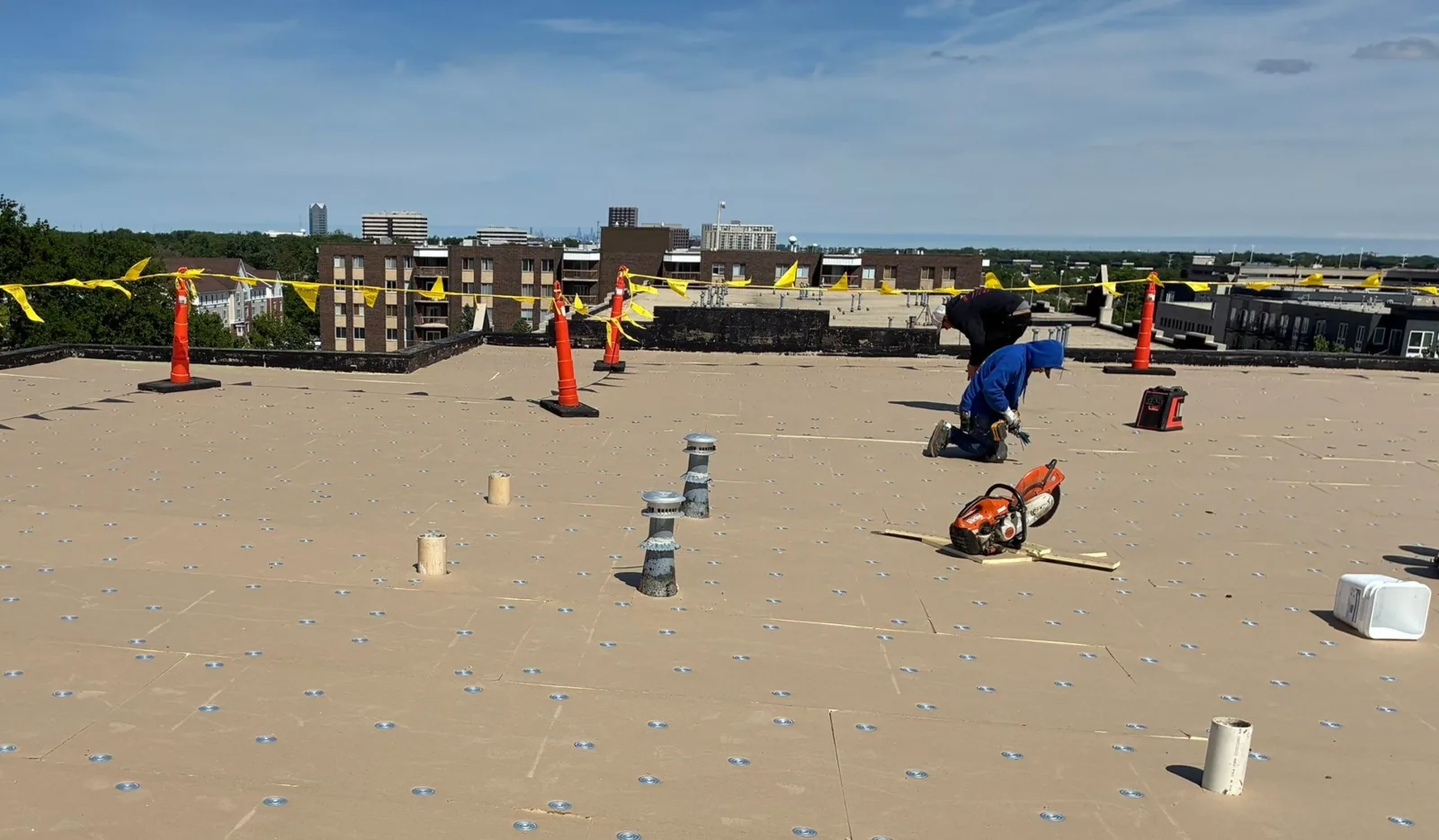
Commercial Roof Repair
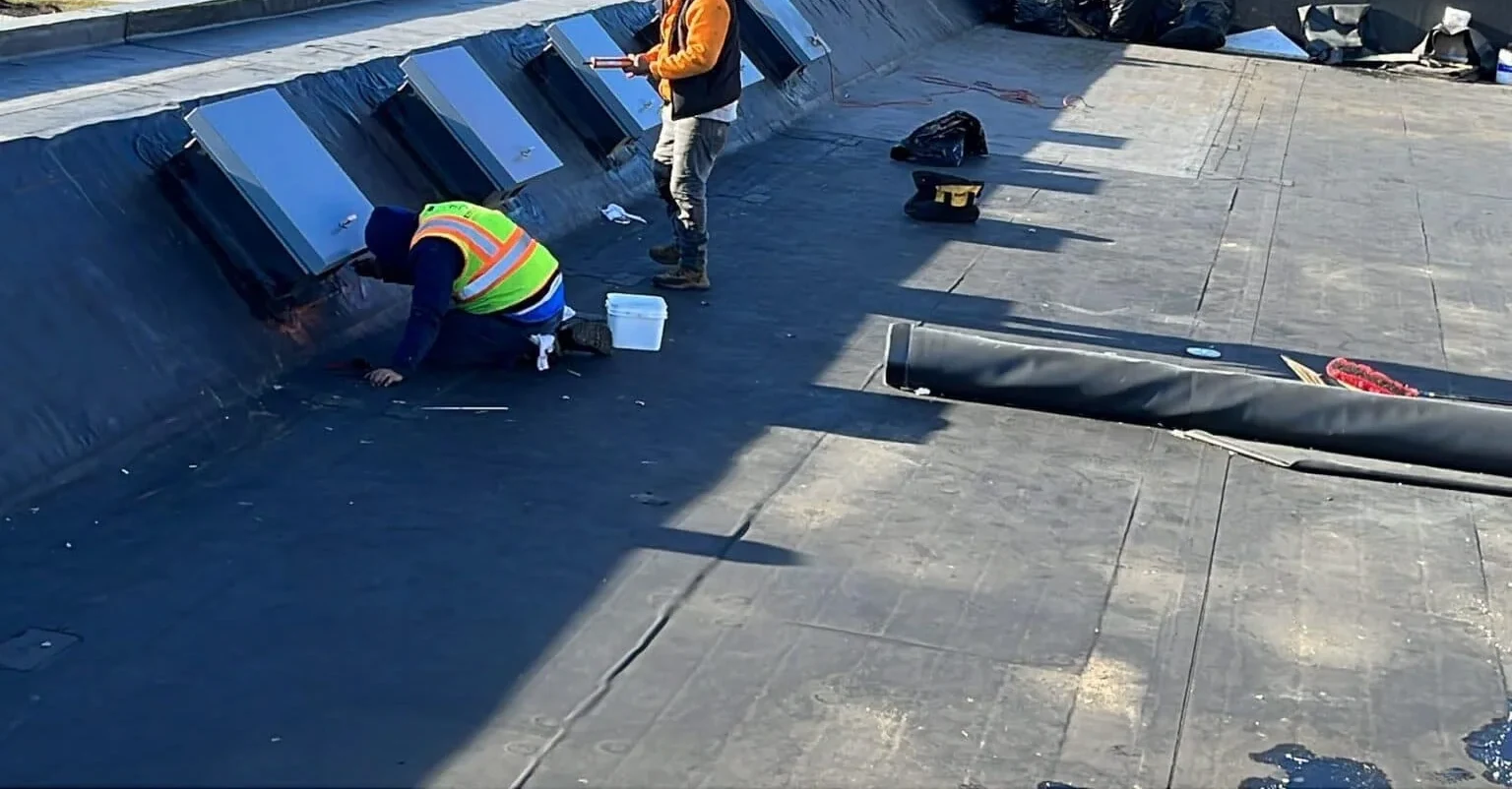
Commercial Roof Replacement
Arrange a Main Campus roof review
Service Area
Topeka, Auburn, Silver Lake, Carbondale, Rossville and Shawnee County, KS
Quick Contact
Email: [email protected]
Phone: 555-555-5555
Request a Roof Assessment
Send the building or roof location, current issue, campus access contact, and any maintenance records. We will confirm the approved work window and field checks before setting a repair boundary.