
Commercial Roofing for Retail and Restaurant Chains in Topeka, KS
Home / Industries We Serve / Retail and Restaurant Chains
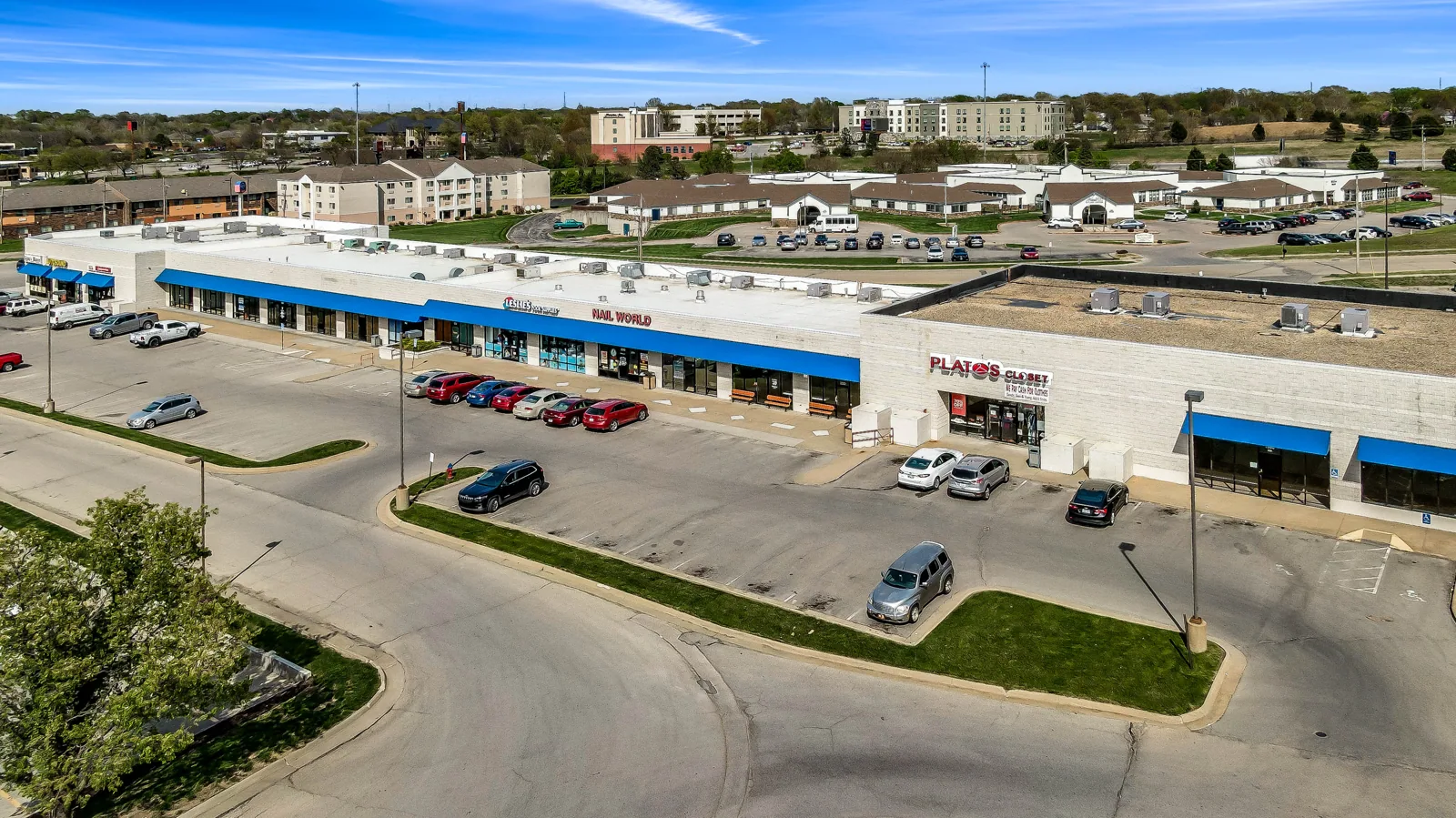
Water at a kitchen hood or front counter can interrupt a shift; the manager first needs the affected roof zone and a safe area boundary. We tie the report to a roof section, inspect the nearby flashing and drain, and define what needs testing. Chain operators need that location-level boundary before shifting stock, food preparation, or customer access. Topeka’s West Topeka Retail Area includes large-format retail and service uses, while West Ridge Mall has national retailers and local shops.
Locations: How are roof records kept separate?
Store numbers do not tell a roofing crew which membrane, curb, or drainage route sits above a site. We label each address, roof zone, prior patch, and access contact. A store inspection report gives the facilities team photographs and identifies areas that require moisture testing or a second visit.
West Ridge Mall sits within a larger west Topeka retail concentration. Wanamaker Crossing lists restaurant and service tenants, and Sherwood Crossing has five retail suites along the 29th and Wanamaker corridor. Those local properties have different layouts. Each chain location needs its own dock, customer entrance, tenant boundary, and work rules recorded before a schedule is issued.
A property manager handoff can coordinate common-area controls at a leased site. A hospitality portfolio record may track guest operations. For retail and restaurant chains, we keep the store’s own unit number, operating contact, and repair map with every closeout.
Corporate standards can make a portfolio easier to review, but each store still needs a separate asset ID, roof plan, inspection date, and owner for the next action. When two locations report leaks after one storm, keep their photographs and quantities separate until field inspections connect the conditions. The portfolio view can then show recurring details without transferring one site’s repair assumption to another. A common work order format helps compare urgency; it does not replace building-specific access, equipment, and tenant instructions.
Operations: What must remain open during roof work?
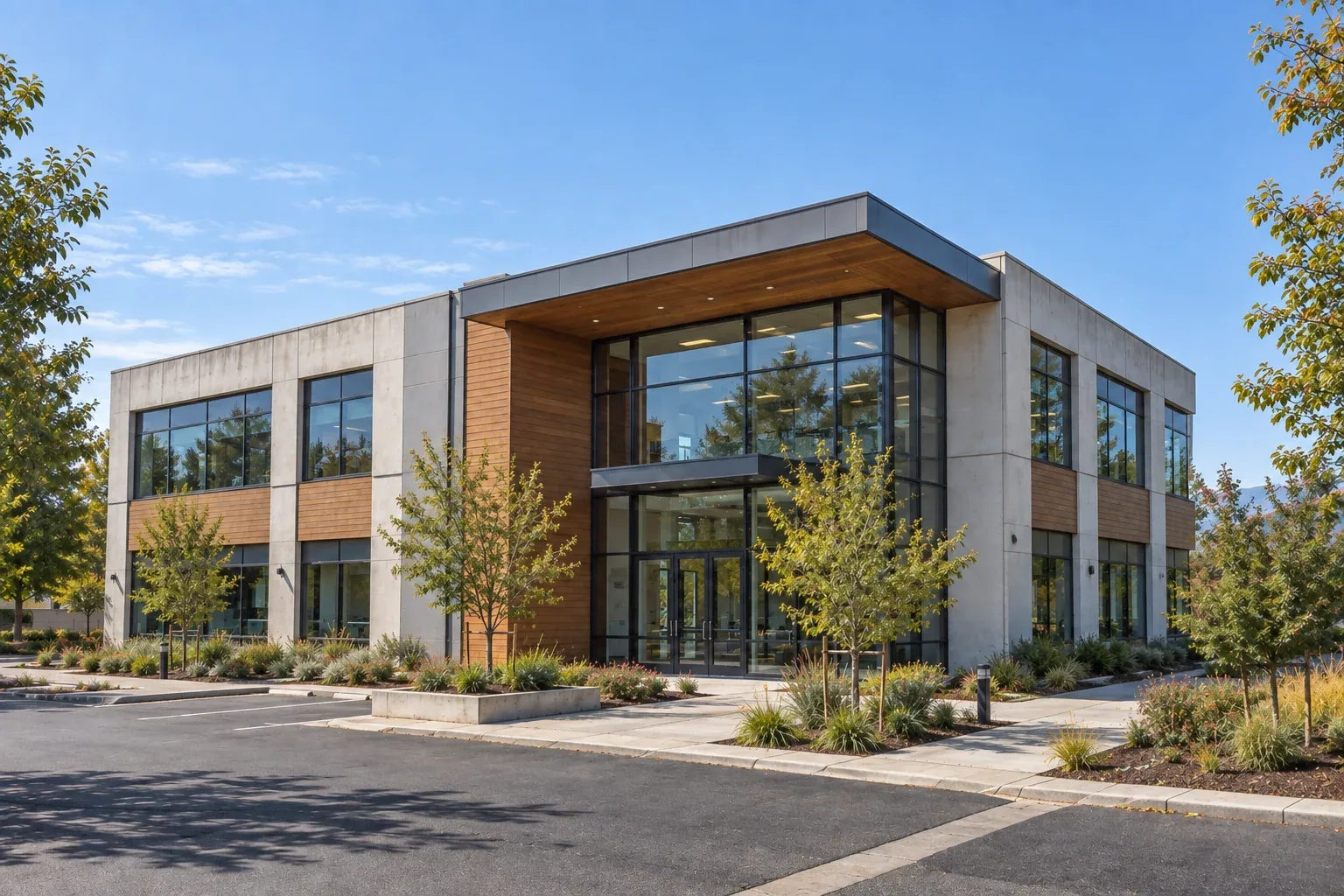
Retail work may affect customer entrances, pickup lanes, loading docks, or seasonal displays. Restaurant work may cross kitchen exhaust, delivery, sanitation, and dining schedules. The occupied-site phase plan identifies the roof area, daily tie-in, interior protection, and time each space can return to use.
Management supplies store hours, quiet periods, receiving windows, and the contact who can release a room or aisle. If food equipment, refrigeration, or point-of-sale systems sit under the roof section, we list protection and trade dependencies. A crew does not decide whether inventory or service can be relocated. Those choices are confirmed with the local operator before a lift or material drop is scheduled.
During a late shift, store management can identify the affected department and the person who can provide roof access. We document immediate protection and list any aisle, service counter, or prep space that remains closed. Permanent repair is priced separately after the roof detail and compatible material are confirmed. The response note identifies any space that remains restricted.
Survey: What does a location-specific roof check include?
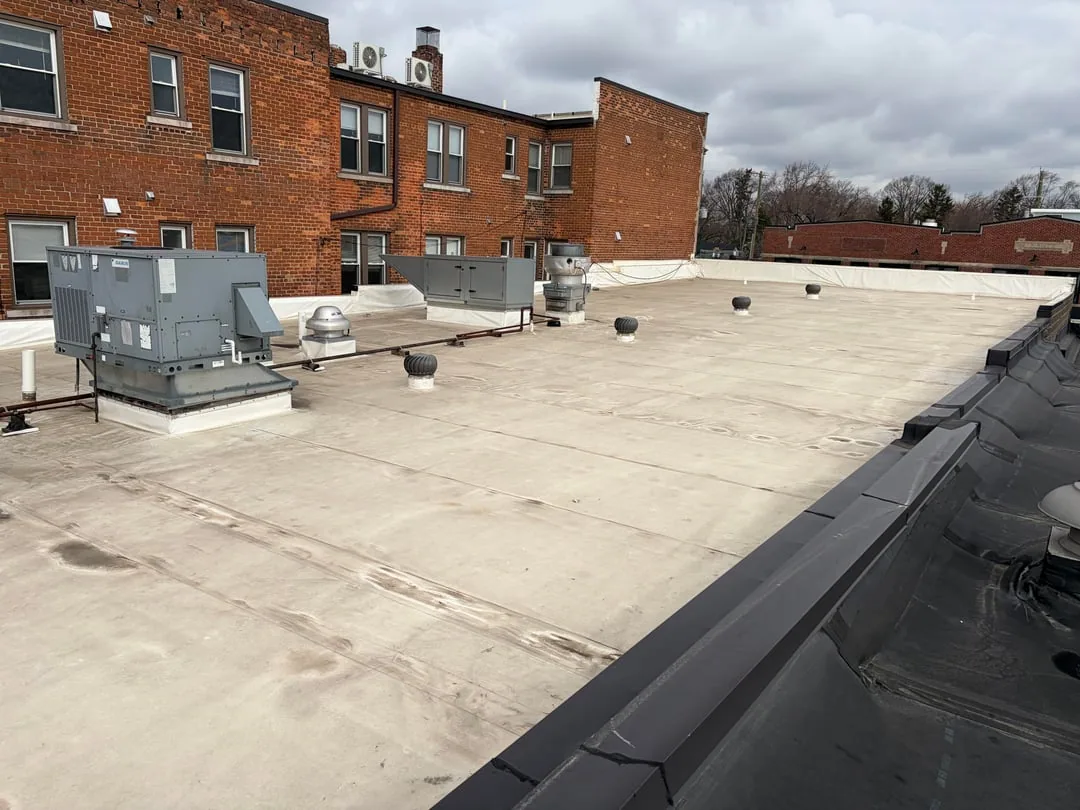
A ceiling mark may connect to a roof seam, drain, curb, hood exhaust, or wall transition. We inspect the likely path, photograph the detail, and measure any opening. An infrared moisture survey can focus testing if it changes the removal quantity; confirmed wet insulation is recorded separately from readings.
At a restaurant, grease exhaust and rooftop equipment require coordination with service records. At retail locations, skylights, signage, and rooftop units may create different conditions. We identify the installed assembly and inspect details at that address. Similar brand signage does not establish identical roof construction across stores.
Central Crossing Commerce Park has food manufacturers and distribution users, including Frito-Lay and Bimbo Bakeries. It is a local example of food and delivery operations, not a proxy for a restaurant roof. For each chain location, the interior report, roof map, and test result determine the repair area.
Weather: When should stores request a follow-up?
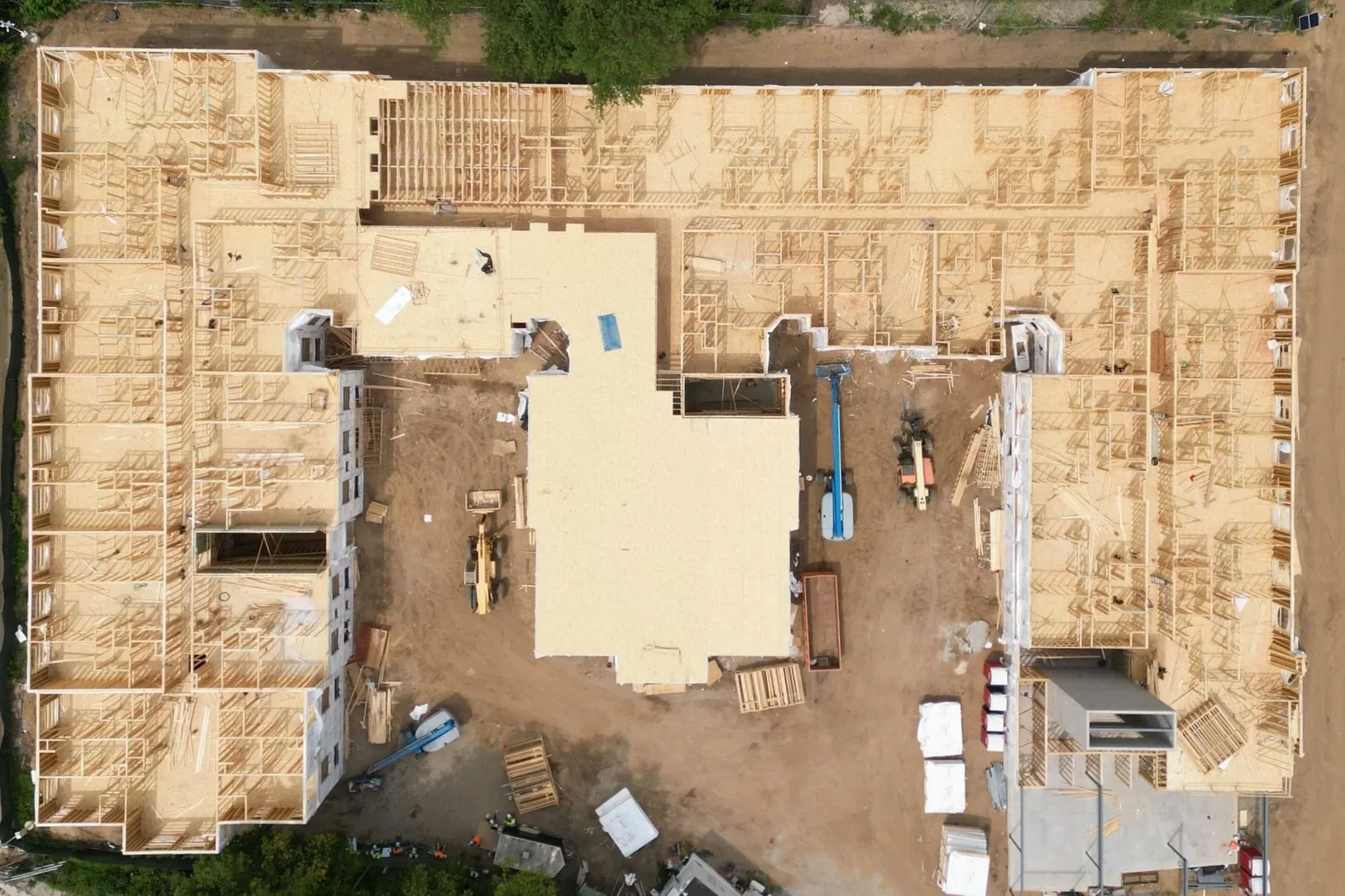
Topeka averages about 36.5 inches of precipitation annually, including summer storms and winter precipitation. We check drains, low areas, edge metal, and penetrations before wet weather. After thaw, a visit can establish whether the outlet cleared and whether the low area remains wet. Any roof section blocked by ice stays listed for later inspection.
The NWS archive documents severe hail and wind in northeast Kansas. After an event reported at a location, we inspect seams, coping, skylights, equipment flashings, and exposed fasteners. The property report records current impact or movement with photos. Weather history provides a visit date, while the address inspection determines any repair scope.
If several stores report similar issues after the same storm, we still document each site individually. A chain can use a shared inspection form, but the roofs may differ in system, age, repair history, and drainage. We flag repeat patterns only after the inspection notes support them.
Scope: How are repair and replacement budgets separated?
A focused seam, curb, or flashing repair may be enough when nearby insulation and deck remain sound. The repair scope states preparation, material, measured dimensions, and interior safeguards. If an opening reveals more wet material, we stop at the agreed limit, document the new area, and request approval before expanding the work.
Repeated leaks across locations, broad moisture, or failing roof transitions can support a larger capital study. A replacement comparison lists repair, recover, and tear-off with access, inventory protection, and operating-hour assumptions. This lets corporate facilities compare locations without turning a single store’s condition into a portfolio-wide conclusion.
Topeka’s Wanamaker Crossing includes food tenants such as Starbucks, Buffalo Wild Wings, and Jason’s Deli. That provides local context for restaurant operations. A chain site’s own hours, menu equipment, and tenant agreements still set the allowed work sequence and closure notices.
Record: What should corporate facilities receive?
Keep the address, store number, roof plan, leak date, test location, photos, materials, repair dimensions, and work approval together. Add closure time, customer-route changes, and the staff member who accepted the area after cleanup. Mark portions not inspected due to weather or access.
If a later call arrives, compare the room, roof zone, weather date, and equipment service with the previous repair. A similar stain at another location may have another cause. The site record gives a regional facilities lead an exact basis for the next visit.
Send the Topeka store list, addresses, store contacts, operating hours, and prior repair files. We will identify urgent conditions, tested boundaries, and work windows by location.
Commercial Roofing Questions
Can chain facilities use one roof repair standard across stores?
The reporting format can be consistent, but each address needs its own roof system, test area, access limits, and repair quantity. We keep those field facts separate.
What should a store manager send with a leak call?
Provide the address or store number, room, time, active water condition, and any nearby equipment service. Those details help us target the inspection and protect the right area.
Can restaurant work be scheduled after closing?
We can plan a released roof zone for after-hours work when access and daily tie-ins are confirmed. The manager identifies kitchen, cleaning, and delivery constraints.
How do you handle a leak affecting food or merchandise?
The location contact determines what must move or close. We coordinate immediate protection and record the temporary response before pricing permanent roof work.
When should a chain compare replacement at a location?
Recurring leaks in separate zones, moisture confirmed across openings, or repeated detail failure can support a comparison. Each option lists its store-specific access assumptions.
Related Roofing Work
West Topeka Retail Area
Commercial Roof Inspection
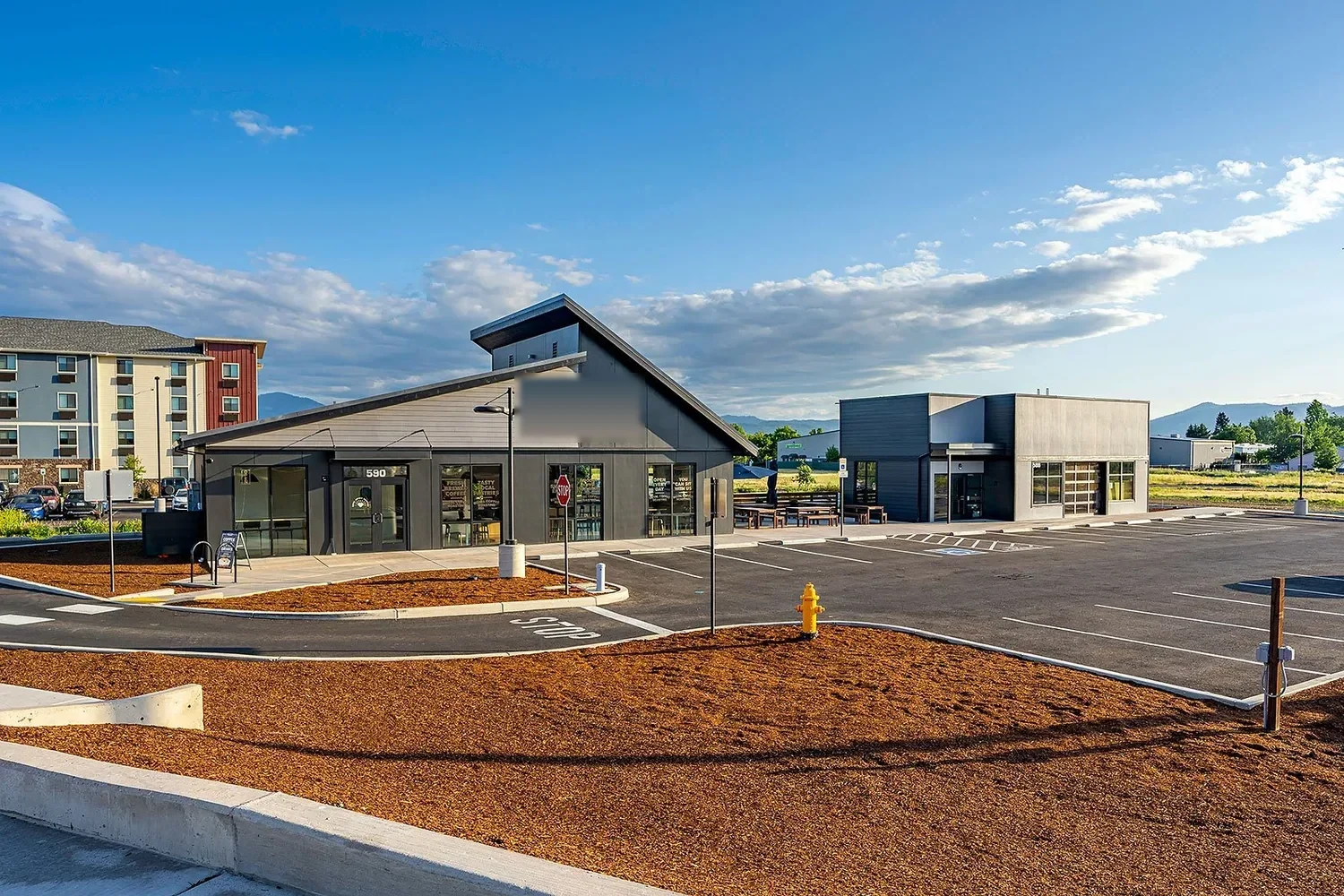
Property Managers
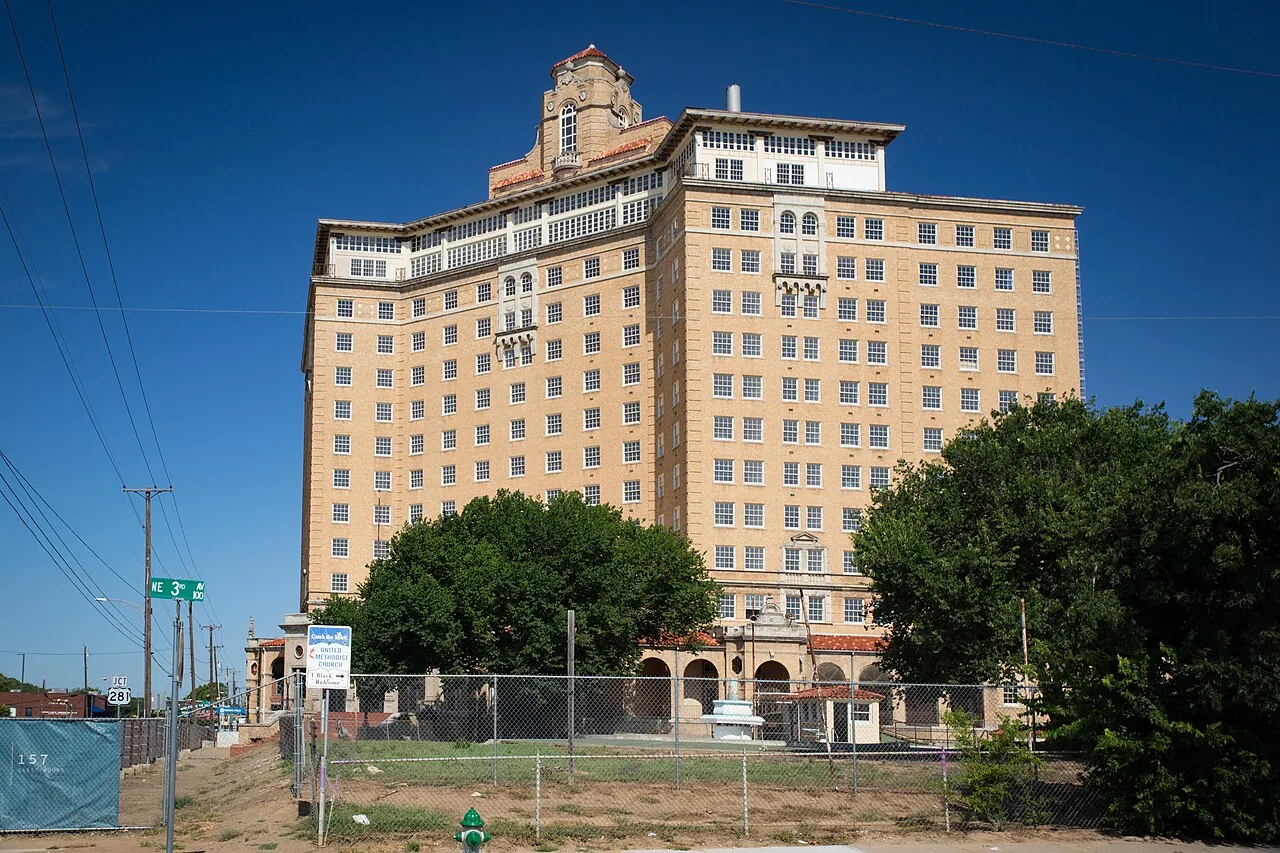
Hospitality Groups
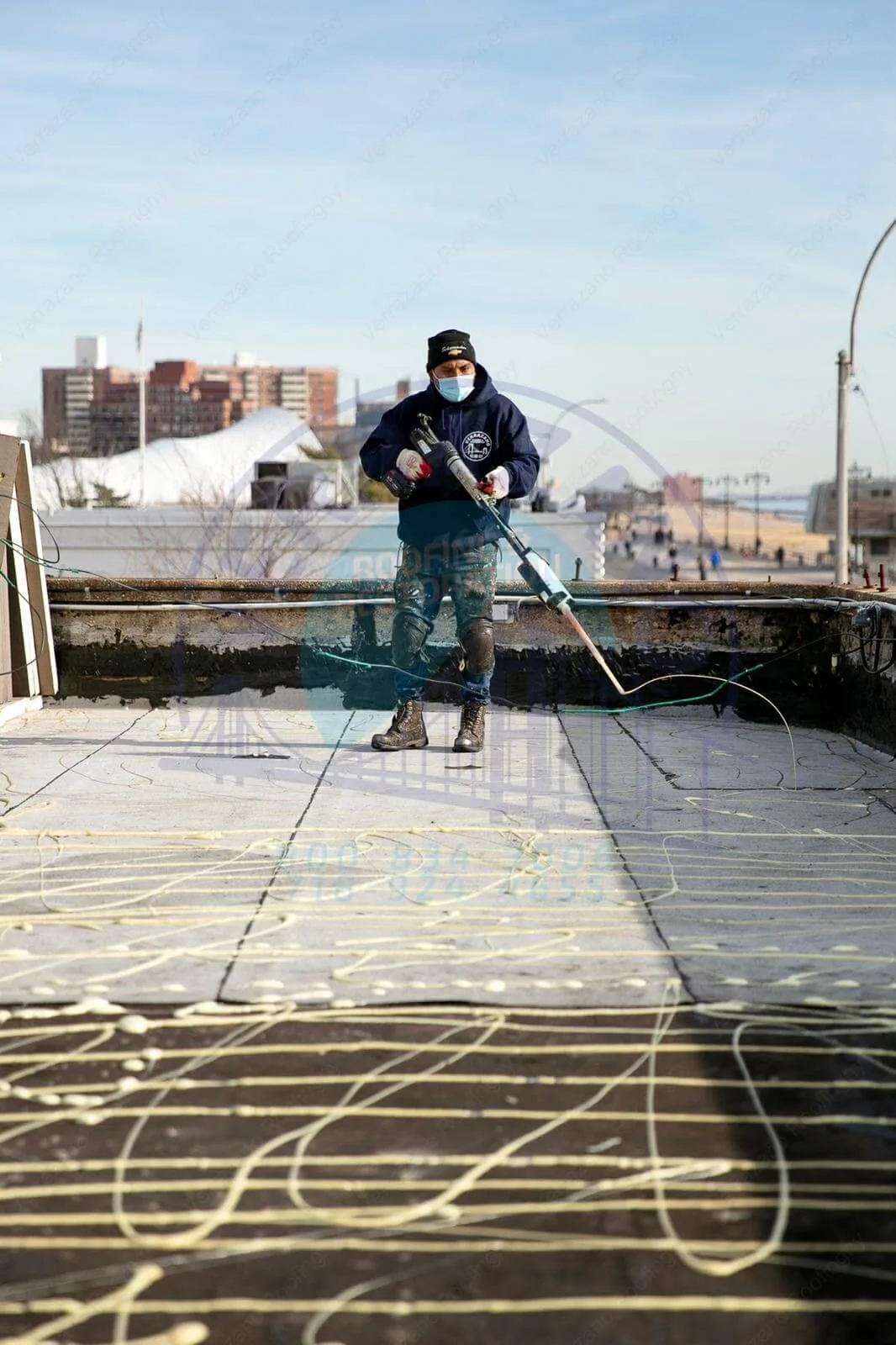
Occupied Commercial Building Reroofing
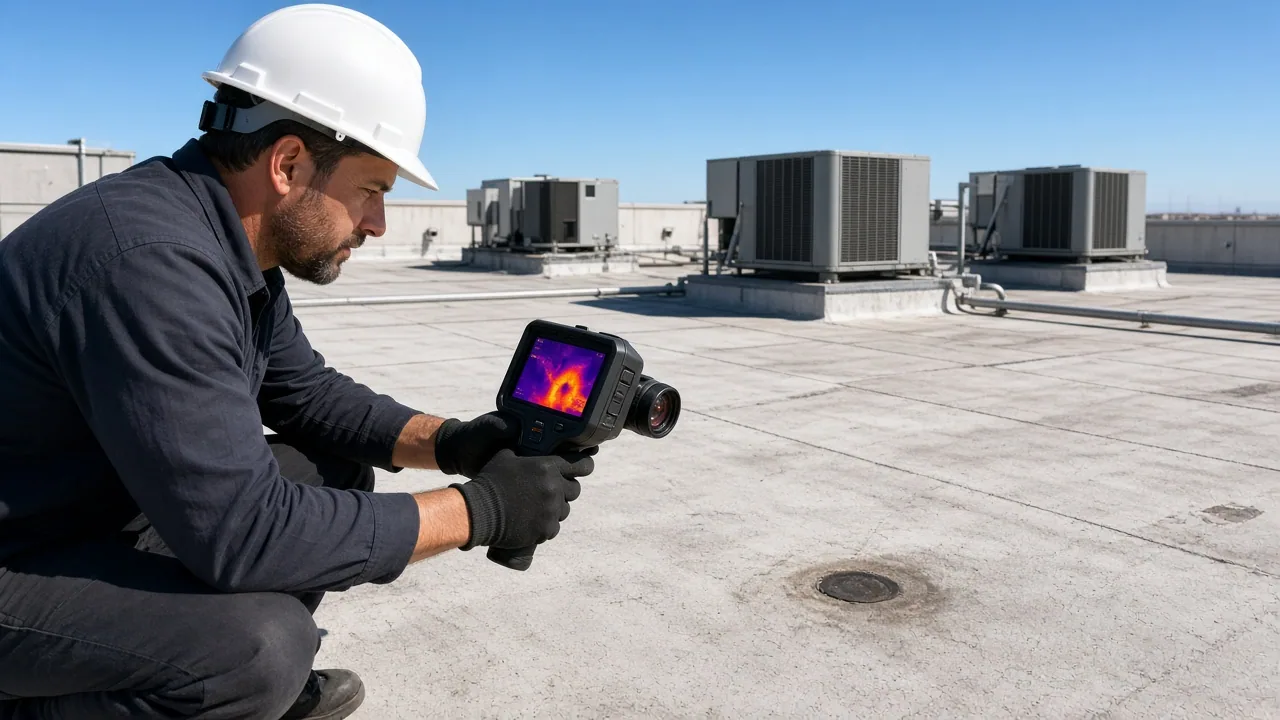
Commercial Roof Infrared Moisture Survey
Coordinate a Topeka store roof visit
Service Area
Topeka, Auburn, Silver Lake, Carbondale, Rossville and Shawnee County, KS
Quick Contact
Email: [email protected]
Phone: 555-555-5555
Request a Roof Assessment
Send store addresses, location contacts, operating hours, leak reports, and roof plans. We will map findings and work windows site by site.