
Commercial Roof Drains and Scuppers in Topeka, KS
Home / Commercial Roofing Services / Commercial Roof Drains and Scuppers
Water left in a roof low area after the outlet clears points to more than a clogged strainer. We inspect the drain bowl, leader, nearby seams, slope, and insulation before choosing a correction. Topeka averages about 36.5 inches of precipitation each year, and winter moisture can refreeze where flow slows. At Central Crossing Commerce Park, rail and truck activity can shape safe staging; West Topeka Retail Area sites may schedule around deliveries and customer access. The outlet and surrounding assembly set the roof work.
Trace: Where does water stop moving?
We clear and inspect the bowl, strainer, clamping ring, leader, and accessible discharge path, then check how water approaches the outlet. Debris can block flow, but a failed connection or low slope needs a different repair. We record the location of ponding after drainage is restored and compare it with tapered insulation, crickets, seams, and roof transitions. A roof inspection can map the drainage pattern and identify adjacent details that need testing.
Scuppers need a clear opening and a sound connection through the parapet. We inspect the liner, membrane termination, metal, and visible evidence of backup or overflow. Interior staining below an outlet can follow a wall cavity before appearing, so the roof detail and room location are recorded separately. The River South District includes industrial, repurposed, and new-development properties. We confirm roof entry and the building contact before opening a detail.
A drain that is slow after debris is removed still needs a roof-side review. We check the strainer, bowl, clamping ring, sump, leader connection, overflow route, and membrane transition, then compare those details with the low area that holds water. If water reaches the bowl but cannot leave the building, the plumbing path may need separate attention. If the bowl clears while water remains around it, slope or a depressed assembly may affect the drainage plan. We map the observed condition and separate cleaning, drain repair, flashing work, and insulation changes so the scope addresses the obstruction or failure actually found.
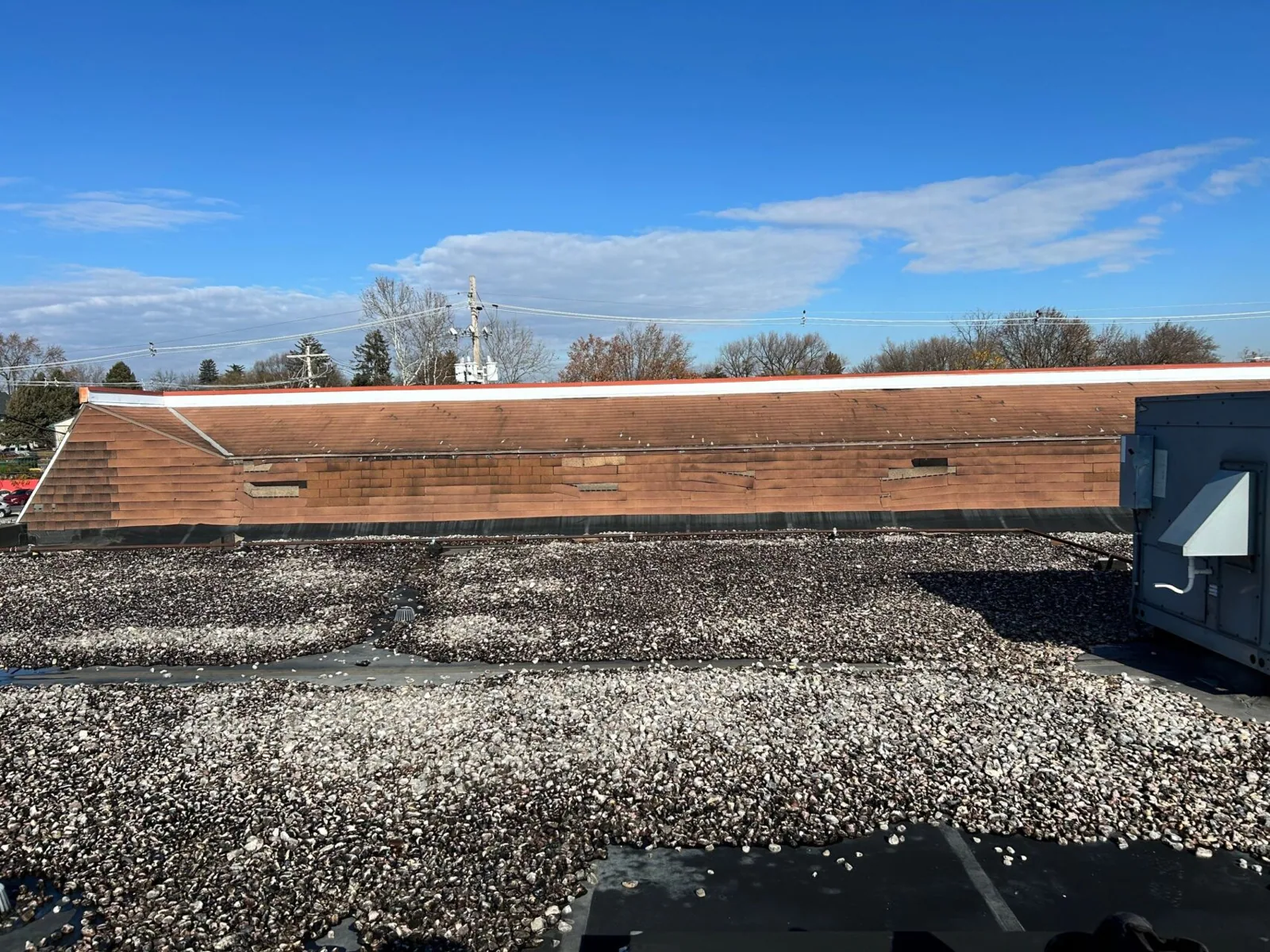
Winter: What changes when water can freeze?
Topeka climate records include measurable snowfall and winter precipitation. Water held at a drain, scupper, or seam can freeze and restrict the next flow path. We check whether leaves, sediment, or a low spot could delay drainage, then identify when safe access allows the outlet to be examined. Ice can make a roof walk unsafe, so the report states what could be seen from an accessible position and what requires a return visit after conditions improve. Seasonal maintenance can remove material that blocks an opening, but it cannot correct a low slope. We keep those findings separate so the owner can choose the right scope.
We also check the overflow path where one is present and inspect nearby membrane for damage associated with backed-up water. An overflow opening is not a substitute for a functioning primary drain. The ponding-water review can separate a blocked outlet from a slope or assembly condition. At a public property near the state capitol complex, the authorized contact confirms whether maintenance staff need to attend the inspection.
Repair: Which drainage correction fits the finding?
A loose strainer, damaged bowl, separated flashing, or failed leader connection each calls for a specific scope. We measure the affected area, confirm the existing membrane, and set the repair boundary around sound material. If the bowl or drain body needs replacement, we state what must be opened and how the roof will be protected during work. A defined repair lists preparation, compatible materials, connection details, and the check performed before closeout. We identify whether the outlet can be isolated during the work and how temporary drainage will be maintained while the connection is open. That sequence helps prevent a small repair from leaving the roof without a clear discharge path.
Where slope is inadequate, a cricket or tapered insulation may redirect water, but only after confirming deck condition, drainage destination, and height at the perimeter. Adding material around an outlet without checking transitions can create a new low point. We record field dimensions and explain how a proposed change affects edge height, curbs, and adjacent roof zones. If testing reveals wet insulation, the owner sees that removal and replacement quantity separately from drain work. The proposal labels each discharge point and states which existing condition will be rechecked after completion.
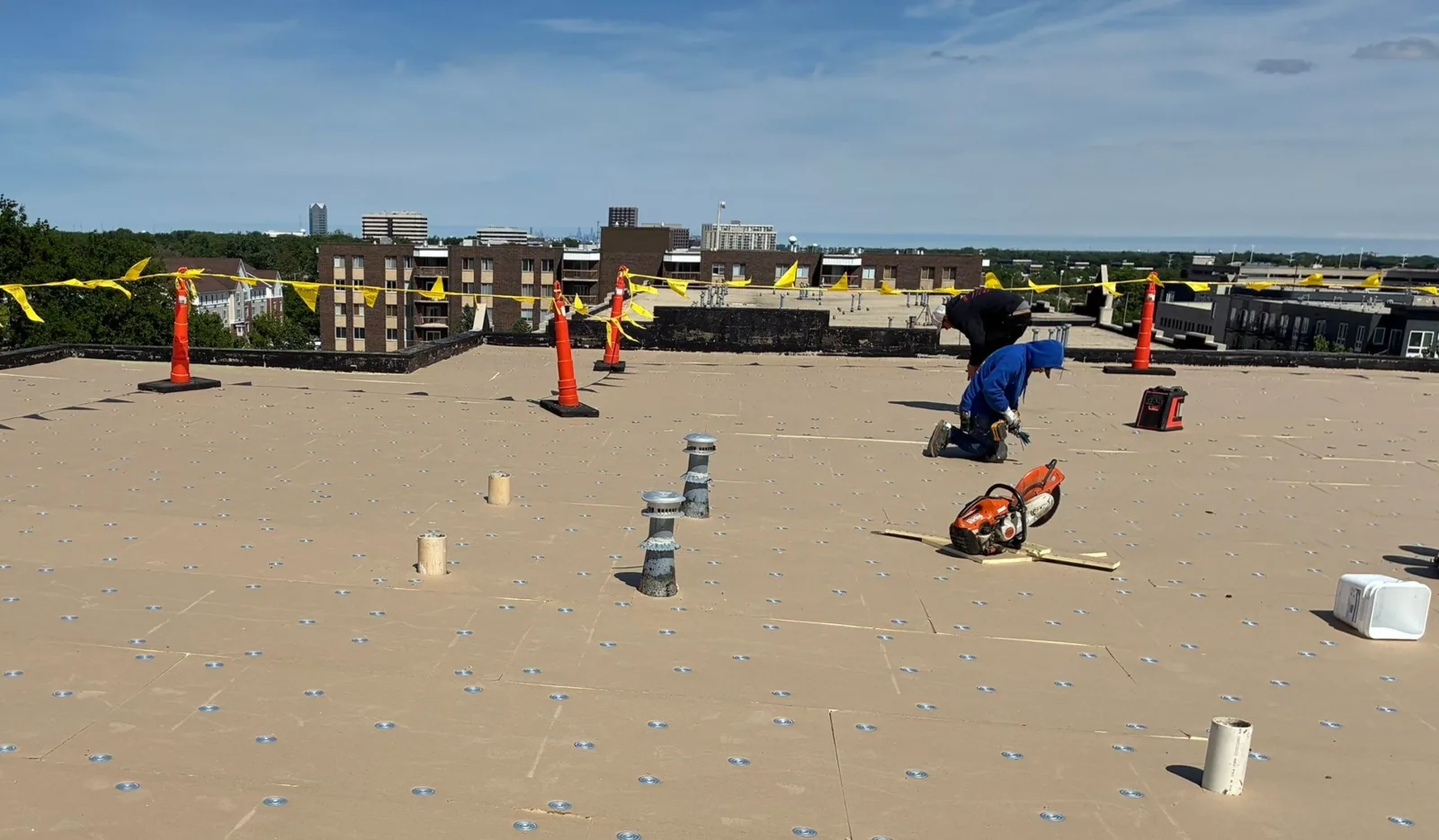
Schedule: How do we keep drainage work safe?
We plan around forecast, surface conditions, roof access, occupied space, and the time needed to leave the assembly weather-tight. Summer thunderstorms can interrupt a drain repair after preparation, while winter precipitation may delay a safe inspection. Before work begins, the plan identifies a secure stopping point, temporary protection, and who checks the area if the crew must leave. A maintenance visit can later verify that the outlet remains clear and the repaired transition stays sound.
At loading or industrial properties, staging and vehicle routes matter. The facility contact confirms whether a lift can be placed, deliveries will continue, or a safety escort is required. We protect the area below the drain and notify staff if interior access is needed. A Harlan Industrial Park address does not define a tenant’s operating rules; each building contact supplies the actual work window and access restrictions.
Verify: What should the closeout show?
We photograph the outlet before and after work, label the roof zone, record the component repaired, and note any area left for monitoring. If a water test was performed, the report states the method and what it confirmed. If weather or access prevented verification, that limitation remains visible. A condition report preserves the drainage map, measurements, and next action with the building’s roof records.
For recurring ponding, compare the new observation with earlier photos taken after the outlet was cleared. That helps separate persistent low slope from a maintenance blockage. If a leak continues, we trace the interior water path before expanding the drain repair. The final scope distinguishes outlet correction, membrane repair, and any insulation or tapered-system work, allowing the owner to approve each boundary from measured conditions.
Commercial Roofing Questions
Why does water remain after a drain is cleaned?
The outlet may be clear while slope, tapered insulation, or a low roof area still slows flow. We check conditions after debris is removed and compare the ponding location with the surrounding membrane and drainage path.
Can a scupper serve as the only drainage outlet?
We inspect the actual drainage layout, opening, liner, and overflow conditions before describing its role. The scope records the outlet observed and any drainage detail that needs confirmation by the property team. The owner receives the measured limits and any follow-up needed.
Should a blocked roof drain be checked during winter?
Safe access determines timing. We note visible blockage or ice from a safe position, then return when conditions allow an inspection of the bowl, connection, and nearby roof details.
How is a cricket different from drain repair?
A drain repair corrects the outlet or its connection. A cricket or tapered assembly changes how water reaches the outlet, so we measure slope and transitions before proposing that work.
What information is useful before a drainage visit?
Send the building address, roof plan if available, photos of ponding, the time elapsed after rain, interior reports, and access contact. Those details help us identify the roof area and safe work window. Note whether the water recedes after debris is cleared or remains at the same point through separate weather events.
Related Roofing Work
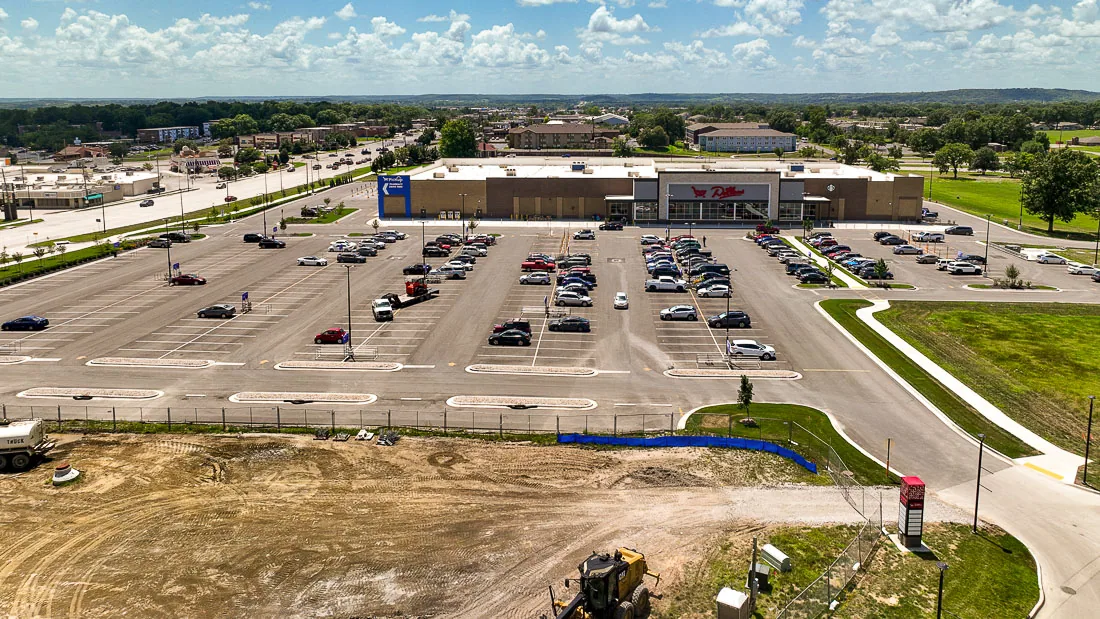
Central Crossing Commerce Park
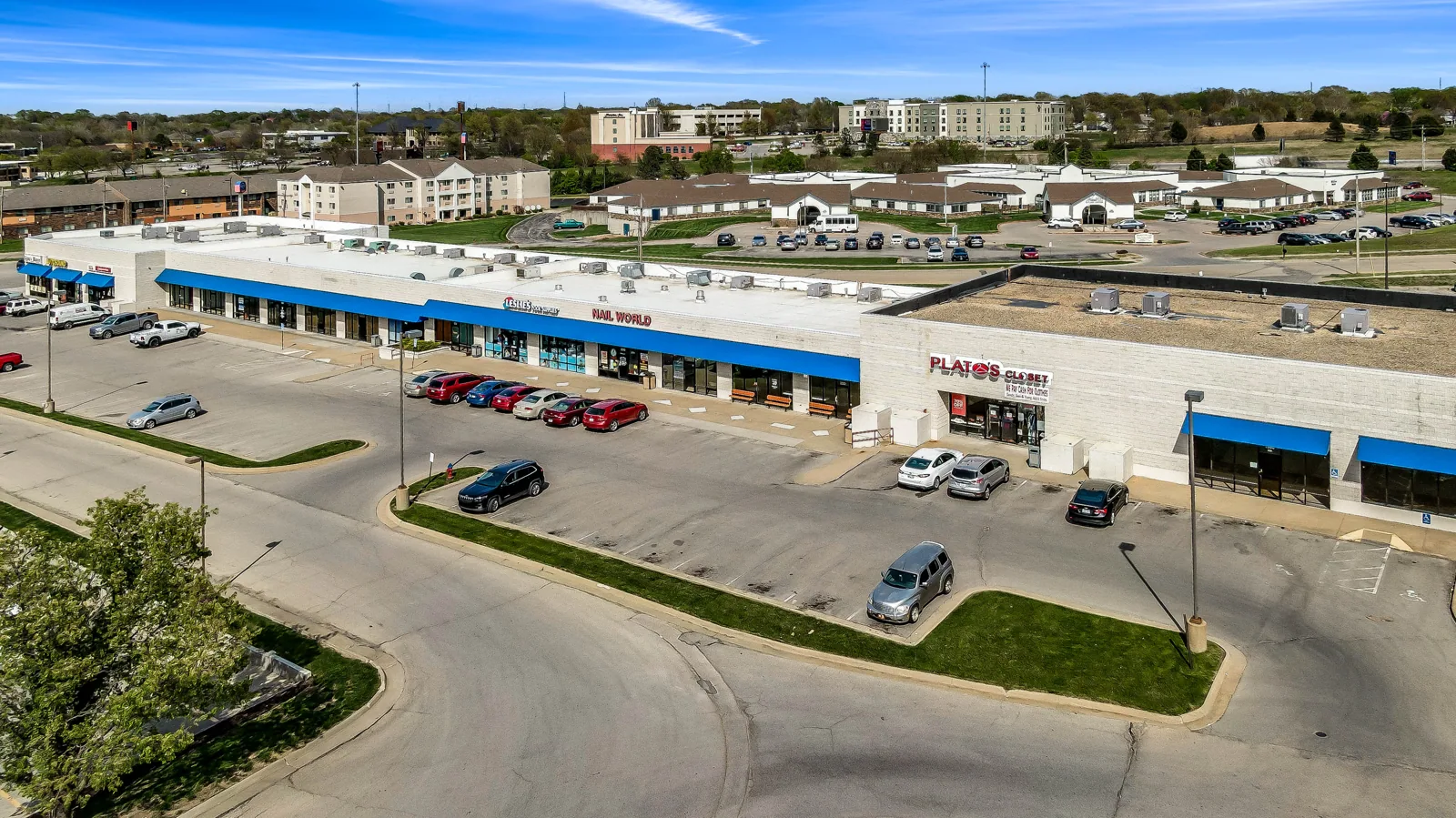
West Topeka Retail Area
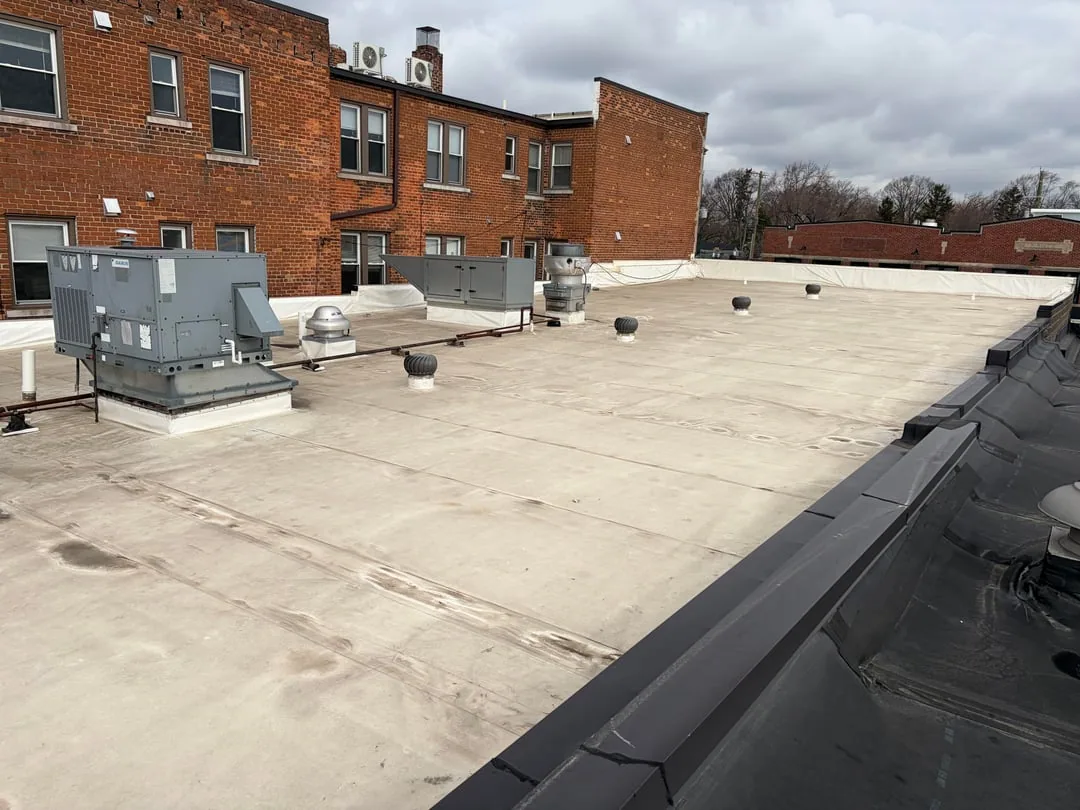
Commercial Roof Inspection
River South District
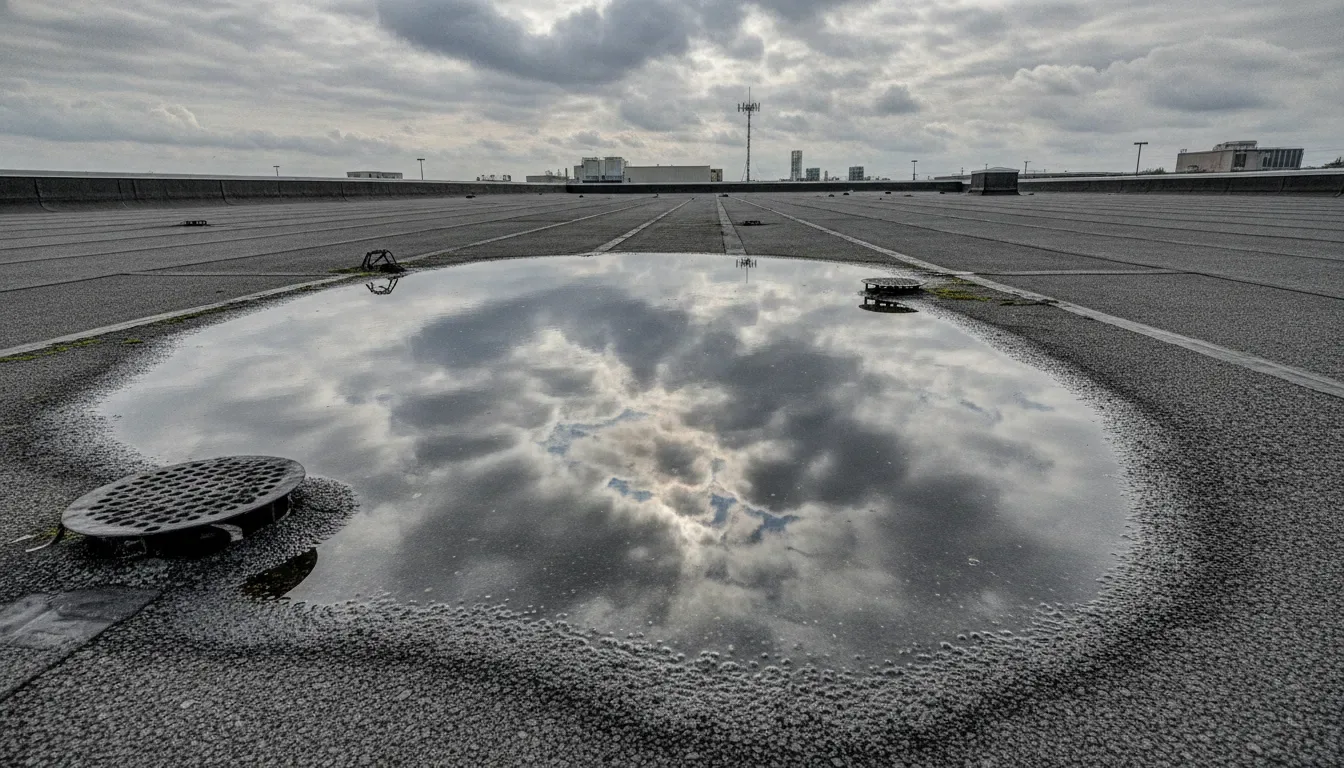
Commercial Ponding Water Roof Repair
Commercial Roof Repair
Trace the drainage path
Service Area
Topeka, Auburn, Silver Lake, Carbondale, Rossville and Shawnee County, KS
Quick Contact
Email: [email protected]
Phone: 555-555-5555
Request a Roof Assessment
Provide the Topeka address, roof plan if available, ponding location, recent interior reports, and access contact. We will inspect the outlet and surrounding assembly, then define the correction by roof zone.