
Storm Damage Roof Repair in Topeka, KS
Home / Commercial Roofing Services / Storm Damage Roof Repair
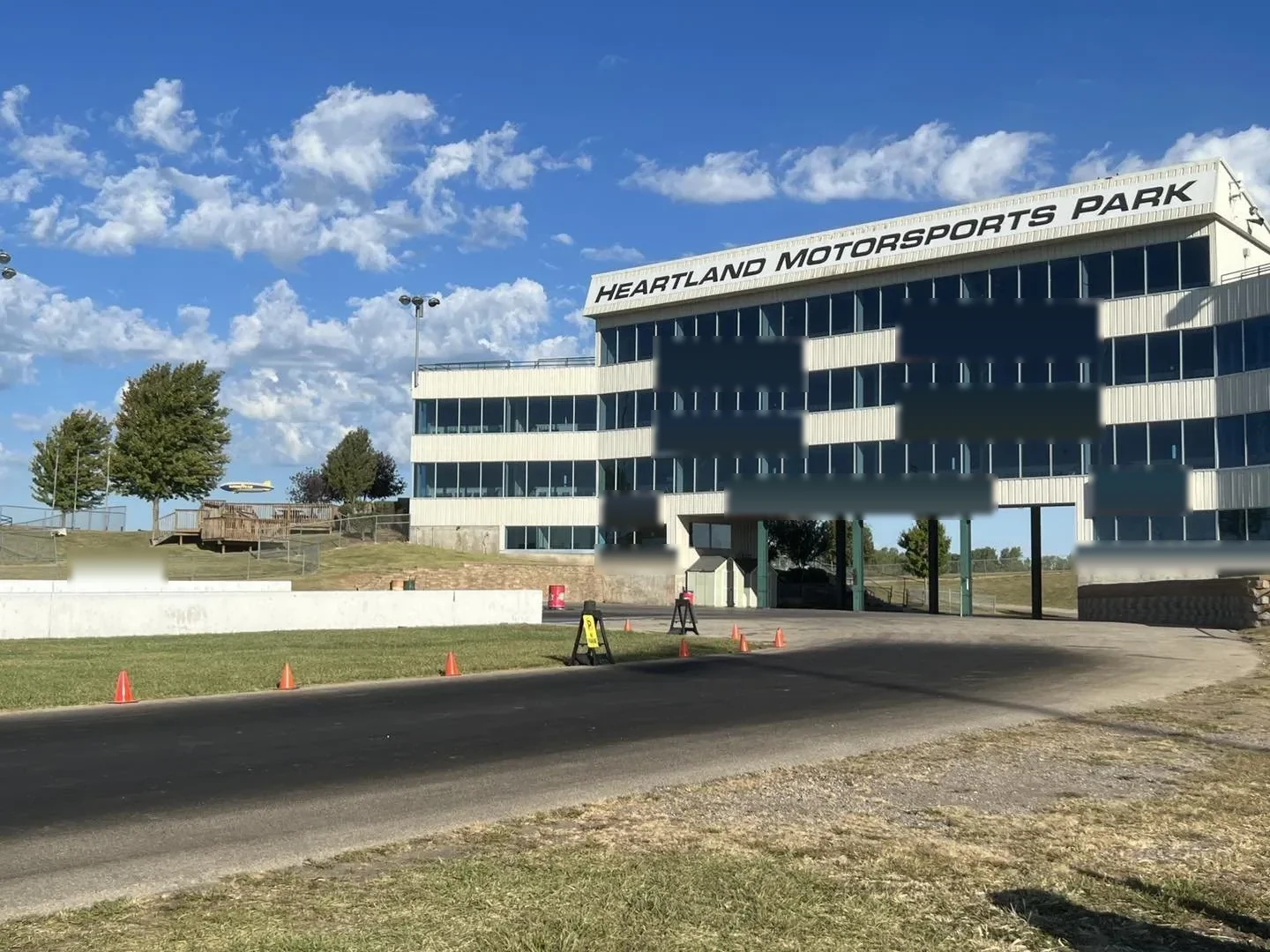
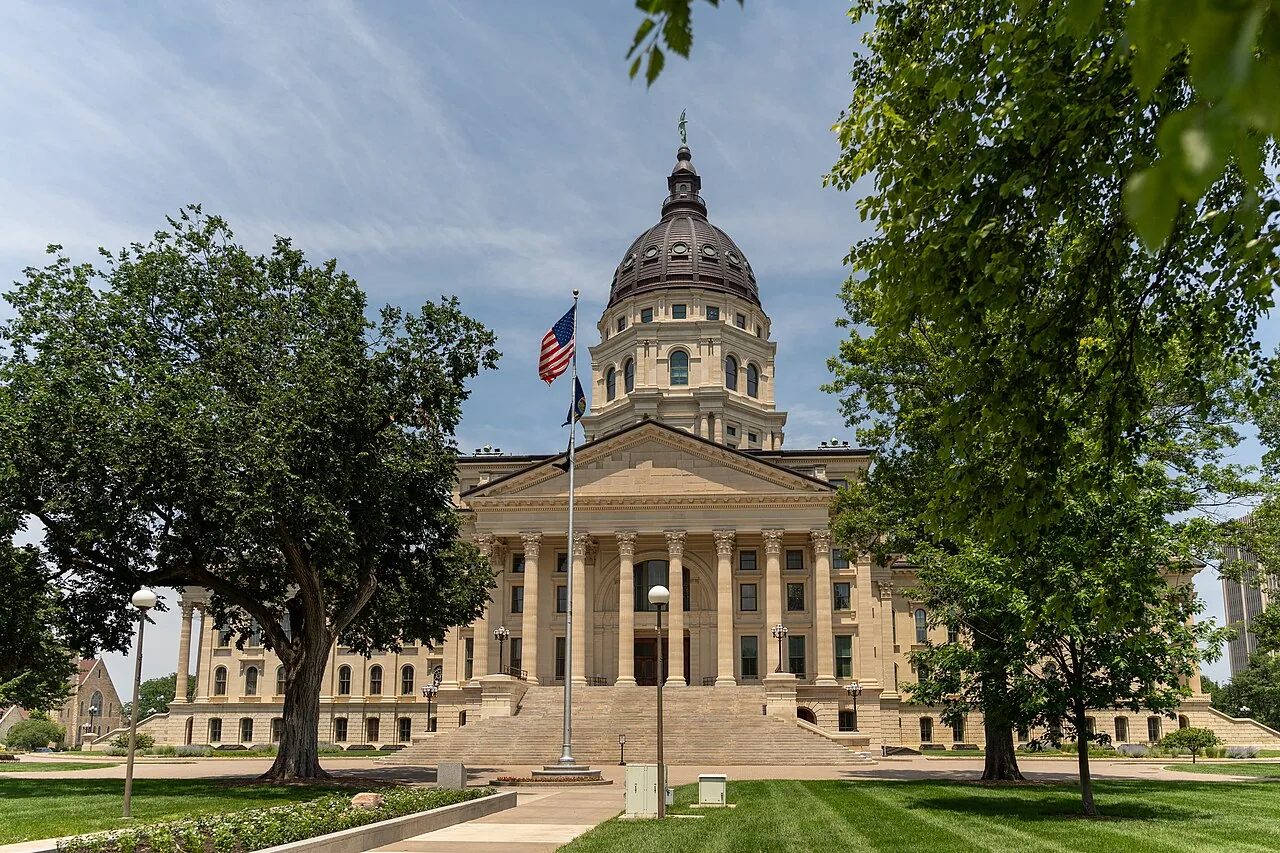
A shifted coping cap after a thunderstorm can leave a long roof edge exposed before water appears indoors. We inspect the address, photograph the affected detail, and separate immediate protection from permanent repair. Topeka records severe hail and wind events, but the roof condition at one property sets the scope. At Heartland Synergy Park, we confirm access with each facility contact. For a property in the Capitol District, the site contact confirms entry and operating limits before work is set. We document the exact roof zone, not just the weather date.
Triage: What needs protection first?
We identify active water entry, exposed contents, electrical or mechanical risks, and the safest path onto the roof. The property contact confirms who can release access and which interior area needs protection. If rain continues, we define what can be covered without creating another hazard. Around-the-clock response is available when an opening needs immediate attention, including nights, weekends, and holidays. A temporary stabilization visit records what was secured and what remains open.
Crews photograph the affected area from close range and in relation to roof edges, drains, curbs, or equipment. We label where temporary material was placed and how it was attached. The note also says which portions could not be reached because of lightning, wind, standing water, or unsafe access. That limit matters: a partial look should not be presented as a complete damage assessment. We schedule a return when the roof can be inspected safely.
Inspect: How do we distinguish impact from wear?
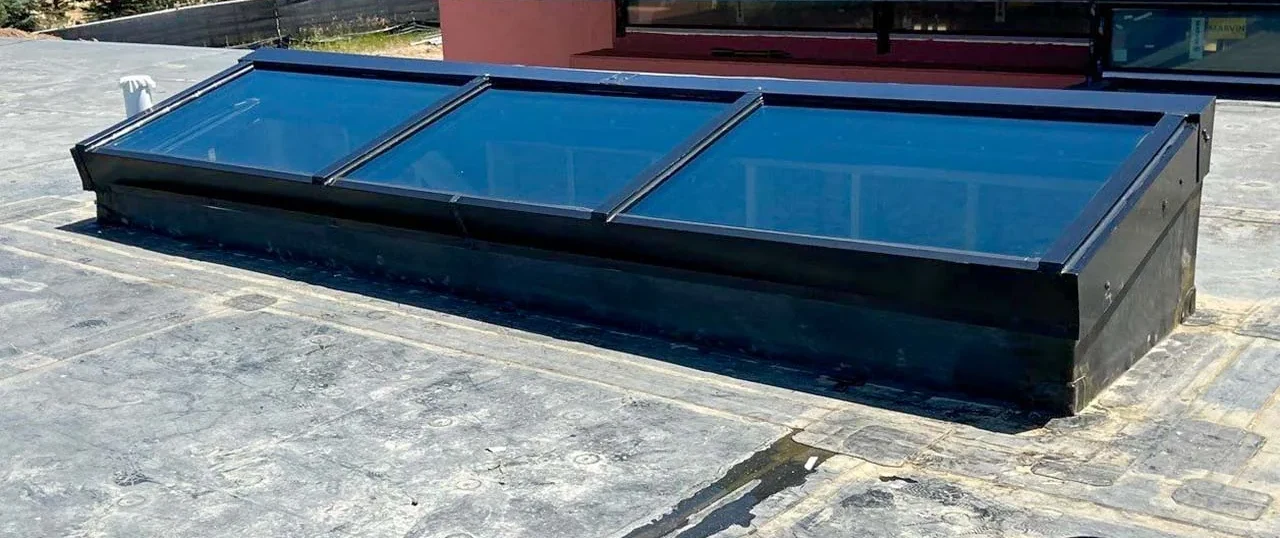
Hail can mark metal, fracture brittle components, or damage membrane details; wind can lift edges, loosen fasteners, and open laps. We examine the surface, terminations, penetrations, drains, and interior reports for current evidence. Old repairs, weathering, and existing splits are recorded separately. A hail damage review can map impact indicators; a wind inspection can trace displaced components and attachment concerns.
A weather report provides timing, not a diagnosis for the building. We compare the owner’s reported event window with photographs, water entry, and the roof’s condition. If a suspected defect is concealed below membrane or insulation, we name the test that could confirm it. Around Topeka’s rail maintenance facilities, rail activity can affect staging and access, but it does not determine which roof zones sustained damage. The field record identifies the property and evidence.
Scope: What repair boundary does the evidence support?
Once we find a likely defect, we check adjacent material, attachment, and moisture before setting the repair limits. A puncture in otherwise stable membrane may call for a local patch; a lifted edge can involve metal, fasteners, and the membrane termination together. A repair proposal names preparation, compatible materials, measured area, and the detail checked at closeout. We keep work that depends on opening the assembly as a separate allowance or approval step. The proposal also identifies mobilization needs, interior protection, disposal, and any access equipment included. A condition discovered after opening is documented with its location and effect on quantity before the approved boundary changes.
If water has traveled through insulation or along a deck flute, the visible ceiling mark may not align with the roof opening. We map the interior report to slope, seams, curbs, and drains, then identify candidate paths. A leak trace can address unresolved entry after temporary protection. If several areas show damage, we keep quantities by roof zone until inspection connects them. A broad replacement recommendation needs assembly evidence, not a storm headline.
Operations: How should repairs fit the building?
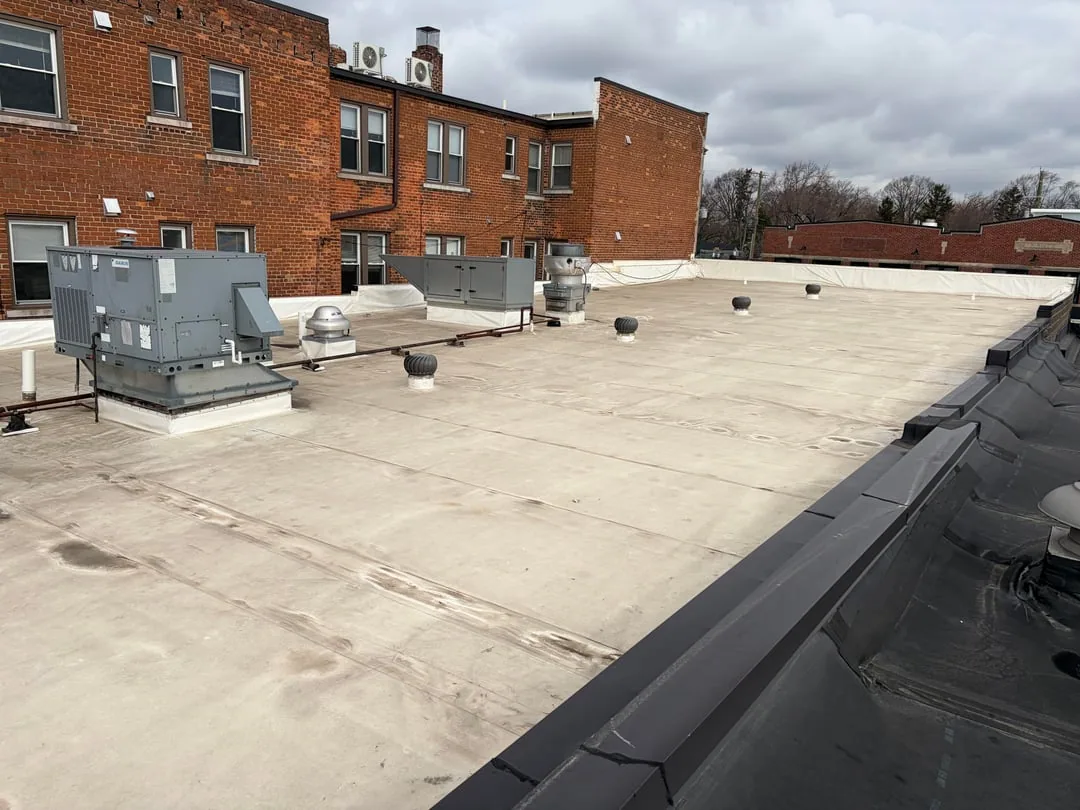
We confirm deliveries, lift placement, rooftop equipment, loading routes, occupied rooms, and any production or public hours before scheduling. At a distribution or manufacturing property, a blocked vehicle lane can cost more than a short repair window. The site contact tells us where barriers belong and which operation must continue. In Topeka, summer storms may narrow the day available for surface preparation, while winter precipitation can limit roof access. We identify a secure stop point before mobilization.
For a public or healthcare building, the work plan covers occupants, interior protection, staff notices, and any service interruption. The contact approves barriers and equipment shutdowns before the crew reaches the affected section. The phased access plan can sequence larger follow-up work around building operations. We leave the roof dry or protected at the end of the shift and record who will check the temporary measure if weather returns.
Closeout: What belongs in the storm record?
The report includes arrival time, reported event, affected roof zones, photographs, materials used, work completed, access limits, and follow-up tests. It separates observed damage from possible concealed conditions. If a repair changed during exposure, we document the added quantity and owner authorization. A roof condition file can hold the site map, event timeline, and repair evidence together for facilities staff and later review.
Keep the roof plan and interior locations with the invoice, photos, and any insurance correspondence. A later leak or loose detail can then be compared with the same area rather than assigned to the earlier event by assumption. At a state office complex, the facilities contact may also need to coordinate records with other departments. Each building remains a separate scope, with an owner decision tied to its tested condition. For a multi-building portfolio, preserve the address and roof-zone labels on every image. An adjuster, facilities lead, and repair crew can then compare the same edge, curb, or drain rather than reconciling several unlocated photos. We note dates and weather context supplied by the owner without turning those details into a repair conclusion.
A storm file should separate the event date, the owner-reported leak, and the roof conditions actually observed. We photograph each impact or displaced detail beside a wider roof-zone view, then note pre-existing patches, surface wear, and areas hidden by equipment. If a temporary cover was installed, its location and limit belong in a separate entry from the permanent repair. Those distinctions let the owner compare later inspections with the current condition without treating every mark as new storm damage. When the repair boundary changes after opening a detail, record the added area and approval before covering the work.
Commercial Roofing Questions
Does a storm report prove my roof was damaged?
It can help establish timing, but it does not show what happened at a specific address. We inspect the roof and interior, photograph visible changes, and identify any test needed before assigning a repair cause.
Can you stop an active leak before permanent repairs are ready?
Yes. We can protect the exposed area and document the temporary measure, access limits, and return work. The first visit does not confirm concealed moisture or replace the permanent repair scope.
What should I photograph before the inspection?
Capture water entry and affected contents from a safe interior position, plus the building address and time noticed. Do not climb onto a wet or wind-exposed roof; we document the roof details after access is safe.
How is hail damage separated from ordinary wear?
We compare impact indicators, edge and seam conditions, older patches, and interior evidence across the actual roof zones. The record distinguishes fresh observations from deterioration or prior repairs where the inspection can tell them apart. Photographs include enough surrounding context to locate each detail on the building plan.
What if the inspection finds damage beyond the reported area?
We mark the additional location, photograph it, and explain what connects it to the first finding. Any expanded repair quantity is shown separately for owner approval before the work boundary changes.
Related Roofing Work
Heartland Synergy Park
Capitol District
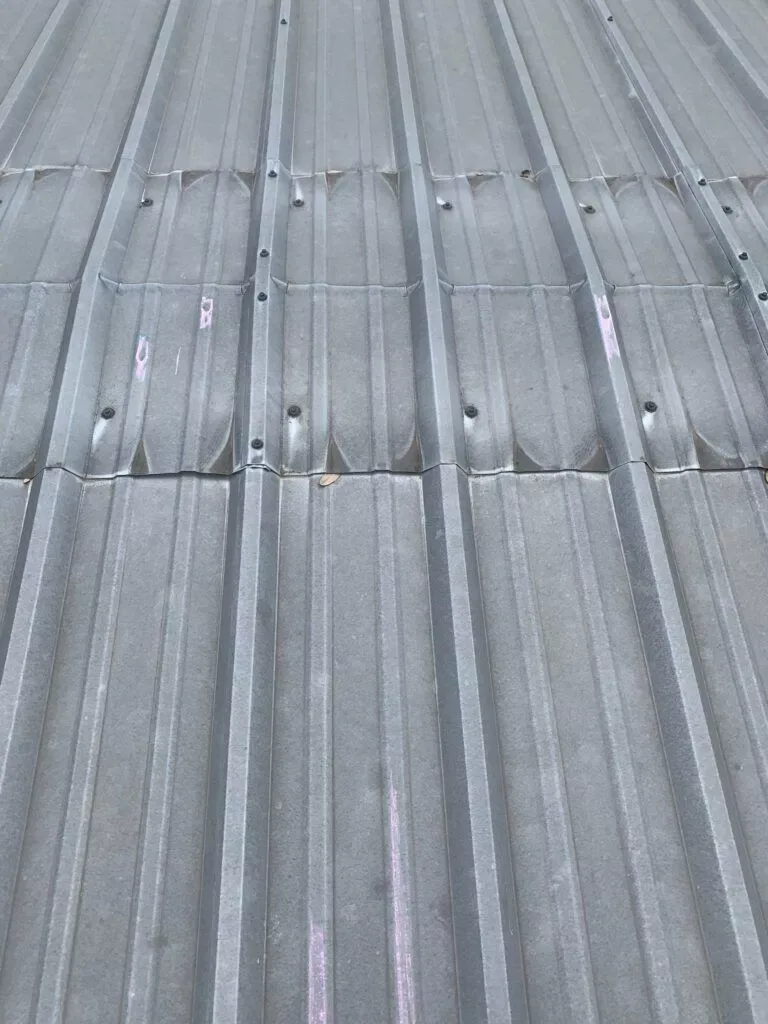
Emergency Commercial Roof Repair
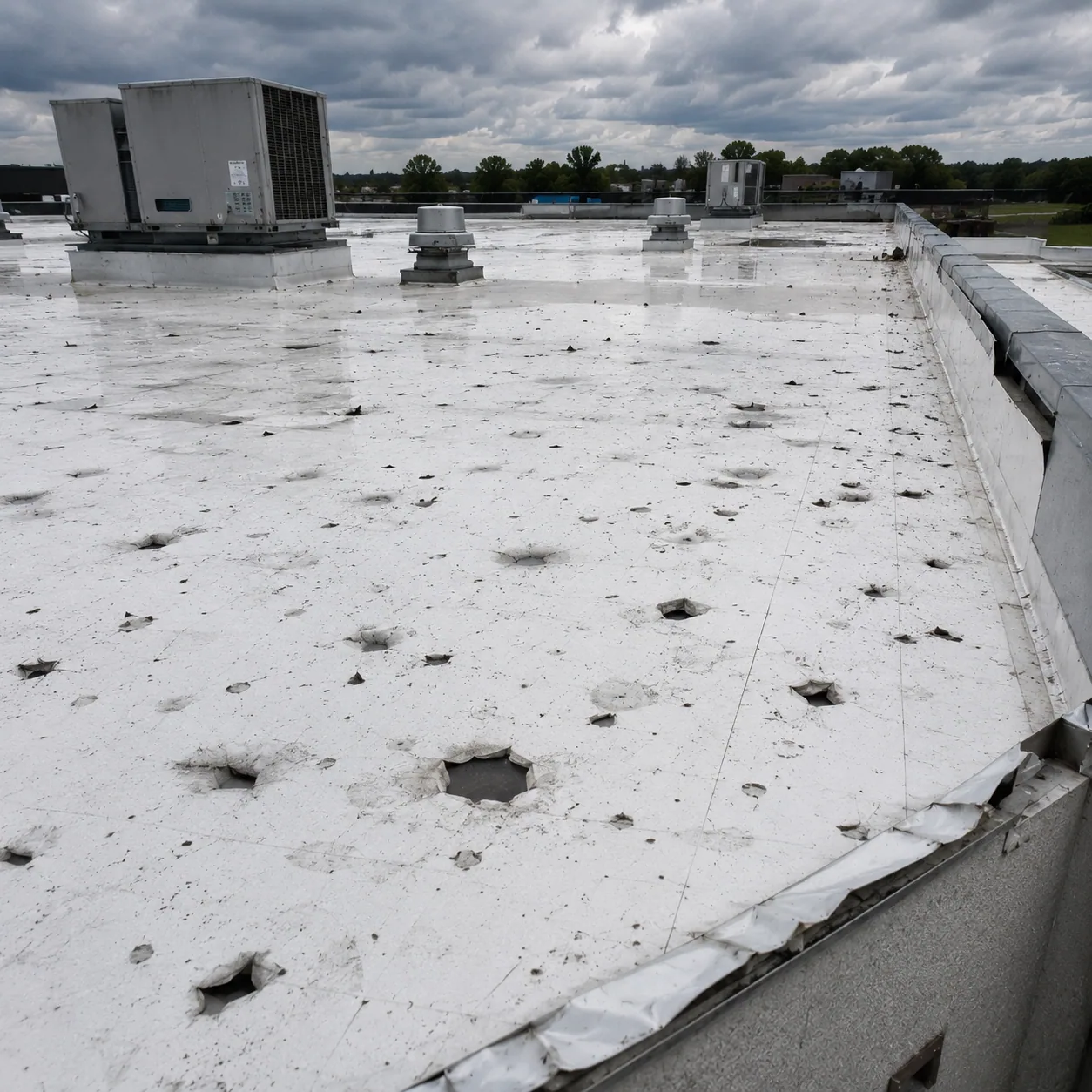
Commercial Hail Damage Roof Repair
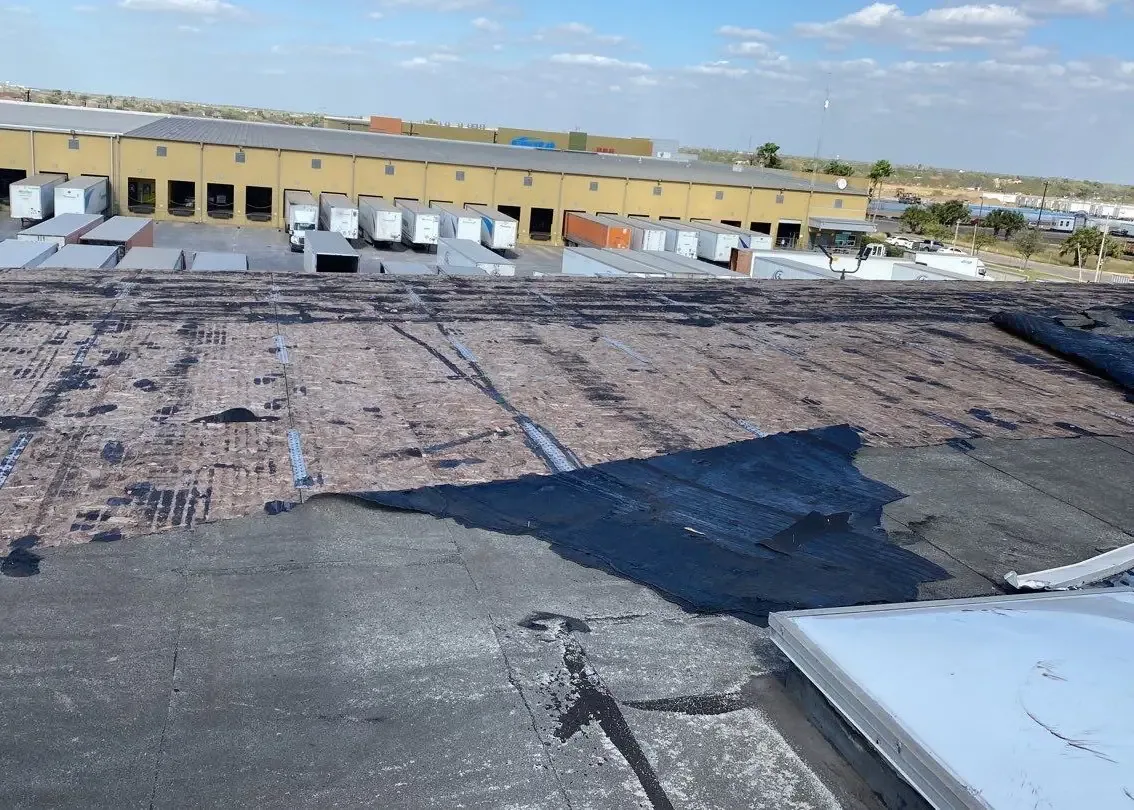
Commercial Wind Damage Roof Repair
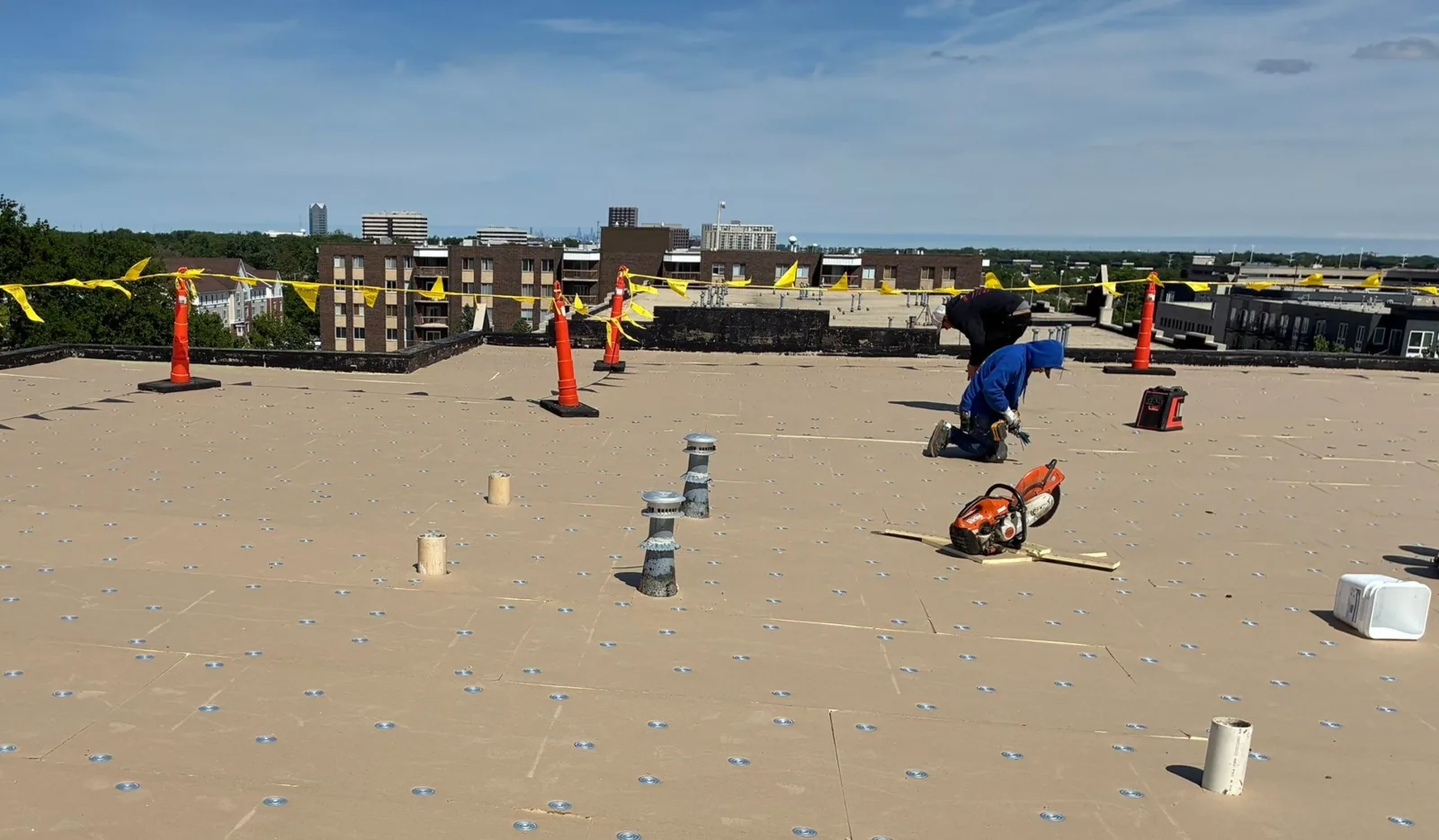
Commercial Roof Repair
Record the roof condition after the storm
Service Area
Topeka, Auburn, Silver Lake, Carbondale, Rossville and Shawnee County, KS
Quick Contact
Email: [email protected]
Phone: 555-555-5555
Request a Roof Assessment
Provide the Topeka address, event date, affected rooms, access contact, and any safe photographs. We will assess visible conditions, protect active exposure, and define the next repair or test by roof zone.