Commercial Heat and UV Roof Damage Repair in Topeka, KS
Home / Roof Damage Repair / Commercial Heat and UV Roof Damage Repair
A brittle membrane surface or shrinking flashing can signal that heat has changed the repair options. We inspect the material, seams, coating, and insulation before deciding whether a localized patch will hold. Topeka’s seasonal weather includes warm-season storms and winter precipitation. Repeated exposure can affect roof materials, but the repair needs evidence from the assembly. Access needs can differ in the North Topeka US-24 industrial corridor and in East Topeka. We still mark the individual roof zone before setting a repair boundary.
Surface: Is the material worn or failing?
We look for cracking, loss of surface granules, shrinkage, crazing, blisters, exposed reinforcement, and coating wear. The inspection report identifies the roof system and maps each condition to a section. A discolored area is not enough to set repair quantity. We check seams, penetrations, edges, and any prior patch to determine whether the material has lost continuity or remains suitable for maintenance.
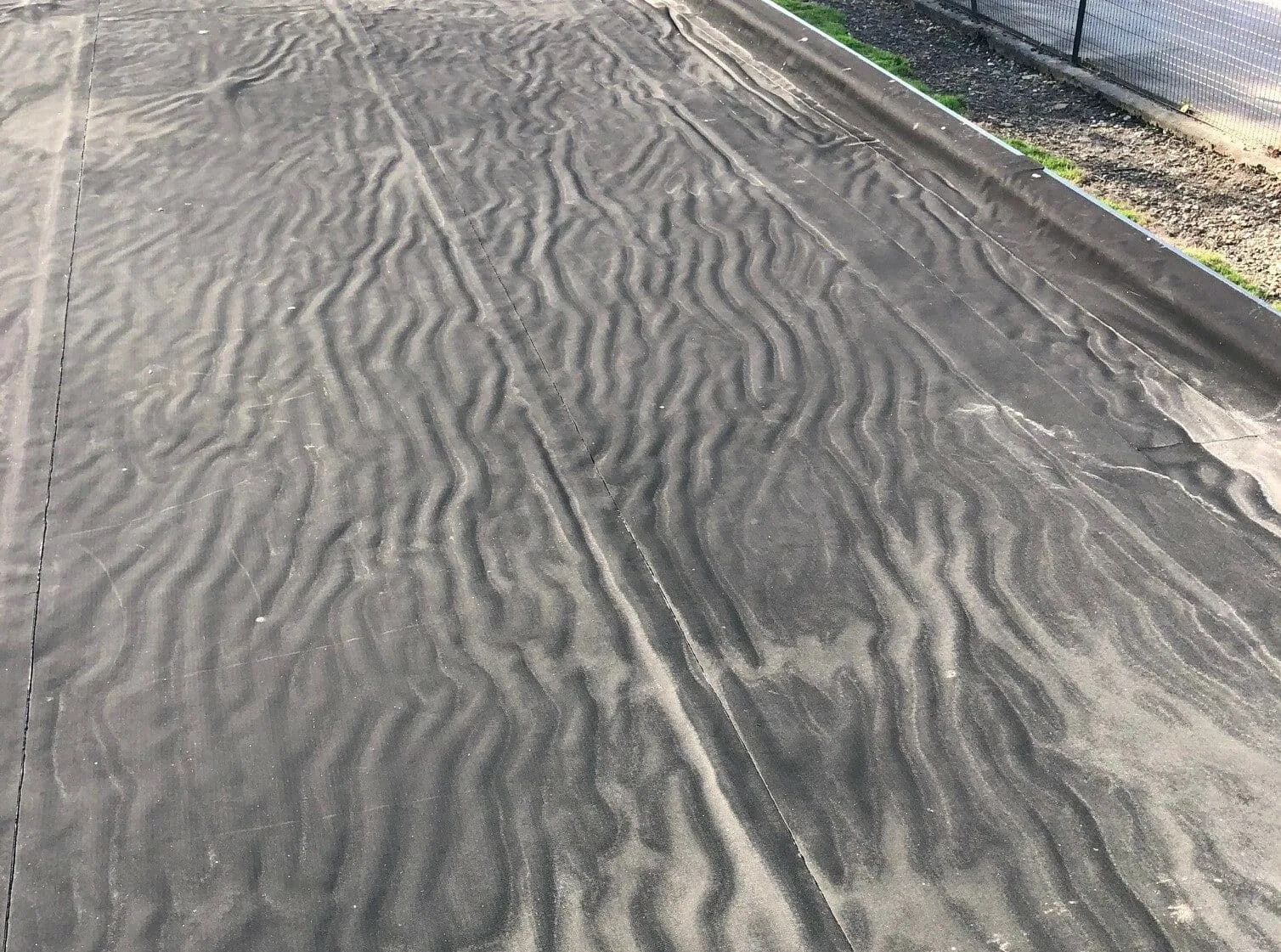
On a single-ply membrane, heat exposure can leave the surface stiff or brittle. We test representative areas and inspect seams that may have lost bond or flexibility. On metal, we check coating condition, fasteners, panel laps, and movement at transitions. A coating can weather at a different rate from the underlying roof. The report distinguishes worn finish from a confirmed opening or substrate problem.
We compare exposed roof sections with areas beneath screens or equipment, where shade and airflow may differ. That contrast can show whether wear follows sun exposure, surface water, foot traffic, or a previous repair. We confirm the pattern against membrane flexibility, bond, and cracks through the weathering layer before choosing a repair method.
At a curb or wall, repeated expansion and contraction can stress the flashing and sealant. We inspect corners and terminations where movement concentrates. If the transition has split, a flashing failure assessment records that detail apart from field membrane wear. Any test opening is placed where results could change the repair scope and is approved before material is removed.
A faded or chalking surface is not by itself proof that a membrane has failed. We inspect flexibility where the product allows, check seams and flashings, and look for cracks, exposed reinforcement, shrinkage, splits, or areas where the coating has separated. The same roof can have a weathered field with sound transitions and a small failed curb detail, so we map each condition separately. Product records help identify the expected surface and repair method. If the installed system remains uncertain, confirm it before applying a coating or patch that could limit a later tie-in.
Assembly: What lies below the weathered surface?
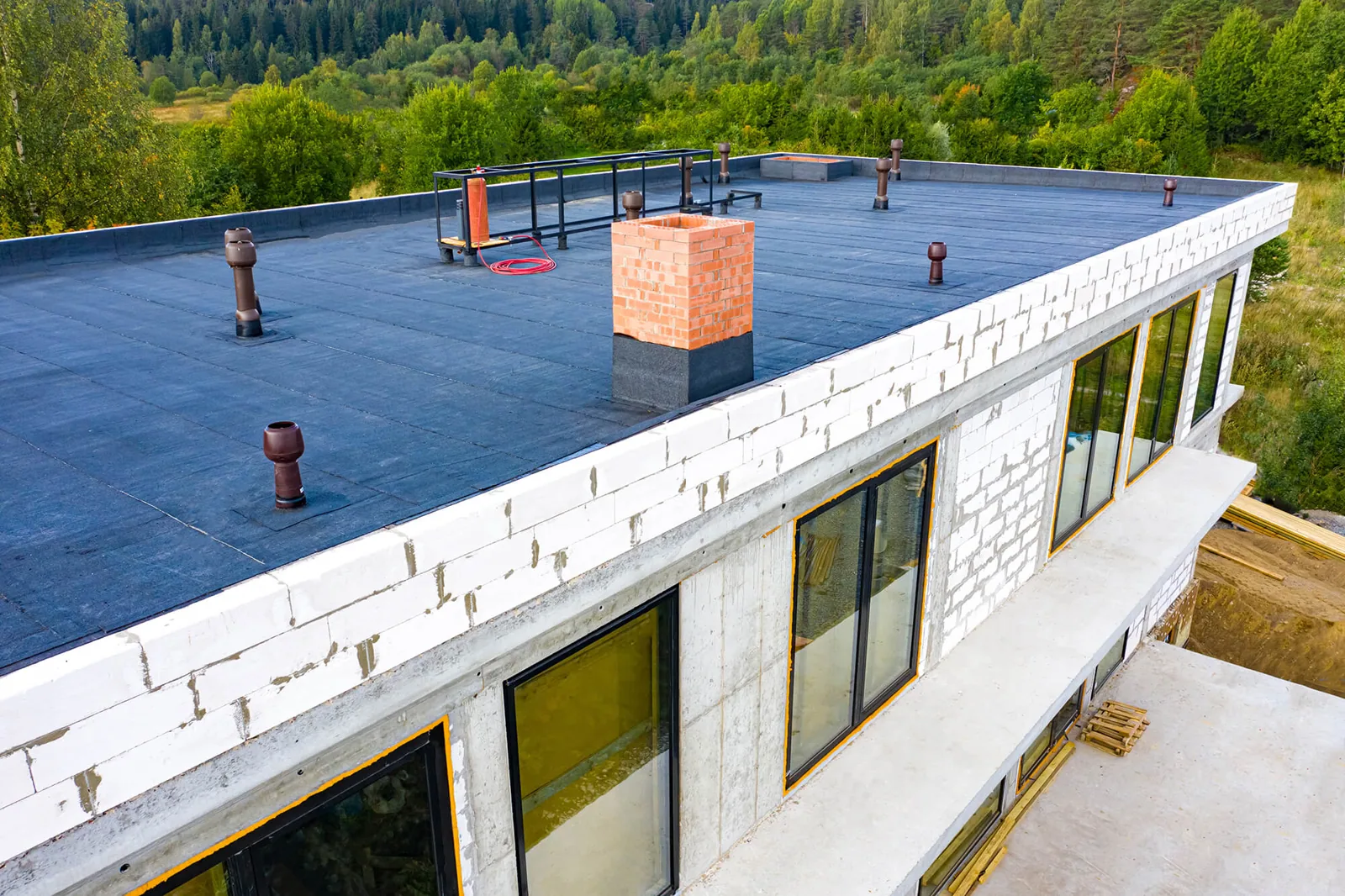
A roof can show surface wear while the insulation and deck remain dry. We inspect the membrane, cover board, insulation, and deck at approved test points. If readings indicate possible moisture, a moisture survey can help select where an opening will be useful. The reading itself is recorded as an indicator until the assembly is exposed and confirmed.
Thermal movement can affect seams, fasteners, edge metal, and equipment supports. We check whether a crack continues through a lap, whether attachment remains secure, and whether a previous patch is compatible. If damage is isolated to a small area, repair may be practical. If brittleness or seam failure covers several sections, the owner may compare repair, recover, or replacement based on the tested condition.
The Topeka annual climate normal totals about 36.5 inches of precipitation, spread across summer storms and winter systems. A worn surface can allow water entry during different parts of the year. We compare any interior report with low areas, drains, and roof slope. If the source is an open joint, a seam repair inspection can mark the length and tie-in separately from broad surface restoration.
Options: Can the roof be restored or does it need removal?
A local patch fits when the damaged area ends at sound material and the tie-in can be prepared correctly. Coating work requires a compatible substrate and adequate adhesion. A restoration assessment checks the existing layers, surface preparation, drainage, and conditions that could limit coating performance. If the substrate is wet or seams are failing, a coating over the surface may not address the underlying repair.
A larger roof may have different exposure at parapets, equipment clusters, or open field areas. Wanamaker Corridor and Central Crossing Commerce Park are distinct Topeka-area settings; local context does not replace a field check of the actual assembly. We identify each zone rather than assuming one repair method fits the full building. At the Philip Billard Airport, tenant uses include aircraft storage, a flight school, fuel service, and a control tower. Those uses make access coordination important, but the roof assembly and condition still require an on-site check. Industrial work at Goodyear Topeka Plant has its own production and safety requirements.
Cost changes with roof height, material removal, access, surface preparation, and the number of test areas. The estimate lists each repair quantity and separates concealed conditions. If opening the roof finds wet insulation or damaged deck, we photograph the finding and request an owner decision before adding work. The comparison can include a short repair, a defined restoration system, or a broader replacement scope when the evidence supports each option.
Timing: What conditions affect the repair window?
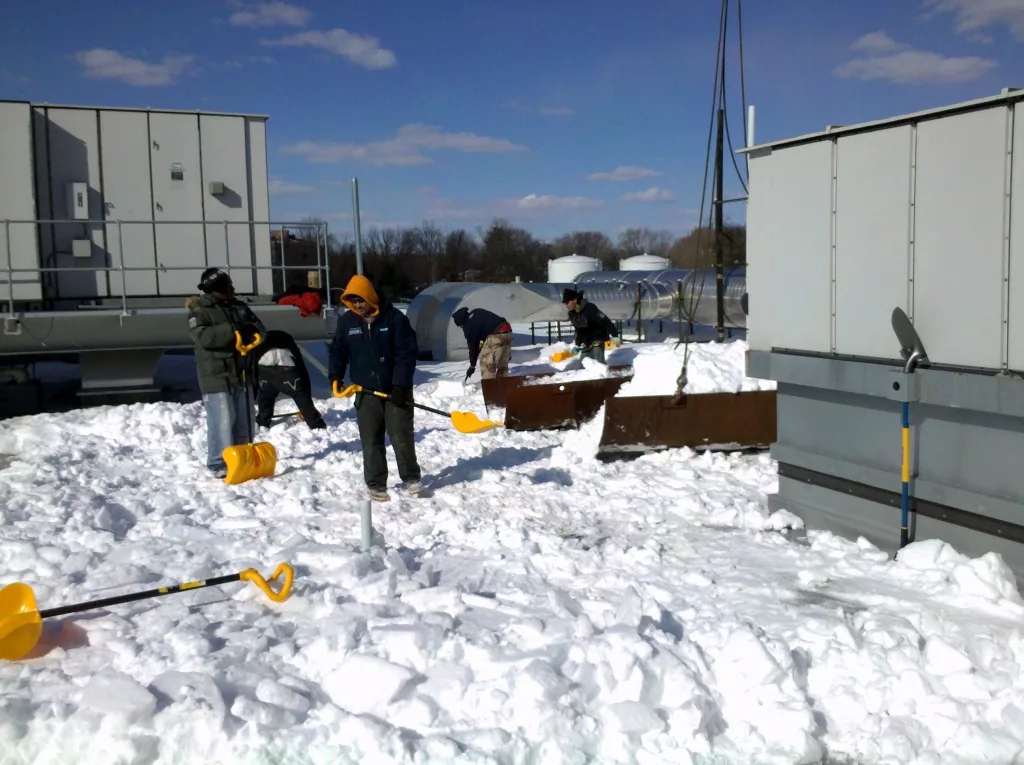
Coating, adhesive, and membrane work require suitable surface conditions. We verify dryness, surface temperature requirements for the selected product, and weather forecasts before application. A storm or cold period can change the sequence. The crew identifies a secure stopping point so the roof is not left open if the work window closes early.
Application records identify the product system, preparation method, environmental conditions, and area completed. If a coating is proposed, we compare its specified coverage and cure requirements with the substrate condition and forecast. Any test area should be large enough to show whether adhesion is suitable, and its location belongs on the roof map. This evidence gives the owner a clear basis for approving broader application.
Access can also shape the schedule. We confirm roof hatches, lift placement, operating hours, equipment clearance, and any area below that needs protection. At an airport tenant property or manufacturing site, the facility contact provides access instructions and operating restrictions. We stage materials where authorized and keep a route clear for the building’s normal use.
Closeout includes photographs of prepared material, completed seams or coating, and any area not included. We note cure or return requirements supplied by the product installation instructions and list maintenance checks tied to the repair. A later inspection can compare the same roof zones and identify whether the condition is stable or needs additional work. The owner receives a specific boundary and a practical next step.
Commercial Roofing Questions
Does a faded coating mean the roof needs replacement?
No. We check adhesion, substrate, seams, and moisture before comparing coating, repair, and replacement. Surface color alone does not establish the assembly’s condition.
Can you coat over a brittle membrane?
We test compatibility and adhesion first. If the membrane is unstable, wet, or failing at seams, the scope needs to address those conditions before coating is considered.
What does a heat-related roof inspection include?
We map cracks, shrinkage, exposed reinforcement, seam condition, flashing, and representative test points. The record separates visible wear from moisture or deck conditions confirmed through opening.
Will an infrared survey prove the insulation is wet?
No. It identifies patterns that may guide testing. We confirm moisture through an approved opening before adding wet insulation removal to a repair quantity.
How is coating work scheduled in Topeka?
We select a work window that meets the product’s surface and weather requirements, then confirm roof access and protection below. Rain, cold, or a wet substrate can shift application timing.
Related Roofing Work
North Topeka US-24 Industrial Corridor
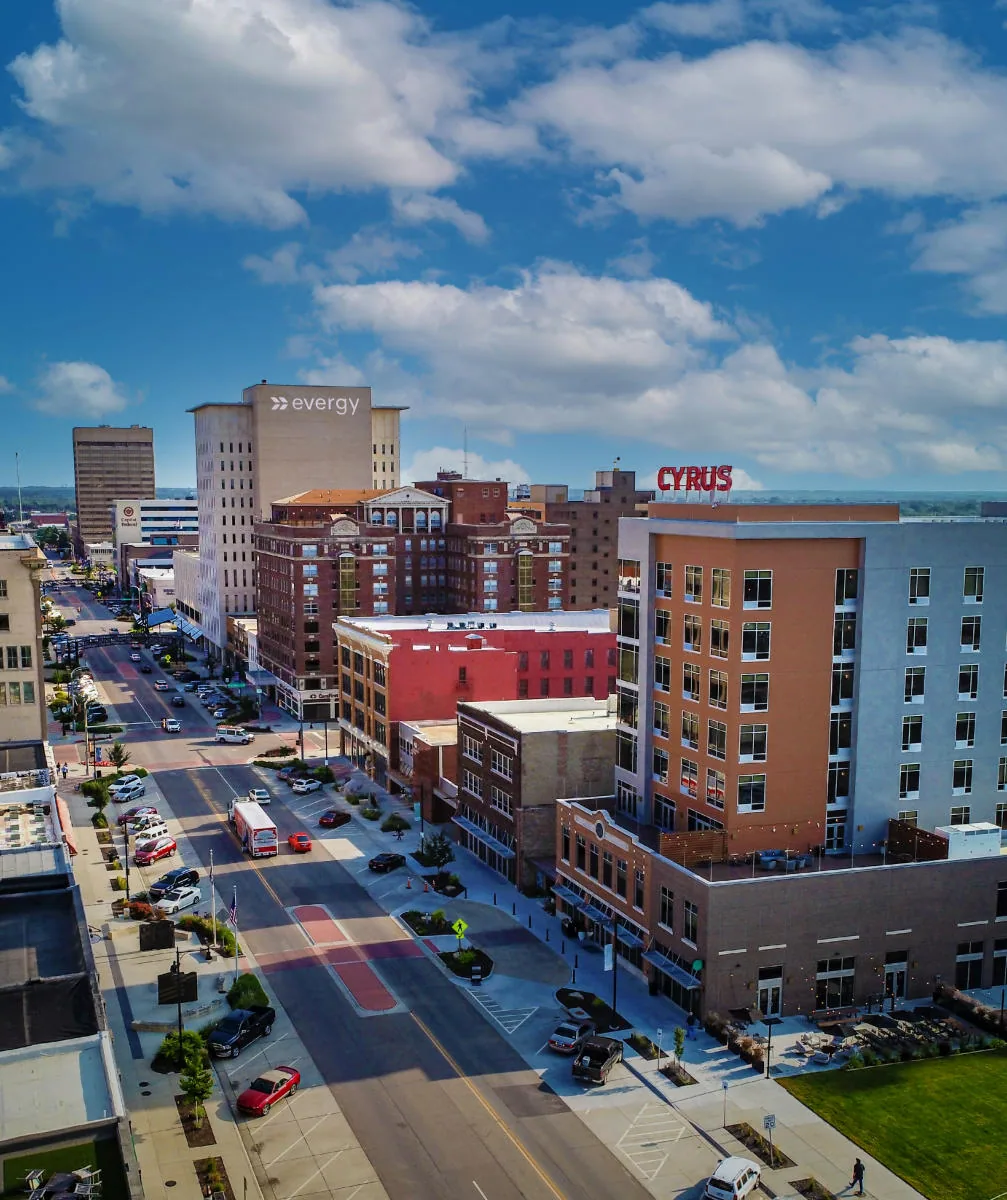
East Topeka
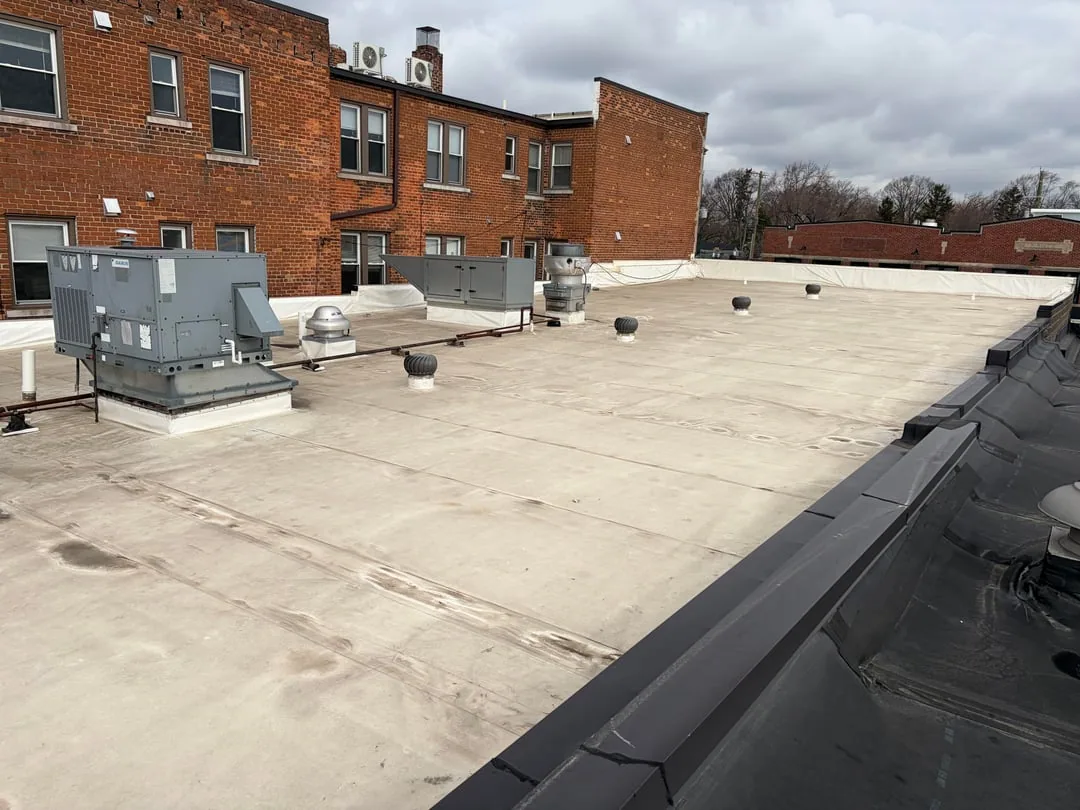
Commercial Roof Inspection
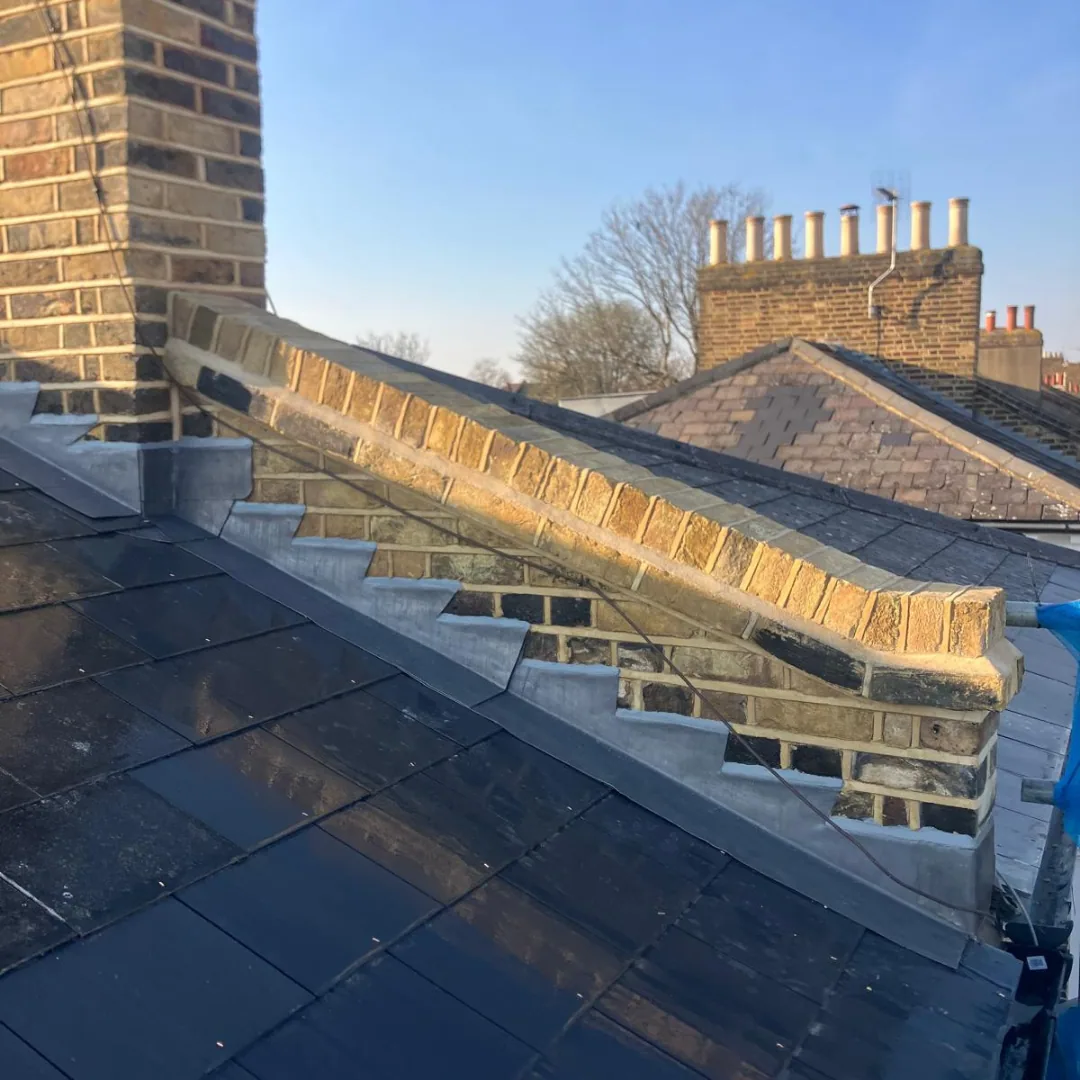
Commercial Roof Flashing Failure Repair
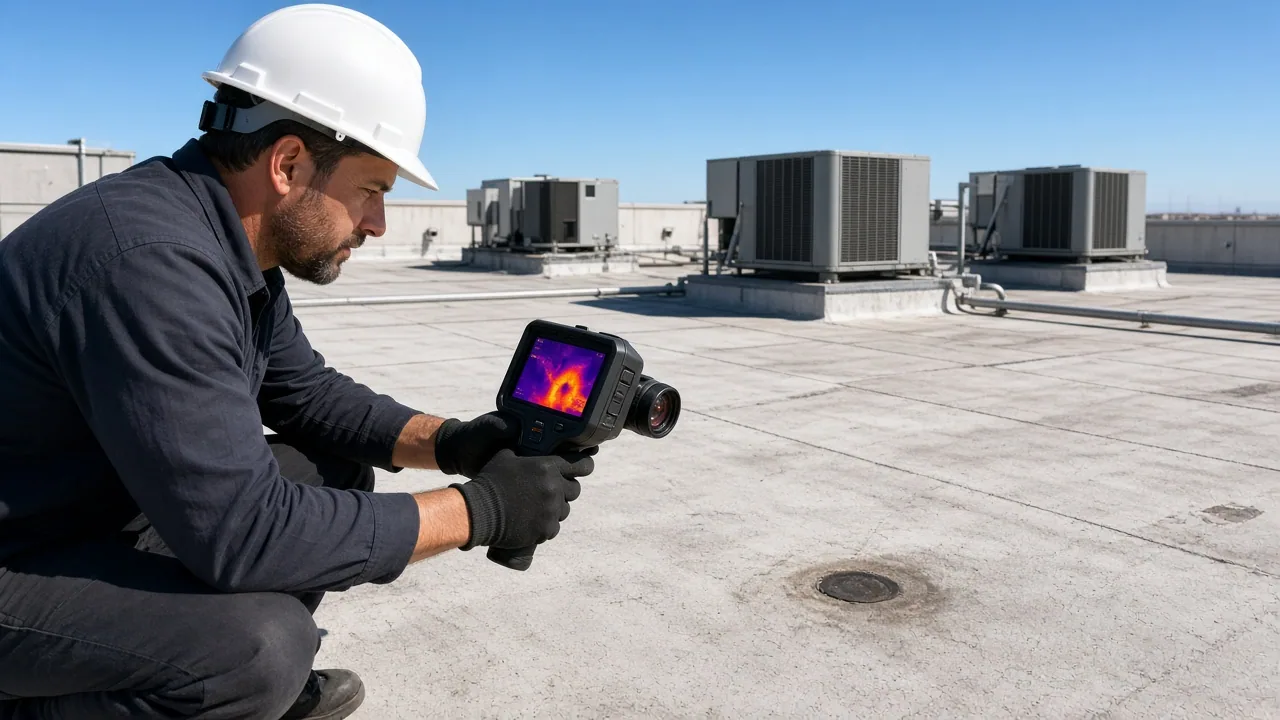
Commercial Roof Infrared Moisture Survey
Commercial Roof Seam Failure Repair
Inspect heat and UV wear on a Topeka roof
Service Area
Topeka, Auburn, Silver Lake, Carbondale, Rossville and Shawnee County, KS
Quick Contact
Email: [email protected]
Phone: 555-555-5555
Request a Roof Assessment
Share the building address, roof system if known, affected areas, and access contact. We will test representative conditions and compare repair with restoration options.