
Commercial Roof Coating Restoration in Topeka, KS
Home / Commercial Roofing Services / Commercial Roof Coating Restoration
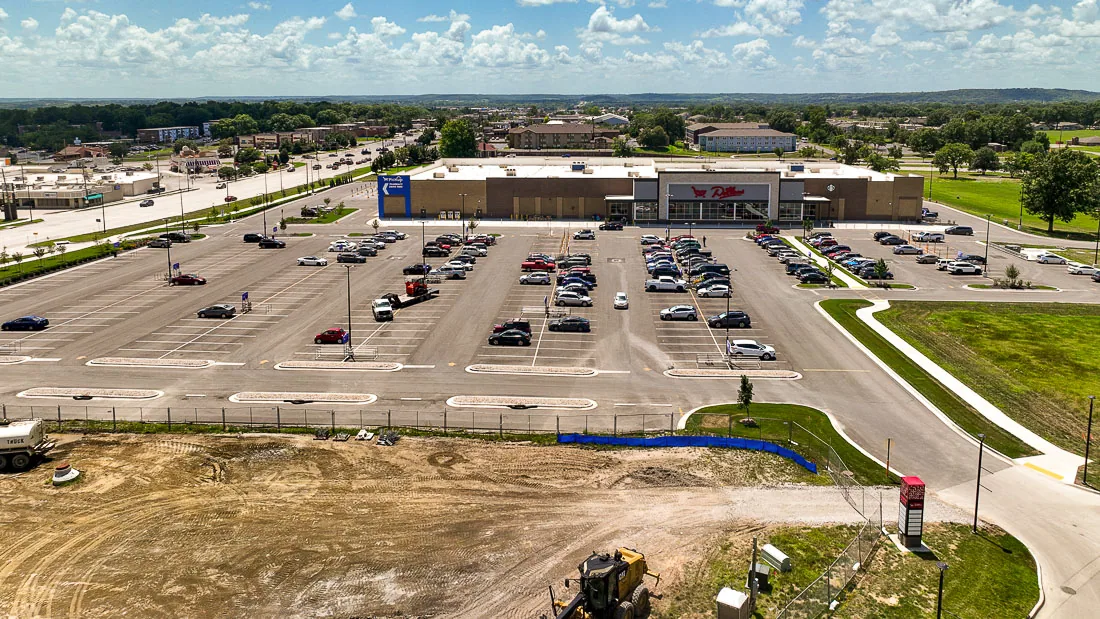
Loose coating at a seam changes the restoration decision before a new layer is considered. A coating can protect a sound, prepared roof, but it cannot stabilize wet insulation, failed attachment, or a moving detail. Topeka’s annual precipitation averages about 36.5 inches, with summer storms and winter moisture testing the finished surface. We inspect the existing assembly, locate repairs, and test representative areas before measuring a coating scope. At Central Crossing Commerce Park, an industrial building’s staging needs are specific to its operator; retail schedules in the Wanamaker corridor can set a different work window.
Condition: Is the existing roof a coating candidate?
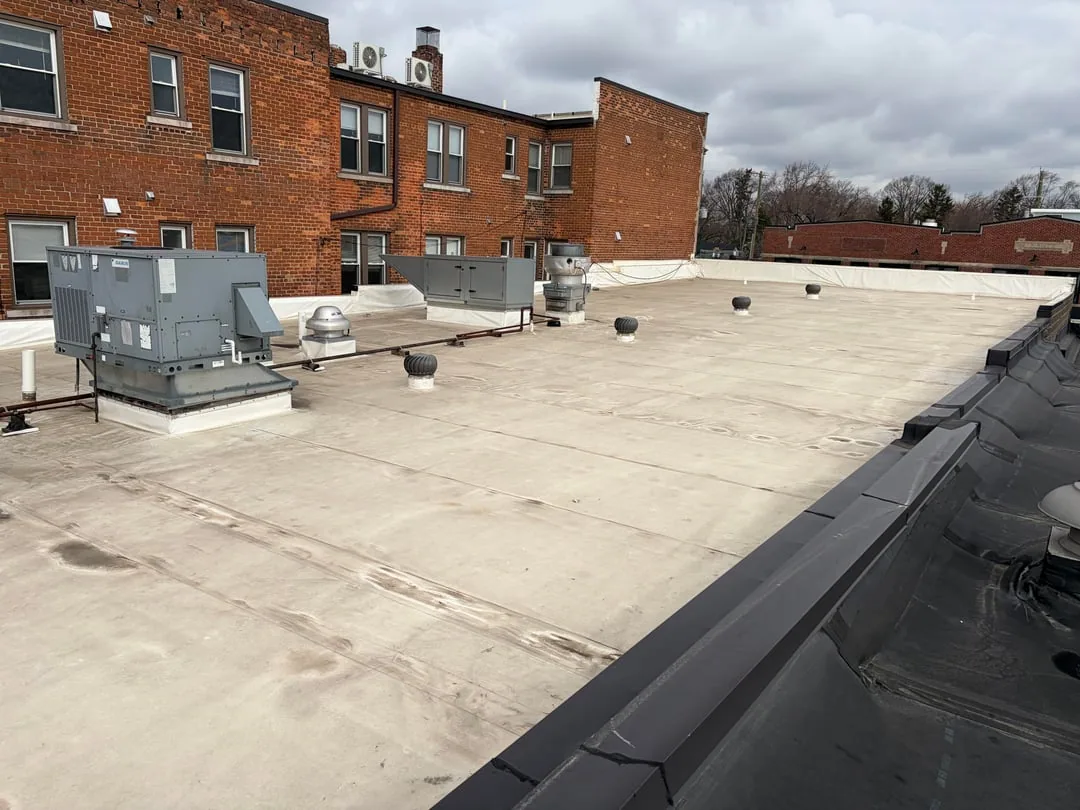
We check membrane attachment, seams, flashings, penetrations, ponding, and any visible splits or open laps. A coating needs a compatible, stable surface and sound transitions at drains, walls, and curbs. We mark areas that need repair or removal before testing adhesion. A roof inspection can record assembly type, prior patches, access limits, and conditions that would rule out a broad application. A sample area can help establish whether the proposed coating adheres to the existing surface after the specified preparation. That result applies to the tested material and conditions, not automatically to every roof zone.
Moisture below the surface can change both the scope and the expected service outcome. We compare interior reports with roof-zone evidence, then identify whether infrared scanning or a test opening would help define the boundary. A moisture survey can map suspect areas, but readings need field interpretation and confirmation where needed. We separate tested findings from visual observations before pricing restoration. If a scan indicates a pattern that differs from visible conditions, the owner receives the affected locations and a proposed confirmation step. We do not count concealed material as sound simply because the surface can accept a coating.
Coating eligibility is a sequence of checks, not an estimate based on color or surface gloss. We identify the existing coating and roof membrane, inspect adhesion in representative test areas, and look for trapped moisture, blistering, ponding, and repairs that would remain unstable underneath a new film. If the bond test fails or the membrane cannot accept a coating system, we exclude that zone and compare localized repair, recover, or replacement. The written scope identifies test locations, surface preparation, compatible primer, target film thickness from product requirements, and the boundary between approved and deferred work. The owner can review what the coating covers and what the condition does not support before mobilization.
Prepare: What must be corrected first?
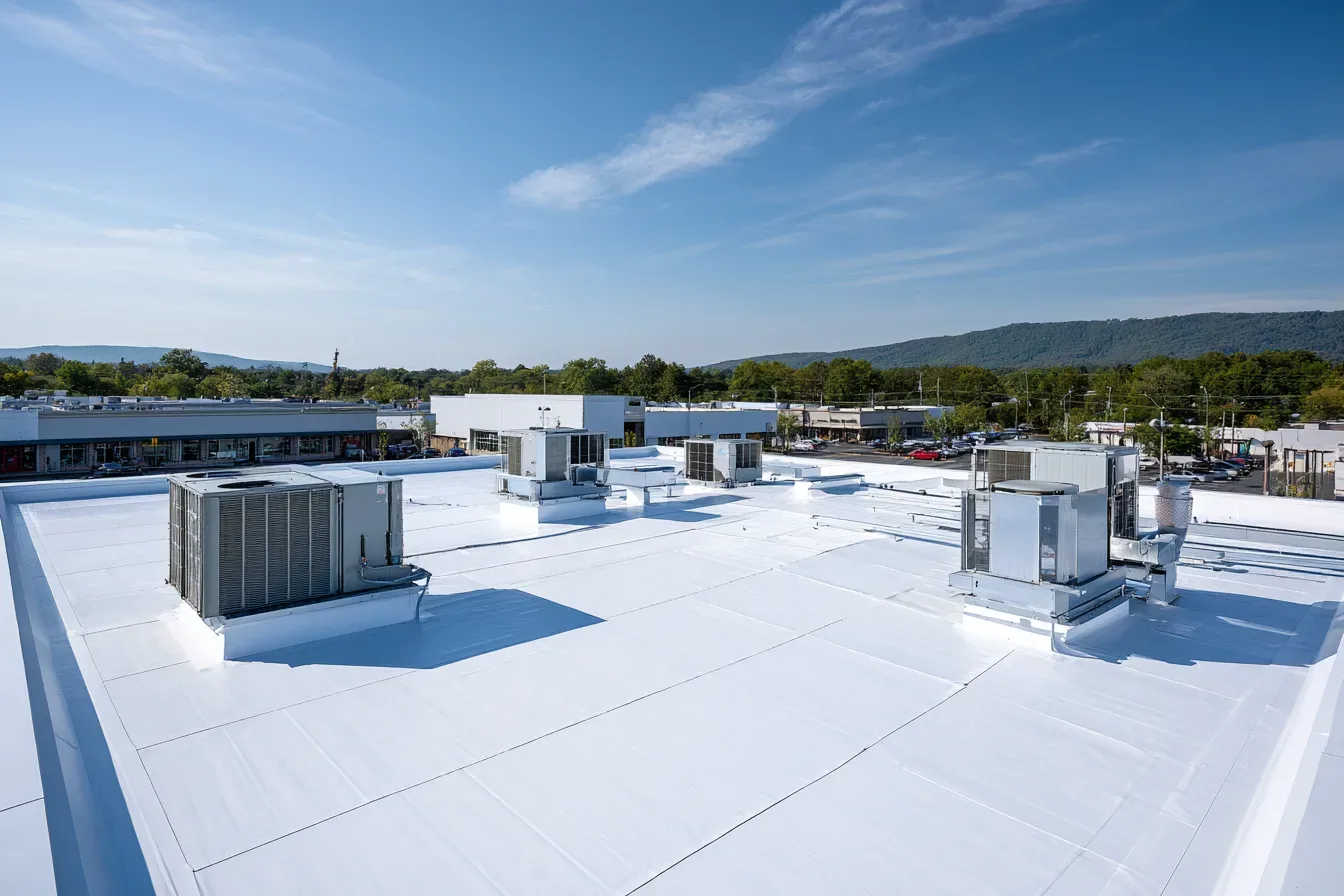
Preparation includes cleaning, drying, removing loose material, repairing compatible seams, and addressing details that would interrupt continuity. The selected product has its own substrate and weather limits, so we plan application from those requirements and the roof condition. A silicone coating system and an acrylic coating system do not share every application property. We identify the proposed material and the tested section before work begins.
Drainage remains part of the restoration boundary. A coating will not correct a low area, blocked bowl, or outlet that cannot move water off the roof. We inspect slope, drains, scuppers, and nearby membrane, then list correction work separately where it changes the result. On roofs around the River to Rail district, adaptive-reuse and industrial settings may bring different access conditions, but the assembly still determines preparation and detail repair.
Application: How do weather and access set the work window?
We sequence cleaning, repairs, primer where required, and coating so each stage has the time and conditions it needs. Surface moisture, temperature, wind, and forecast affect when material can be placed and cured. Topeka’s documented hail and wind events make a post-storm condition check useful before application; we inspect for impact and edge damage at the address rather than applying over an unresolved defect. A hail assessment can document visible changes that need repair first.
Occupied operations also shape access. The property contact confirms staging, lift routes, rooftop equipment restrictions, deliveries, and protection below the work zone. A building near a major healthcare campus may need close coordination around occupied areas; the facility contact still sets the release process. If a section cannot be isolated or kept dry, we reset the sequence instead of leaving an open edge at shift end. Work proceeds in manageable areas with a defined stop point, and transitions are checked before the crew leaves. This protects the prepared surface from an unfinished application when the forecast shifts or an access restriction interrupts the day.
Scope: What changes the restoration quantity?
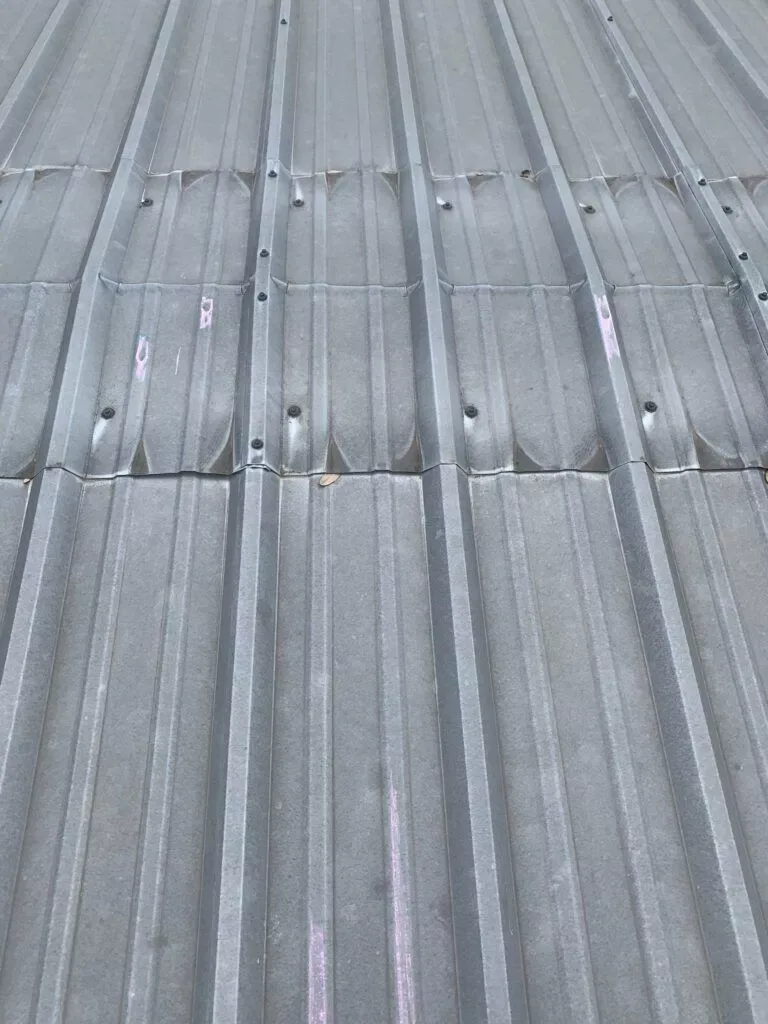
Price and timing follow roof access, measured area, cleaning effort, repairs, detail count, coating thickness specified for the system, and any moisture removal. We separate the area suitable for coating from sections that need a different treatment. If opening the roof reveals wet insulation or damaged deck, that condition requires an owner decision before added work. A repair scope can address failed details while preserving a sound field membrane.
Restoration should be compared with replacement using the same roof-zone map and known conditions. We identify expected maintenance, limitations, and the next inspection point rather than treating a coating as a cure for every assembly problem. The proposal states which preparation and repairs are included, what is excluded, and how unexpected findings change quantity. The owner can then compare near-term work with a larger capital plan based on inspected areas.
Verify: What confirms the application is complete?
Closeout records substrate preparation, repaired details, material and batch information where available, application areas, weather conditions, and any limits encountered. We photograph the roof zones and note the surfaces excluded from treatment. A photo-backed report leaves facilities staff with a baseline for later checks. The closeout also states what to monitor after the material has cured and who should receive a new leak report. We identify any areas that received a separate repair and list the next inspection point so the owner can confirm performance under normal exposure.
At follow-up, we look for adhesion concerns, thin or missed areas, damage from later trades, and renewed ponding at the same locations. A coating requires upkeep, and the owner should retain product and repair records with the roof plan. We keep the application evidence distinct from any broader statement about roof condition. That record supports the next decision: maintain, make a local correction, test a suspect section, or evaluate replacement. When an unrelated mechanical trade later cuts or fastens through the surface, facilities can use the original zone map to arrange a compatible repair instead of extending coating indiscriminately.
Commercial Roofing Questions
Can a coating be applied over an existing commercial roof?
Only after the assembly and surface are assessed. We check adhesion, moisture, seams, attachment, drainage, and compatibility, then identify repairs or removals required before an application can be considered.
Will coating fix ponding water?
A coating is not a drainage correction. We inspect the low area, outlet, and surrounding membrane; if water remains because of slope or a blocked drain, that work needs its own scope.
How do you decide between coating and replacement?
We map sound and unsound areas, test where results could change the boundary, and compare preparation, repairs, access, and remaining assembly condition. Wet insulation or broad attachment failure can move the decision toward removal.
What weather delays an application?
The substrate must meet the selected system’s moisture and temperature limits, and the forecast must allow each stage to cure. We set a stop point and protect transitions if conditions shorten the work window.
What should be retained after restoration?
Keep the roof-zone map, photos, preparation and repair record, product details, application conditions, and maintenance timing. Those records help the next inspection distinguish new damage from an earlier condition.
Related Roofing Work
Central Crossing Commerce Park
Commercial Roof Inspection
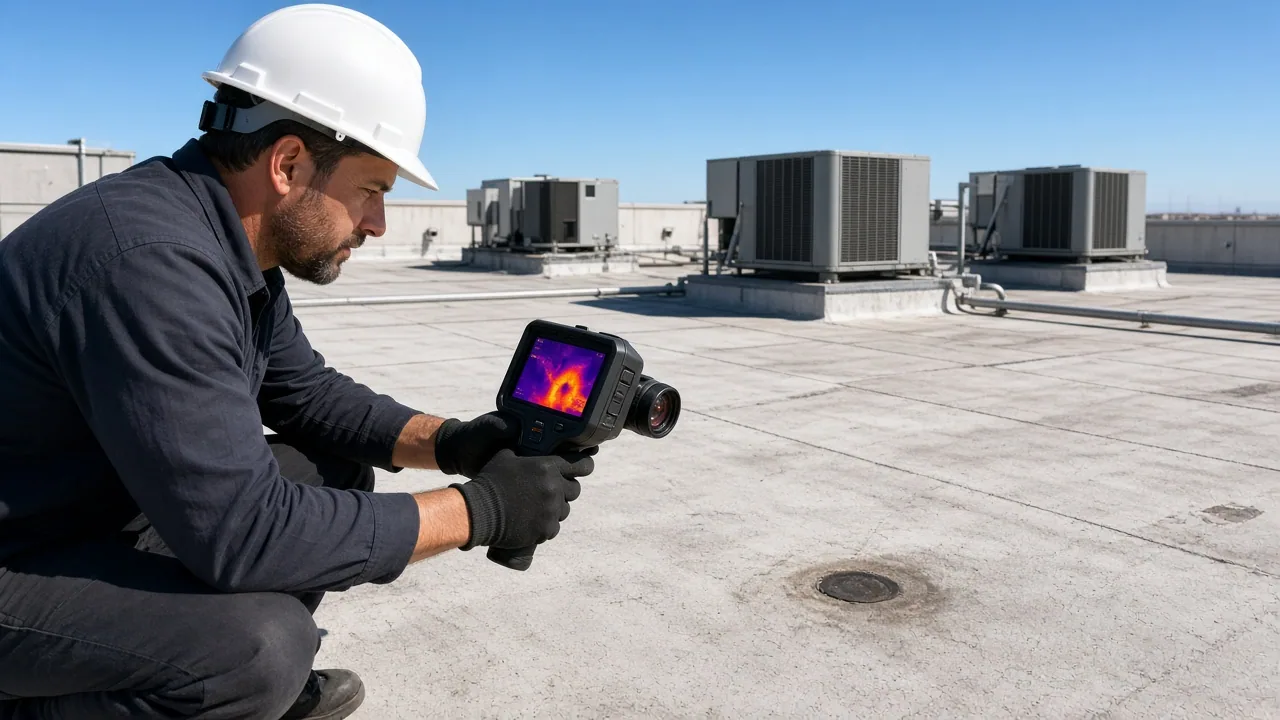
Commercial Roof Infrared Moisture Survey
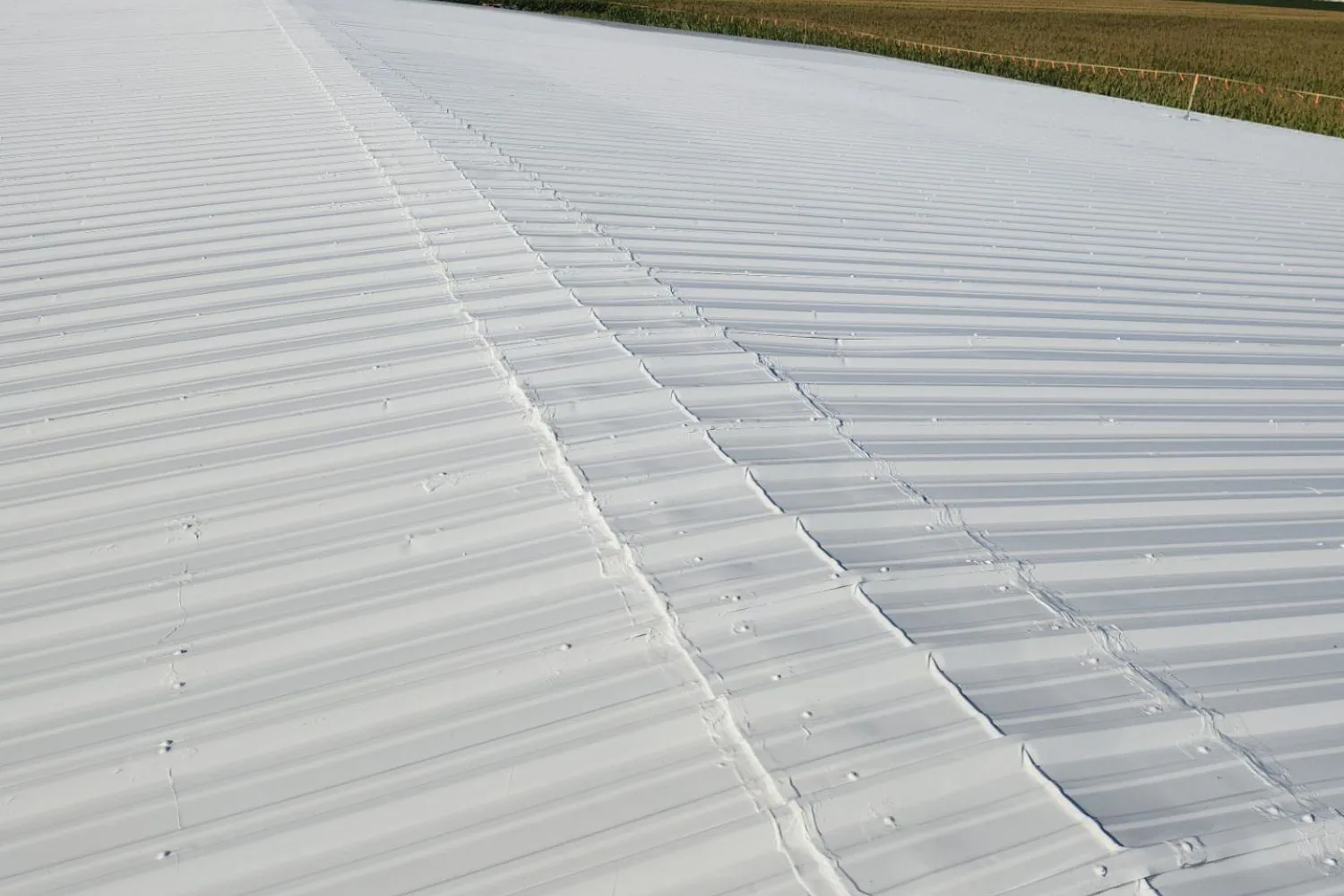
Silicone Roof Coatings for Commercial Buildings
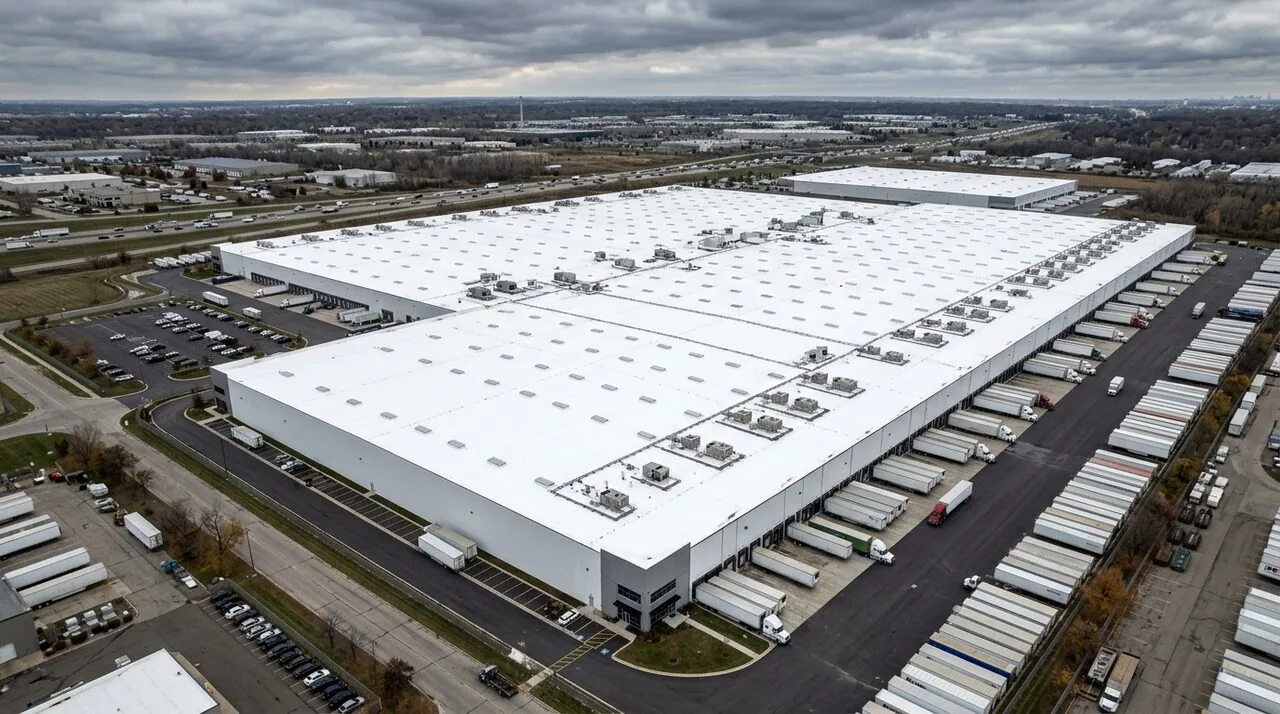
Acrylic Roof Coatings for Commercial Buildings
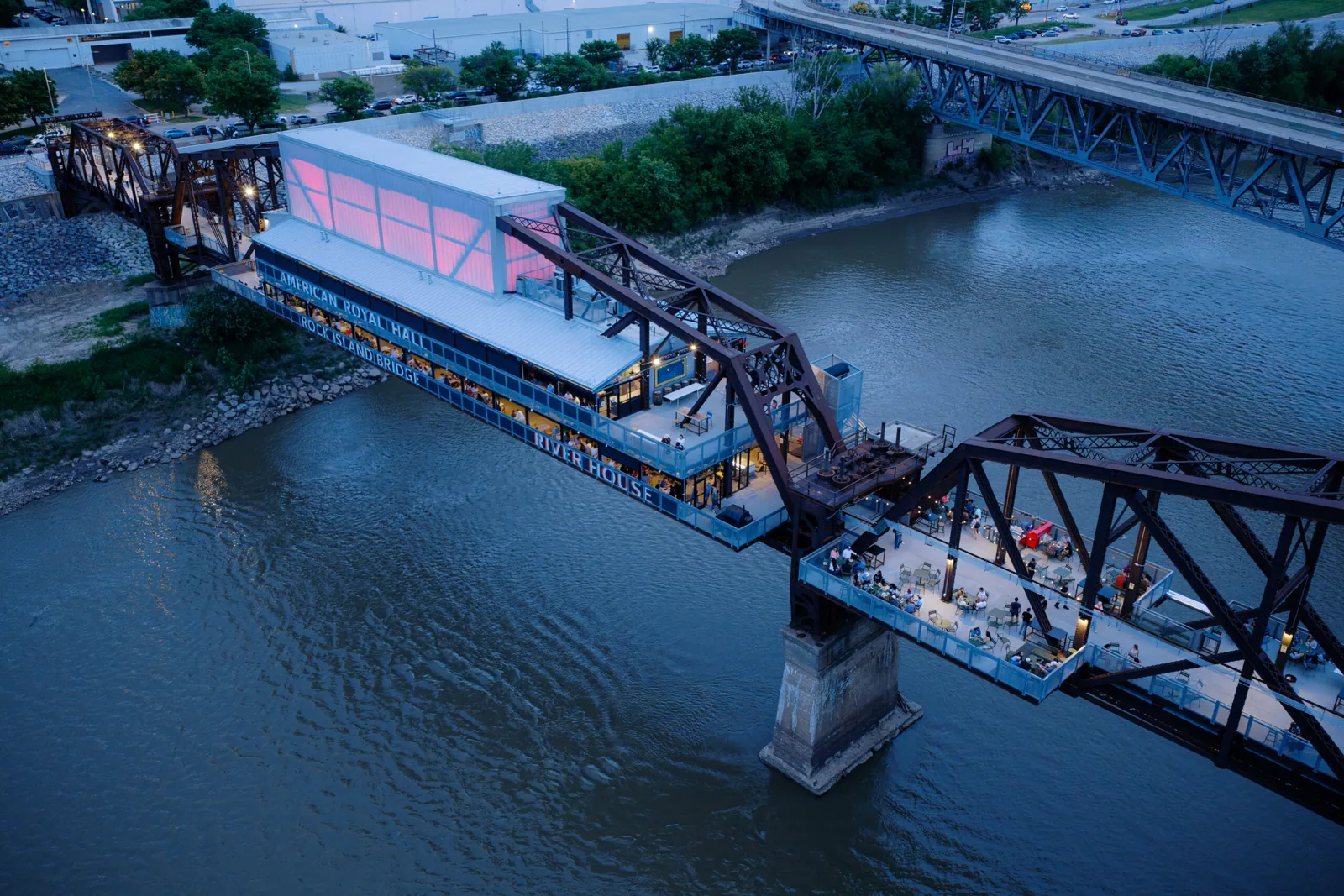
River to Rail District
Test the roof before choosing restoration
Service Area
Topeka, Auburn, Silver Lake, Carbondale, Rossville and Shawnee County, KS
Quick Contact
Email: [email protected]
Phone: 555-555-5555
Request a Roof Assessment
Send the Topeka address, roof assembly if known, leak history, access contact, and previous coating records. We will inspect the surface, identify testing or repairs, and define whether a coating scope fits the condition.