
Commercial Roofing for Public Agencies in Topeka, KS
Home / Industries We Serve / Public Agencies
A leak over a service counter can interrupt public access before the roof source is known. We connect the room report to a roof section, inspect the likely detail, and record what testing confirms. The Kansas State Capitol and Topeka and Shawnee County Public Library are two civic destinations with distinct public routes. An agency’s own entrance, records counter, and work rules determine how a roof project is phased.
Procurement: What should each bid line contain?
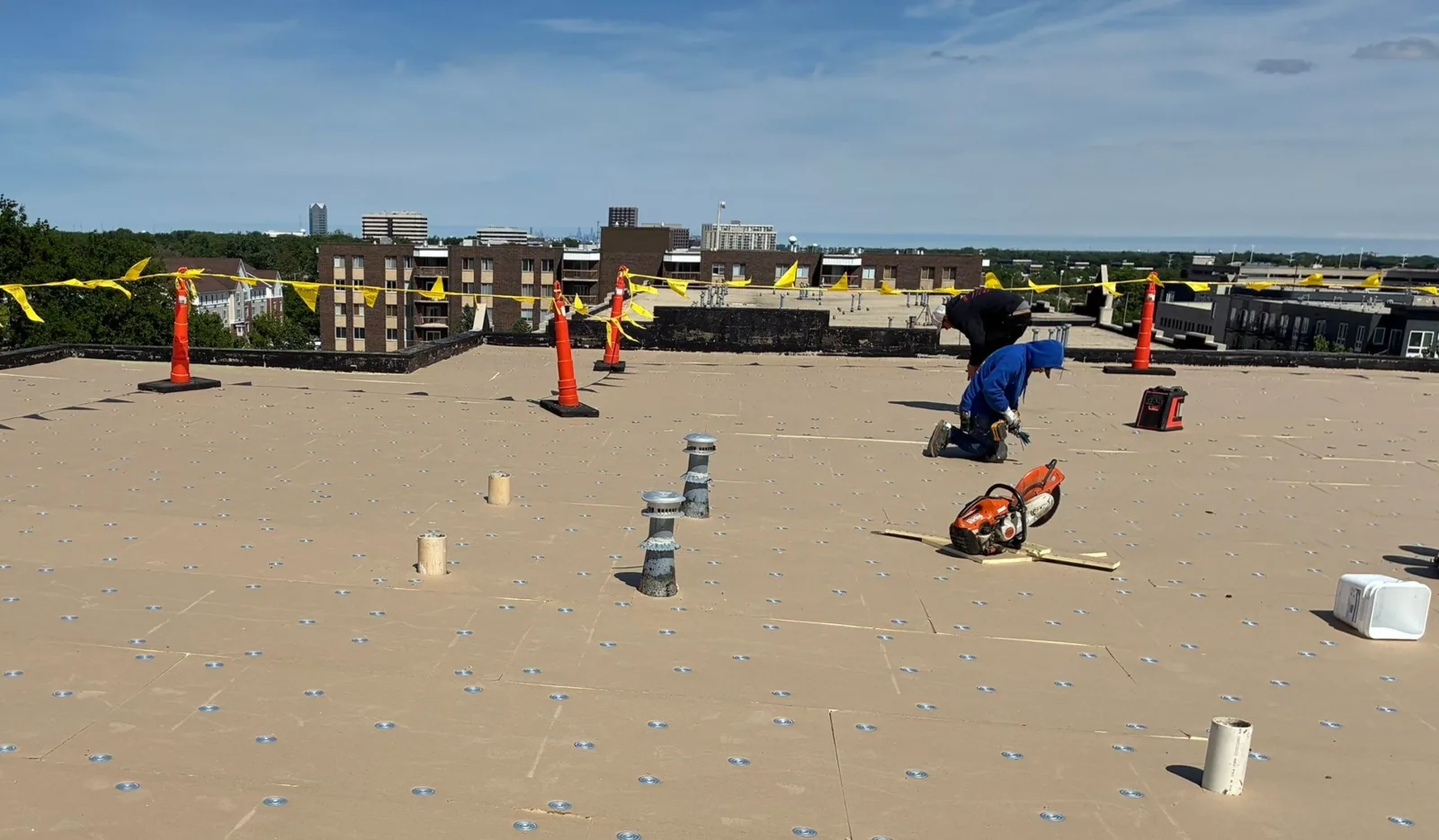
A repair scope should name the roof zone, preparation, compatible material, field dimensions, and closeout check. We separate base work from concealed conditions that may appear after opening. The repair proposal identifies the authorization needed before additional removal and lists any excluded area or access dependency.
When an agency solicits multiple bids, the comparison needs the same roof boundary and work assumptions. We identify roof system, test results, staging, interior protection, and whether a separate trade must isolate equipment. A measured quantity lets procurement compare scope instead of relying on a broad line such as “repair leak.”
The Topeka and Shawnee County Public Library’s major expansion added roughly 100,000 square feet to an earlier facility. That history identifies an expanded public site, not a roof quantity. For a multi-section building, we map the roof areas and their transitions separately so the bid shows which section is included.
A public bid should let each proposer price the same roof boundary. List measured quantities, alternates, unit pricing for concealed deck work, temporary protection, access assumptions, and the documents due with closeout. If an addendum changes a drain, edge detail, or work window, identify the affected line instead of folding it into a general allowance. The agency can then compare the base work with approved options and preserve the reason for each change in the procurement record. Note whether an open item is a bid clarification, owner decision, or field change so it follows the correct approval path.
Public Access: Which entrances stay available?
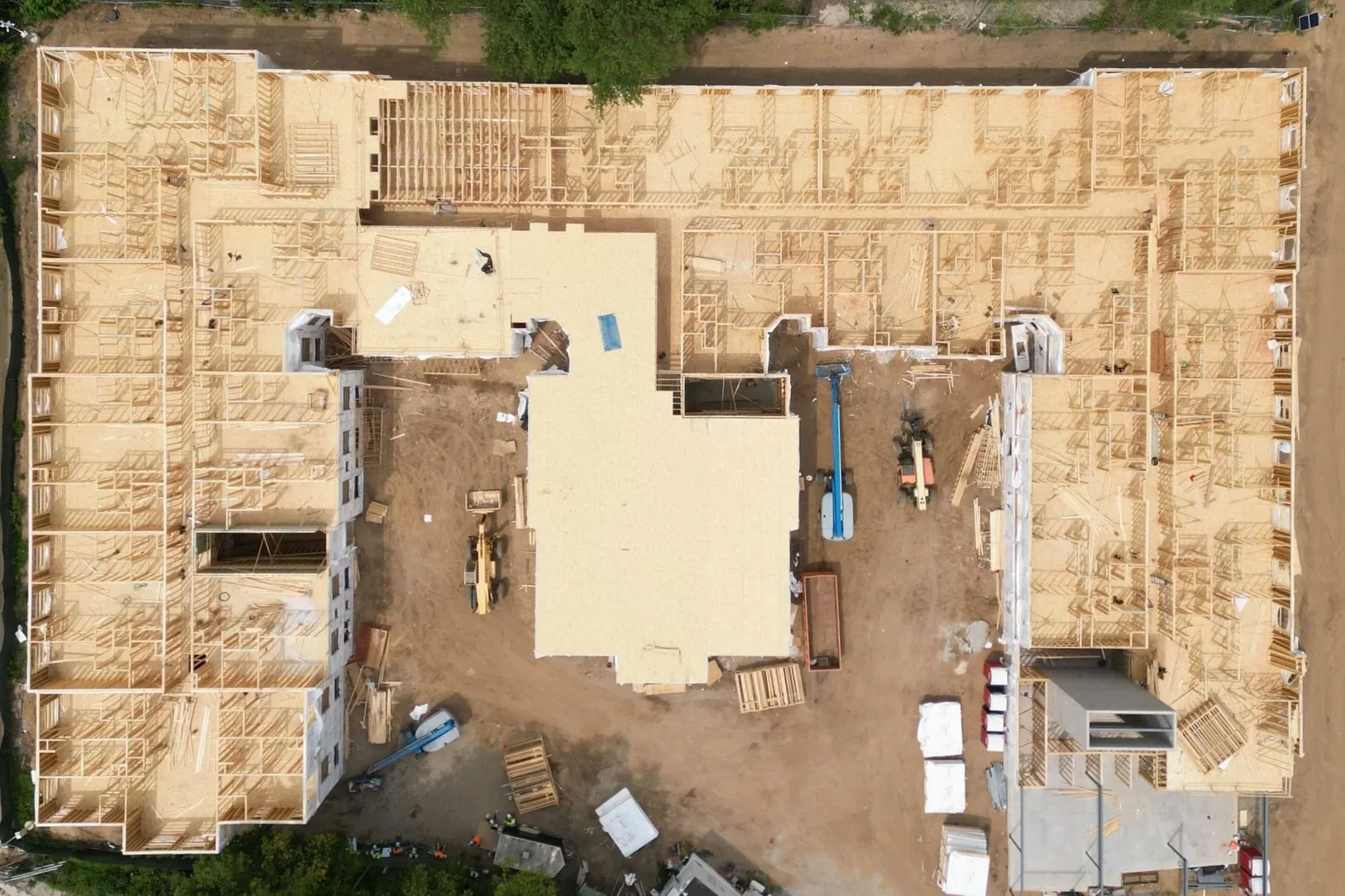
Roof lifts, material drops, and temporary barriers can affect a public entrance, parking lane, or delivery area. We coordinate the route with the facility manager and identify a safe detour where one is needed. A public-building phase plan states the daily work zone, tie-in, overhead protection, and reopening check.
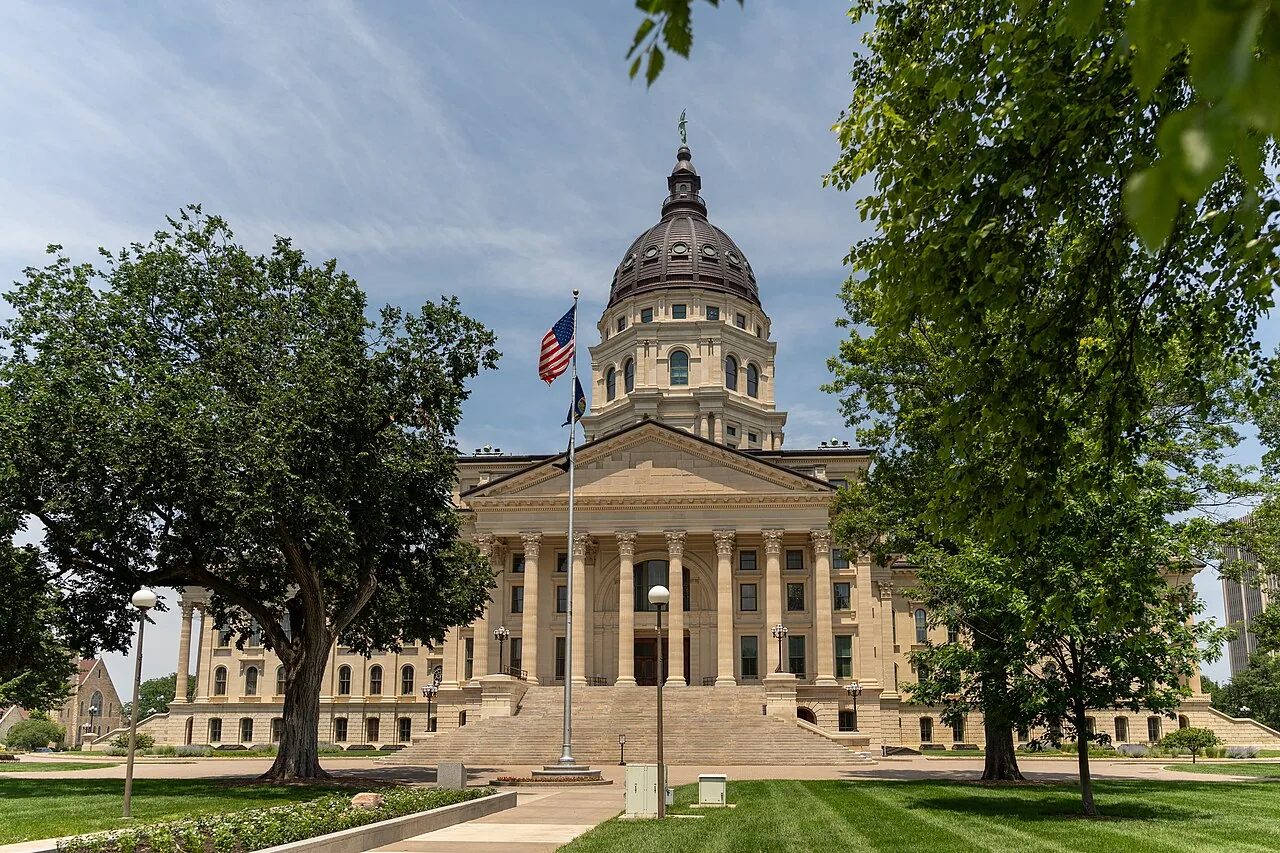
The Kansas State Capitol is a downtown public destination with a visitor center and tours. A project near the Capitol District may involve downtown staging and public traffic, while another municipal building follows its own site controls. We confirm current access instructions instead of carrying one traffic plan between locations.
Emergency roofing service remains available after office hours, weekends, and holidays. We coordinate entry with the authorized contact, protect the affected public area, and log temporary mitigation. The lasting repair is scoped after the roof condition is confirmed. The agency can then update staff and visitors with a specific closure or reopening time.
Survey: What does the condition record establish?
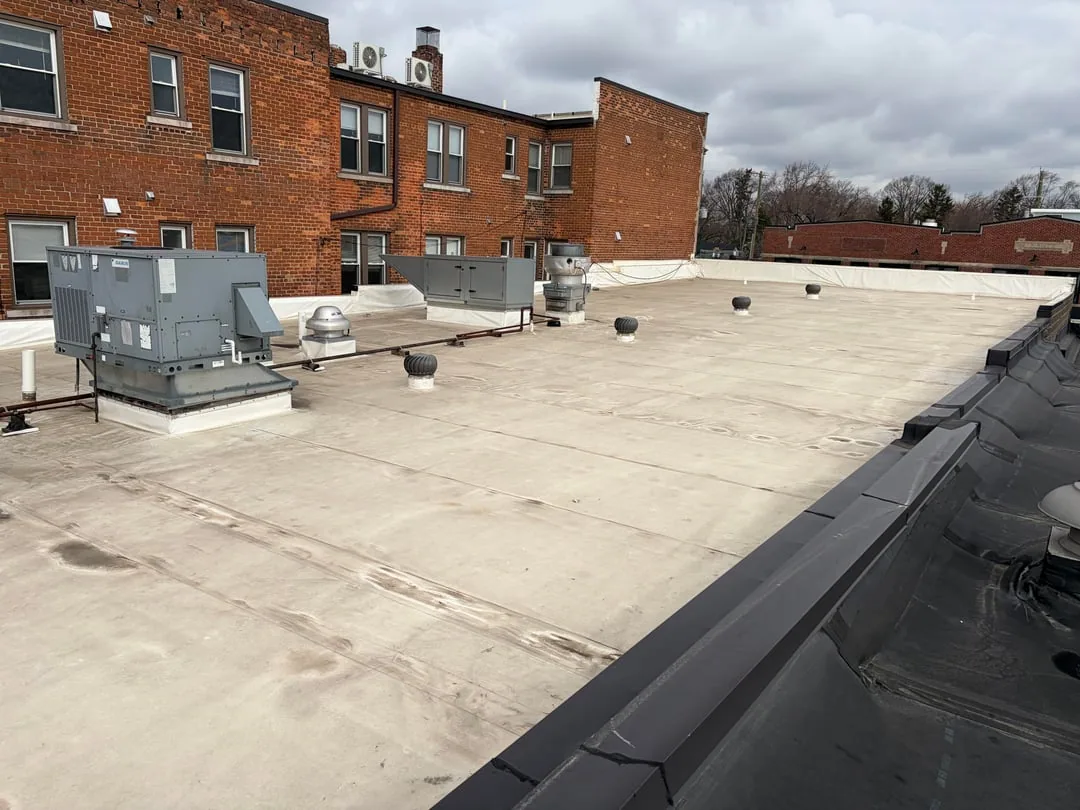
A ceiling stain may be below a drain, parapet, curb, or wall transition. We log its room and date, then compare the report with roof slope, seams, penetrations, and prior repairs. A commercial roof inspection records visible defects, test locations, and sections unavailable because of equipment or access limits.
If moisture readings affect removal quantities, we mark them by roof area and confirm conditions through a test opening where necessary. Wet insulation and deck damage are recorded separately. The report distinguishes the screening result from material actually inspected, so a budget estimate does not present a broad untested area as a confirmed quantity.
The Capitol Complex and the downtown master plan’s other civic districts represent different public building settings. A roof survey should still identify its building number, access route, roof assembly, and room below each test. The work file stays tied to the facility rather than a district-wide description.
Weather: How are seasonal visits prioritized?
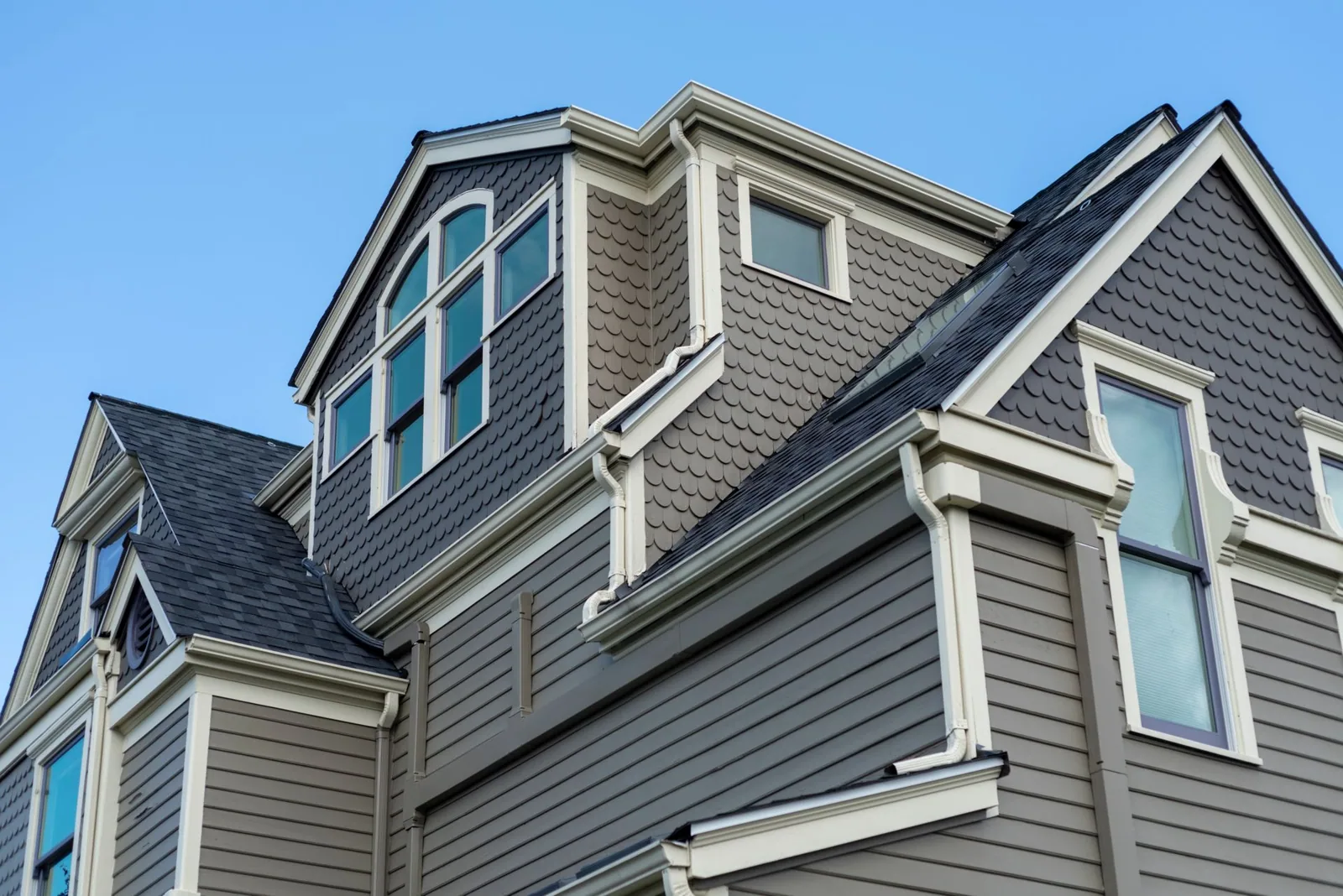
Seasonal inspection timing should account for both warm-season downpours and winter access limits. We check drains, scuppers, low areas, laps, and edge details before the wet season. After a thaw, we note whether outlets cleared and whether water remains. Snow or ice that prevents safe access is listed for a return visit.
The 1966 Topeka tornado damaged or destroyed every building on the Washburn University campus. That documented event supports local readiness planning, while current repairs need site-level roof findings. After a storm report at a public facility, we photograph edge movement, punctures, or open seams and record the areas reached.
When an inspection stops because of weather, the report names the sections deferred and the conditions needed to resume. If an interior leak is active, temporary protection can be arranged while permanent work waits for safe roof access. The agency receives a status that separates the emergency action from the completed repair.
Capital: How can agencies compare repair and reroof?
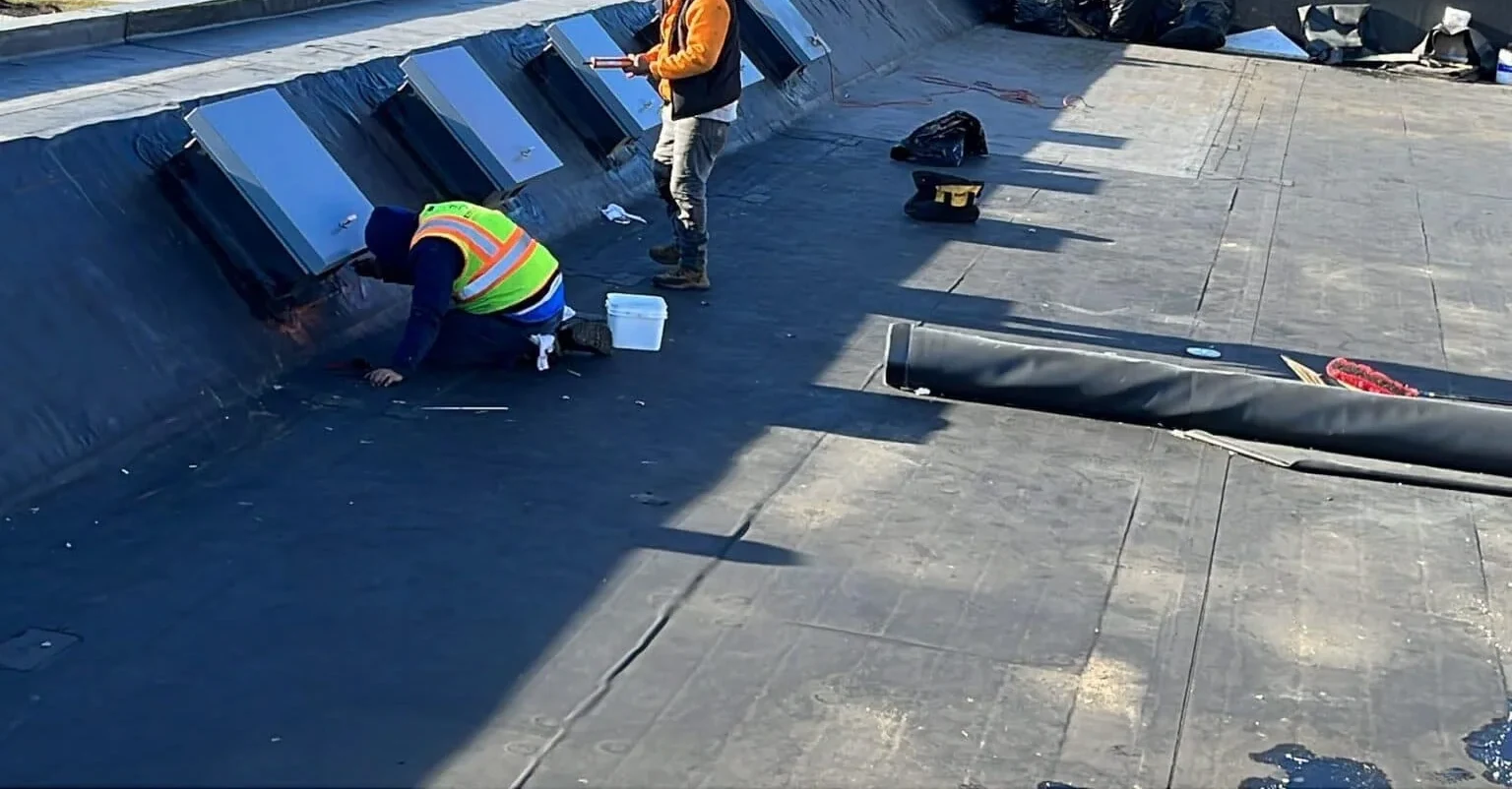
A public capital request should list the tested areas, repairable details, and any section whose condition remains unknown. A replacement review can then separate verified work from investigation that still needs authorization. Cost drivers include removal depth, staging, interior safeguards, and the number of areas released at once.
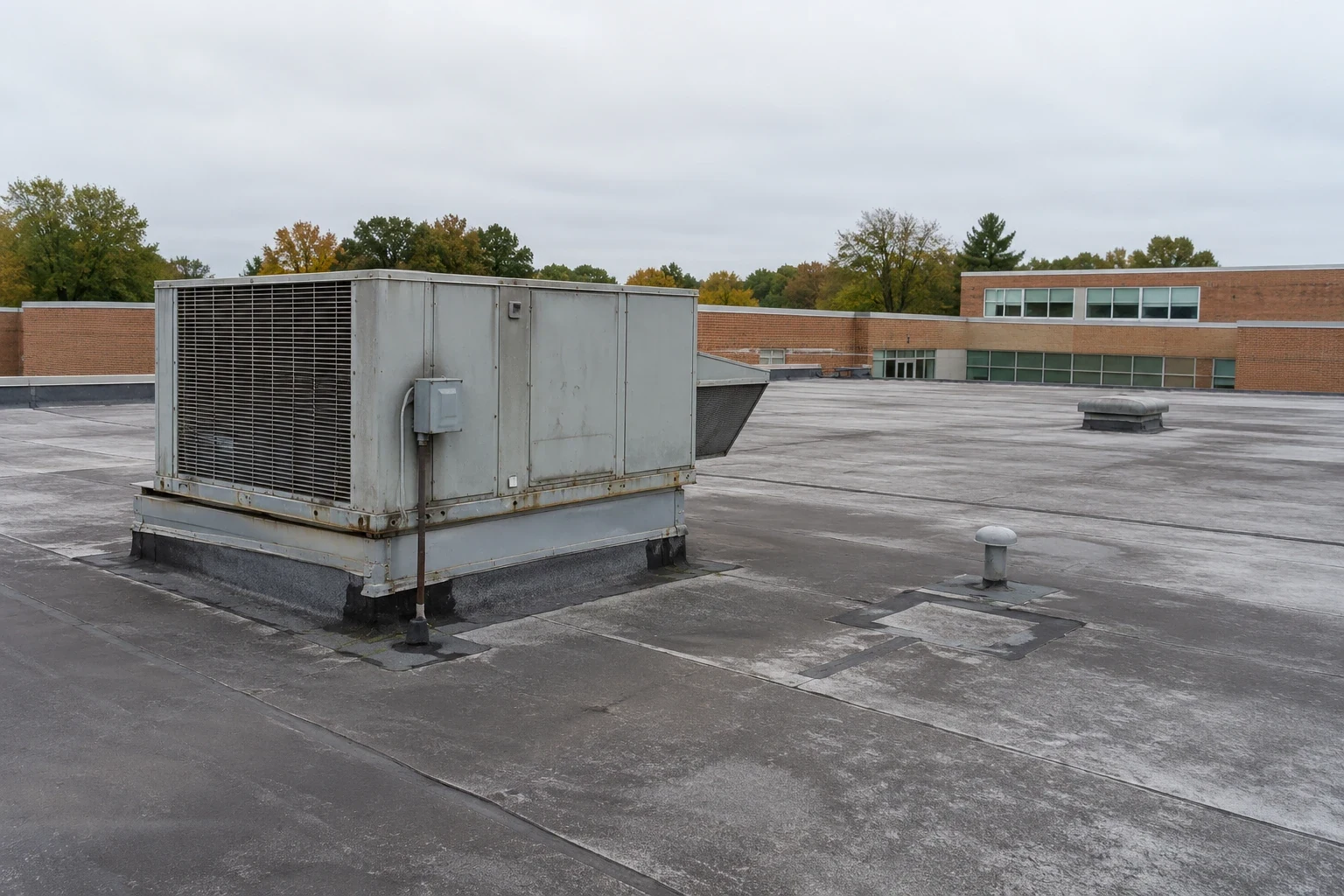
School district roofing may require calendar planning, while property management work may track tenant notices across sites. Public agencies have their own appropriation, procurement, and records processes. We provide the measured scope, assumptions, and approval points so a capital request can be tied to roof evidence.
If the agency is comparing maintenance, repair, and replacement, we identify the consequence of each deferred item without assigning an unsupported remaining-life figure. The report states where testing was completed, where more access is needed, and which repair can be scheduled before a larger project.
Record: What belongs in the closeout packet?
Keep the bid scope, approval record, roof plan, photos, test results, installed material, repair dimensions, and final inspection together. Record the entrance or room affected and when the public route reopened. Any deferred section should remain identified for the next inspection.
If water is reported again, compare the room, date, roof zone, and service history with the prior work. A new stain can follow a separate water path. The file gives facilities staff a measured starting point and the contact who approved the last change.
Provide the building identifier, visitor schedule, roof drawing, work history, and site escort details. We can mark the inspection limits, public circulation impacts, and open approvals for the agency lead.
Commercial Roofing Questions
Can a public building remain open during roof repairs?
It can when the facility releases a safe work zone and an entrance or route remains protected. We list closures, detours, and reopening checks by phase.
What should procurement require in a roof bid?
Ask for the roof area, measured dimensions, materials, interior protection, exclusions, change approval, and closeout steps. We identify access limits that affect the price or schedule.
How do you document an area that could not be inspected?
We label the roof section and the reason it was unavailable, then set the access or weather condition needed for a return. It remains untested until reached.
Can the agency call for roof response after public hours?
The on-call crew can be reached at night, on weekends, and on holidays. We coordinate access through the agency contact and record temporary protection separately.
When should an agency fund a replacement study?
Repeated failures, moisture confirmed in multiple areas, or recurring edge defects can justify comparing larger work. Testing establishes which roof sections are included.
Related Roofing Work
Commercial Roof Repair
Occupied Commercial Building Reroofing
Capitol District
Commercial Roof Inspection
Commercial Roof Replacement
School Districts
Prepare a public building roof scope
Service Area
Topeka, Auburn, Silver Lake, Carbondale, Rossville and Shawnee County, KS
Quick Contact
Email: [email protected]
Phone: 555-555-5555
Request a Roof Assessment
Share the building identifier, visitor schedule, site escort, roof drawing, and current concern. We will prepare a site-specific inspection plan for agency review.