
Commercial Roofing in Capitol District, Topeka, KS
Home / Service Areas / Capitol District
Office, civic, retail, and adaptive-reuse properties share the Capitol District's downtown redevelopment context. Topeka's master plan names it as one of nine districts, while the broader downtown also includes public destinations, businesses, and entertainment. Those descriptions frame the downtown building mix. The individual roof material and condition still require records and field inspection. We begin with the property address, access contact, and current roof concern. A field walk then maps seams, flashing, drains, and previous repairs so a repair boundary follows measured conditions rather than a district-wide assumption.
Civic access: Which approvals shape the work window?
Before mobilization, we confirm who can release the roof, whether an escort is needed, where materials can stage, and which areas must remain accessible. A civic or office property may have public hours, scheduled meetings, or controlled entries, but the property contact confirms actual rules. We identify lift location, delivery route, pedestrian protection, noise periods, and who can approve a test opening. A phased roof sequence can keep occupied areas protected while crews move through defined zones.
If water enters a public or occupied room, we record the location, time, contents at risk, and temporary protection. Emergency response runs through nights, weekends, and holidays to limit active exposure. Permanent repair still needs a compatible material and a safe work area. We separate emergency mitigation from the measured repair so the owner knows which detail remains to be corrected after the initial response.
The Capitol District sits within the downtown master-plan area. The Historic Kansas Avenue District and River to Rail District are other named planning areas in the core. Each property has its own access contact and work rules. A plan for one block does not become an access plan for another building.
Where public entrances, offices, and street-facing retail share a block, the access plan should identify which doors stay open and where pedestrian controls begin. The crew confirms the roof route with the property representative and keeps tools and materials within the authorized staging area. If work affects a tenant below, the notice should name the room, timing, and protection method. At closeout, dated photographs and a marked roof zone give the next facilities contact a usable record rather than a general note that repairs were completed.
Roof survey: What should be recorded?
We inspect membrane seams or metal laps, penetrations, curbs, skylights, drains, scuppers, edges, and prior patches. Records and roof evidence, rather than a civic address or district label, identify the installed membrane or metal. We compare available submittals and service notes with the exposed roof, then mark each section reached. A commercial roof inspection separates visible observations from test results and concealed areas.
A ceiling mark may sit away from the roof opening because water can travel along a deck or insulation. We compare the reported room with the likely water path, then check the closest seams, low areas, drains, curbs, and walls. If wet insulation could expand the repair quantity, we identify a scan or test cut that would answer the question. Infrared screening can guide test placement when conditions support it; we record only what the selected area shows.
Warm-season downpours and winter precipitation both affect Topeka roofs, so we inspect outlets and overflow paths after drainage settles. Drains, overflow routes, and low areas need inspection after outlets clear. Hail and wind are documented in the regional event archive. A report of a storm can prompt a visit, but the property inspection determines whether there are punctures, lifted edges, impact marks, or older wear.
Drainage: What deserves seasonal attention?
A drain bowl, scupper, leader, and overflow path must be reviewed as one roof section. We note debris, standing water after the outlet clears, damaged connections, and any seam or flashing exposed to repeated wetting. Winter precipitation can complicate safe access; snow or ice may require a return visit before hands-on checks. We do not infer a membrane failure from a temporary puddle. A drainage scope can address an outlet or overflow separately from a membrane repair.
When testing finds moisture, we mark the area and method. A test point does not describe the entire roof. If wet insulation continues beyond the visible opening, the repair may need to reach dry material. If the tested section is dry and a seam is open, a smaller repair may be supported. The estimate states the boundary and what could change after the assembly is opened.
Public, office, retail, and adaptive-reuse uses can bring different maintenance contacts and building schedules. We keep those contacts and inspection maps attached to each address. If several properties share an owner, the evidence should still remain separate by building, tested zone, and date. That helps the next facilities contact see what was observed and what remains a question.
Repair choices: What supports a broader project?
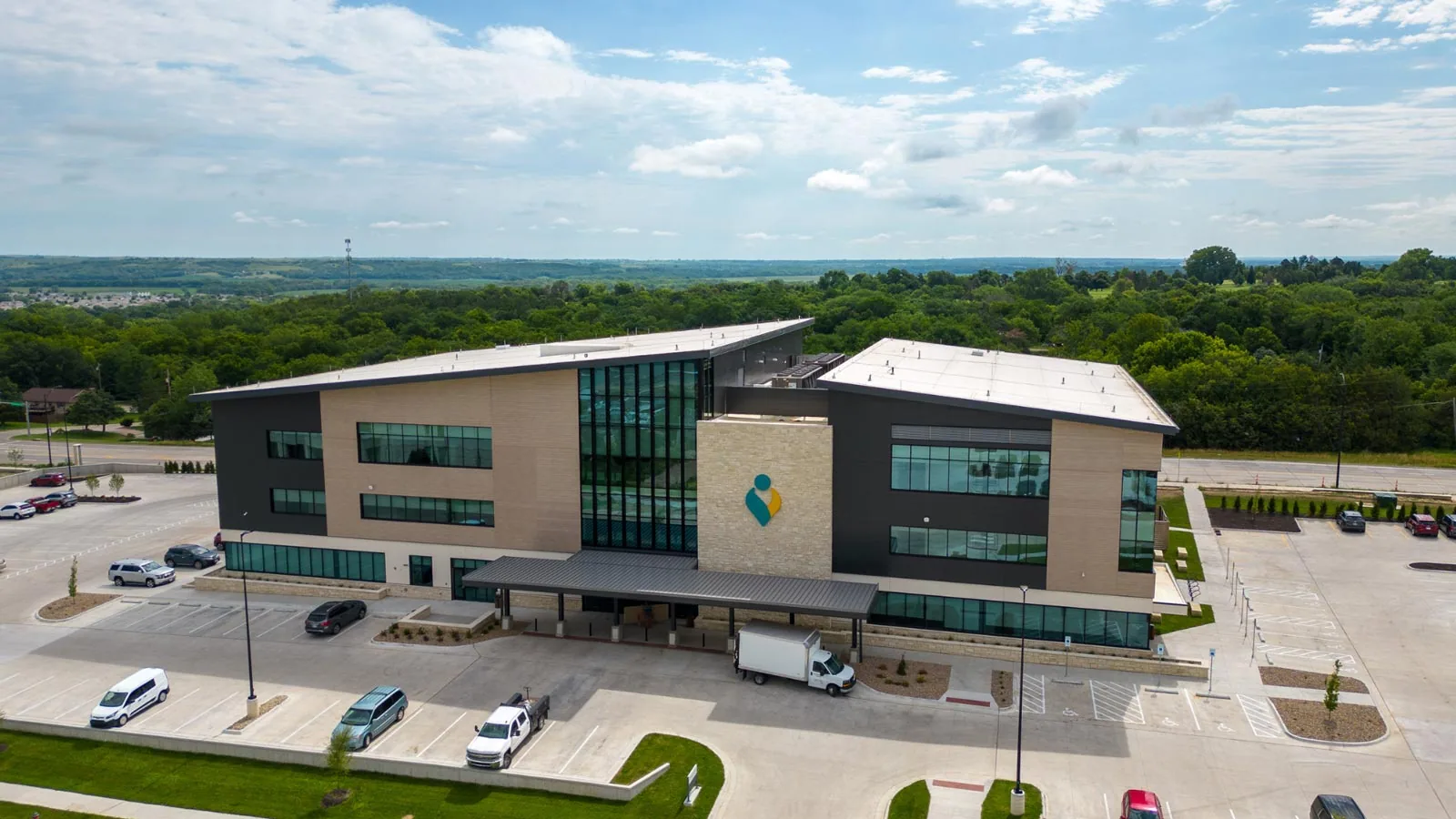
A bounded puncture, failed flashing, or separated seam may support local repair when adjacent material is sound. We prepare the surface, restore a compatible detail, and photograph the repair dimensions. A recurring leak, brittle membrane, broad attachment failure, or moisture across multiple areas may call for a larger comparison. We inspect insulation, deck, cover board, edges, penetrations, and drainage before pricing recover or replacement.
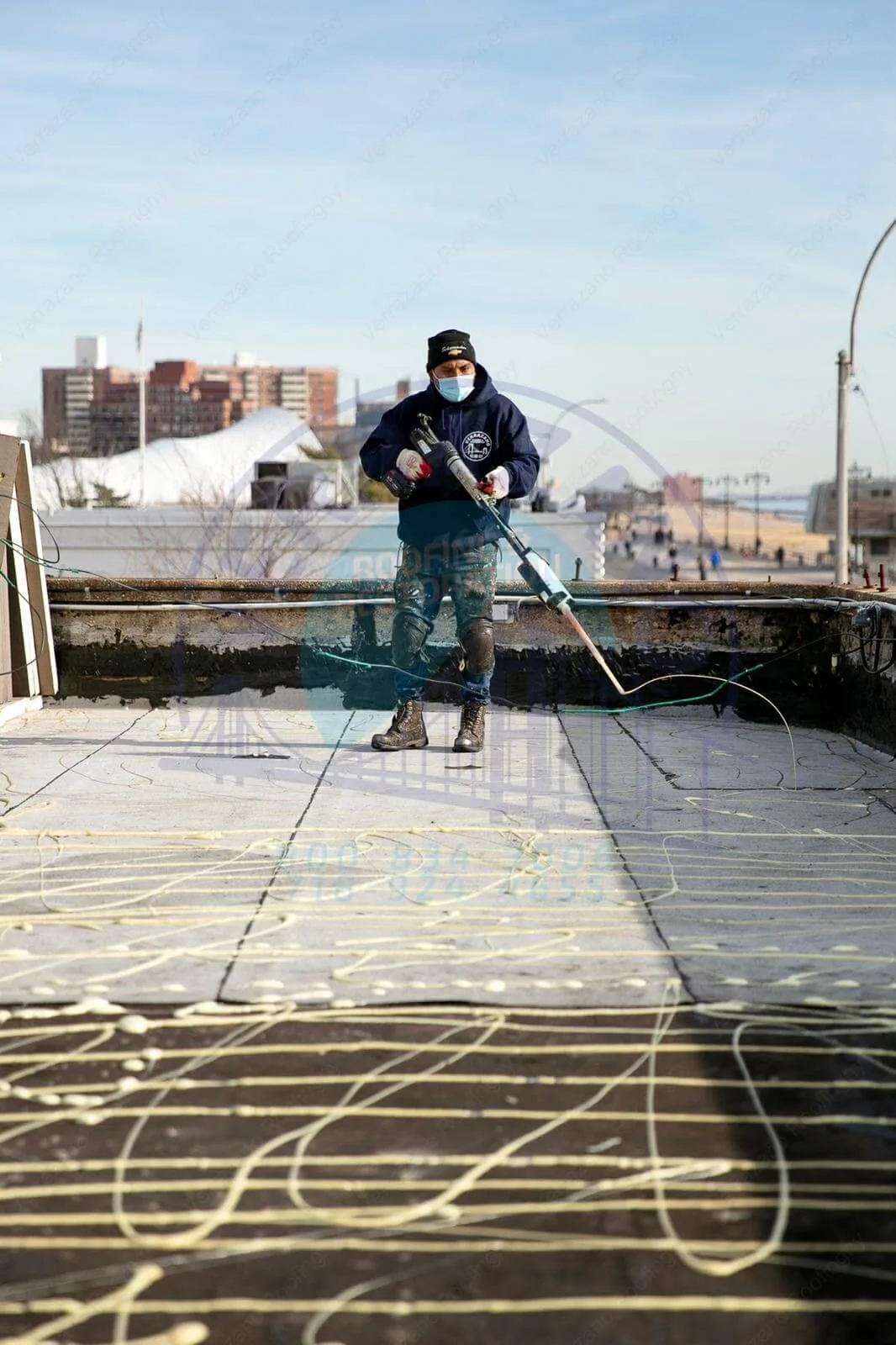
A recover review checks current attachment and moisture before another layer is considered. A measured repair scope describes preparation, material, access, tested boundary, and closeout. If work uncovers a different deck or wet-insulation condition, we pause for owner direction before expanding beyond the approved quantity.
Cost and timing depend on staging, roof height, work-hour restrictions, testing, wet material removal, drain or edge work, and protection below. The district's mix of civic, office, retail, and reused properties makes coordination worth confirming, but no single work sequence fits every address. We identify which steps can occur in the available window and which require separate mobilization.
Records: What should follow the property?
Keep roof plans, inspection dates, system notes, access contacts, photographs, test locations, repair dimensions, and owner approvals together. Separate emergency protection from permanent work. Mark any uninspected area and the access needed to return. A current file helps public or private facilities staff compare a new report with prior repair work without assigning the old cause to a new leak.
A claim-support record can retain date-stamped photos and observed roof conditions when a storm is reported. It does not make a coverage decision. A condition report keeps measurements and test limits available for maintenance and budgeting. The recorded inspection date matters; an old estimate cannot describe today's roof.
For service in the Capitol District, provide the property address, roof concern, access contact, and existing records. We will inspect the available section, record what is tested, and present separate choices for repair, further investigation, or a larger project.
Commercial Roofing Questions
Does the Capitol District name tell you which roofs are public buildings?
The district includes civic, office, retail, and adaptive-reuse context. We confirm the specific owner, building use, access contact, and roof assembly at the property.
Can roofing work proceed during public hours?
The property contact confirms permitted hours and access. We plan barriers, lift placement, noise, delivery, and daily closeout around those approved requirements.
How do you scope a leak in an older or repurposed building?
We review available records, inspect visible layers and transitions, and test where concealed conditions can change quantity. Unconfirmed layers remain labeled until verified.
Do Topeka storm records prove a claim for the building?
They give weather context. We document roof conditions at the address and provide photos, measurements, and tested limits for the owner's records.
What makes a downtown roof repair take longer?
Staging, roof access, public-area protection, weather, moisture testing, and owner approvals affect timing. The estimate identifies a work window and any return visit.
Related Roofing Work
Occupied Commercial Building Reroofing
Historic Kansas Avenue District
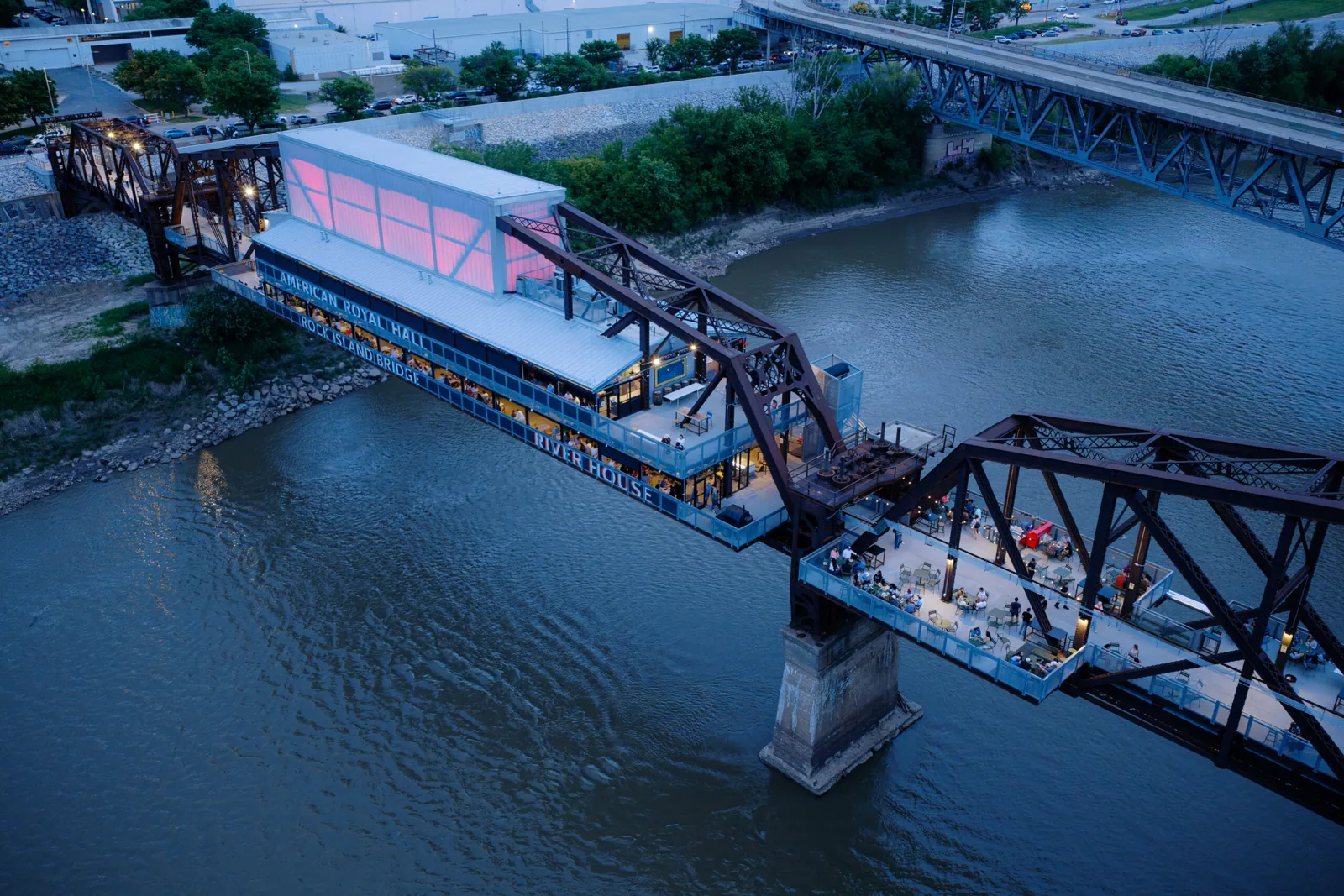
River to Rail District
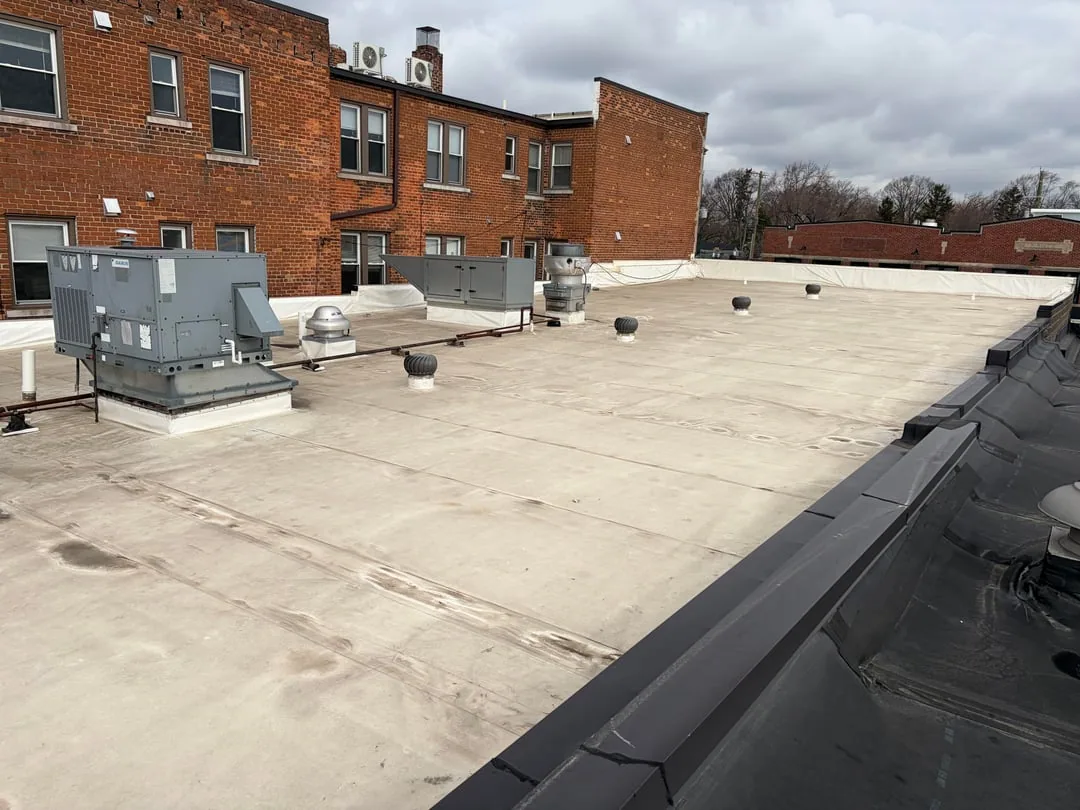
Commercial Roof Inspection
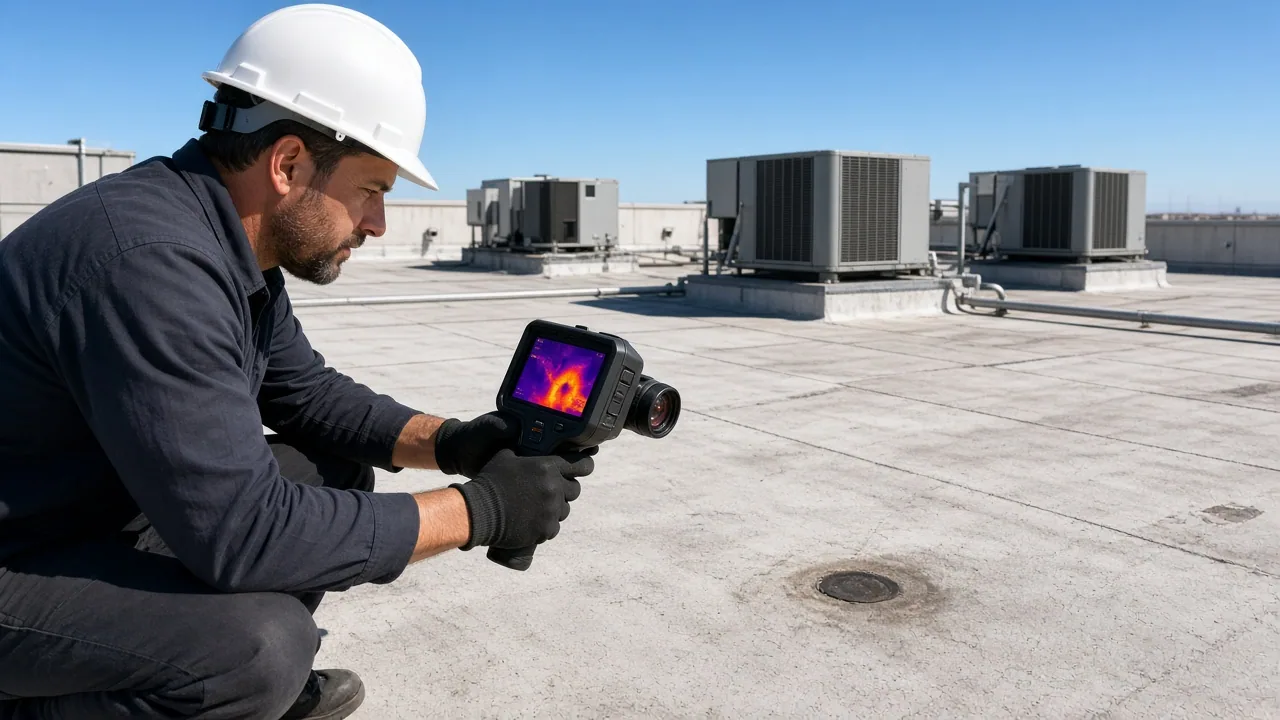
Commercial Roof Infrared Moisture Survey
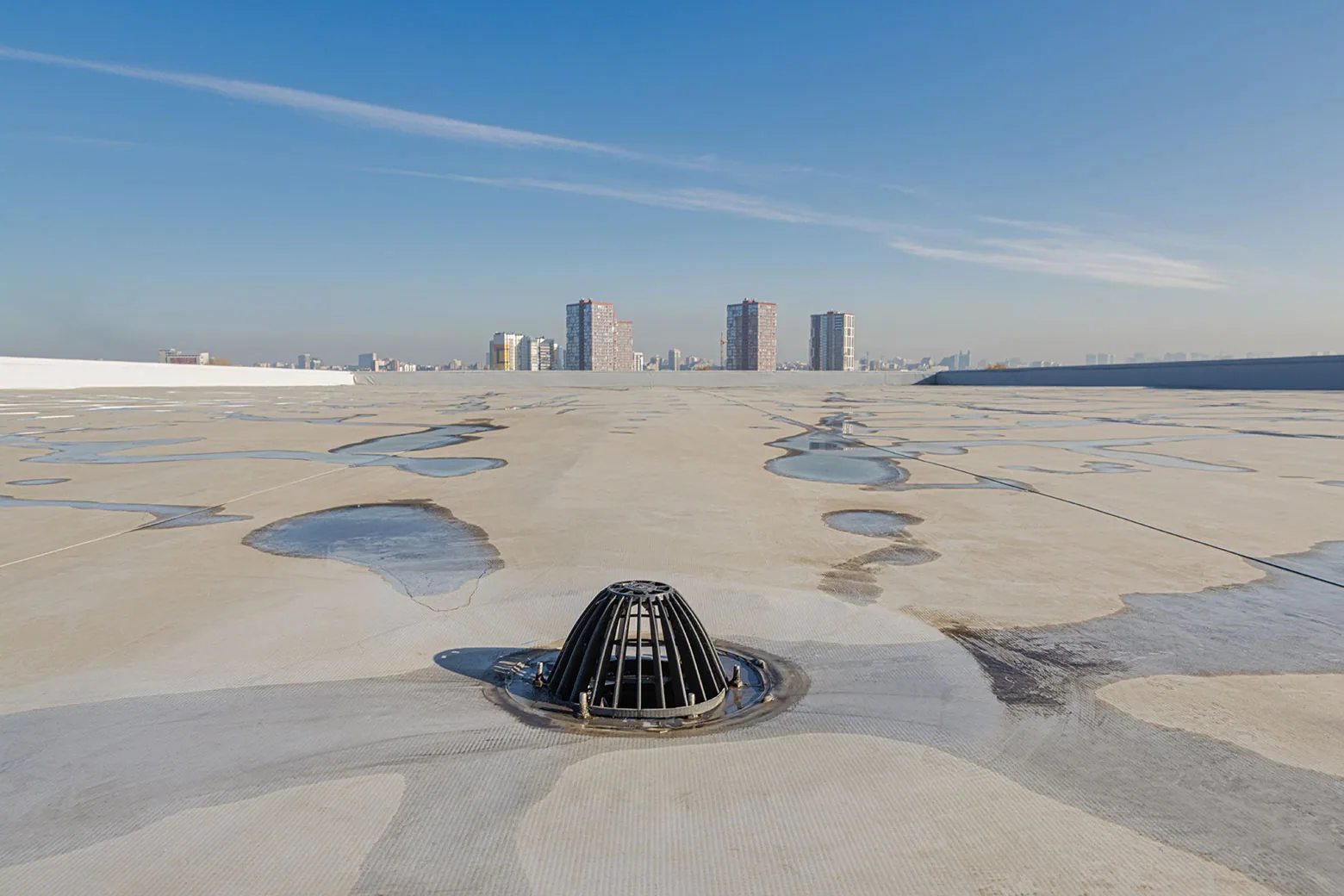
Commercial Roof Drains and Scuppers
Schedule a Capitol District roof review
Service Area
Topeka, Auburn, Silver Lake, Carbondale, Rossville and Shawnee County, KS
Quick Contact
Email: [email protected]
Phone: 555-555-5555
Request a Roof Assessment
Share the building address, current roof concern, access contact, and available inspection or repair records. We will map the tested section and define supported repair choices.