
Commercial Roof Insurance and Restoration in Topeka
Home / Industries We Serve / Commercial Roof Insurance and Restoration
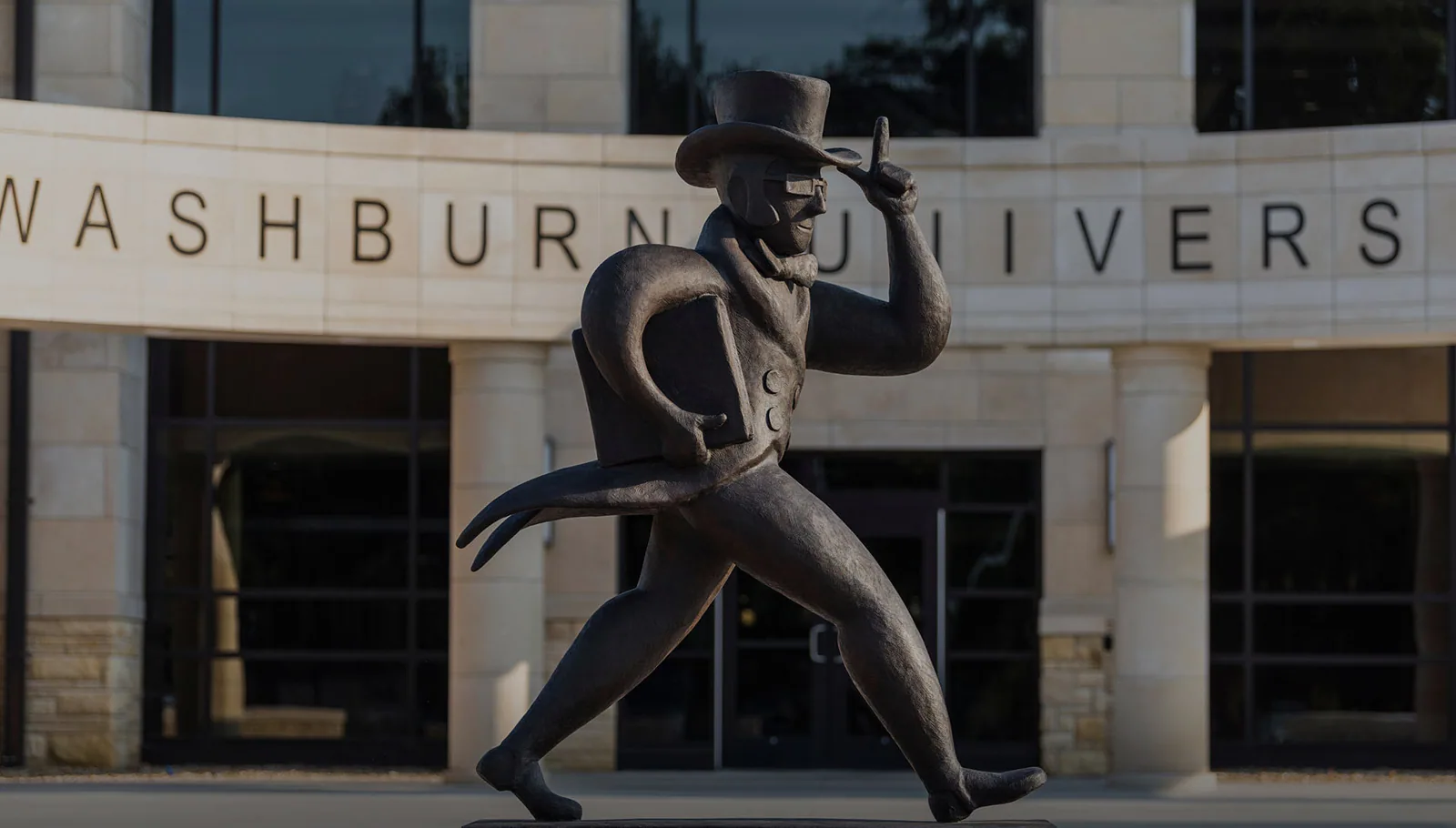
After a storm, the first roof visit should establish what is safe, what is wet, and what needs temporary protection. Our team inspects commercial roofs in Topeka and records visible conditions by building and roof zone. The Washburn University campus remains a local reminder of tornado exposure: the 1966 storm damaged or destroyed every building there. Current conditions still need their own measurements and dated photographs.
Inspection record: What should be documented first?
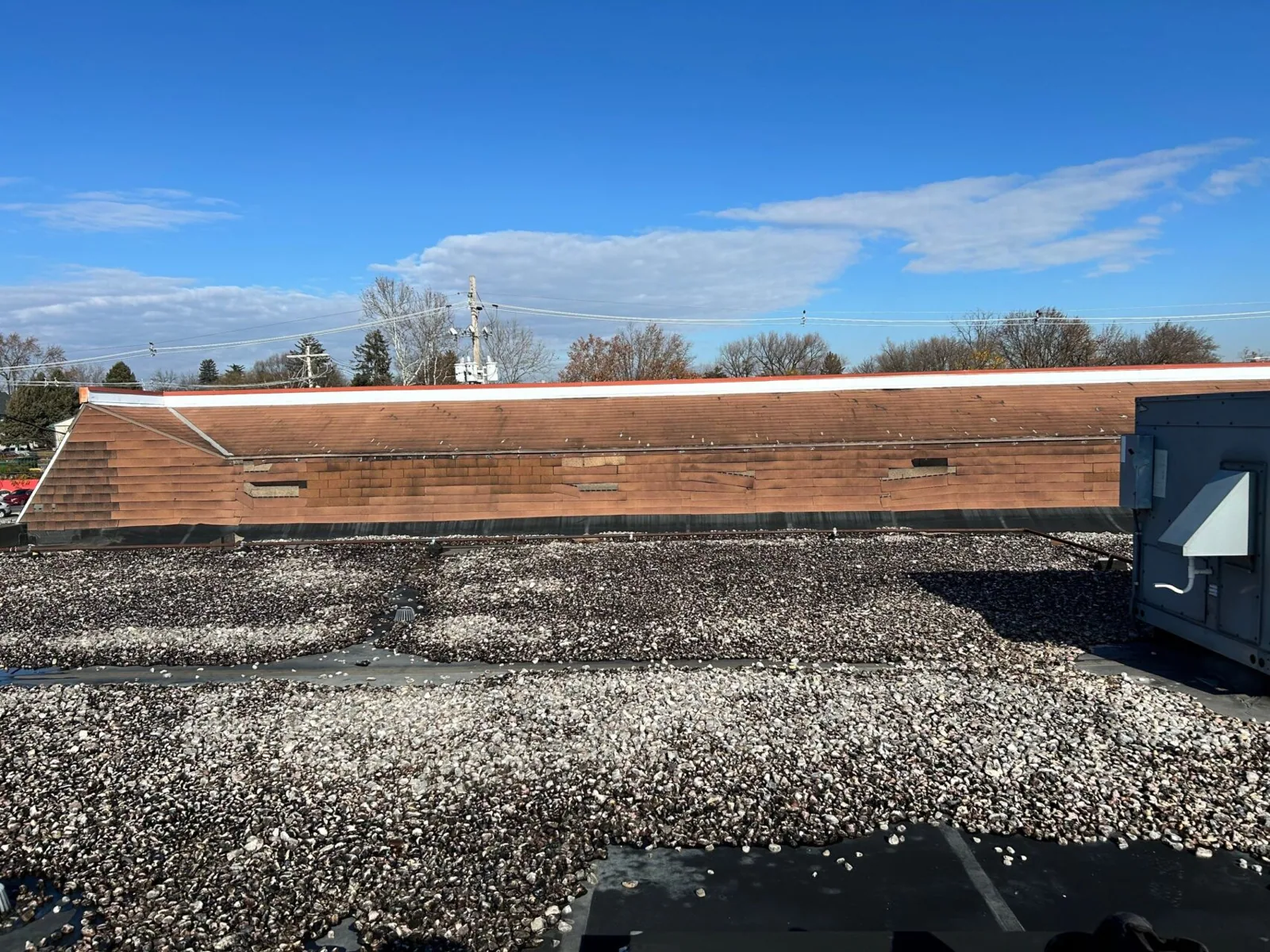
We begin with a safe access plan and a site contact. The storm damage inspection records the apparent opening, impact marks, displaced edge details, punctures, standing water, and interior reports. Photographs include a wider roof view, close details, and a location reference. We note conditions that cannot be seen without opening the assembly rather than treating them as confirmed damage.
Topeka’s National Weather Service event archive includes severe hail and wind. That regional history makes a careful survey useful, but a past event does not identify the cause of a current roof condition. We record the visit date, observed material, limits of access, and any recent work reported by the owner. A separate commercial roof inspection can map baseline conditions across buildings not included in the storm response.
For a multi-building account, we assign each image and note to a building name, address, and roof section. On a campus or retail portfolio, that convention helps an adjuster, facility lead, and restoration contractor discuss the same location. We can compare available maintenance records and earlier photographs when the owner supplies them. The report distinguishes observed facts from items requiring destructive testing or another trade’s review.
Temporary protection: How is an active leak stabilized?
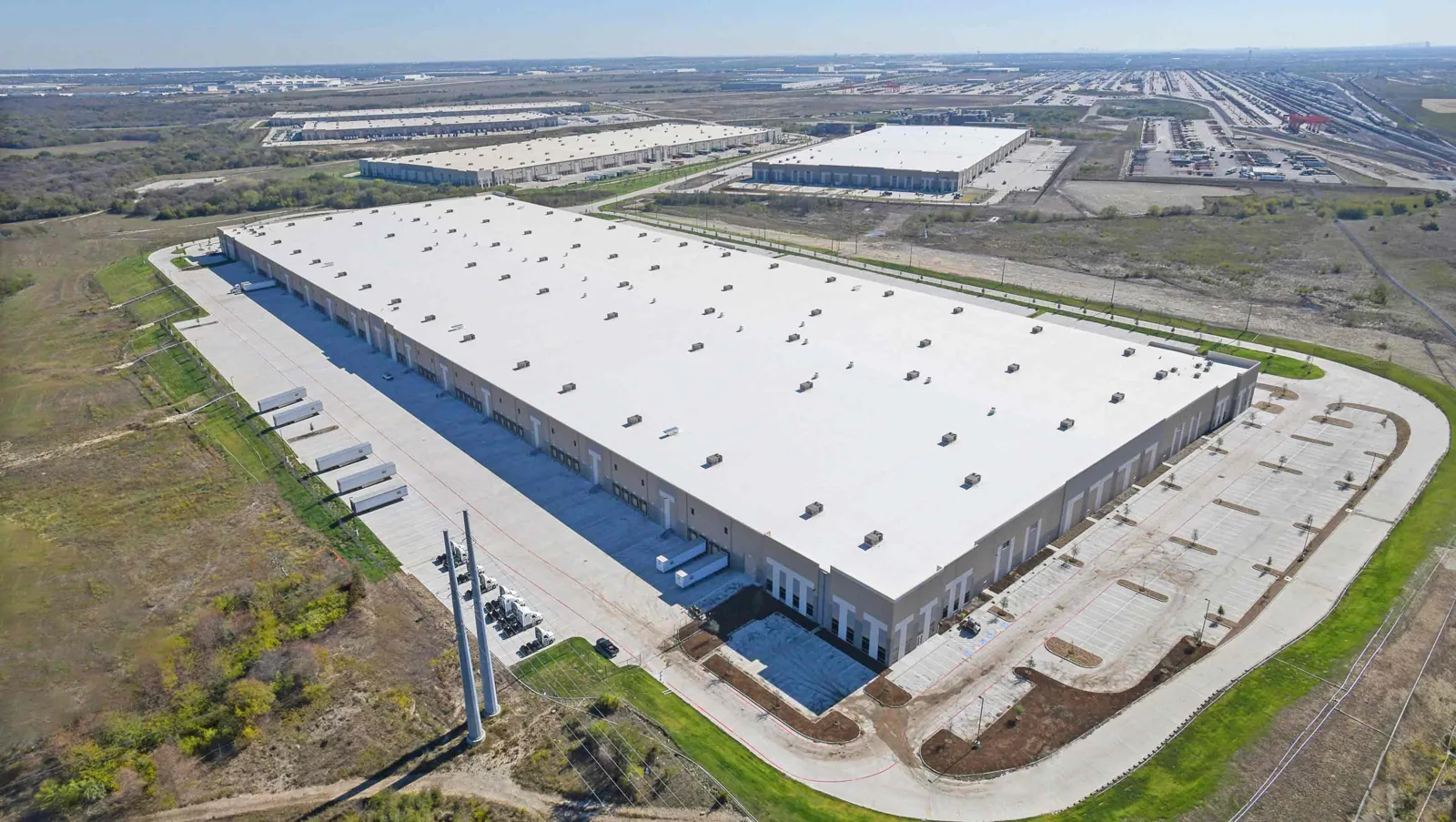
When water is entering, the first assignment is to protect occupants, equipment, and finishes while limiting additional roof exposure. The emergency roof response identifies the entry area, the temporary measure, and the conditions that would require another visit. We coordinate access with the property representative and keep the temporary work separate from a permanent repair proposal.
Inside, the site team can identify affected rooms, ceiling areas, electrical hazards, and sensitive operations. On the roof, we document the material removed, temporary membrane or cover used, and the condition at the perimeter. A mitigation note should state what was reachable and what remained concealed. It should not present a temporary patch as a completed repair or as proof of the leak’s origin.
Topeka’s annual climate normals show precipitation in both summer and winter, with thunderstorms during the warm season. A short weather window can affect when a safe permanent repair is possible. We record the roof condition at the end of each visit and give the site contact a clear next step, such as keeping an area isolated or arranging interior drying through the owner’s chosen vendor.
Repair scope: What belongs in the roofing estimate?
A repair estimate should describe the work area, assembly, measured quantities, access needs, and finish checks. The commercial roof repair scope can identify membrane, insulation, flashing, edge metal, drainage, or deck work where conditions support that task. If concealed damage appears after opening, we stop at a safe boundary, photograph it, and provide dimensions for owner direction before adding work.
We can also price replacement or a defined roof section when a local repair will not address the documented condition. The claim documentation service organizes roof observations and scope details for discussion with the owner and adjuster. The contractor describes roofing work; the insurer and policyholder determine coverage and claim decisions. Our estimate does not state that a loss is covered.
For properties near the Wanamaker corridor, access and tenant schedules may shape how the work is divided. We note delivery routes, customer entrances, rooftop equipment, and any section that must remain available. An estimate can list alternates separately, so emergency protection, repair, and larger replacement options do not blur into a single allowance.
Restoration coordination: Who needs each update?
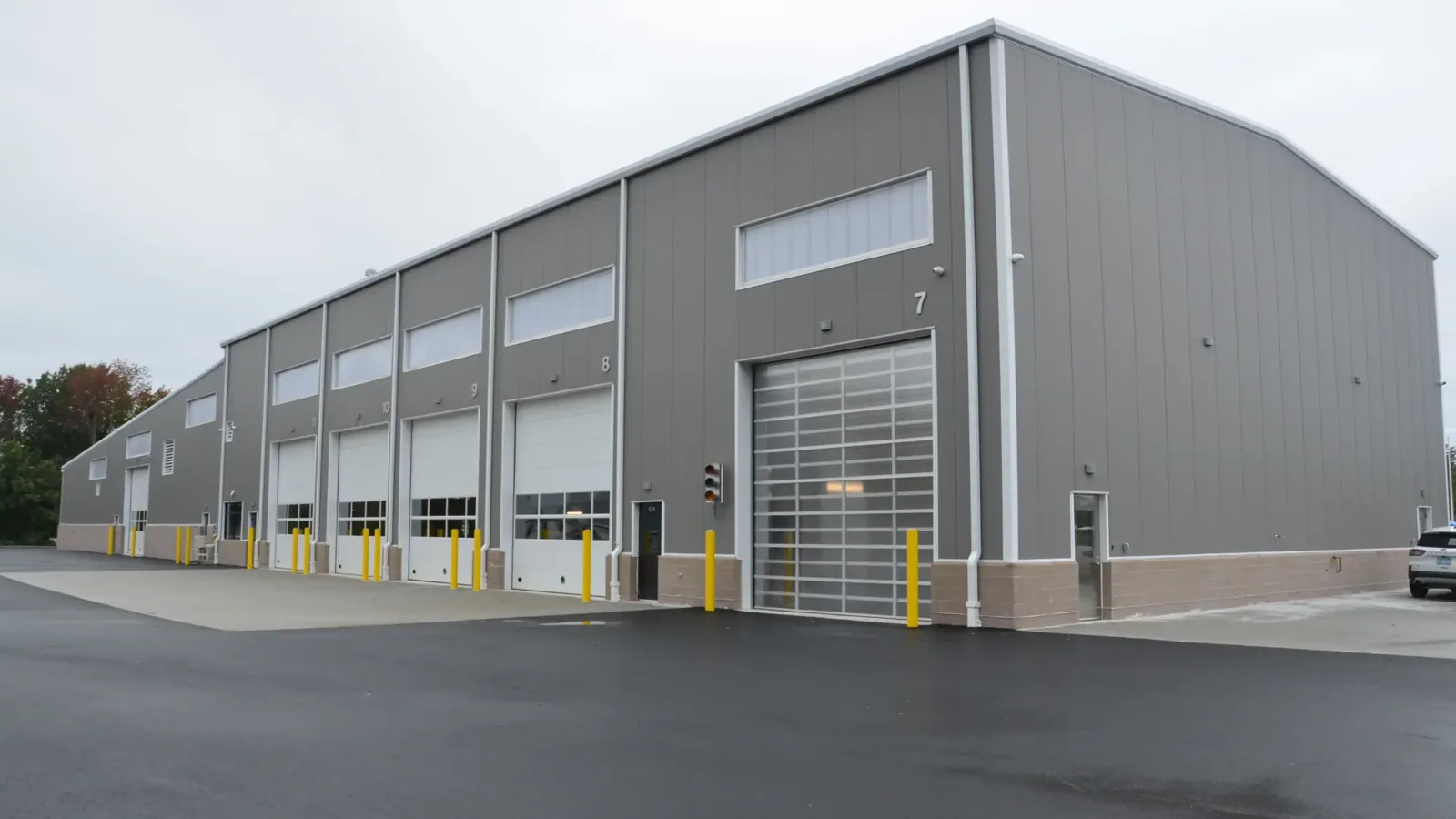
Restoration work often involves a property contact, adjuster, mitigation firm, roofing crew, and interior contractor. We identify the person authorized to grant roof access and the contact who can approve a change. The property management team can provide tenant hours, key procedures, shut-down restrictions, and prior work records before the crew arrives. A general contractor can also coordinate rooftop trades when the restoration runs alongside other construction.
For a healthcare property such as the Stormont Vail Health campus, we confirm entry, work zones, and safety steps with the facility contact before scheduling. Similar coordination applies at clinics, offices, warehouses, and occupied retail locations. Our field plan states the work zone, expected duration, noise or odor considerations, and the route used to reach the roof.
We send concise updates when the scope changes, a concealed condition is found, or weather alters the day’s plan. Each update should include the affected roof zone, a photograph, the decision needed, and the work that can continue safely. When an adjuster requests supporting detail, we can identify the matching image, measurement, and estimate line without representing the contractor’s view as a coverage determination.
Roofing observations and claim decisions belong in separate records. We document the visible condition, measured area, test result, prior repair, and temporary protection, then send the agreed material to the owner or authorized representative. The insurer and policyholder determine coverage under their process; the roof estimate prices the work supported by field evidence. If the scope changes after opening a detail, add dated photographs, the new measurement, and the approval before covering it. That lets the restoration file show what changed without turning a roofing opinion into a coverage determination.
Closeout: What does a useful restoration file contain?
The completed file can include the initial inspection, mitigation record, approved work scope, change notes, material details, progress images, and final roof check. We label files with the property and roof section instead of relying on a camera timestamp alone. That makes later maintenance staff better able to distinguish the repaired area from nearby original roofing.
For a portfolio owner or real estate investor, we can provide a concise building summary with observed issues and follow-up items. If a new water report appears months later, the record shows the repair boundary and the condition observed at completion. It makes no prediction about another area’s future condition or the cause of a later loss.
A restoration closeout should also list unresolved items, access restrictions, and maintenance recommendations that were actually observed. If the roof needs a broader condition survey, we identify it as a separate next step. The site representative receives the final documents and knows whom to contact if a new condition appears.
Commercial Roofing Questions
Can the roofing contractor determine whether an insurer will cover the damage?
No. We document visible roof conditions, measurements, and proposed roofing work. The insurer and policyholder handle coverage under the applicable policy.
What should the owner do before a roof inspection after hail or wind?
Secure interior areas where water is entering, report safety concerns, and share the property contact and access rules. Keep any available maintenance records and earlier roof photographs for comparison.
Will a temporary patch count as the permanent repair?
A temporary measure is described separately, with its location and limits. We inspect the assembly and prepare a permanent scope when conditions and access allow.
Can you inspect several Topeka buildings after one storm?
Yes. We can schedule a portfolio survey and identify each site and roof zone in the record. The owner should prioritize active leaks, critical operations, and safe access.
What if the crew finds wet insulation or deck damage during repair?
We protect the opened area, photograph and measure the condition, and pause at a safe boundary. The owner can review the additional scope before that work proceeds.
Related Roofing Work
Washburn University
Storm Damage Roof Repair
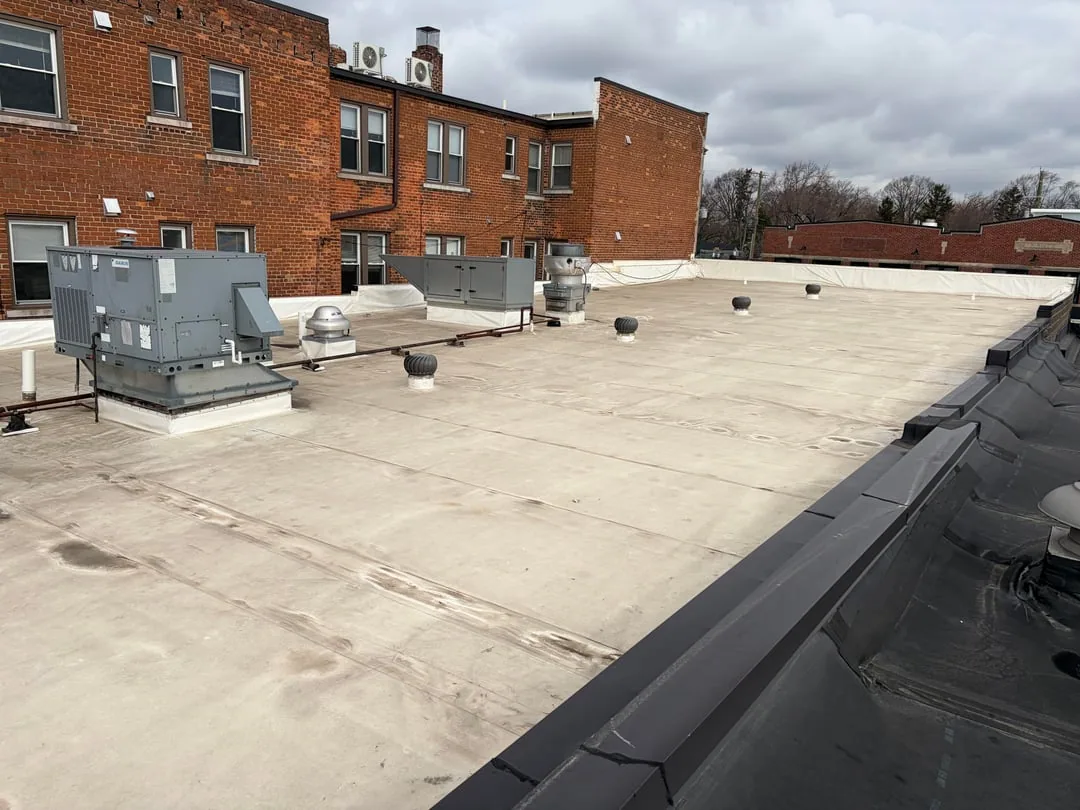
Commercial Roof Inspection
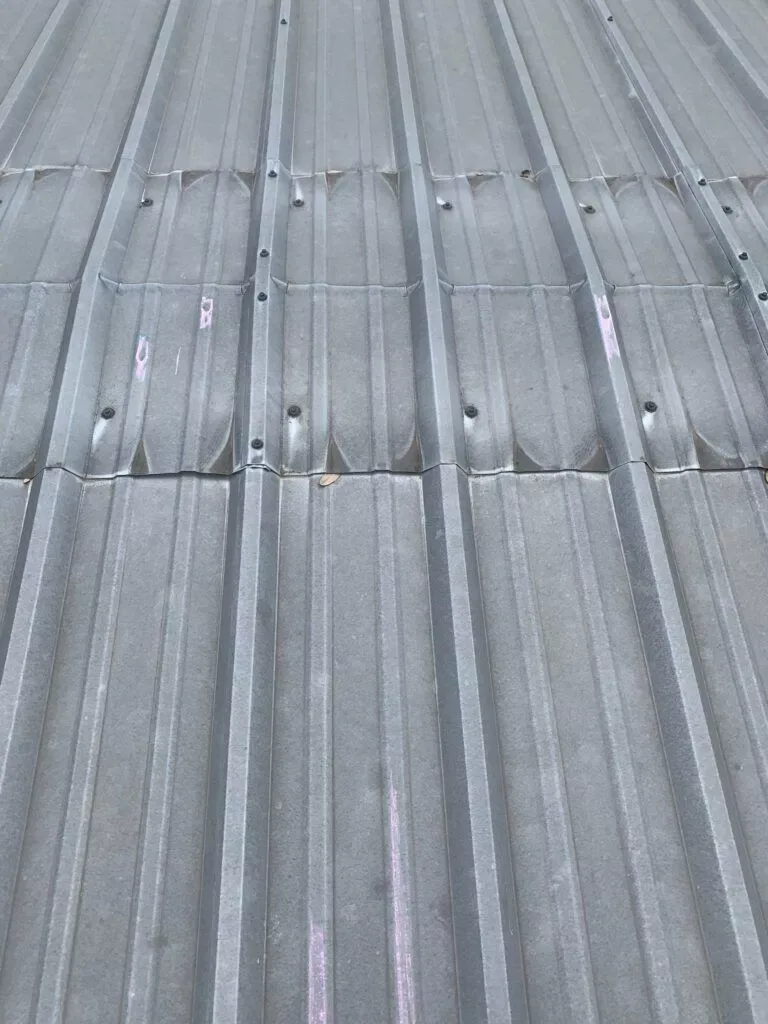
Emergency Commercial Roof Repair
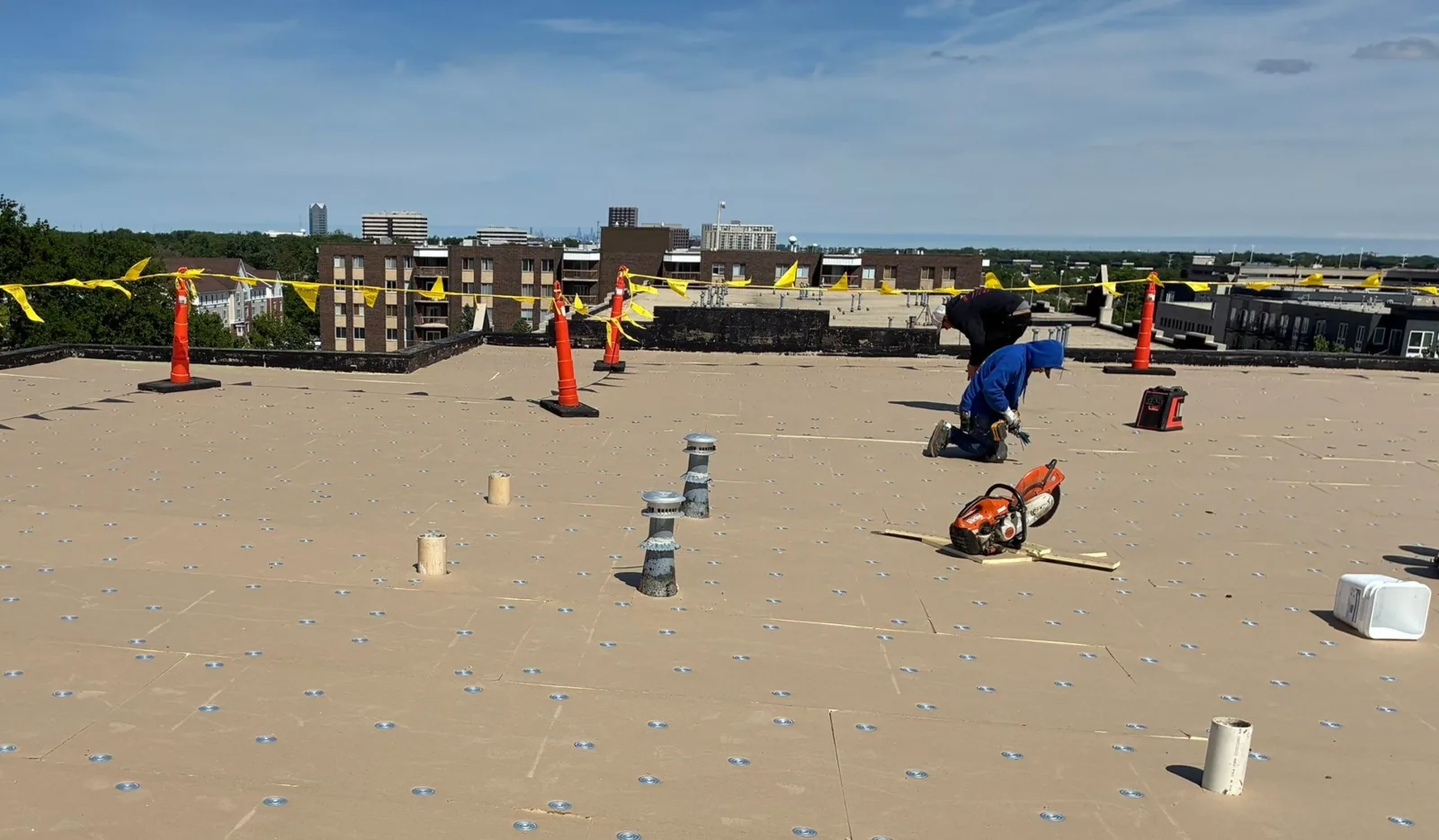
Commercial Roof Repair
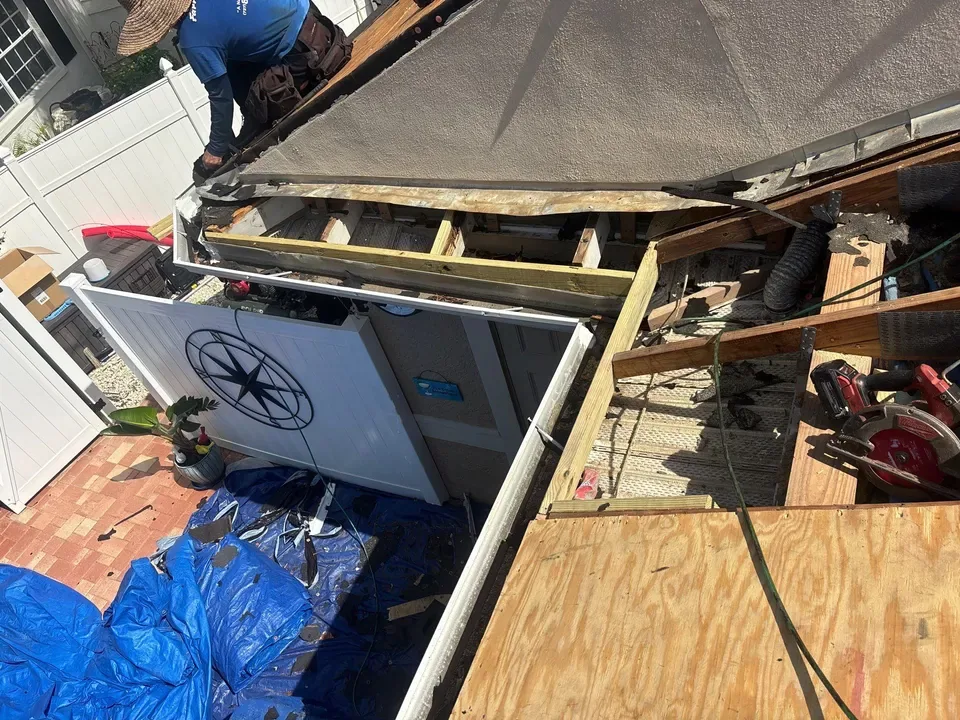
Commercial Roof Insurance Claim Assistance
Document a Topeka commercial roof loss
Service Area
Topeka, Auburn, Silver Lake, Carbondale, Rossville and Shawnee County, KS
Quick Contact
Email: [email protected]
Phone: 555-555-5555
Request a Roof Assessment
Share the property address, roof access contact, affected areas, and any active leak details. We can schedule an inspection and provide a measured roofing record.