Auto Dealership Roofing in Topeka, KS
Home / Property Types We Roof / Auto Dealership Roofing
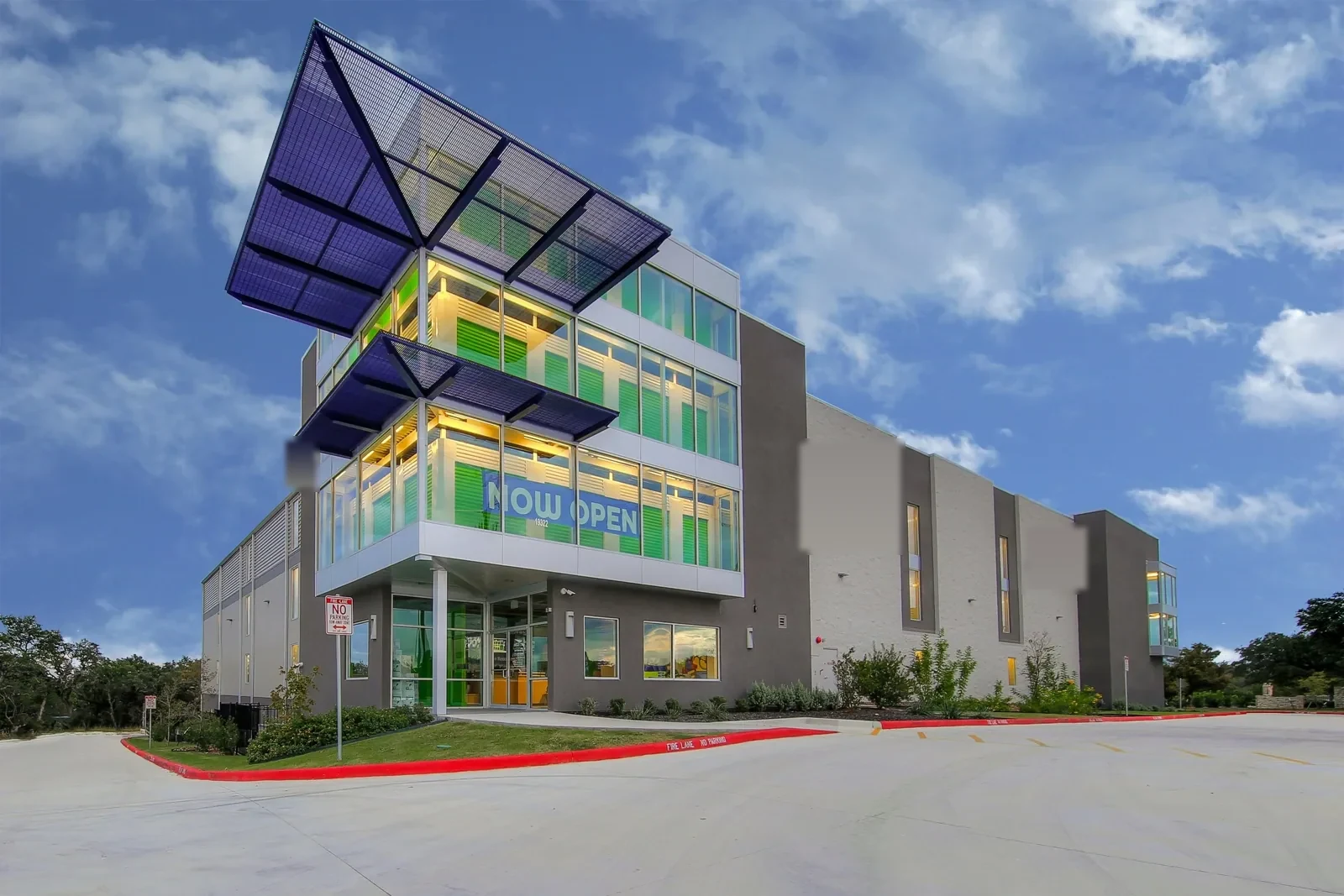
A leak over a showroom display can threaten flooring and vehicles while the roof source remains several bays away. We locate the report, compare it with drains and equipment curbs, then test the suspect area before pricing removal. That boundary sets which sales or service space needs protection. Topeka’s Wanamaker corridor is identified for large-format retail and services; a dealership’s customer, vehicle, and shop routes still need to be confirmed at its own address.
Operations: Which dealership routes stay active?
A dealership roof can sit above a showroom, parts room, service department, offices, or customer lounge. We map the roof section over each reported room and ask management to mark service-drive hours, vehicle storage, public entrances, and lift access. A phased occupied-building plan states which bay closes, how cars are protected, and when that area can return to use.
Roof access may cross a display area or busy service yard. We locate a material drop that does not block customer parking or technician circulation, then set any temporary barrier before the work shift. If a vehicle must be moved from below the repair, that responsibility and deadline are stated. An unplanned move can delay the roof opening, so the sequence lists who releases each space.
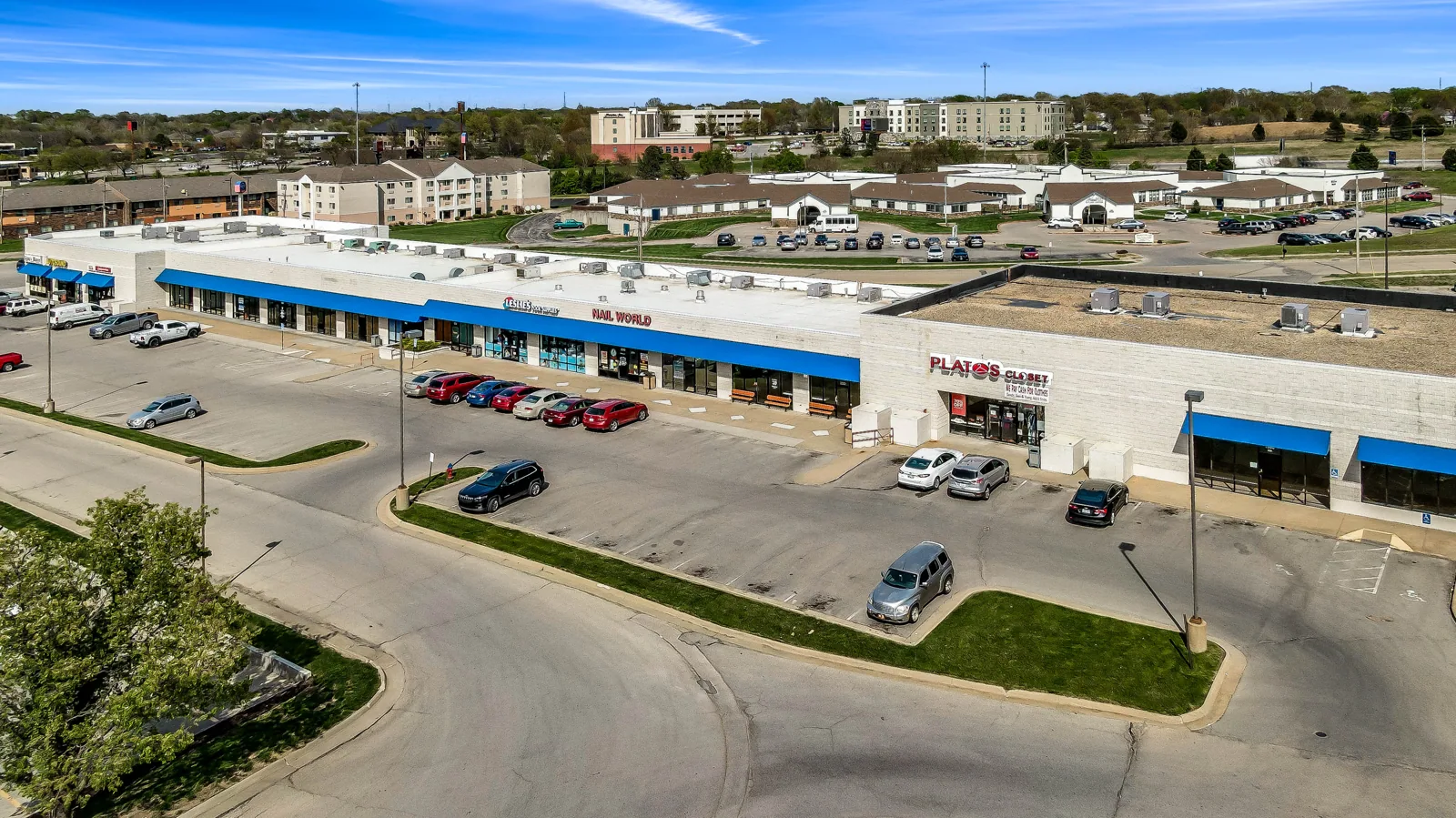
West Topeka Retail Area includes large-format shopping and service uses, while Wanamaker Crossing connects directly to I-470 and has restaurant and service tenants. Those are distinct examples of local access patterns. The dealership contact supplies current customer, delivery, and service-drive controls for the actual project.
Keep vehicle deliveries and service-lane turnover outside lift and material routes; confirm which customer parking and showroom entries must remain accessible.
Survey: What separates roof entry from vehicle damage?
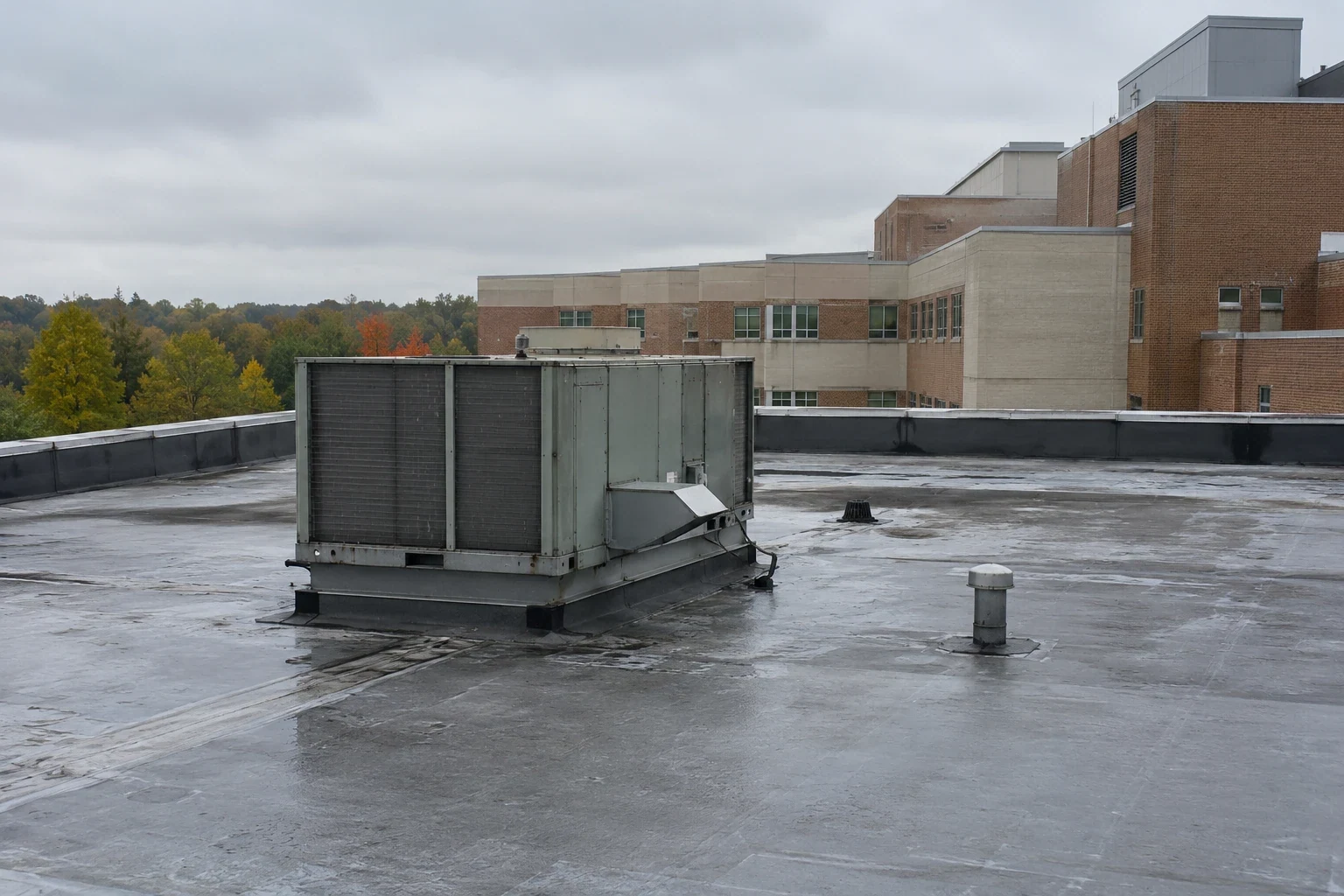
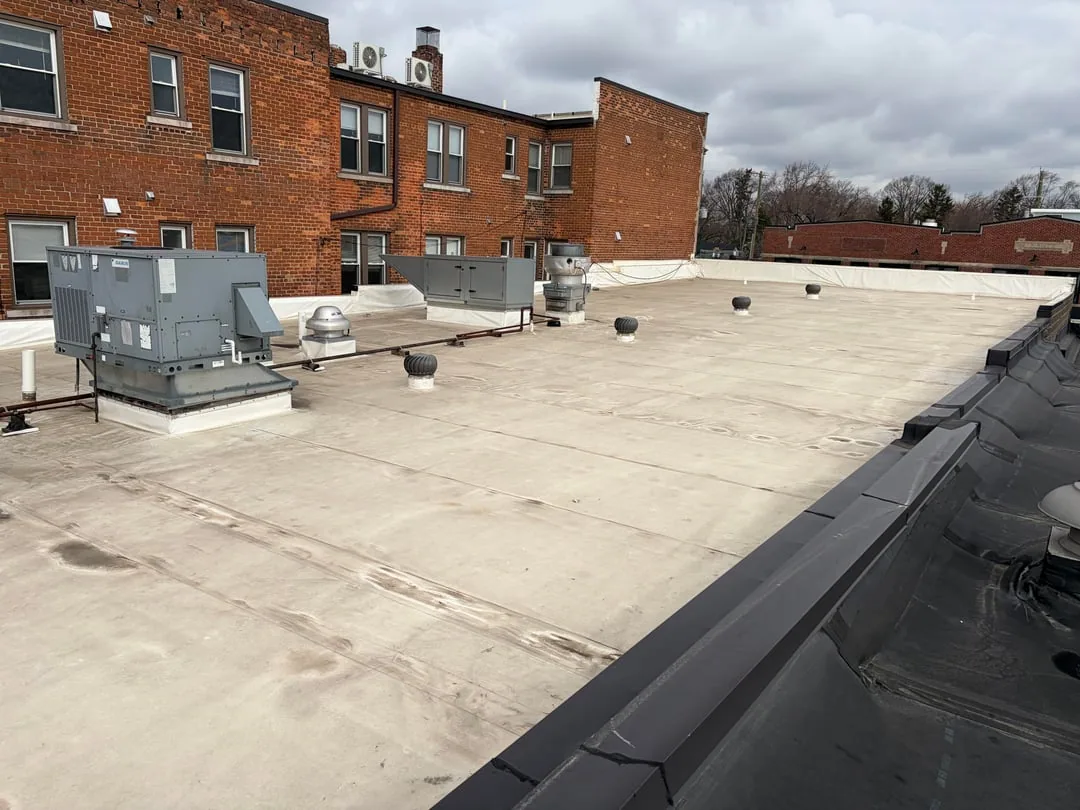
Water over a vehicle bay may arrive from a curb, seam, skylight, or roof drain. We compare the stain location with roof slope and prior work, then inspect nearby laps, penetrations, and equipment supports. A commercial roof inspection records the roof assembly, observed defects, and sections where access was restricted.
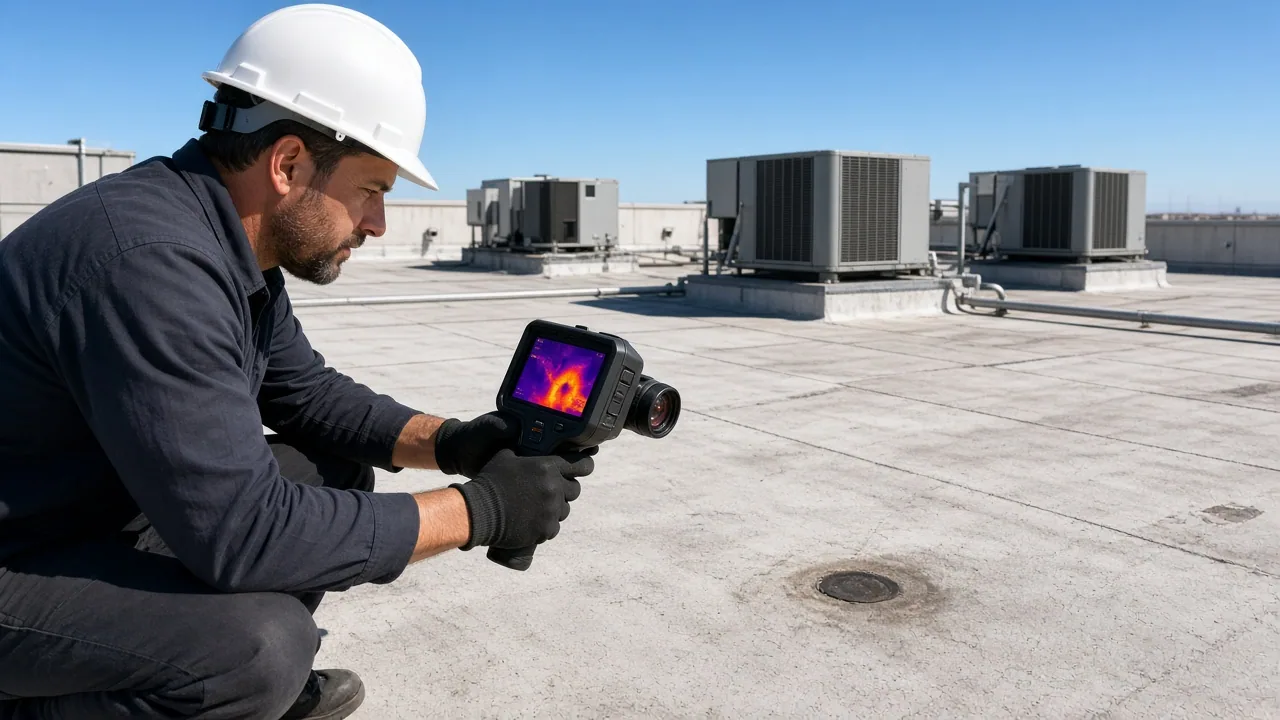
Infrared scanning or a test opening can help locate wet insulation beneath a membrane. We use those methods where the result changes removal quantities or the repair decision. A moisture survey maps suspect areas; test openings confirm what material must be removed. The report separates measured wet areas from dry sections and identifies any vehicle or shop area needing interior protection.
Storm reports in northeast Kansas include severe hail and wind. After a dealership reports a storm, we inspect roof edges, curb corners, skylight frames, and exposed seams at that property. A mark on a hood does not establish roof damage, and a regional storm record does not establish damage to a specific address. Roof photographs and field measurements support the repair scope.
Repair: How does a repair protect sales and service areas?
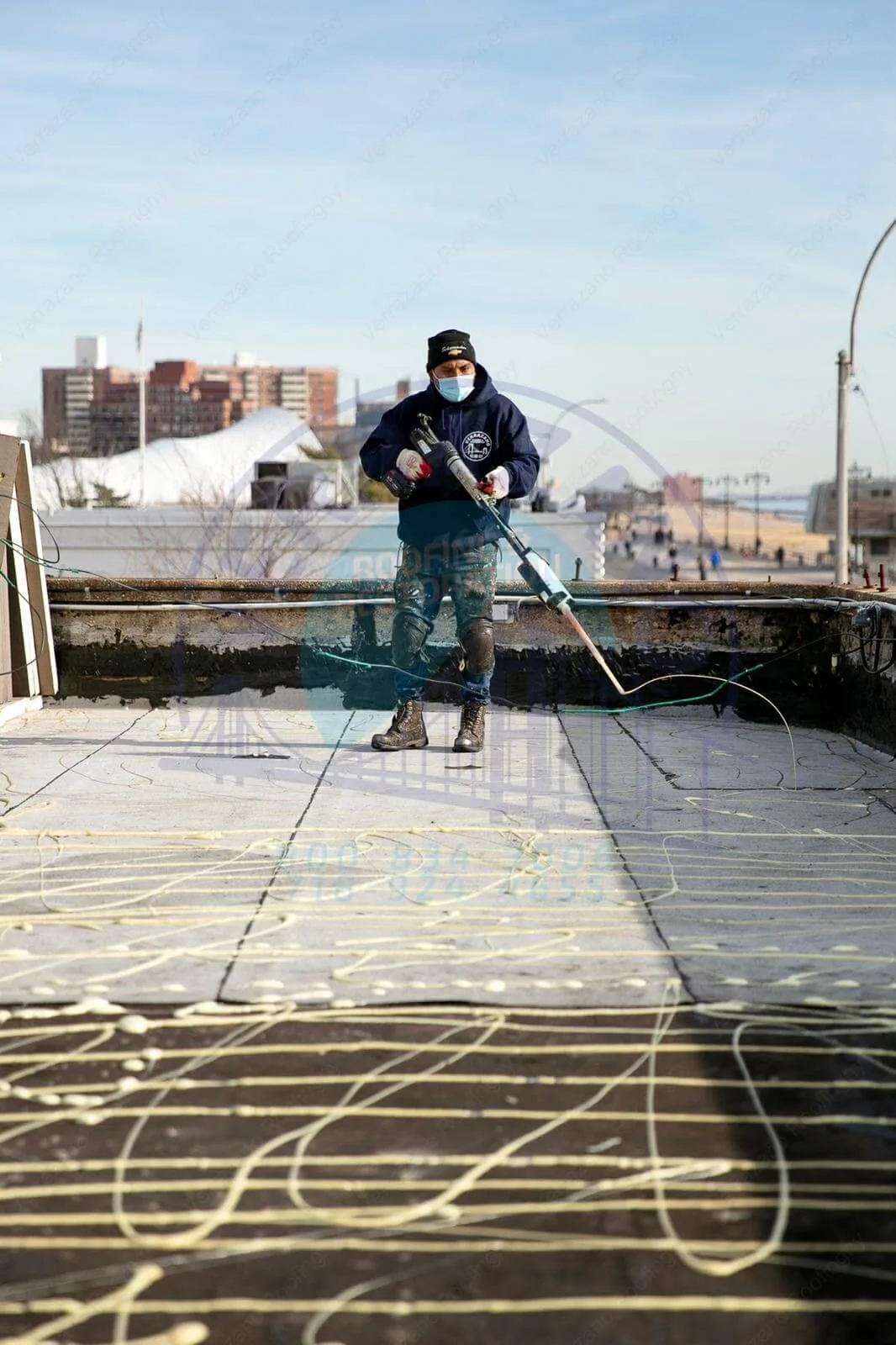
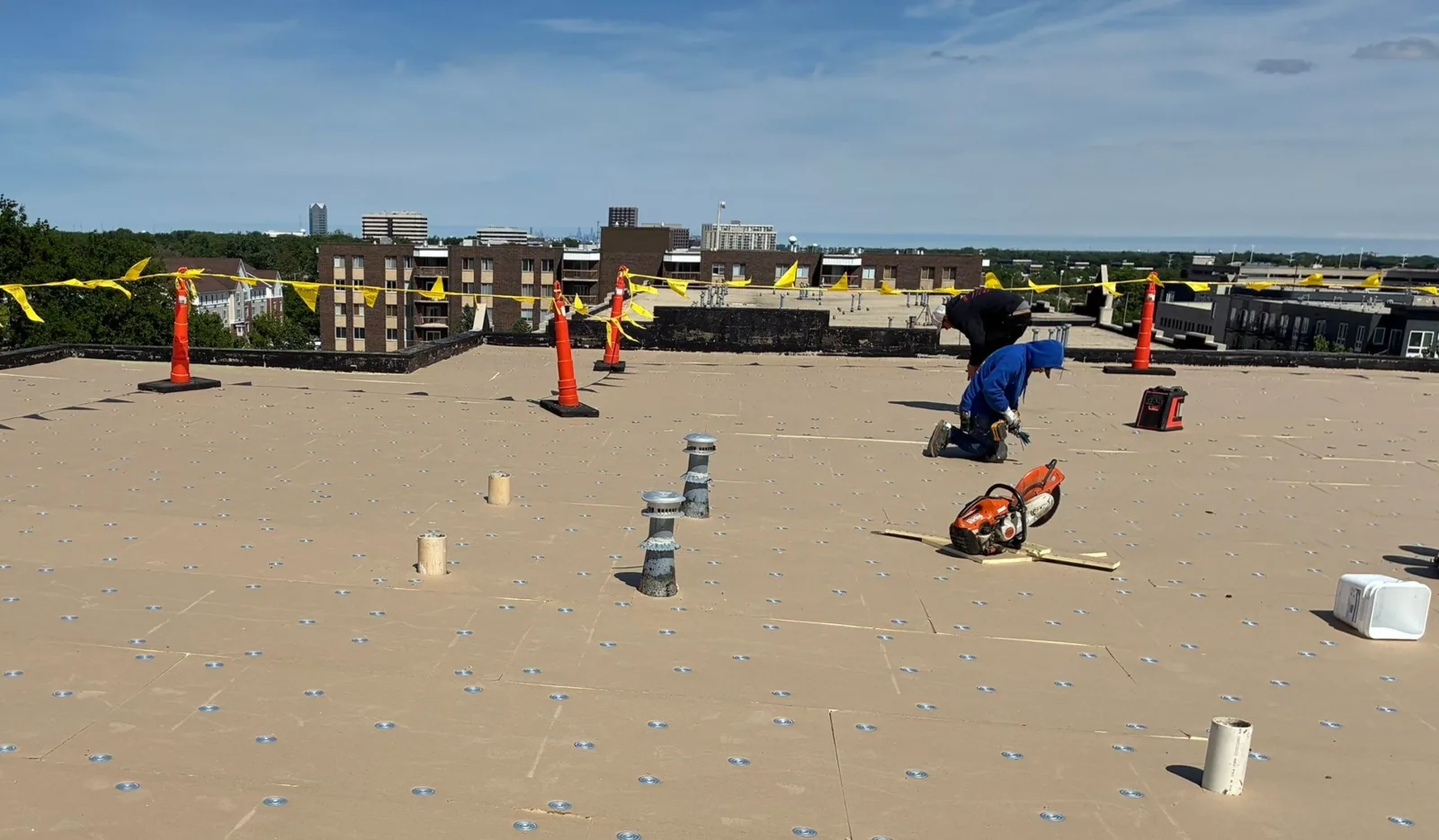
A focused repair can address a failed lap, flashing, puncture, or equipment curb when surrounding insulation and deck are sound. The commercial roof repair scope identifies preparation, compatible material, measured dimensions, interior safeguards, and the closeout check. We also state who can approve concealed damage beyond the test boundary before work begins.
If removal finds a soft deck or wet insulation outside the approved limit, we protect the opening and report the new condition with photographs. Management can approve the measured addition, schedule it after a sales event, or request more testing. Each added quantity is listed separately. This keeps an urgent repair from becoming an undefined roof replacement.
Emergency service can be reached after hours, on weekends, and during holidays. We coordinate access with the dealership manager, protect vehicles or shop equipment below, and record temporary mitigation. The lasting roof detail is scoped after the inspection. The response record names any bay that remains restricted and the step required before it reopens.
Weather: What changes after hail, wind, or snow?
Topeka climate normals show roughly 36.5 inches of precipitation annually, including summer thunderstorms and winter precipitation. We check drains, scuppers, low areas, and roof-to-wall transitions before a wet season. Following snowmelt, the outlet should be observed after it clears; water that stays in a low area may require a different scope than a blocked drain bowl.
The 1966 Topeka tornado damaged or destroyed every Washburn University building. That event is part of the region’s severe-weather history, while a dealership’s current roof condition is established by inspection. After a local hail or wind report, we document current edge movement, seam openings, punctures, and equipment flashing conditions at the site.
Ice or snow may restrict a roof route and delay inspection of a remote section. We list the portion not reached, set a safe return visit, and protect an active interior leak while waiting. An operator can then distinguish a weather delay from a completed survey and keep the service area status clear for staff.
Options: When does a dealership need a capital review?
Moisture across separate roof zones, repeat leaks above several departments, or recurring edge failures can support a broader project. A replacement assessment compares repair, recover, and tear-off against verified deck condition, drainage, equipment, and operating hours. The work sequence identifies which showroom or service zones can be released in each phase.
A big-box retail roof scope may also require customer and delivery protection, while a shopping-center roof plan can involve several tenants. Dealership inventory and service work create distinct interior controls. We build the comparison from the actual roof assembly and the area the dealership can make available.
System choice follows the existing roof, structural conditions, drainage, and project criteria. The installed membrane, panel, or coating determines which seam and curb repairs are compatible. We identify tested areas and state any assumptions about vehicle relocation, shop noise, or work windows. Ownership can review the scope before selecting a repair or capital option.
Record: What should the service manager keep?
Retain leak dates, affected departments, roof-zone photos, test readings, repair dimensions, material records, and access notes. Record which vehicles or service bays moved, who released the work area, and when protection came down. Mark any roof section not inspected because of weather or access.
If water appears again, compare its location with the last roof repair and any equipment service performed since then. A new stain near another bay may follow a separate path. The site map helps management request a focused test instead of assuming the earlier repair failed.
Send the Topeka dealership address, affected room or bay, service schedule, access contact, and existing roof records. We will map the test boundary, protect the operating area, and set the work window.
Commercial Roofing Questions
Can the service department keep working during roof repairs?
A released section can stay separate from active bays when vehicle routes and overhead protection are planned. We identify the closure, tie-in, and reopening check for each shift.
How do you protect vehicles below a roof opening?
We map the repair zone to the showroom, shop, or storage area, then set a vehicle move or interior barrier with management. The approved protection is written into the scope.
What should the manager provide after a storm?
The report date, affected department, photos, and any interior leak location help target the inspection. We still document roof-level impact before setting repair quantities.
Can someone come out after the dealership closes?
Our on-call crew is available outside showroom and shop hours, including weekends and holidays. The manager arranges access; we document temporary protection separately from permanent repair.
When should ownership compare replacement with a patch?
Recurring leaks above multiple departments, confirmed wet insulation, or broad seam and edge failures can justify that review. Tests set the areas included in each option.
Related Roofing Work
Occupied Commercial Building Reroofing
West Topeka Retail Area
Commercial Roof Inspection
Commercial Roof Infrared Moisture Survey
Commercial Roof Repair
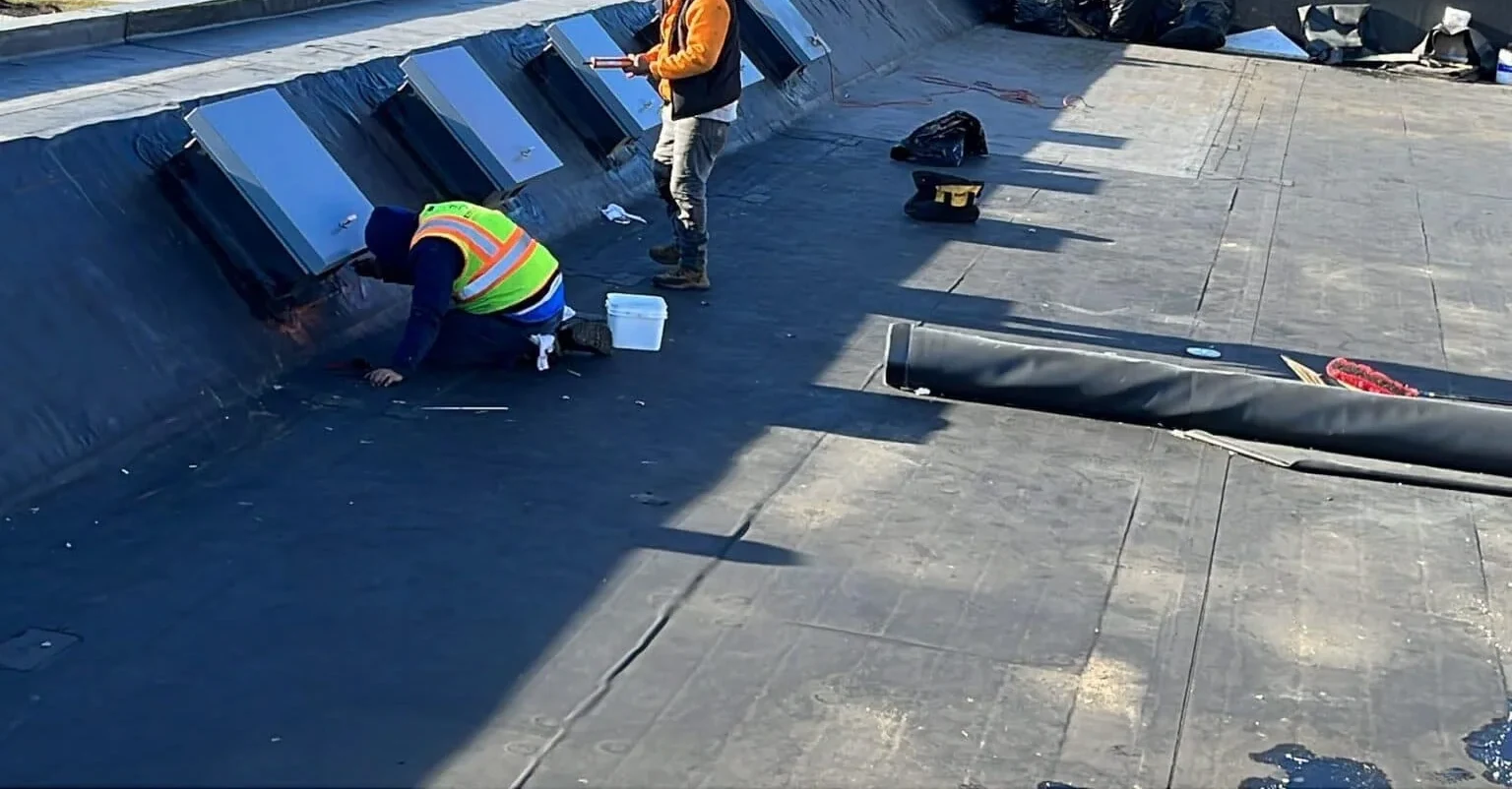
Commercial Roof Replacement
Map a dealership roof work window
Service Area
Topeka, Auburn, Silver Lake, Carbondale, Rossville and Shawnee County, KS
Quick Contact
Email: [email protected]
Phone: 555-555-5555
Request a Roof Assessment
Send the Topeka address, affected bay or department, operating hours, access contact, and roof plan. We will identify test areas and protection needs.