
Commercial Roofing in North Topeka East, Topeka, KS
Home / Service Areas / North Topeka East
The City’s neighborhood map identifies North Topeka East as a named Topeka neighborhood. The metropolitan planning organization separately identifies the US-24 area north of the city as a primary industrial area. We confirm the address, roof zone, and access plan for the property being inspected rather than assigning the corridor’s land use to every nearby building. We inspect the requested area, document accessible seams, flashings, drainage, penetrations, and tested sections, and state what remains uncertain.
Inspection map: What does the field record include?
We verify that the work order names the assigned building and confirm which roof area is in scope. The field walk checks seams, wall transitions, curbs, penetrations, drains, edge metal, and visible water tracks. If interior water is reported, we compare the room or equipment location with the roof details above. A marked sketch identifies the symptom, likely entry point, tested section, and any inaccessible area. That record prevents building numbers or past facility history from becoming a substitute for current inspection.
Commercial and industrial work can make access and sequencing as important as the repair itself. The property representative confirms sign-in, any escort needs, staging, material route, and operating constraints around the work zone. The neighborhood helps orient service planning; the property contact confirms the crew entrance and site instructions. A roof inspection record includes field dimensions and dated photographs. If the leak appears below a roof opening, a penetration and flashing check can document the detail within the approved scope.
North Topeka East is a named neighborhood area in Topeka. The metropolitan planning organization also identifies the US-24 area north of the city as a primary industrial area. Those geographic references help orient service planning across a mix of properties; the inspected building, its roof, and its access conditions still determine the work. We plan each visit around the property contact, roof zone, deliveries, and operating constraints confirmed for that site. For properties that include several structures, we identify each building and keep its roof map, photographs, and repair limits separate. Local service planning also accounts for the approach route, staging area, roof entry, and the work hours that the owner approves. These details help the estimate connect observed conditions to the actual property without extending findings to neighboring facilities.
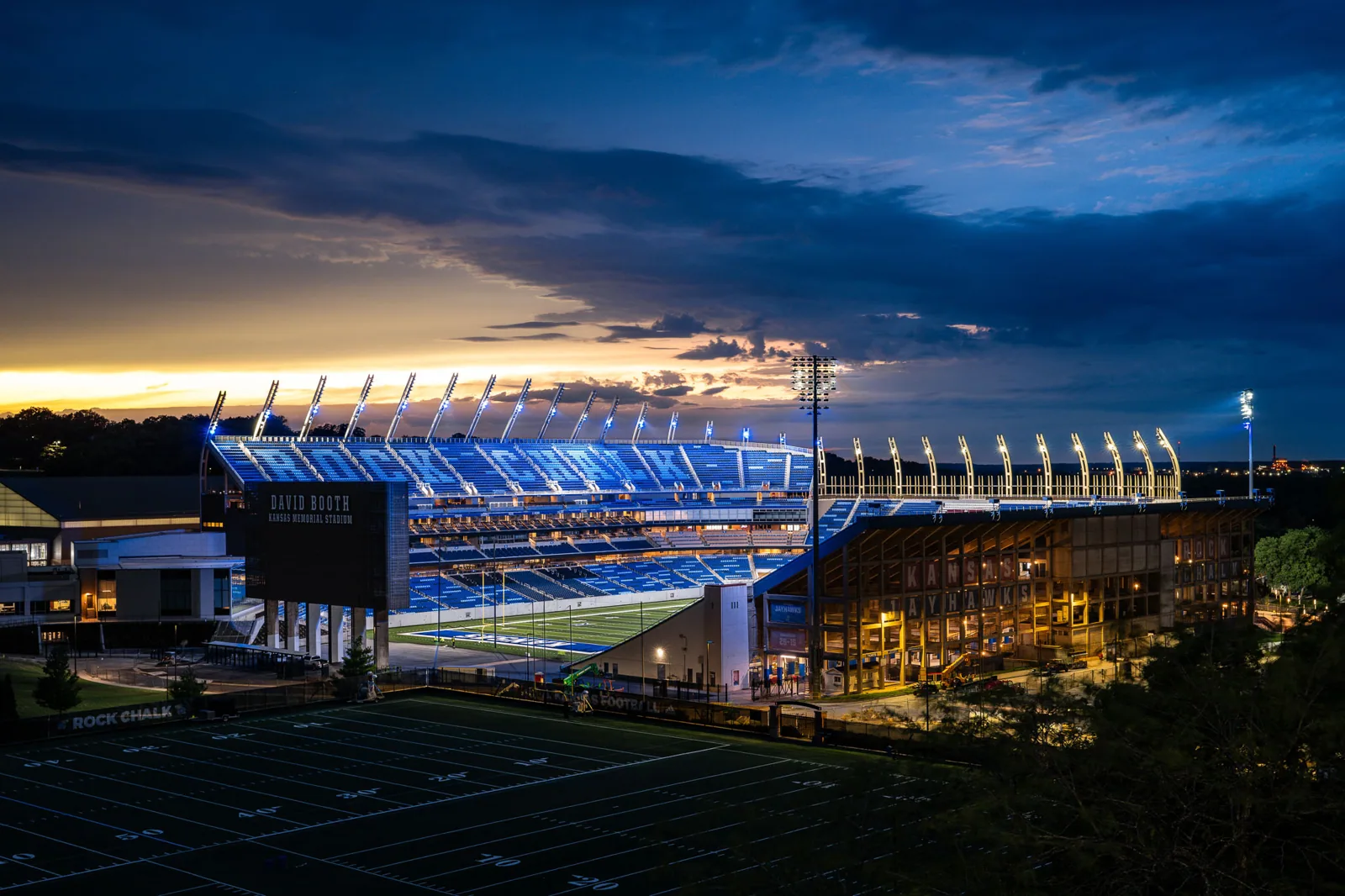
Access and scheduling: What must be cleared?
The property contact identifies when access is permitted and whether equipment or vehicle movement affects staging. We agree on where materials can be unloaded, what route the crew may use, and who can pause the job if site activity changes. If roof removal exposes insulation or deck, the sequence includes protection below and a temporary seal. We list the point of contact for scope approval before opening concealed areas. Any extra work follows the evidence found and the approval process supplied by the owner.
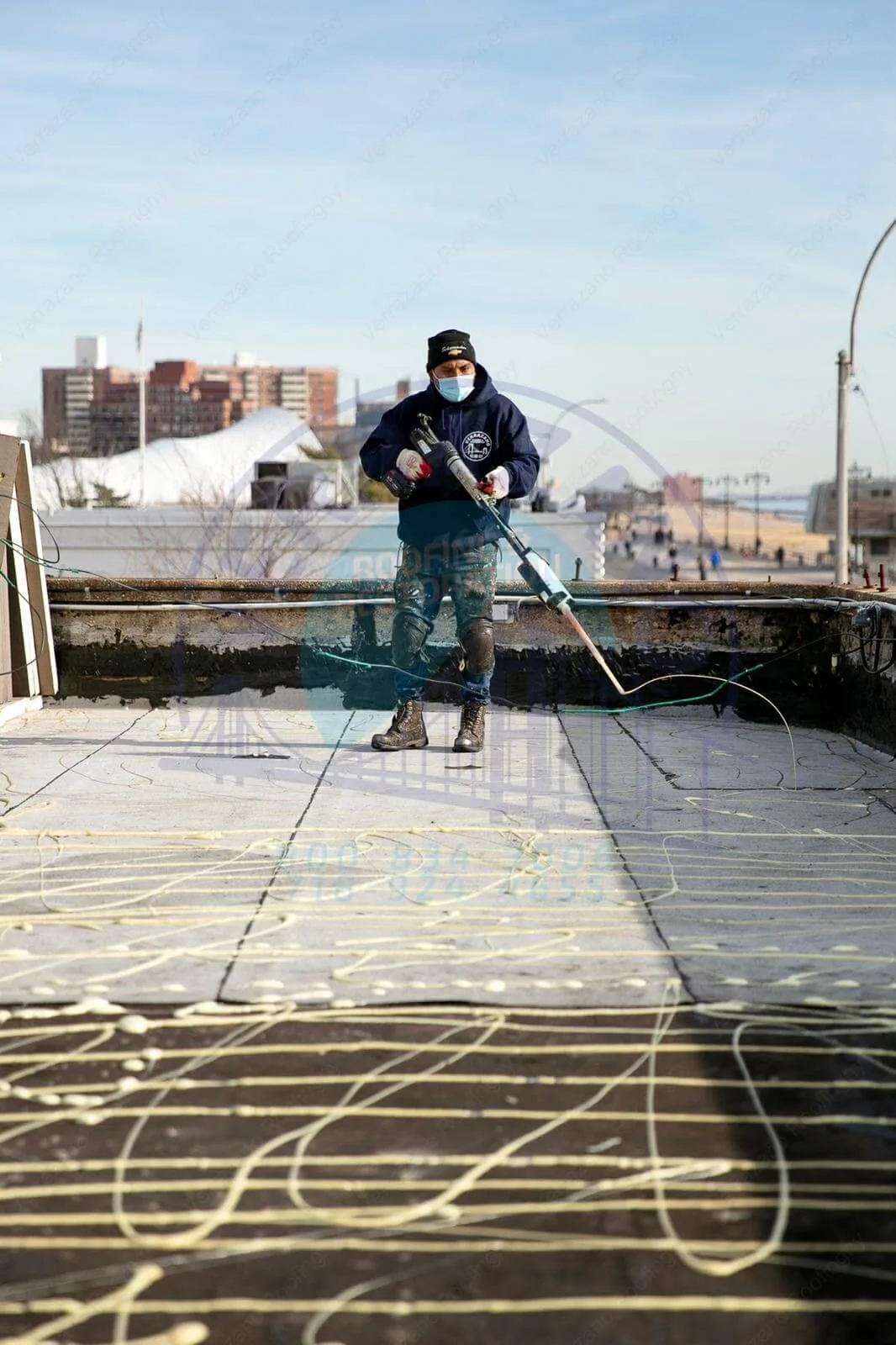
Where a business needs an active drive, loading area, or pedestrian route kept clear, we plan lifts and debris removal around that requirement. These constraints can add setup time even when the measured repair remains small. A coordinated occupied-site sequence can show each phase, access window, and watertight stopping point. The plan should also state how the crew will protect an exposed opening if wind or rain reaches the site before closeout. These are schedule decisions, not assumptions about roof construction. If the approved roof zone sits above an active work area, we verify whether the repair affects ventilation openings, utility penetrations, or overhead clearance. These checks apply only where those details exist in the inspected section. We note how the area will be isolated, what can remain operating, and who confirms the barrier before roofing starts. That decision shapes access and crew sequence, not repair material.
Repair quantity: What can be confirmed?
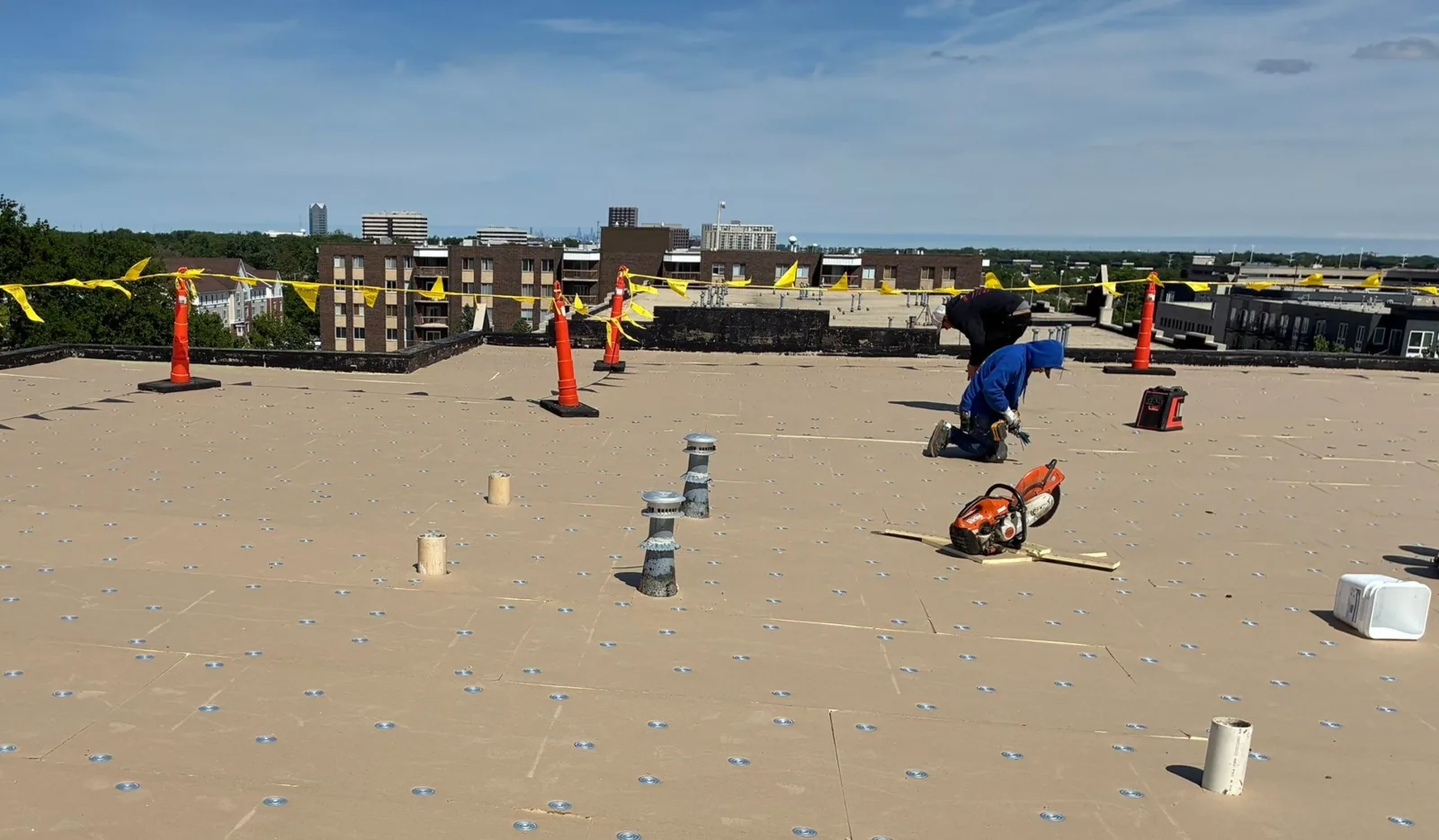
A seam or flashing repair begins with the defect and the condition of the material around it. We prepare the surface and tie compatible repair material into stable roofing. If moisture testing confirms wet insulation, the measured area can extend past the visible symptom. The report shows that boundary and the evidence supporting it. When the assembly is concealed, we identify the test or selective opening required before treating the full quantity as known.
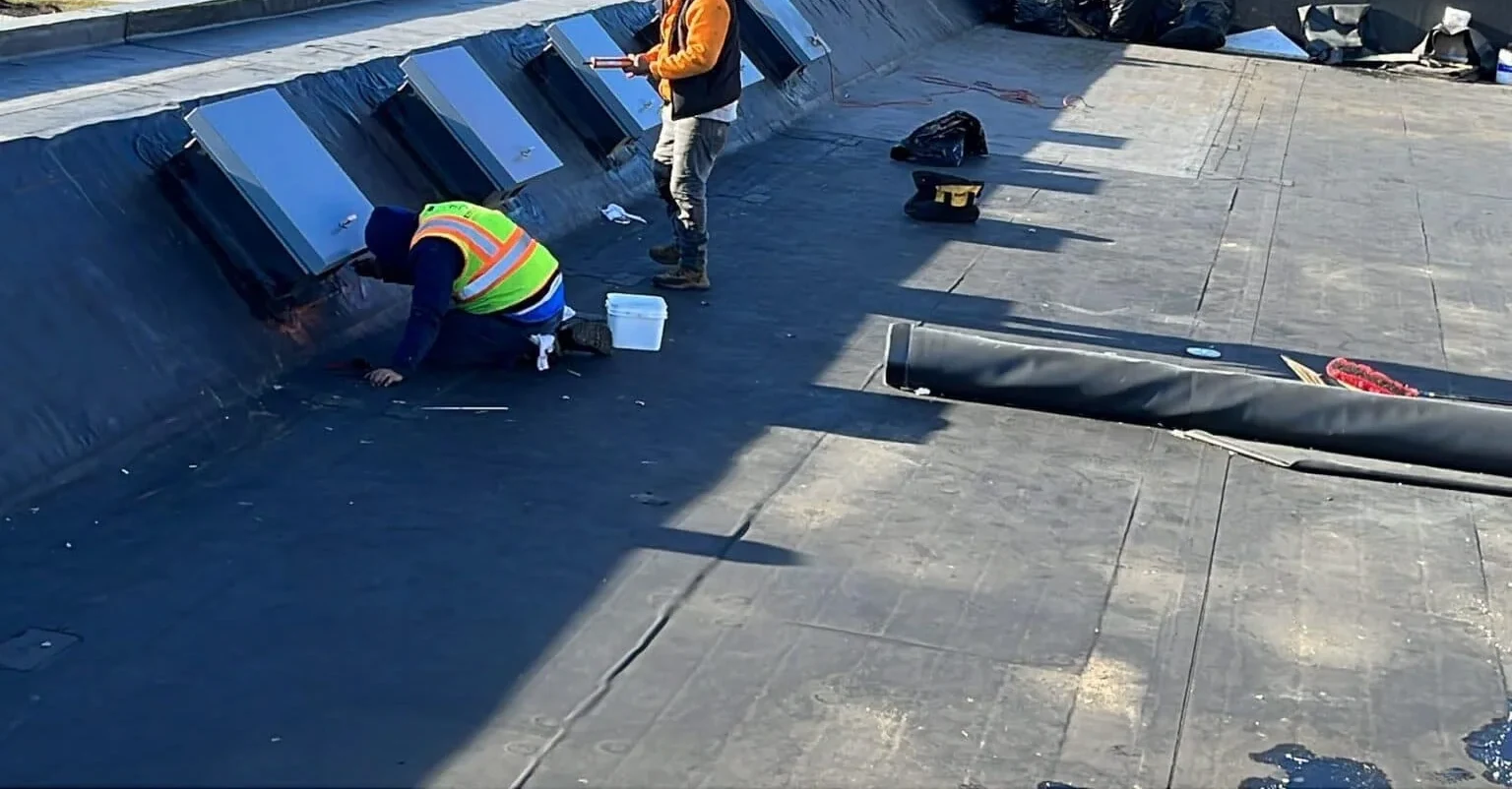
For a larger capital decision, we inspect deck attachment, insulation, drains, penetrations, edges, and any existing roof layers. A recover may fit only when the old assembly supports another layer and drainage remains adequate. A property's age or operating history does not prove that its roof has been maintained, replaced, or preserved. A repair estimate can resolve current leaks. A replacement review compares whole-system options when measurements and testing justify that discussion.
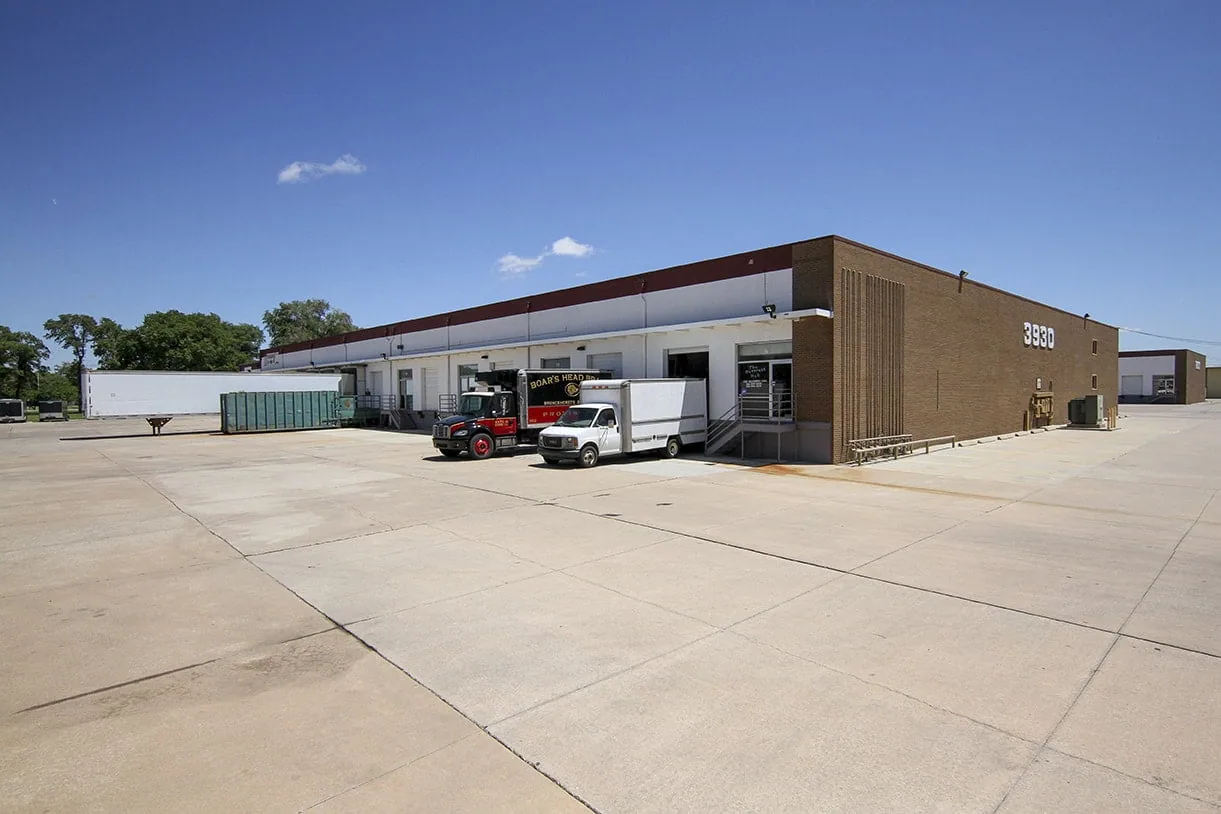
Weather check: What changes the next visit?
Topeka weather includes winter precipitation and documented hail and wind events. After a storm report, we inspect edges, membrane surfaces, seams, flashings, and supports for displacement or impact. Marks alone do not prove a breach. We photograph any open detail, compare it with interior water reports, and record whether temporary protection was installed. The superintendent can then set a repair boundary and a follow-up date from the observations.
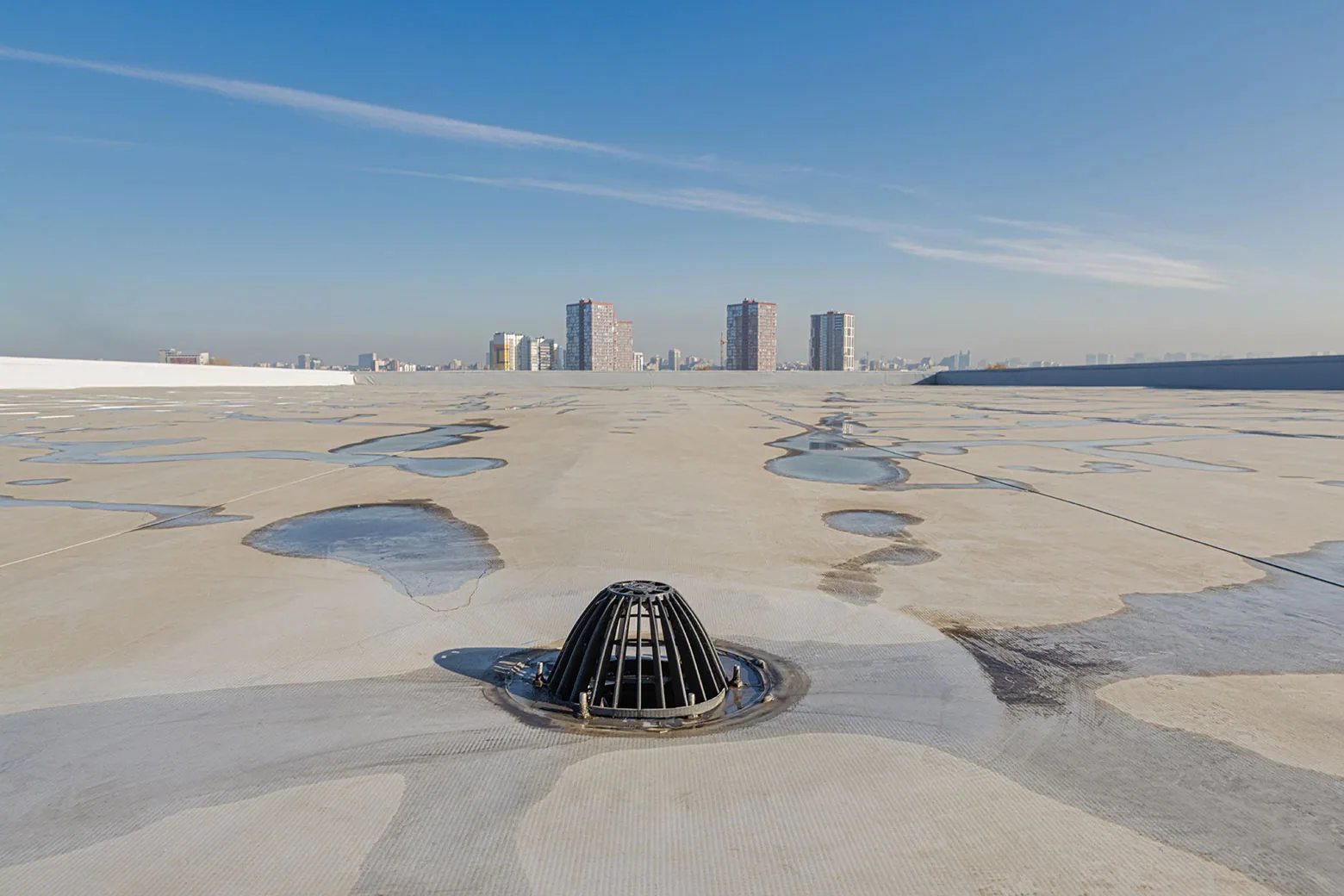
Drain bowls, scuppers, and low areas deserve attention when water remains after an outlet clears. We note whether debris, a failed connection, or an underlying slope condition is the likely issue. Topeka's annual precipitation normal is about 36.5 inches, so a drainage finding can affect maintenance timing beyond one storm. A drainage inspection records what was cleared or repaired. For urgent water entry, temporary protection can limit interior exposure while permanent work is scheduled.
Closeout: What stays in the property record?
The closeout should identify the assigned building or verified structure, roof-zone sketch, access route, photos, repair materials, and tested section. We note where the repair ended and which areas could not be reached. A temporary seal has a location and review date. The next inspection can compare its findings with the same seam or drainage point, while a new facility contact can see how the work was approved and closed.
Topeka's US-24 industrial area and Philip Billard Airport represent distinct local property contexts, each with its own access and roof conditions. Findings from one site do not carry over to another. A North Topeka US-24 industrial-area roof review or a review in the East Topeka service area should have its own measurements. For a multi-building property, a roof condition report can rank repair urgency by verified condition and preserve the maintenance history for each building.
Commercial Roofing Questions
Does a building’s operating history tell us how old its roof is?
No. A property’s history does not establish the roof installation date. We review available roof records and inspect current conditions. If the roof age cannot be confirmed, the report states that limitation.
How should the scope identify the building and roof area?
We verify the building name or designation with the property representative, then mark the roof area, leak symptom, and access limits on a sketch. The record notes testing and any section that could not be reached. That keeps repair authorization tied to the correct structure.
Can roofing work proceed while a business remains open?
The property representative sets operating constraints and access windows. We plan staging, lift use, debris routes, and dry-in around those instructions. If the work zone cannot remain protected during normal operations, the sequence can be divided into shorter sections.
What should be included in a storm-related roof record?
Include the date, affected building, roof-zone photographs, observed displacement or puncture, interior reports, and any temporary protection. We keep surface marks separate from functional damage and state which area was tested. That gives the owner a clear basis for permanent repair.
Related Roofing Work
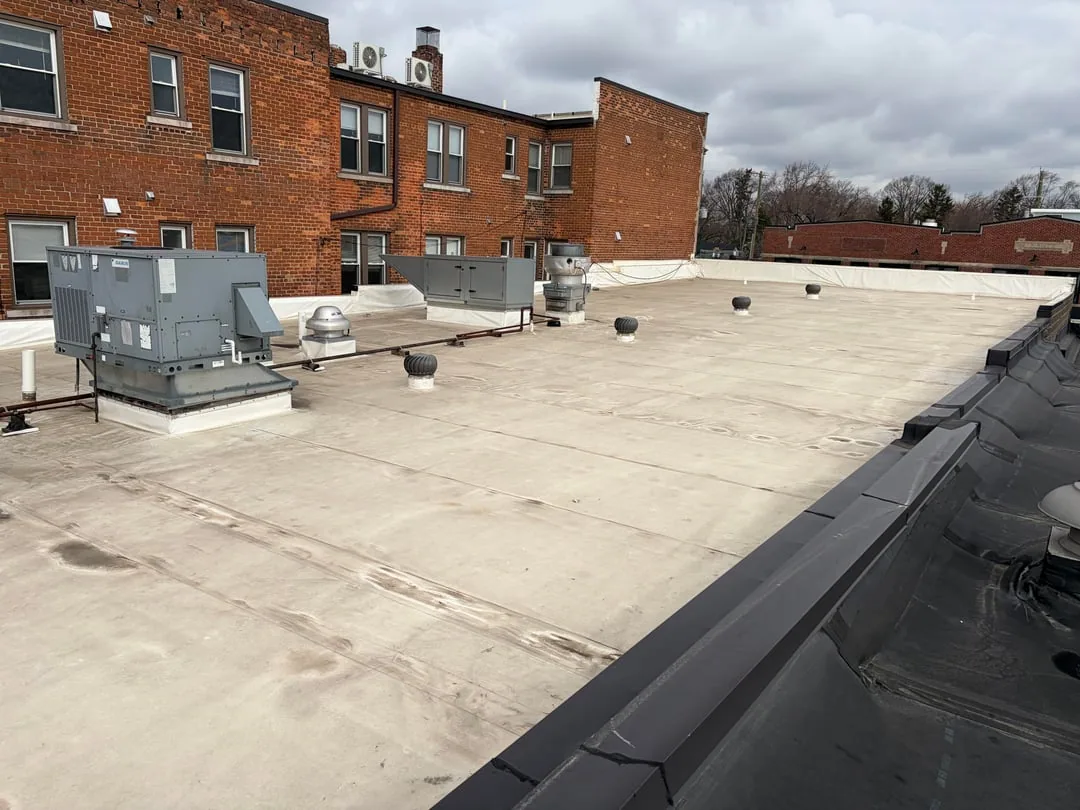
Commercial Roof Inspection
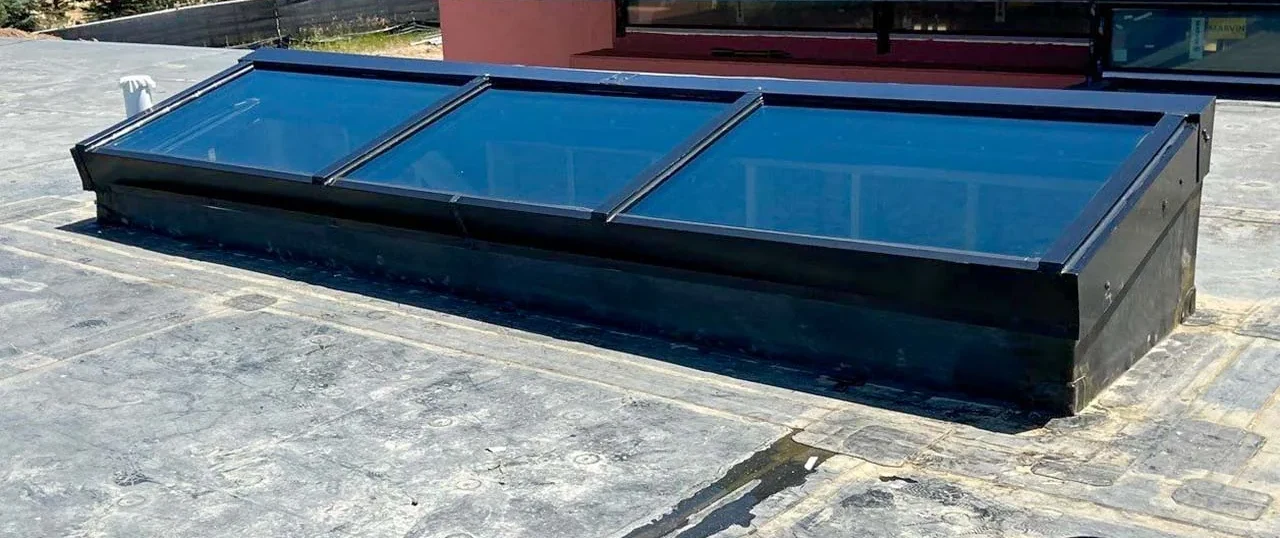
Commercial Skylight and Penetration Flashing
Occupied Commercial Building Reroofing
Commercial Roof Repair
Commercial Roof Replacement
Commercial Roof Drains and Scuppers
Arrange a North Topeka East roof assessment
Service Area
Topeka, Auburn, Silver Lake, Carbondale, Rossville and Shawnee County, KS
Quick Contact
Email: [email protected]
Phone: 555-555-5555
Request a Roof Assessment
Share the property address or building designation, roof concern, authorized access contact, and any repair or inspection records. We will confirm the approved route and work window before setting the repair boundary.